Party Games
Browse all Party board games in the Meeple Pulse database.
Styles
Themes
AbstractAdventureAncientAnimalsArtBusinessCard GameCo-operativeComic BookCooperativeCrimeEconomicEnvironmentalismExplorationFantasyHistoricalHorrorHumorIntrigueLiteraryMagicMarvelMedievalModernMuseumMysteryMythologyNatureNauticalPoliticalPress Your LuckSatireSci-FiSocial CommentarySocial InteractionSpaceSuperheroesThematicTravelWarWesternWord-Guessing
Mechanics
3D PlacementActingAction / DexterityAction DraftingAction Point AllowanceAction Point Allowance SystemAction Point SystemAction PointsAction ProgrammingAction QueueAction RetrievalAction SelectionAction/EventAlliancesAlternate ActivationApp-AssistedApp-DrivenArea ControlArea InfluenceArea MajorityArea Majority / InfluenceArea MovementArgumentationAsymmetricAsymmetric FactionsAsymmetric GameAsymmetric PowersAsymmetrical PowersAuction & BiddingAuction/BiddingAuctioningBag BuildingBettingBetting and BluffingBetting and WageringBetting and WagersBiddingBingoBlind BiddingBluffingCampaign / Battle Card DrivenCampaign / LegacyCampaign / Legacy GameCampaign / Mission-basedCampaign / ScenariosCampaign GameCampaign PlayCard DraftingCard DrawingCard DrivenCard Driven ActionCard Driven CombatCard Driven Dice AllocationCard Driven MovementCard ManagementCard PlayCard Play / Hand ManagementCard Play Conflict ResolutionCard SheddingCard-Driven MovementCharacter CreationCharacter ProgressionChit-Pull SystemCo-op PlayCo-operative GameCo-operative PlayCode-breakingCombat ResolutionCombo ChainCommand CardsCommodity SpeculationCommunication LimitsContract FulfillmentContractsCooperative GameCooperative GameplayCooperative PlayCooperative Trick-takingDebateDeck BuildingDeck ConstructionDeck, Bag, and Pool BuildingDeck-BuildingDeductionDexterityDice DraftingDice PlacementDice RollingDiplomatic InfluenceDraftingDynamic Battle SystemEnclosureEnd Game BonusesEngine BuildingEngine-BuildingEscape RoomEvent DrivenExplorationFarmingFlip and WriteFollowFollow ActionGrid CoverageGrid MovementHand ManagementHex-and-CounterHexagon GridHidden MovementHidden RolesI Cut You ChooseIncomeInfluence / Area MajorityLadder ClimbingLegacyLegacy ElementsLegacy GameLegacy SystemLimited CommunicationLine DrawingLine of SightMancalaMap MovementMarketMarket DraftingMarket ManipulationMarket MechanicMarket SpeculationMatchingMeasurement MovementMemoryMission ObjectivesModular BoardModular Board ConstructionMovement TemplatesMulti-Use CardsMulti-use CardsMultiple ScenariosMust FollowNarrative ChoiceNarrative Choice / ParagraphNegotiationNegotiation MechanicsNetwork & Route BuildingNetwork BuildingNetwork and Route BuildingOne vs ManyOne vs. ManyOpen DraftingPaper-and-PencilPartnershipsPattern BuildingPattern RecognitionPick-up and DeliverPlayer EliminationPlayer InteractionPlayer JudgePoint SaladPoint to Point MovementPolyominoesPush Your LuckPush-Your-LuckPuzzlePuzzle-LikePuzzle-SolvingRaceReal-TimeRecipe FulfillmentResource ManagementRole PlayingRole SelectionRoll / Spin and MoveRondelRoute BuildingRoute-BuildingRoute/Network BuildingSanity SystemScenario / Campaign PlayScenario / Mission / Campaign GameScenario / Mission FunctionSecret Unit DeploymentSemi-Cooperative GameSet CollectionSheddingSimulationSimultaneous ActionSimultaneous Action SelectionSimultaneous Hidden AllocationSocial DeductionSocial InteractionSolo / Solitaire GameSpace ExplorationStat Check / Skill CheckStock HoldingStorytellingStrategic PlanningTableau BuildingTactical Decision-MakingTake ThatTargeted CluesTeam PlayTeam-Based GameTeam-Based GuessingTeamworkTech TreesTech Trees / Tech TracksTechnology & Armament TracksTechnology TreeTension & Aggression TracksTile DraftingTile LayingTile PlacementTime TrackTime TravelTower DefenseTrack MovementTradingTrick-takingTug of WarTurn Order: PassTurn Order: Stat-BasedUnit PlacementVariable Phase OrderVariable Player PowersVariable Set-upVariable SetupVictory Point TracksVotingWord AssociationWord GameWord GuessingWord-GuessingWord-guessingWordplayWorker Placement
RANK #33
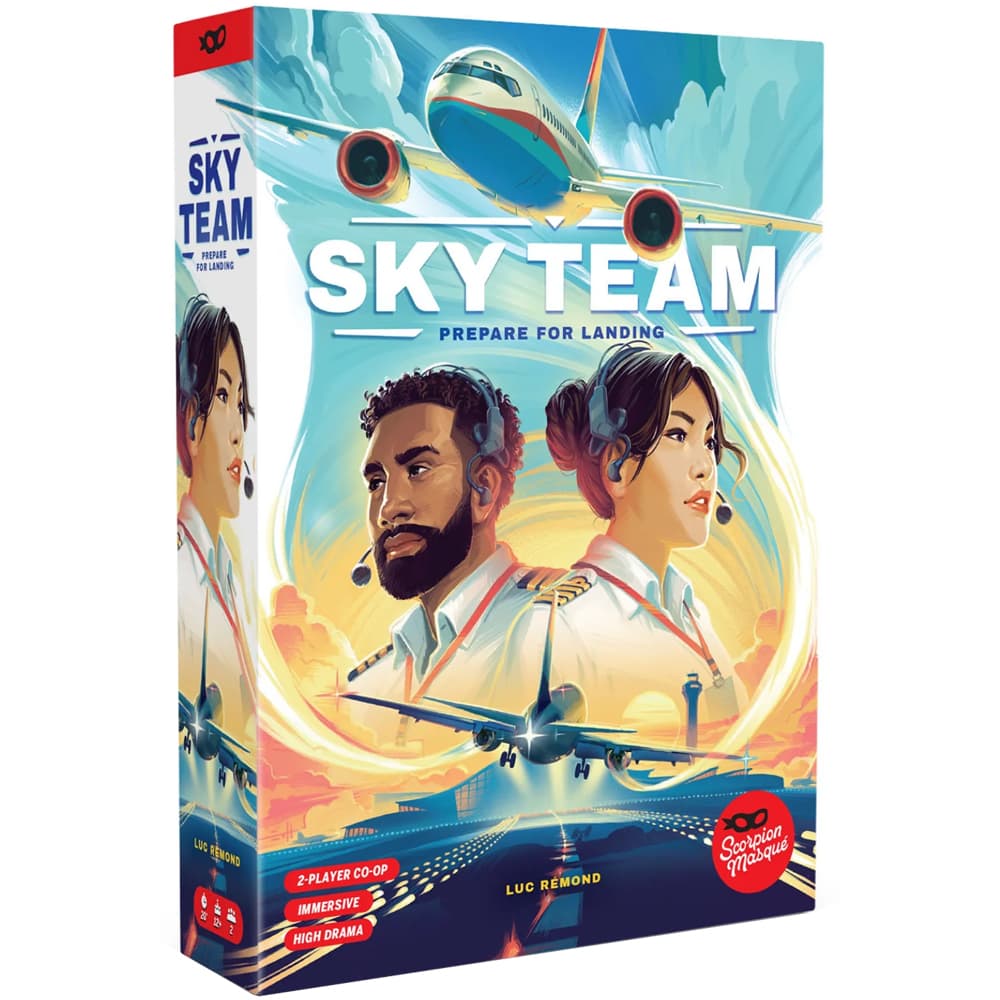
Sky Team
2023In Sky Team, 2-3 players take on the role of pilots competing to deliver packages across a dynamic, modular board. The goal is to be the first team to deliver all their packages and return to base. Gameplay involves strategic route planning, package management, and clever use of special abilities and weather effects. With its unique blend of worker placement, route-building, and area control mechanics, Sky Team offers a thrilling experience that's both accessible to new players and challenging for veterans.
2-3 30m⚖️ 2.5
RANK #116
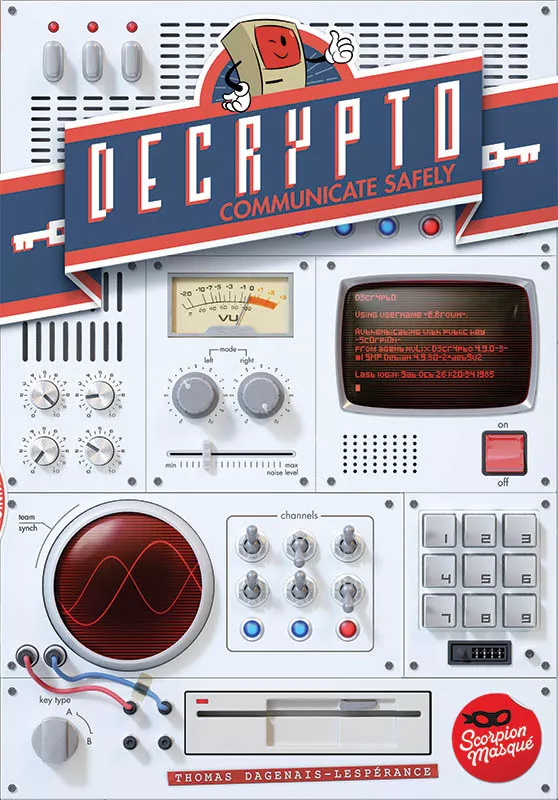
Decrypto
2018Decrypto is a word-guessing game designed for 3-4 players, where teams work together to decipher coded messages. The game's objective is to correctly guess the code words without revealing too much information about their own team's codes. Players take turns giving one-word clues about the code words, trying to avoid giving away their own team's secrets.
The game comes with a set of pre-determined code words and corresponding clues. Each player has a unique role, such as 'Codebreaker' or 'Cluegiver', which affects how they interact with the game board. The game requires strategic thinking, communication, and deduction to succeed.
Decrypto is an engaging and social game that encourages teamwork and creative problem-solving. It's perfect for players who enjoy word games, puzzles, and strategy.
3-4 m⚖️ 2.5
RANK #156
Just One
2018Just One is a celebrated cooperative party game that captured the prestigious 2019 Spiel des Jahres award for its brilliant simplicity and engaging social experience. In this game, players don't compete against each other but work together as a single team with a common goal: to correctly guess as many secret words as possible. The objective is to achieve a high score by successfully identifying a series of mystery words drawn from a deck of cards. With its lightning-fast setup and rules that can be learned in under a minute, Just One serves as the perfect icebreaker or main event for any social gathering, encouraging teamwork and creativity in a lighthearted, pressure-free environment.
The gameplay revolves around a clever and intuitive loop. In each round, one person is designated the 'guesser' and is unaware of the secret word chosen for that turn. All other players, knowing the word, must secretly and simultaneously write a single-word clue on their personal easel. Here lies the game's ingenious twist: before the guesser can see the clues, all the clue-givers reveal their chosen words to each other. Any identical clues are immediately cancelled and removed. This includes not only exact matches but also different forms of the same word (like 'sail' and 'sailing') or words from the same family (like 'prince' and 'princess'). The guesser is then shown only the remaining, unique clues and gets just one chance to figure out the secret word.
The true magic and widespread appeal of Just One stem from this central clue-cancelling mechanic. It forces players to think outside the box, balancing between giving a clue that is helpful enough to be understood but unique enough to avoid being duplicated by a teammate. This dynamic creates a delightful tension and leads to frequent bursts of laughter, whether from a round of perfectly synchronized unique clues or a hilarious moment where everyone wrote the same 'obvious' word, leaving the guesser with nothing to go on. It's this blend of collaborative mind-reading, word association, and shared success (or failure) that makes every session of Just One a memorable and joy-filled experience for players of all ages and skill levels.
2-4 30m⚖️ 1.1
RANK #161
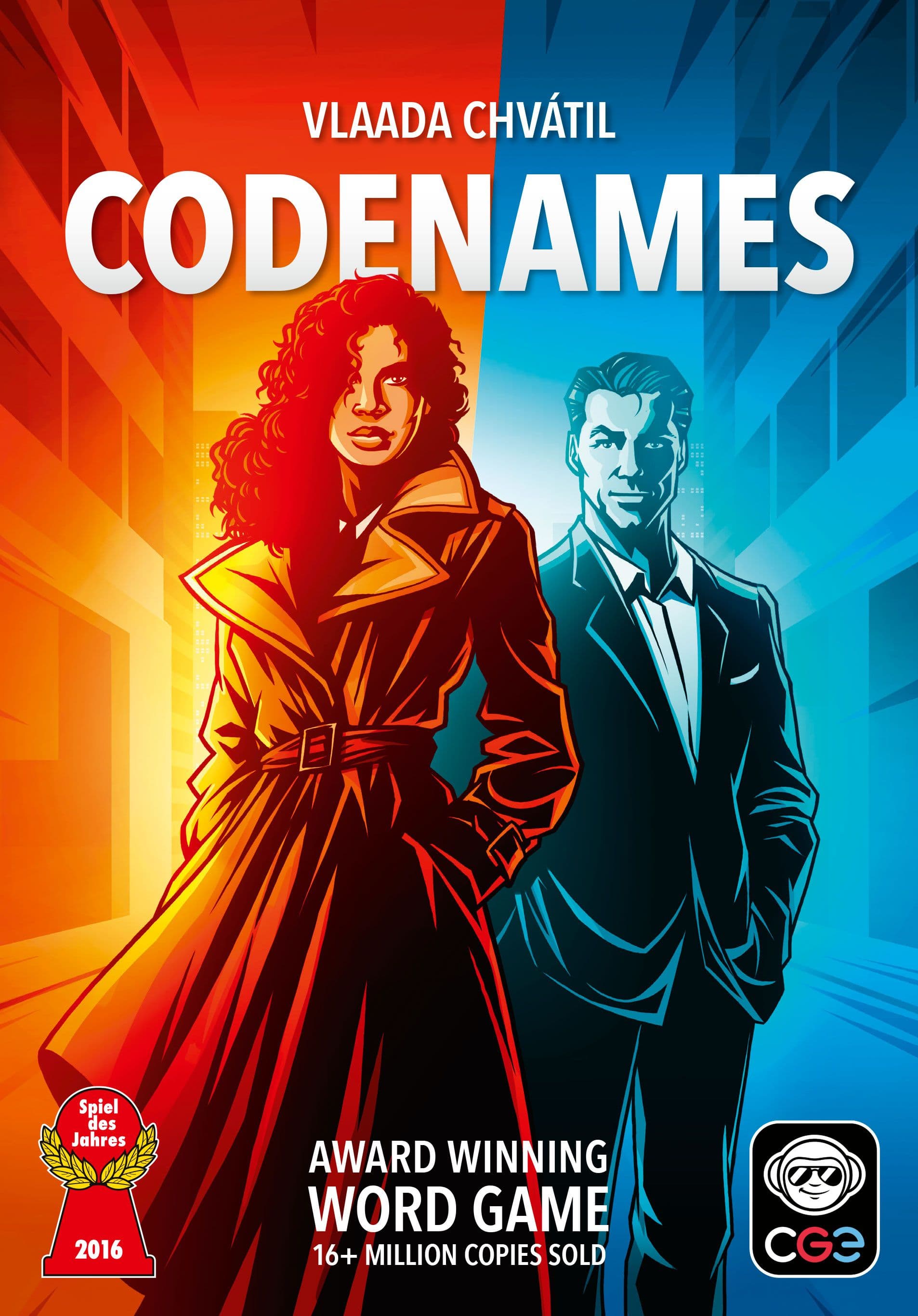
Codenames
2015Codenames is a word-guessing party game designed for 4-8 players, where players split into two teams and try to identify words based on one-word clues given by their teammates.
The game consists of a grid of words, each associated with a number. Players take turns giving one-word clues that relate to multiple words on the grid. The team then tries to identify which words correspond to the clue given.
The twist in Codenames is that some words are 'assassin' words, which will eliminate all players on the team if identified incorrectly. This adds an element of risk and strategy to the game.
Codenames requires a combination of vocabulary, pattern recognition, and strategic thinking. It's a great game for parties and social gatherings, as it encourages teamwork and communication.
4-8 30m⚖️ 2.5
RANK #228
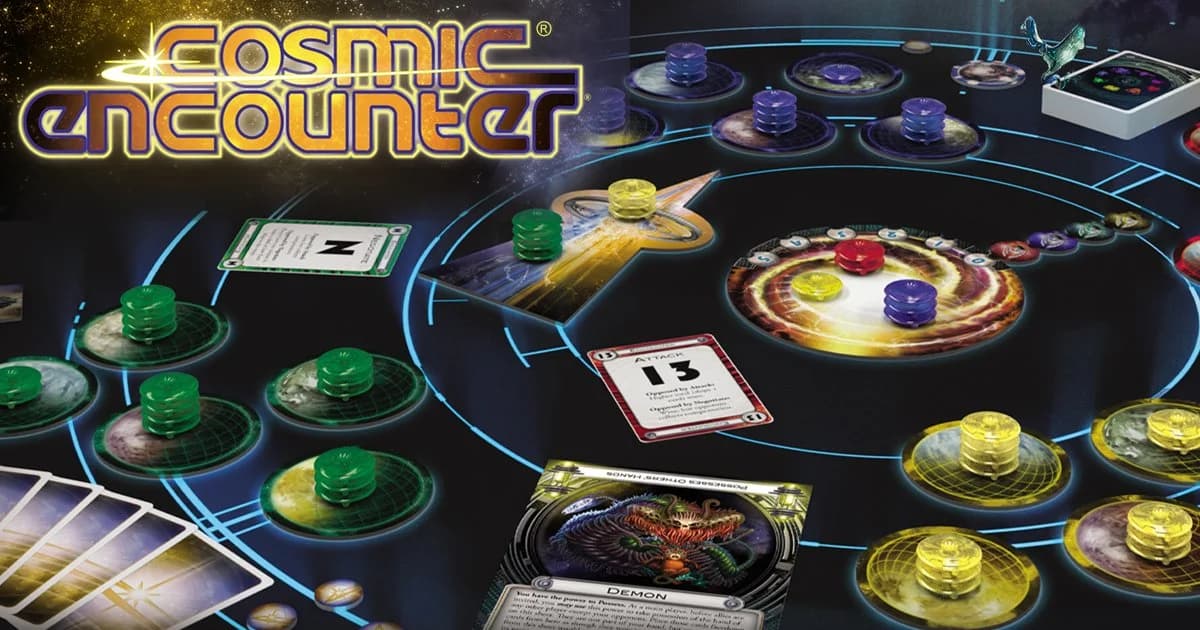
Cosmic Encounter
2008Cosmic Encounter is a legendary board game of galactic conquest where diplomacy is as crucial as military might. In this celebrated 2008 edition from Fantasy Flight Games, players assume the roles of bizarre and powerful alien species, each vying for control of the cosmos. The ultimate objective is simple yet challenging: establish five colonies on planets outside of your own home system. This goal is pursued through a series of 'encounters' with your rivals. The game masterfully blends straightforward rules with immense strategic depth, creating an environment where shifting alliances, cunning bluffs, and unexpected betrayals are not just possible, but are the very heart of the experience.
The gameplay revolves around a structured turn sequence where an active player, the 'offense', is directed by the Destiny Deck to engage another player, the 'defense'. The conflict begins as the offense commits ships to a target planet, but the situation quickly escalates as both sides can invite other players to join their cause as allies. The encounter's resolution hinges on the simultaneous reveal of a single card from each primary player's hand. These cards can be numbered Attack cards, which combine with ship counts to determine a victor, or a Negotiate card. Playing a Negotiate against an Attack results in an automatic loss, but the loser gets to demand compensation. If both players attempt to negotiate, they have a mere minute to strike a deal, such as trading cards or even allowing a peaceful colonization, before both suffer a penalty.
What elevates Cosmic Encounter to its classic status is the staggering variety of unique alien powers that each player wields. These abilities are designed to fundamentally break the game's core rules in some spectacular way, ensuring that no two games ever feel the same. One alien might be able to steal cards from the victor of a battle, another might always win tied conflicts, and a third might force players to play with their hands revealed. This asymmetry creates a dynamic and chaotic puzzle of interacting abilities, fostering immense replayability and forcing players to adapt their strategies on the fly. It is this brilliant combination of negotiation, tactical card play, and wildly unpredictable powers that makes Cosmic Encounter an enduring masterpiece of interactive tabletop gaming.
3-5 90m⚖️ 2.5
RANK #233
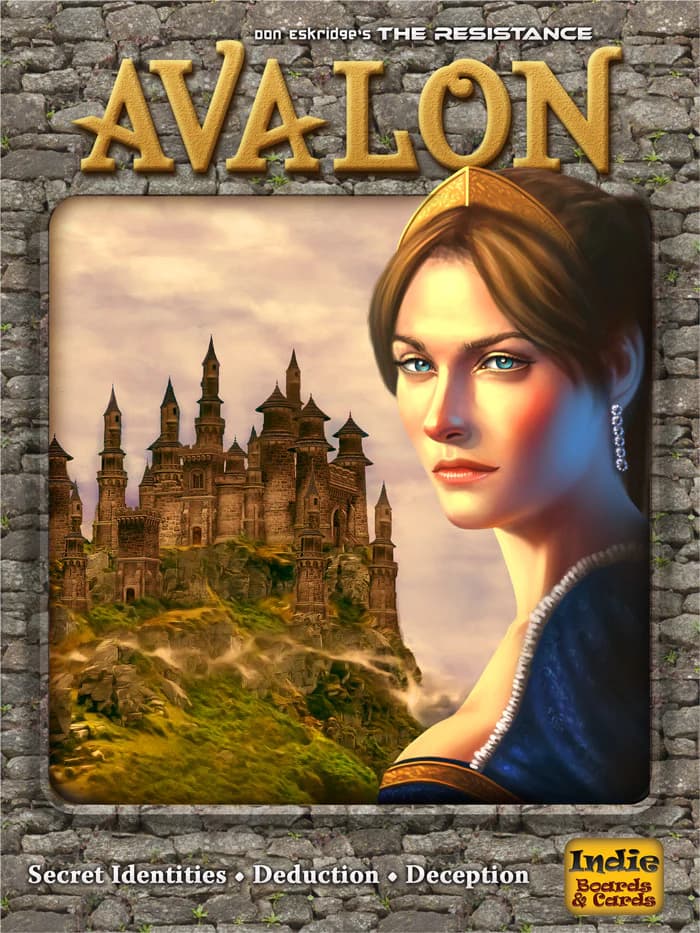
The Resistance: Avalon plunges players into the legendary turmoil of Camelot, a kingdom besieged not by external forces, but by treachery from within. In this intense game of social deduction and hidden identities, players are secretly assigned to one of two factions: the noble and loyal Servants of Arthur, fighting to secure the future of Britain, or the cunning Minions of Mordred, bent on sowing chaos and ensuring the kingdom's collapse. The ultimate goal is a struggle for control over a series of five critical Quests. The Servants of Arthur must successfully complete three of these missions to claim victory for their king and country. Conversely, the Minions of Mordred triumph if they can cause three Quests to fail, bringing Arthur's reign to a premature and disastrous end. The game is a constant battle of wits where trust is a fleeting resource and every word carries the potential for deception.
The gameplay unfolds in a structured but socially dynamic sequence of rounds. Each round, a new player assumes the role of Leader and is tasked with a crucial decision: selecting a team of knights to embark on the current Quest. This proposal is not accepted blindly; every player at the table, regardless of their allegiance, casts a public vote to either approve or reject the nominated team. This phase is the heart of the game's interaction, a crucible of open debate, pointed accusations, and masterful bluffs as players attempt to discern allies from enemies. If a team is approved, its members are given a profound and secret choice: to play a 'Success' card to help the Quest, or a 'Fail' card to sabotage it. For the loyal servants, the choice is simple. For the minions, it's an opportunity for destruction. Since a single 'Fail' card is often enough to doom a mission, the tension is palpable as the results are revealed.
What elevates The Resistance: Avalon to legendary status within its genre is the masterful inclusion of special character roles that add intricate layers of information and misdirection. The most pivotal of these is Merlin, a servant of Arthur who begins the game knowing the identities of the evil players. Merlin must subtly guide the forces of good without revealing his own identity, as an evil player known as the Assassin has a final, game-winning opportunity to correctly name Merlin if the heroes succeed in their Quests. This creates a fascinating and tense dynamic of veiled communication. Optional roles like Percival, who knows who Merlin is, and Morgana, who appears as Merlin to Percival, further complicate the web of lies and deduction. This brilliant system ensures that no two games are ever the same, making Avalon a highly replayable and deeply engaging experience celebrated for its pure player-driven drama and strategic depth.
5-10 30m⚖️ 1.7
RANK #257
KLASK
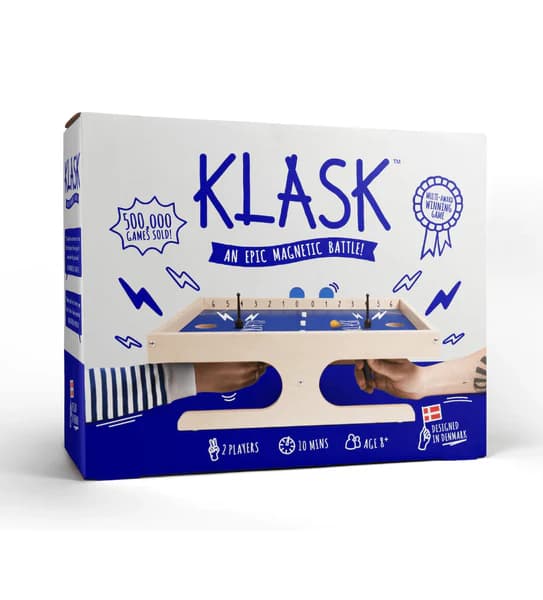
2014KLASK is a captivating tabletop dexterity duel that cleverly merges the frantic energy of air hockey with the strategic control of foosball, all powered by a unique magnetic core. Conceived by Danish carpenter Mikkel Bertelsen, this two-player game presents a beautifully crafted wooden board that serves as the arena for fast-paced competition. Each participant pilots a black magnetic pawn, known as a 'striker', by maneuvering a powerful steering magnet from beneath the board's surface. The primary objective is to be the first to accumulate six points. Scoring is not just about offense; victory often comes from capitalizing on your opponent's critical mistakes, making every second of the match tense and significant. The simple goal masks a game with surprising depth and a high potential for dramatic turnarounds.
The gameplay unfolds in continuous, real-time action, abandoning traditional turns for a fluid and dynamic experience. While shooting the ball into the opponent's goal is the most direct path to scoring, the game's genius lies in its multiple penalty conditions that create points. A point is awarded to you if your opponent commits one of three specific fouls. If their striker tumbles into their own goal, you score for the titular "KLASK." The center of the board is dotted with three white magnetic obstacles called "biscuits"; if your adversary's striker attracts two or more of these, you score. Finally, if your opponent completely loses control of their striker, you are awarded a point. After any score, the board is reset, and the non-scoring player serves the ball from a corner, ensuring a quick return to the action.
The universal appeal of KLASK stems from its perfect balance of simplicity and skill. The rules can be explained in under a minute, making it an incredibly accessible game for players of all ages, from families to seasoned gamers. This low barrier to entry makes it an instant hit at parties or any casual get-together. Despite its simplicity, the game possesses a remarkably high skill ceiling. Mastering the delicate control of the striker, learning to use the biscuits to your advantage, and baiting an opponent into a mistake requires practice and precision. The magnetic forces create an element of unpredictability and often lead to hilarious, chaotic moments. It’s this blend of fast, reflex-based action, tactical nuance, and laugh-out-loud fun that has cemented KLASK's status as a modern classic in the world of dexterity games.
2 10m⚖️ 1.1
RANK #263
Secret Hitler
2016Dive into the tumultuous political landscape of 1930s Germany with Secret Hitler, a gripping game of social deduction and hidden identities. Players are secretly assigned to one of two teams: the Liberals, who form the majority, and the Fascists, a smaller, clandestine group that includes the titular Secret Hitler. The core objective for the Liberals is to maintain a fragile democracy by enacting five Liberal policies or by identifying and assassinating the Fascist leader. Conversely, the Fascists aim to seize power by passing six of their own policies or, more insidiously, by successfully electing Secret Hitler as Chancellor once the political climate is sufficiently unstable (after three Fascist policies have been passed). The game's central tension arises from its information imbalance: the Fascists know each other's identities and can coordinate in secret, while the unsuspecting Liberals must navigate a web of lies and accusations to uncover the traitors in their midst.
The gameplay unfolds through a series of rounds, each centered on forming a new government. A presidential role rotates around the table, and the current President must nominate another player to be their Chancellor. The entire table then votes 'Ja!' or 'Nein!' on this proposed ticket. If the government is approved, a legislative phase begins. The President draws three policy cards from a shuffled deck, secretly discards one, and passes the remaining two to the Chancellor. The Chancellor then enacts one of the two policies, discarding the other. Because the deck is mathematically skewed to contain more Fascist cards, even a well-meaning Liberal government might be forced to enact a Fascist policy, creating plausible deniability for actual Fascists and sowing further discord. As more Fascist policies are passed, the President gains access to powerful one-time executive actions, such as investigating a player's loyalty, peeking at upcoming policies, or even executing another player, permanently removing them from the game.
Secret Hitler's immense popularity stems from the raw, dynamic player interaction it fosters. It’s a game less about complex rules and more about reading people, forging temporary alliances, and engaging in masterful bluffs. The constant suspicion creates a thrillingly paranoid atmosphere where every vote and every enacted policy is scrutinized. Players must defend their actions, deflect accusations, and build cases against their opponents, leading to heated debates and dramatic reveals. The elegant design ensures that every decision is fraught with meaning, making each session a unique and memorable experience driven by the personalities and strategies of the players at the table. It thrives on deception and deduction, making it a standout party game for groups who enjoy a healthy dose of intrigue and betrayal.
5-10 45m⚖️ 1.7

RANK #266
Welcome to the wildest race in the desert! In Camel Up (Second Edition), players are not the jockeys but wealthy spectators hoping to strike it rich by betting on a frantic camel race. The goal is simple: end the game with the most money. To do this, you'll place bets on which camel will lead at the end of each round, or 'leg', as well as which camel will be the overall champion and which will be the ignominious loser. The game's vibrant, high-quality production, featuring a stunning 3D palm tree and an ingenious pyramid dice shaker, immediately draws players into the excitement of race day.
Gameplay is a delightful mix of calculated risk and hilarious chaos. On your turn, you choose one of four actions: grab a leg betting tile for a specific camel, place a spectator tile on the track to help or hinder the race, make a long-shot bet on the final winner or loser, or commit to moving a camel. This last action involves grabbing the pyramid, giving it a shake, and releasing a single colored die. The die's color dictates which camel moves, and the number (1, 2, or 3) shows how far. The game's signature mechanic is 'stacking'—if a camel lands on an occupied space, it climbs on top of the other camel(s). When the bottom camel in a stack is activated, it carries the entire pile with it, and only the camel on top is considered in the lead! This edition also introduces rogue camels, which start at the finish line and run backward, potentially dragging entire stacks away from victory.
The unique appeal of Camel Up lies in its sheer unpredictability and the social excitement it generates. It's a game where a long-shot bet can pay off spectacularly and the race leader can suddenly find itself at the back of the pack. This level playing field makes it an exceptional 'gateway' game for newcomers and a fantastic choice for family game nights, yet the subtle timing of when to bet versus when to move a camel offers enough depth to keep experienced players engaged. It truly shines with a larger group, creating a boisterous, party-like atmosphere filled with cheers and groans as the camels stack, stumble, and sprint toward the finish line.
3-8 45m⚖️ 1.5
RANK #271
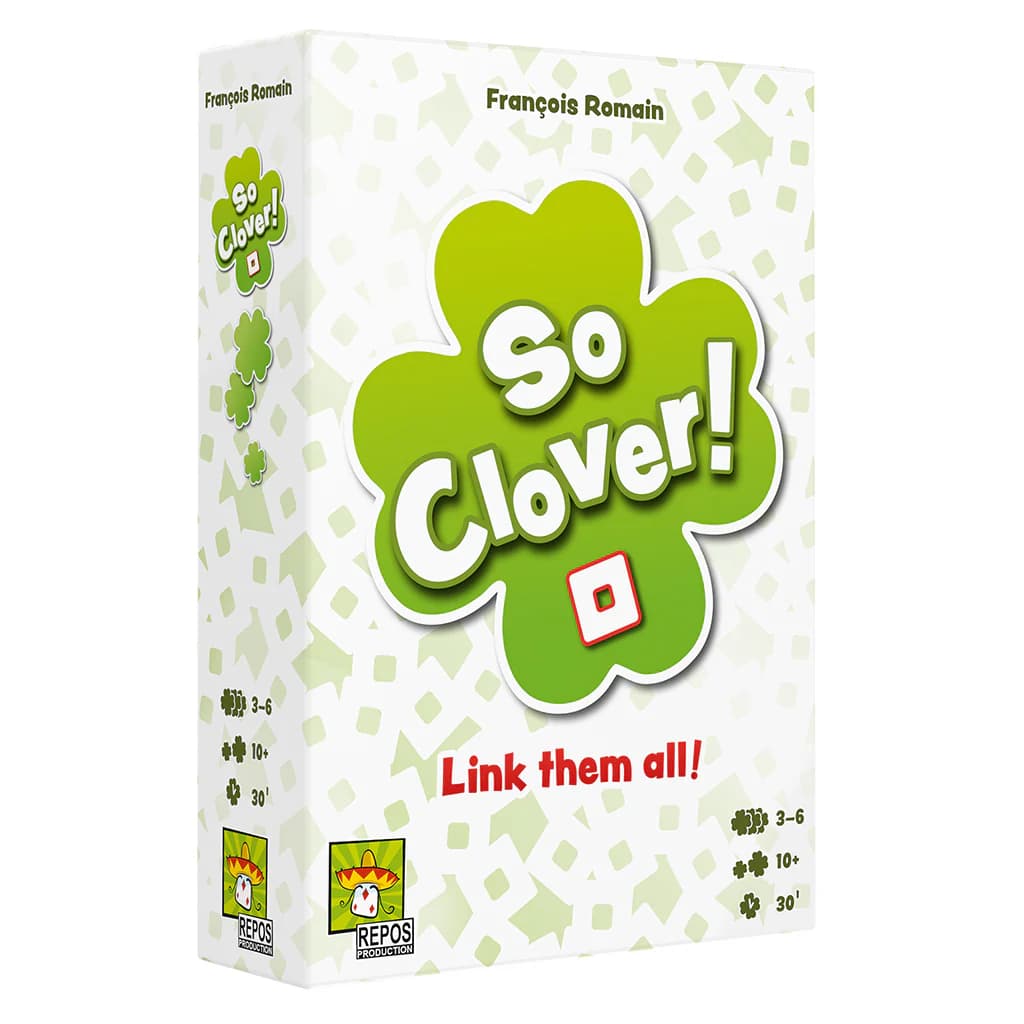
So Clover!
2021So Clover! is an incredibly engaging, highly interactive cooperative party game where players unite to demonstrate their collective cleverness. At its core, the game challenges participants to forge links between seemingly disparate concepts, creating an accessible but deeply rewarding word association experience. Your ultimate objective is not to defeat your friends, but rather to work alongside them to achieve the highest possible group score, which is then recorded in the prestigious Record of Legends. By tracking your progress over multiple sessions, the game naturally encourages a satisfying loop of continuous improvement and teamwork.
The gameplay unfolds across two distinct and meticulously crafted phases. Initially, during the simultaneous clue creation phase, every participant receives a unique four-leaf clover-shaped dry-erase board. You secretly draw four square cards, each featuring different words on all four edges, and slot them into your board's central grid. This arrangement naturally forms four pairs of outward-facing words. Your task is to write a single, unifying clue on each of the four leaves that connects the specific pair of words bordering it. Once everyone finishes writing, the cards are removed, a decoy card is added to the mix, and the stack is shuffled. The game then shifts into the resolution phase. Taking turns as the silent spectator, players present their clover boards with only the written clues visible, alongside their shuffled cards. The rest of the team must collaboratively deduce the correct orientation and placement of the cards to match the spectator's original grid.
What truly sets So Clover! apart from its contemporaries in the genre is its brilliant elimination of downtime. Because the initial setup is entirely simultaneous, players are constantly engaged from the very first minute. The puzzle-like deduction phase generates hilarious debates, sudden epiphanies, and a profound sense of shared triumph when a particularly abstract clue is correctly deciphered. The strict limitation on communication during the guessing phase ensures that the spectator must watch in agonizing amusement as their teammates either perfectly decode their logic or hilariously misinterpret it. Earning the 2021 Golden Geek Award for Best Party Game, this delightful experience thrives on its extreme accessibility, rules-light approach, and the sheer joy of cooperative problem-solving, making it an absolute staple for game nights, families, and casual gatherings alike.
3-6 30m⚖️ 1.1
RANK #272
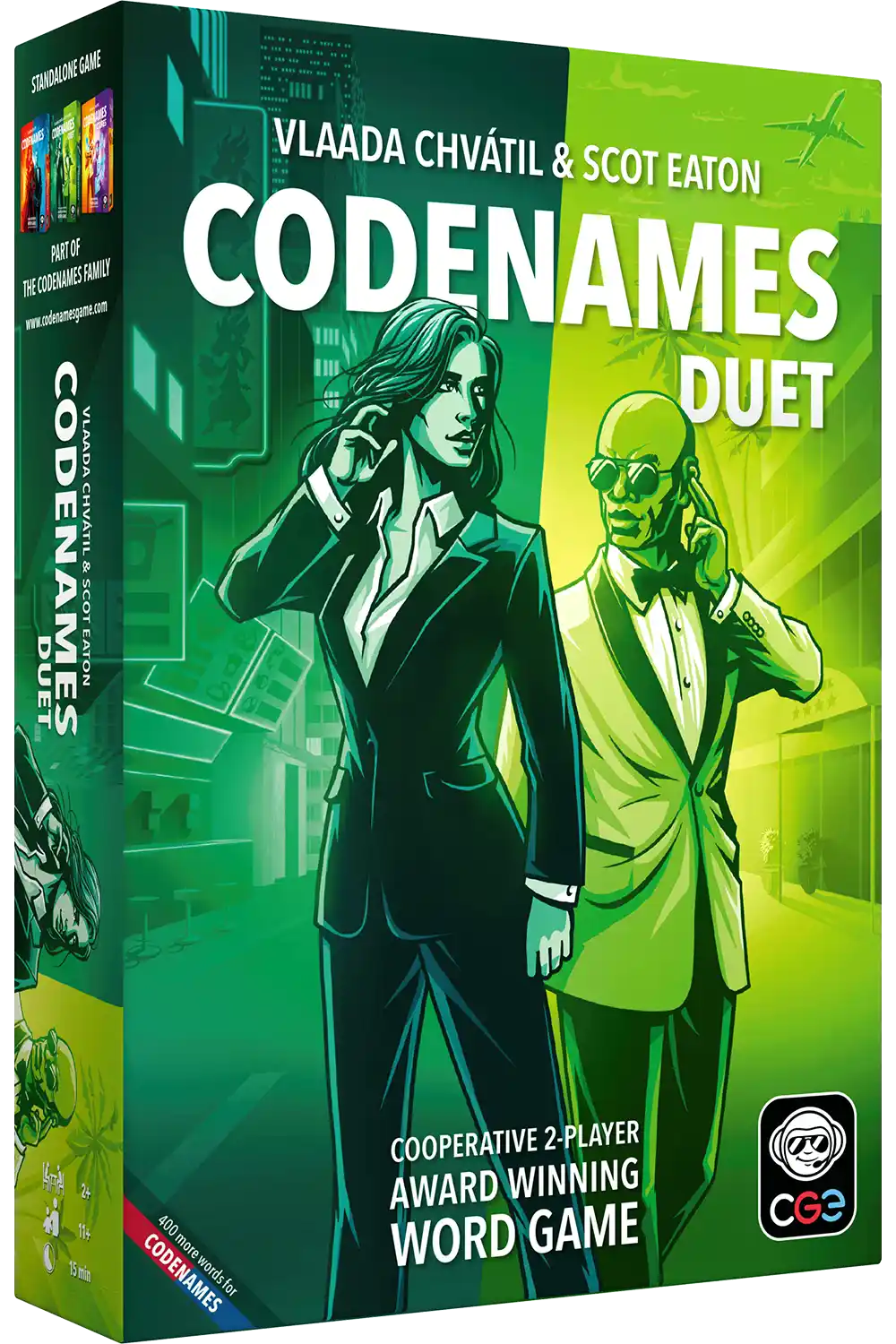
Codenames: Duet
2017Codenames: Duet is the cooperative, two-player evolution of the hit party game, Codenames. The objective is for both players to work in harmony to uncover all 15 of their shared secret agents from a grid of 25 word cards. Unlike its competitive predecessor, this version is a race against the clock, challenging the team to complete their mission within a limited number of turns, typically nine. Success hinges on clever word association and the ability to get on the same wavelength as your partner. The game presents a pure puzzle of communication and deduction, where players must navigate a minefield of innocent bystanders and deadly assassins, all represented by seemingly random words on the table.
The core of the game lies in its unique double-sided key card. This card, placed between the players, shows each person a different perspective of the 5x5 grid. On each side, nine words are marked as friendly agents (green), three are deadly assassins (black), and the rest are harmless bystanders (tan). The twist is that while some agents are unique to each player's side of the card, others overlap, creating a shared pool of 15 total agents that must be identified. Players alternate giving a single-word clue followed by a number, indicating how many words on the board correspond to their clue. If their partner correctly touches an agent card, it's covered, and they can continue guessing. Contacting a bystander immediately ends the turn, and touching an assassin results in an instant loss for the team. After each turn, a timer token is used, ratcheting up the pressure as the turn limit approaches.
Codenames: Duet is celebrated for its brilliant distillation of the original game's magic into an intimate and challenging experience for two. The cooperative dynamic transforms the game from a team-based competition into a collaborative puzzle. Players must think not only about the clues they give but also about the potential interpretations their partner might have, leading to moments of incredible synergy or hilarious miscommunication. The tension is palpable as each guess could be the one that uncovers a hidden agent or triggers a game-ending assassin. For those seeking even greater challenges and replayability, the game includes a mission map with a campaign-style progression, introducing new rules and constraints that alter the difficulty and win conditions. This combination of simple rules, profound strategic depth, and a focus on partnered thinking makes it a standout title for couples and pairs of friends.
2 15m⚖️ 1.1
RANK #284
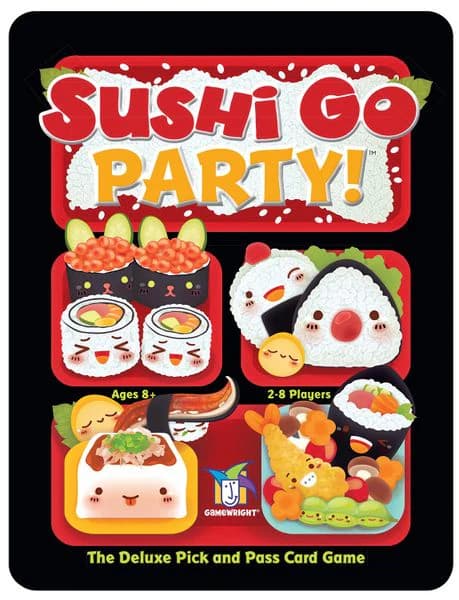
Sushi Go Party!
2016Sushi Go Party! is the expanded, deluxe version of the hit card-drafting game that tasks players with assembling the most delicious meal at a revolving sushi restaurant. Building upon the foundation of the original game, this version introduces a wider array of culinary dishes and a customizable menu system that allows for significantly more variety in every session. The primary goal is to score the most points over three rounds by selecting cards that create high-scoring combinations. Whether you are aiming for a massive platter of sashimi or trying to earn the most maki rolls at the table, the game rewards clever planning and a keen eye on your opponents' growing plates.
The core gameplay loop revolves around a simultaneous 'pick-and-pass' drafting mechanic. Each player starts with a hand of cards, chooses one to keep, reveals it, and then passes the remaining cards to the person sitting next to them. This continues until the hands are empty. The 'Party' edition elevates this experience by offering over twenty different card types. Players can mix and match appetizers, specials, and rolls to create a unique 'menu' for each game, ranging from beginner-friendly sets to more aggressive, cutthroat combinations. Points are tallied at the end of each round, with certain cards like Nigiri providing immediate bonuses—especially when paired with spicy Wasabi—while others like Desserts are stored and only scored at the very end of the meal.
One of the most significant draws of Sushi Go Party! is its incredible accessibility combined with surprising depth. The artwork uses a 'kawaii' aesthetic that makes the game instantly inviting for families and casual gamers. However, beneath the cute illustrations of smiling dumplings and puddings lies a strategic layer of card counting and selective drafting. Because you see almost every hand that rotates around the table, you must decide whether to take the card you need most or block an opponent from completing a high-value set. With support for up to eight players and a massive amount of replayability provided by the various menu configurations, it serves as an essential title for social gatherings and board game nights alike.
2-8 25m⚖️ 1.3
Showing 1 to 12 of 29 games