Modern Games
Browse all Modern board games in the Meeple Pulse database.
Styles
Themes
AbstractAdventureAncientAnimalsArtBusinessCard GameCo-operativeComic BookCooperativeCrimeEconomicEnvironmentalismExplorationFantasyHistoricalHorrorHumorIntrigueLiteraryMagicMarvelMedievalModernMuseumMysteryMythologyNatureNauticalPoliticalPress Your LuckSatireSci-FiSocial CommentarySocial InteractionSpaceSuperheroesThematicTravelWarWesternWord-Guessing
Mechanics
3D PlacementActingAction / DexterityAction DraftingAction Point AllowanceAction Point Allowance SystemAction Point SystemAction PointsAction ProgrammingAction QueueAction RetrievalAction SelectionAction/EventAlliancesAlternate ActivationApp-AssistedApp-DrivenArea ControlArea InfluenceArea MajorityArea Majority / InfluenceArea MovementArgumentationAsymmetricAsymmetric FactionsAsymmetric GameAsymmetric PowersAsymmetrical PowersAuction & BiddingAuction/BiddingAuctioningBag BuildingBettingBetting and BluffingBetting and WageringBetting and WagersBiddingBingoBlind BiddingBluffingCampaign / Battle Card DrivenCampaign / LegacyCampaign / Legacy GameCampaign / Mission-basedCampaign / ScenariosCampaign GameCampaign PlayCard DraftingCard DrawingCard DrivenCard Driven ActionCard Driven CombatCard Driven Dice AllocationCard Driven MovementCard ManagementCard PlayCard Play / Hand ManagementCard Play Conflict ResolutionCard SheddingCard-Driven MovementCharacter CreationCharacter ProgressionChit-Pull SystemCo-op PlayCo-operative GameCo-operative PlayCode-breakingCombat ResolutionCombo ChainCommand CardsCommodity SpeculationCommunication LimitsContract FulfillmentContractsCooperative GameCooperative GameplayCooperative PlayCooperative Trick-takingDebateDeck BuildingDeck ConstructionDeck, Bag, and Pool BuildingDeck-BuildingDeductionDexterityDice DraftingDice PlacementDice RollingDiplomatic InfluenceDraftingDynamic Battle SystemEnclosureEnd Game BonusesEngine BuildingEngine-BuildingEscape RoomEvent DrivenExplorationFarmingFlip and WriteFollowFollow ActionGrid CoverageGrid MovementHand ManagementHex-and-CounterHexagon GridHidden MovementHidden RolesI Cut You ChooseIncomeInfluence / Area MajorityLadder ClimbingLegacyLegacy ElementsLegacy GameLegacy SystemLimited CommunicationLine DrawingLine of SightMancalaMap MovementMarketMarket DraftingMarket ManipulationMarket MechanicMarket SpeculationMatchingMeasurement MovementMemoryMission ObjectivesModular BoardModular Board ConstructionMovement TemplatesMulti-Use CardsMulti-use CardsMultiple ScenariosMust FollowNarrative ChoiceNarrative Choice / ParagraphNegotiationNegotiation MechanicsNetwork & Route BuildingNetwork BuildingNetwork and Route BuildingOne vs ManyOne vs. ManyOpen DraftingPaper-and-PencilPartnershipsPattern BuildingPattern RecognitionPick-up and DeliverPlayer EliminationPlayer InteractionPlayer JudgePoint SaladPoint to Point MovementPolyominoesPush Your LuckPush-Your-LuckPuzzlePuzzle-LikePuzzle-SolvingRaceReal-TimeRecipe FulfillmentResource ManagementRole PlayingRole SelectionRoll / Spin and MoveRondelRoute BuildingRoute-BuildingRoute/Network BuildingSanity SystemScenario / Campaign PlayScenario / Mission / Campaign GameScenario / Mission FunctionSecret Unit DeploymentSemi-Cooperative GameSet CollectionSheddingSimulationSimultaneous ActionSimultaneous Action SelectionSimultaneous Hidden AllocationSocial DeductionSocial InteractionSolo / Solitaire GameSpace ExplorationStat Check / Skill CheckStock HoldingStorytellingStrategic PlanningTableau BuildingTactical Decision-MakingTake ThatTargeted CluesTeam PlayTeam-Based GameTeam-Based GuessingTeamworkTech TreesTech Trees / Tech TracksTechnology & Armament TracksTechnology TreeTension & Aggression TracksTile DraftingTile LayingTile PlacementTime TrackTime TravelTower DefenseTrack MovementTradingTrick-takingTug of WarTurn Order: PassTurn Order: Stat-BasedUnit PlacementVariable Phase OrderVariable Player PowersVariable Set-upVariable SetupVictory Point TracksVotingWord AssociationWord GameWord GuessingWord-GuessingWord-guessingWordplayWorker Placement

RANK #302
Monikers
2015Monikers is a high-energy, contemporary party game that revitalizes the classic parlor game known as Celebrities or 'The Hat Game'. Designed for large groups, the objective is simple: teams compete to guess as many names as possible from a shared deck of cards over three increasingly difficult rounds. The game is celebrated for its ability to transform even the most obscure references into hilarious inside jokes that persist long after the session ends. Because players participate in the selection of the cards at the very beginning, the game feels personalized and ensures that someone at the table always has a baseline understanding of the entries in play.
The structure of Monikers revolves around a clever three-round progression using a single, unchanging deck of cards. In the first round, players can say almost anything to get their teammates to guess the name on the card, provided they do not use the name itself. Once the deck is exhausted, it is reshuffled for the second round, where clue-givers are restricted to using only a single word. This shift forces players to rely on their memory of the clues from the previous round. The final round escalates the challenge significantly by banning speech altogether, requiring players to use charades, gestures, and sound effects. This iterative loop creates a shared language among the players, turning a difficult historical figure or a weird internet meme into a recognizable physical gesture by the end of the night.
What makes Monikers a staple for social gatherings is its focus on creativity and collective memory rather than trivia knowledge. Each card features a point value ranging from one to four, reflecting its inherent difficulty, and includes a short, humorous description to help players who might be unfamiliar with the subject. The game is famously easy to teach, with rules that can be explained in mere minutes, making it highly accessible to non-gamers. Its modular nature allows for quick games or long, raucous evenings, and while the standard edition features mature humor, it is easily adapted for different crowds. Ultimately, Monikers is less about winning and more about the absurd situations and hysterical failures that occur when friends try to communicate through frantic movements.
4-16 45m⚖️ 1.1
RANK #528
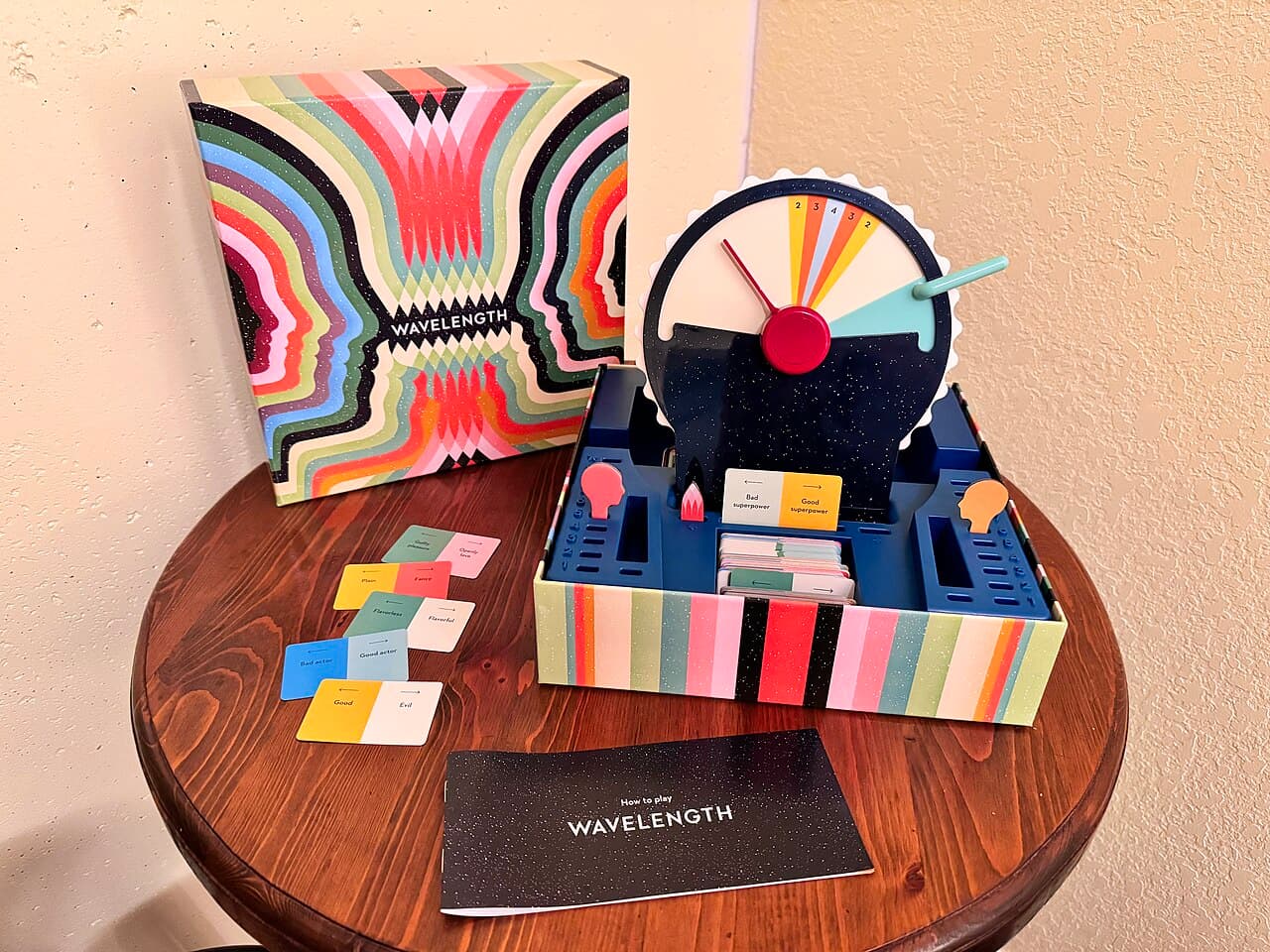
Wavelength
2019Wavelength is an immensely engaging team-based party experience that centers entirely on social guessing, empathy, and intuitive communication. At its heart, this brilliant tabletop offering challenges players to read their friends' minds while utilizing a striking, custom three-dimensional dial device. The primary objective is to successfully guide your squad to a hidden location on a spectrum using only a single conceptual hint. It is highly celebrated within the tabletop community for its unparalleled ability to spark hilarious, profound, and sometimes bizarre debates about how different individuals perceive the exact same concepts in our strange world.
The fundamental gameplay loop splits participants into two competing factions, with a designated device placed in the center of the table. During a turn, one individual on the active side takes on the role of the 'Psychic.' This key participant draws a Spectrum Card that displays two opposing binaries, such as 'Hot' versus 'Cold' or 'Utopia' versus 'Dystopia.' The Psychic then randomly spins the wheel inside the plastic device and peeks behind the viewing screen to locate a hidden bullseye containing varying scoring zones. After closing the screen to conceal the target from everyone else, the Psychic must provide precisely one conceptual clue to guide their allies to that exact spot on the spectrum. For instance, if the target leans slightly toward the cold side, the Psychic might simply say the word 'Salad.'
Following the clue, the active group must collaborate, discuss, and often argue playfully as they physically rotate the red dial to the position they believe matches the hint. At this juncture, the opposing squad engages in a push-your-luck betting mechanic, guessing whether the true target lies to the left or the right of the active team's placement. Finally, the screen is opened to reveal the truth. The active participants score points based on how close they landed to the exact center of the bullseye, while the opponents can snag a bonus point for a correct directional bet.
Teams continue taking turns in this manner until one reaches the winning threshold of ten points. People absolutely adore this title because of its immense accessibility; boasting a remarkably low complexity, the rules can be explained in mere minutes, making it incredibly welcoming for non-gamers. Furthermore, its versatile structure comfortably accommodates large crowds or can be adapted into a fully cooperative mode for smaller gatherings, ensuring it shines on nearly any game night.
2-12 45m⚖️ 1.1
RANK #624
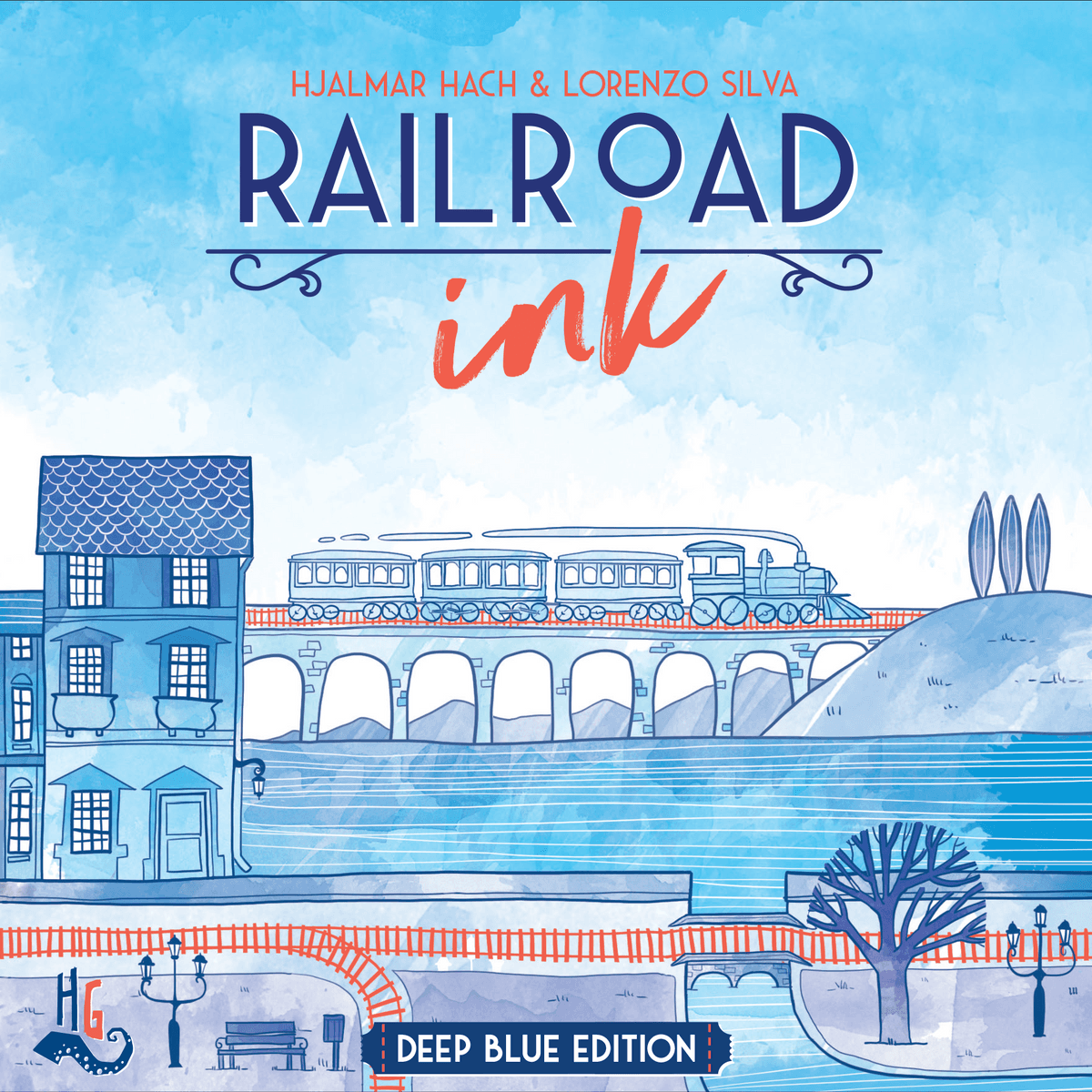
Railroad Ink: Deep Blue Edition is a captivating roll-and-write puzzle game where players strive to build the most efficient transportation network on their personal 7x7 grid. The core objective is to connect as many exits as possible around the perimeter of the board using highways and railways. Released as part of a series, the Deep Blue Edition specifically includes the River and Lake expansions, adding a serene but challenging aquatic twist to the land-based construction. Players compete to earn points by creating long routes, connecting exits, and filling the central squares of their map, all while avoiding incomplete paths that lead to point deductions at the end of the game.
Each round, a set of route dice is rolled, showing various configurations of straight roads, curved rails, or T-junctions. Every player must draw these specific results on their own dry-erase board simultaneously. The catch lies in the placement rules: new segments must connect to existing ones or to an exit. While everyone uses the same dice results, the diverging paths chosen by players quickly lead to unique map configurations. In addition to the standard dice, the Deep Blue Edition introduces expansion dice. Rivers add a separate network that cannot connect to roads or rails (except via a bridge) but offers high scoring potential, while Lakes allow for the creation of massive open water bodies that connect distant ports, maximizing network efficiency in a more fluid, non-linear way.
The appeal of Railroad Ink lies in its elegant simplicity paired with deep tactical decision-making. It is the quintessential 'coffee shop' game—portable, quick to play, and visually satisfying as your network grows. Unlike many competitive games, it features low player interaction, focusing instead on the individual puzzle of optimization. People love it because it rewards both careful long-term planning and the ability to adapt to the luck of the roll. The Deep Blue Edition is particularly praised for its calming theme and the way the water expansions introduce a layer of spatial complexity without bloating the ruleset. Whether played solo to beat a high score or in a large group setting where everyone shares the same dice, it offers a meditative yet mentally stimulating experience that keeps players coming back.
1-6 30m⚖️ 1.5

RANK #1,145
Point City
2023Point City is a streamlined card-drafting game that challenges players to architect a flourishing urban environment from the ground up. Serving as a spiritual successor to the popular Point Salad, this title elevates the experience by introducing more complex layers of engine-building and resource management. The primary objective is to accumulate the most victory points by strategically selecting cards from a dynamic market grid. Players must balance the acquisition of raw materials with the construction of civic structures, all while competing against others to secure the most lucrative developments for their growing cityscape.
The heart of the game lies in its unique dual-sided cards. One side represents basic resources—such as energy, industry, or ecology—while the flip side features a specific building with unique costs and scoring opportunities. On their turn, a player drafts two adjacent cards from a central four-by-four grid. If they take a resource, it is added to their pool; if they take a building, they must be able to pay the required resource cost using cards in their hand or permanent resources provided by previously constructed buildings. This engine building aspect is crucial, as every building constructed makes future projects easier to complete. As the grid is depleted, it is constantly replenished with new cards from the deck, ensuring that the market is always evolving and forcing players to adapt their strategies to the available options.
What makes Point City so compelling is its elegant blend of accessibility and depth. It retains the 'pick two' simplicity of its predecessor but adds a satisfying layer of progression that rewards long-term planning. The game is highly regarded for its fast-paced nature, typically wrapping up in under thirty minutes, making it an ideal choice for families or as a 'filler' for more dedicated gaming groups. Its vibrant artwork and intuitive iconography lower the barrier to entry, while the sheer variety of building combinations ensures high replayability. Fans of the genre appreciate the clever tension between taking a needed resource now or grabbing a powerful building before an opponent can. Ultimately, it offers a rewarding puzzle that feels both fresh and familiar, cementing its place as a modern staple in the card-drafting genre.
m⚖️ N/A
RANK #1,201
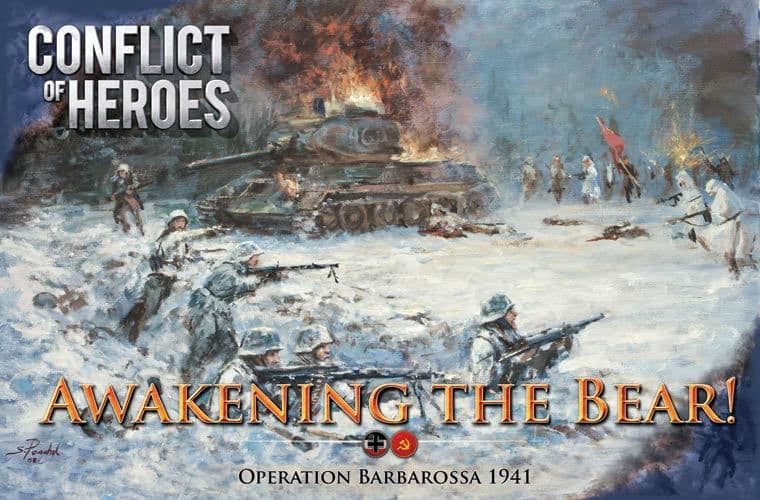
Dive into the pivotal moments of World War II with Conflict of Heroes: Awakening the Bear! (Second Edition), a tactical wargame simulating the German invasion of the Soviet Union in 1941. This game places you in command of platoon and squad-level forces, where individual counters represent infantry squads, crewed weapon teams, and armored tanks. Each scenario, called a "Firefight," presents a unique historical engagement with specific objectives, forces, and turn limits. Your goal is to outmaneuver your opponent, secure strategic objectives, and eliminate enemy units to accumulate more victory points by the end of the mission, thereby rewriting a small slice of history on the Eastern Front.
The game distinguishes itself with a dynamic and streamlined ruleset that eliminates the intimidating charts common to many wargames. Gameplay revolves around an elegant Action Point (AP) system, where each unit has a set number of points to spend on actions like moving, firing, or seeking cover. Instead of long phases, players engage in a rapid, alternating activation sequence, activating a single unit to perform its actions before passing the initiative immediately back to their opponent. This creates a tense, fast-paced rhythm with zero downtime. Combat is resolved quickly by rolling dice and comparing attack values to defense values, while modular map boards create varied terrain for each battle. Furthermore, a hand of Action and Command cards introduces an element of surprise, allowing for special maneuvers or unexpected reinforcements.
Awakening the Bear! is celebrated for successfully bridging the gap between deep, historical simulation and accessible, modern game design. Its publisher's promise of "No Charts!" and the ability to "teach a new player in under 5 minutes" makes it a widely recommended gateway into the wargaming hobby. While simple to learn, the game offers immense tactical depth and replayability through its numerous scenarios and modular setup. The quick-fire, back-and-forth activation system keeps both players constantly engaged, forcing them to make critical decisions with every move. This combination of historical fidelity, strategic challenge, and ease of entry has earned it critical acclaim and a dedicated following among both wargaming veterans and newcomers alike.
2-4 120m⚖️ 3.2
RANK #1,884
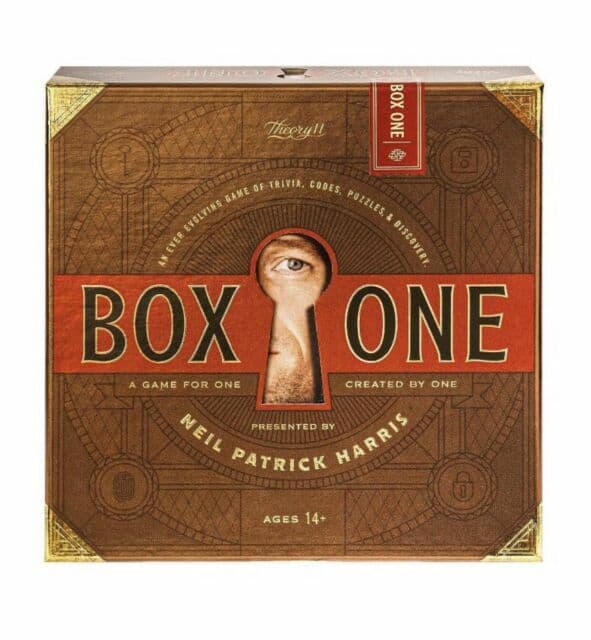
Box One
2020Box One is a singularly unique gaming experience, conceived by the versatile entertainer Neil Patrick Harris as an unfolding enigma designed for a solo player. At its core, this is an escape-room-in-a-box, a carefully constructed journey that begins under the guise of a simple trivia game. However, this initial challenge is merely the first layer of a much deeper mystery. The ultimate goal is not to win in a traditional sense, but to unravel the secrets held within the box itself, solving a cascading series of challenges that test your intellect and perception. Each solved puzzle reveals new components and deeper secrets, pulling you further into its cleverly constructed world of codes, ciphers, and unexpected discoveries.
The gameplay loop is one of continuous revelation. Players start with a set of trivia cards, but quickly realize that every single component of the game, including the very box it came in, is a potential piece of a larger puzzle. This highly tactile and interactive experience demands that players think unconventionally, pushing them to explore every nook and cranny of the physical objects before them. One of Box One's most distinctive features is its integration with the real world, occasionally requiring an internet-connected device to progress. This blending of physical and digital elements creates a dynamic and immersive investigation, where the line between the game and reality begins to blur, making each solution feel like a genuine breakthrough.
What truly sets Box One apart and contributes to its acclaim is its masterful sense of surprise and narrative guidance. The game is celebrated for constantly subverting player expectations, transforming what seems ordinary into something extraordinary. This is not just a collection of disconnected puzzles; it's a curated, story-driven adventure that makes the player the central protagonist in their own mystery. The challenges are designed to be difficult but fair, with an integrated hint system to ensure the experience remains engaging rather than frustrating. Although built as a solitary journey, the sheer cleverness of the puzzles makes it a fantastic shared experience, allowing a group to cooperatively unravel its secrets one 'aha!' moment at a time.
1 90m⚖️ 2.4
RANK #2,015
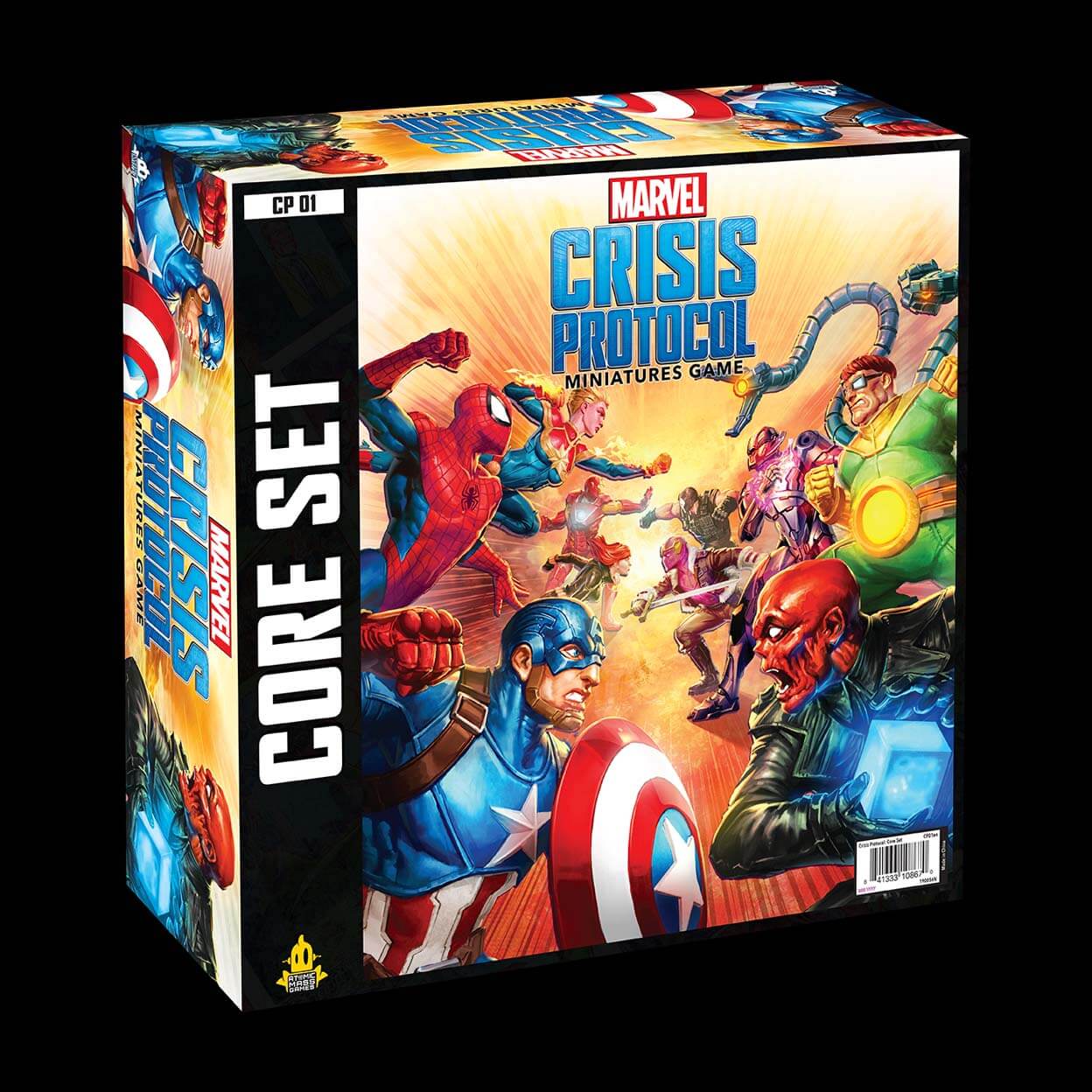
Marvel: Crisis Protocol is a dynamic tabletop miniatures game where two players assemble, paint, and battle with teams of iconic characters from the Marvel Universe. More than just a fight to the finish, the game is an objective-based contest where strategy and positioning are paramount. Players take on the role of leaders, guiding their hand-picked squad of heroes and villains through a unique crisis scenario. The ultimate goal is to be the first to accumulate 16 Victory Points by controlling key locations on the battlefield and securing valuable assets, all while unleashing spectacular superpowers. Each game presents a new tactical puzzle, demanding players to adapt their strategy to the ever-changing state of the conflict and the unique combination of objectives in play.
Gameplay is defined by its innovative roster-building and scenario-generation systems. Before the game, each player creates a roster of ten characters, from which they will select their squad for the specific mission. The mission itself is determined by combining a "Secure" Crisis card, which dictates objective zones to control, with an "Extraction" Crisis card, which involves characters grabbing and holding objective tokens. This combination sets a "Threat Level" that limits which characters a player can field, ensuring balanced and varied matchups. During a round, players alternate activating one character, who can perform two actions like moving, attacking, or using a special ability. A core mechanic is the "Power" resource. Characters gain Power when they take damage, creating a thrilling ebb and flow where a hero on the ropes can power up for a devastating counter-attack, spending that energy to unleash their most famous and powerful abilities.
The game's immense appeal lies in its fusion of accessible rules with deep tactical gameplay, making it an excellent gateway into the miniatures hobby. While the core mechanics are straightforward, mastering character synergies, managing the Power economy, and utilizing the highly interactive terrain provides a rich strategic experience. The environment itself is a weapon; characters with superhuman strength can hurl cars, dumpsters, and newsstands at their opponents, creating cinematic moments straight from the comics. The high-quality miniatures are a hobbyist's delight, offering fantastic canvases for painting. Above all, Crisis Protocol excels at capturing the feel of a superhero battle, delivering a thematic, action-packed experience that is visually stunning and endlessly replayable thanks to its modular scenario system and ever-expanding roster of characters.
2 90m⚖️ 2.9
RANK #3,247
Bolt Action
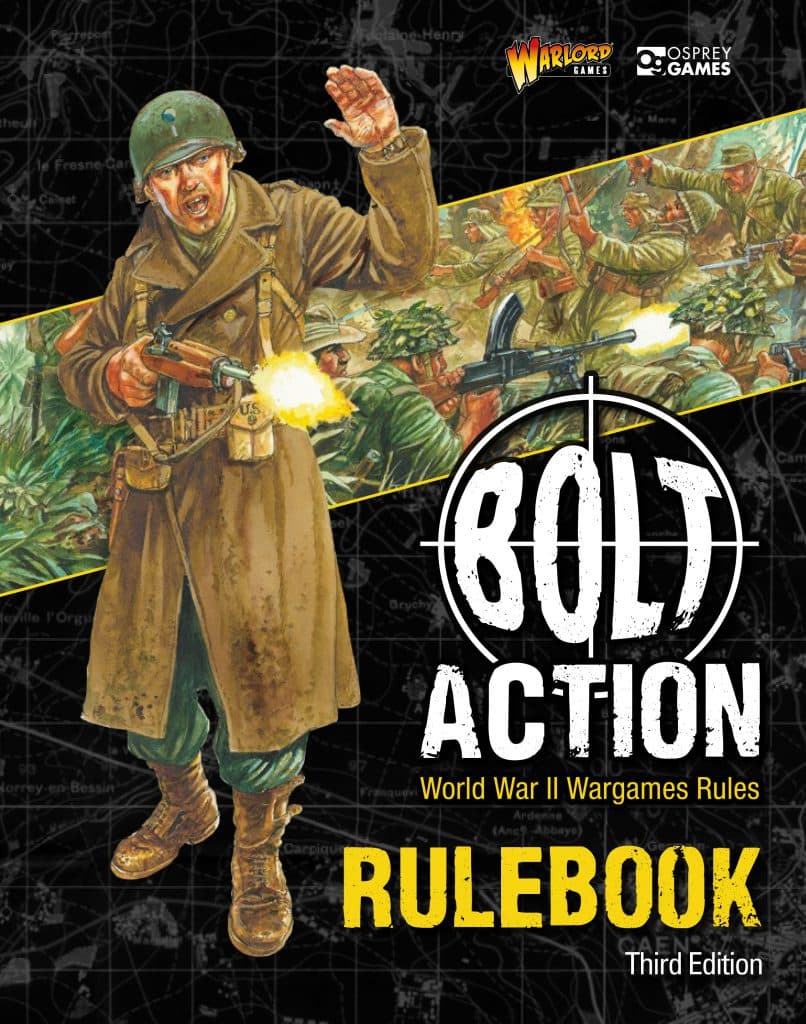
2012Bolt Action plunges players directly into the heart of World War II, offering a comprehensive and engaging tabletop wargame experience. Played with 28mm scale miniatures, the game challenges commanders to assemble, deploy, and lead their forces to victory across the iconic battlefields of the 20th century's greatest conflict. Players construct their armies, whether they represent the Axis or Allied powers, using a flexible points-based system, typically building a force of around 1000 points consisting of infantry squads, support weapons, and armored vehicles. The ultimate goal is to outmaneuver and outfight your opponent, achieving scenario-specific objectives that range from capturing key positions to eliminating enemy units, all while managing the morale and effectiveness of your troops under the stress of combat.
The gameplay of Bolt Action is defined by its innovative and dynamic activation system. Instead of a traditional I-go-you-go turn structure, the game uses a set of "order dice." At the beginning of each turn, one die corresponding to every unit on the board is placed into a bag. Players then draw dice blindly one by one; the color of the die determines which player gets to activate a unit, creating an unpredictable and tense sequence of play that keeps both sides constantly involved. Once a unit is chosen, its commander can issue one of six orders—from a cautious 'Advance' to move and shoot, to a desperate 'Run' for cover, or a strategic 'Ambush' to lie in wait. Combat is resolved through straightforward D6 rolls, modified by factors like cover, range, and unit skill, while mechanics for pinning and morale add a crucial layer of psychological warfare, simulating the suppressive effects of enemy fire.
What sets Bolt Action apart and has earned it a dedicated global community is its masterful balance between historical authenticity and accessible, fast-paced gameplay. Designed by industry veterans Alessio Cavatore and Rick Priestley, the rules are intuitive enough for newcomers to grasp quickly, yet offer the tactical depth and nuance that seasoned wargamers demand. The unique order die mechanic is widely praised for eliminating player downtime and injecting a compelling 'fog of war' element into every turn, as commanders must constantly adapt their plans to a fluctuating battlefield initiative. The game is less a rigid simulation and more a cinematic wargame, focusing on fun and engaging decision-making over complex charts and minutiae. Supported by a vast and ever-expanding range of high-quality miniatures and supplements from Warlord Games, Bolt Action provides an incredible sandbox for hobbyists to recreate their favorite historical engagements and forge their own narratives of WWII heroism.
2-4 120m⚖️ 2.9

RANK #6,230
The Great Evening Banquet is a sophisticated board game that invites players into the high-stakes world of diplomatic event planning. Set within the prestigious walls of a brand-new state guest house, the game challenges you to act as a master of ceremonies tasked with organizing the ultimate social event. Your primary goal is to create harmonious seating arrangements for a diverse array of international dignitaries and VIPs. Each guest brings their own set of preferences and social requirements, turning the banquet hall into a complex grid of potential points and political pitfalls. The thematic essence of the game captures the tension and elegance of a formal gala, where the simple act of placing one person next to another can either foster international goodwill or result in a social faux pas.
The gameplay experience is built around a clever mix of token drafting and spatial puzzles. During each round, players draw guest tokens from a bag, introducing an element of controlled randomness that requires constant adaptation. These tokens are then selected through an open drafting mechanic, meaning you must stay vigilant about what your rivals are planning while securing the most beneficial guests for your own tables. The core challenge lies in the seating preferences of the VIPs; some may wish to be surrounded by their own entourage, while others provide bonuses based on the diversity of the table. The game progresses steadily until the grand chamber is filled, ensuring a tight, focused experience that rewards players who can think several moves ahead while managing the immediate tactical opportunities presented by the draft.
What truly distinguishes The Great Evening Banquet is its blend of approachable rules and deep, emergent strategy, a hallmark of the acclaimed publisher Saashi & Saashi. It offers a refined experience that appeals to fans of 'smart' family games, where the mechanics are easy to grasp but difficult to master. The inclusion of expert variants allows seasoned gamers to add layers of complexity, while the robust solo rules ensure that the seating puzzle is just as engaging when played alone. With its charming art style and the satisfying tactile feel of drawing tokens from a bag, the game provides a meditative yet competitive atmosphere. It perfectly captures the puzzle-like satisfaction of seeing a chaotic room transform into a perfectly ordered celebration, making it a standout title for anyone who enjoys abstract strategy with a strong thematic heartbeat.
1-4 45m⚖️ 2.2
BoxNo Cover Art
RANK #9,392
Immerse yourself in the high-stakes, neon-soaked street warfare of Night City with Cyberpunk Red: Combat Zone. This tactical skirmish miniatures game puts you in command of a hardened gang fighting for survival, reputation, and control. Whether you're playing a standalone scenario or embarking on a gritty linked campaign, your goal is to outmaneuver and outgun your rivals to achieve specific objectives. Players assemble their crews using a points-based system, customizing each member with a deadly arsenal of weapons, gear, and cyberware. In the campaign mode, success brings not just victory but 'street cred,' allowing your characters to evolve with enhanced abilities and more powerful equipment, creating a persistent and developing narrative for your gang's rise to power on the mean streets.
The gameplay is driven by the innovative and dynamic "[RE]action" system, which ensures players are constantly engaged. Each character is assigned a set of color-coded action tokens—green, yellow, and red—which dictate both their movement capabilities and the potency of their actions. Green tokens allow for the use of a powerful d12, yellow a d10, and red a meager d6. During a turn, a player activates one unit, spending these tokens to move, shoot, or engage in brutal melee. All conflicts are resolved through opposed dice rolls, creating a tense, unpredictable back-and-forth. The damage system is uniquely integrated into this core mechanic; when a character is wounded, one of their action tokens is downgraded to red, diminishing their combat effectiveness and pushing them closer to being taken out of the fight entirely.
Cyberpunk Red: Combat Zone stands out by completely eliminating player downtime and capturing the chaotic, reactive nature of a firefight. The centerpiece of this design is the ability to perform a "[RE]action." Immediately after taking a wound, a character with remaining action tokens can retaliate with a counter-attack or scramble for cover. This ensures that the battlefield is constantly shifting and that no plan is ever truly safe, as a single shot can trigger a cascade of reactive moves. This constant threat and opportunity keep both players on the edge of their seats, making every decision critical. The game's appeal lies in its perfect fusion of deep tactical gameplay, strong thematic integration with the Cyberpunk universe, and a core mechanic that is as brutal and unforgiving as Night City itself.
2-4 60m⚖️ 3.0

RANK #10,160
"Why Did the Chicken...?" is a remarkably inventive and open-ended party game that leans heavily on the improvisational humor and linguistic creativity of its participants. Originally published in 2004, this engaging title takes the familiar structure of fill-in-the-blank party experiences and injects a massive dose of active joke writing. The primary goal is to craft the most amusing, bizarre, or downright hilarious punchlines to randomly generated riddles. Instead of relying on pre-written responses like many modern casual tabletop games, players must utilize their own wit, drawing upon pads of paper and pencils to brainstorm their best comedic material. It is a fantastic exercise in spontaneous creativity where the funniest individual at the table often walks away with the victory, making it an absolute blast for gatherings of friends and family.
The gameplay loop is incredibly intuitive and perfectly suited for groups of four to eight players. Each round, one participant assumes the role of the rotating Judge. This individual draws a specific Question card that features intriguing blank spaces, such as 'What is the difference between [Blank] and [Blank]?' To complete the prompt, the Judge then draws two random Noun cards, instantly producing an absurd and often surreal riddle. Once the prompt is established, a two-minute sand timer is flipped. The remaining players furiously scribble down as many clever answers as they can muster before time expires. These written punchlines are subsequently gathered into a central pile, shuffled to ensure anonymity, and read aloud to the group. The Judge listens carefully to the comedic offerings and selects their absolute two favorite responses, awarding a Noun card as a point to the authors of those winning jokes. The role of the Judge then shifts to the next person, continuing until everyone has had three opportunities to evaluate the humor.
What truly sets "Why Did the Chicken...?" apart from other titles in the casual board game market is its boundless potential for memorable, laugh-out-loud moments. Because the punchlines are generated purely from the minds of the players rather than a static deck of cards, no two sessions will ever feel the same. This open-ended mechanic ensures infinite replayability and allows the humor to naturally tailor itself to the specific personalities, inside jokes, and sensibilities of the group playing. With a remarkably low rules complexity, it can be taught to absolute beginners in under a minute, completely removing any barriers to entry. The minimal component list highlights the reality that the true magic of the game resides in the social interactions and shared creativity of the participants. For anyone seeking a deeply interactive experience that champions quick thinking, this game remains a phenomenal choice.
4-8 45m⚖️ 1.1

RANK #11,426
Prepare to forge an industrial empire in Brass: Pittsburgh, the highly anticipated economic strategy board game launching in 2026. This standalone iteration of the critically acclaimed Brass series immerses players in the steel city's historic industrial revolution, challenging them to build and manage a sophisticated network of canals, railroads, and factories. Strategically produce goods, capitalize on market demands, and outmaneuver rivals to dominate the resource management landscape and achieve ultimate economic prosperity. With deep strategic choices and intricate network building mechanics, Brass: Pittsburgh offers a compelling competitive experience for fans of complex eurogames and new players eager to dive into a richly themed industrial simulation.
m⚖️ N/A