Thematic Games
Browse all Thematic board games in the Meeple Pulse database.
Styles
AbstractAbstract StrategyAdventureAnimalsCard GameChildren's GameCivilizationCo-operativeCompetitiveDiceEconomicEducationalEuroExpansion for Base-gameFamilyFantasyFightingHistoricalHorrorMedium HeavyPartyParty GamePrint & PlayPuzzle-LikeRacingReal-timeSpace ExplorationSportsStrategyTerritory BuildingThematicWargame
Themes
AbstractAdventureAncientAnimalsArtBusinessCard GameCo-operativeComic BookCooperativeCrimeEconomicEnvironmentalismExplorationFantasyHistoricalHorrorHumorIntrigueLiteraryMagicMarvelMedievalModernMuseumMysteryMythologyNatureNauticalPoliticalPress Your LuckSatireSci-FiSocial CommentarySocial InteractionSpaceSuperheroesThematicTravelWarWesternWord-Guessing
Mechanics
3D PlacementActingAction / DexterityAction DraftingAction Point AllowanceAction Point Allowance SystemAction Point SystemAction PointsAction ProgrammingAction QueueAction RetrievalAction SelectionAction/EventAlliancesAlternate ActivationApp-AssistedApp-DrivenArea ControlArea InfluenceArea MajorityArea Majority / InfluenceArea MovementArgumentationAsymmetricAsymmetric FactionsAsymmetric GameAsymmetric PowersAsymmetrical PowersAuction & BiddingAuction/BiddingAuctioningBag BuildingBettingBetting and BluffingBetting and WageringBetting and WagersBiddingBingoBlind BiddingBluffingCampaign / Battle Card DrivenCampaign / LegacyCampaign / Legacy GameCampaign / Mission-basedCampaign / ScenariosCampaign GameCampaign PlayCard DraftingCard DrawingCard DrivenCard Driven ActionCard Driven CombatCard Driven Dice AllocationCard Driven MovementCard ManagementCard PlayCard Play / Hand ManagementCard Play Conflict ResolutionCard SheddingCard-Driven MovementCharacter CreationCharacter ProgressionChit-Pull SystemCo-op PlayCo-operative GameCo-operative PlayCode-breakingCombat ResolutionCombo ChainCommand CardsCommodity SpeculationCommunication LimitsContract FulfillmentContractsCooperative GameCooperative GameplayCooperative PlayCooperative Trick-takingDebateDeck BuildingDeck ConstructionDeck, Bag, and Pool BuildingDeck-BuildingDeductionDexterityDice DraftingDice PlacementDice RollingDiplomatic InfluenceDraftingDynamic Battle SystemEnclosureEnd Game BonusesEngine BuildingEngine-BuildingEscape RoomEvent DrivenExplorationFarmingFlip and WriteFollowFollow ActionGrid CoverageGrid MovementHand ManagementHex-and-CounterHexagon GridHidden MovementHidden RolesI Cut You ChooseIncomeInfluence / Area MajorityLadder ClimbingLegacyLegacy ElementsLegacy GameLegacy SystemLimited CommunicationLine DrawingLine of SightMancalaMap AdditionMap MovementMarketMarket DraftingMarket ManipulationMarket MechanicMarket SpeculationMatchingMeasurement MovementMemoryMission ObjectivesModular BoardModular Board ConstructionMove Through DeckMovement PointsMovement TemplatesMulti-Use CardsMulti-use CardsMultiple ScenariosMust FollowNarrative ChoiceNarrative Choice / ParagraphNegotiationNegotiation MechanicsNetwork & Route BuildingNetwork BuildingNetwork and Route BuildingOne vs ManyOne vs. ManyOpen DraftingOwnershipPaper-and-PencilPartnershipsPattern BuildingPattern RecognitionPick-up and DeliverPlayer EliminationPlayer InteractionPlayer JudgePoint SaladPoint to Point MovementPolyominoesPush Your LuckPush-Your-LuckPuzzlePuzzle-LikePuzzle-SolvingRaceReal-TimeRecipe FulfillmentResource ManagementRole PlayingRole SelectionRoll / Spin and MoveRondelRoute BuildingRoute-BuildingRoute/Network BuildingSanity SystemScenario / Campaign PlayScenario / Mission / Campaign GameScenario / Mission FunctionSecret Unit DeploymentSemi-Cooperative GameSet CollectionSheddingSimulationSimultaneous ActionSimultaneous Action SelectionSimultaneous Hidden AllocationSocial DeductionSocial InteractionSolo / Solitaire GameSpace ExplorationStat Check / Skill CheckStock HoldingStorytellingStrategic PlanningTableau BuildingTactical Decision-MakingTake ThatTargeted CluesTeam PlayTeam-Based GameTeam-Based GuessingTeamworkTech TreesTech Trees / Tech TracksTechnology & Armament TracksTechnology TreeTension & Aggression TracksTile DraftingTile LayingTile PlacementTime TrackTime TravelTower DefenseTrack MovementTradingTrick-takingTug of WarTurn Order: PassTurn Order: Stat-BasedUnit PlacementVariable Phase OrderVariable Player PowersVariable Set-upVariable SetupVictory Point TracksVotingWord AssociationWord GameWord GuessingWord-GuessingWord-guessingWordplayWorker Placement
RANK #190
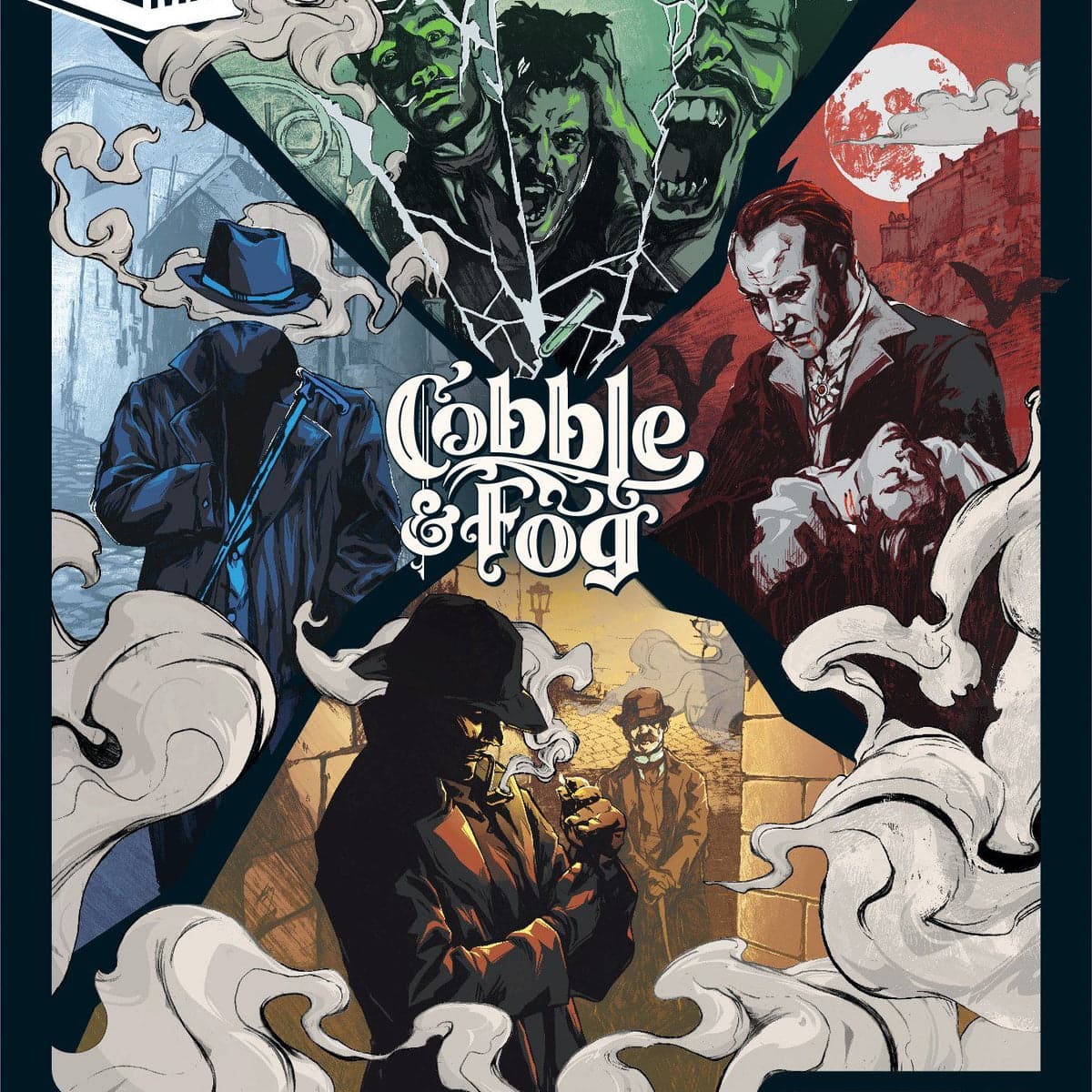
Step into the fog-shrouded streets of Victorian London, where legendary characters from literature clash in a battle to the death. Unmatched: Cobble & Fog is an expansion for the critically acclaimed card game series, offering a unique blend of strategy and storytelling. Players take on the roles of iconic figures such as Sherlock Holmes, Dracula, and Mina Harker, each with their own strengths and weaknesses. The game's mechanics allow players to combine cards in creative ways, unleashing devastating attacks or cleverly outmaneuvering opponents. As the fog rolls in, only one hero will emerge victorious, but the true challenge lies in navigating the complex web of alliances and rivalries between the characters. Will you rely on brute force, cunning strategy, or a mix of both to claim victory? The choice is yours in Unmatched: Cobble & Fog, where every game is a thrilling adventure through the misty streets of London's underworld.
The gameplay experience is characterized by its card-driven mechanics, which allow players to combine cards in innovative ways. This creates a high degree of replayability, as each game presents new challenges and opportunities for strategic play. The expansion also introduces new characters, abilities, and storylines, further enriching the Unmatched universe.
One of the key aspects that sets Unmatched: Cobble & Fog apart from other games is its focus on character-driven gameplay. Each hero has their own unique strengths, weaknesses, and motivations, which players must carefully consider when making strategic decisions. This adds a layer of depth to the game, as players must balance their own goals with the needs and desires of their opponents.
In addition to its engaging gameplay, Unmatched: Cobble & Fog also offers a rich narrative experience. The game's story is woven throughout the cards and characters, creating an immersive atmosphere that draws players into the world of Victorian London. As players navigate the fog-shrouded streets, they'll encounter iconic locations, memorable characters, and unexpected plot twists, all of which contribute to the game's unique charm.
Overall, Unmatched: Cobble & Fog is a must-play for fans of strategy games, literature, and adventure. Its innovative mechanics, rich narrative, and high replayability make it an excellent addition to any gaming collection.
m⚖️ N/A
BoxNo Cover Art
RANK #213
This War of Mine: The Board Game is a cooperative experience where players take on the roles of civilians trapped in a war-torn city. The game's goal is to survive until the end of the siege, managing resources and making difficult moral choices along the way. Players must balance their characters' health, hunger, and mood levels, all while navigating the challenges of living in a besieged city. The game features a unique blend of storytelling and realism, creating an intense and moving depiction of war that is both thought-provoking and emotionally resonant.
1-6 120m⚖️ 4.0
RANK #214
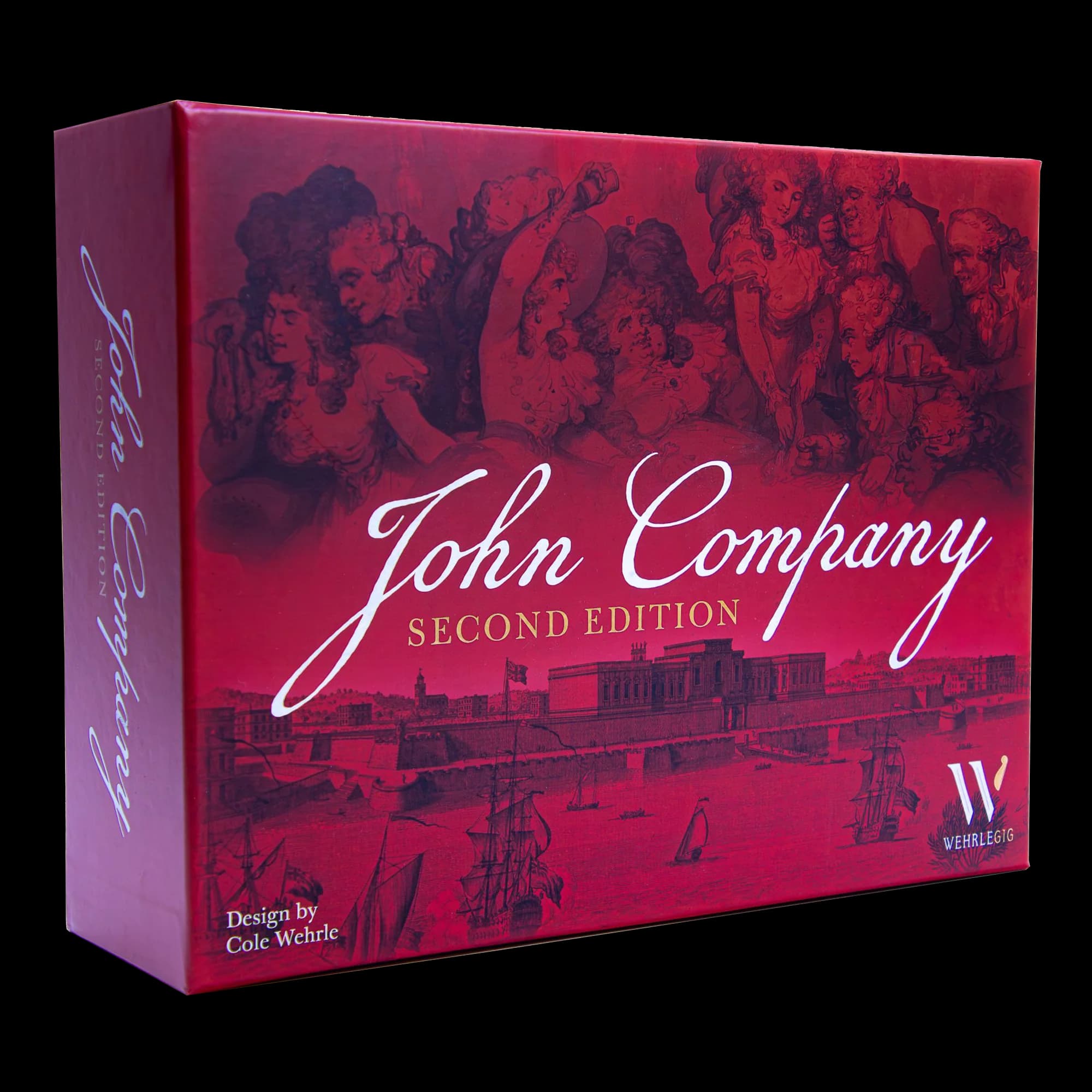
John Company: Second Edition is a deeply immersive and interactive simulation of the British East India Company, a historically powerful but notoriously dysfunctional trading corporation. Players represent ambitious British families seeking to exploit the Company for their own gain. The ultimate goal is not necessarily the Company's success, but rather amassing the greatest personal wealth and prestige for one's dynasty. This is achieved by securing lucrative positions, making shrewd investments, and ultimately retiring family members in a blaze of glory. This second edition is a significant redesign of the 2017 original, featuring a lavish production and refined rules that heighten the strategic depth and political maneuvering.
The gameplay is a masterful blend of semi-cooperative action and cutthroat individualism. On one hand, players must work together to keep the Company financially solvent, as its collapse brings ruin to all. On the other hand, victory is entirely individual. The game's structure revolves around players gaining control of key offices—from the prestigious Chairman to regional Presidents in India—often through tense auctions and brokered deals. In these roles, players execute Company actions like trade, shipping, and military campaigns, where success is often subject to the whims of dice rolls. The game progresses through distinct rounds that include managing private family affairs, voting on transformative laws in Parliament, and navigating the crucial London Season, where prestige is scored and legacies are made.
What truly distinguishes John Company is its unparalleled focus on negotiation and emergent narrative. Success is nearly impossible without engaging in constant deal-making, forming temporary alliances, and even resorting to bribery. The game is a political sandbox where the most memorable moments arise not from scripted events, but from the players' own schemes and betrayals. It brilliantly models a complex bureaucracy where individual ambition clashes with collective responsibility, creating a challenging and unforgettable experience. It appeals to players who relish high interaction, complex systems, and the thrill of turning a sprawling, failing institution into an engine for their own personal triumph.
1-6 180m⚖️ 4.4
RANK #218
Memoir '44
2004Memoir '44 invites players to step into the role of commanders during the pivotal moments of World War II. Created by esteemed designer Richard Borg, this historically-themed board game, published by Days of Wonder, offers a streamlined and accessible entry into the wargaming genre. Players recreate iconic battles from the D-Day landings and other significant engagements of the war. The primary goal is to be the first to achieve a predetermined number of Victory Medals. These medals are typically awarded for eliminating enemy units from the hexagonal battlefield, but specific scenarios often introduce unique objectives, such as capturing and holding key terrain features or breaking through enemy lines, which also grant these crucial tokens of success. The game successfully abstracts the complexities of war into a fast-paced and engaging system, making historical conflict both approachable and exciting.
At the heart of Memoir '44 lies the innovative "Commands & Colors" game system, which elegantly blends strategy with an element of chance. A player's turn is driven by the playing of a single Command Card from their hand. These cards dictate which units can be activated and, crucially, in which of the three distinct sections of the board—left flank, center, or right flank—those orders can be given. Once a card is played, the player orders their chosen units, which can be infantry, armor, or artillery, to move and/or engage in combat. Combat is resolved through a quick and intuitive dice roll, using custom dice whose symbols determine hits, force retreats, or result in misses. The terrain itself is a critical tactical element, with hills, forests, and towns providing defensive cover, impeding movement, and blocking line of sight, forcing commanders to carefully consider their positioning and approach. After all actions are completed, the player draws a new Command Card, concluding their turn and setting the stage for their opponent's response.
The enduring appeal of Memoir '44 stems from its masterful balance of tactical depth and straightforward gameplay. It serves as a perfect 'gateway' wargame, welcoming players who might be intimidated by more complex simulations while still offering satisfying strategic decisions for veteran gamers. The scenario-driven design provides immense replayability; with over a dozen historical scenarios in the base game alone, each with a unique map layout, force composition, and victory conditions, no two games feel quite the same. The combination of strategic card management—knowing when to play a powerful card or when to hold back—and the luck inherent in dice rolls and card draws creates a constant and engaging tension. It brilliantly captures the narrative and drama of a WWII skirmish, delivering a complete and compelling experience in about an hour, securing its place as a classic in the world of historical board gaming.
2-8 45m⚖️ 2.0

RANK #238
Azul: Summer Pavilion is a tile-laying game that challenges players to create the most beautiful and efficient pavilion. Players take turns drafting tiles from various locations, using them to fill in their player board while trying to score points by completing pinwheels and other patterns. The game requires strategic planning and attention to detail as players must balance short-term goals with long-term strategies. With its unique blend of tile-laying and pattern-building mechanics, Azul: Summer Pavilion offers a fresh take on the classic Azul formula.
2-4 45m⚖️ 3.0
RANK #240
Originally released as Railroad Tycoon, Railways of the World is a quintessential 'train game' that tasks players with building the most successful and profitable railway empire. A more approachable and streamlined version of Martin Wallace's heavier game, Age of Steam, it challenges players to become titans of the 19th-century railroad industry. The goal is to accumulate the most victory points by the end of the game, which are primarily earned by making lucrative deliveries of goods between burgeoning cities. Players must balance aggressive expansion and operational efficiency, managing their finances carefully to lay track, upgrade their locomotives, and fulfill valuable contracts before their rivals can claim them.
The gameplay is structured over a series of rounds, each containing three distinct phases. First, players participate in a crucial auction to determine the turn order for the round, a phase where bidding aggressively can grant a significant strategic advantage. Next is the action phase, the heart of the game, where players take turns performing actions like building track tiles to expand their network across the hex-grid map, upgrading their engines to haul goods over longer distances, and delivering goods cubes by picking them up from one city and moving them to another along their connected routes. A key interactive element is that players can use their opponents' tracks for a delivery, but the track owner earns the points for that portion of the journey. Players can also take on debt by issuing bonds to gain an immediate influx of cash, but this will cost them income and victory points later on.
Railways of the World is beloved for its grand scale and high level of player interaction, which keeps all participants engaged throughout the game. The auction mechanism ensures tense decisions from the very start of each round, while the shared network system creates indirect competition and strategic dilemmas. Do you build a critical link that an opponent might exploit, or do you focus on a more isolated, personal network? This blend of economic management, route optimization, and tactical bidding creates a deeply satisfying and highly replayable experience. With its impressive table presence and the tangible reward of watching your rail network snake across the board, it has cemented its status as a masterpiece in the economic strategy genre.
2-6 120m⚖️ 3.2
RANK #248
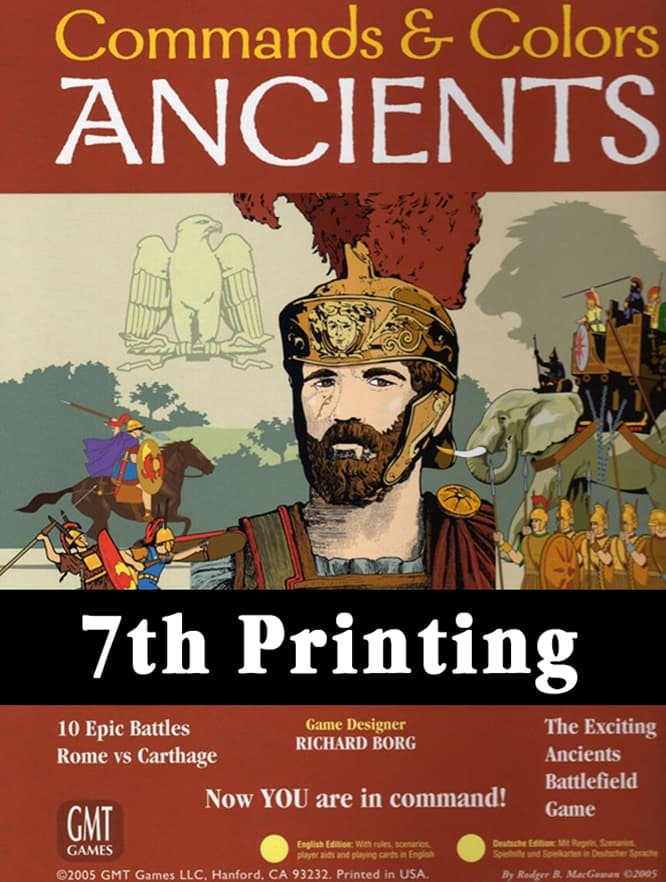
Commands & Colors: Ancients stands as a landmark title in historical wargaming, masterfully designed by the renowned Richard Borg. The game transports players back to the age of classical warfare, with the core set focusing on the titanic struggles between the Roman Republic and its rival, Carthage. It utilizes Borg's celebrated "Commands & Colors" system, which is lauded for its elegance and accessibility. The goal of the game is straightforward yet challenging: be the first player to accumulate a specific number of Victory Banners. These crucial banners are typically won by eliminating enemy units from the hexagonal battlefield or by achieving unique tactical objectives dictated by the chosen historical scenario, effectively capturing the key turning points and goals of ancient battles.
The gameplay is propelled by a unique card-driven mechanic that simulates the fog of war and the difficulties of command and control in large-scale battles. The board is divided into three distinct sections: a left flank, a center, and a right flank. On their turn, a player selects and plays a single Command Card from their hand. This card dictates which units can be ordered and in which of the three sectors they can operate, meaning a player may not always be able to activate the troops they most wish to. After issuing orders, units may move and then engage in combat. Battles are resolved quickly through the roll of custom dice, featuring symbols that determine hits, retreats, and other outcomes, ensuring a dynamic and fast-paced experience. Leaders are also a critical element, attaching to units to bolster their attacks and rally them from retreats.
What makes Commands & Colors: Ancients a beloved classic is its brilliant balance of strategic depth and streamlined play. It serves as a perfect entry point for newcomers to the wargaming hobby, offering intuitive rules that are easy to grasp. At the same time, it provides a deeply rewarding and nuanced strategic puzzle that continues to challenge veteran grognards. The Command Card system is the game's centerpiece, forcing players to adapt their strategies on the fly and make the most of the opportunities presented. This blend of luck and skill ensures that every game is a unique and memorable narrative of ancient conflict, cementing its reputation as a masterpiece of historical game design.
2 60m⚖️ 2.8
RANK #263
Secret Hitler
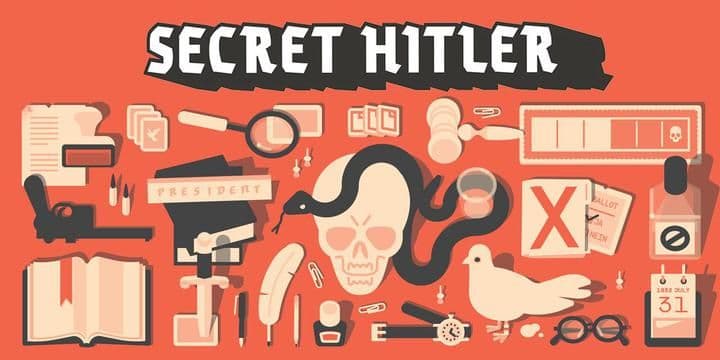
2016Dive into the tumultuous political landscape of 1930s Germany with Secret Hitler, a gripping game of social deduction and hidden identities. Players are secretly assigned to one of two teams: the Liberals, who form the majority, and the Fascists, a smaller, clandestine group that includes the titular Secret Hitler. The core objective for the Liberals is to maintain a fragile democracy by enacting five Liberal policies or by identifying and assassinating the Fascist leader. Conversely, the Fascists aim to seize power by passing six of their own policies or, more insidiously, by successfully electing Secret Hitler as Chancellor once the political climate is sufficiently unstable (after three Fascist policies have been passed). The game's central tension arises from its information imbalance: the Fascists know each other's identities and can coordinate in secret, while the unsuspecting Liberals must navigate a web of lies and accusations to uncover the traitors in their midst.
The gameplay unfolds through a series of rounds, each centered on forming a new government. A presidential role rotates around the table, and the current President must nominate another player to be their Chancellor. The entire table then votes 'Ja!' or 'Nein!' on this proposed ticket. If the government is approved, a legislative phase begins. The President draws three policy cards from a shuffled deck, secretly discards one, and passes the remaining two to the Chancellor. The Chancellor then enacts one of the two policies, discarding the other. Because the deck is mathematically skewed to contain more Fascist cards, even a well-meaning Liberal government might be forced to enact a Fascist policy, creating plausible deniability for actual Fascists and sowing further discord. As more Fascist policies are passed, the President gains access to powerful one-time executive actions, such as investigating a player's loyalty, peeking at upcoming policies, or even executing another player, permanently removing them from the game.
Secret Hitler's immense popularity stems from the raw, dynamic player interaction it fosters. It’s a game less about complex rules and more about reading people, forging temporary alliances, and engaging in masterful bluffs. The constant suspicion creates a thrillingly paranoid atmosphere where every vote and every enacted policy is scrutinized. Players must defend their actions, deflect accusations, and build cases against their opponents, leading to heated debates and dramatic reveals. The elegant design ensures that every decision is fraught with meaning, making each session a unique and memorable experience driven by the personalities and strategies of the players at the table. It thrives on deception and deduction, making it a standout party game for groups who enjoy a healthy dose of intrigue and betrayal.
5-10 45m⚖️ 1.7

RANK #281
Hanamikoji
2013Situated in the renowned Hanamikoji street of old Kyoto, this tactical card game invites two players to compete for the attention of seven master Geishas. As owners of traditional restaurants, players aim to win the favor of these artists by presenting them with their preferred items, ranging from flutes and fans to tea ceremony tools. The central objective is a race to either secure the loyalty of four individual Geishas or to earn a combined charm value of eleven or more. This creates a constant, high-pressure tug-of-war across the table, where the balance of power shifts with every single card played.
The gameplay is structured around a brilliant 'I Cut, You Choose' system that transforms every turn into a psychological puzzle. Each round, players are granted exactly four mandatory actions, each usable only once. These actions require players to offer cards to their opponent: for instance, presenting three cards and letting the opponent take one, or splitting four cards into two pairs for the rival to choose between. There are also opportunities to discard cards secretly or tuck one away for end-of-round scoring. Because one card is randomly removed from the deck at the start of the game, players must navigate a landscape of hidden information, trying to deduce which resources are still in play while managing a hand of cards that their opponent might ultimately benefit from.
Hanamikoji is widely praised for its exceptional strategic depth despite having a minimal component count and a short playtime. It is a game of calculated sacrifices; you are frequently forced to hand your opponent exactly what they want just to ensure you retain the pieces necessary for your own victory. This dynamic ensures that player interaction is constant and intense throughout the fifteen-minute duration. With its breathtaking artwork and elegant rule set, the game offers a masterclass in tension, rewarding players who can read their opponent's intentions and manipulate the limited information available to claim victory in the heart of Kyoto.
2 15m⚖️ 1.7

RANK #283
Western Legends
2018Western Legends is a sweeping sandbox experience that transports players into the rugged landscape of the American Old West. Unlike traditional board games with linear objectives, this title offers a sprawling open-world environment where players assume the roles of legendary historical figures like Wyatt Earp, Calamity Jane, or Billy the Kid. The primary goal is to accumulate Legendary Points (LP) through various frontier activities, ultimately carving out a lasting legacy. Whether you choose to walk the path of a righteous lawman or a notorious outlaw, the game adapts to your playstyle, allowing for a personalized journey through its dusty towns and gold-filled hills.
The gameplay loop revolves around a flexible action system where players manage three actions per turn, which can be spent on movement, mining for gold, or engaging in local town activities. One of the most distinctive features is the moral alignment system, tracking players on either the Marshal or Wanted tracks. Law-abiding citizens can earn prestige by arresting criminals, fighting bandits, or driving cattle to the railhead. Conversely, those seeking a life of crime can rob the bank, rustle cattle to the rival ranch, or challenge other players to high-stakes robberies. Conflict resolution eschews dice in favor of a specialized poker deck, where players play cards simultaneously to determine outcomes. This card-based system adds a layer of bluffing and strategic management, mirroring the tension of a real saloon showdown.
What truly distinguishes Western Legends is its immersive freedom and high player interaction. The sandbox nature ensures that no two sessions feel identical, as the board state evolves based on player decisions. Some may focus on the economic engine of gold mining and selling nuggets at the bank, while others might spend their time hunting down 'Wanted' friends to claim bounties. The inclusion of authentic historical figures adds a rich layer of flavor, grounding the mechanical systems in a recognizable period setting. It captures the essence of frontier life, blending strategic depth with cinematic storytelling, making it a favorite for those who enjoy narrative-rich experiences with a competitive edge.
2-6 90m⚖️ 2.7
BoxNo Cover Art
RANK #298
Anno 1800: The Board Game, a captivating Eurogame released in 2020, beautifully translates the intricate city-building experience of its video game namesake into a tabletop format. Designed by the esteemed Martin Wallace, this strategy title immerses players in the heart of the Industrial Revolution, tasking them with developing a thriving island economy. The overarching goal is a strategic "race" to satisfy the increasingly complex needs of your population, represented by a hand of Population Cards that players aim to empty. It’s a game of careful planning, resource optimization, and dynamic player interaction, where every decision shapes your burgeoning industrial empire.
The core gameplay loop revolves around selecting one of nine distinct actions on your turn, a mechanism that provides a flexible yet constrained strategic environment. Instead of traditional resource accumulation, players "produce" goods by exhausting population cubes from various building tiles, instantly generating the necessary resources for current actions. These resources are then used to either play the crucial Population Cards from your hand, unlocking points and bonuses, or to construct new, higher-tier industries that produce more advanced goods. Population management is key: increasing your workforce grants more actions per round, but also forces you to draw more Population Cards, extending the challenge of fulfilling your citizens' demands and escalating the strategic race.
What truly sets Anno 1800 apart is its innovative and dynamic trade system. If a player lacks a specific resource, they can trade with any opponent who possesses the corresponding industry. This trade is non-refusable; the active player spends a trade token, and the recipient gains one gold, without expending their own resources or actions. This ingenious system strongly encourages players to specialize their industries rather than attempting to produce every good, fostering a high degree of player interaction and negotiation throughout the game. Fans praise its ability to replicate the video game's recursive production chains and satisfying engine-building without becoming overly bogged down in calculations, offering a rewarding, "puzzle-like" experience for strategists and optimization enthusiasts.
2-4 120m⚖️ 3.8

RANK #346
Speakeasy
2025Speakeasy, designed by the legendary Vital Lacerda and illustrated by Ian O'Toole, transports players back to the roaring 1920s during the height of the Prohibition era in New York City. In this high-stakes economic strategy game, players step into the shoes of ambitious mobsters looking to capitalize on the illegal alcohol trade by establishing and managing a network of underground bars known as speakeasies. The primary objective is to accumulate the most wealth and influence by the end of the game, navigating a treacherous landscape of rival gangs, fluctuating supply lines, and the ever-present threat of federal intervention. As the city pulsates with jazz and clandestine activity, you must strategically expand your empire across various Manhattan neighborhoods, ensuring your operations remain profitable while outmaneuvering your opponents in a quest for dominance over the Big Apple's nightlife.
The gameplay of Speakeasy is characterized by Lacerda's signature mechanical depth and intricate interconnectedness. Central to the experience is a sophisticated worker placement and card-driven system that requires players to carefully manage their hand of action cards to deploy henchmen and specialists across the city. You will be tasked with acquiring permits, securing bootlegged liquor, and upgrading your modest gin joints into opulent, high-society establishments that attract more prestigious clientele. Notable mechanics include an area majority system where controlling specific districts provides unique bonuses and influence, as well as a dynamic police track that represents the rising 'heat' from the authorities. Players must balance their aggressive expansion with bribes and political maneuvering to avoid raids that could shutter their businesses. The game also features a rich economic engine where resources must be converted efficiently into victory points and cold hard cash, all while keeping a close eye on the shifting demands of the illicit market.
What sets Speakeasy apart and makes it a highly anticipated title for board game enthusiasts is its masterful blend of thematic immersion and heavy strategic challenge. The synergy between Lacerda's complex systems and Ian O'Toole's stunning, era-appropriate graphic design creates a tabletop experience that is both visually captivating and intellectually demanding. Fans of the genre love the puzzle-like nature of the game, where every decision has long-term consequences and the path to victory requires meticulous planning several turns in advance. The game offers a high degree of replayability through its various setup configurations and the tactical depth required to respond to opponents' moves. Furthermore, the way the game simulates the tension of the Prohibition era—balancing the glamour of the jazz age with the gritty reality of organized crime—provides a narrative richness that is rarely seen in such heavy Euro-style games. It is a definitive heavy strategy title that rewards deep thought and offers a rewarding experience for those who enjoy sinking their teeth into a truly substantial gaming project.
1-4 150m⚖️ 4.6