Party Games
Browse all Party board games in the Meeple Pulse database.
Styles
Themes
AbstractAdventureAncientAnimalsArtBusinessCard GameCo-operativeComic BookCooperativeCrimeEconomicEnvironmentalismExplorationFantasyHistoricalHorrorHumorIntrigueLiteraryMagicMarvelMedievalModernMuseumMysteryMythologyNatureNauticalPoliticalPress Your LuckSatireSci-FiSocial CommentarySocial InteractionSpaceSuperheroesThematicTravelWarWesternWord-Guessing
Mechanics
3D PlacementActingAction / DexterityAction DraftingAction Point AllowanceAction Point Allowance SystemAction Point SystemAction PointsAction ProgrammingAction QueueAction RetrievalAction SelectionAction/EventAlliancesAlternate ActivationApp-AssistedApp-DrivenArea ControlArea InfluenceArea MajorityArea Majority / InfluenceArea MovementArgumentationAsymmetricAsymmetric FactionsAsymmetric GameAsymmetric PowersAsymmetrical PowersAuction & BiddingAuction/BiddingAuctioningBag BuildingBettingBetting and BluffingBetting and WageringBetting and WagersBiddingBingoBlind BiddingBluffingCampaign / Battle Card DrivenCampaign / LegacyCampaign / Legacy GameCampaign / Mission-basedCampaign / ScenariosCampaign GameCampaign PlayCard DraftingCard DrawingCard DrivenCard Driven ActionCard Driven CombatCard Driven Dice AllocationCard Driven MovementCard ManagementCard PlayCard Play / Hand ManagementCard Play Conflict ResolutionCard SheddingCard-Driven MovementCharacter CreationCharacter ProgressionChit-Pull SystemCo-op PlayCo-operative GameCo-operative PlayCode-breakingCombat ResolutionCombo ChainCommand CardsCommodity SpeculationCommunication LimitsContract FulfillmentContractsCooperative GameCooperative GameplayCooperative PlayCooperative Trick-takingDebateDeck BuildingDeck ConstructionDeck, Bag, and Pool BuildingDeck-BuildingDeductionDexterityDice DraftingDice PlacementDice RollingDiplomatic InfluenceDraftingDynamic Battle SystemEnclosureEnd Game BonusesEngine BuildingEngine-BuildingEscape RoomEvent DrivenExplorationFarmingFlip and WriteFollowFollow ActionGrid CoverageGrid MovementHand ManagementHex-and-CounterHexagon GridHidden MovementHidden RolesI Cut You ChooseIncomeInfluence / Area MajorityLadder ClimbingLegacyLegacy ElementsLegacy GameLegacy SystemLimited CommunicationLine DrawingLine of SightMancalaMap MovementMarketMarket DraftingMarket ManipulationMarket MechanicMarket SpeculationMatchingMeasurement MovementMemoryMission ObjectivesModular BoardModular Board ConstructionMovement TemplatesMulti-Use CardsMulti-use CardsMultiple ScenariosMust FollowNarrative ChoiceNarrative Choice / ParagraphNegotiationNegotiation MechanicsNetwork & Route BuildingNetwork BuildingNetwork and Route BuildingOne vs ManyOne vs. ManyOpen DraftingPaper-and-PencilPartnershipsPattern BuildingPattern RecognitionPick-up and DeliverPlayer EliminationPlayer InteractionPlayer JudgePoint SaladPoint to Point MovementPolyominoesPush Your LuckPush-Your-LuckPuzzlePuzzle-LikePuzzle-SolvingRaceReal-TimeRecipe FulfillmentResource ManagementRole PlayingRole SelectionRoll / Spin and MoveRondelRoute BuildingRoute-BuildingRoute/Network BuildingSanity SystemScenario / Campaign PlayScenario / Mission / Campaign GameScenario / Mission FunctionSecret Unit DeploymentSemi-Cooperative GameSet CollectionSheddingSimulationSimultaneous ActionSimultaneous Action SelectionSimultaneous Hidden AllocationSocial DeductionSocial InteractionSolo / Solitaire GameSpace ExplorationStat Check / Skill CheckStock HoldingStorytellingStrategic PlanningTableau BuildingTactical Decision-MakingTake ThatTargeted CluesTeam PlayTeam-Based GameTeam-Based GuessingTeamworkTech TreesTech Trees / Tech TracksTechnology & Armament TracksTechnology TreeTension & Aggression TracksTile DraftingTile LayingTile PlacementTime TrackTime TravelTower DefenseTrack MovementTradingTrick-takingTug of WarTurn Order: PassTurn Order: Stat-BasedUnit PlacementVariable Phase OrderVariable Player PowersVariable Set-upVariable SetupVictory Point TracksVotingWord AssociationWord GameWord GuessingWord-GuessingWord-guessingWordplayWorker Placement

RANK #286
Deception: Murder in Hong Kong is an immersive social deduction experience that transports players into the heart of a high-stakes criminal investigation. In this tense mystery, one player assumes the role of the Forensic Scientist—a silent gamemaster who holds the objective truth—while others act as Investigators trying to identify the perpetrator hidden among them. However, one individual in the group is the secret Murderer, and in larger games, they may even have an Accomplice to help deflect suspicion. The goal is simple yet challenging: the Investigators must correctly identify two specific cards—the 'Means of Murder' and the 'Key Evidence'—selected by the killer before the trail goes cold.
The gameplay centers on a unique communication loop where the Forensic Scientist is strictly forbidden from speaking or gesturing. Instead, they provide hints by placing bullet markers on abstract Scene Tiles, which represent various aspects of the crime such as the location, the cause of death, or the victim's social state. During a hidden night phase at the start of the game, the Murderer secretly points to their chosen weapon and a piece of evidence. As the investigation progresses over three rounds, the Scientist adds or replaces tiles to refine the group's theories. Each Investigator has only one formal opportunity to 'Solve the Crime.' They must name both cards correctly; a single mistake results in the loss of their badge and their ability to make future official accusations, though they remain active in the group's heated debates.
What makes Deception stand out is its masterful blend of abstract logic and intense social manipulation. Unlike many deduction games that rely solely on bluffing, this title provides a tangible puzzle through visual clues that must be interpreted through the lens of the killer's possible choices. It creates a fascinating dynamic where players must argue over the subjective meaning of tiles while trying to read the body language of their peers. The addition of optional roles like the Witness and Accomplice adds further layers of complexity, requiring players to protect their information sources. It is an ideal choice for large groups because it eliminates player elimination and keeps everyone engaged in a collaborative, yet paranoid, atmosphere where the truth is often hidden in plain sight.
4-12 20m⚖️ 1.6
RANK #297
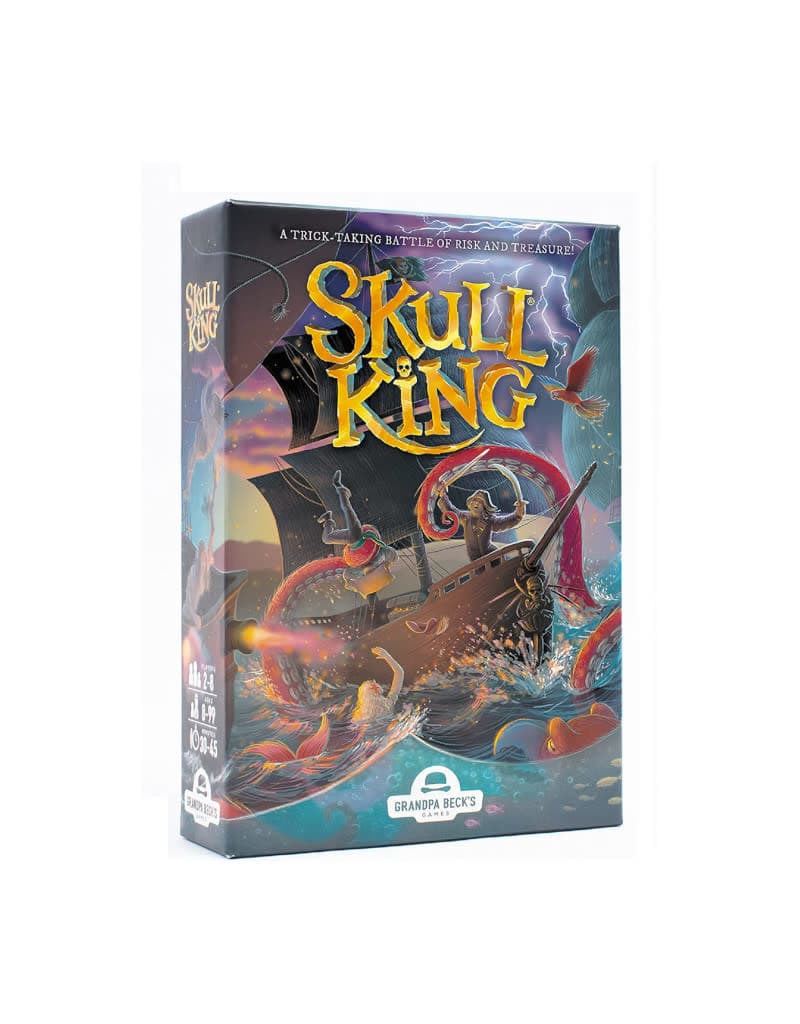
Skull King
2013Skull King is a high-stakes, pirate-themed trick-taking game that invites players to set sail on the high seas in search of loot and glory. Originally released in 2013, it has established itself as a modern classic in the predictive bidding genre, often compared to legendary games like 'Wizard' or 'Oh Hell!'. The ultimate goal is to accumulate the most points over ten rounds by accurately predicting exactly how many tricks you will capture in each hand. Unlike traditional card games where the strongest hand always wins, Skull King rewards precision and psychological maneuvering, forcing players to balance aggression with calculated retreats.
The game progresses through ten rounds, with the hand size increasing by one card each round. After examining their cards, all players simultaneously declare their bids using the iconic 'Yo-Ho-Ho!' chant, revealing their intended trick count with their fists. The core of the game lies in its intricate power hierarchy. While players must follow the lead suit of Parrots, Maps, or Chests, they can pivot to the black Jolly Roger trump suit or deploy powerful special cards. Pirates can dominate numbered cards, but they are vulnerable to the dreaded Skull King. However, even the King can be lured to his doom by the alluring Mermaid. This rock-paper-scissors dynamic ensures that no lead is ever truly safe, and the tide of battle can turn with a single card.
What makes Skull King truly beloved by gaming groups is its blend of high-energy social interaction and deep strategic depth. The scoring system is brutal yet rewarding; players earn 20 points per trick for a correct bid but lose 10 points for every trick they are off. The legendary 'bid zero' strategy offers a high-risk, high-reward path to victory, potentially granting massive points or leading to a devastating shipwreck. The game's charm lies in these moments of triumph and betrayal, where a well-timed Escape card or a surprise Pirate can ruin an opponent's perfect round. It remains a staple for families and hobbyists alike due to its accessibility and the endless variety provided by its special character cards.
2-6 45m⚖️ 1.8
RANK #302
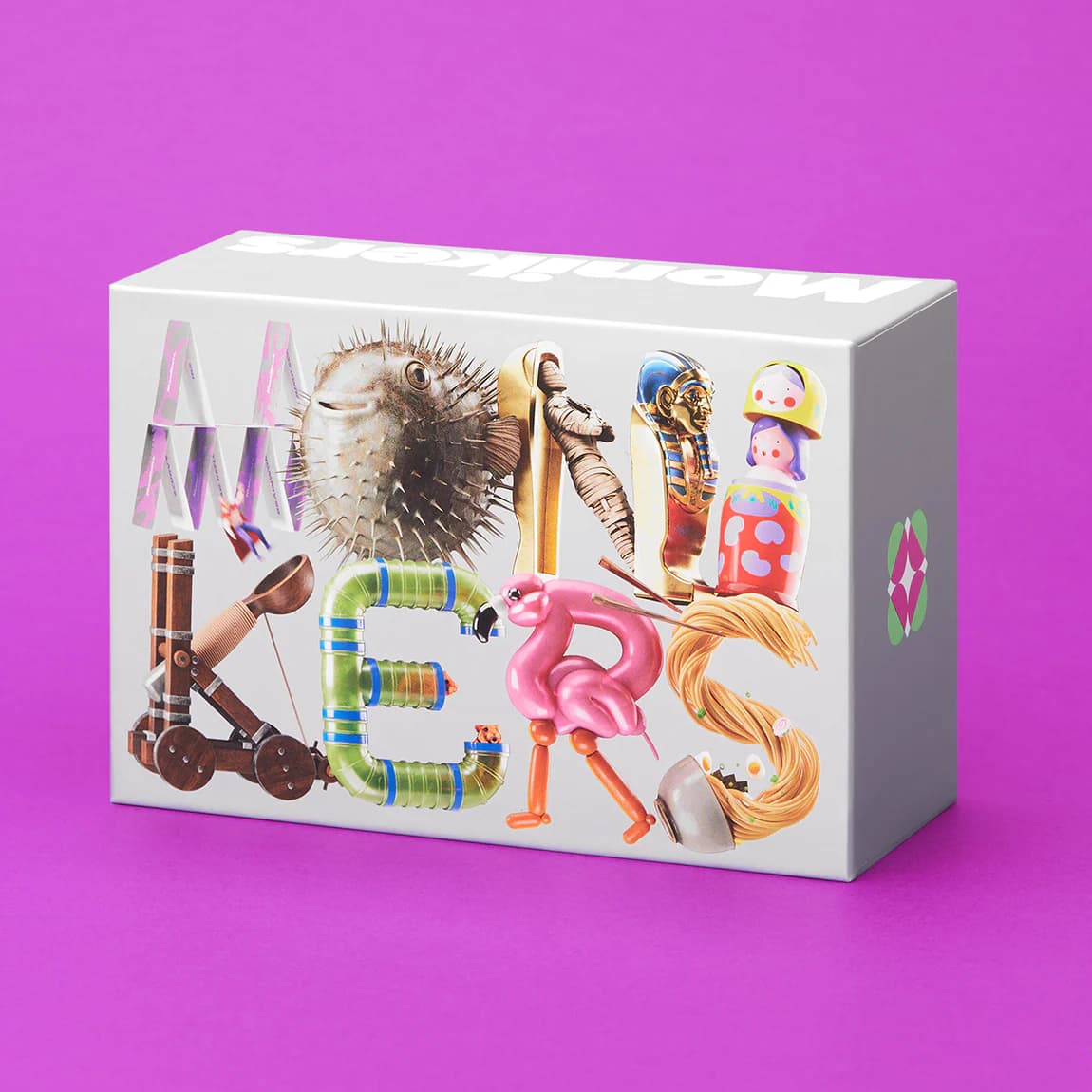
Monikers
2015Monikers is a high-energy, contemporary party game that revitalizes the classic parlor game known as Celebrities or 'The Hat Game'. Designed for large groups, the objective is simple: teams compete to guess as many names as possible from a shared deck of cards over three increasingly difficult rounds. The game is celebrated for its ability to transform even the most obscure references into hilarious inside jokes that persist long after the session ends. Because players participate in the selection of the cards at the very beginning, the game feels personalized and ensures that someone at the table always has a baseline understanding of the entries in play.
The structure of Monikers revolves around a clever three-round progression using a single, unchanging deck of cards. In the first round, players can say almost anything to get their teammates to guess the name on the card, provided they do not use the name itself. Once the deck is exhausted, it is reshuffled for the second round, where clue-givers are restricted to using only a single word. This shift forces players to rely on their memory of the clues from the previous round. The final round escalates the challenge significantly by banning speech altogether, requiring players to use charades, gestures, and sound effects. This iterative loop creates a shared language among the players, turning a difficult historical figure or a weird internet meme into a recognizable physical gesture by the end of the night.
What makes Monikers a staple for social gatherings is its focus on creativity and collective memory rather than trivia knowledge. Each card features a point value ranging from one to four, reflecting its inherent difficulty, and includes a short, humorous description to help players who might be unfamiliar with the subject. The game is famously easy to teach, with rules that can be explained in mere minutes, making it highly accessible to non-gamers. Its modular nature allows for quick games or long, raucous evenings, and while the standard edition features mature humor, it is easily adapted for different crowds. Ultimately, Monikers is less about winning and more about the absurd situations and hysterical failures that occur when friends try to communicate through frantic movements.
4-16 45m⚖️ 1.1
RANK #524
Flip 7
2024Flip 7 is a fast-paced and wonderfully accessible card game where the goal is refreshingly simple: be the first player to empty your hand of all your cards. This straightforward objective, however, hides a delightful mix of light strategy, luck, and clever timing that makes each round an engaging puzzle. The game centers around a shared play area with seven distinct piles. Players start with a hand of seven cards and must thoughtfully play them onto these piles, racing against their opponents to shed their hand and claim victory. Its blend of familiar mechanics with a unique core concept makes it an instant hit for a wide variety of gaming groups.
The gameplay loop is elegant and easy to grasp. On a player's turn, they must select a card from their hand and play it onto one of the seven piles. The rule for a legal play is direct: the card being played must either have a higher numerical value than the top card of the pile or be the exact same color. If a player finds themselves unable to make a valid move, they must draw a card from the deck, momentarily pushing them further from victory. The game's namesake and most exciting mechanic is the "flip." When any player plays a card with the number 7, they get to flip that entire pile over, revealing the card that was originally at the bottom. This newly exposed card now dictates the rule for the next play on that stack, which can dramatically alter the strategic landscape of the board in an instant.
What makes Flip 7 so compelling is its brilliant fusion of classic card-shedding gameplay with this innovative 'flip' twist. It evokes the feel of mass-market classics but introduces an unpredictable element that keeps all players on their toes. A pile that was once an easy target can suddenly become unplayable, while a blocked pile might open up into a perfect opportunity. The strategic heart of the game lies in managing your hand and, most importantly, deciding when to deploy your powerful 7s. Using one can save you from drawing a card, but it might also inadvertently help the next player. This constant tactical tension, combined with its quick playtime and support for one to six players, makes it a perfectly versatile choice for family game nights, a party starter, or a quick filler game.
1-6 15m⚖️ 1.0
RANK #528
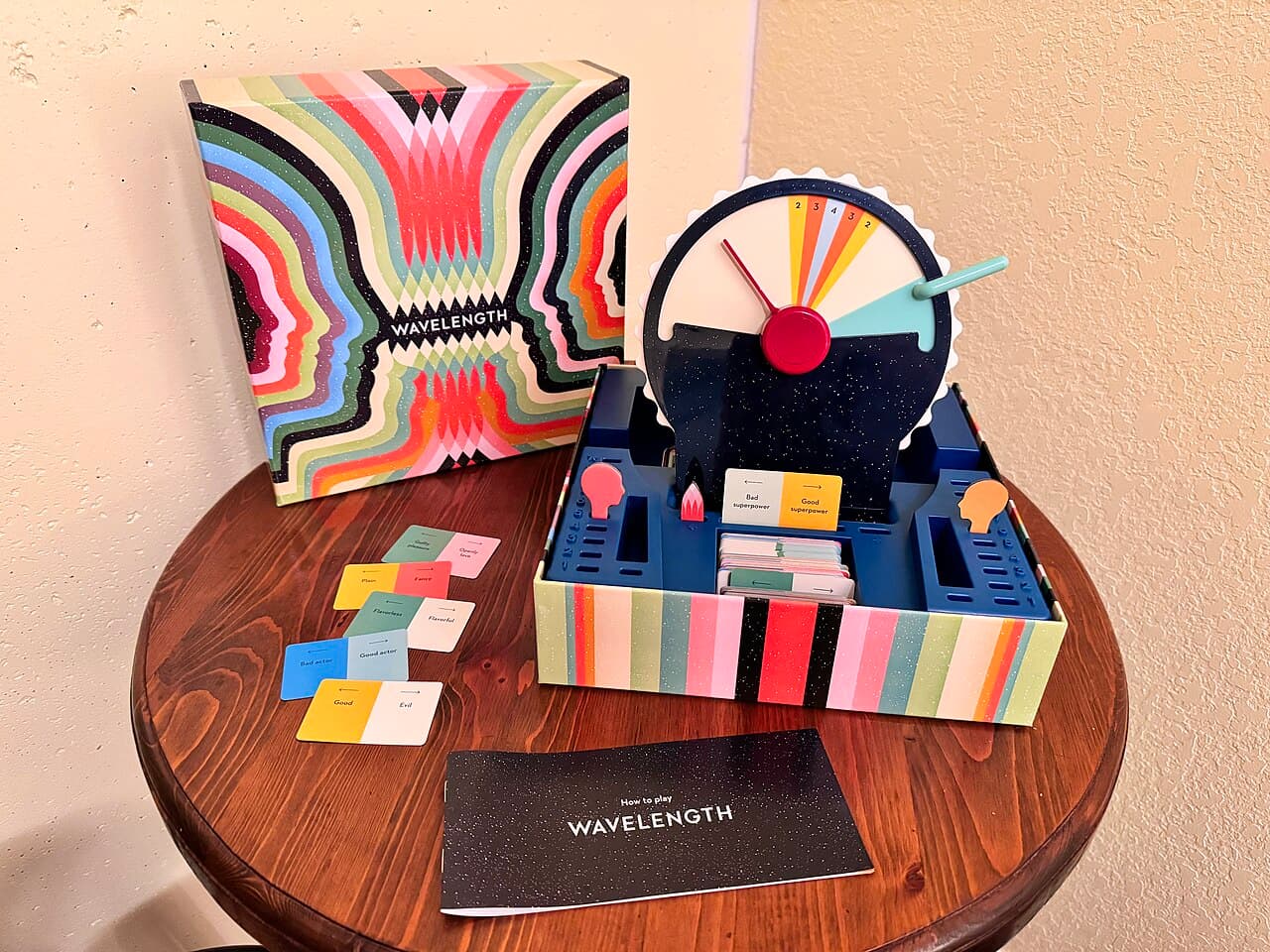
Wavelength
2019Wavelength is an immensely engaging team-based party experience that centers entirely on social guessing, empathy, and intuitive communication. At its heart, this brilliant tabletop offering challenges players to read their friends' minds while utilizing a striking, custom three-dimensional dial device. The primary objective is to successfully guide your squad to a hidden location on a spectrum using only a single conceptual hint. It is highly celebrated within the tabletop community for its unparalleled ability to spark hilarious, profound, and sometimes bizarre debates about how different individuals perceive the exact same concepts in our strange world.
The fundamental gameplay loop splits participants into two competing factions, with a designated device placed in the center of the table. During a turn, one individual on the active side takes on the role of the 'Psychic.' This key participant draws a Spectrum Card that displays two opposing binaries, such as 'Hot' versus 'Cold' or 'Utopia' versus 'Dystopia.' The Psychic then randomly spins the wheel inside the plastic device and peeks behind the viewing screen to locate a hidden bullseye containing varying scoring zones. After closing the screen to conceal the target from everyone else, the Psychic must provide precisely one conceptual clue to guide their allies to that exact spot on the spectrum. For instance, if the target leans slightly toward the cold side, the Psychic might simply say the word 'Salad.'
Following the clue, the active group must collaborate, discuss, and often argue playfully as they physically rotate the red dial to the position they believe matches the hint. At this juncture, the opposing squad engages in a push-your-luck betting mechanic, guessing whether the true target lies to the left or the right of the active team's placement. Finally, the screen is opened to reveal the truth. The active participants score points based on how close they landed to the exact center of the bullseye, while the opponents can snag a bonus point for a correct directional bet.
Teams continue taking turns in this manner until one reaches the winning threshold of ten points. People absolutely adore this title because of its immense accessibility; boasting a remarkably low complexity, the rules can be explained in mere minutes, making it incredibly welcoming for non-gamers. Furthermore, its versatile structure comfortably accommodates large crowds or can be adapted into a fully cooperative mode for smaller gatherings, ensuring it shines on nearly any game night.
2-12 45m⚖️ 1.1

RANK #10,160
"Why Did the Chicken...?" is a remarkably inventive and open-ended party game that leans heavily on the improvisational humor and linguistic creativity of its participants. Originally published in 2004, this engaging title takes the familiar structure of fill-in-the-blank party experiences and injects a massive dose of active joke writing. The primary goal is to craft the most amusing, bizarre, or downright hilarious punchlines to randomly generated riddles. Instead of relying on pre-written responses like many modern casual tabletop games, players must utilize their own wit, drawing upon pads of paper and pencils to brainstorm their best comedic material. It is a fantastic exercise in spontaneous creativity where the funniest individual at the table often walks away with the victory, making it an absolute blast for gatherings of friends and family.
The gameplay loop is incredibly intuitive and perfectly suited for groups of four to eight players. Each round, one participant assumes the role of the rotating Judge. This individual draws a specific Question card that features intriguing blank spaces, such as 'What is the difference between [Blank] and [Blank]?' To complete the prompt, the Judge then draws two random Noun cards, instantly producing an absurd and often surreal riddle. Once the prompt is established, a two-minute sand timer is flipped. The remaining players furiously scribble down as many clever answers as they can muster before time expires. These written punchlines are subsequently gathered into a central pile, shuffled to ensure anonymity, and read aloud to the group. The Judge listens carefully to the comedic offerings and selects their absolute two favorite responses, awarding a Noun card as a point to the authors of those winning jokes. The role of the Judge then shifts to the next person, continuing until everyone has had three opportunities to evaluate the humor.
What truly sets "Why Did the Chicken...?" apart from other titles in the casual board game market is its boundless potential for memorable, laugh-out-loud moments. Because the punchlines are generated purely from the minds of the players rather than a static deck of cards, no two sessions will ever feel the same. This open-ended mechanic ensures infinite replayability and allows the humor to naturally tailor itself to the specific personalities, inside jokes, and sensibilities of the group playing. With a remarkably low rules complexity, it can be taught to absolute beginners in under a minute, completely removing any barriers to entry. The minimal component list highlights the reality that the true magic of the game resides in the social interactions and shared creativity of the participants. For anyone seeking a deeply interactive experience that champions quick thinking, this game remains a phenomenal choice.
4-8 45m⚖️ 1.1
BoxNo Cover Art
RANK #10,357
Embrace your wicked side in Disney Villains: The Card Game, a deviously clever and fast-paced game where it pays to be bad. Players take on the roles of one of six iconic Disney antagonists—Maleficent, Ursula, Jafar, Captain Hook, Scar, or Cruella de Vil—each with their own unique powers. The objective is to outwit your fellow villains and end the game with the highest score. Unlike simple card-shedding games, victory here depends on strategic placement and careful hand management. You must not only empty your hand and deck but also control which cards end up in your scoring pile, all while meddling with the plans of your rivals. It's a dastardly contest to prove who is the most villainous of all.
The gameplay is deceptively simple to learn, making it accessible for families and new players. On your turn, you attempt to play a card from your hand onto your personal discard pile, matching either the color or the number of the card on top. The core twist, however, introduces a delightful layer of player interaction. If the card you wish to play also matches the top card on an adjacent opponent's pile, you are forced to play it there instead. This can inadvertently gift them valuable points, turning a simple move into a tricky tactical decision. If you can't make a legal play, you must play a card face-down, revealing a hero who will penalize your score at the game's end. Furthermore, each villain wields powerful special ability cards, such as Jafar's "Hypnosis" to steal a card or Ursula's "Whirlpool" to shift everyone's discard piles, ensuring no two games play out the same.
The game's appeal lies in this brilliant fusion of straightforward mechanics and meaningful strategic choices. The end-game scoring is particularly clever: players count the number of hero cards they were forced to take, and that number cancels out all villain cards of the corresponding value in their pile. Four hero cards, for example, render all '4' value villain cards worthless. This creates a tense finale where a seemingly strong lead can vanish. Players love the constant interaction and the thematic integration of villain powers, which makes them feel truly cunning. It's a quick, engaging, and highly replayable game that perfectly captures the mischievous spirit of its characters.
3-6 20m⚖️ 1.3
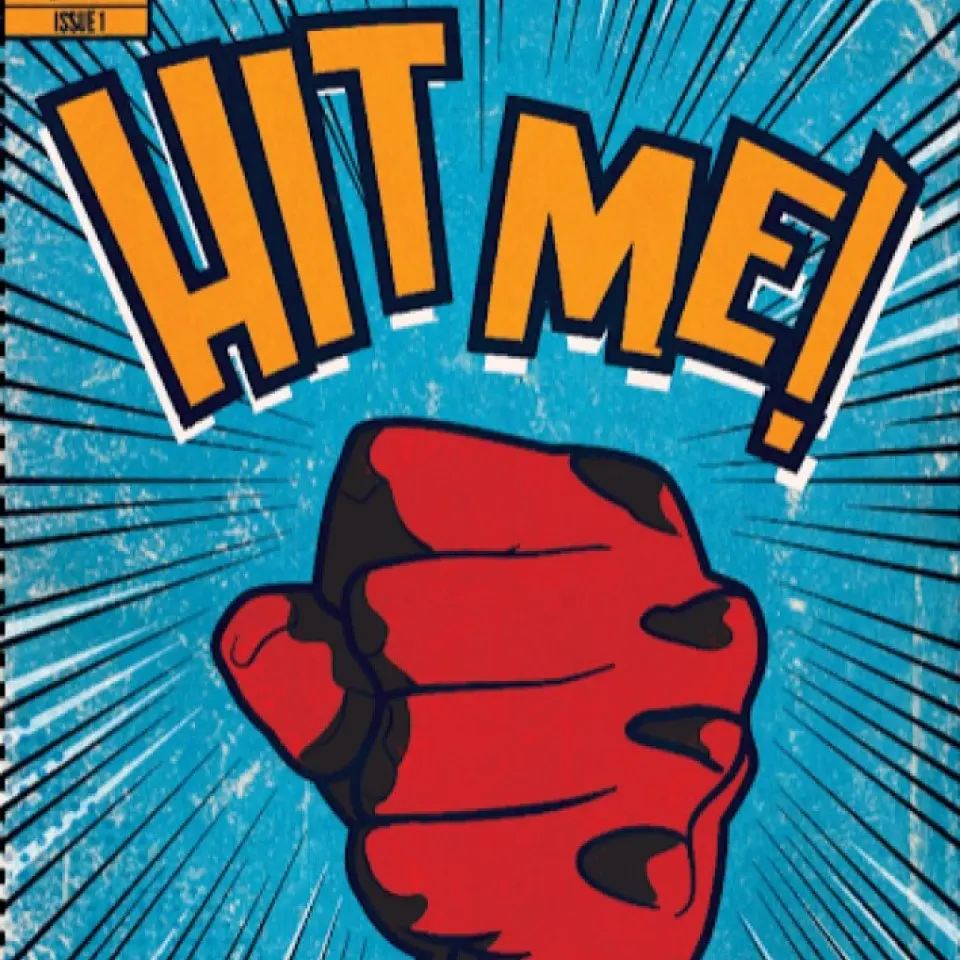
Hit Me!
2018Hit Me! is a vibrant and high-energy card game that immerses players in a comic book-inspired showdown where survival is the only objective. In this competitive experience, every participant begins with a personal Life deck, a small stack of face-down cards that represents their health and staying power in the battle. The ultimate goal is deceptively simple but difficult to achieve: be the final player left with cards in your Life deck after everyone else has been knocked out. The game captures the kinetic energy of a superhero skirmish or a street brawl, utilizing bold visuals and fast-paced turns to keep the table engaged from the first card draw to the final elimination.
The core of the gameplay revolves around a central Hit! deck, from which players draw and play cards to manipulate the board state and attack their rivals. Utilizing a distinct 'push your luck' mechanic, players must decide how aggressively they want to pursue their opponents. By playing Hit! cards, you can force other players to discard precious cards from their Life decks, bringing them one step closer to defeat. However, the game requires a careful balance of aggression and caution; pushing too hard can leave a player vulnerable or lead to unintended consequences. This creates a social dynamic filled with 'take that' moments, where alliances are temporary and the leader often finds themselves with a target on their back.
Fans of the game appreciate Hit Me! for its role as a perfect 'filler' game, offering a streamlined experience that is easy to teach and quick to play. Designed for groups of two to six, it thrives on social interaction and the unpredictable nature of the draw. The social aspect is heightened by the player elimination mechanic, which creates a tense atmosphere as the deck sizes dwindle. Its accessible ruleset makes it an excellent choice for family game nights or as an icebreaker for larger gatherings. With its unique comic book aesthetic and the thrill of narrowly escaping defeat, Hit Me! provides a satisfyingly punchy experience that rewards both tactical targeting and the courage to take a gamble.
2-6 30m⚖️ 1.2
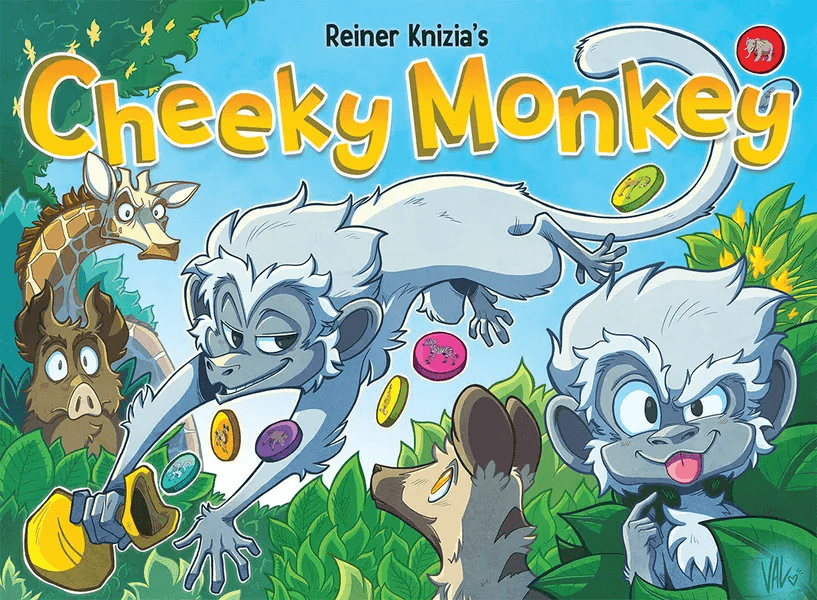
Cheeky Monkeys
2016In Cheeky Monkeys, 2-4 players take on the role of mischievous monkeys, swinging through the jungle to collect bananas and outsmart their opponents. The goal is to be the first player to collect a set number of bananas, while navigating obstacles and stealing from others.
On each turn, players draw a card, which may allow them to move around the board, steal bananas from other players, or use special abilities to hinder their opponents. Players must strategically plan their moves to maximize their chances of winning, all while staying one step ahead of their competitors.
What makes Cheeky Monkeys unique is its blend of strategy and luck. Players need to balance the risks and rewards of each move, as well as adapt to changing circumstances on the board.
Despite its simple gameplay, Cheeky Monkeys requires a deep understanding of the game's mechanics and a keen sense of timing. As players navigate the jungle, they'll need to be clever and resourceful to emerge victorious.
2-4 30m⚖️ 2.0

Embrace your inner evil-doer in Disney Villains: Sinister Spoons Game, a wonderfully wicked party game that puts a villainous spin on the classic game of Spoons. This fast-paced experience from Funko Games invites players to step into the roles of iconic Disney antagonists like Maleficent, Jafar, Captain Hook, and Ursula. The objective isn't merely to be the quickest, but to be the most cunning. The ultimate goal is to become the supreme villain by being the first player to successfully collect and flip over all four of your unique villain tiles. It's a game of speed, observation, and a little bit of treachery, where acting out your character's personality is just as important as playing your cards right. The game ditches traditional turn-taking for a chaotic, all-at-once free-for-all that ensures no two rounds are ever the same and keeps every player constantly engaged.
The gameplay loop is deceptively simple yet brilliantly frantic. All participants simultaneously flip the top card of their personal deck, revealing one of the four infamous villains. To discard a card and move closer to victory, you must find another player who has revealed the exact same villain. This isn't a quiet affair; matching is accomplished by physically embodying your character. A player holding Captain Hook, for instance, might brandish a spoon like a cutlass while shouting his famous line, "Good form!". Once two players with identical villains make a connection, they perform a quick, designated action together—like a devious high-five or a mock duel—and then discard their matched cards. This process repeats in a whirlwind of shouting and gesturing as everyone races to be the first to deplete their entire hand of cards, creating a lively and energetic atmosphere.
The game's unique appeal shines when the classic 'Spoons' mechanic comes crashing into the party. The moment a player successfully discards their final card, they make a mad dash to snatch one of the custom-sculpted villain spoons from the middle of the play area. This single action triggers a frantic chain reaction, as every other player must immediately abandon their card-matching and lunge for the remaining spoons. With one fewer spoon than there are players, someone is always left empty-handed. Those who secure a spoon are rewarded by getting to flip over the villain tile that corresponds to the character on their prize. As a bonus, the player who triggered the round by emptying their hand first gets to flip an extra tile of their choice, accelerating their path to victory. This blend of real-time card play and a high-stakes physical race makes for an unforgettable and accessible game perfect for Disney fans and families.
4-8 20m⚖️ 1.1
BoxNo Cover Art
Cards Against Humanity: Non-denominational Seasons Greetings Pack is a party game designed for adults, offering a unique take on the traditional holiday season. Players engage in a series of challenges that test their creativity and wit, all while navigating the complexities of modern social norms. The game's core mechanics involve players submitting answers to fill-in-the-blank questions, with the goal of creating humorous and often irreverent responses. This approach allows for a high degree of player interaction and collaboration, as individuals work together to craft the most entertaining and thought-provoking answers.
One of the key features that sets Cards Against Humanity apart from other party games is its willingness to tackle sensitive topics with humor and satire. By embracing the absurdity and unpredictability of human behavior, players are encouraged to push boundaries and challenge social norms in a safe and controlled environment. This approach not only fosters creativity but also provides a unique opportunity for individuals to engage in meaningful discussions about complex issues.
In terms of gameplay, Cards Against Humanity: Non-denominational Seasons Greetings Pack is designed for 4-20 players, with each game lasting approximately 30-60 minutes. The complexity level of the game is moderate, requiring a basic understanding of the rules and mechanics but offering ample opportunities for creative expression and strategic thinking.
m⚖️ 2.5
BoxNo Cover Art
Pakutto Puritto is a unique board game that challenges players to collect and trade resources while navigating the complexities of a dynamic market. The game's goal is to be the first player to accumulate a set amount of points by strategically managing their resources and making smart trades. Players take turns collecting resources, which are represented by colorful tokens, and then use these resources to purchase goods from the market. However, the market is constantly changing, with new goods being added and old ones being removed, forcing players to adapt their strategies on the fly.
As players collect resources and trade them in for goods, they must also keep an eye on the game's dynamic market mechanism. The market is driven by a series of cards that are drawn at the start of each round, which determine what goods are available and at what prices. Players can use their resources to purchase these goods, but they must be strategic about when to buy and sell, as the market can shift rapidly.
One of the key mechanics in Pakutto Puritto is the concept of 'packs' and 'picks.' Players can collect packs of resources, which contain a set number of tokens, or make picks from the market, which allows them to acquire specific goods at a discounted price. However, these packs and picks come with risks, as players may end up with unwanted resources or overpay for their chosen goods.
Despite its complexities, Pakutto Puritto is a game that appeals to players of all levels due to its intuitive gameplay and high replayability. The game's dynamic market mechanism ensures that no two games are ever the same, making it a great choice for players who enjoy strategic thinking and adaptability.
m⚖️ 3.0