Family Games
Browse all Family board games in the Meeple Pulse database.
Styles
Themes
AbstractAdventureAncientAnimalsArtBusinessCard GameCo-operativeComic BookCooperativeCrimeEconomicEnvironmentalismExplorationFantasyHistoricalHorrorHumorIntrigueLiteraryMagicMarvelMedievalModernMuseumMysteryMythologyNatureNauticalPoliticalPress Your LuckSatireSci-FiSocial CommentarySocial InteractionSpaceSuperheroesThematicTravelWarWesternWord-Guessing
Mechanics
3D PlacementActingAction / DexterityAction DraftingAction Point AllowanceAction Point Allowance SystemAction Point SystemAction PointsAction ProgrammingAction QueueAction RetrievalAction SelectionAction/EventAlliancesAlternate ActivationApp-AssistedApp-DrivenArea ControlArea InfluenceArea MajorityArea Majority / InfluenceArea MovementArgumentationAsymmetricAsymmetric FactionsAsymmetric GameAsymmetric PowersAsymmetrical PowersAuction & BiddingAuction/BiddingAuctioningBag BuildingBettingBetting and BluffingBetting and WageringBetting and WagersBiddingBingoBlind BiddingBluffingCampaign / Battle Card DrivenCampaign / LegacyCampaign / Legacy GameCampaign / Mission-basedCampaign / ScenariosCampaign GameCampaign PlayCard DraftingCard DrawingCard DrivenCard Driven ActionCard Driven CombatCard Driven Dice AllocationCard Driven MovementCard ManagementCard PlayCard Play / Hand ManagementCard Play Conflict ResolutionCard SheddingCard-Driven MovementCharacter CreationCharacter ProgressionChit-Pull SystemCo-op PlayCo-operative GameCo-operative PlayCode-breakingCombat ResolutionCombo ChainCommand CardsCommodity SpeculationCommunication LimitsContract FulfillmentContractsCooperative GameCooperative GameplayCooperative PlayCooperative Trick-takingDebateDeck BuildingDeck ConstructionDeck, Bag, and Pool BuildingDeck-BuildingDeductionDexterityDice DraftingDice PlacementDice RollingDiplomatic InfluenceDraftingDynamic Battle SystemEnclosureEnd Game BonusesEngine BuildingEngine-BuildingEscape RoomEvent DrivenExplorationFarmingFlip and WriteFollowFollow ActionGrid CoverageGrid MovementHand ManagementHex-and-CounterHexagon GridHidden MovementHidden RolesI Cut You ChooseIncomeInfluence / Area MajorityLadder ClimbingLegacyLegacy ElementsLegacy GameLegacy SystemLimited CommunicationLine DrawingLine of SightMancalaMap MovementMarketMarket DraftingMarket ManipulationMarket MechanicMarket SpeculationMatchingMeasurement MovementMemoryMission ObjectivesModular BoardModular Board ConstructionMovement TemplatesMulti-Use CardsMulti-use CardsMultiple ScenariosMust FollowNarrative ChoiceNarrative Choice / ParagraphNegotiationNegotiation MechanicsNetwork & Route BuildingNetwork BuildingNetwork and Route BuildingOne vs ManyOne vs. ManyOpen DraftingPaper-and-PencilPartnershipsPattern BuildingPattern RecognitionPick-up and DeliverPlayer EliminationPlayer InteractionPlayer JudgePoint SaladPoint to Point MovementPolyominoesPush Your LuckPush-Your-LuckPuzzlePuzzle-LikePuzzle-SolvingRaceReal-TimeRecipe FulfillmentResource ManagementRole PlayingRole SelectionRoll / Spin and MoveRondelRoute BuildingRoute-BuildingRoute/Network BuildingSanity SystemScenario / Campaign PlayScenario / Mission / Campaign GameScenario / Mission FunctionSecret Unit DeploymentSemi-Cooperative GameSet CollectionSheddingSimulationSimultaneous ActionSimultaneous Action SelectionSimultaneous Hidden AllocationSocial DeductionSocial InteractionSolo / Solitaire GameSpace ExplorationStat Check / Skill CheckStock HoldingStorytellingStrategic PlanningTableau BuildingTactical Decision-MakingTake ThatTargeted CluesTeam PlayTeam-Based GameTeam-Based GuessingTeamworkTech TreesTech Trees / Tech TracksTechnology & Armament TracksTechnology TreeTension & Aggression TracksTile DraftingTile LayingTile PlacementTime TrackTime TravelTower DefenseTrack MovementTradingTrick-takingTug of WarTurn Order: PassTurn Order: Stat-BasedUnit PlacementVariable Phase OrderVariable Player PowersVariable Set-upVariable SetupVictory Point TracksVotingWord AssociationWord GameWord GuessingWord-GuessingWord-guessingWordplayWorker Placement

RANK #156
Just One
2018Just One is a celebrated cooperative party game that captured the prestigious 2019 Spiel des Jahres award for its brilliant simplicity and engaging social experience. In this game, players don't compete against each other but work together as a single team with a common goal: to correctly guess as many secret words as possible. The objective is to achieve a high score by successfully identifying a series of mystery words drawn from a deck of cards. With its lightning-fast setup and rules that can be learned in under a minute, Just One serves as the perfect icebreaker or main event for any social gathering, encouraging teamwork and creativity in a lighthearted, pressure-free environment.
The gameplay revolves around a clever and intuitive loop. In each round, one person is designated the 'guesser' and is unaware of the secret word chosen for that turn. All other players, knowing the word, must secretly and simultaneously write a single-word clue on their personal easel. Here lies the game's ingenious twist: before the guesser can see the clues, all the clue-givers reveal their chosen words to each other. Any identical clues are immediately cancelled and removed. This includes not only exact matches but also different forms of the same word (like 'sail' and 'sailing') or words from the same family (like 'prince' and 'princess'). The guesser is then shown only the remaining, unique clues and gets just one chance to figure out the secret word.
The true magic and widespread appeal of Just One stem from this central clue-cancelling mechanic. It forces players to think outside the box, balancing between giving a clue that is helpful enough to be understood but unique enough to avoid being duplicated by a teammate. This dynamic creates a delightful tension and leads to frequent bursts of laughter, whether from a round of perfectly synchronized unique clues or a hilarious moment where everyone wrote the same 'obvious' word, leaving the guesser with nothing to go on. It's this blend of collaborative mind-reading, word association, and shared success (or failure) that makes every session of Just One a memorable and joy-filled experience for players of all ages and skill levels.
2-4 30m⚖️ 1.1
RANK #166
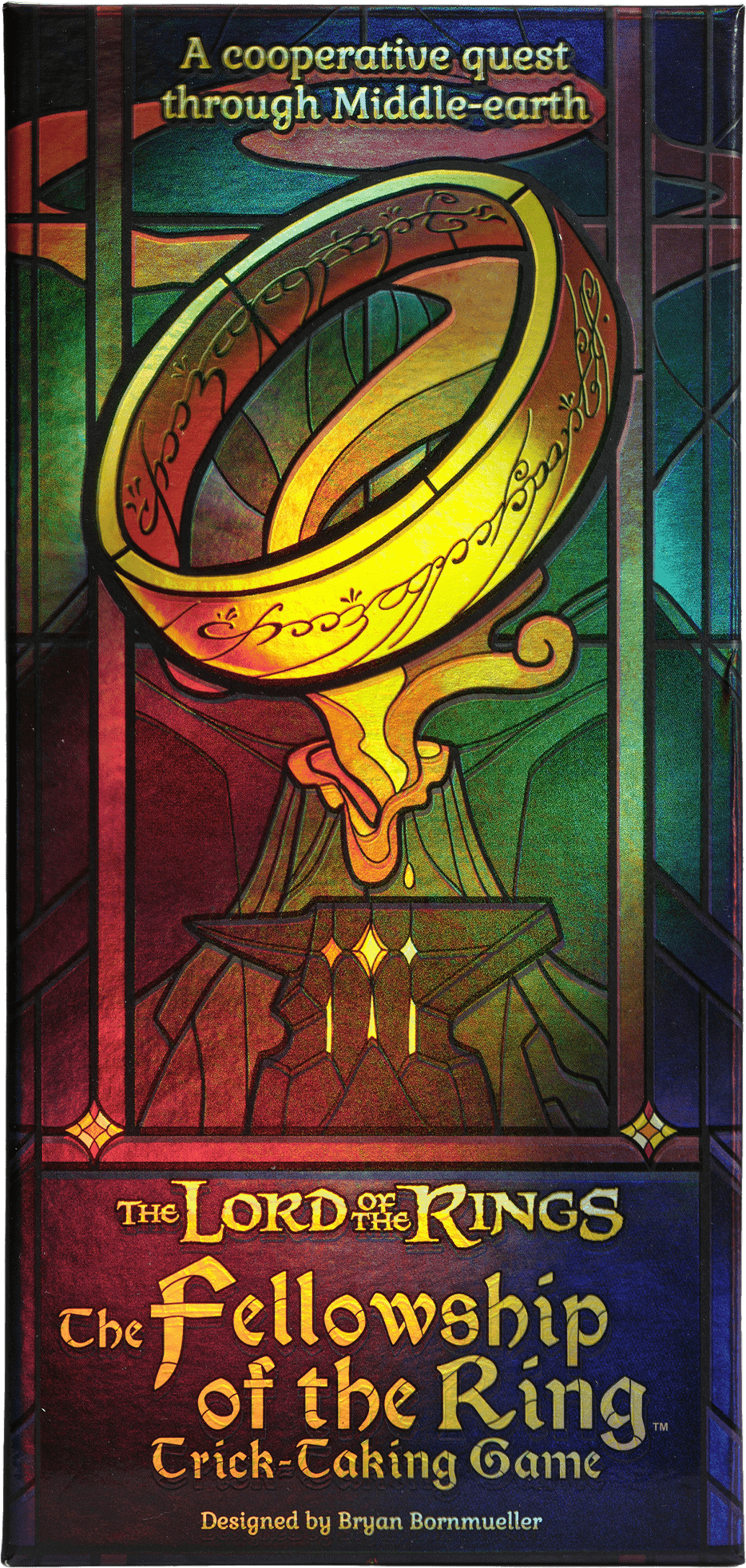
Immerse yourself in J.R.R. Tolkien's iconic world with The Lord of the Rings: The Fellowship of the Ring – Trick-Taking Game, a cooperative and narrative-driven card game. This title translates the epic journey from the first book into a compelling campaign experience. Players work together, not against each other, to navigate an 18-chapter story that unfolds over multiple sessions. Each game, representing one chapter, is a quick but challenging puzzle. The ultimate goal is not simply to win tricks, but to collaboratively guide the Fellowship through the perils of Middle-earth by fulfilling specific, story-driven objectives. The campaign structure provides a rich, evolving experience, but a standalone mode also ensures the adventure can be revisited time and again after the main story concludes.
The gameplay is built on a familiar trick-taking foundation, where players must follow the lead suit if possible. The game introduces five distinct suits: Hills, Mountains, Forests, Shadows, and the pivotal Ring suit. The core innovation lies in its cooperative nature, where success hinges on the entire group achieving their individual goals simultaneously. For example, the player taking on the role of Frodo—determined by who is dealt the '1 of Rings' card—might need to secure a certain number of Ring cards. Meanwhile, another character like Pippin might be tasked with winning the fewest tricks possible. This creates a fascinating dynamic of shared purpose, complicated by rules that limit communication. Players must deduce each other's intentions and play their cards wisely to ensure everyone succeeds, making every decision impactful.
What makes this game particularly appealing is its elegant fusion of a beloved narrative with the satisfying puzzle of a cooperative trick-taking game, a genre popularized by titles like *The Crew*. The thematic integration is deep, with character objectives reflecting their personalities and roles in the story. The '1 of Rings' card serves as the game's only trump, a powerful tool that must be used judiciously, echoing the Ring's own significance. The game is highly accessible, offering variants for 1-4 players, including a dedicated solo mode where one player manages four hands. Complemented by distinctive stained-glass style artwork, this game offers a fresh and engaging way for both board game enthusiasts and Tolkien fans to experience the fellowship's legendary quest.
1-4 20m⚖️ 2.1
RANK #168
Planet Unknown
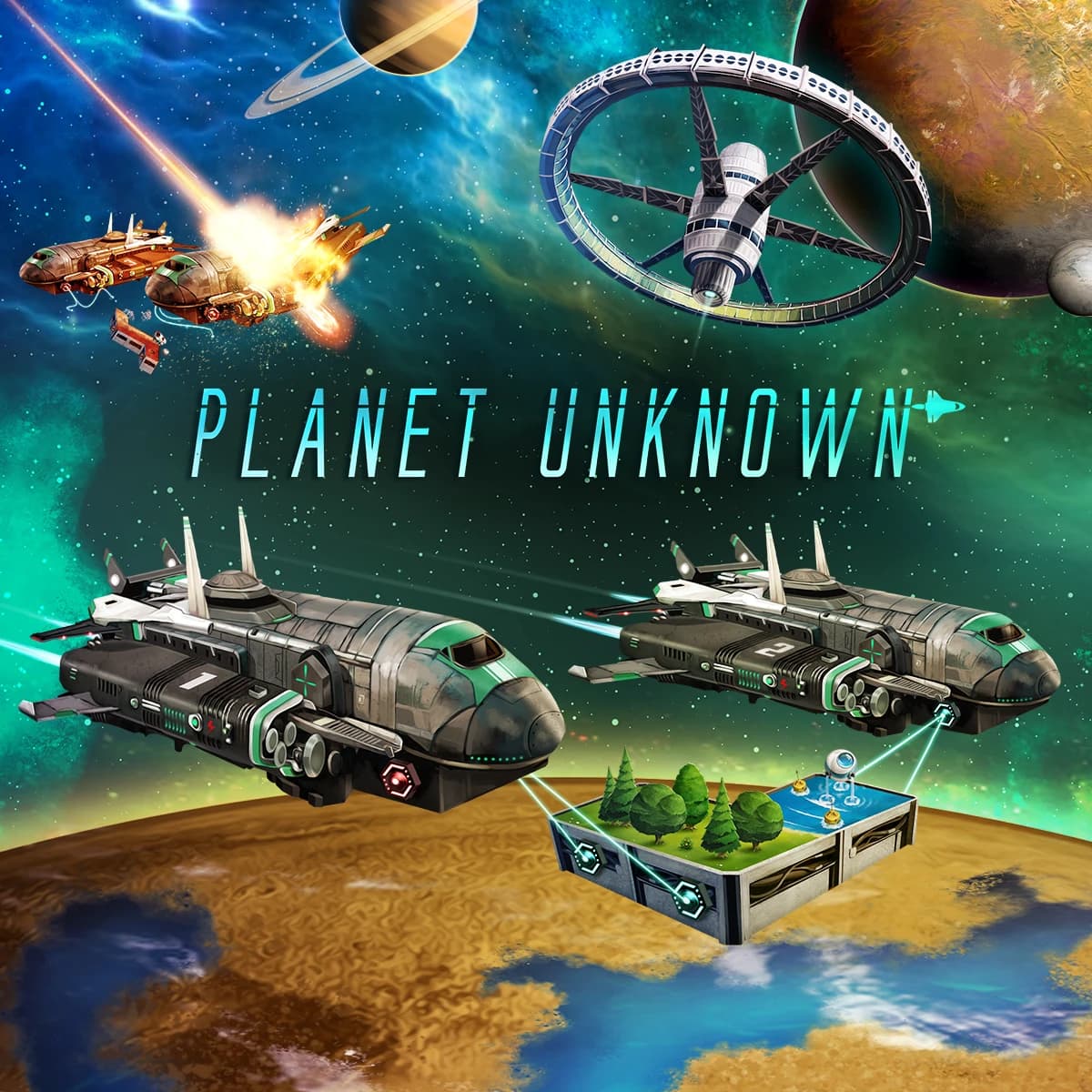
2022"Planet Unknown" is an acclaimed 2022 sci-fi board game that tasks one to six players with settling a newfound world to ensure the survival of humanity following Earth's resource collapse. Recognized with nominations like the prestigious 2023 Kennerspiel des Jahres, this engaging title revolves around transforming a barren planet into a thriving oasis. Players act as rival corporations racing to develop their respective planetary bodies. By carefully balancing spatial efficiency and resource management, competitors establish thriving infrastructures. The ultimate goal is to generate the most victory points before the land is entirely exhausted, proving your superiority in interplanetary colonization.
At the core of the experience lies a brilliant combination of polyomino tile placement and simultaneous action selection, centered around a rotating tray affectionately known as the Lazy S.U.S.A.N. During a round, the active commander rotates this space station to deliver specific dual-resourced tiles to each seat. Everybody drafts and places their assigned tile onto their grid-based board simultaneously, virtually eliminating downtime. As these puzzle pieces—bearing elements like Water, Biomass, Rovers, Tech, Energy, and Civ—are placed orthogonally adjacent to one another, players advance corresponding tracks on their corporation boards. This clever engine-building system triggers powerful cascading combos, yielding one-time bonuses, permanent abilities, and crucial victory points.
Development is rarely straightforward, as settlers must actively navigate hazardous meteor strikes that accompany certain terrain tiles. These meteorites crash onto the grid, acting as frustrating roadblocks that disable scoring in their respective rows and columns until they are successfully cleared. To handle these extraterrestrial threats, players must advance their Rover tracks, deploying vehicles across the terrain to collect the fallen debris. The session immediately triggers its endgame phase once any single participant can no longer legally fit a new piece onto their grid. Final scores are then meticulously calculated based on fully completed, meteor-free rows and columns, track progression, gathered life pods, and fulfilled objective cards.
Enthusiasts widely praise "Planet Unknown" for its remarkable ability to blend accessible, puzzle-like spatial planning with deeply satisfying strategic layers. The inclusion of the physical rotating tray not only provides a phenomenal tactile centerpiece but also ensures brisk pacing that scales perfectly up to six players. Furthermore, the game boasts immense replay value by offering both standardized and highly asymmetric setups for the planet maps and corporation dashboards. This variability empowers players to experiment with different strategies during every session. Whether tackling the challenge as a solo pioneer or competing against a full table, this masterpiece consistently delivers a compelling journey into the stars.
1-6 70m⚖️ 2.3
RANK #177
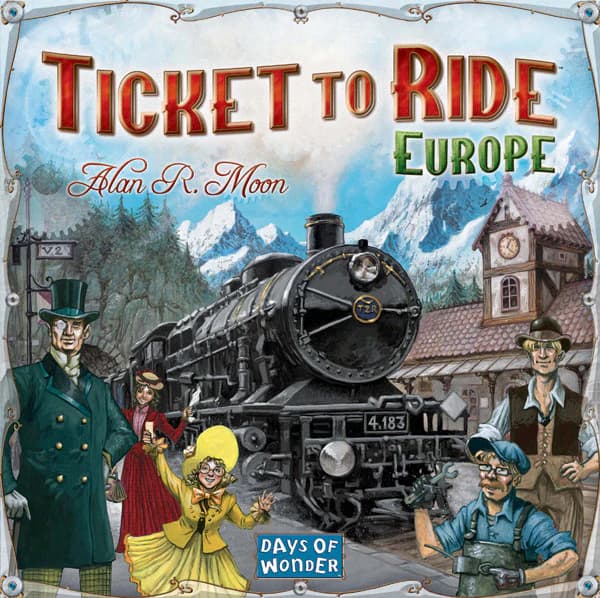
Ticket to Ride: Europe transports players to the golden age of steam travel at the turn of the 20th century. In this standalone installment of the beloved train adventure series, you are not just a passenger but a budding railway tycoon, competing to build the most impressive rail network across the continent. The ultimate goal is to amass the most points by the end of the game. This is achieved through a combination of strategically claiming routes between iconic European cities, successfully connecting distant destinations specified on secret ticket cards, and constructing the longest continuous path of trains for a substantial end-game bonus. Each decision matters as you race against your rivals to dominate the railways, from the misty hills of Edinburgh to the sun-drenched shores of Constantinople.
The game is celebrated for its elegant and accessible ruleset. On your turn, you choose one of four simple actions: draw more train car cards, claim a route on the board, draw new destination tickets, or build a train station. Claiming a route involves collecting and playing a set of train car cards that match the color and length of the desired path, earning you immediate points. This Europe-centric version introduces several clever mechanics that add new layers of strategy. Ferries are special sea routes that require powerful locomotive (wild) cards to claim. Tunnels introduce a thrilling push-your-luck element; when you try to build through a mountain, you must draw extra cards from the deck, potentially increasing the cost of the route unexpectedly. Finally, the introduction of Train Stations provides a strategic safety net, allowing you to use a single route segment owned by an opponent to help complete one of your own destination tickets, though at the cost of end-game points for unused stations.
Ticket to Ride: Europe has earned its place as a cornerstone of modern board gaming, largely due to its status as a premier 'gateway' game. It's incredibly easy to teach to newcomers and families, with games often concluding in under an hour, yet it offers enough strategic depth to keep veteran gamers engaged. The core tension between building your own network and inadvertently blocking opponents creates a compelling and interactive experience without direct confrontation. The additions of tunnels, ferries, and stations subtly enhance the original's formula, providing more varied decisions and reducing the frustration of being completely cut off from a critical city. This perfect balance of simplicity, strategy, and high replayability makes it a timeless classic that continues to bring people to the table for another journey across Europe.
2-5 60m⚖️ 1.9
RANK #187
Stone Age
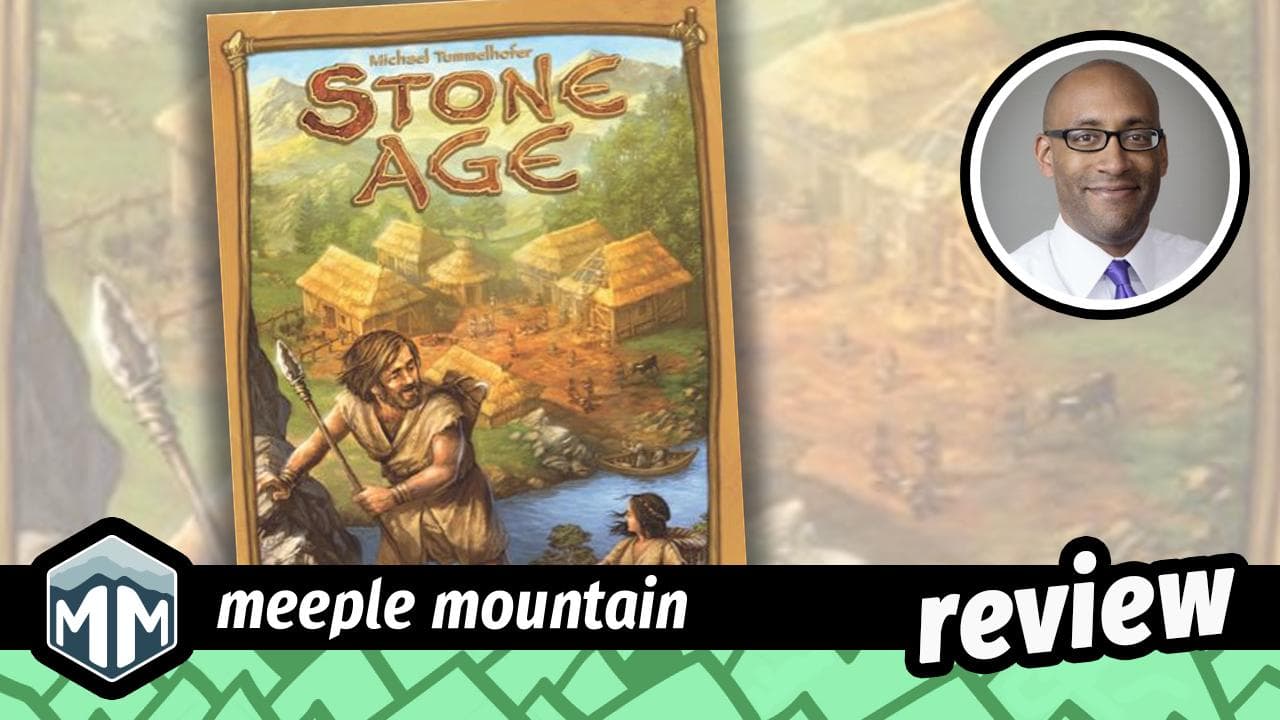
2008Stone Age invites players to the dawn of civilization, casting them as leaders of a burgeoning tribe. This quintessential "gateway" game, first released in 2008, serves as a perfect introduction to the worker placement genre. Your goal is to guide your people to prosperity by strategically gathering resources, developing new technologies, and expanding your village. The ultimate path to victory lies in accumulating the most victory points, which are earned primarily by constructing useful buildings and acquiring valuable civilization cards. These cards reward players for achieving specific long-term goals, such as building a diverse village or growing a large tribe. The player who best balances the immediate needs of their people with the foresight required for a thriving society will be crowned the winner.
The core gameplay is structured around a simple, repeating cycle: placing workers, taking actions, and feeding your tribe. In turn order, players assign their tribe members to various action spaces on the board. These locations allow for hunting, gathering resources (wood, clay, stone, gold), expanding your family, improving agriculture, or crafting helpful tools. Competition for limited spots creates engaging player interaction. Once all workers are placed, their actions are resolved. Resource gathering introduces a clever dice-rolling mechanism: the number of workers sent determines the number of dice you roll. The total is then divided by a specific value for each resource type to determine your yield, creating a fun risk-reward system. Finally, each round concludes with the critical feeding phase, where every tribe member requires food, pushing players to maintain a sustainable food supply or risk penalties.
The enduring appeal of Stone Age lies in its masterful blend of accessibility and satisfying strategic depth. Its rules are easy to grasp, making it an excellent choice for families and those new to the hobby. Yet, the game offers a wealth of meaningful choices that keep experienced players engaged. Do you prioritize increasing your population for more actions, or focus on agriculture to ease the constant demand for food? Do you pursue immediate points from buildings or invest in civilization cards for a big payoff at the end? The element of luck from the dice rolls adds just enough unpredictability to keep the game exciting and prevent it from becoming a purely deterministic puzzle. This elegant design, combined with Michael Menzel's charming and thematic artwork, creates a warm, inviting, and highly replayable experience that remains a staple in the board gaming world.
2-4 75m⚖️ 2.4
RANK #189
Istanbul
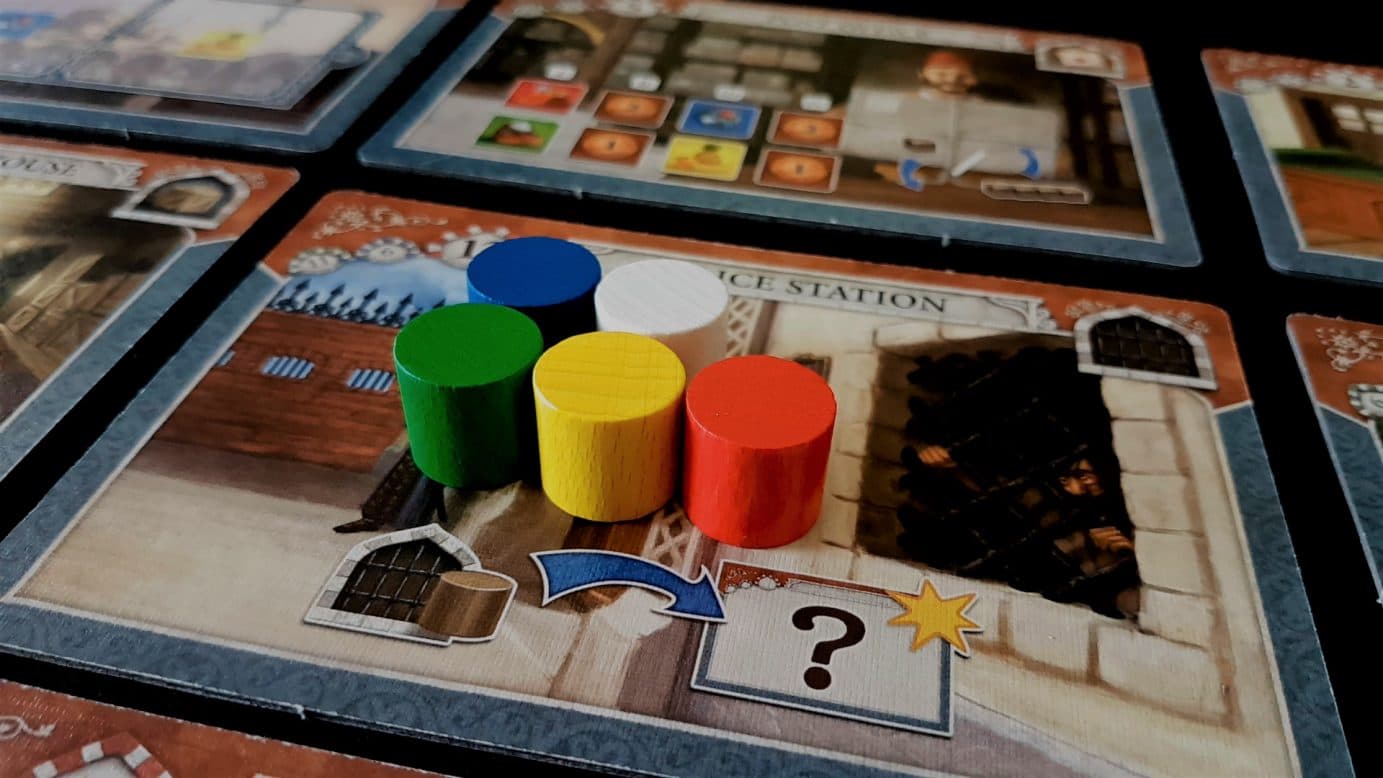
2014Step into the vibrant and bustling marketplace of Istanbul, where you take on the role of a merchant leading a team of assistants. In this competitive Euro-style game, your objective is to outmaneuver your rivals and prove your commercial acumen by being the first to acquire a set number of precious rubies. The game unfolds on a modular board composed of sixteen unique locations, each representing a different district of the grand bazaar. Every turn is a race against time and your fellow merchants as you navigate the crowded pathways, seeking the most profitable opportunities to gather goods, earn wealth, and ultimately secure the gems that will lead to your victory.
The heart of Istanbul lies in its innovative and compelling movement mechanic. Each player controls a merchant token stacked on top of four assistant discs. To perform an action at any location, you must move your stack there and leave one assistant behind. This simple rule creates a fascinating logistical puzzle: as you expand your operations, you spread your assistants thin across the board. To reuse them, you must retrace your steps to pick them up, forcing you to plan your routes with utmost efficiency. Running out of available assistants leaves you unable to act, so managing this resource is key. This core mechanism forces players to think several moves ahead, balancing short-term gains with the long-term need to maintain a flexible and efficient workforce.
Istanbul is celebrated for its perfect blend of accessibility and strategic depth, making it an ideal 'next step' for players moving beyond gateway games. The rules are straightforward to learn, but the path to victory is multifaceted. Rubies can be bought with cash, earned by trading specific sets of goods at the Sultan's Palace, or acquired by fully upgrading your personal wheelbarrow. This variety of options ensures that no single strategy dominates. The modular board, which can be arranged in numerous configurations, guarantees high replayability, as each game presents a fresh puzzle of route optimization and tactical decision-making. It's this combination of a tight race, clever mechanics, and endless variability that has cemented Istanbul as a modern classic.
2-5 50m⚖️ 2.6
RANK #200
Jaipur
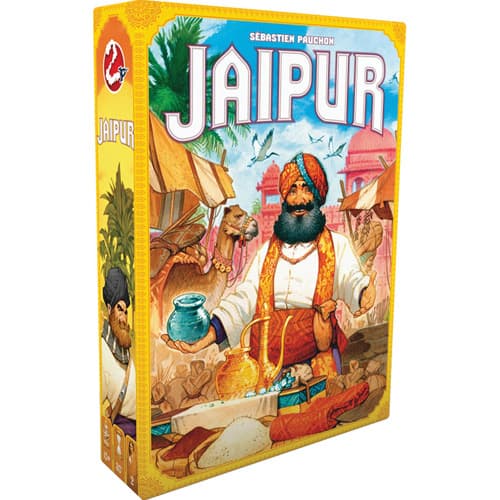
2009Jaipur is a celebrated fast-paced card game that immerses two players in the vibrant and competitive world of Rajasthani commerce. In this strategic duel, opponents take on the roles of powerful merchants, vying for an invitation to the Maharaja's court. The ultimate goal is to become the city's most prosperous trader by accumulating more wealth than your rival. Victory isn't achieved in a single transaction but over a series of rounds; the first player to demonstrate superior business acumen by winning two rounds and earning two 'Seals of Excellence' claims the prestigious title and wins the game. It is a brilliant mix of calculated risk, tactical timing, and astute market awareness.
The gameplay revolves around the core mechanics of set collection and hand management. During their turn, a player must make one crucial decision: acquire new cards or sell goods they have already collected. Acquiring cards presents several tactical paths: a player can take a single good from the central market, claim all the available camels to bolster their caravan for future large-scale exchanges, or swap multiple cards from their hand and herd to acquire a selection of goods from the market. Selling is how players earn the rupees that determine the winner. Tokens for each of the six goods are limited and decrease in value as they are claimed, creating a tense race to sell valuable wares early. However, the game cleverly rewards patience, as selling large sets of three, four, or five identical goods grants lucrative bonus tokens, forcing a constant, compelling dilemma between speed and scale.
Jaipur’s enduring charm comes from its perfect balance of elegant simplicity and engaging strategic depth. The rules are straightforward enough to be taught and understood within minutes, making it an exceptionally accessible game for newcomers and families. Yet, beneath this simplicity lies a rich decision space that keeps experienced players captivated. The tension of whether to build your hand or sell your goods, the strategic value of camels, and the race for diminishing resources create a highly interactive and dynamic experience where every choice matters. This seamless blend of accessibility, quick playtime, and rewarding tactics has established Jaipur as a modern classic and a quintessential two-player game, perfect for any pair seeking a quick but satisfying strategic challenge.
2 30m⚖️ 1.5

RANK #212
Embark on an epic science-fiction journey in "Welcome to the Moon," a narrative-driven campaign game that builds upon the celebrated 'flip-and-write' system. In this ambitious sequel, players are tasked with a monumental mission: saving humanity by establishing a thriving colony on the moon. The game is ingeniously structured as a series of eight distinct 'adventures,' each representing a critical phase of the colonization project. These adventures are linked by a branching, overarching story where your successes and failures in one chapter directly influence the challenges and opportunities you'll face in the next. The goal isn't just to score points on a single map, but to navigate a multi-stage campaign, making shrewd decisions that will guide your faction's progress and ultimately determine the fate of your lunar settlement across a generation-spanning saga.
The core gameplay loop is elegantly simple yet rich with strategic depth. Each round, three sets of cards are revealed, with each set containing a number card and an action card. All players simultaneously choose one pair to use on their personal, dry-erase adventure sheet for that mission. The number must be written into a space, adhering to the fundamental rule of placing values in ascending order within defined zones. The chosen action grants a powerful bonus, such as activating special abilities, collecting resources, or advancing mission objectives. What truly sets the experience apart is that each of the eight adventures features a completely unique player sheet with its own rules, spatial puzzles, and thematic scoring conditions, transforming the gameplay from launching your ship in Adventure 1 to developing a lunar city in a later mission.
"Welcome to the Moon" captivates players with its unique blend of accessible mechanics and deep, long-term strategy. Its most celebrated feature is the campaign system, which elevates the game far beyond a standard flip-and-write by creating a persistent, evolving world. The sense of discovery as you unlock new adventures and see the consequences of your choices unfold is a powerful hook that encourages repeated play. This versatility is a major strength; you can easily pull out any of the eight adventures for a quick, satisfying standalone game, or immerse yourself in the full campaign for a richer, more narrative experience. This flexibility, combined with its capacity for solo play, makes it a remarkable and highly replayable package for anyone who enjoys clever puzzles and grand, thematic stories.
1-6 30m⚖️ 2.4
RANK #216
Meadow
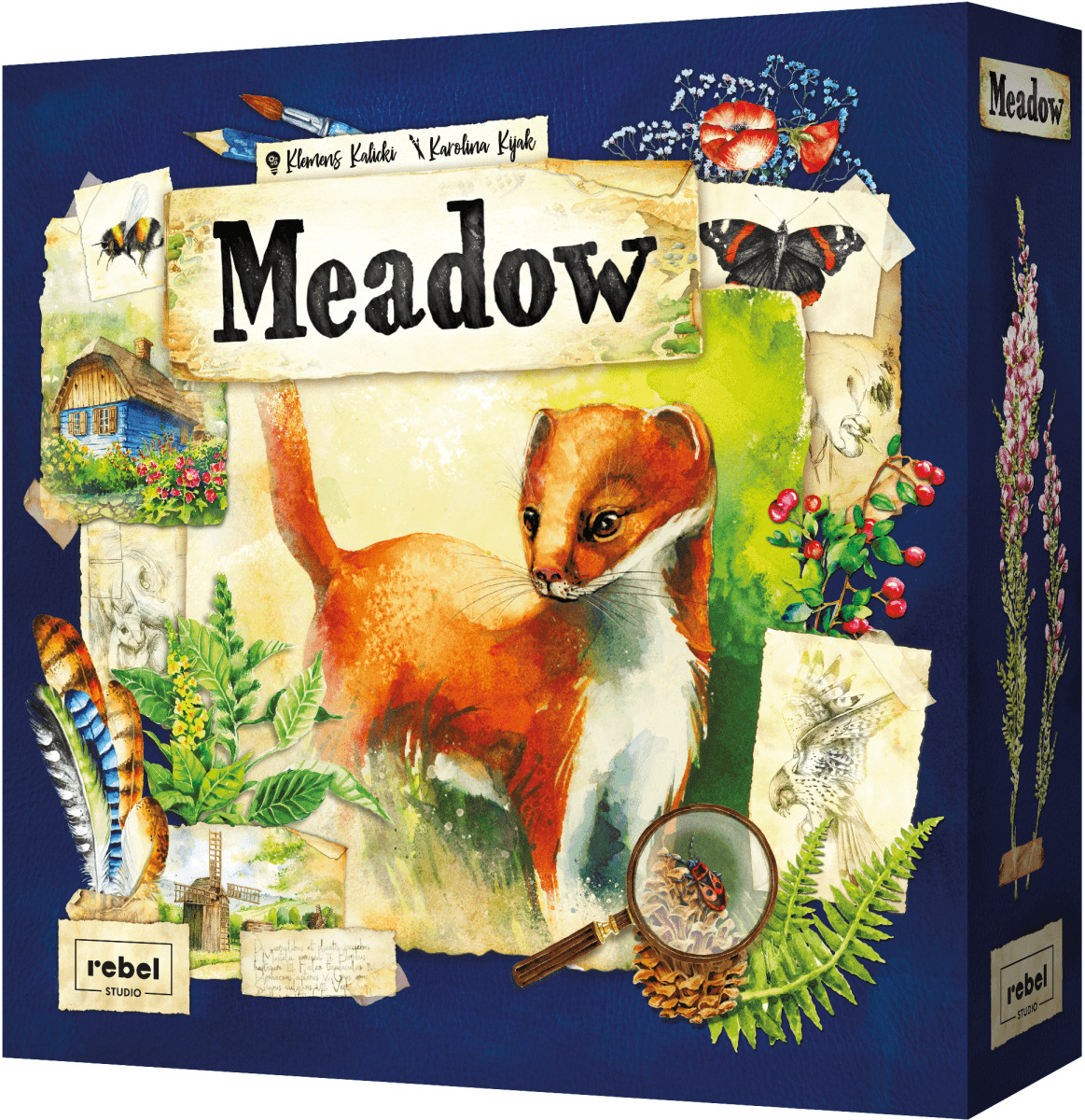
2021In Meadow, players take on the tranquil role of nature observers wandering through picturesque landscapes. The ultimate goal is to become the most astute observer by compiling the most impressive collection of discovered species and sights. This is represented by creating a personal tableau of cards, each beautifully illustrated with watercolor art depicting various flora, fauna, and natural environments. Victory is achieved by accumulating points from these played cards, creating a visual and strategic journal of your journey through the wilderness. The game is as much an appreciation of nature's beauty as it is a competitive challenge, inviting players to immerse themselves in its serene world.
The core gameplay loop is driven by a unique action-selection mechanism. Each turn, players choose one of their path tokens to place on either the main board or a shared campfire board. Placing a token on the main board allows you to draft a card from a central market, with the number on your token dictating which card you are eligible to take. Afterward, you may play a card from your hand into your personal "meadow." This is where the central puzzle lies: to play a card, you must possess the required symbols on cards already in your tableau. As your meadow grows, new cards cover symbols on older ones, demanding careful forward planning and resource management. The campfire board offers an alternative, providing powerful special actions like drawing multiple cards or fulfilling scoring objectives based on the symbols you've collected.
Meadow is celebrated for its remarkable ability to merge a peaceful, accessible theme with satisfyingly deep gameplay. Its appeal extends to both families looking for a beautiful game and seasoned hobbyists seeking a thoughtful strategic puzzle. The experience is often described as meditative, thanks to the stunning artwork and the quiet focus required to build an efficient tableau engine. The tactical decisions of which card to draft and when to play it are consistently engaging, as each choice impacts your ability to play more valuable cards later. The game cleverly scales its challenge by introducing a new deck of more complex cards midway through, ensuring a steady sense of progression and discovery that keeps the experience fresh and highly replayable.
1-4 75m⚖️ 2.2
RANK #227
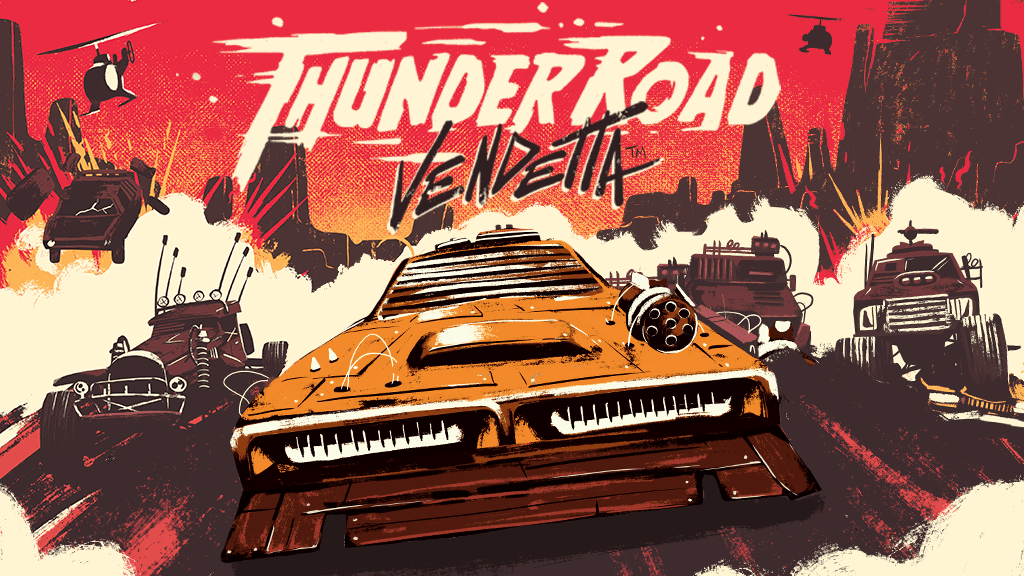
Thunder Road: Vendetta is the explosive, high-octane revival of the 1986 cult classic, putting players in the driver's seat for a brutal, post-apocalyptic death race. In this game of vehicular carnage, you control a crew of three unique vehicles—a small, medium, and large car—each with its own capabilities. Your goal is simple, yet fiercely contested: either be the first player to race one of your vehicles across the finish line, or simply outlast the competition by becoming the last crew with a vehicle left on the road. Survival is just as important as speed, and only the most cunning and ruthless driver will claim victory on this unforgiving stretch of asphalt.
The gameplay is fueled by a dynamic and accessible dice-driven system. Each round, all players simultaneously roll their dice and then take turns assigning them. Dice can be allocated to your cars to determine their movement speed, or to a special command board to unlock powerful, once-per-round abilities. You can activate a nitro boost for a burst of speed, drift around a hazard, perform crucial repairs, or even call in a devastating attack helicopter to rain fire upon your rivals. The road itself is a constantly evolving threat, thanks to a modular board system where the rearmost tile is removed and a new one is added to the front as the race progresses. This 'scrolling' effect means any vehicle left behind is eliminated, adding a relentless pressure to keep moving forward. Combat is direct and brutal; players can shoot at opponents ahead of them or slam into adjacent cars, triggering chaotic dice-rolls that can send vehicles careening across the board and into each other, creating spectacular chain reactions of destruction.
What makes Thunder Road: Vendetta a standout experience is its perfect blend of light strategy and cinematic, chaotic fun. The rules are easy to grasp, making it incredibly accessible for new players and families, yet the tactical decisions offer enough depth to engage seasoned gamers. The constant threat of player elimination, spectacular collisions, and the ever-present danger of being left behind by the board itself create an atmosphere of thrilling tension. It’s a game that revels in high player interaction and 'take that' moments, ensuring that no two races are ever the same. The unpredictable nature of the dice rolls, combined with the strategic use of command board abilities, generates hilarious, fist-pumping moments that will have your group cheering, groaning, and talking about their legendary wrecks long after the game is over.
2-4 60m⚖️ 2.1
RANK #230
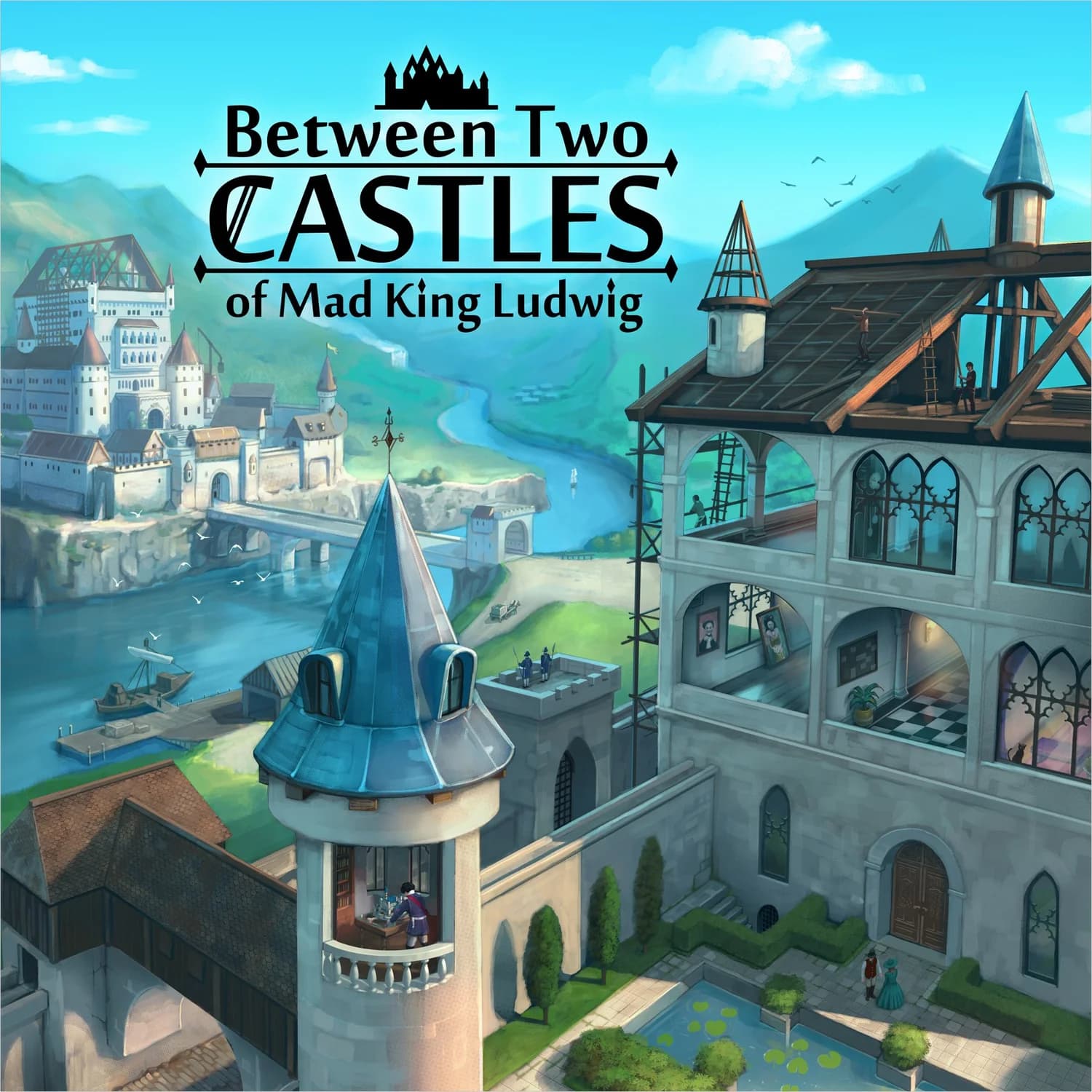
In "Castles of Mad King Ludwig," players enter the whimsical world of 19th-century Bavaria, tasked with building a magnificent castle for the eccentric King Ludwig II. As master architects, you compete to design the most impressive and valuable structure. This tile-laying game is a clever blend of spatial reasoning and economic management, where the ultimate goal is to earn the most victory points. Points are awarded for constructing specific room types, fulfilling the king's public demands, known as 'King's Favors', and achieving personal, secret objectives. Each player will finish the game with a completely unique, sprawling castle, a physical representation of their strategic decisions and architectural vision, all in the service of pleasing a very particular monarch.
The game's central pillar is its innovative 'Master Builder' mechanic. Each round, one player takes on this role, drawing a selection of room tiles and individually pricing them for the other players. In turn, opponents may purchase one room tile, paying the cost directly to the Master Builder. This creates a tense and engaging pricing dilemma: ask too much, and you'll earn nothing; ask too little, and your rivals will get a steal. The Master Builder takes the last available room but must pay their own listed price to the bank. Once a room is acquired, it's immediately added to the player's personal castle layout, connecting to other rooms via doorways. Judicious placement is key, as rooms can grant or cost points based on what they're adjacent to. Furthermore, completing a room by connecting all its entrances triggers a valuable bonus based on its type, which could be anything from extra cash to an immediate second turn.
The enduring appeal of "Castles of Mad King Ludwig" lies in this constant, engaging player interaction driven by the market and the deeply satisfying spatial puzzle of castle construction. The Master Builder system ensures every player is invested in every turn, evaluating prices and anticipating others' needs. The challenge of optimizing your layout—placing a Dining Room near a Kitchen for bonus points while avoiding placing an Activity Room near a Sleeping Room—is a delightful puzzle. With variable public goals, a huge stack of unique room tiles, and secret bonus cards, no two games are ever the same, offering immense replayability. Watching your nonsensical yet functional castle take shape is a wonderfully thematic and rewarding experience that has cemented the game's status as a modern classic in the genre.
1-4 90m⚖️ 2.7
RANK #236
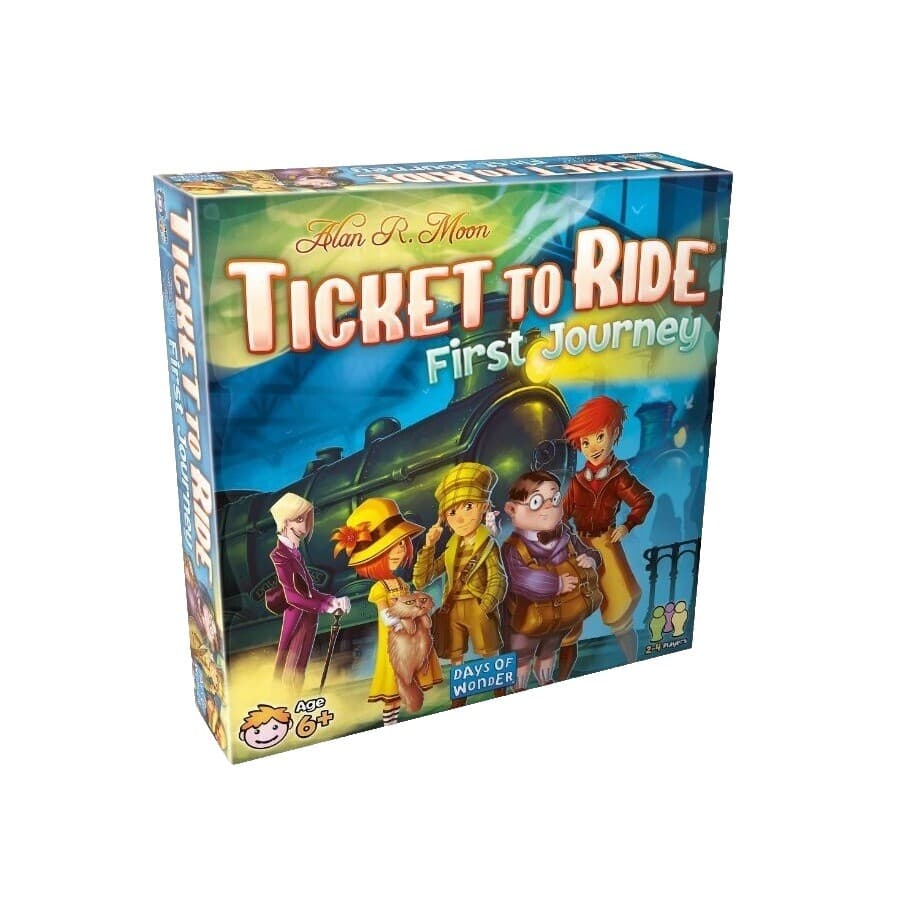
Embark on a frosty railway adventure with *Ticket to Ride: Nordic Countries*, a standalone installment in the award-winning series designed specifically for a more intimate and competitive experience. Set against the beautiful, snow-dusted backdrop of Denmark, Finland, Norway, and Sweden, this game challenges two or three players to become the region's greatest transportation magnate. The core objective remains familiar to fans of the series: collect colored train car cards to claim railway routes, strategically connecting cities across the map. Your primary source of points comes from fulfilling secret Destination Tickets, each one tasking you with linking two specific cities. Successfully completing these tickets adds to your score, but failure will cost you dearly. The player who has amassed the most points from their routes, completed tickets, and the coveted 'Globetrotter' bonus for the most tickets fulfilled, will be declared the winner.
The gameplay is elegantly simple yet rich with strategic choices. On your turn, you perform one of three actions: draw more train car cards, claim a route by discarding a matching set of cards, or draw new Destination Tickets to potentially increase your score. *Nordic Countries* introduces compelling twists on this classic formula with the inclusion of Ferries and Tunnels. Ferries are special sea routes that demand a specific number of powerful Locomotive wild cards to claim, making these cards exceptionally valuable. Tunnels add a thrilling element of risk; after committing your cards to a mountain route, you must reveal cards from the top of the deck, potentially forcing you to play extra cards to complete the connection. This version also uniquely alters the rules for Locomotives, restricting their use primarily to these special routes, which intensifies the strategic planning around their acquisition and use.
What makes *Ticket to Ride: Nordic Countries* a standout title is its brilliantly crafted map, which is significantly tighter and more constrained than its predecessors. This design choice inherently creates a high-stakes environment where player interaction is not just possible, but inevitable. Players must constantly watch their opponents, anticipate their moves, and decide whether to build their own network or defensively block a critical path. The scarcity of double-routes means competition for key connections is fierce from the very start. This heightened tension, combined with a brisk playtime of 30-60 minutes, makes it an exceptionally engaging and replayable game for couples, families, and anyone seeking a fast-paced, light-strategy experience with a healthy dose of direct competition.
2-3 45m⚖️ 1.9