Strategy Games
Browse all Strategy board games in the Meeple Pulse database.
Styles
AbstractAbstract StrategyAdventureAnimalsCard GameChildren's GameCivilizationCo-operativeCompetitiveDiceEconomicEducationalEuroExpansion for Base-gameFamilyFan ExpansionFantasyFightingHistoricalHorrorIndustry / ManufacturingMedievalMedium HeavyMiniaturesPartyParty GamePrint & PlayPuzzle-LikeRacingReal-timeSpace ExplorationSportsStrategyTerritory BuildingThematicTransportationWargame
Themes
AbstractAdventureAncientAnimalsArtBusinessCard GameCo-operativeComic BookCooperativeCrimeEconomicEnvironmentalismExplorationFantasyFightingHistoricalHorrorHumorIntrigueLiteraryMagicMarvelMedievalModernMuseumMysteryMythologyNatureNauticalParty GamePoliticalPress Your LuckRacingSatireSci-FiSocial CommentarySocial InteractionSpaceSuperheroesThematicTravelWarWesternWord-Guessing
Mechanics
3D PlacementActingAction / DexterityAction DraftingAction Point AllowanceAction Point Allowance SystemAction Point SystemAction PointsAction ProgrammingAction QueueAction RetrievalAction SelectionAction/EventAlliancesAlternate ActivationApp-AssistedApp-DrivenArea ControlArea InfluenceArea MajorityArea Majority / InfluenceArea MovementArgumentationAsymmetricAsymmetric FactionsAsymmetric GameAsymmetric PowersAsymmetrical PowersAuction & BiddingAuction/BiddingAuctioningBag BuildingBettingBetting and BluffingBetting and WageringBetting and WagersBiddingBingoBlind BiddingBluffingCampaign / Battle Card DrivenCampaign / LegacyCampaign / Legacy GameCampaign / Mission-basedCampaign / ScenariosCampaign GameCampaign PlayCard DraftingCard DrawingCard DrivenCard Driven ActionCard Driven CombatCard Driven Dice AllocationCard Driven MovementCard ManagementCard PlayCard Play / Hand ManagementCard Play Conflict ResolutionCard SheddingCard-Driven MovementCharacter CreationCharacter ProgressionChit-Pull SystemCo-op PlayCo-operative GameCo-operative PlayCode-breakingCombat ResolutionCombo ChainCommand CardsCommodity SpeculationCommunication LimitsContract FulfillmentContractsCooperative GameCooperative GameplayCooperative PlayCooperative Trick-takingDebateDeck BuildingDeck ConstructionDeck, Bag, and Pool BuildingDeck-BuildingDeductionDexterityDice DraftingDice PlacementDice RollingDiplomatic InfluenceDraftingDynamic Battle SystemEnclosureEnd Game BonusesEngine BuildingEngine-BuildingEscape RoomEvent DrivenExplorationFarmingFlip and WriteFollowFollow ActionGrid CoverageGrid MovementHand ManagementHex-and-CounterHexagon GridHidden MovementHidden RolesI Cut You ChooseIncomeInfluence / Area MajorityLadder ClimbingLegacyLegacy ElementsLegacy GameLegacy SystemLimited CommunicationLine DrawingLine of SightMancalaMap AdditionMap MovementMarketMarket DraftingMarket ManipulationMarket MechanicMarket SpeculationMatchingMeasurement MovementMemoryMission ObjectivesModular BoardModular Board ConstructionMove Through DeckMovement PointsMovement TemplatesMulti-Use CardsMulti-use CardsMultiple ScenariosMust FollowNarrative ChoiceNarrative Choice / ParagraphNegotiationNegotiation MechanicsNetwork & Route BuildingNetwork BuildingNetwork and Route BuildingOne vs ManyOne vs. ManyOpen DraftingOwnershipPaper-and-PencilPartnershipsPattern BuildingPattern RecognitionPick-up and DeliverPlayer EliminationPlayer InteractionPlayer JudgePoint SaladPoint to Point MovementPolyominoesPush Your LuckPush-Your-LuckPuzzlePuzzle-LikePuzzle-SolvingRaceReal-TimeRecipe FulfillmentResource ManagementRole PlayingRole SelectionRoll / Spin and MoveRondelRoute BuildingRoute-BuildingRoute/Network BuildingSanity SystemScenario / Campaign PlayScenario / Mission / Campaign GameScenario / Mission FunctionSecret Unit DeploymentSemi-Cooperative GameSet CollectionSheddingSimulationSimultaneous ActionSimultaneous Action SelectionSimultaneous Hidden AllocationSocial DeductionSocial InteractionSolo / Solitaire GameSpace ExplorationStat Check / Skill CheckStat Check ResolutionStock HoldingStorytellingStrategic PlanningTableau BuildingTactical Decision-MakingTake ThatTargeted CluesTeam PlayTeam-Based GameTeam-Based GuessingTeamworkTech TreesTech Trees / Tech TracksTechnology & Armament TracksTechnology TreeTension & Aggression TracksTile DraftingTile LayingTile PlacementTime TrackTime TravelTower DefenseTrack MovementTradingTrick-takingTug of WarTurn Order: PassTurn Order: Stat-BasedUnit PlacementVariable Phase OrderVariable Player PowersVariable Set-upVariable SetupVictory Point TracksVotingWord AssociationWord GameWord GuessingWord-GuessingWord-guessingWordplayWorker Placement

RANK #137
Caylus
2005Caylus is a quintessential strategy game that casts players as master builders in 13th-century France. Tasked by King Philip the Fair, you must contribute your resources and labor to the grand construction of a new castle, while simultaneously developing the road and village that lead to it. The ultimate goal is to accumulate the most prestige points by the time the castle is complete, thereby earning the king's favor. Widely regarded as a foundational title in the worker placement genre, Caylus is celebrated for its strategic depth and minimal reliance on luck. Beyond the initial random setup of a few buildings, every decision rests squarely on the players' shoulders, making each victory a testament to superior planning and foresight.
The gameplay revolves around a central road where players, in turn order, place their workers on various buildings. This is the core 'worker placement' mechanic, where each placement costs money and grants access to specific actions—from gathering essential resources like wood, stone, and food, to constructing new commercial or residential buildings that expand the game board itself. A truly distinctive element is the movement of the Provost marker. Players can spend money to move this pawn along the road, and at the end of the round, any worker placed on a building beyond the Provost is not activated. This introduces a tense and highly interactive layer of blocking and manipulation, as players vie to ensure their own actions resolve while thwarting their opponents'. The game's pace is dictated by another marker, the Bailiff, whose movement can be accelerated or slowed by the Provost's final position, directly impacting the game's length.
What makes Caylus an enduring classic is its elegant fusion of simple rules with profound strategic possibilities. The Provost mechanism, in particular, elevates the game from a simple optimization puzzle to a dynamic and interactive struggle. It forces players to be constantly aware of their opponents' intentions and to balance the cost of moving the Provost against the potential benefits of activating their workers. This low-luck, high-interaction design ensures that every game is a unique challenge, full of difficult decisions and rewarding long-term planning. For enthusiasts of heavyweight Eurogames, Caylus offers a masterclass in design, providing a deeply satisfying and highly replayable experience that has rightfully earned its place as a cornerstone of modern board gaming.
2-5 120m⚖️ 3.8
RANK #138
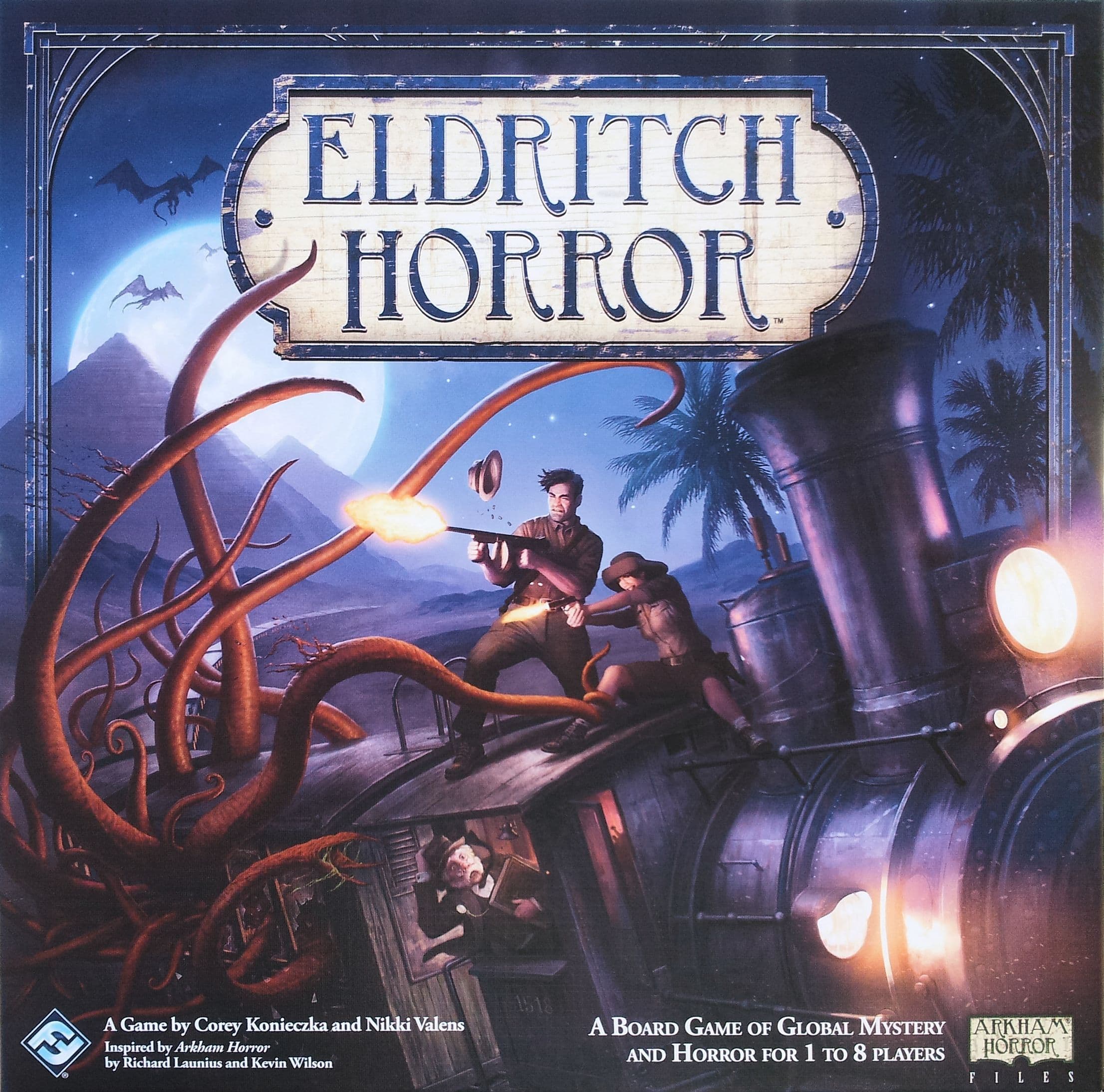
Eldritch Horror
2013Eldritch Horror is a cooperative board game that immerses players in a world of cosmic dread inspired by the writings of H.P. Lovecraft. Taking on the roles of intrepid investigators, participants band together to confront a malevolent entity poised to awaken and consume the world. This is a desperate race against a doomsday clock, not a battle of simple force. The team's primary objective is to traverse the globe, from bustling cities to remote wilderness, in order to solve three distinct mysteries unique to the chosen Ancient One. These mysteries represent the only known way to prevent the creature's arrival. Should the investigators succeed before the ever-advancing doom track reaches zero, they will have saved humanity. Failure, however, means the Ancient One awakens, triggering a final, brutal confrontation.
Gameplay unfolds in rounds composed of three critical phases. First, in the Action Phase, each investigator performs two actions, such as traveling the world map, gathering vital assets like weapons and spells, recuperating health and sanity, or trading with allies. Following this, the Encounter Phase plunges each player into a unique narrative event based on their location. Drawing a card presents a story, a choice, and often a skill test resolved by rolling six-sided dice, where a five or six is a success. Investigators can spend clue tokens to reroll dice, adding a layer of resource management. Finally, the Mythos Phase represents the Ancient One's sinister influence; a new card can introduce devastating effects, spawn monsters, open otherworldly gates, and relentlessly advance the doom track, pushing the world ever closer to oblivion.
What makes "Eldritch Horror" a beloved classic is its epic, globe-spanning scale and the rich, emergent stories it generates. The game turns the entire world into a playground of impending doom, creating a grand sense of adventure. The challenge is significant, fostering true teamwork as players strategize how to best use their unique character abilities and manage limited resources. Every session creates a memorable tale of near-misses, heroic triumphs, and tragic sacrifices. The game's appeal lies in its masterful blend of strategic planning and the unpredictable chaos of the Mythos deck, ensuring high tension from start to finish. It's a daunting adventure that rewards players not just with a win, but with a compelling story they have created together, making it a pinnacle experience for those who love deep narrative and cooperative challenges.
1-8 180m⚖️ 3.8

RANK #139
Troyes
2010In Troyes, players are transported to the year 1200 in the Champagne region of France to lead a rich and influential family. Over the course of four centuries, you will guide the destiny of the city, leaving your mark on its history. The ultimate goal is to amass the greatest fame and glory, measured in victory points. This is achieved by contributing your family's resources and citizens to three key societal pillars: the military, the religious, and the civil domains. Players will work to construct the magnificent cathedral, a central project that demands shared effort, while simultaneously defending the city from a constant barrage of unfortunate events. Your success will be judged by your ability to navigate these challenges and strategically place your family members in positions of power throughout the city's burgeoning society.
The game's engine is driven by a unique and highly interactive dice-placement mechanism. At the start of each round, players roll a pool of dice determined by the number of their citizens (meeples) they have stationed in the city's three main guildhalls. These dice, colored red (military), white (religious), and yellow (civil), represent the available labor force for that round. On your turn, you'll group one to three dice of the same color to perform actions. These actions include activating powerful ability cards on the board, recruiting more citizens, earning money, fighting off negative event cards, or dedicating work towards the cathedral. The most compelling twist is that you are not limited to your own dice. For a price, you can purchase dice directly from your opponents' pools, forcing them to react and creating a tense, dynamic marketplace for actions each and every turn. This system forces constant evaluation of not only your own plans but the potential moves of everyone at the table.
Troyes is celebrated among strategy gamers for its brilliant fusion of classic Eurogame mechanics with an uncommonly high degree of player interaction. While many games in its weight class can feel like 'multiplayer solitaire', the ability to buy an opponent's dice ensures that you are always invested in their rolls and decisions. This creates a constant tension and a need for tactical flexibility. The game offers immense replayability through its modular setup; the specific action cards available in each of the three domains change from game to game, as do the events and character cards that grant secret end-game scoring objectives. This variability means that no two games of Troyes feel the same. It's a deeply rewarding and challenging puzzle that masterfully balances long-term strategic planning with the need for sharp, opportunistic tactical plays, making it an enduring classic of the genre.
2-4 90m⚖️ 3.5

RANK #140
Age of Steam
2002Age of Steam is a legendary and famously unforgiving economic game that places players in the roles of pioneering railroad barons during the 19th-century American industrial boom. The objective is not merely to build a vast network, but to operate it profitably and end with the most victory points. Players must navigate a landscape of fierce competition and razor-thin budgets, where a single poor decision can lead to financial ruin. The game is celebrated for its strategic depth and high level of interaction, demanding careful planning and a willingness to interfere with your opponents' grand designs.
Gameplay unfolds over a series of rounds, each comprising ten distinct phases that create a tense and challenging rhythm. The proceedings begin with players having the difficult choice to issue shares, taking on debt for immediate capital but incurring penalties and ongoing expenses. What follows is a critical auction for turn order, as going first provides a significant advantage in selecting powerful special actions and claiming prime track locations. The heart of the game involves players laying track tiles to build out their rail networks, connecting cities and resources. This phase is intensely interactive, as track can be used to block competitors from lucrative routes. Finally, players move goods cubes along their established lines to cities of a matching color, earning income based on the length of the delivery. This core loop of financing, bidding, building, and delivering is the engine that drives the entire experience.
The true genius and appeal of Age of Steam lies in its brutal economic simulation. After earning income, players must immediately pay for their network's maintenance and the interest on all their issued shares. Failure to cover these costs results in a devastating loss of income, creating a potential death spiral of debt. This constant financial pressure forces players into a delicate balancing act between aggressive expansion and fiscal responsibility. It fosters a 'cutthroat' atmosphere where every dollar and every track placement matters immensely. This demanding, high-stakes environment is precisely why strategic gamers revere it; victory in Age of Steam is a hard-won achievement that feels deeply rewarding.
1-6 120m⚖️ 3.9
BoxNo Cover Art
RANK #141
Lorenzo il Magnifico is a strategic board game designed for 2-4 players, set in the Renaissance era of Florence, Italy. Players take on the roles of powerful families vying for influence and wealth during this pivotal time in history. The game's objective is to accumulate the most victory points by completing various tasks, such as building structures, collecting art, and influencing politics.
Gameplay involves a combination of resource management, area control, and strategic planning. Players must navigate the complex web of alliances and rivalries between families, all while managing their resources and making tactical decisions to outmaneuver their opponents. The game's mechanics include worker placement, area control, and engine-building, which add depth and replayability to each playthrough.
One of the unique aspects of Lorenzo il Magnifico is its thematic immersion. Players are fully immersed in the world of Renaissance Florence, with beautifully illustrated components and a richly detailed game board that brings the city to life. The game's mechanics and theme work together seamlessly to create an engaging and challenging experience for players.
2-4 120m⚖️ 3.5

RANK #143
Nucleum
2023Welcome to an alternate 19th-century Saxony, where the invention of the 'Nucleum' has ushered in a new age of nuclear power and industrial might. In this heavy eurogame, players assume the roles of ambitious industrialists seeking to shape this revolution and build a powerful economic empire. Your primary goal is to become the most influential businessperson by amassing victory points. This is accomplished by strategically building a vast rail network, constructing a variety of urban buildings, establishing crucial infrastructure like mines and turbines, fulfilling lucrative state contracts, and, most importantly, powering your completed structures by harnessing the incredible energy of the atom. Success demands careful long-term planning, shrewd resource management, and the ability to capitalize on the rapidly changing landscape of this new era.
Nucleum features a dynamic and continuous gameplay loop without distinct rounds or phases. On your turn, you must choose one of three possible actions, creating a constant tension between personal development and expanding your influence on the shared map. You can play an action tile to your personal board to perform its powerful actions, such as constructing new buildings or acquiring contracts. Alternatively, you can use that same tile to build a section of railway on the main board, connecting two cities and expanding your network presence with a worker. This action is highly interactive, as tile colors can trigger bonus actions for both you and your opponents. Your third option is to 'recharge', which allows you to retrieve all previously played action tiles from your board while also collecting income and new workers. A central challenge of the game is energizing your buildings, a complex logistical puzzle that requires you to transport coal or uranium from a source, through a power plant, and to the target building via a completed rail network, which can be owned by any player.
Nucleum's appeal lies in its deep, strategic gameplay and clever integration of mechanics, offering a rewarding experience for fans of complex economic games. The dual-use action tiles present a persistent and fascinating dilemma, forcing players to weigh the immediate benefits of powerful board actions against the long-term strategic value of network expansion. The game fosters significant player interaction without direct conflict; players compete for limited space, use each other's networks, and can even trigger benefits for rivals, making the board state feel alive and constantly evolving. This intricate dance of route-building, action selection, and resource logistics creates a satisfying and brain-burning puzzle that has drawn favorable comparisons to heavy-hitting classics like *Brass* and *Barrage*. Its dedicated solo mode also ensures a compelling challenge for individual players.
1-4 150m⚖️ 4.3
BoxNo Cover Art
RANK #144
Mombasa
2015Mombasa is a strategic game of trading and exploration set in the vibrant city of Mombasa, Kenya. Players take on the roles of merchants seeking to accumulate wealth by trading goods and resources. The game's goal is to be the first player to reach a predetermined amount of wealth, which requires careful planning and management of resources throughout the game.
2-4 45m⚖️ 3.0
RANK #145
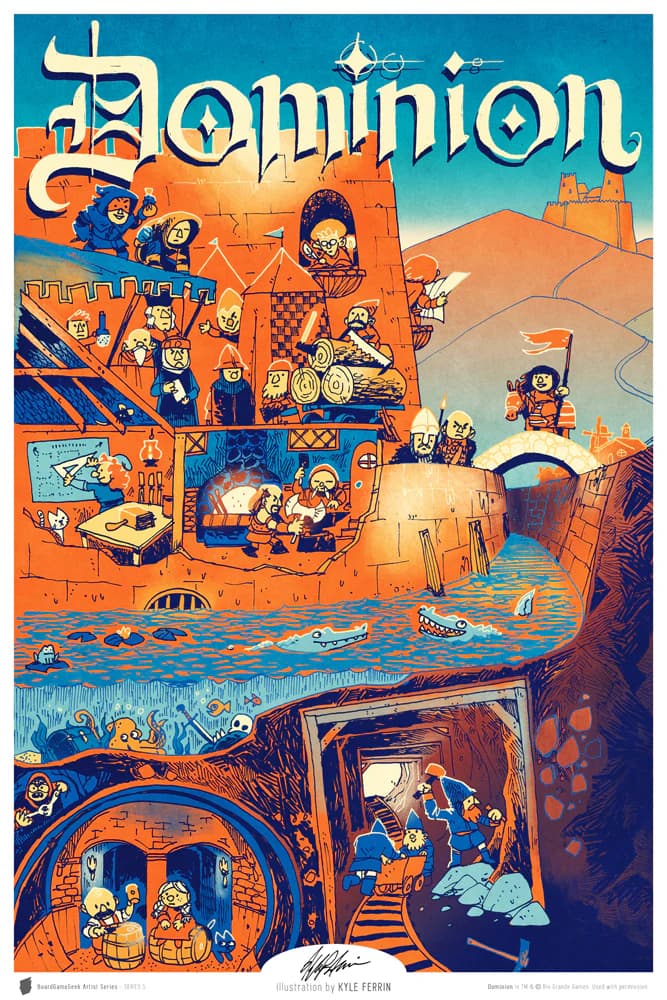
Dominion
2008Step into the role of a monarch in Dominion, the revolutionary 2008 title that single-handedly created the deck-building genre. In this game, you are a ruler, like your parents before you, of a quaint and peaceful kingdom filled with rivers and evergreens. However, unlike them, you have aspirations of grandeur! You seek to expand your influence and forge the largest and most prosperous dominion of all. Players compete to accumulate the most victory points by the end of the game, which are primarily acquired by purchasing Estate, Duchy, and Province cards. Each player begins with an identical, humble deck of ten cards containing a few low-value Treasures and Estates. Your objective is to skillfully build upon this foundation, creating a well-oiled machine of a deck that can generate wealth and secure victory.
The gameplay is famously elegant, following a simple turn structure often called the 'A-B-C' loop: Action, Buy, and Cleanup. During your Action phase, you can play one Action card from your hand to perform special abilities, such as drawing more cards, gaining extra buys, or even attacking your opponents. In the Buy phase, you use the Treasure cards you've drawn to purchase new cards from a shared central supply. This supply, known as the Kingdom, consists of ten unique stacks of Action cards that are randomized each game, ensuring no two sessions are ever alike. Finally, in the Cleanup phase, you discard your entire hand and all cards played, then draw a fresh hand of five. When your draw pile is empty, your discard pile is shuffled to form a new one, now enriched with the powerful cards you recently acquired.
Dominion's enduring appeal lies in its brilliant fusion of simplicity and strategic depth. The game is celebrated for its immense replayability; the vast number of possible Kingdom card combinations creates an endless puzzle to solve. Players relish the challenge of discovering powerful synergies and building efficient 'engines' within their decks. A core tension drives every decision: do you acquire more powerful Action cards to improve your deck's function, or do you start buying Victory cards to secure your win? These victory cards are crucial for scoring but provide no abilities, effectively clogging your hand and slowing your engine down. This constant strategic trade-off, combined with its accessible rules and quick playtime, has cemented Dominion's status as a timeless classic and an essential gateway into the world of modern board games.
2-4 30m⚖️ 2.4
RANK #147
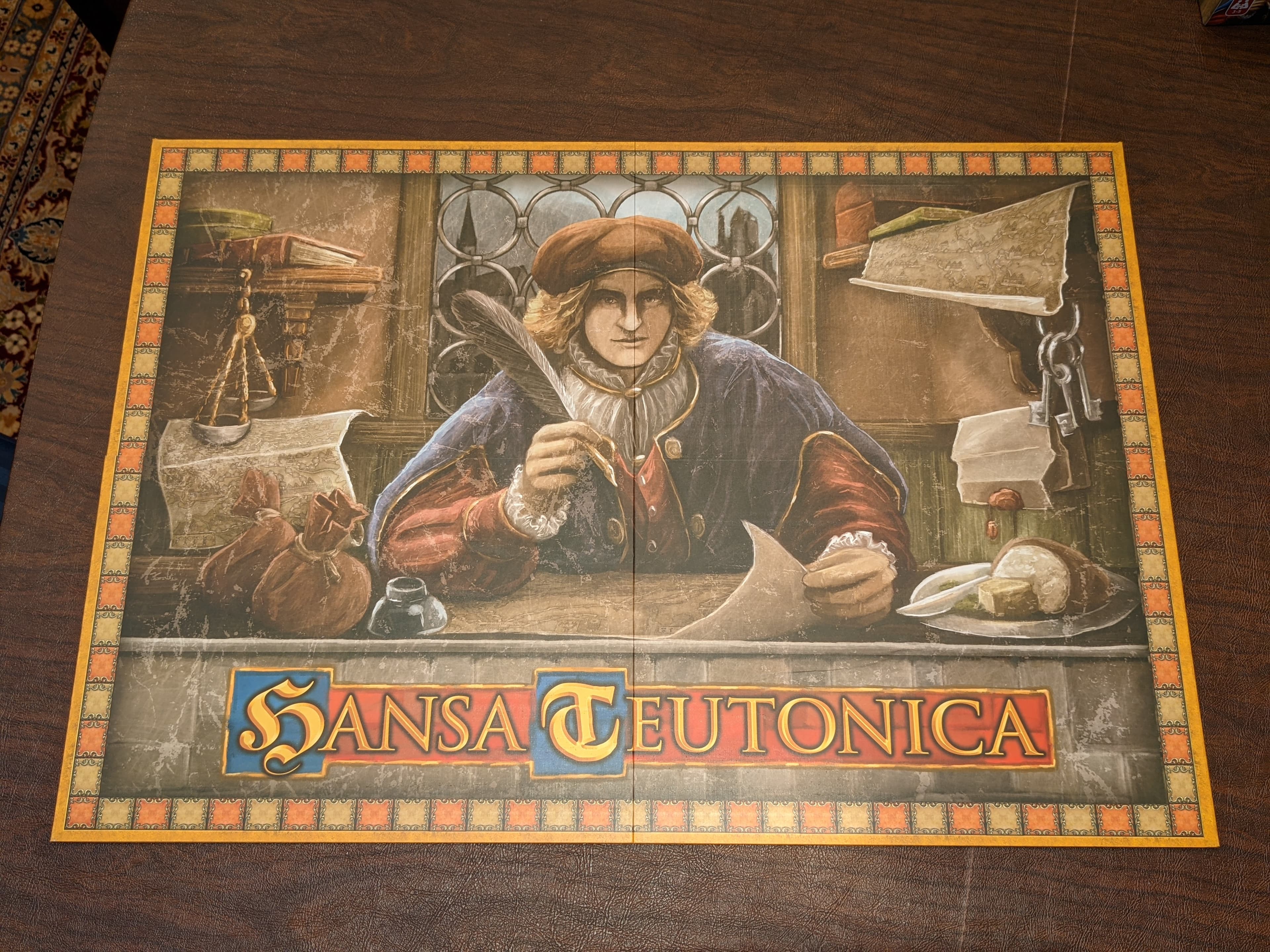
Hansa Teutonica
2009Hansa Teutonica plunges players into the bustling medieval world of the Hanseatic League. In this acclaimed German-style strategy game, you are a merchant striving for prestige by establishing a formidable trade network across Germany. The goal is not merely to accumulate wealth, but to earn the most prestige points, solidifying your legacy as the most influential trader in the league. Victory is achieved by shrewdly connecting cities, controlling valuable territories, and enhancing your personal trading capabilities. It's a game celebrated for its deep strategy and cutthroat player interaction, where every move can be an opportunity for you or a devastating setback for a rival. The path to victory is multifaceted, demanding adaptability and careful planning from start to finish.
Gameplay is elegantly simple on the surface but offers immense tactical depth. On your turn, you perform a limited number of actions, a number you can increase by developing your abilities. The primary actions revolve around placing your traders on the routes connecting the various cities on the map. To establish a presence, you can claim an empty spot or, more confrontationally, displace an opponent's trader by paying an additional resource. This displacement mechanic is central to the game's interactive nature, as the ousted player gets to relocate their piece—and another from their supply—to adjacent routes, often turning a rival's aggressive move into an unexpected advantage. Once you've populated an entire route with your traders, you can complete it. This crucial action allows you to either place a permanent trading post in an adjacent city, scoring points and expanding your network, or upgrade one of the skills on your personal player board, your 'escritoire,' unlocking more powerful actions, a larger supply of traders, or better scoring opportunities.
The enduring appeal of Hansa Teutonica lies in its masterful blend of straightforward rules and profound strategic possibilities. It is often hailed as a 'sandbox' Eurogame, where the board is a canvas for players to forge their own paths to victory without being locked into a single strategy. The constant, direct interaction ensures that no two games are alike. Players must perpetually watch their opponents, reacting to their network expansions and anticipating their moves. The tension between building a long-term engine by upgrading your skills versus scoring immediate points by establishing trading posts creates a compelling decision space every single turn. The game's variable end-game triggers—reaching a prestige threshold, filling a number of key cities, or depleting the bonus markers—ensure that the pace is always player-driven, leading to a dynamic and highly replayable experience that rewards cleverness, opportunism, and adaptability above all else.
2-5 75m⚖️ 3.2
RANK #148
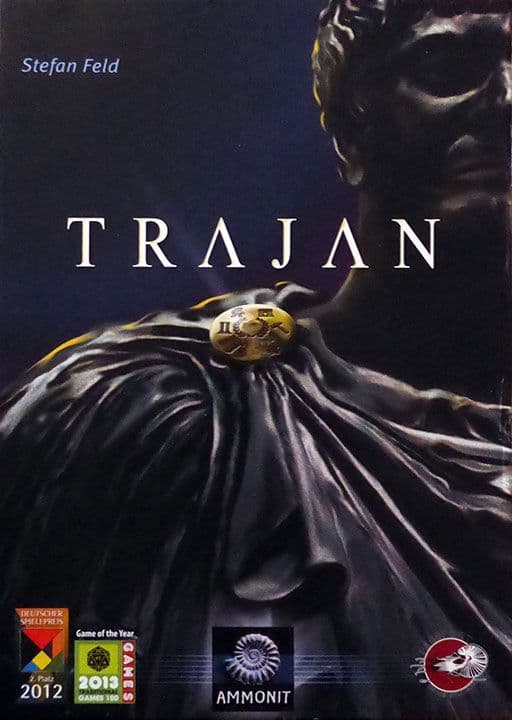
Trajan
2011Step into the bustling world of ancient Rome during the prosperous reign of Emperor Trajan. In this highly acclaimed strategy game, players assume the roles of influential Roman patricians, vying for power and prestige across the empire. Your goal is to amass the most victory points by excelling in various spheres of Roman life, from expanding the military's reach and constructing vital infrastructure to influencing the Senate and satisfying the demands of the populace. Every decision contributes to your legacy, and only the player who most effectively navigates the intricate political and economic landscape will earn the emperor's favor and emerge victorious.
The genius of Trajan lies in its celebrated and unique action selection mechanism, which is cleverly based on the ancient game of Mancala. Each player has a personal board with six pits, each containing colored action markers. On your turn, you select a pit, gather all the markers within it, and sow them one by one into the subsequent pits. The pit where you place your final marker dictates the action you perform for the turn. This system forces players into a deep and engaging puzzle, requiring them to think several steps ahead to not only execute their desired action but also to strategically position markers for future turns and to align colors to activate powerful bonus tiles.
Designed by the renowned Stefan Feld, Trajan is often lauded as a quintessential 'point salad' experience, where a multitude of paths lead to victory points. Players love the freedom to pursue different strategies each game, whether focusing on military conquest, becoming a dominant trader, or wielding political influence in the Senate. The core Mancala puzzle provides a constant and rewarding challenge, ensuring high replayability and a fresh experience with every session. This intricate blend of tactical maneuvering and long-term strategic planning makes Trajan a classic and beloved title for enthusiasts of heavy Eurogames who appreciate complex, interconnected systems and meaningful choices.
2-4 90m⚖️ 3.8
BoxNo Cover Art
RANK #149
Aeon's End: War Eternal is a cooperative deck-building game where players take on the roles of mages tasked with defending their world against an eternal war. The game features a unique mechanic called 'spellcrafting,' which allows players to combine different spells and abilities to create powerful magical effects. Players must work together to defeat the invading forces, using their combined magical powers to hold back the tide of darkness. As they progress through the game, players will encounter new challenges and obstacles, requiring them to adapt their strategy and work even more closely together to succeed.
1-4 60m⚖️ 3.5
RANK #150
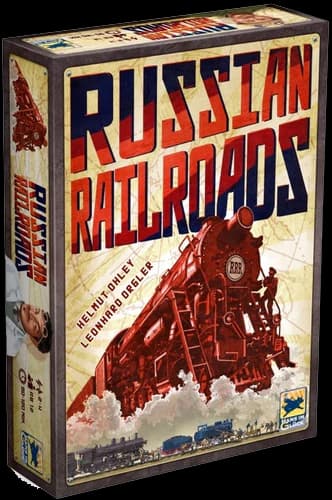
In Russian Railroads, players step into the roles of ambitious railway magnates competing to build the most advanced and expansive rail network across the vast expanse of 19th-century Russia. The primary goal is to accumulate the most victory points by developing three key railway lines on your personal player board: the legendary Trans-Siberian Railroad, and two smaller but crucial lines to St. Petersburg and Kiev. This is a quintessential 'Euro-style' game, where strategic planning, resource management, and efficient action selection are paramount. Victory isn't just about reaching the end of the track first; it's about creating a powerful, point-scoring engine that will leave your rivals in the dust, with final scores often soaring into the hundreds.
The game's engine is driven by a classic worker placement mechanism. Each round, players take turns deploying their workers to a shared central board to claim actions. These actions are the lifeblood of your enterprise, allowing you to lay progressively more valuable tracks, from basic black rails to superior white ones. To capitalize on your expanding network, you must also upgrade your locomotives, as they determine how far along a track you can actually score points. Beyond the rails, players can advance on an industrialization track to unlock powerful bonuses and hire specialized engineers who grant unique, game-long advantages. Every decision is critical, as action spaces are limited, creating a tense and interactive environment where you must constantly adapt to your opponents' strategies.
Russian Railroads is celebrated for its remarkable strategic depth and high replayability. While several paths to victory exist—focusing on a single super-powered rail line, balancing all three, or pushing industrialization—the game's tight, often described as 'vicious,' worker placement system ensures no single strategy is always dominant. Players love the puzzle-like challenge of optimizing their turns and the immense satisfaction of seeing their carefully constructed engine pay off with massive point gains in the later rounds. Its reputation as a challenging, 'thinky' game makes it a beloved staple for gamers who crave a deep, competitive experience with a rewarding and climactic finish.
2-4 120m⚖️ 3.6