Party Games
Browse all Party board games in the Meeple Pulse database.
Styles
Themes
AbstractAdventureAncientAnimalsArtBusinessCard GameCo-operativeComic BookCooperativeCrimeEconomicEnvironmentalismExplorationFantasyHistoricalHorrorHumorIntrigueLiteraryMagicMarvelMedievalModernMuseumMysteryMythologyNatureNauticalPoliticalPress Your LuckSatireSci-FiSocial CommentarySocial InteractionSpaceSuperheroesThematicTravelWarWesternWord-Guessing
Mechanics
3D PlacementActingAction / DexterityAction DraftingAction Point AllowanceAction Point Allowance SystemAction Point SystemAction PointsAction ProgrammingAction QueueAction RetrievalAction SelectionAction/EventAlliancesAlternate ActivationApp-AssistedApp-DrivenArea ControlArea InfluenceArea MajorityArea Majority / InfluenceArea MovementArgumentationAsymmetricAsymmetric FactionsAsymmetric GameAsymmetric PowersAsymmetrical PowersAuction & BiddingAuction/BiddingAuctioningBag BuildingBettingBetting and BluffingBetting and WageringBetting and WagersBiddingBingoBlind BiddingBluffingCampaign / Battle Card DrivenCampaign / LegacyCampaign / Legacy GameCampaign / Mission-basedCampaign / ScenariosCampaign GameCampaign PlayCard DraftingCard DrawingCard DrivenCard Driven ActionCard Driven CombatCard Driven Dice AllocationCard Driven MovementCard ManagementCard PlayCard Play / Hand ManagementCard Play Conflict ResolutionCard SheddingCard-Driven MovementCharacter CreationCharacter ProgressionChit-Pull SystemCo-op PlayCo-operative GameCo-operative PlayCode-breakingCombat ResolutionCombo ChainCommand CardsCommodity SpeculationCommunication LimitsContract FulfillmentContractsCooperative GameCooperative GameplayCooperative PlayCooperative Trick-takingDebateDeck BuildingDeck ConstructionDeck, Bag, and Pool BuildingDeck-BuildingDeductionDexterityDice DraftingDice PlacementDice RollingDiplomatic InfluenceDraftingDynamic Battle SystemEnclosureEnd Game BonusesEngine BuildingEngine-BuildingEscape RoomEvent DrivenExplorationFarmingFlip and WriteFollowFollow ActionGrid CoverageGrid MovementHand ManagementHex-and-CounterHexagon GridHidden MovementHidden RolesI Cut You ChooseIncomeInfluence / Area MajorityLadder ClimbingLegacyLegacy ElementsLegacy GameLegacy SystemLimited CommunicationLine DrawingLine of SightMancalaMap MovementMarketMarket DraftingMarket ManipulationMarket MechanicMarket SpeculationMatchingMeasurement MovementMemoryMission ObjectivesModular BoardModular Board ConstructionMovement TemplatesMulti-Use CardsMulti-use CardsMultiple ScenariosMust FollowNarrative ChoiceNarrative Choice / ParagraphNegotiationNegotiation MechanicsNetwork & Route BuildingNetwork BuildingNetwork and Route BuildingOne vs ManyOne vs. ManyOpen DraftingPaper-and-PencilPartnershipsPattern BuildingPattern RecognitionPick-up and DeliverPlayer EliminationPlayer InteractionPlayer JudgePoint SaladPoint to Point MovementPolyominoesPush Your LuckPush-Your-LuckPuzzlePuzzle-LikePuzzle-SolvingRaceReal-TimeRecipe FulfillmentResource ManagementRole PlayingRole SelectionRoll / Spin and MoveRondelRoute BuildingRoute-BuildingRoute/Network BuildingSanity SystemScenario / Campaign PlayScenario / Mission / Campaign GameScenario / Mission FunctionSecret Unit DeploymentSemi-Cooperative GameSet CollectionSheddingSimulationSimultaneous ActionSimultaneous Action SelectionSimultaneous Hidden AllocationSocial DeductionSocial InteractionSolo / Solitaire GameSpace ExplorationStat Check / Skill CheckStock HoldingStorytellingStrategic PlanningTableau BuildingTactical Decision-MakingTake ThatTargeted CluesTeam PlayTeam-Based GameTeam-Based GuessingTeamworkTech TreesTech Trees / Tech TracksTechnology & Armament TracksTechnology TreeTension & Aggression TracksTile DraftingTile LayingTile PlacementTime TrackTime TravelTower DefenseTrack MovementTradingTrick-takingTug of WarTurn Order: PassTurn Order: Stat-BasedUnit PlacementVariable Phase OrderVariable Player PowersVariable Set-upVariable SetupVictory Point TracksVotingWord AssociationWord GameWord GuessingWord-GuessingWord-guessingWordplayWorker Placement
RANK #233
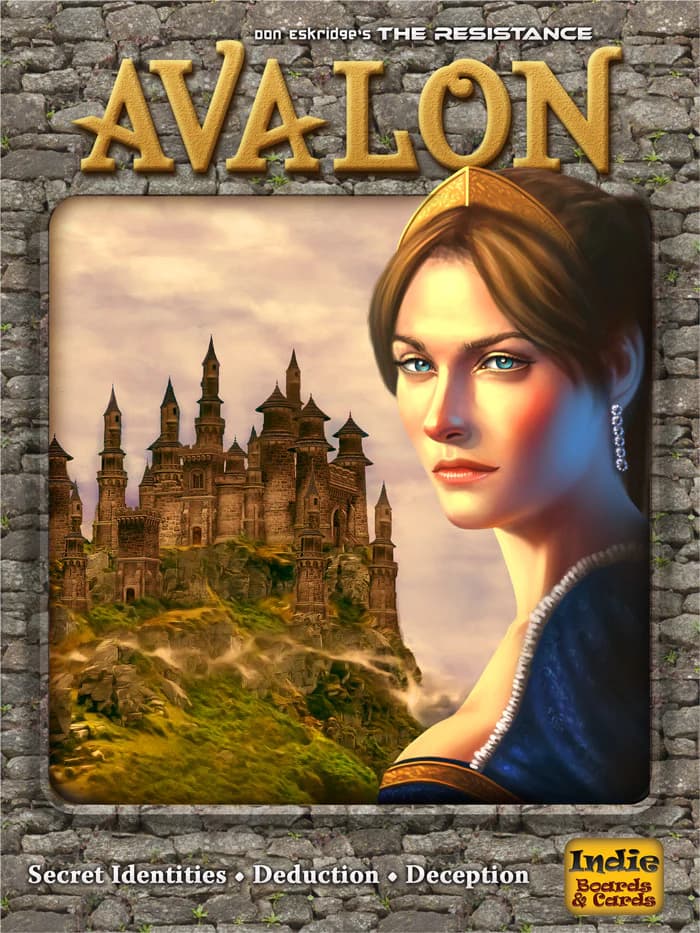
The Resistance: Avalon plunges players into the legendary turmoil of Camelot, a kingdom besieged not by external forces, but by treachery from within. In this intense game of social deduction and hidden identities, players are secretly assigned to one of two factions: the noble and loyal Servants of Arthur, fighting to secure the future of Britain, or the cunning Minions of Mordred, bent on sowing chaos and ensuring the kingdom's collapse. The ultimate goal is a struggle for control over a series of five critical Quests. The Servants of Arthur must successfully complete three of these missions to claim victory for their king and country. Conversely, the Minions of Mordred triumph if they can cause three Quests to fail, bringing Arthur's reign to a premature and disastrous end. The game is a constant battle of wits where trust is a fleeting resource and every word carries the potential for deception.
The gameplay unfolds in a structured but socially dynamic sequence of rounds. Each round, a new player assumes the role of Leader and is tasked with a crucial decision: selecting a team of knights to embark on the current Quest. This proposal is not accepted blindly; every player at the table, regardless of their allegiance, casts a public vote to either approve or reject the nominated team. This phase is the heart of the game's interaction, a crucible of open debate, pointed accusations, and masterful bluffs as players attempt to discern allies from enemies. If a team is approved, its members are given a profound and secret choice: to play a 'Success' card to help the Quest, or a 'Fail' card to sabotage it. For the loyal servants, the choice is simple. For the minions, it's an opportunity for destruction. Since a single 'Fail' card is often enough to doom a mission, the tension is palpable as the results are revealed.
What elevates The Resistance: Avalon to legendary status within its genre is the masterful inclusion of special character roles that add intricate layers of information and misdirection. The most pivotal of these is Merlin, a servant of Arthur who begins the game knowing the identities of the evil players. Merlin must subtly guide the forces of good without revealing his own identity, as an evil player known as the Assassin has a final, game-winning opportunity to correctly name Merlin if the heroes succeed in their Quests. This creates a fascinating and tense dynamic of veiled communication. Optional roles like Percival, who knows who Merlin is, and Morgana, who appears as Merlin to Percival, further complicate the web of lies and deduction. This brilliant system ensures that no two games are ever the same, making Avalon a highly replayable and deeply engaging experience celebrated for its pure player-driven drama and strategic depth.
5-10 30m⚖️ 1.7
BoxNo Cover Art
RANK #10,357
Embrace your wicked side in Disney Villains: The Card Game, a deviously clever and fast-paced game where it pays to be bad. Players take on the roles of one of six iconic Disney antagonists—Maleficent, Ursula, Jafar, Captain Hook, Scar, or Cruella de Vil—each with their own unique powers. The objective is to outwit your fellow villains and end the game with the highest score. Unlike simple card-shedding games, victory here depends on strategic placement and careful hand management. You must not only empty your hand and deck but also control which cards end up in your scoring pile, all while meddling with the plans of your rivals. It's a dastardly contest to prove who is the most villainous of all.
The gameplay is deceptively simple to learn, making it accessible for families and new players. On your turn, you attempt to play a card from your hand onto your personal discard pile, matching either the color or the number of the card on top. The core twist, however, introduces a delightful layer of player interaction. If the card you wish to play also matches the top card on an adjacent opponent's pile, you are forced to play it there instead. This can inadvertently gift them valuable points, turning a simple move into a tricky tactical decision. If you can't make a legal play, you must play a card face-down, revealing a hero who will penalize your score at the game's end. Furthermore, each villain wields powerful special ability cards, such as Jafar's "Hypnosis" to steal a card or Ursula's "Whirlpool" to shift everyone's discard piles, ensuring no two games play out the same.
The game's appeal lies in this brilliant fusion of straightforward mechanics and meaningful strategic choices. The end-game scoring is particularly clever: players count the number of hero cards they were forced to take, and that number cancels out all villain cards of the corresponding value in their pile. Four hero cards, for example, render all '4' value villain cards worthless. This creates a tense finale where a seemingly strong lead can vanish. Players love the constant interaction and the thematic integration of villain powers, which makes them feel truly cunning. It's a quick, engaging, and highly replayable game that perfectly captures the mischievous spirit of its characters.
3-6 20m⚖️ 1.3

Embrace your inner evil-doer in Disney Villains: Sinister Spoons Game, a wonderfully wicked party game that puts a villainous spin on the classic game of Spoons. This fast-paced experience from Funko Games invites players to step into the roles of iconic Disney antagonists like Maleficent, Jafar, Captain Hook, and Ursula. The objective isn't merely to be the quickest, but to be the most cunning. The ultimate goal is to become the supreme villain by being the first player to successfully collect and flip over all four of your unique villain tiles. It's a game of speed, observation, and a little bit of treachery, where acting out your character's personality is just as important as playing your cards right. The game ditches traditional turn-taking for a chaotic, all-at-once free-for-all that ensures no two rounds are ever the same and keeps every player constantly engaged.
The gameplay loop is deceptively simple yet brilliantly frantic. All participants simultaneously flip the top card of their personal deck, revealing one of the four infamous villains. To discard a card and move closer to victory, you must find another player who has revealed the exact same villain. This isn't a quiet affair; matching is accomplished by physically embodying your character. A player holding Captain Hook, for instance, might brandish a spoon like a cutlass while shouting his famous line, "Good form!". Once two players with identical villains make a connection, they perform a quick, designated action together—like a devious high-five or a mock duel—and then discard their matched cards. This process repeats in a whirlwind of shouting and gesturing as everyone races to be the first to deplete their entire hand of cards, creating a lively and energetic atmosphere.
The game's unique appeal shines when the classic 'Spoons' mechanic comes crashing into the party. The moment a player successfully discards their final card, they make a mad dash to snatch one of the custom-sculpted villain spoons from the middle of the play area. This single action triggers a frantic chain reaction, as every other player must immediately abandon their card-matching and lunge for the remaining spoons. With one fewer spoon than there are players, someone is always left empty-handed. Those who secure a spoon are rewarded by getting to flip over the villain tile that corresponds to the character on their prize. As a bonus, the player who triggered the round by emptying their hand first gets to flip an extra tile of their choice, accelerating their path to victory. This blend of real-time card play and a high-stakes physical race makes for an unforgettable and accessible game perfect for Disney fans and families.
4-8 20m⚖️ 1.1