Worker Placement Games
Browse all Worker Placement board games in the Meeple Pulse database.
Styles
Themes
AbstractAdventureAncientAnimalsArtBusinessCard GameCo-operativeComic BookCooperativeCrimeEconomicEnvironmentalismExplorationFantasyHistoricalHorrorHumorIntrigueLiteraryMagicMarvelMedievalModernMuseumMysteryMythologyNatureNauticalPoliticalPress Your LuckSatireSci-FiSocial CommentarySocial InteractionSpaceSuperheroesThematicTravelWarWesternWord-Guessing
Mechanics
3D PlacementActingAction / DexterityAction DraftingAction Point AllowanceAction Point Allowance SystemAction Point SystemAction PointsAction ProgrammingAction QueueAction RetrievalAction SelectionAction/EventAlliancesAlternate ActivationApp-AssistedApp-DrivenArea ControlArea InfluenceArea MajorityArea Majority / InfluenceArea MovementArgumentationAsymmetricAsymmetric FactionsAsymmetric GameAsymmetric PowersAsymmetrical PowersAuction & BiddingAuction/BiddingAuctioningBag BuildingBettingBetting and BluffingBetting and WageringBetting and WagersBiddingBingoBlind BiddingBluffingCampaign / Battle Card DrivenCampaign / LegacyCampaign / Legacy GameCampaign / Mission-basedCampaign / ScenariosCampaign GameCampaign PlayCard DraftingCard DrawingCard DrivenCard Driven ActionCard Driven CombatCard Driven Dice AllocationCard Driven MovementCard ManagementCard PlayCard Play / Hand ManagementCard Play Conflict ResolutionCard SheddingCard-Driven MovementCharacter CreationCharacter ProgressionChit-Pull SystemCo-op PlayCo-operative GameCo-operative PlayCode-breakingCombat ResolutionCombo ChainCommand CardsCommodity SpeculationCommunication LimitsContract FulfillmentContractsCooperative GameCooperative GameplayCooperative PlayCooperative Trick-takingDebateDeck BuildingDeck ConstructionDeck, Bag, and Pool BuildingDeck-BuildingDeductionDexterityDice DraftingDice PlacementDice RollingDiplomatic InfluenceDraftingDynamic Battle SystemEnclosureEnd Game BonusesEngine BuildingEngine-BuildingEscape RoomEvent DrivenExplorationFarmingFlip and WriteFollowFollow ActionGrid CoverageGrid MovementHand ManagementHex-and-CounterHexagon GridHidden MovementHidden RolesI Cut You ChooseIncomeInfluence / Area MajorityLadder ClimbingLegacyLegacy ElementsLegacy GameLegacy SystemLimited CommunicationLine DrawingLine of SightMancalaMap MovementMarketMarket DraftingMarket ManipulationMarket MechanicMarket SpeculationMatchingMeasurement MovementMemoryMission ObjectivesModular BoardModular Board ConstructionMovement TemplatesMulti-Use CardsMulti-use CardsMultiple ScenariosMust FollowNarrative ChoiceNarrative Choice / ParagraphNegotiationNegotiation MechanicsNetwork & Route BuildingNetwork BuildingNetwork and Route BuildingOne vs ManyOne vs. ManyOpen DraftingPaper-and-PencilPartnershipsPattern BuildingPattern RecognitionPick-up and DeliverPlayer EliminationPlayer InteractionPlayer JudgePoint SaladPoint to Point MovementPolyominoesPush Your LuckPush-Your-LuckPuzzlePuzzle-LikePuzzle-SolvingRaceReal-TimeRecipe FulfillmentResource ManagementRole PlayingRole SelectionRoll / Spin and MoveRondelRoute BuildingRoute-BuildingRoute/Network BuildingSanity SystemScenario / Campaign PlayScenario / Mission / Campaign GameScenario / Mission FunctionSecret Unit DeploymentSemi-Cooperative GameSet CollectionSheddingSimulationSimultaneous ActionSimultaneous Action SelectionSimultaneous Hidden AllocationSocial DeductionSocial InteractionSolo / Solitaire GameSpace ExplorationStat Check / Skill CheckStock HoldingStorytellingStrategic PlanningTableau BuildingTactical Decision-MakingTake ThatTargeted CluesTeam PlayTeam-Based GameTeam-Based GuessingTeamworkTech TreesTech Trees / Tech TracksTechnology & Armament TracksTechnology TreeTension & Aggression TracksTile DraftingTile LayingTile PlacementTime TrackTime TravelTower DefenseTrack MovementTradingTrick-takingTug of WarTurn Order: PassTurn Order: Stat-BasedUnit PlacementVariable Phase OrderVariable Player PowersVariable Set-upVariable SetupVictory Point TracksVotingWord AssociationWord GameWord GuessingWord-GuessingWord-guessingWordplayWorker Placement
BoxNo Cover Art
RANK #71
Sleeping Gods
2021Embark on an epic voyage into the unknown in Sleeping Gods, a monumental cooperative campaign game. Players assume the roles of Captain Sofi Odessa and her nine-person crew aboard the steamship 'Manticore' in an alternate 1929. After being mysteriously transported to the Wandering Sea, you and your fellow players are tasked with a seemingly impossible goal: find at least fourteen mystical totems to awaken the slumbering gods of this realm, who are your only hope of returning home. This is not a game of linear paths, but a true open-world experience where your choices carve a unique and persistent story across a sprawling, dangerous world.
The gameplay unfolds across two primary components: a spiral-bound Atlas that serves as your map and a massive Storybook that functions as a choose-your-own-adventure guide. Instead of a traditional board, players navigate the pages of the Atlas, and upon reaching a numbered location, they are directed to a specific paragraph in the Storybook, presenting them with rich narrative choices, skill challenges, and unexpected consequences. A typical turn involves performing a ship action, which uses a light worker placement mechanic to gain resources or prepare the crew, followed by drawing an event card that pushes the narrative and acts as the game's timer. Finally, players take actions like exploring, traveling, or engaging in the game's unique combat system, all while managing the crew's health, fatigue, and resources.
Sleeping Gods is celebrated for its masterful integration of narrative and mechanics. The world feels alive and persistent, as choices you make grant 'keywords' that unlock or alter future story branches, ensuring high replayability. Its combat system is a standout feature, presenting a strategic puzzle where players don't just reduce hit points but place damage tokens on an enemy's grid to strategically cover and disable its most dangerous attacks. The game also features a brilliant drop-in/drop-out campaign system, allowing players to easily save their progress and resume their grand adventure later. This flexibility makes it a phenomenal solo experience, where one player manages all nine crew members, as well as an engaging cooperative puzzle for up to four.
1-4 120m⚖️ 3.2
BoxNo Cover Art
RANK #72
Tzolk'in: The Mayan Calendar is a deeply strategic Eurogame where players assume the roles of Mayan tribal leaders vying for the favor of the gods. The ultimate goal is to accumulate the most victory points by the time the massive central calendar gear completes one full revolution. Victory is achieved through a combination of constructing monumental buildings, advancing on temple tracks, developing crucial technologies, and strategically placing valuable crystal skulls. The game is renowned for its visually stunning and mechanically innovative centerpiece: a series of interlocking gears that dictate the flow of the game, representing the cyclical nature of the Mayan calendar and demanding foresight from its players.
The gameplay is driven by a unique 'dynamic worker placement' mechanism. On their turn, a player makes a simple but crucial choice: either place one or more workers on the starting spots of the five action gears, paying in corn, or retrieve one or more workers already on the board. The twist is that actions are only performed when a worker is *retrieved*. Between turns, the central Tzolk'in gear rotates, advancing all workers to more powerful action spaces. This creates a compelling tension: leaving workers on the gears longer yields better rewards—more resources, more powerful building actions, or greater favor with the gods—but it also means delaying your access to those rewards and potentially running out of workers to place. Players must carefully manage their resources like corn, wood, stone, and gold to fuel their placements and constructions, all while balancing the timing of retrieving their workers for maximum effect.
What makes Tzolk'in a beloved classic is this constant temporal puzzle. It's not just about *what* action to take, but *when*. The rotating gears force a long-term strategic perspective, as players must plan several turns ahead to align their worker retrievals with their goals and available resources. Every turn of the great central gear changes the board state, making each decision impactful and every game a different strategic challenge. This system eliminates randomness in favor of pure strategic planning, rewarding players who can master the rhythm of the calendar. The intricate interplay between resource management, technological advancement, and the ever-ticking clock of the gears provides a rich, challenging, and immensely satisfying experience that has cemented its place as a cornerstone of modern board gaming.
2-4 90m⚖️ 4.0
BoxNo Cover Art
RANK #74
Mansions of Madness: Second Edition is a cooperative board game designed for 1-5 players, where each player takes on the role of an investigator tasked with uncovering mysteries and battling against the forces of darkness in the 1920s. The game is set in the Arkham Horror universe, which is known for its Lovecraftian themes and eerie atmosphere. Players work together to explore locations, gather clues, and solve puzzles while navigating the challenges posed by the game's complex rules and mechanics.
The gameplay experience is divided into two main phases: exploration and combat. During the exploration phase, players move their investigators around the board, visiting various locations such as mansions, cemeteries, and libraries. Each location has its own set of challenges and rewards, which are determined by a deck of cards that represents the game's narrative. Players can also draw event cards, which may provide benefits or penalties to their progress.
The combat phase is where the game's tension builds up. When an investigator encounters a monster or other hostile entity, they must engage in combat using a combination of dice rolls and card play. The outcome of these battles depends on the player's skills, equipment, and luck. If an investigator falls in battle, they are removed from the game, which adds to the sense of urgency and danger.
One of the unique features of Mansions of Madness: Second Edition is its modular board design. The game comes with a set of interlocking tiles that can be arranged differently each time it's played, creating a new map for the investigators to explore. This feature allows for high replayability and adds to the game's overall sense of mystery and discovery.
The game also includes a range of miniatures and tokens that represent the investigators' equipment and abilities. These components add a tactile element to the gameplay experience and help players visualize their progress and challenges.
1-5 60m⚖️ 4.0
RANK #75
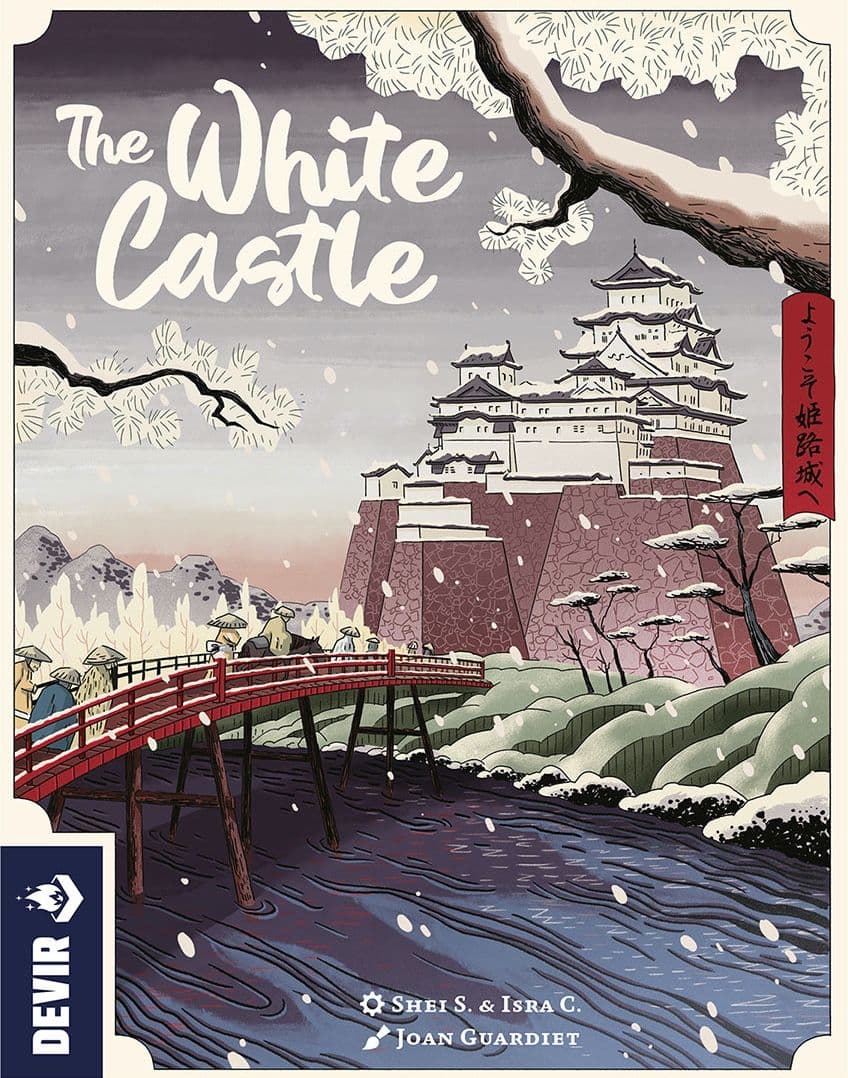
The White Castle
2023Set in the rich historical era of 1761 feudal Japan, 'The White Castle' invites players to step into the roles of ambitious rival clan leaders. Your ultimate objective is to earn the favor of Daimyo Sakai Tadakiyo and amass political influence within the stunning walls of Himeji Castle, famously known as the White Heron Castle. As you navigate the intricate social hierarchies and resource economies of the period, you must strategically manage your clan's assets to outmaneuver your opponents. Every decision carries weight as you seek to maximize your standing in the royal court, carefully balancing the needs of your people against your aspirations for power and prestige.
The gameplay revolves around a remarkably tight and unforgiving structure: the entire game unfolds over a mere three rounds. In each round, players draft exactly three dice, meaning you are granted only nine core actions throughout the entire game session. This fascinating limitation transforms the experience into a deeply strategic puzzle of engine building and extreme efficiency. Dice of three different colors are rolled and arranged along striking three-dimensional cardboard bridges. When drafting, you must select either the highest or lowest value die from the bridge's edges. You then place this die onto various action spaces, paying or earning coins based on the difference between the die's value and the space's requirement. Taking lower-value dice strategically triggers your personal lantern action, establishing a scaling engine of bonuses to propel your future turns.
Utilizing these drafted dice, players engage in a specialized form of worker placement. By spending tracked resources like food, iron, and precious pearls, you deploy three distinct types of clan members across the board. Gardeners cultivate the grounds for immediate rewards and end-of-round income, courtiers ascend the social ladder within the Room of the Thousand Carpets for pivotal action cards, and warriors secure the training grounds to act as powerful endgame multipliers. Your final score hinges on how brilliantly you synthesize these diverse avenues of influence into a cohesive strategy before the time inevitably runs out.
Board game enthusiasts praise 'The White Castle' for its brilliant juxtaposition of an ultra-compact footprint with genuinely heavy, brain-burning decision-making. As a standout entry in Devir Games' acclaimed small box Euro line, it delivers the strategic depth of a massive big-box game in a fraction of the space and time. The pressure of the nine-turn limitation forces players to constantly seek out masterful, cascading combo turns. Paired with the gorgeous, vibrant artwork heavily inspired by traditional Japanese ukiyo-e prints, this beautifully crafted puzzle offers immense replayability and remains highly engaging from the first drafted die to the final scoring phase.
1-4 80m⚖️ 3.0
BoxNo Cover Art
RANK #76
Clans of Caledonia is a strategic board game set in medieval Scotland, where players take on the roles of clan leaders vying for power and resources. The game's goal is to accumulate victory points by collecting and trading goods, building settlements, and recruiting warriors. Players must carefully manage their resources, negotiate with other clans, and make tactical decisions to outmaneuver their opponents.
The game features a unique blend of resource management, worker placement, and area control mechanics. Each player has a personal board representing their clan's territory, where they can place their workers to gather resources, build structures, and recruit warriors. The game also includes a modular board featuring different regions of Scotland, each with its own challenges and opportunities.
One of the key aspects of Clans of Caledonia is its thematic depth. Players must navigate the complexities of medieval Scottish politics, including the influence of the church, the power struggles between clans, and the impact of external events such as wars and famines. The game's components, including the beautifully illustrated board and cards, add to the immersive experience.
Clans of Caledonia has gained a loyal following among gamers due to its engaging gameplay, rich theme, and high replayability. Players can experiment with different strategies, explore new regions, and try out various combinations of cards and workers.
2-4 90m⚖️ 3.5
RANK #77
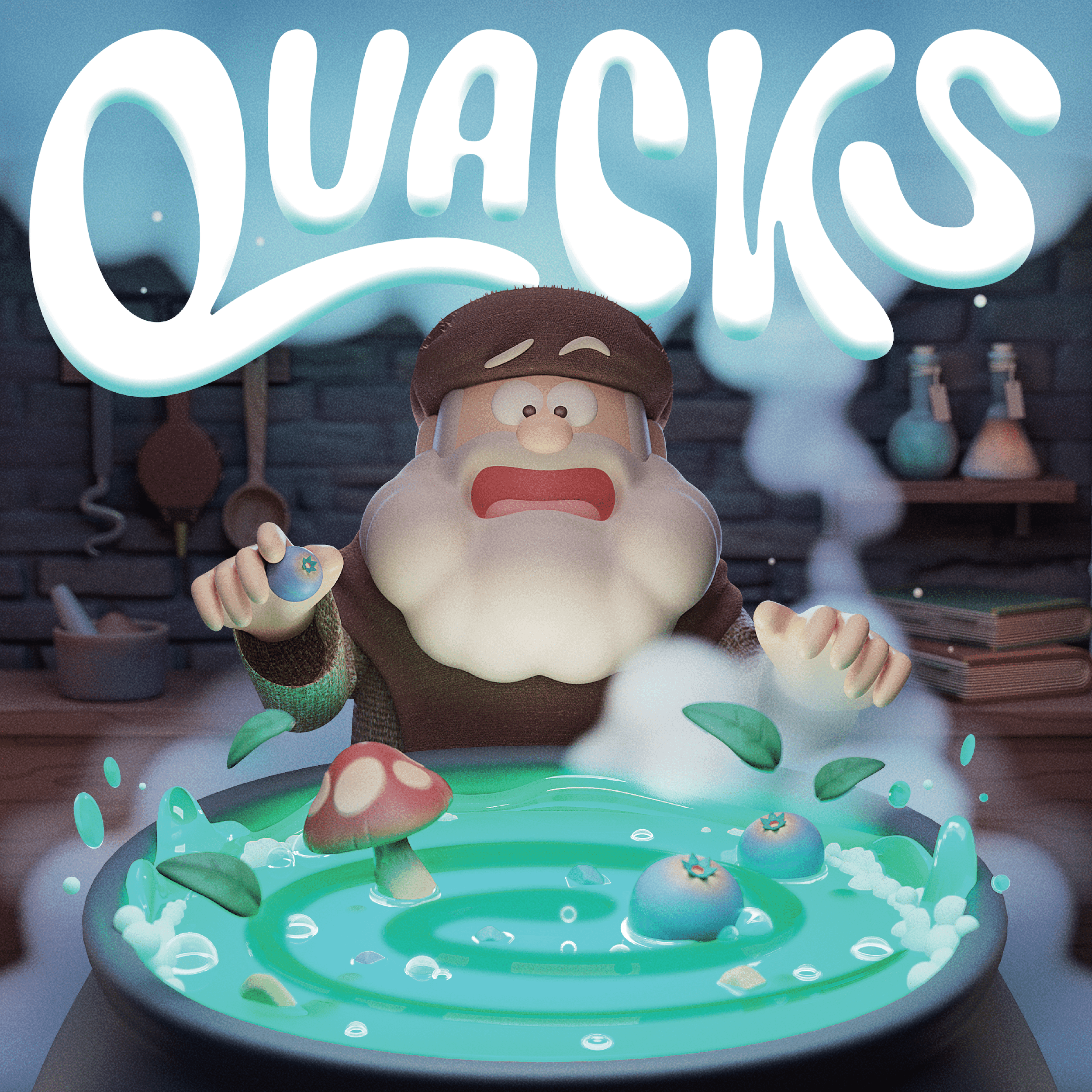
Quacks
2018Quacks is a game that challenges players to collect and trade duck eggs while navigating the complexities of a farmyard ecosystem. Players take on the roles of farmers, each with their own unique abilities and strengths. The goal is to be the first player to collect and return three duck eggs to their respective nests, while also managing the resources and challenges of the farmyard.
The game features a modular board that represents the farmyard, which changes with each playthrough. Players must navigate the different areas of the farm, including the pond, the barn, and the fields, to collect eggs and resources. The game includes various mechanics such as resource management, area control, and trading, which add depth and complexity to the gameplay.
One of the unique features of Quacks is its theme, which combines elements of farming, wildlife conservation, and social interaction. Players must work together to manage the farmyard ecosystem, while also competing against each other to collect eggs and resources. This blend of cooperation and competition creates a dynamic and engaging gameplay experience.
2-4 30m⚖️ 3.0
BoxNo Cover Art
RANK #79
Paladins of the West Kingdom is a strategic board game set in medieval times, where players take on the roles of monks and builders tasked with constructing buildings and managing resources to build a thriving monastery. The game's goal is to earn victory points by completing various tasks and projects, while also managing the monastery's resources and reputation.
The gameplay involves worker placement, resource management, and area control mechanics. Players place their monks on different locations around the board to perform various actions, such as gathering resources, building structures, or interacting with other players. The game also features a unique 'reputation' system, where players can earn bonuses for completing tasks and projects efficiently.
One of the key aspects of Paladins of the West Kingdom is its thematic appeal. Players are immersed in a rich medieval setting, complete with intricate artwork and detailed rules. The game's mechanics are designed to simulate the challenges and opportunities faced by real-life monks and builders during this time period.
1-4 60m⚖️ 3.0
RANK #80
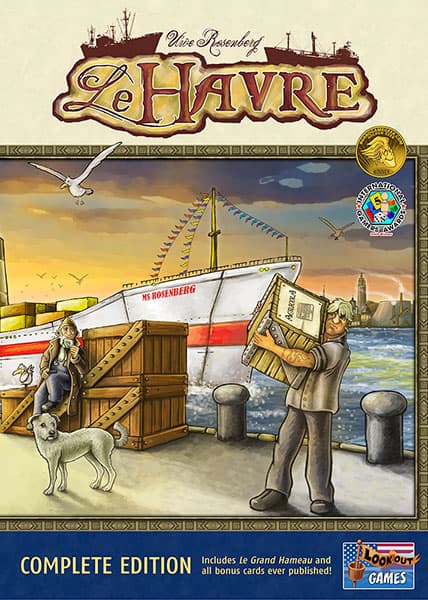
Le Havre
2008In "Le Havre," the celebrated design from Uwe Rosenberg, players are transported to the burgeoning port city of Le Havre in northwestern France. As magnates of the shipping industry, players compete to amass the greatest fortune. This is not achieved through simple commerce alone, but by strategically developing the city's infrastructure and managing a complex web of resources. The ultimate goal is to end the game with the highest net worth, a sum of your cash reserves plus the value of the buildings and ships you've constructed. The game challenges you to balance short-term gains with long-term investments, building a powerful economic engine that can outpace your rivals in this bustling harbor town. It's a deep and rewarding experience for those who enjoy meticulous economic planning and optimization.
The gameplay in "Le Havre" is elegantly structured around a two-part turn. First, goods are added to the offer spaces, creating an ever-changing marketplace. Then, the active player must choose one of two primary actions: either take all goods of a single type from an offer space, or utilize one of the many buildings on the board. Buildings are the heart of your strategy, enabling you to transform raw materials like fish and wood into more valuable processed goods, such as smoked fish or charcoal. This process of creating production chains is a classic engine-building challenge. A fascinating layer of player interaction emerges from building ownership; while any player can use any building, they must pay a fee to the owner, creating a dynamic flow of capital and forcing difficult choices about which actions are most profitable. Furthermore, players must acquire ships not just for their value, but to generate the food required to feed their workers at the end of each round, with failure resulting in costly loans.
"Le Havre" is beloved by strategy gamers for its immense strategic depth and the satisfying feeling of building an efficient economic machine from the ground up. The tension between expanding your industrial capabilities and meeting the recurring demand for food creates a compelling puzzle that requires constant foresight and adaptation. Unlike many other worker placement games, the core action is singular—you move your one worker pawn—which makes each decision incredibly significant. The indirect player interaction, where you must weigh the benefit of using an opponent's building against the cost of paying them, is a masterstroke of design that keeps all players engaged. The game's variable building display ensures high replayability, as the path to victory changes with each session. For players who relish a heavy, brain-burning economic simulation with tight resources and rewarding long-term planning, "Le Havre" stands as a monumental achievement in the genre.
1-5 150m⚖️ 4.1
BoxNo Cover Art
RANK #81
The Gallerist
2015The Gallerist is a strategic board game designed for 2-4 players, where each player takes on the role of an art gallery owner. The goal is to accumulate wealth and prestige by acquiring valuable artworks, managing your gallery's reputation, and navigating the ever-changing art market. Players must balance their short-term financial needs with long-term goals, all while adapting to the unpredictable nature of the art world.
2-4 60m⚖️ 3.5
BoxNo Cover Art
RANK #84
Agricola is a farming-themed strategy board game where players take on the role of farmers in rural Germany during the late 16th century. The goal is to build and manage their farm, collecting resources, and constructing buildings to support their family's growth. Players must balance resource management with long-term planning, as they strive to become the most successful farmer in the region.
The game features a unique worker placement mechanic, where players assign their farmers to various tasks such as plowing fields, harvesting crops, or tending to animals. This mechanic allows for a high degree of flexibility and strategy, as players must carefully plan their actions to maximize their resource collection and building construction. Additionally, the game includes a variety of buildings and improvements that can be constructed on the farm, each with its own unique benefits and requirements.
One of the key aspects of Agricola is its thematic depth. The game's designers have meticulously researched the period and included many historical details to create an immersive experience for players. From the types of crops grown in different regions to the social dynamics between farmers, every aspect of the game has been carefully crafted to transport players to rural Germany during this time.
Agricola is a highly strategic game that requires careful planning and resource management. Players must balance short-term needs with long-term goals, making it an engaging experience for fans of strategy games.
1-4 60m⚖️ 3.5
BoxNo Cover Art
RANK #85
Endeavor: Deep Sea is an acclaimed mid-weight strategy Eurogame that submerges players into the world of oceanic research. Each participant takes the helm of a burgeoning research institute, tasked with the grand ambition of exploring the planet's final frontier. The primary objective is to earn prestige by conducting groundbreaking research, discovering new underwater locations, and championing marine conservation. Success requires a delicate balance between expanding your institute's scientific capabilities and making a tangible impact on the shared seascape. Recognized with the prestigious Kennerspiel des Jahres award, the game challenges players to think strategically about sustainable development and the preservation of delicate aquatic ecosystems, making every decision impactful.
The gameplay unfolds over six rounds in a structured, yet dynamic, sequence. Each round begins with a Preparation Phase, where players bolster their operations by recruiting specialists like divers and scientists, gaining action discs that fuel their turns, and readying their existing team for the tasks ahead. This flows into the Action Phase, where players take turns spending their discs to activate specialists and perform one of five key actions. These include 'Travel' to move a submarine across the modular board, 'Sonar' to discover and place new ocean tiles, 'Dive' to collect valuable research tokens, 'Journal' to acquire cards with endgame scoring goals, and 'Conservation' to protect marine life for various rewards. Players also contribute to a communal "Impact Board," which provides immediate bonuses and influences final scoring.
What makes Endeavor: Deep Sea so compelling is its remarkable blend of accessibility and strategic depth. The game’s unique appeal stems from its significant replayability, driven by a modular board that ensures no two expeditions are the same and ten distinct missions that alter starting conditions and objectives. Its flexible design supports competitive, cooperative, and solo play, making it a versatile choice for any gaming group. The central tension between building your institute’s 'engine'—improving its range and capabilities—and using those abilities to score points on the board creates a deeply engaging puzzle. The strong thematic integration, where every action feels connected to the narrative of deep-sea exploration, elevates the experience from a simple abstract puzzle to a memorable aquatic adventure.
1-4 90m⚖️ 3.3
BoxNo Cover Art
RANK #88
In Mechs vs. Minions, players take on the roles of either mighty mechs or swarms of minions in a battle for supremacy. The game is set in a fantasy world where these two forces clash, and players must use their strategic thinking to outmaneuver their opponents. The goal of the game is to be the first player to eliminate all of their opponent's units, whether they are mechs or minions.
Gameplay involves moving your units around the board, attacking enemy units, and using special abilities to gain an advantage. Players can also collect resources and use them to upgrade their units and improve their chances of winning. The game features a unique mechanic where players can transform their mechs into more powerful forms, giving them new abilities and increased strength.
One of the key aspects of Mechs vs. Minions is its thematic appeal. The game's setting and artwork are designed to evoke a sense of fantasy and adventure, drawing players in with its colorful characters and immersive world. At the same time, the game's mechanics provide a deep level of strategy and complexity, making it appealing to fans of tactical games.
Overall, Mechs vs. Minions is a fun and engaging game that offers something for everyone. Its unique blend of strategy and theme makes it an excellent choice for players looking for a new challenge.
2-4 60m⚖️ 3.0