Economic Games
Browse all Economic board games in the Meeple Pulse database.
Styles
Themes
AbstractAdventureAncientAnimalsArtBusinessCard GameCo-operativeComic BookCooperativeCrimeEconomicEnvironmentalismExplorationFantasyHistoricalHorrorHumorIntrigueLiteraryMagicMarvelMedievalModernMuseumMysteryMythologyNatureNauticalPoliticalPress Your LuckSatireSci-FiSocial CommentarySocial InteractionSpaceSuperheroesThematicTravelWarWesternWord-Guessing
Mechanics
3D PlacementActingAction / DexterityAction DraftingAction Point AllowanceAction Point Allowance SystemAction Point SystemAction PointsAction ProgrammingAction QueueAction RetrievalAction SelectionAction/EventAlliancesAlternate ActivationApp-AssistedApp-DrivenArea ControlArea InfluenceArea MajorityArea Majority / InfluenceArea MovementArgumentationAsymmetricAsymmetric FactionsAsymmetric GameAsymmetric PowersAsymmetrical PowersAuction & BiddingAuction/BiddingAuctioningBag BuildingBettingBetting and BluffingBetting and WageringBetting and WagersBiddingBingoBlind BiddingBluffingCampaign / Battle Card DrivenCampaign / LegacyCampaign / Legacy GameCampaign / Mission-basedCampaign / ScenariosCampaign GameCampaign PlayCard DraftingCard DrawingCard DrivenCard Driven ActionCard Driven CombatCard Driven Dice AllocationCard Driven MovementCard ManagementCard PlayCard Play / Hand ManagementCard Play Conflict ResolutionCard SheddingCard-Driven MovementCharacter CreationCharacter ProgressionChit-Pull SystemCo-op PlayCo-operative GameCo-operative PlayCode-breakingCombat ResolutionCombo ChainCommand CardsCommodity SpeculationCommunication LimitsContract FulfillmentContractsCooperative GameCooperative GameplayCooperative PlayCooperative Trick-takingDebateDeck BuildingDeck ConstructionDeck, Bag, and Pool BuildingDeck-BuildingDeductionDexterityDice DraftingDice PlacementDice RollingDiplomatic InfluenceDraftingDynamic Battle SystemEnclosureEnd Game BonusesEngine BuildingEngine-BuildingEscape RoomEvent DrivenExplorationFarmingFlip and WriteFollowFollow ActionGrid CoverageGrid MovementHand ManagementHex-and-CounterHexagon GridHidden MovementHidden RolesI Cut You ChooseIncomeInfluence / Area MajorityLadder ClimbingLegacyLegacy ElementsLegacy GameLegacy SystemLimited CommunicationLine DrawingLine of SightMancalaMap MovementMarketMarket DraftingMarket ManipulationMarket MechanicMarket SpeculationMatchingMeasurement MovementMemoryMission ObjectivesModular BoardModular Board ConstructionMovement TemplatesMulti-Use CardsMulti-use CardsMultiple ScenariosMust FollowNarrative ChoiceNarrative Choice / ParagraphNegotiationNegotiation MechanicsNetwork & Route BuildingNetwork BuildingNetwork and Route BuildingOne vs ManyOne vs. ManyOpen DraftingPaper-and-PencilPartnershipsPattern BuildingPattern RecognitionPick-up and DeliverPlayer EliminationPlayer InteractionPlayer JudgePoint SaladPoint to Point MovementPolyominoesPush Your LuckPush-Your-LuckPuzzlePuzzle-LikePuzzle-SolvingRaceReal-TimeRecipe FulfillmentResource ManagementRole PlayingRole SelectionRoll / Spin and MoveRondelRoute BuildingRoute-BuildingRoute/Network BuildingSanity SystemScenario / Campaign PlayScenario / Mission / Campaign GameScenario / Mission FunctionSecret Unit DeploymentSemi-Cooperative GameSet CollectionSheddingSimulationSimultaneous ActionSimultaneous Action SelectionSimultaneous Hidden AllocationSocial DeductionSocial InteractionSolo / Solitaire GameSpace ExplorationStat Check / Skill CheckStock HoldingStorytellingStrategic PlanningTableau BuildingTactical Decision-MakingTake ThatTargeted CluesTeam PlayTeam-Based GameTeam-Based GuessingTeamworkTech TreesTech Trees / Tech TracksTechnology & Armament TracksTechnology TreeTension & Aggression TracksTile DraftingTile LayingTile PlacementTime TrackTime TravelTower DefenseTrack MovementTradingTrick-takingTug of WarTurn Order: PassTurn Order: Stat-BasedUnit PlacementVariable Phase OrderVariable Player PowersVariable Set-upVariable SetupVictory Point TracksVotingWord AssociationWord GameWord GuessingWord-GuessingWord-guessingWordplayWorker Placement

RANK #137
Caylus
2005Caylus is a quintessential strategy game that casts players as master builders in 13th-century France. Tasked by King Philip the Fair, you must contribute your resources and labor to the grand construction of a new castle, while simultaneously developing the road and village that lead to it. The ultimate goal is to accumulate the most prestige points by the time the castle is complete, thereby earning the king's favor. Widely regarded as a foundational title in the worker placement genre, Caylus is celebrated for its strategic depth and minimal reliance on luck. Beyond the initial random setup of a few buildings, every decision rests squarely on the players' shoulders, making each victory a testament to superior planning and foresight.
The gameplay revolves around a central road where players, in turn order, place their workers on various buildings. This is the core 'worker placement' mechanic, where each placement costs money and grants access to specific actions—from gathering essential resources like wood, stone, and food, to constructing new commercial or residential buildings that expand the game board itself. A truly distinctive element is the movement of the Provost marker. Players can spend money to move this pawn along the road, and at the end of the round, any worker placed on a building beyond the Provost is not activated. This introduces a tense and highly interactive layer of blocking and manipulation, as players vie to ensure their own actions resolve while thwarting their opponents'. The game's pace is dictated by another marker, the Bailiff, whose movement can be accelerated or slowed by the Provost's final position, directly impacting the game's length.
What makes Caylus an enduring classic is its elegant fusion of simple rules with profound strategic possibilities. The Provost mechanism, in particular, elevates the game from a simple optimization puzzle to a dynamic and interactive struggle. It forces players to be constantly aware of their opponents' intentions and to balance the cost of moving the Provost against the potential benefits of activating their workers. This low-luck, high-interaction design ensures that every game is a unique challenge, full of difficult decisions and rewarding long-term planning. For enthusiasts of heavyweight Eurogames, Caylus offers a masterclass in design, providing a deeply satisfying and highly replayable experience that has rightfully earned its place as a cornerstone of modern board gaming.
2-5 120m⚖️ 3.8

RANK #139
Troyes
2010In Troyes, players are transported to the year 1200 in the Champagne region of France to lead a rich and influential family. Over the course of four centuries, you will guide the destiny of the city, leaving your mark on its history. The ultimate goal is to amass the greatest fame and glory, measured in victory points. This is achieved by contributing your family's resources and citizens to three key societal pillars: the military, the religious, and the civil domains. Players will work to construct the magnificent cathedral, a central project that demands shared effort, while simultaneously defending the city from a constant barrage of unfortunate events. Your success will be judged by your ability to navigate these challenges and strategically place your family members in positions of power throughout the city's burgeoning society.
The game's engine is driven by a unique and highly interactive dice-placement mechanism. At the start of each round, players roll a pool of dice determined by the number of their citizens (meeples) they have stationed in the city's three main guildhalls. These dice, colored red (military), white (religious), and yellow (civil), represent the available labor force for that round. On your turn, you'll group one to three dice of the same color to perform actions. These actions include activating powerful ability cards on the board, recruiting more citizens, earning money, fighting off negative event cards, or dedicating work towards the cathedral. The most compelling twist is that you are not limited to your own dice. For a price, you can purchase dice directly from your opponents' pools, forcing them to react and creating a tense, dynamic marketplace for actions each and every turn. This system forces constant evaluation of not only your own plans but the potential moves of everyone at the table.
Troyes is celebrated among strategy gamers for its brilliant fusion of classic Eurogame mechanics with an uncommonly high degree of player interaction. While many games in its weight class can feel like 'multiplayer solitaire', the ability to buy an opponent's dice ensures that you are always invested in their rolls and decisions. This creates a constant tension and a need for tactical flexibility. The game offers immense replayability through its modular setup; the specific action cards available in each of the three domains change from game to game, as do the events and character cards that grant secret end-game scoring objectives. This variability means that no two games of Troyes feel the same. It's a deeply rewarding and challenging puzzle that masterfully balances long-term strategic planning with the need for sharp, opportunistic tactical plays, making it an enduring classic of the genre.
2-4 90m⚖️ 3.5
RANK #150
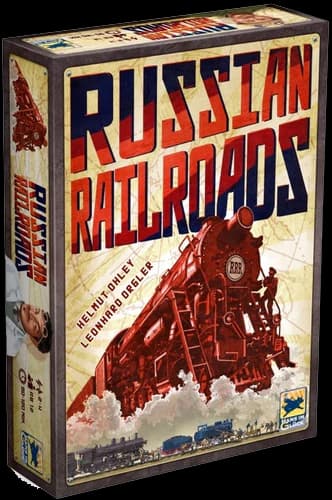
In Russian Railroads, players step into the roles of ambitious railway magnates competing to build the most advanced and expansive rail network across the vast expanse of 19th-century Russia. The primary goal is to accumulate the most victory points by developing three key railway lines on your personal player board: the legendary Trans-Siberian Railroad, and two smaller but crucial lines to St. Petersburg and Kiev. This is a quintessential 'Euro-style' game, where strategic planning, resource management, and efficient action selection are paramount. Victory isn't just about reaching the end of the track first; it's about creating a powerful, point-scoring engine that will leave your rivals in the dust, with final scores often soaring into the hundreds.
The game's engine is driven by a classic worker placement mechanism. Each round, players take turns deploying their workers to a shared central board to claim actions. These actions are the lifeblood of your enterprise, allowing you to lay progressively more valuable tracks, from basic black rails to superior white ones. To capitalize on your expanding network, you must also upgrade your locomotives, as they determine how far along a track you can actually score points. Beyond the rails, players can advance on an industrialization track to unlock powerful bonuses and hire specialized engineers who grant unique, game-long advantages. Every decision is critical, as action spaces are limited, creating a tense and interactive environment where you must constantly adapt to your opponents' strategies.
Russian Railroads is celebrated for its remarkable strategic depth and high replayability. While several paths to victory exist—focusing on a single super-powered rail line, balancing all three, or pushing industrialization—the game's tight, often described as 'vicious,' worker placement system ensures no single strategy is always dominant. Players love the puzzle-like challenge of optimizing their turns and the immense satisfaction of seeing their carefully constructed engine pay off with massive point gains in the later rounds. Its reputation as a challenging, 'thinky' game makes it a beloved staple for gamers who crave a deep, competitive experience with a rewarding and climactic finish.
2-4 120m⚖️ 3.6
BoxNo Cover Art
RANK #154
Vinhos: Deluxe Edition is a wine-themed strategy game designed for 2-4 players, where each player takes on the role of a wine merchant aiming to accumulate wealth and prestige by collecting and trading rare wines.
The game's objective is multifaceted. On one hand, players must navigate the complexities of wine production, harvesting grapes, fermenting, aging, and bottling. This process involves resource management, as players need to allocate their resources efficiently to produce high-quality wines. The game also incorporates a trading mechanism, where players can exchange wines with each other, either directly or through auctions.
Another crucial aspect of the game is the auction mechanism, which adds an element of unpredictability and strategy. Players must carefully evaluate the value of their wines and bid strategically to acquire rare and valuable bottles. The game also features a reputation system, where players' actions affect their standing among other merchants, influencing the trading dynamics.
The game's components include high-quality wooden tokens, wine cards, and a beautifully designed board that simulates the vineyard landscape. The deluxe edition includes upgraded components, such as wooden barrels and improved card quality.
2-4 60m⚖️ 3.5
BoxNo Cover Art
RANK #155
Yokohama
2016Yokohama is a strategic game for 2-4 players that takes approximately 45-60 minutes to play. The goal of the game is to build a thriving city by collecting and trading resources, managing your workforce, and constructing buildings. Players take on the role of mayors tasked with developing their respective cities in Japan's second-largest metropolitan area.
The gameplay revolves around resource management, where players collect and trade cards featuring various goods such as food, textiles, and ceramics. These resources are used to construct buildings, which provide bonuses and benefits. The game also features a unique mechanic called 'workforce management,' where players must manage their workforce's skills and abilities to optimize their building construction.
One of the key aspects of Yokohama is its thematic appeal. Players become immersed in the world of 19th-century Japan, with beautifully illustrated cards and components that evoke a sense of nostalgia and wonder. The game also features a high level of replayability, thanks to the random distribution of resources and building cards.
Overall, Yokohama offers a unique blend of strategic resource management, workforce optimization, and thematic immersion, making it an engaging experience for players who enjoy strategic games with depth.
2-4 45m⚖️ 3.0
RANK #172
Targi
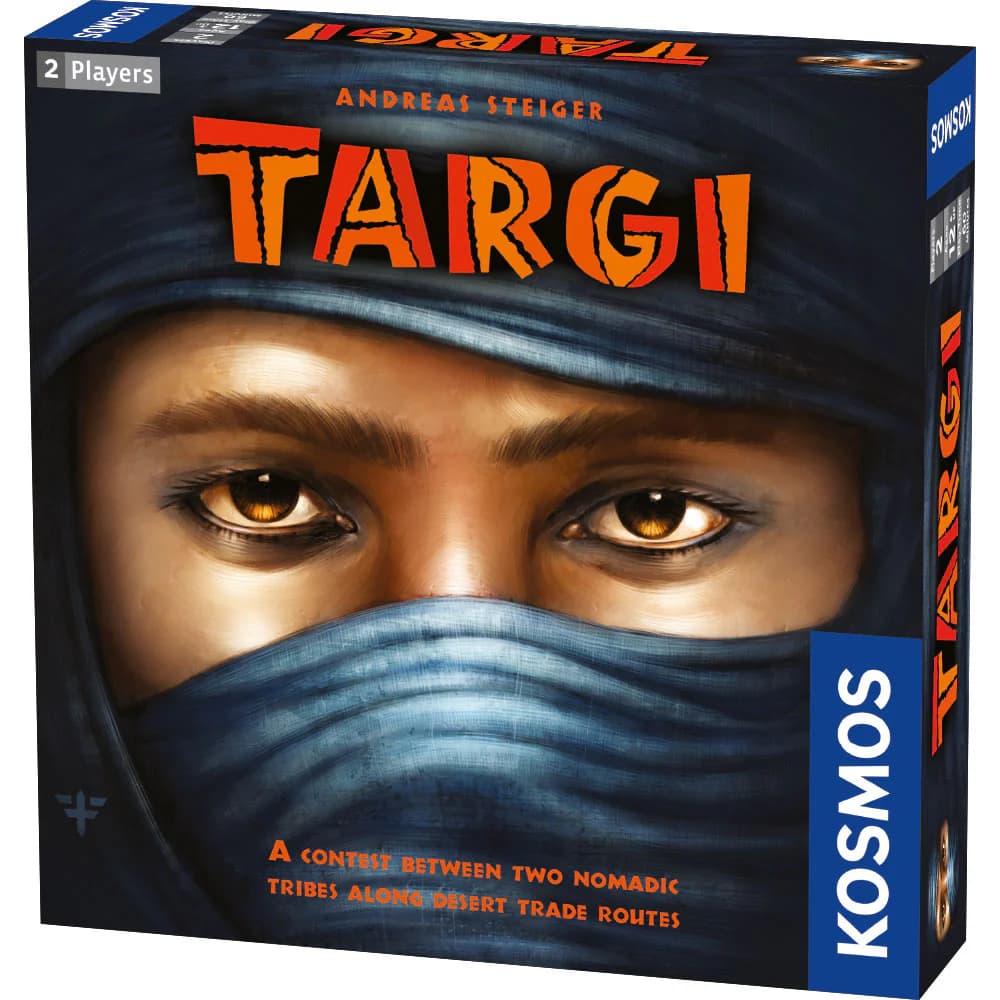
2012Targi is a critically acclaimed two-player board game that transports players to the Sahara desert, placing them as leaders of Tuareg tribes. The primary goal is to gain wealth and influence, measured in victory points, by strategically trading essential goods like dates, salt, and pepper. Players use these resources to acquire valuable gold and, more importantly, to expand their tribe by purchasing Tribe cards. These cards not only provide immediate or ongoing benefits but also form sets that are crucial for end-game scoring. The player who most effectively manages their resources and builds the most impressive tableau of tribe cards will be declared the winner.
The gameplay of Targi is centered around a clever and unique worker placement mechanism. The game board is a dynamic 5x5 grid of cards, with a border of fixed action cards surrounding a variable 3x3 interior of goods and tribe cards. On their turn, each player places one of their three Targi figures on an available border card. The twist is that after all Targi are placed, players also place tribe markers on the intersection points of the rows and columns their Targi occupy. This means each placement is a dual-purpose decision, granting access to actions on the border cards as well as the powerful resource or tribe cards in the center of the grid. This creates a tense puzzle of blocking, predicting, and optimizing every single turn.
Targi is beloved for packing an immense amount of strategic depth and tense player interaction into a relatively small and elegant package. The intersection mechanic is the star of the show, creating a direct but non-aggressive form of conflict where blocking your opponent's desired spot is as important as securing your own. This constant back-and-forth makes every decision feel meaningful. The game’s variable setup ensures that no two games are ever the same, offering high replayability. For players seeking a pure, brain-burning two-player experience that is easy to learn but difficult to master, Targi stands as a modern classic in the genre, renowned for its tight design and engaging gameplay.
2 60m⚖️ 2.4
RANK #176
Alchemists
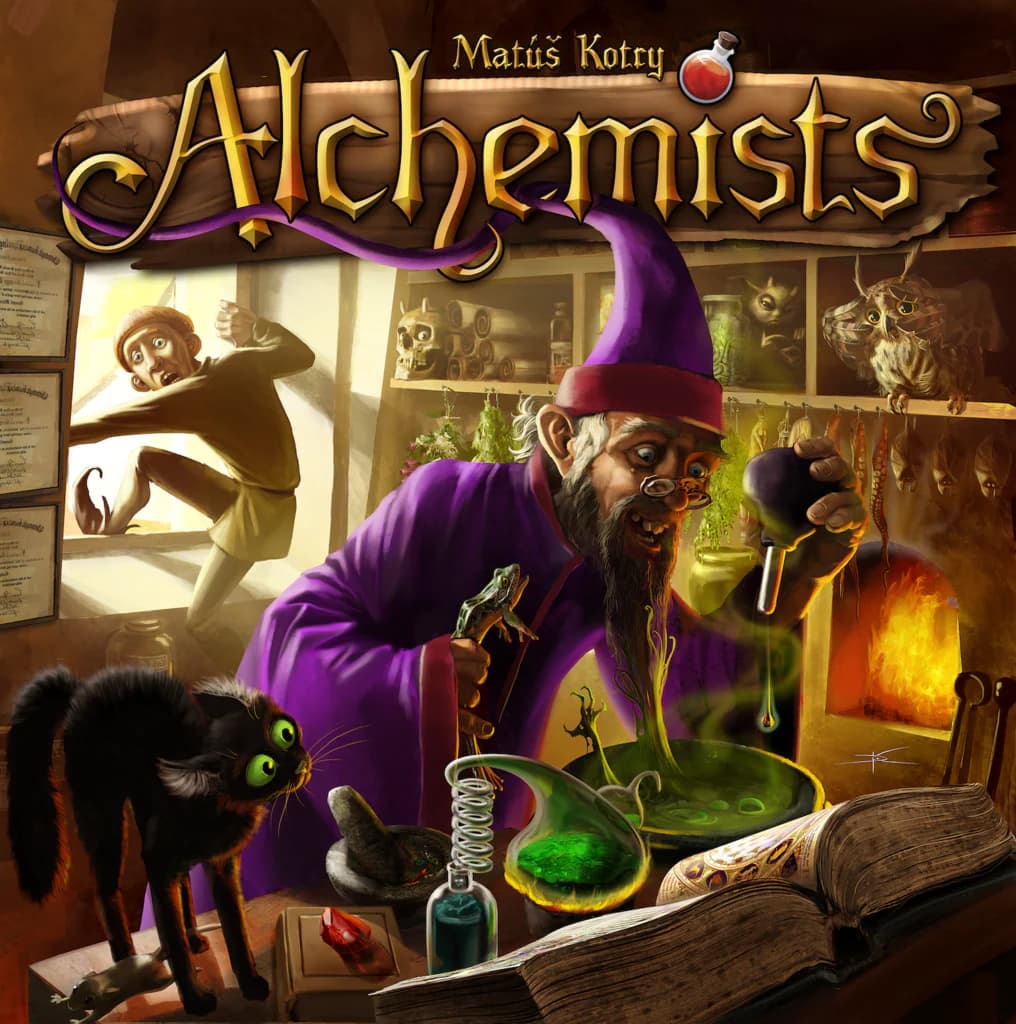
2014In Alchemists, players compete to become the most esteemed scientist in a magical land by unraveling the secrets of their craft. The primary goal is to earn reputation by correctly identifying the alchemical composition of eight mystical ingredients. Each ingredient is composed of a unique combination of three aspects—red, green, and blue—with either a positive or negative charge. A companion smartphone app randomizes these properties at the start of each game, ensuring that every session presents a fresh logical puzzle. By mixing ingredients and scanning the combination with the app, players discover the resulting potion, providing crucial clues to deduce the true nature of their components. This blend of scientific method and magical theme creates a unique challenge of pure deduction.
The gameplay unfolds over six rounds, structured around a clever worker placement system. Players first commit to a turn order, where choosing to act later grants better resources but gives rivals first pick of action spaces. Actions include foraging for new ingredients, transmuting them directly into gold, selling potions to visiting adventurers, and purchasing powerful artifacts that provide unique advantages. The core of the game, however, revolves around experimentation and publication. Players can test potions on students or on themselves, risking negative side effects for valuable knowledge. Using a deduction grid, they track results to eliminate possibilities. The ultimate goal is to publish theories on specific ingredients, a risky move that grants significant reputation if correct, but incurs penalties if proven false by a competitor.
Alchemists is beloved for being a true 'brain-burner' that brilliantly integrates a digital app to facilitate a deep and complex deduction puzzle. The challenge isn't about luck, but about pure logic and strategic risk assessment. There's immense satisfaction in successfully piecing together disparate results to solve the alchemical puzzle before anyone else. The tension of publishing a theory you believe to be correct, and the interactive thrill of debunking a rival's flawed research, creates a highly competitive and engaging experience. Its high replayability, thanks to the randomized app setup, and its demanding strategic depth make it a standout title for players who relish a heavy and rewarding intellectual challenge.
2-4 120m⚖️ 4.0

RANK #186
Andromeda's Edge
2024Andromeda's Edge invites players to command a unique faction in a newly discovered, resource-rich sector of the galaxy. As a spiritual successor to the acclaimed fantasy game 'Dwellings of Eldervale', this title trades swords and sorcery for starships and advanced technology. Your objective is to establish dominance over your rivals by earning the most victory points. This is achieved through a combination of territorial expansion, technological advancement, commercial savvy, and military might, creating a grand-scale struggle for supremacy in the unexplored frontiers of space.
The gameplay is centered around a compelling blend of worker placement and engine building, driven by a simple but strategically deep choice each turn: either launch a starship or recall your entire fleet. Launching your ships sends them to various regions to gather resources from planets, claim moons for special abilities, trigger powerful actions at Alliance Bases, or engage rivals and non-player raiders in combat. The dice-based combat system includes an innovative 'targeting' mechanic that lets you mitigate luck by re-rolling dice below your ship's targeting value. Recalling your ships is a pivotal move, allowing you to activate the custom engine of module cards you've assembled on your personal space station, generating a cascade of resources and special actions to power future turns.
What makes Andromeda's Edge so engaging is the satisfying puzzle of building an efficient engine while competing for control on an interactive board. Players must constantly weigh the benefits of expanding their presence against the need to pull back and upgrade their capabilities. Success demands careful planning and advancement along five distinct progress tracks: Science, Industry, Commerce, Civilization, and Supremacy. Each track provides crucial rewards and contributes significantly to your final score. As a medium-to-heavyweight Eurogame, it offers substantial strategic depth and replayability, appealing to gamers who relish intricate systems and multiple, interlocking paths to victory.
1-5 120m⚖️ 3.9
RANK #187
Stone Age
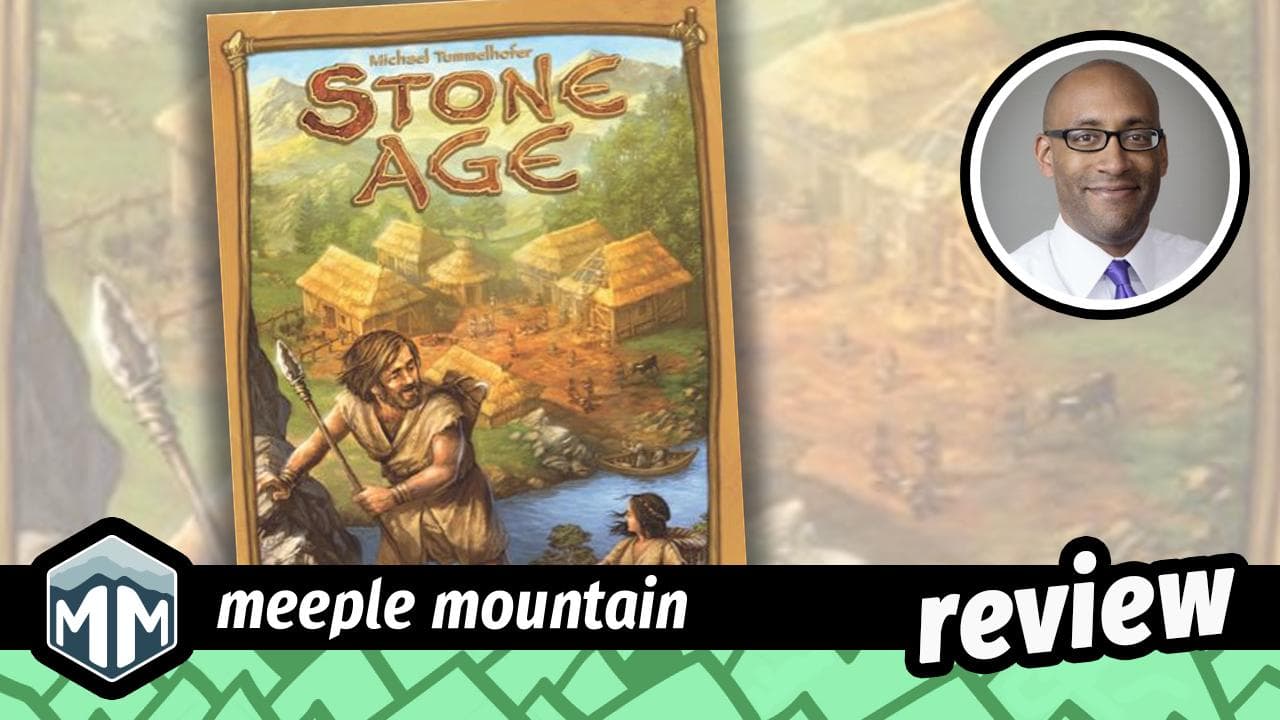
2008Stone Age invites players to the dawn of civilization, casting them as leaders of a burgeoning tribe. This quintessential "gateway" game, first released in 2008, serves as a perfect introduction to the worker placement genre. Your goal is to guide your people to prosperity by strategically gathering resources, developing new technologies, and expanding your village. The ultimate path to victory lies in accumulating the most victory points, which are earned primarily by constructing useful buildings and acquiring valuable civilization cards. These cards reward players for achieving specific long-term goals, such as building a diverse village or growing a large tribe. The player who best balances the immediate needs of their people with the foresight required for a thriving society will be crowned the winner.
The core gameplay is structured around a simple, repeating cycle: placing workers, taking actions, and feeding your tribe. In turn order, players assign their tribe members to various action spaces on the board. These locations allow for hunting, gathering resources (wood, clay, stone, gold), expanding your family, improving agriculture, or crafting helpful tools. Competition for limited spots creates engaging player interaction. Once all workers are placed, their actions are resolved. Resource gathering introduces a clever dice-rolling mechanism: the number of workers sent determines the number of dice you roll. The total is then divided by a specific value for each resource type to determine your yield, creating a fun risk-reward system. Finally, each round concludes with the critical feeding phase, where every tribe member requires food, pushing players to maintain a sustainable food supply or risk penalties.
The enduring appeal of Stone Age lies in its masterful blend of accessibility and satisfying strategic depth. Its rules are easy to grasp, making it an excellent choice for families and those new to the hobby. Yet, the game offers a wealth of meaningful choices that keep experienced players engaged. Do you prioritize increasing your population for more actions, or focus on agriculture to ease the constant demand for food? Do you pursue immediate points from buildings or invest in civilization cards for a big payoff at the end? The element of luck from the dice rolls adds just enough unpredictability to keep the game exciting and prevent it from becoming a purely deterministic puzzle. This elegant design, combined with Michael Menzel's charming and thematic artwork, creates a warm, inviting, and highly replayable experience that remains a staple in the board gaming world.
2-4 75m⚖️ 2.4
RANK #243
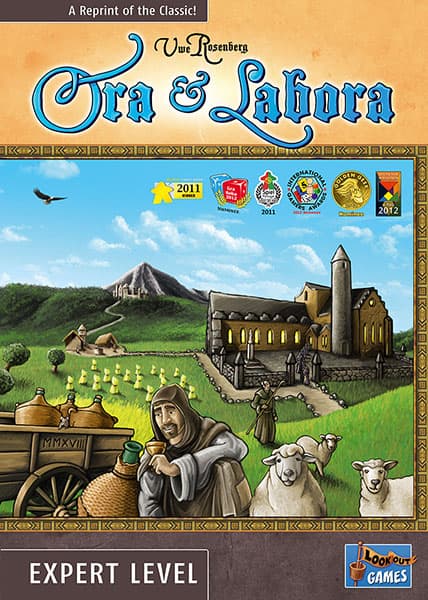
Ora et Labora
2011In *Ora et Labora*, Latin for 'Pray and Work', players step into the shoes of a monastic leader during the medieval era, tasked with expanding a small priory into a thriving and prosperous domain. Designed by the acclaimed Uwe Rosenberg, this game challenges players to skillfully manage resources, land, and labor to construct a powerful economic engine. The ultimate goal is to accumulate the most wealth and victory points by building an impressive landscape of buildings and settlements, proving your monastery to be the most industrious and prestigious. The game is a heavyweight strategic experience, demanding careful planning and foresight from its very first turn.
The gameplay revolves around a sophisticated blend of worker placement and resource management, elevated by several unique mechanical twists. Each player commands three clergymen who are placed on building cards to activate production or conversion actions. A key strategic consideration is that once a worker is placed, they cannot be used again until all three have been deployed. Players can also pay opponents to use their buildings, creating a layer of player interaction. A central feature is the innovative production wheel, which dictates the availability of basic resources each round. Instead of simply accumulating tokens, players must time their actions to gather goods when the wheel shows a high supply. These raw materials are then funneled through an intricate network of buildings to create refined goods like books, relics, and spirits, showcasing a deeply satisfying engine-building core.
*Ora et Labora* is celebrated by strategy gamers for its immense depth and high replayability. The spatial puzzle of arranging buildings on your personal landscape is a critical and engaging challenge; placement matters not only for optimizing your production chains but also for maximizing the scoring of settlements. The game further enhances its longevity by including two distinct scenarios, France and Ireland, which feature different buildings and resources, demanding new strategies with each playthrough. This combination of deep engine-building, a clever resource system, and a demanding spatial element makes *Ora et Labora* a classic and rewarding experience for those who relish complex, 'big box' eurogames.
1-4 120m⚖️ 4.3

RANK #246
Village
2011In Village, you are entrusted with the fate of a multi-generational family living in a medieval hamlet. Your primary objective is to guide your family members through their lives, helping them achieve greatness and earn the most prestige points. This is not just a game of prosperity but also of legacy. As your family members work in various professions—from farming and crafting to politics and religion—they contribute to your growing reputation. The game cleverly weaves the narrative of life and death into its core, where the ultimate goal is to have your most accomplished family members immortalized in the village chronicle, ensuring their story, and your victory, is remembered for ages.
The gameplay combines worker placement with a unique action selection mechanism. Each round begins with various action spaces on the board being populated with influence cubes of different colors. On your turn, you'll select a cube from a space, which then allows you to perform the associated action. These actions are diverse, allowing you to harvest grain, produce goods at a workshop, sell wares at the market, travel to distant lands, or gain influence in the church or village council. A standout mechanic is the treatment of time as a finite resource. Many actions cost time, which is tracked on your personal farm board. When your time marker completes a full circle, one of your oldest family members passes away. How and where they die is crucial; a life well-lived could mean a prestigious entry in the chronicle, while an uncelebrated death leads to an unmarked grave. The game concludes when either the chronicle or the graveyard fills, triggering the final scoring.
Village has earned critical acclaim, including the prestigious 2012 Kennerspiel des Jahres award, for its brilliant synthesis of theme and mechanics. Players love the poignant and surprisingly personal experience of managing a family lineage. The ever-present ticking clock and the inevitability of death add a layer of thematic depth rarely seen in Euro-style games. It forces players to make tough, long-term decisions about which family members to specialize and when to let them go for the sake of the family's legacy. This creates a compelling narrative arc within a strategically robust framework, offering a deeply engaging and memorable experience that goes beyond simple point optimization. It’s a game where every choice matters, not just for the score, but for the story you create for your family.
2-4 90m⚖️ 3.1

RANK #261
Coimbra
2018Step into the vibrant heart of Portugal during its golden Age of Discovery in Coimbra, a masterfully designed strategy game where players assume the roles of heads of the city's most influential houses. Your goal is to amass the most prestige and secure your family's legacy as the most prominent in all of Portugal. This is achieved by carefully currying favor with the city's most powerful citizens—clerics, scholars, merchants, and councilmen—as well as funding ambitious new voyages and supporting the local monasteries. Every decision is a calculated risk, a bid for influence in a city teeming with opportunity. Victory points are the ultimate measure of success, earned through a variety of avenues, demanding a flexible and forward-thinking strategy to outmaneuver your rivals.
The gameplay of Coimbra revolves around a clever and multi-faceted dice-drafting mechanism that serves as the engine for all your actions. Each round, players select dice from a central pool. The value of a chosen die dictates the turn order for actions and the price you'll pay, while its color determines which of the four main influence tracks you'll benefit from. These dice are then used to acquire powerful character cards from different city districts, each offering unique abilities, immediate resources, or crucial end-game scoring bonuses. As you gain characters, you'll advance on the corresponding influence tracks, which provide income in the form of coins, guards, pilgrim movements, and victory points. This intricate web of choices forces players to constantly evaluate the opportunity cost of every die they select.
Coimbra is highly regarded for the elegant way its systems interlock, creating a deeply engaging and satisfying puzzle. The dual nature of the dice—where both color and value are critically important—presents a fresh challenge on every turn, rewarding players who can best adapt their plans. With numerous paths to victory, from specializing in lucrative voyages to building a powerful engine from synergistic character cards and diploma sets, the game offers exceptional replayability. It strikes a perfect balance, being accessible enough for those new to mid-weight Eurogames while offering the strategic depth and tight competition that seasoned players crave. Its compelling decision-making and rewarding gameplay loop make it a standout title in the dice-drafting genre.
2-4 90m⚖️ 3.3