Family Games
Browse all Family board games in the Meeple Pulse database.
Styles
Themes
AbstractAdventureAncientAnimalsArtBusinessCard GameCo-operativeComic BookCooperativeCrimeEconomicEnvironmentalismExplorationFantasyHistoricalHorrorHumorIntrigueLiteraryMagicMarvelMedievalModernMuseumMysteryMythologyNatureNauticalPoliticalPress Your LuckSatireSci-FiSocial CommentarySocial InteractionSpaceSuperheroesThematicTravelWarWesternWord-Guessing
Mechanics
3D PlacementActingAction / DexterityAction DraftingAction Point AllowanceAction Point Allowance SystemAction Point SystemAction PointsAction ProgrammingAction QueueAction RetrievalAction SelectionAction/EventAlliancesAlternate ActivationApp-AssistedApp-DrivenArea ControlArea InfluenceArea MajorityArea Majority / InfluenceArea MovementArgumentationAsymmetricAsymmetric FactionsAsymmetric GameAsymmetric PowersAsymmetrical PowersAuction & BiddingAuction/BiddingAuctioningBag BuildingBettingBetting and BluffingBetting and WageringBetting and WagersBiddingBingoBlind BiddingBluffingCampaign / Battle Card DrivenCampaign / LegacyCampaign / Legacy GameCampaign / Mission-basedCampaign / ScenariosCampaign GameCampaign PlayCard DraftingCard DrawingCard DrivenCard Driven ActionCard Driven CombatCard Driven Dice AllocationCard Driven MovementCard ManagementCard PlayCard Play / Hand ManagementCard Play Conflict ResolutionCard SheddingCard-Driven MovementCharacter CreationCharacter ProgressionChit-Pull SystemCo-op PlayCo-operative GameCo-operative PlayCode-breakingCombat ResolutionCombo ChainCommand CardsCommodity SpeculationCommunication LimitsContract FulfillmentContractsCooperative GameCooperative GameplayCooperative PlayCooperative Trick-takingDebateDeck BuildingDeck ConstructionDeck, Bag, and Pool BuildingDeck-BuildingDeductionDexterityDice DraftingDice PlacementDice RollingDiplomatic InfluenceDraftingDynamic Battle SystemEnclosureEnd Game BonusesEngine BuildingEngine-BuildingEscape RoomEvent DrivenExplorationFarmingFlip and WriteFollowFollow ActionGrid CoverageGrid MovementHand ManagementHex-and-CounterHexagon GridHidden MovementHidden RolesI Cut You ChooseIncomeInfluence / Area MajorityLadder ClimbingLegacyLegacy ElementsLegacy GameLegacy SystemLimited CommunicationLine DrawingLine of SightMancalaMap MovementMarketMarket DraftingMarket ManipulationMarket MechanicMarket SpeculationMatchingMeasurement MovementMemoryMission ObjectivesModular BoardModular Board ConstructionMovement TemplatesMulti-Use CardsMulti-use CardsMultiple ScenariosMust FollowNarrative ChoiceNarrative Choice / ParagraphNegotiationNegotiation MechanicsNetwork & Route BuildingNetwork BuildingNetwork and Route BuildingOne vs ManyOne vs. ManyOpen DraftingPaper-and-PencilPartnershipsPattern BuildingPattern RecognitionPick-up and DeliverPlayer EliminationPlayer InteractionPlayer JudgePoint SaladPoint to Point MovementPolyominoesPush Your LuckPush-Your-LuckPuzzlePuzzle-LikePuzzle-SolvingRaceReal-TimeRecipe FulfillmentResource ManagementRole PlayingRole SelectionRoll / Spin and MoveRondelRoute BuildingRoute-BuildingRoute/Network BuildingSanity SystemScenario / Campaign PlayScenario / Mission / Campaign GameScenario / Mission FunctionSecret Unit DeploymentSemi-Cooperative GameSet CollectionSheddingSimulationSimultaneous ActionSimultaneous Action SelectionSimultaneous Hidden AllocationSocial DeductionSocial InteractionSolo / Solitaire GameSpace ExplorationStat Check / Skill CheckStock HoldingStorytellingStrategic PlanningTableau BuildingTactical Decision-MakingTake ThatTargeted CluesTeam PlayTeam-Based GameTeam-Based GuessingTeamworkTech TreesTech Trees / Tech TracksTechnology & Armament TracksTechnology TreeTension & Aggression TracksTile DraftingTile LayingTile PlacementTime TrackTime TravelTower DefenseTrack MovementTradingTrick-takingTug of WarTurn Order: PassTurn Order: Stat-BasedUnit PlacementVariable Phase OrderVariable Player PowersVariable Set-upVariable SetupVictory Point TracksVotingWord AssociationWord GameWord GuessingWord-GuessingWord-guessingWordplayWorker Placement
RANK #77
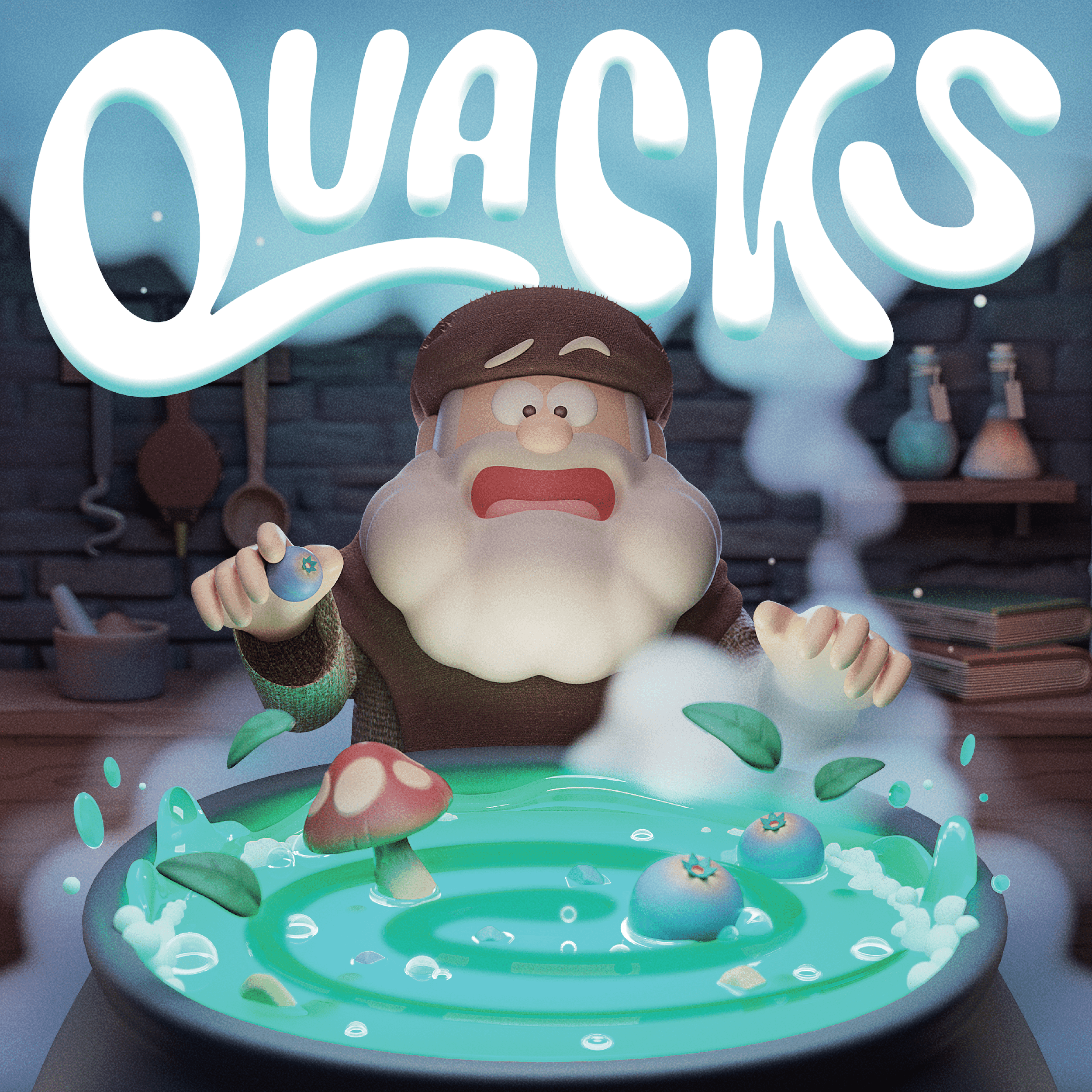
Quacks
2018Quacks is a game that challenges players to collect and trade duck eggs while navigating the complexities of a farmyard ecosystem. Players take on the roles of farmers, each with their own unique abilities and strengths. The goal is to be the first player to collect and return three duck eggs to their respective nests, while also managing the resources and challenges of the farmyard.
The game features a modular board that represents the farmyard, which changes with each playthrough. Players must navigate the different areas of the farm, including the pond, the barn, and the fields, to collect eggs and resources. The game includes various mechanics such as resource management, area control, and trading, which add depth and complexity to the gameplay.
One of the unique features of Quacks is its theme, which combines elements of farming, wildlife conservation, and social interaction. Players must work together to manage the farmyard ecosystem, while also competing against each other to collect eggs and resources. This blend of cooperation and competition creates a dynamic and engaging gameplay experience.
2-4 30m⚖️ 3.0
RANK #187
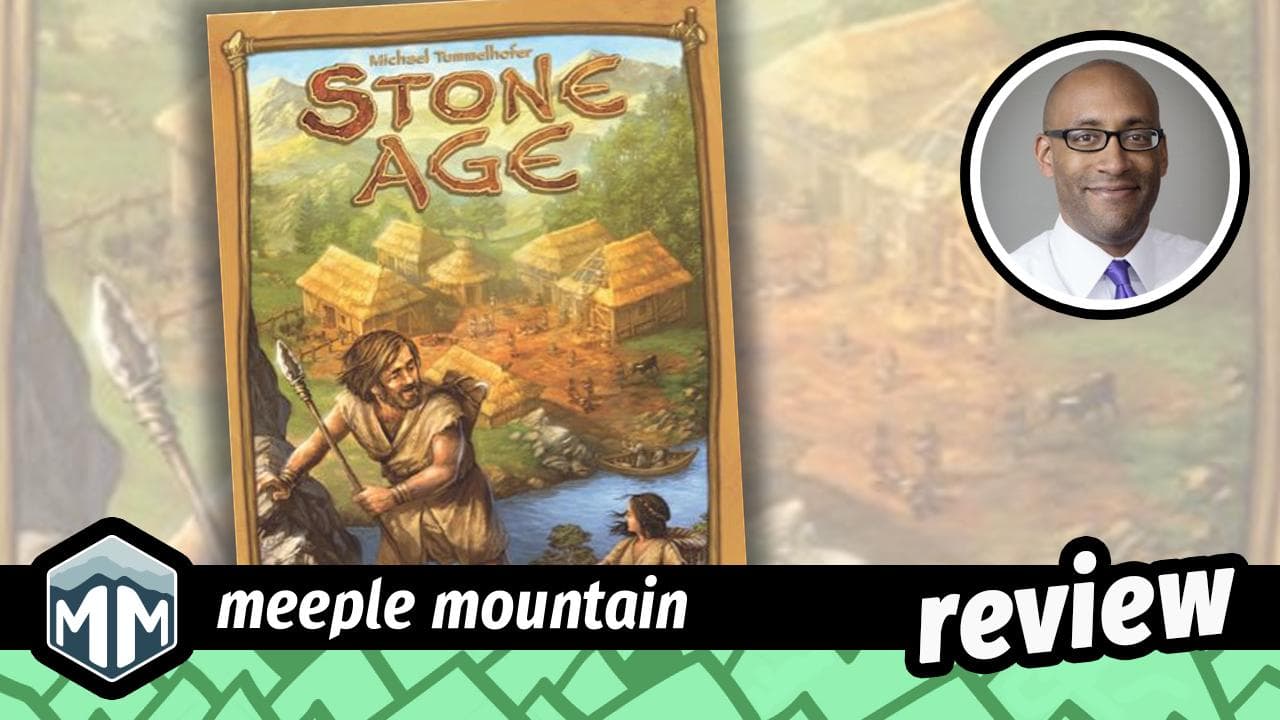
Stone Age
2008Stone Age invites players to the dawn of civilization, casting them as leaders of a burgeoning tribe. This quintessential "gateway" game, first released in 2008, serves as a perfect introduction to the worker placement genre. Your goal is to guide your people to prosperity by strategically gathering resources, developing new technologies, and expanding your village. The ultimate path to victory lies in accumulating the most victory points, which are earned primarily by constructing useful buildings and acquiring valuable civilization cards. These cards reward players for achieving specific long-term goals, such as building a diverse village or growing a large tribe. The player who best balances the immediate needs of their people with the foresight required for a thriving society will be crowned the winner.
The core gameplay is structured around a simple, repeating cycle: placing workers, taking actions, and feeding your tribe. In turn order, players assign their tribe members to various action spaces on the board. These locations allow for hunting, gathering resources (wood, clay, stone, gold), expanding your family, improving agriculture, or crafting helpful tools. Competition for limited spots creates engaging player interaction. Once all workers are placed, their actions are resolved. Resource gathering introduces a clever dice-rolling mechanism: the number of workers sent determines the number of dice you roll. The total is then divided by a specific value for each resource type to determine your yield, creating a fun risk-reward system. Finally, each round concludes with the critical feeding phase, where every tribe member requires food, pushing players to maintain a sustainable food supply or risk penalties.
The enduring appeal of Stone Age lies in its masterful blend of accessibility and satisfying strategic depth. Its rules are easy to grasp, making it an excellent choice for families and those new to the hobby. Yet, the game offers a wealth of meaningful choices that keep experienced players engaged. Do you prioritize increasing your population for more actions, or focus on agriculture to ease the constant demand for food? Do you pursue immediate points from buildings or invest in civilization cards for a big payoff at the end? The element of luck from the dice rolls adds just enough unpredictability to keep the game exciting and prevent it from becoming a purely deterministic puzzle. This elegant design, combined with Michael Menzel's charming and thematic artwork, creates a warm, inviting, and highly replayable experience that remains a staple in the board gaming world.
2-4 75m⚖️ 2.4
RANK #524
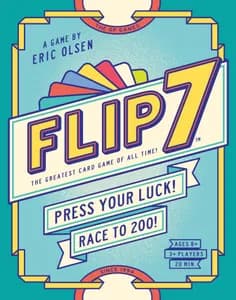
Flip 7
2024Flip 7 is a fast-paced and wonderfully accessible card game where the goal is refreshingly simple: be the first player to empty your hand of all your cards. This straightforward objective, however, hides a delightful mix of light strategy, luck, and clever timing that makes each round an engaging puzzle. The game centers around a shared play area with seven distinct piles. Players start with a hand of seven cards and must thoughtfully play them onto these piles, racing against their opponents to shed their hand and claim victory. Its blend of familiar mechanics with a unique core concept makes it an instant hit for a wide variety of gaming groups.
The gameplay loop is elegant and easy to grasp. On a player's turn, they must select a card from their hand and play it onto one of the seven piles. The rule for a legal play is direct: the card being played must either have a higher numerical value than the top card of the pile or be the exact same color. If a player finds themselves unable to make a valid move, they must draw a card from the deck, momentarily pushing them further from victory. The game's namesake and most exciting mechanic is the "flip." When any player plays a card with the number 7, they get to flip that entire pile over, revealing the card that was originally at the bottom. This newly exposed card now dictates the rule for the next play on that stack, which can dramatically alter the strategic landscape of the board in an instant.
What makes Flip 7 so compelling is its brilliant fusion of classic card-shedding gameplay with this innovative 'flip' twist. It evokes the feel of mass-market classics but introduces an unpredictable element that keeps all players on their toes. A pile that was once an easy target can suddenly become unplayable, while a blocked pile might open up into a perfect opportunity. The strategic heart of the game lies in managing your hand and, most importantly, deciding when to deploy your powerful 7s. Using one can save you from drawing a card, but it might also inadvertently help the next player. This constant tactical tension, combined with its quick playtime and support for one to six players, makes it a perfectly versatile choice for family game nights, a party starter, or a quick filler game.
1-6 15m⚖️ 1.0
RANK #4,046
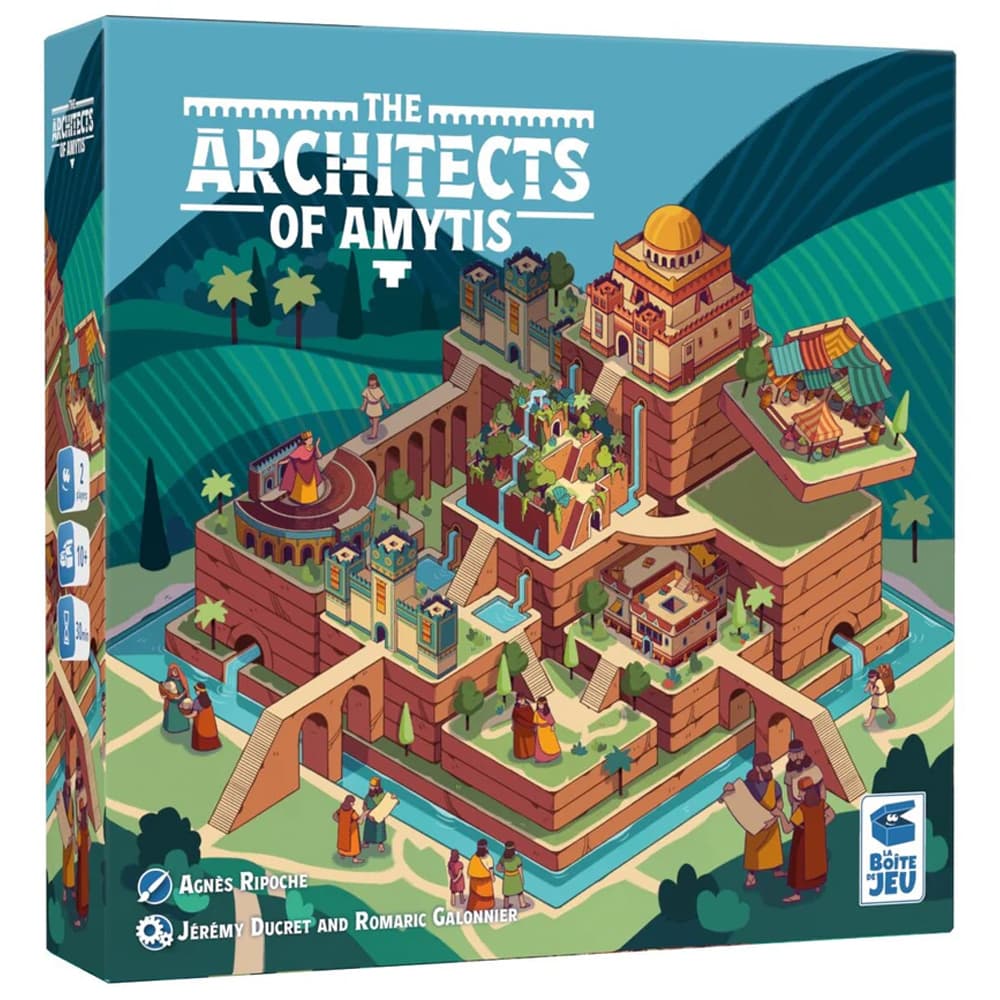
In The Architects of Amytis, two players are transported to ancient Babylon, where they assume the roles of rival architects competing for royal prestige. Commissioned by King Nebuchadnezzar II, your singular goal is to construct the most impressive and magnificent city district for his beloved wife, Queen Amytis. Victory is not achieved through a single grand gesture, but by meticulously accumulating points throughout the game. Players earn points by strategically placing building tiles, completing specific color patterns to satisfy royal 'Project Cards', and cleverly outmaneuvering their opponent to gain the 'King's Favor' for powerful endgame bonuses. The architect with the highest score when the final tile is laid will be celebrated as the greatest builder in all of Babylon.
The gameplay elegantly fuses several mechanics into a tight, interactive duel. The heart of the game is a shared 3x3 market grid, each space holding a stack of building tiles. On your turn, you select and draft one tile from any available stack. However, this choice comes with a crucial consequence: you must immediately place one of your architect pawns onto the now-vacant spot, blocking that stack from both players until your pawn is retrieved. The drafted tile is then placed onto your personal 3x3 city board, either on an empty space or atop an existing tile. Each placement triggers immediate scoring based on the building's type, with variable scoring cards ensuring no two games feel the same. This core loop is complicated by a brilliant spatial mini-game on the market board; if you successfully align three of your architect pawns in a row, column, or diagonal—much like tic-tac-toe—you earn a significant scoring bonus.
The Architects of Amytis is celebrated for its remarkable depth within a very accessible and fast-paced framework. While the rules can be taught in minutes, the strategic implications of each move are profound. The constant tension between improving your own city and blocking your opponent on the shared market creates a highly interactive and engaging experience. Players must constantly weigh their options: Do you take the perfect tile for your city, or do you draft a less optimal tile purely to block your rival or set up a tic-tac-toe victory on the market? This dual-layer puzzle, combined with high replayability from its modular scoring system, makes it a standout two-player game that offers a sharp, tactical challenge that respects players' time.
2 25m⚖️ 2.1
RANK #18,974
Yotei
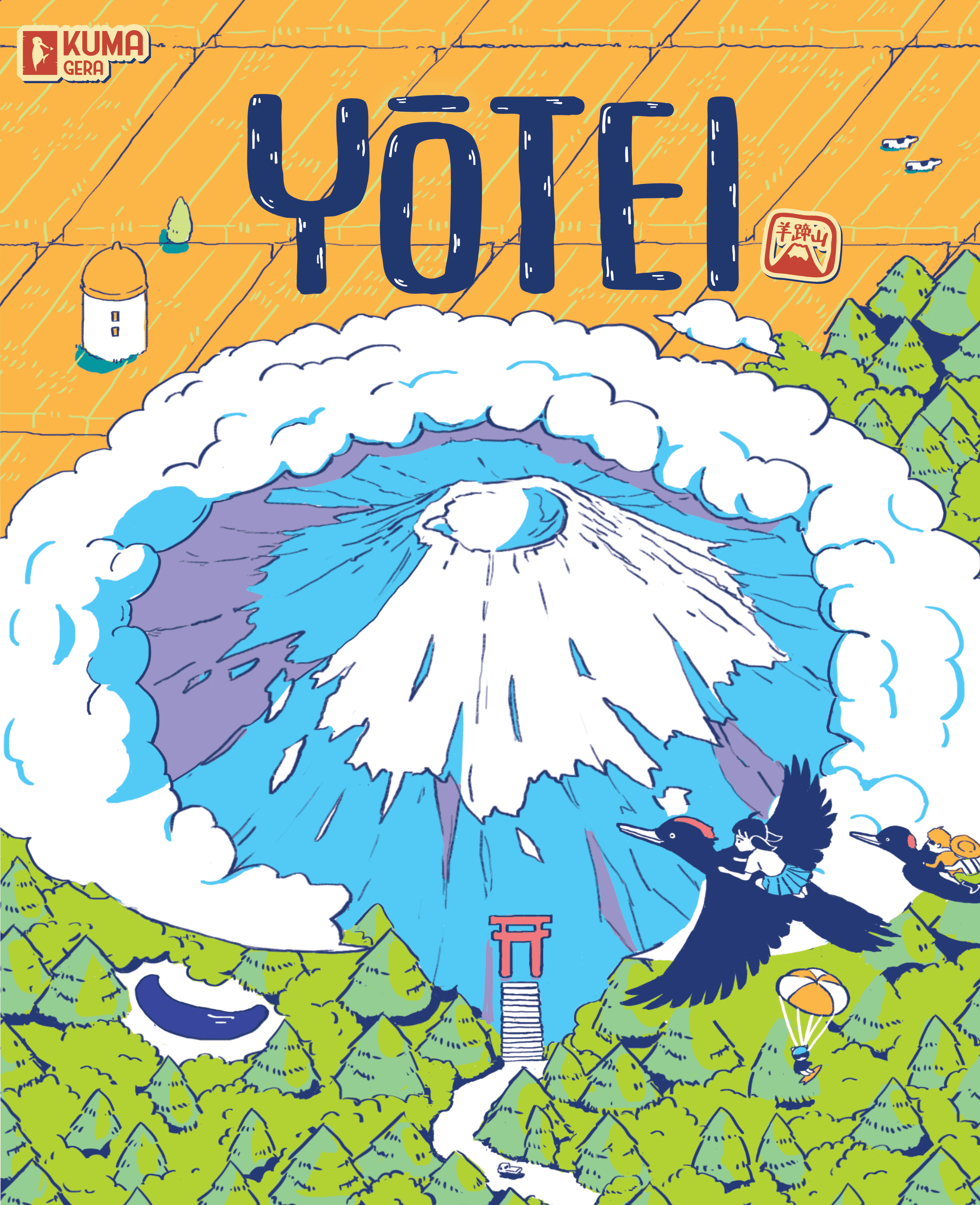
2025Set against the breathtaking backdrop of Mount Yotei in the snowy region of Hokkaido, Japan, 'Yotei' (2025) invites players to step into the roles of ambitious town developers. The primary objective is to construct the most charming, culturally rich Japanese village imaginable. Brimming with authentic local flavor, the game beautifully integrates regional staples such as steaming ramen bowls, tranquil hot springs, traditional shrines, and native wildlife. However, the true lifeblood of this picturesque community is potato farming. In a delightful thematic twist, potatoes serve as the central resource and currency, driving every aspect of your developing local economy as you strive to build the ultimate scenic destination.
At its core, 'Yotei' weaves together highly satisfying tableau and engine-building mechanics with clever worker placement. Players navigate a dynamic three-tiered central market consisting of Forests, Potatoes, and Vending Machines. By spending your hard-earned physical potato tokens, you can draft lower-tier cards that provide permanent icons and discounts, gradually establishing a robust economic engine that makes acquiring valuable higher-tier cards much easier. The action selection is driven by placing adorable, kawaii-style wooden character tokens onto specific spots. Placing a token allows you to claim a card, flip it over to utilize an alternative reward or block a rival, or draw from the unpredictable Mystery Card deck. The game also introduces a thrilling blind-bidding mechanism for highly sought-after market cards. Players secretly stash their potato bids into sealed physical boxes, creating moments of intense psychological bluffing before the big reveal during the round's Harvest Phase.
The experience shines because it perfectly balances accessible, family-friendly rules with surprising strategic depth and tactical player interaction. The inclusion of Mystery Cards injects a dash of take-that excitement, allowing players to freeze opponent's cards, force market reshuffles, or cunningly steal resources when least expected. The game races toward a climax, ending as soon as one developer manages to secure two top-tier Star cards, triggering a final tally of Charm Points represented by hearts on their completed tableau. Beyond the engaging gameplay loop, 'Yotei' is celebrated for its stunning visual presentation. Illustrator Maria Kato drew direct inspiration from real citizens, events, and landscapes of the Niseko region to create the game's captivating artwork. Furthermore, the physical production goes above and beyond by utilizing actual, sustainably sourced Hokkaido wood for its tokens, making the game a tactile joy that pays genuine homage to its beautiful real-world setting.
2-4 45m⚖️ 2.3
BoxNo Cover Art
Get Packing!
2017Get Packing! is a travel-themed board game designed for 2-4 players, where each player takes on the role of a traveler trying to pack their luggage efficiently. The goal is to be the first player to check in at the airport and depart for their destination. Players must carefully select items from their inventory to pack into their suitcase, taking into account factors such as weight, size, and priority. The game requires strategic thinking and planning ahead, as players need to balance the need to pack essential items with the limited space available in their luggage.
The gameplay is divided into several rounds, each representing a different stage of packing. Players start by selecting items from their inventory and placing them in their suitcase, taking care not to exceed the weight limit. They can also use special cards to help them pack more efficiently or to gain an advantage over their opponents. As players progress through the game, they must adapt to changing circumstances, such as unexpected delays or changes in weather.
One of the unique features of Get Packing! is its innovative packing mechanism, which requires players to think creatively about how to fit all their items into their suitcase. The game also includes a variety of challenges and obstacles that players must overcome, adding an extra layer of excitement and unpredictability to the gameplay.
2-4 30m⚖️ 3.0
Cheeky Monkeys
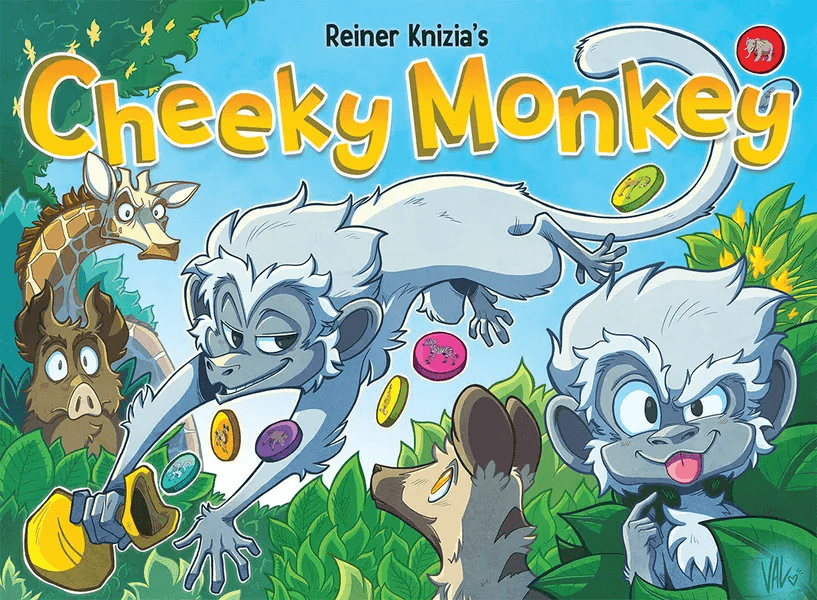
2016In Cheeky Monkeys, 2-4 players take on the role of mischievous monkeys, swinging through the jungle to collect bananas and outsmart their opponents. The goal is to be the first player to collect a set number of bananas, while navigating obstacles and stealing from others.
On each turn, players draw a card, which may allow them to move around the board, steal bananas from other players, or use special abilities to hinder their opponents. Players must strategically plan their moves to maximize their chances of winning, all while staying one step ahead of their competitors.
What makes Cheeky Monkeys unique is its blend of strategy and luck. Players need to balance the risks and rewards of each move, as well as adapt to changing circumstances on the board.
Despite its simple gameplay, Cheeky Monkeys requires a deep understanding of the game's mechanics and a keen sense of timing. As players navigate the jungle, they'll need to be clever and resourceful to emerge victorious.
2-4 30m⚖️ 2.0

Step into the vibrant and meticulous world of bargello embroidery in "Threaded: A Game of Needles and Points." In this beautifully crafted game, players take on the role of passionate needlecraft artisans competing to establish the most renowned and successful studio. Your ultimate goal is to earn the most points by skillfully managing resources, completing stunning needlework projects, and fulfilling lucrative commissions. Through careful planning and a keen eye for color, you will transform simple threads into intricate canvases, building a legacy as the most celebrated stitcher in the community. The game invites you to immerse yourself in a unique, creative theme, blending the satisfaction of crafting with the challenge of strategic gameplay.
At its heart, "Threaded" is an accessible worker placement game. The central loop involves strategically dispatching your assistant-themed worker blocks to various shops around the board. Each location offers distinct advantages, primarily allowing you to gather thread cubes in a variety of colors. These threads are the essential resource you'll use to complete pattern cards and satisfy client commissions. A key strategic decision point arises constantly: should you patiently wait to collect the perfect assortment of colors for a high-value project, or should you adapt your plans and make do with the threads currently available? Beyond collecting threads, you can also visit artisans to acquire special equipment, enhancing your studio's capabilities and efficiency. A notable and whimsical mechanic is the "thread tower," a component that introduces an element of chance, simulating the delightful hunt for a bargain at the bottom of a craft basket.
"Threaded" distinguishes itself with its charming and underserved theme, bringing the art of bargello to the tabletop in an engaging way. Its mechanics are intentionally straightforward, making it an excellent gateway game for those new to worker placement or modern board games in general, while still offering enough tactical depth to keep experienced players engaged. The game's appeal is significantly enhanced by its beautiful aesthetic, brought to life by artist Maria Surducan. Perhaps its most unique feature is the inclusion of a physical mini bargello kit, which allows players to craft their own first-player marker. This clever addition creates a tangible connection to the game's theme, offering a memorable, hands-on experience that beautifully bridges the gap between the world of board games and the world of handicrafts. It's a game that celebrates creativity, strategic thinking, and the simple joy of making something beautiful.
2-5 45m⚖️ 1.9
BoxNo Cover Art
Green Finger
2018Green Finger is a gardening-themed board game designed for 2-4 players, where each player takes on the role of a gardener competing to grow and harvest the most valuable plants. The game's objective is to collect and cultivate a diverse range of plant species, while also managing resources and navigating the challenges of weather and pests.
Gameplay involves collecting seed cards, which represent different plant species, and placing them in the garden area on the board. Players must balance their resource management by allocating space for each plant, ensuring they have enough water, sunlight, and nutrients to support growth. As plants mature, players can harvest them to earn points.
The game features a unique mechanic called 'weather events,' which introduces an element of unpredictability. Weather cards can either help or hinder player progress, forcing them to adapt their strategies on the fly. Additionally, pests and diseases can affect plant health, requiring players to make tough decisions about resource allocation and risk management.
One of the key aspects that sets Green Finger apart is its focus on thematic depth. The game's designers have carefully crafted a rich and immersive world, complete with detailed illustrations and engaging gameplay mechanics. Players must think strategically about their plant selection, resource management, and weather adaptation to succeed.
m⚖️ 3.0
BoxNo Cover Art
Happiness is a board game designed for 2-4 players, where the goal is to create a harmonious and fulfilling life by collecting and managing various aspects of happiness. Players take on the role of individuals seeking to achieve a balance between work, relationships, and personal growth. The game is played over several rounds, with each round representing a year in the player's life. At the end of each round, players reflect on their progress and make decisions about how to allocate their time and resources for the next year.
The game features various mechanics that allow players to collect and manage happiness tokens, which represent different aspects of well-being such as relationships, work-life balance, and personal growth. Players can also draw 'event' cards, which introduce challenges and opportunities that require them to adapt and make strategic decisions. The game includes a unique 'happiness meter', which tracks the player's overall level of happiness throughout the game.
One of the key features of Happiness is its focus on emotional intelligence and self-awareness. Players must navigate complex relationships and make difficult choices, all while maintaining a sense of balance and harmony in their lives. The game encourages players to think critically about what truly brings them happiness and to prioritize their values and goals accordingly.
Happiness has gained popularity among gamers who appreciate its unique blend of strategy and emotional intelligence. Players praise the game's engaging mechanics and its ability to spark meaningful conversations about what it means to live a happy and fulfilling life.
m⚖️ 2.5