Historical Games
Browse all Historical board games in the Meeple Pulse database.
Styles
Themes
AbstractAdventureAncientAnimalsArtBusinessCard GameCo-operativeComic BookCooperativeCrimeEconomicEnvironmentalismExplorationFantasyHistoricalHorrorHumorIntrigueLiteraryMagicMarvelMedievalModernMuseumMysteryMythologyNatureNauticalPoliticalPress Your LuckSatireSci-FiSocial CommentarySocial InteractionSpaceSuperheroesThematicTravelWarWesternWord-Guessing
Mechanics
3D PlacementActingAction / DexterityAction DraftingAction Point AllowanceAction Point Allowance SystemAction Point SystemAction PointsAction ProgrammingAction QueueAction RetrievalAction SelectionAction/EventAlliancesAlternate ActivationApp-AssistedApp-DrivenArea ControlArea InfluenceArea MajorityArea Majority / InfluenceArea MovementArgumentationAsymmetricAsymmetric FactionsAsymmetric GameAsymmetric PowersAsymmetrical PowersAuction & BiddingAuction/BiddingAuctioningBag BuildingBettingBetting and BluffingBetting and WageringBetting and WagersBiddingBingoBlind BiddingBluffingCampaign / Battle Card DrivenCampaign / LegacyCampaign / Legacy GameCampaign / Mission-basedCampaign / ScenariosCampaign GameCampaign PlayCard DraftingCard DrawingCard DrivenCard Driven ActionCard Driven CombatCard Driven Dice AllocationCard Driven MovementCard ManagementCard PlayCard Play / Hand ManagementCard Play Conflict ResolutionCard SheddingCard-Driven MovementCharacter CreationCharacter ProgressionChit-Pull SystemCo-op PlayCo-operative GameCo-operative PlayCode-breakingCombat ResolutionCombo ChainCommand CardsCommodity SpeculationCommunication LimitsContract FulfillmentContractsCooperative GameCooperative GameplayCooperative PlayCooperative Trick-takingDebateDeck BuildingDeck ConstructionDeck, Bag, and Pool BuildingDeck-BuildingDeductionDexterityDice DraftingDice PlacementDice RollingDiplomatic InfluenceDraftingDynamic Battle SystemEnclosureEnd Game BonusesEngine BuildingEngine-BuildingEscape RoomEvent DrivenExplorationFarmingFlip and WriteFollowFollow ActionGrid CoverageGrid MovementHand ManagementHex-and-CounterHexagon GridHidden MovementHidden RolesI Cut You ChooseIncomeInfluence / Area MajorityLadder ClimbingLegacyLegacy ElementsLegacy GameLegacy SystemLimited CommunicationLine DrawingLine of SightMancalaMap MovementMarketMarket DraftingMarket ManipulationMarket MechanicMarket SpeculationMatchingMeasurement MovementMemoryMission ObjectivesModular BoardModular Board ConstructionMovement TemplatesMulti-Use CardsMulti-use CardsMultiple ScenariosMust FollowNarrative ChoiceNarrative Choice / ParagraphNegotiationNegotiation MechanicsNetwork & Route BuildingNetwork BuildingNetwork and Route BuildingOne vs ManyOne vs. ManyOpen DraftingPaper-and-PencilPartnershipsPattern BuildingPattern RecognitionPick-up and DeliverPlayer EliminationPlayer InteractionPlayer JudgePoint SaladPoint to Point MovementPolyominoesPush Your LuckPush-Your-LuckPuzzlePuzzle-LikePuzzle-SolvingRaceReal-TimeRecipe FulfillmentResource ManagementRole PlayingRole SelectionRoll / Spin and MoveRondelRoute BuildingRoute-BuildingRoute/Network BuildingSanity SystemScenario / Campaign PlayScenario / Mission / Campaign GameScenario / Mission FunctionSecret Unit DeploymentSemi-Cooperative GameSet CollectionSheddingSimulationSimultaneous ActionSimultaneous Action SelectionSimultaneous Hidden AllocationSocial DeductionSocial InteractionSolo / Solitaire GameSpace ExplorationStat Check / Skill CheckStock HoldingStorytellingStrategic PlanningTableau BuildingTactical Decision-MakingTake ThatTargeted CluesTeam PlayTeam-Based GameTeam-Based GuessingTeamworkTech TreesTech Trees / Tech TracksTechnology & Armament TracksTechnology TreeTension & Aggression TracksTile DraftingTile LayingTile PlacementTime TrackTime TravelTower DefenseTrack MovementTradingTrick-takingTug of WarTurn Order: PassTurn Order: Stat-BasedUnit PlacementVariable Phase OrderVariable Player PowersVariable Set-upVariable SetupVictory Point TracksVotingWord AssociationWord GameWord GuessingWord-GuessingWord-guessingWordplayWorker Placement
RANK #214
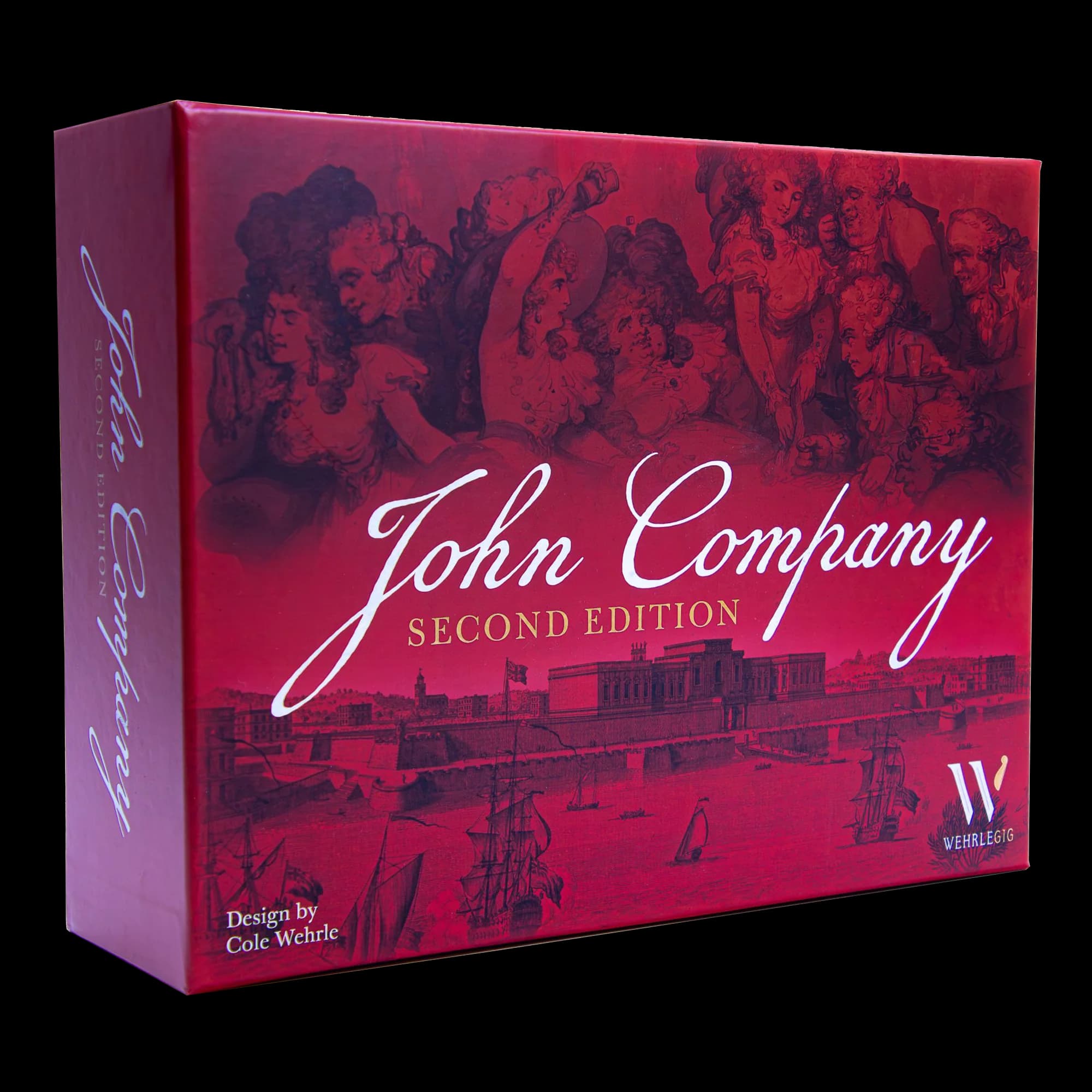
John Company: Second Edition is a deeply immersive and interactive simulation of the British East India Company, a historically powerful but notoriously dysfunctional trading corporation. Players represent ambitious British families seeking to exploit the Company for their own gain. The ultimate goal is not necessarily the Company's success, but rather amassing the greatest personal wealth and prestige for one's dynasty. This is achieved by securing lucrative positions, making shrewd investments, and ultimately retiring family members in a blaze of glory. This second edition is a significant redesign of the 2017 original, featuring a lavish production and refined rules that heighten the strategic depth and political maneuvering.
The gameplay is a masterful blend of semi-cooperative action and cutthroat individualism. On one hand, players must work together to keep the Company financially solvent, as its collapse brings ruin to all. On the other hand, victory is entirely individual. The game's structure revolves around players gaining control of key offices—from the prestigious Chairman to regional Presidents in India—often through tense auctions and brokered deals. In these roles, players execute Company actions like trade, shipping, and military campaigns, where success is often subject to the whims of dice rolls. The game progresses through distinct rounds that include managing private family affairs, voting on transformative laws in Parliament, and navigating the crucial London Season, where prestige is scored and legacies are made.
What truly distinguishes John Company is its unparalleled focus on negotiation and emergent narrative. Success is nearly impossible without engaging in constant deal-making, forming temporary alliances, and even resorting to bribery. The game is a political sandbox where the most memorable moments arise not from scripted events, but from the players' own schemes and betrayals. It brilliantly models a complex bureaucracy where individual ambition clashes with collective responsibility, creating a challenging and unforgettable experience. It appeals to players who relish high interaction, complex systems, and the thrill of turning a sprawling, failing institution into an engine for their own personal triumph.
1-6 180m⚖️ 4.4
RANK #263
Secret Hitler
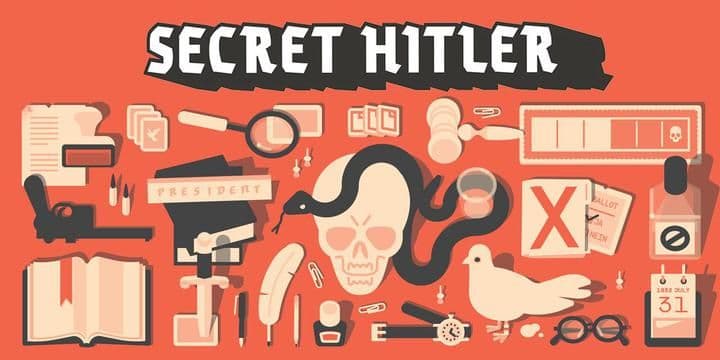
2016Dive into the tumultuous political landscape of 1930s Germany with Secret Hitler, a gripping game of social deduction and hidden identities. Players are secretly assigned to one of two teams: the Liberals, who form the majority, and the Fascists, a smaller, clandestine group that includes the titular Secret Hitler. The core objective for the Liberals is to maintain a fragile democracy by enacting five Liberal policies or by identifying and assassinating the Fascist leader. Conversely, the Fascists aim to seize power by passing six of their own policies or, more insidiously, by successfully electing Secret Hitler as Chancellor once the political climate is sufficiently unstable (after three Fascist policies have been passed). The game's central tension arises from its information imbalance: the Fascists know each other's identities and can coordinate in secret, while the unsuspecting Liberals must navigate a web of lies and accusations to uncover the traitors in their midst.
The gameplay unfolds through a series of rounds, each centered on forming a new government. A presidential role rotates around the table, and the current President must nominate another player to be their Chancellor. The entire table then votes 'Ja!' or 'Nein!' on this proposed ticket. If the government is approved, a legislative phase begins. The President draws three policy cards from a shuffled deck, secretly discards one, and passes the remaining two to the Chancellor. The Chancellor then enacts one of the two policies, discarding the other. Because the deck is mathematically skewed to contain more Fascist cards, even a well-meaning Liberal government might be forced to enact a Fascist policy, creating plausible deniability for actual Fascists and sowing further discord. As more Fascist policies are passed, the President gains access to powerful one-time executive actions, such as investigating a player's loyalty, peeking at upcoming policies, or even executing another player, permanently removing them from the game.
Secret Hitler's immense popularity stems from the raw, dynamic player interaction it fosters. It’s a game less about complex rules and more about reading people, forging temporary alliances, and engaging in masterful bluffs. The constant suspicion creates a thrillingly paranoid atmosphere where every vote and every enacted policy is scrutinized. Players must defend their actions, deflect accusations, and build cases against their opponents, leading to heated debates and dramatic reveals. The elegant design ensures that every decision is fraught with meaning, making each session a unique and memorable experience driven by the personalities and strategies of the players at the table. It thrives on deception and deduction, making it a standout party game for groups who enjoy a healthy dose of intrigue and betrayal.
5-10 45m⚖️ 1.7