Variable Player Powers Games
Browse all Variable Player Powers board games in the Meeple Pulse database.
Styles
Themes
AbstractAdventureAncientAnimalsArtBusinessCard GameCo-operativeComic BookCooperativeCrimeEconomicEnvironmentalismExplorationFantasyHistoricalHorrorHumorIntrigueLiteraryMagicMarvelMedievalModernMuseumMysteryMythologyNatureNauticalPoliticalPress Your LuckSatireSci-FiSocial CommentarySocial InteractionSpaceSuperheroesThematicTravelWarWesternWord-Guessing
Mechanics
3D PlacementActingAction / DexterityAction DraftingAction Point AllowanceAction Point Allowance SystemAction Point SystemAction PointsAction ProgrammingAction QueueAction RetrievalAction SelectionAction/EventAlliancesAlternate ActivationApp-AssistedApp-DrivenArea ControlArea InfluenceArea MajorityArea Majority / InfluenceArea MovementArgumentationAsymmetricAsymmetric FactionsAsymmetric GameAsymmetric PowersAsymmetrical PowersAuction & BiddingAuction/BiddingAuctioningBag BuildingBettingBetting and BluffingBetting and WageringBetting and WagersBiddingBingoBlind BiddingBluffingCampaign / Battle Card DrivenCampaign / LegacyCampaign / Legacy GameCampaign / Mission-basedCampaign / ScenariosCampaign GameCampaign PlayCard DraftingCard DrawingCard DrivenCard Driven ActionCard Driven CombatCard Driven Dice AllocationCard Driven MovementCard ManagementCard PlayCard Play / Hand ManagementCard Play Conflict ResolutionCard SheddingCard-Driven MovementCharacter CreationCharacter ProgressionChit-Pull SystemCo-op PlayCo-operative GameCo-operative PlayCode-breakingCombat ResolutionCombo ChainCommand CardsCommodity SpeculationCommunication LimitsContract FulfillmentContractsCooperative GameCooperative GameplayCooperative PlayCooperative Trick-takingDebateDeck BuildingDeck ConstructionDeck, Bag, and Pool BuildingDeck-BuildingDeductionDexterityDice DraftingDice PlacementDice RollingDiplomatic InfluenceDraftingDynamic Battle SystemEnclosureEnd Game BonusesEngine BuildingEngine-BuildingEscape RoomEvent DrivenExplorationFarmingFlip and WriteFollowFollow ActionGrid CoverageGrid MovementHand ManagementHex-and-CounterHexagon GridHidden MovementHidden RolesI Cut You ChooseIncomeInfluence / Area MajorityLadder ClimbingLegacyLegacy ElementsLegacy GameLegacy SystemLimited CommunicationLine DrawingLine of SightMancalaMap MovementMarketMarket DraftingMarket ManipulationMarket MechanicMarket SpeculationMatchingMeasurement MovementMemoryMission ObjectivesModular BoardModular Board ConstructionMovement TemplatesMulti-Use CardsMulti-use CardsMultiple ScenariosMust FollowNarrative ChoiceNarrative Choice / ParagraphNegotiationNegotiation MechanicsNetwork & Route BuildingNetwork BuildingNetwork and Route BuildingOne vs ManyOne vs. ManyOpen DraftingPaper-and-PencilPartnershipsPattern BuildingPattern RecognitionPick-up and DeliverPlayer EliminationPlayer InteractionPlayer JudgePoint SaladPoint to Point MovementPolyominoesPush Your LuckPush-Your-LuckPuzzlePuzzle-LikePuzzle-SolvingRaceReal-TimeRecipe FulfillmentResource ManagementRole PlayingRole SelectionRoll / Spin and MoveRondelRoute BuildingRoute-BuildingRoute/Network BuildingSanity SystemScenario / Campaign PlayScenario / Mission / Campaign GameScenario / Mission FunctionSecret Unit DeploymentSemi-Cooperative GameSet CollectionSheddingSimulationSimultaneous ActionSimultaneous Action SelectionSimultaneous Hidden AllocationSocial DeductionSocial InteractionSolo / Solitaire GameSpace ExplorationStat Check / Skill CheckStock HoldingStorytellingStrategic PlanningTableau BuildingTactical Decision-MakingTake ThatTargeted CluesTeam PlayTeam-Based GameTeam-Based GuessingTeamworkTech TreesTech Trees / Tech TracksTechnology & Armament TracksTechnology TreeTension & Aggression TracksTile DraftingTile LayingTile PlacementTime TrackTime TravelTower DefenseTrack MovementTradingTrick-takingTug of WarTurn Order: PassTurn Order: Stat-BasedUnit PlacementVariable Phase OrderVariable Player PowersVariable Set-upVariable SetupVictory Point TracksVotingWord AssociationWord GameWord GuessingWord-GuessingWord-guessingWordplayWorker Placement
RANK #125
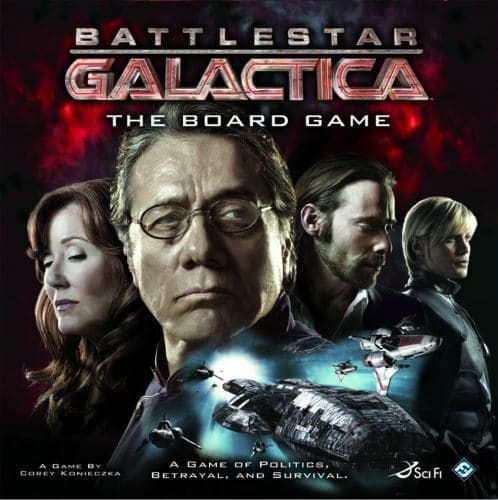
Battlestar Galactica: The Board Game plunges players into the desperate flight of the last vestiges of humanity. It is a deeply thematic, semi-cooperative experience where survival is paramount, but the greatest threat may be sitting right next to you. In this game of hidden allegiances, most players assume the roles of iconic human characters from the television series, working collectively to guide the fleet to its fabled destination, Kobol. To succeed, they must carefully manage four critical resources—fuel, food, morale, and population—and execute a series of faster-than-light jumps to outrun their pursuers. If any resource is fully depleted, or the Galactica itself is destroyed, humanity is lost forever. However, amongst the crew are Cylon traitors, secretly working to ensure this very outcome through subtle sabotage and outright betrayal.
The gameplay masterfully cultivates this atmosphere of paranoia. Each turn, a player draws skill cards representing their character's expertise, moves to a location on the fleet's ships, and performs an action. The turn culminates in drawing a Crisis card, which presents a new challenge the crew must overcome, often through a skill check. This is where the core tension lies. To pass a check, players secretly contribute skill cards to a shared pool. While human players try to contribute cards of the required type to meet a target number, Cylon players can covertly add unhelpful cards to cause a failure. The resulting blame-game and accusations are central to the experience. Further intensifying the suspense is the "Sleeper Agent" phase halfway through the game, where a second loyalty card is dealt, potentially turning a trusted ally into a new enemy.
What elevates Battlestar Galactica to legendary status is its unmatched ability to translate the show's core themes of paranoia and desperation into compelling gameplay. The mechanics are not just abstract puzzles; they are engines for storytelling and intense player interaction. The constant suspicion, the debates over who played which card during a failed skill check, and the dramatic moments when a player reveals themselves as a Cylon are what create unforgettable gaming sessions. It's more than a resource management game; it's a social deduction crucible where your ability to read people, build trust, and sow discord is just as important as your strategic card play. This blend of cooperative survival and hidden traitor mechanics makes every decision fraught with weight and every game a unique narrative of survival and betrayal.
3-6 180m⚖️ 3.3
RANK #138
Eldritch Horror
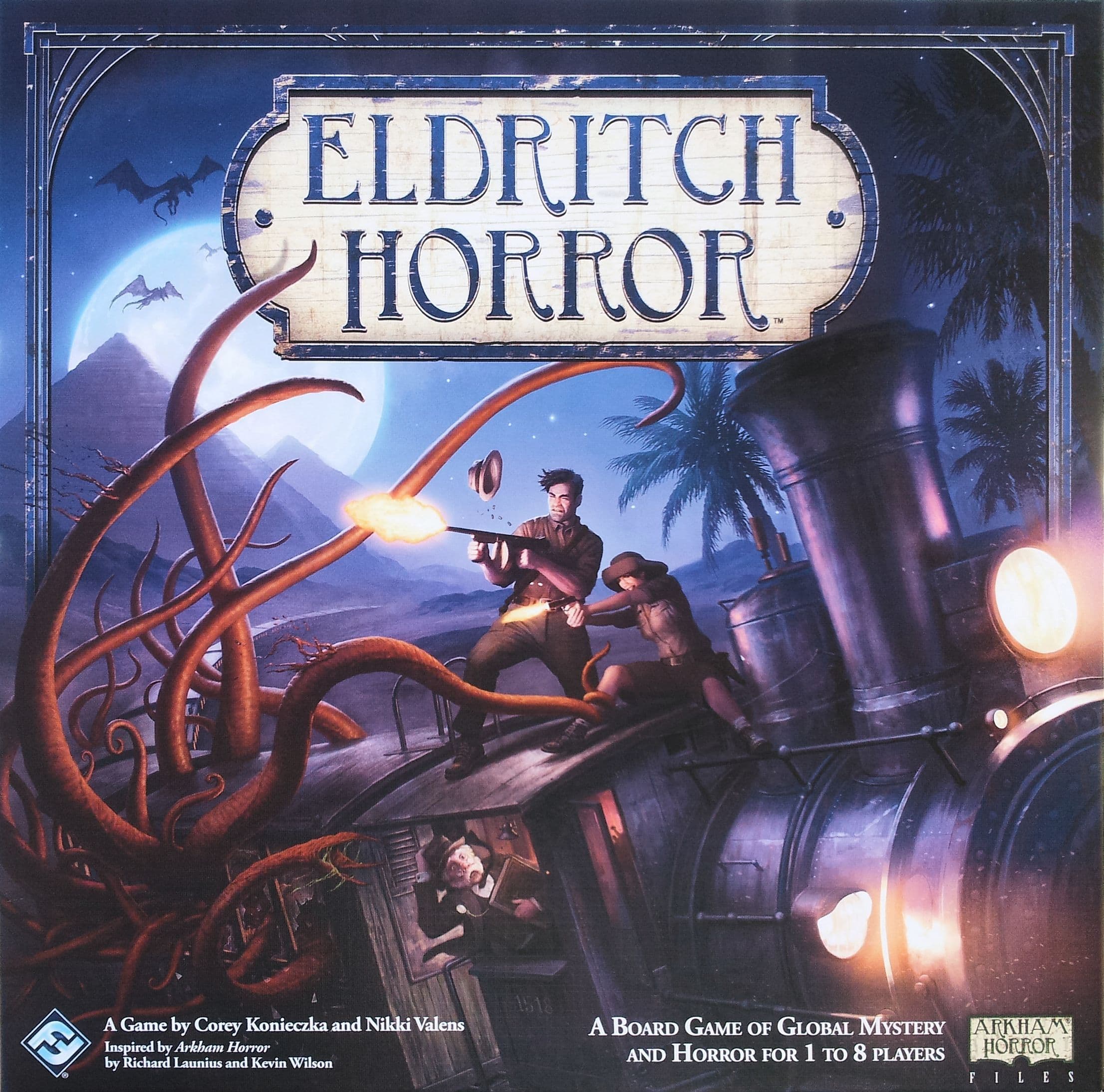
2013Eldritch Horror is a cooperative board game that immerses players in a world of cosmic dread inspired by the writings of H.P. Lovecraft. Taking on the roles of intrepid investigators, participants band together to confront a malevolent entity poised to awaken and consume the world. This is a desperate race against a doomsday clock, not a battle of simple force. The team's primary objective is to traverse the globe, from bustling cities to remote wilderness, in order to solve three distinct mysteries unique to the chosen Ancient One. These mysteries represent the only known way to prevent the creature's arrival. Should the investigators succeed before the ever-advancing doom track reaches zero, they will have saved humanity. Failure, however, means the Ancient One awakens, triggering a final, brutal confrontation.
Gameplay unfolds in rounds composed of three critical phases. First, in the Action Phase, each investigator performs two actions, such as traveling the world map, gathering vital assets like weapons and spells, recuperating health and sanity, or trading with allies. Following this, the Encounter Phase plunges each player into a unique narrative event based on their location. Drawing a card presents a story, a choice, and often a skill test resolved by rolling six-sided dice, where a five or six is a success. Investigators can spend clue tokens to reroll dice, adding a layer of resource management. Finally, the Mythos Phase represents the Ancient One's sinister influence; a new card can introduce devastating effects, spawn monsters, open otherworldly gates, and relentlessly advance the doom track, pushing the world ever closer to oblivion.
What makes "Eldritch Horror" a beloved classic is its epic, globe-spanning scale and the rich, emergent stories it generates. The game turns the entire world into a playground of impending doom, creating a grand sense of adventure. The challenge is significant, fostering true teamwork as players strategize how to best use their unique character abilities and manage limited resources. Every session creates a memorable tale of near-misses, heroic triumphs, and tragic sacrifices. The game's appeal lies in its masterful blend of strategic planning and the unpredictable chaos of the Mythos deck, ensuring high tension from start to finish. It's a daunting adventure that rewards players not just with a win, but with a compelling story they have created together, making it a pinnacle experience for those who love deep narrative and cooperative challenges.
1-8 180m⚖️ 3.8

RANK #139
Troyes
2010In Troyes, players are transported to the year 1200 in the Champagne region of France to lead a rich and influential family. Over the course of four centuries, you will guide the destiny of the city, leaving your mark on its history. The ultimate goal is to amass the greatest fame and glory, measured in victory points. This is achieved by contributing your family's resources and citizens to three key societal pillars: the military, the religious, and the civil domains. Players will work to construct the magnificent cathedral, a central project that demands shared effort, while simultaneously defending the city from a constant barrage of unfortunate events. Your success will be judged by your ability to navigate these challenges and strategically place your family members in positions of power throughout the city's burgeoning society.
The game's engine is driven by a unique and highly interactive dice-placement mechanism. At the start of each round, players roll a pool of dice determined by the number of their citizens (meeples) they have stationed in the city's three main guildhalls. These dice, colored red (military), white (religious), and yellow (civil), represent the available labor force for that round. On your turn, you'll group one to three dice of the same color to perform actions. These actions include activating powerful ability cards on the board, recruiting more citizens, earning money, fighting off negative event cards, or dedicating work towards the cathedral. The most compelling twist is that you are not limited to your own dice. For a price, you can purchase dice directly from your opponents' pools, forcing them to react and creating a tense, dynamic marketplace for actions each and every turn. This system forces constant evaluation of not only your own plans but the potential moves of everyone at the table.
Troyes is celebrated among strategy gamers for its brilliant fusion of classic Eurogame mechanics with an uncommonly high degree of player interaction. While many games in its weight class can feel like 'multiplayer solitaire', the ability to buy an opponent's dice ensures that you are always invested in their rolls and decisions. This creates a constant tension and a need for tactical flexibility. The game offers immense replayability through its modular setup; the specific action cards available in each of the three domains change from game to game, as do the events and character cards that grant secret end-game scoring objectives. This variability means that no two games of Troyes feel the same. It's a deeply rewarding and challenging puzzle that masterfully balances long-term strategic planning with the need for sharp, opportunistic tactical plays, making it an enduring classic of the genre.
2-4 90m⚖️ 3.5
BoxNo Cover Art
RANK #149
Aeon's End: War Eternal is a cooperative deck-building game where players take on the roles of mages tasked with defending their world against an eternal war. The game features a unique mechanic called 'spellcrafting,' which allows players to combine different spells and abilities to create powerful magical effects. Players must work together to defeat the invading forces, using their combined magical powers to hold back the tide of darkness. As they progress through the game, players will encounter new challenges and obstacles, requiring them to adapt their strategy and work even more closely together to succeed.
1-4 60m⚖️ 3.5

RANK #158
ISS Vanguard
2022ISS Vanguard invites players to embark on a grand, galaxy-spanning science fiction epic as members of humanity's first deep-space exploration vessel. This sprawling, cooperative campaign game casts 1 to 4 players as the leaders of the Vanguard's four primary sections: Security, Recon, Science, and Engineering. Guided by a mysterious signal that could hold the key to humanity's survival, your mission is to explore strange new worlds, uncover the secrets of ancient alien civilizations, and navigate the countless dangers of the cosmos. The ultimate goal is not just survival, but to unravel a profound mystery that will determine the fate of humankind, making choices that will have a lasting impact across a lengthy and memorable narrative campaign.
The gameplay is structured around a compelling two-phase loop that seamlessly blends tactical planetary missions with strategic ship management. During the Planetary Exploration phase, players assemble an away team, customize their lander, and descend to alien planets represented by a lushly illustrated logbook. On the surface, they navigate challenges and points of interest through a unique dice-based skill check system, where custom dice, character skills, and strategic card play are used to overcome obstacles and advance the story. Following each mission, the game transitions to the Ship Management phase. Here, players make critical decisions aboard the ISS Vanguard, using a clever binder system to manage the ship's crew, research new technologies, manufacture advanced equipment, and heal their personnel. The resources and discoveries from planetary missions directly fuel the ship's progress, creating a deeply satisfying feedback loop.
What makes ISS Vanguard a standout experience is its profound sense of immersion and player-driven storytelling. The game masterfully combines the thrill of discovery on alien worlds with the weighty responsibility of managing a massive starship and its crew. The high-quality components, from the detailed miniatures to the innovative binder-based ship book, create a tangible and engaging world for players to inhabit. With a narrative penned by an accomplished author and an optional companion app providing professional voice-overs, the story comes alive, drawing players deep into its universe. Fans of rich thematic experiences, long-form campaign play, and cooperative problem-solving will find a truly epic adventure that offers dozens of hours of unforgettable moments and emergent stories.
1-4 120m⚖️ 3.6
RANK #167
Magic: The Gathering stands as the foundational pillar of the modern collectible card game genre. In this immersive experience, players assume the mantle of 'Planeswalkers,' powerful mages capable of traveling across diverse dimensions. The primary objective is to drain an opponent's life total from twenty to zero, though victory can also be secured by exhausting an opponent's deck. It is a tactical battle of wits where the deck you build serves as your primary weapon, requiring foresight, resource management, and precise timing to outmaneuver your rival.
Gameplay unfolds through a sophisticated turn structure revolving around the 'mana' system. Players strategically deploy land cards to generate colored energy, which is then utilized to summon a myriad of creatures, cast powerful sorceries, and deploy artifacts. The game is defined by the 'Color Wheel,' which categorizes every card into one of five distinct colors—White, Blue, Black, Red, or Green—each possessing unique philosophies and mechanical advantages. Combat involves careful calculation of creature power and toughness, alongside the strategic decision of when to attack or hold back defenses. The 'Golden Rule' of the game states that individual card text always overrides the standard rulebook, ensuring that every interaction remains fluid and unpredictable.
The enduring popularity of the game lies in its near-infinite strategic depth and the thrill of deck construction. Because no two games ever unfold exactly the same way, participants are constantly pushed to refine their strategies and adapt to evolving competitive environments. The marriage of stunning fantasy art with highly intricate mechanics creates a sense of discovery that has lasted for decades. Whether playing in a constructed format where you bring your custom-built deck or in a limited format where you must build on the fly from booster packs, the game rewards skill, creativity, and knowledge. Its massive appeal is anchored by the community aspect and the constant introduction of new sets, keeping the game fresh, challenging, and mentally stimulating for both casual players and high-level professionals alike. It is truly the definitive experience for those who appreciate high-stakes card games that demand critical thinking and careful planning.
2 30m⚖️ 4.1
RANK #170
Pandemic
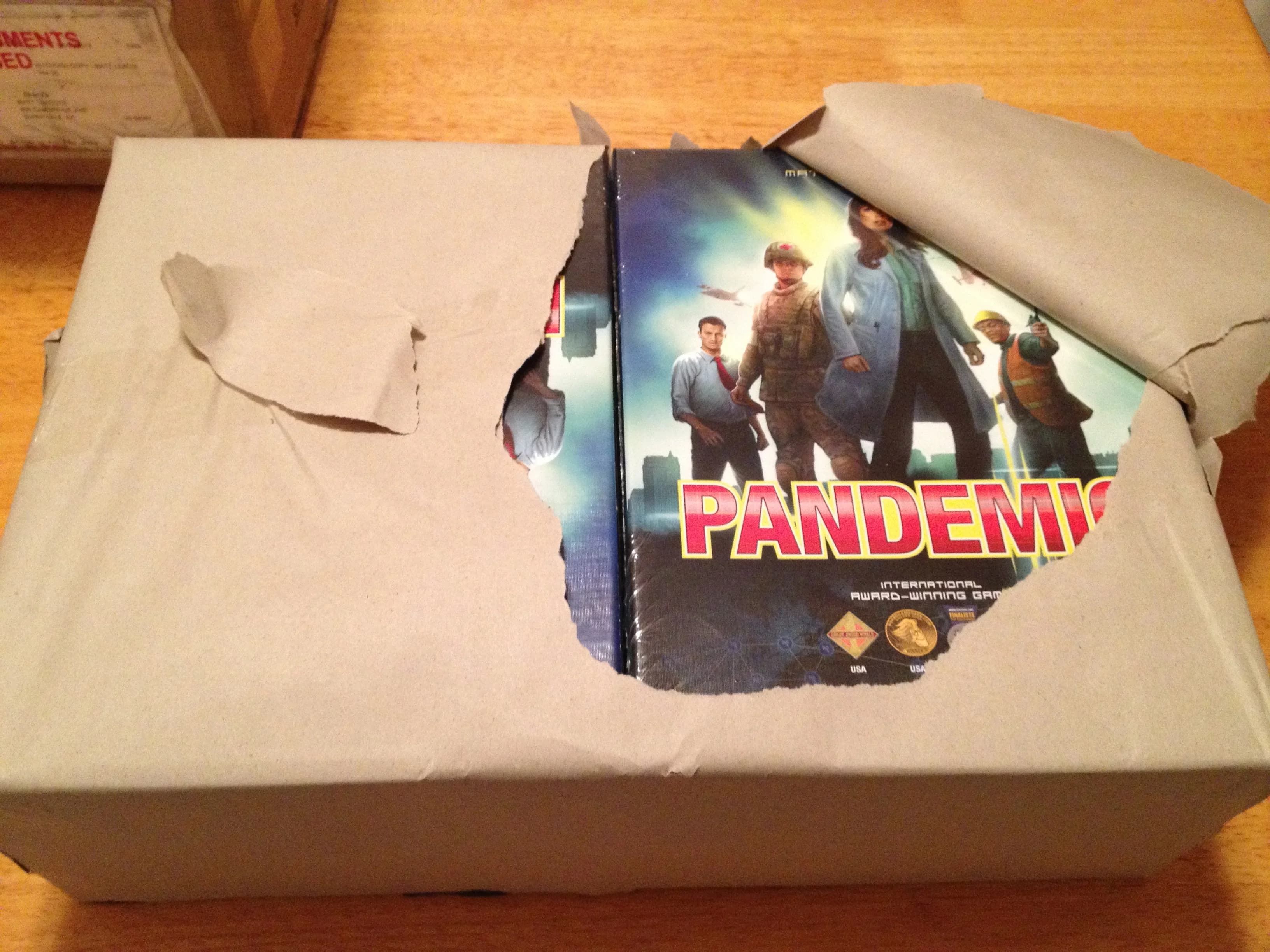
2008Pandemic presents a thrilling, high-stakes challenge where players must band together as a team of elite disease-control specialists. In this quintessential cooperative game, the world is on the brink of disaster, with four deadly diseases spreading rapidly across the globe. Players don't compete against each other; instead, they unite against the game's automated systems, which relentlessly propagate the infections. Each team member assumes a unique role, such as the resourceful Scientist or the indispensable Medic, bringing special abilities to the table that are critical for success. The ultimate objective is to discover the cures for all four plagues before time runs out, a pandemic spirals out of control, or the supply of medical resources is exhausted. It’s a race against the clock where teamwork and strategic foresight are the only tools standing between humanity and a global catastrophe.
The gameplay unfolds through a tense and structured sequence of turns. On their turn, a player can perform up to four actions, creating a wealth of strategic choices. These actions include moving between major world cities, treating localized infections by removing disease cubes, establishing vital research stations, sharing knowledge by trading city cards with teammates, or using a set of matching city cards to discover a cure. After taking actions, the player must draw two cards from the player deck, which contains the city cards needed for cures but also powerful one-time Event cards and the dreaded Epidemic cards. Drawing an Epidemic card is a pivotal moment that escalates the crisis: it accelerates the infection rate, triggers an immediate large-scale infection in a new city, and critically, reshuffles the previously infected cities back to the top of the infection deck. This 'intensify' mechanic ensures that hotspots are likely to be hit again, leading to potential chain-reaction outbreaks that spread disease to adjacent cities.
The enduring appeal of Pandemic lies in its brilliant fusion of accessible rules and profound strategic depth. It creates a palpable sense of mounting pressure, forcing players into constant communication and collaborative problem-solving. The game becomes a fascinating puzzle where the team must constantly weigh managing immediate threats—stamping out fires on the board to prevent outbreaks—against progressing toward the long-term victory condition of finding all four cures. This delicate balancing act is the heart of the game's tension. Because the difficulty can be scaled by altering the number of Epidemic cards in the deck, it offers a consistently engaging challenge for both newcomers and seasoned strategists. Its design has become a benchmark for cooperative games, celebrated for its ability to create a compelling narrative of global crisis and collective heroism with every session.
2-4 45m⚖️ 2.4
RANK #180
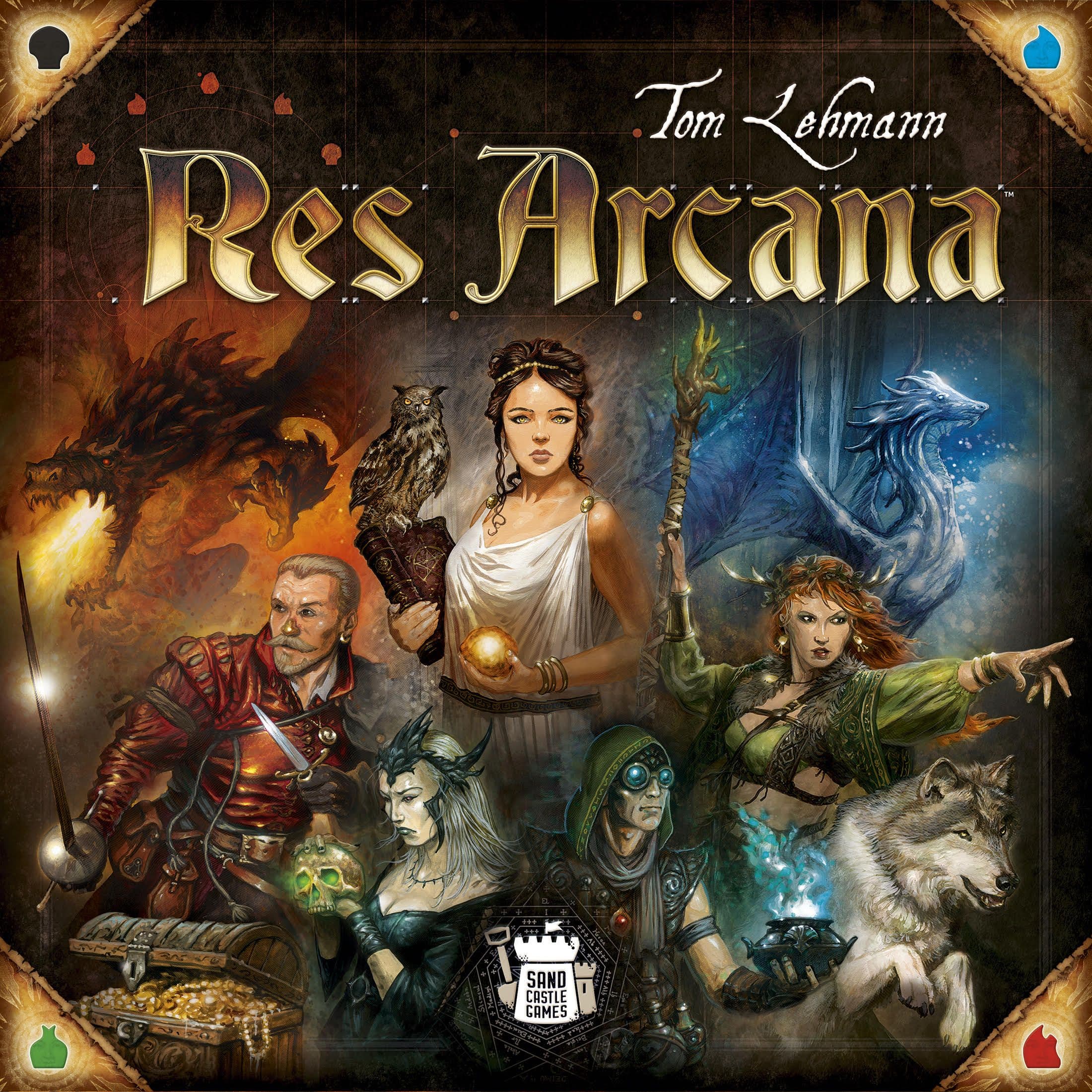
Res Arcana
2019Res Arcana is a brilliantly tight, fast-paced engine-building board game that plunges players into an arcane fantasy world. Designed by the renowned Tom Lehmann and originally published by Sand Castle Games in 2019, the game casts each participant as a powerful, uniquely skilled Mage. Ranging from ambitious Alchemists to dark Necromancers, players must harness their specialized abilities to dominate the magical realm. The ultimate objective is a frantic sprint: players race to be the very first to accumulate ten victory points. Achieving this requires masterful resource management and an unparalleled grasp of efficiency, as every single action and gathered element brings you one step closer to ultimate victory.
At the heart of the experience is an incredibly innovative micro-deck system that completely turns traditional card mechanics on their head. Unlike standard deck-builders where your arsenal grows over time, you are locked into a fixed, highly constrained deck of exactly eight artifact cards for the entirety of the game. After an initial drafting phase—highly recommended by the community to ensure balanced strategic planning—players must figure out how to synergize these eight specific cards. During the core gameplay loop, participants gather five distinct mystical essences: Elan, Life, Calm, Death, and Gold. Turns are agonizingly tense, consisting of a single action at a time. Players will spend their hard-earned essences to play artifacts into their tableau, activate powerful abilities, or claim lucrative public monuments and places of power from the center of the table. Because you can only perform one action before your opponent gets a chance to respond, the timing of every single maneuver is absolutely critical.
What truly sets Res Arcana apart from its peers is its complete elimination of deck bloat and luck-driven card drawing. By forcing you to craft a functional, high-yielding engine out of a minuscule pool of resources, the game evolves into a fiercely competitive puzzle of optimization. Every essence gathered must be calculated, and sacrificing a card from your tiny hand for temporary resources often becomes a painful but necessary tactical decision. The inclusion of variable player powers and the swapping of magic items each round ensure a highly replayable experience. It delivers the deep, satisfying strategic arc of a heavy civilization or tableau-building game, but distills that massive complexity into a remarkably sharp, thirty to sixty-minute package that leaves players eager for just one more match.
2-4 45m⚖️ 2.6
RANK #184
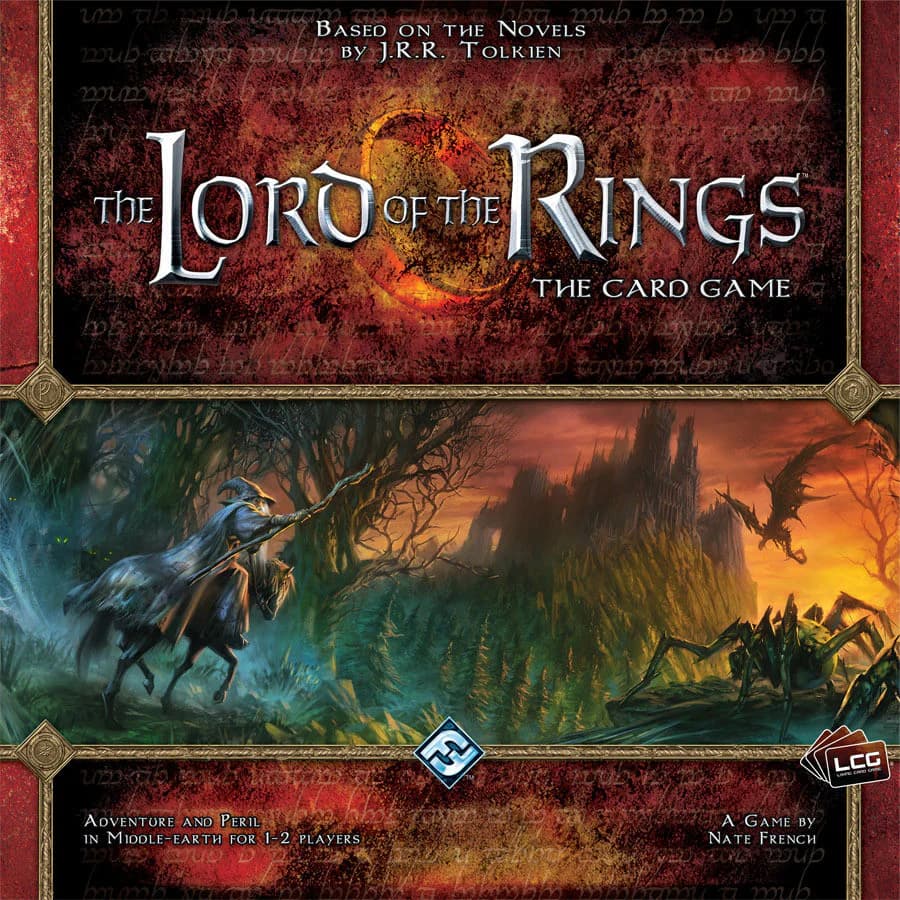
Embark on perilous quests in The Lord of the Rings: The Card Game, a cooperative Living Card Game (LCG) set within J.R.R. Tolkien's iconic Middle-earth. Unlike collectible games with randomized booster packs, this is an LCG where players can strategically grow their collection with fixed expansions. In this game, one to four players unite to form their own fellowship, working together against automated scenarios controlled by an 'encounter deck'. Your goal is to navigate treacherous lands, battle fearsome enemies, and complete a series of quest objectives to achieve victory against the encroaching shadow of Sauron. It's a narrative-driven adventure that brings the world of the books to your tabletop.
The core of the game revolves around strategic deck-building and a structured round sequence. Each player constructs a deck of at least fifty cards centered on one to three powerful heroes, chosen from four distinct spheres of influence: Leadership, Lore, Spirit, and Tactics. These spheres dictate which allies, attachments, and events a player can use. A typical round involves gaining resources to pay for cards, questing to make progress on the current objective, potentially traveling to new locations, engaging with enemies from the encounter deck, and finally resolving combat. Players must manage their characters carefully, deciding who will quest, defend, or attack. Victory is hard-won, as players lose if any member's threat level reaches 50 or if all of their heroes are defeated.
The enduring appeal of The Lord of the Rings: The Card Game lies in its deep, strategic challenge and rich thematic immersion. It is renowned for its difficulty, often requiring players to meticulously craft and refine their decks to overcome the unique obstacles presented by each scenario. The cooperative nature fosters a strong sense of camaraderie as players must coordinate their actions and build synergistic decks to succeed. The game's artwork is inspired directly by Tolkien's novels rather than the films, creating a distinct and authentic vision of Middle-earth. This combination of challenging cooperative gameplay, extensive customization, and a beloved fantasy setting makes it a highly replayable and rewarding experience for any fan of adventure.
1-4 60m⚖️ 3.4
RANK #197
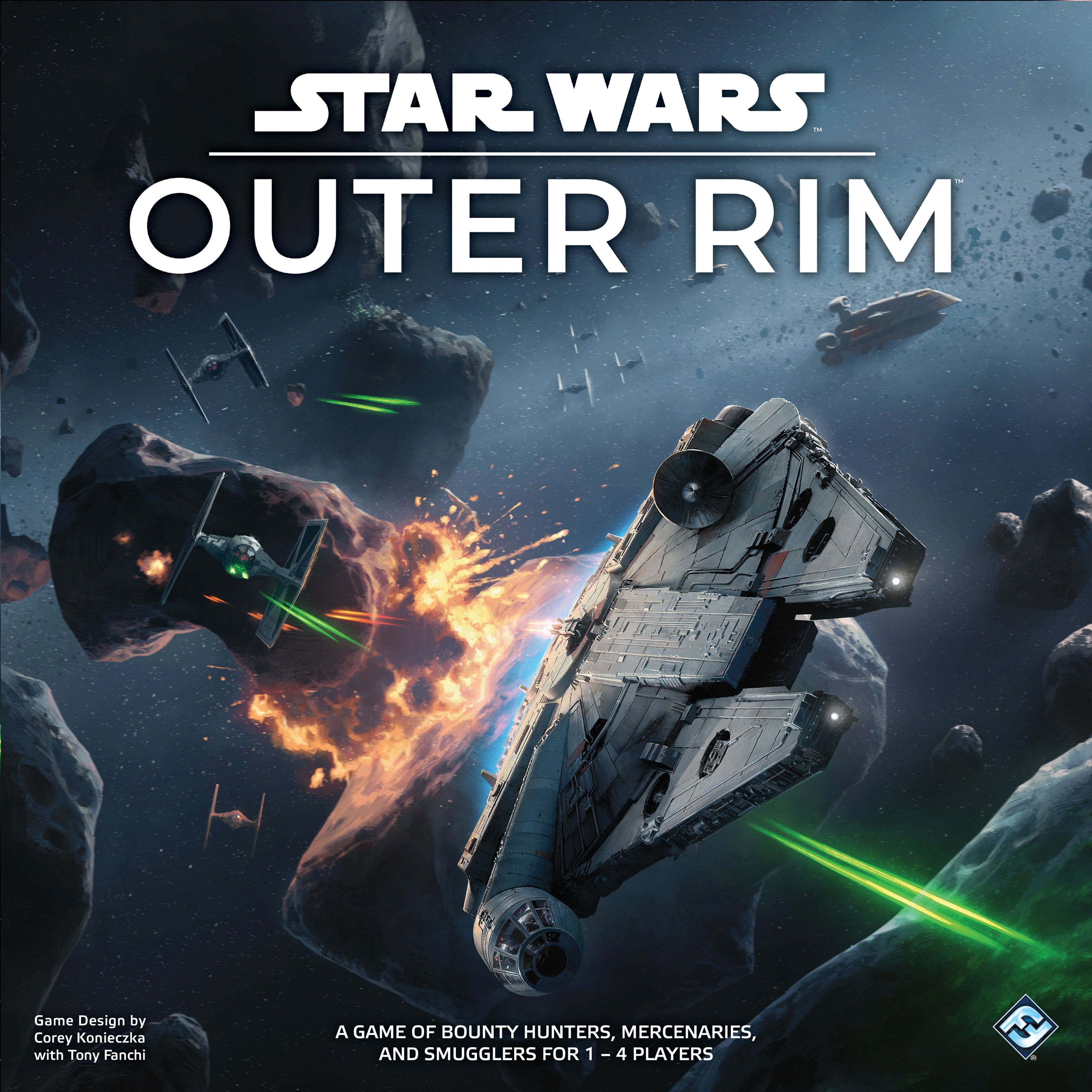
In Star Wars: Outer Rim, you step into the worn boots of a scoundrel, smuggler, or bounty hunter trying to make your name in the lawless fringes of the galaxy. This is a competitive sandbox adventure game where 1 to 4 players take on the roles of iconic characters like Han Solo, Boba Fett, and Doctor Aphra. The ultimate goal is to become a living legend, a status achieved by being the first to accumulate 10 Fame points. You'll earn this prestige by completing dangerous jobs, delivering illicit cargo, successfully hunting down bounties for powerful syndicates, upgrading your iconic starship, and achieving unique personal goals. It's a race to galactic notoriety where your reputation with the galaxy's major factions—the Galactic Empire, the Rebel Alliance, the Hutts, and the Syndicates—will either open doors or put a target on your back.
The gameplay loop is structured to give players significant freedom in how they approach their path to fame. Each turn consists of three key steps. In the Planning Step, you make a crucial decision: move your ship across the modular map of planetary systems, take a moment to repair your ship and heal your character, or take an odd job for a quick infusion of 2,000 credits. The Action Step is where you execute your grand plans, which can involve buying and selling goods at the dynamic market, trading with other players, and turning in completed jobs or bounties. Finally, the Encounter Step immerses you in the world, as you either investigate mysterious contacts on a planet, clash with patrolling faction ships, or draw a narrative card that presents a unique story-driven challenge or opportunity based on your location.
What makes Outer Rim a beloved experience is its profound sense of freedom and emergent storytelling. It's less a game about finding the single most 'optimal' move and more about crafting your own personal Star Wars saga. You can pivot your strategy at any moment: one turn you might be smuggling illegal goods for the Hutts, and the next you could be hunting a bounty issued by the Imperials. Success and failure in these endeavors are often determined by skill checks resolved with custom eight-sided dice, adding moments of thrilling uncertainty. The combination of a pick-up-and-deliver core, robust character progression, and a rich narrative deck ensures that no two games feel the same, offering a highly replayable and deeply thematic journey through the galaxy's most infamous spacelanes.
1-4 150m⚖️ 2.6

RANK #215
Chaos in the Old World plunges players into the dark and gritty Warhammer Fantasy universe, casting them not as heroes, but as one of four malevolent Chaos Gods. Each player embodies either Khorne, the god of war; Nurgle, the lord of decay; Tzeentch, the master of magic; or Slaanesh, the prince of pleasure. The objective is to spread your ruinous influence across the land and be the first to corrupt it entirely. Victory is a two-pronged path: either be the first to accumulate 50 victory points by dominating regions and fulfilling objectives, or achieve a unique, thematic victory by advancing your god's threat dial to its final space. This dual-condition system creates a constant tension, as players must pursue their own goals while simultaneously thwarting the different, and often conflicting, ambitions of their rivals.
Gameplay unfolds in a series of structured rounds, each beginning with an Old World event card that introduces new variables, such as meddling heroes or political shifts. Players then draw from their god-specific Chaos decks, gaining access to powerful, unique abilities. The core of the game lies in the Summoning Phase, where players expend power points to place their forces—from lowly cultists to formidable Greater Daemons—onto the map and play their cards to manipulate the board state. Combat erupts wherever opposing forces meet, resolved through brutal dice rolls. Following the battles, players with a presence in a region can place corruption tokens. Once a region is fully corrupted, it is despoiled, rewarding the most influential god and permanently scarring the world. This cycle of summoning, fighting, and corrupting drives the engine of this highly interactive conflict.
The game's enduring appeal stems directly from its profound and masterfully implemented asymmetry. No two gods play alike; Khorne revels in bloodshed and advances by killing enemy units, while the insidious Nurgle corrupts populous regions and spreads his plagues. Tzeentch manipulates the game state with magic from the shadows, and Slaanesh tempts heroes and nobles to their downfall. This deep strategic diversity means that players must not only master the intricacies of their chosen deity but also deeply understand the capabilities and victory paths of their opponents. This creates a highly dynamic and replayable experience, widely considered to be at its peak with a full complement of four players, where the delicate, brutal dance of the Chaos Gods is on full display, making it a celebrated classic in the area control genre.
3-4 90m⚖️ 3.6
RANK #223
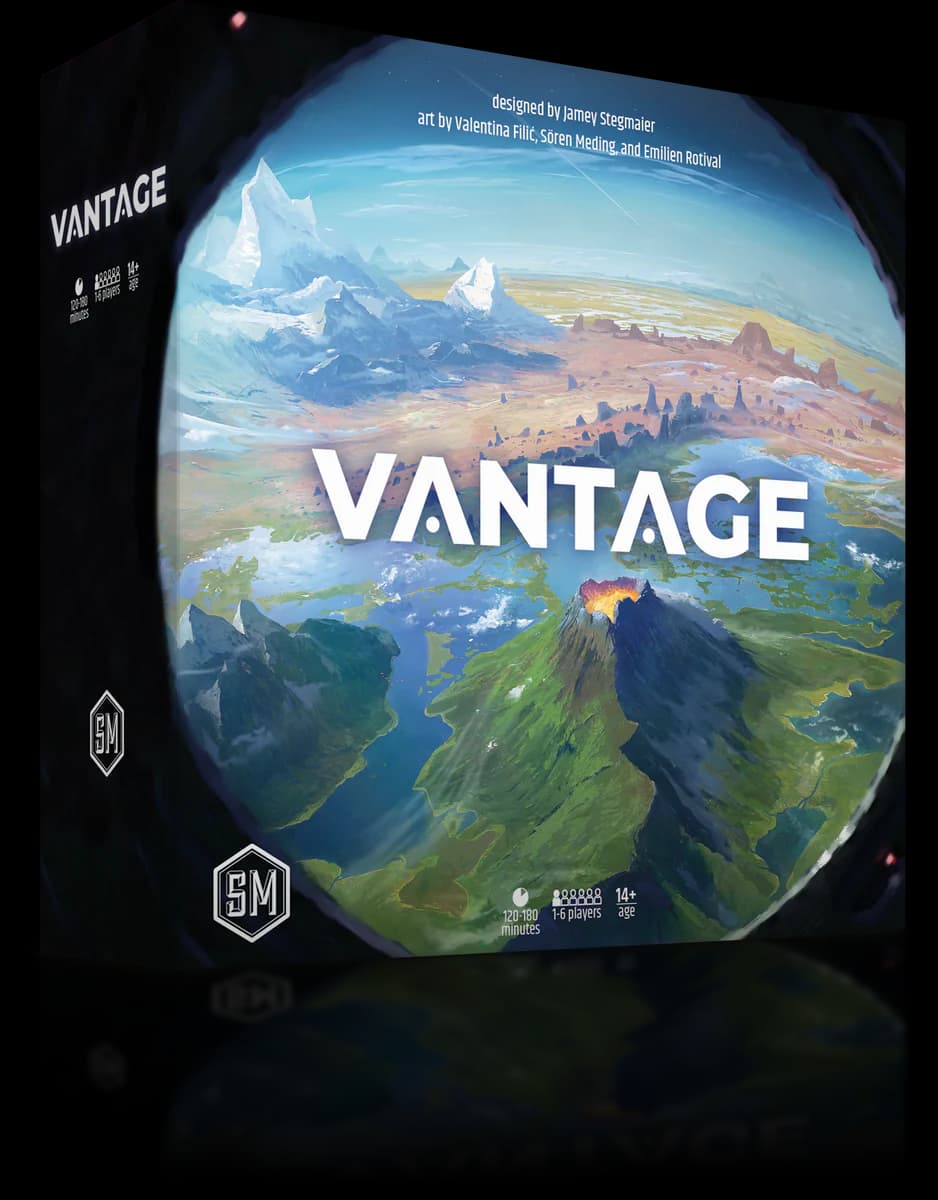
Vantage
2025In Vantage, players take on the roles of explorers who have survived a crash landing on a mysterious, uncharted planet. This is a cooperative, narrative-driven game of adventure where survival depends on teamwork, intuition, and a willingness to face the unknown. The primary goal is to navigate and understand this new world together, but victory can be achieved in multiple ways. The group might succeed by completing a challenging shared mission, or an individual player could achieve a personal destiny hidden from the others. For the ultimate triumph, a team can strive for an epic victory by accomplishing both their collective and private objectives in a single, memorable session. Each game is a complete, standalone story; while players' knowledge of the world will grow with each playthrough, there are no persistent campaign elements, making every game a fresh expedition.
The gameplay of Vantage is built around a truly unique core mechanic that emphasizes a first-person perspective and shared storytelling. On their turn, a player can only see their current location card, forcing them to rely on the descriptions and guidance of their teammates to build a mental map of the world. The action system introduces a fascinating layer of risk and reward: players choose a basic action—such as move, look, engage, or help—without knowing the specific costs or challenges involved. Another player then reads the outcome from one of eight expansive storybooks, revealing the consequences of the chosen action. Success is determined through dice rolls, where players must strategically manage their challenge dice, mitigating negative results by placing them onto a 3x3 grid on their character and equipment cards. This creates a compelling loop of making intuitive choices, facing unexpected narrative twists, and collaboratively solving the problems that arise.
Vantage's appeal lies in its massive, open world and the genuine sense of discovery it fosters. With over 400 double-sided location cards creating more than 800 interconnected places to visit and over 900 other cards to uncover, the game promises immense replayability. No two journeys will ever be the same. The innovative first-person viewpoint and the blind action-selection mechanic create a tense and immersive experience that is different from typical exploration games. It's not just about moving a pawn on a map; it's about communicating effectively, trusting your teammates, and making gut decisions that have real, story-altering consequences. Designed by Jamey Stegmaier, the game skillfully balances accessible rules with deep strategic choices, offering a rich, thematic adventure that is both a compelling puzzle and an unforgettable story you create together.
1-6 150m⚖️ 3.3