Modern Games
Browse all Modern board games in the Meeple Pulse database.
Styles
Themes
AbstractAdventureAncientAnimalsArtBusinessCard GameCo-operativeComic BookCooperativeCrimeEconomicEnvironmentalismExplorationFantasyHistoricalHorrorHumorIntrigueLiteraryMagicMarvelMedievalModernMuseumMysteryMythologyNatureNauticalPoliticalPress Your LuckSatireSci-FiSocial CommentarySocial InteractionSpaceSuperheroesThematicTravelWarWesternWord-Guessing
Mechanics
3D PlacementActingAction / DexterityAction DraftingAction Point AllowanceAction Point Allowance SystemAction Point SystemAction PointsAction ProgrammingAction QueueAction RetrievalAction SelectionAction/EventAlliancesAlternate ActivationApp-AssistedApp-DrivenArea ControlArea InfluenceArea MajorityArea Majority / InfluenceArea MovementArgumentationAsymmetricAsymmetric FactionsAsymmetric GameAsymmetric PowersAsymmetrical PowersAuction & BiddingAuction/BiddingAuctioningBag BuildingBettingBetting and BluffingBetting and WageringBetting and WagersBiddingBingoBlind BiddingBluffingCampaign / Battle Card DrivenCampaign / LegacyCampaign / Legacy GameCampaign / Mission-basedCampaign / ScenariosCampaign GameCampaign PlayCard DraftingCard DrawingCard DrivenCard Driven ActionCard Driven CombatCard Driven Dice AllocationCard Driven MovementCard ManagementCard PlayCard Play / Hand ManagementCard Play Conflict ResolutionCard SheddingCard-Driven MovementCharacter CreationCharacter ProgressionChit-Pull SystemCo-op PlayCo-operative GameCo-operative PlayCode-breakingCombat ResolutionCombo ChainCommand CardsCommodity SpeculationCommunication LimitsContract FulfillmentContractsCooperative GameCooperative GameplayCooperative PlayCooperative Trick-takingDebateDeck BuildingDeck ConstructionDeck, Bag, and Pool BuildingDeck-BuildingDeductionDexterityDice DraftingDice PlacementDice RollingDiplomatic InfluenceDraftingDynamic Battle SystemEnclosureEnd Game BonusesEngine BuildingEngine-BuildingEscape RoomEvent DrivenExplorationFarmingFlip and WriteFollowFollow ActionGrid CoverageGrid MovementHand ManagementHex-and-CounterHexagon GridHidden MovementHidden RolesI Cut You ChooseIncomeInfluence / Area MajorityLadder ClimbingLegacyLegacy ElementsLegacy GameLegacy SystemLimited CommunicationLine DrawingLine of SightMancalaMap MovementMarketMarket DraftingMarket ManipulationMarket MechanicMarket SpeculationMatchingMeasurement MovementMemoryMission ObjectivesModular BoardModular Board ConstructionMovement TemplatesMulti-Use CardsMulti-use CardsMultiple ScenariosMust FollowNarrative ChoiceNarrative Choice / ParagraphNegotiationNegotiation MechanicsNetwork & Route BuildingNetwork BuildingNetwork and Route BuildingOne vs ManyOne vs. ManyOpen DraftingPaper-and-PencilPartnershipsPattern BuildingPattern RecognitionPick-up and DeliverPlayer EliminationPlayer InteractionPlayer JudgePoint SaladPoint to Point MovementPolyominoesPush Your LuckPush-Your-LuckPuzzlePuzzle-LikePuzzle-SolvingRaceReal-TimeRecipe FulfillmentResource ManagementRole PlayingRole SelectionRoll / Spin and MoveRondelRoute BuildingRoute-BuildingRoute/Network BuildingSanity SystemScenario / Campaign PlayScenario / Mission / Campaign GameScenario / Mission FunctionSecret Unit DeploymentSemi-Cooperative GameSet CollectionSheddingSimulationSimultaneous ActionSimultaneous Action SelectionSimultaneous Hidden AllocationSocial DeductionSocial InteractionSolo / Solitaire GameSpace ExplorationStat Check / Skill CheckStock HoldingStorytellingStrategic PlanningTableau BuildingTactical Decision-MakingTake ThatTargeted CluesTeam PlayTeam-Based GameTeam-Based GuessingTeamworkTech TreesTech Trees / Tech TracksTechnology & Armament TracksTechnology TreeTension & Aggression TracksTile DraftingTile LayingTile PlacementTime TrackTime TravelTower DefenseTrack MovementTradingTrick-takingTug of WarTurn Order: PassTurn Order: Stat-BasedUnit PlacementVariable Phase OrderVariable Player PowersVariable Set-upVariable SetupVictory Point TracksVotingWord AssociationWord GameWord GuessingWord-GuessingWord-guessingWordplayWorker Placement

RANK #2
Ark Nova
2021Embark on a thrilling adventure with Ark Nova, a strategic board game designed for 1-4 players. This immersive experience typically lasts around 120 minutes, offering a rich and engaging gameplay session. Players take on the role of zoo administrators, tasked with building and managing their own zoos while competing to attract visitors and earn prestige points. The game features a unique blend of hand management, tile placement, variable player powers, action programming, and set collection mechanics, providing a challenging and rewarding experience for players of all skill levels. As you navigate the complexities of zoo management, you'll need to balance resource allocation, exhibit design, and animal care while also navigating the cutthroat world of zoo politics. With its engaging theme, intricate gameplay, and high replayability, Ark Nova is an excellent choice for fans of strategic board games looking for a new challenge.
1-4 120m⚖️ 3.8
RANK #3
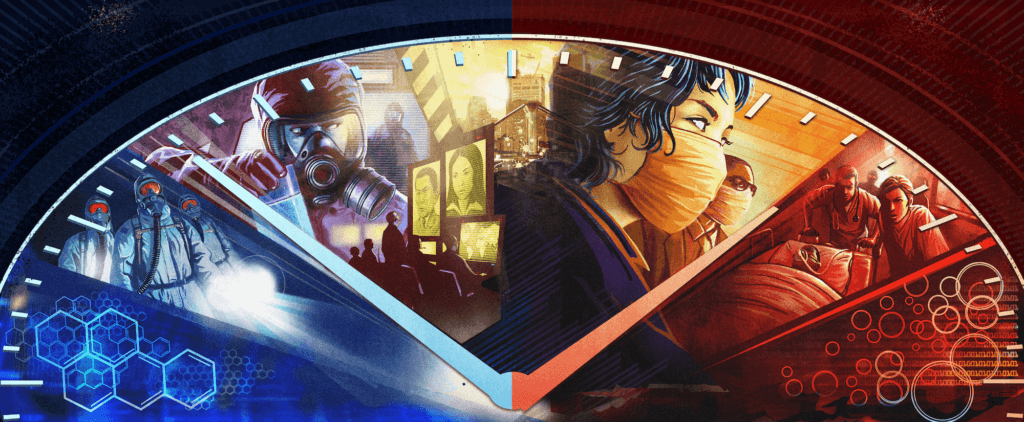
Embark on an unparalleled cooperative board game journey with Pandemic Legacy: Season 1, released in 2015, where your every decision permanently reshapes the world. As members of an elite disease-fighting team, you'll face an evolving global pandemic over a thrilling, persistent campaign, experiencing dramatic twists and turns that make each playthrough utterly unique. This groundbreaking legacy game challenges players with difficult ethical choices, dynamic rule changes, and an unfolding narrative, ensuring an unforgettable strategic experience unlike any other tabletop adventure.
m⚖️ N/A
BoxNo Cover Art
RANK #82
Android: Netrunner is a celebrated asymmetrical card game for two players, set in a dystopian cyberpunk future. In this high-stakes conflict, one player assumes the role of a massive, monolithic corporation, while the other becomes a renegade hacker known as a 'Runner'. The primary objective for both sides is to score seven 'agenda' points. The Corporation player achieves this by installing and advancing their secret agendas within their fortified servers. The Runner, however, aims to infiltrate these servers and steal the agendas before they can be scored. The game introduces thrilling alternate victory conditions: the Corp can win by inflicting enough damage to 'flatline' the Runner, while the Runner can claim victory if the Corporation is forced to draw from an empty deck, representing a catastrophic system crash. This fundamental opposition sets the stage for a tense and strategic duel of wits.
The gameplay is a masterclass in asymmetry, with each side playing by entirely different rules and pursuing divergent strategies. The Corp player focuses on economic management and building a digital fortress. They spend their turns drawing cards, gaining credits, and, most importantly, installing cards facedown into their servers. These cards could be the valuable agendas they need to win, assets that provide ongoing benefits, or dangerous 'ice' that protects their servers and punishes intruders. This creates a landscape of hidden information and potent bluffs. In contrast, the Runner player's turn is about calculated aggression and risk. They must build their 'rig'—a suite of hardware and icebreaker programs—to bypass the Corp's defenses. They then initiate 'runs' on the Corp's servers, hoping to access and steal agendas while avoiding the consequences of walking into a well-laid trap.
What elevates Android: Netrunner to legendary status is its profound strategic depth married with intense psychological gameplay. The experience is not merely about optimizing a deck, but about outthinking and outmaneuvering a live opponent. Every facedown card is a puzzle, and every run is a gamble, creating a constant tension that few other games can match. Playing as the Corp feels like spinning a complex web, while playing the Runner is an exercise in calculated audacity. The game was released as a 'Living Card Game' (LCG), meaning players bought fixed, non-random packs of cards, which fostered a diverse and accessible metagame without the frustrating and expensive 'chase rare' model of traditional collectible card games. This combination of a rich, evocative theme, deep asymmetry, and a player-friendly distribution model secured its legacy as one of the most beloved and intellectually rewarding two-player games ever created.
2 45m⚖️ 3.8
RANK #170
Pandemic
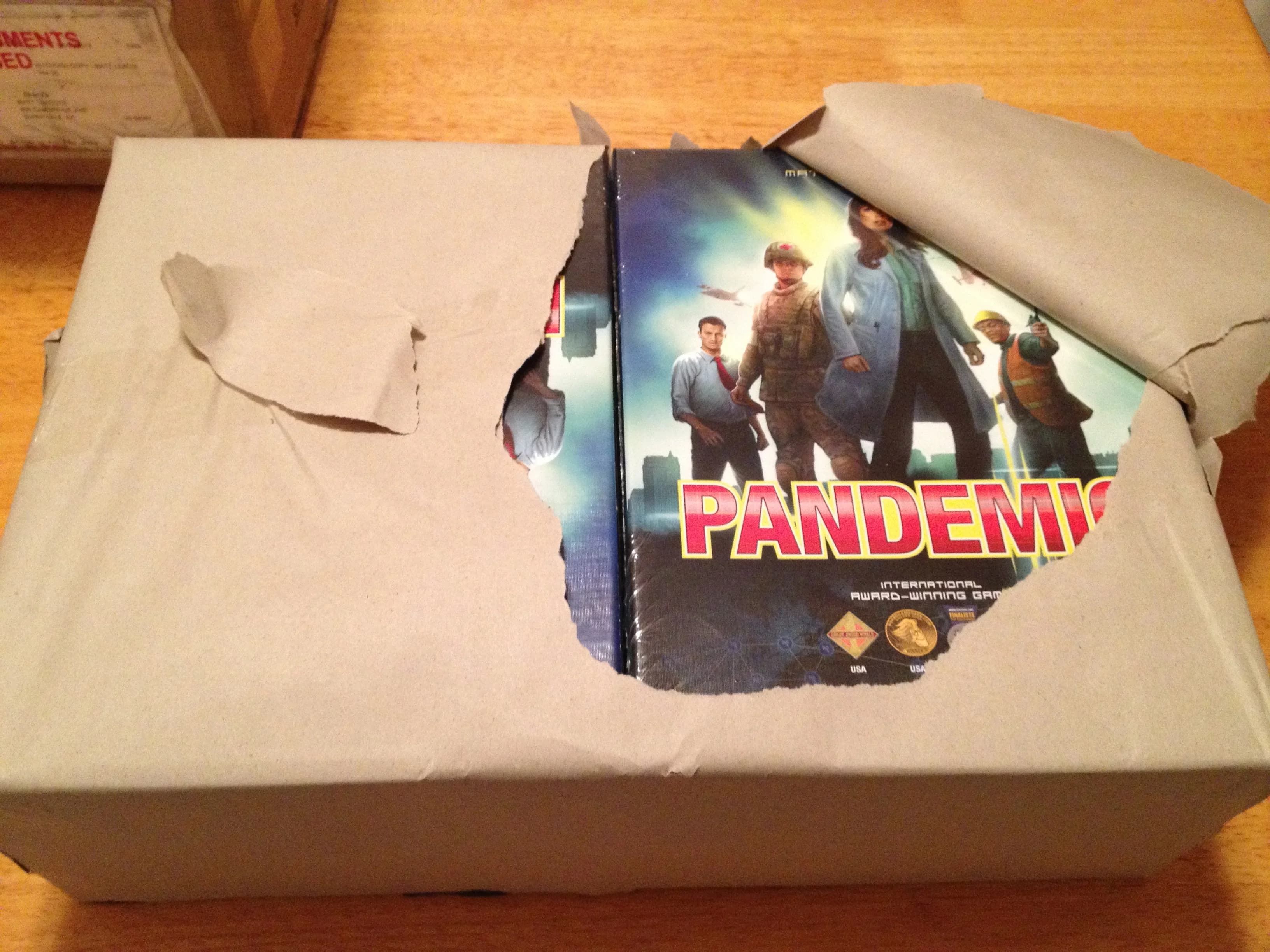
2008Pandemic presents a thrilling, high-stakes challenge where players must band together as a team of elite disease-control specialists. In this quintessential cooperative game, the world is on the brink of disaster, with four deadly diseases spreading rapidly across the globe. Players don't compete against each other; instead, they unite against the game's automated systems, which relentlessly propagate the infections. Each team member assumes a unique role, such as the resourceful Scientist or the indispensable Medic, bringing special abilities to the table that are critical for success. The ultimate objective is to discover the cures for all four plagues before time runs out, a pandemic spirals out of control, or the supply of medical resources is exhausted. It’s a race against the clock where teamwork and strategic foresight are the only tools standing between humanity and a global catastrophe.
The gameplay unfolds through a tense and structured sequence of turns. On their turn, a player can perform up to four actions, creating a wealth of strategic choices. These actions include moving between major world cities, treating localized infections by removing disease cubes, establishing vital research stations, sharing knowledge by trading city cards with teammates, or using a set of matching city cards to discover a cure. After taking actions, the player must draw two cards from the player deck, which contains the city cards needed for cures but also powerful one-time Event cards and the dreaded Epidemic cards. Drawing an Epidemic card is a pivotal moment that escalates the crisis: it accelerates the infection rate, triggers an immediate large-scale infection in a new city, and critically, reshuffles the previously infected cities back to the top of the infection deck. This 'intensify' mechanic ensures that hotspots are likely to be hit again, leading to potential chain-reaction outbreaks that spread disease to adjacent cities.
The enduring appeal of Pandemic lies in its brilliant fusion of accessible rules and profound strategic depth. It creates a palpable sense of mounting pressure, forcing players into constant communication and collaborative problem-solving. The game becomes a fascinating puzzle where the team must constantly weigh managing immediate threats—stamping out fires on the board to prevent outbreaks—against progressing toward the long-term victory condition of finding all four cures. This delicate balancing act is the heart of the game's tension. Because the difficulty can be scaled by altering the number of Epidemic cards in the deck, it offers a consistently engaging challenge for both newcomers and seasoned strategists. Its design has become a benchmark for cooperative games, celebrated for its ability to create a compelling narrative of global crisis and collective heroism with every session.
2-4 45m⚖️ 2.4
RANK #280
Legendary: A Marvel Deck Building Game is a prominent entry in the deck-building genre that brings the Marvel Universe to life on the tabletop. In this experience, players take on the role of SHIELD commanders tasked with assembling a powerful team of iconic heroes to thwart the nefarious plans of a Mastermind. The central goal is collective survival; players must work together to defeat the primary villain four times before they can complete a specific, game-altering Scheme. Unlike traditional deck builders where you simply compete for the highest score, Legendary introduces a looming threat that can cause everyone to lose if the city falls into chaos or the villain's plot reaches its conclusion.
The game utilizes a modular setup, meaning no two sessions are exactly alike. Players select a specific Mastermind like Magneto or Dr. Doom, a Scheme that sets the rules for the villain's victory, and a curated pool of hero decks. The core loop involves a Villain Phase, where enemies advance through a five-space city track, followed by a Hero Phase. Players start with basic SHIELD agents and must strategically recruit more powerful cards using Recruit Points or strike down foes using Attack Points. Managing these two distinct resources is vital, as players navigate the Headquarters (HQ) to draft synergies between characters like the Avengers and the X-Men. Successfully defeating villains and saving bystanders adds to a player's personal victory pile, which serves a dual purpose: it measures individual contribution while the team strives for a shared victory.
What makes Legendary stand out is its semi-cooperative nature. While the primary objective is to stop the Mastermind, the game crowns a single 'most legendary hero' based on the victory points accumulated during play. This creates a fascinating tension between helping the group and optimizing one's own deck for maximum point gain. The highly thematic integration of the Marvel license, featuring comic-accurate artwork and mechanics that reflect hero powers, ensures a high level of immersion. With its vast array of modular combinations and the threat of a board that evolves every turn, the game offers immense replayability. It strikes a balance between being accessible enough for casual fans while offering the strategic depth required to keep seasoned gamers engaged.
1-5 45m⚖️ 2.4

RANK #286
Deception: Murder in Hong Kong is an immersive social deduction experience that transports players into the heart of a high-stakes criminal investigation. In this tense mystery, one player assumes the role of the Forensic Scientist—a silent gamemaster who holds the objective truth—while others act as Investigators trying to identify the perpetrator hidden among them. However, one individual in the group is the secret Murderer, and in larger games, they may even have an Accomplice to help deflect suspicion. The goal is simple yet challenging: the Investigators must correctly identify two specific cards—the 'Means of Murder' and the 'Key Evidence'—selected by the killer before the trail goes cold.
The gameplay centers on a unique communication loop where the Forensic Scientist is strictly forbidden from speaking or gesturing. Instead, they provide hints by placing bullet markers on abstract Scene Tiles, which represent various aspects of the crime such as the location, the cause of death, or the victim's social state. During a hidden night phase at the start of the game, the Murderer secretly points to their chosen weapon and a piece of evidence. As the investigation progresses over three rounds, the Scientist adds or replaces tiles to refine the group's theories. Each Investigator has only one formal opportunity to 'Solve the Crime.' They must name both cards correctly; a single mistake results in the loss of their badge and their ability to make future official accusations, though they remain active in the group's heated debates.
What makes Deception stand out is its masterful blend of abstract logic and intense social manipulation. Unlike many deduction games that rely solely on bluffing, this title provides a tangible puzzle through visual clues that must be interpreted through the lens of the killer's possible choices. It creates a fascinating dynamic where players must argue over the subjective meaning of tiles while trying to read the body language of their peers. The addition of optional roles like the Witness and Accomplice adds further layers of complexity, requiring players to protect their information sources. It is an ideal choice for large groups because it eliminates player elimination and keeps everyone engaged in a collaborative, yet paranoid, atmosphere where the truth is often hidden in plain sight.
4-12 20m⚖️ 1.6
RANK #2,015
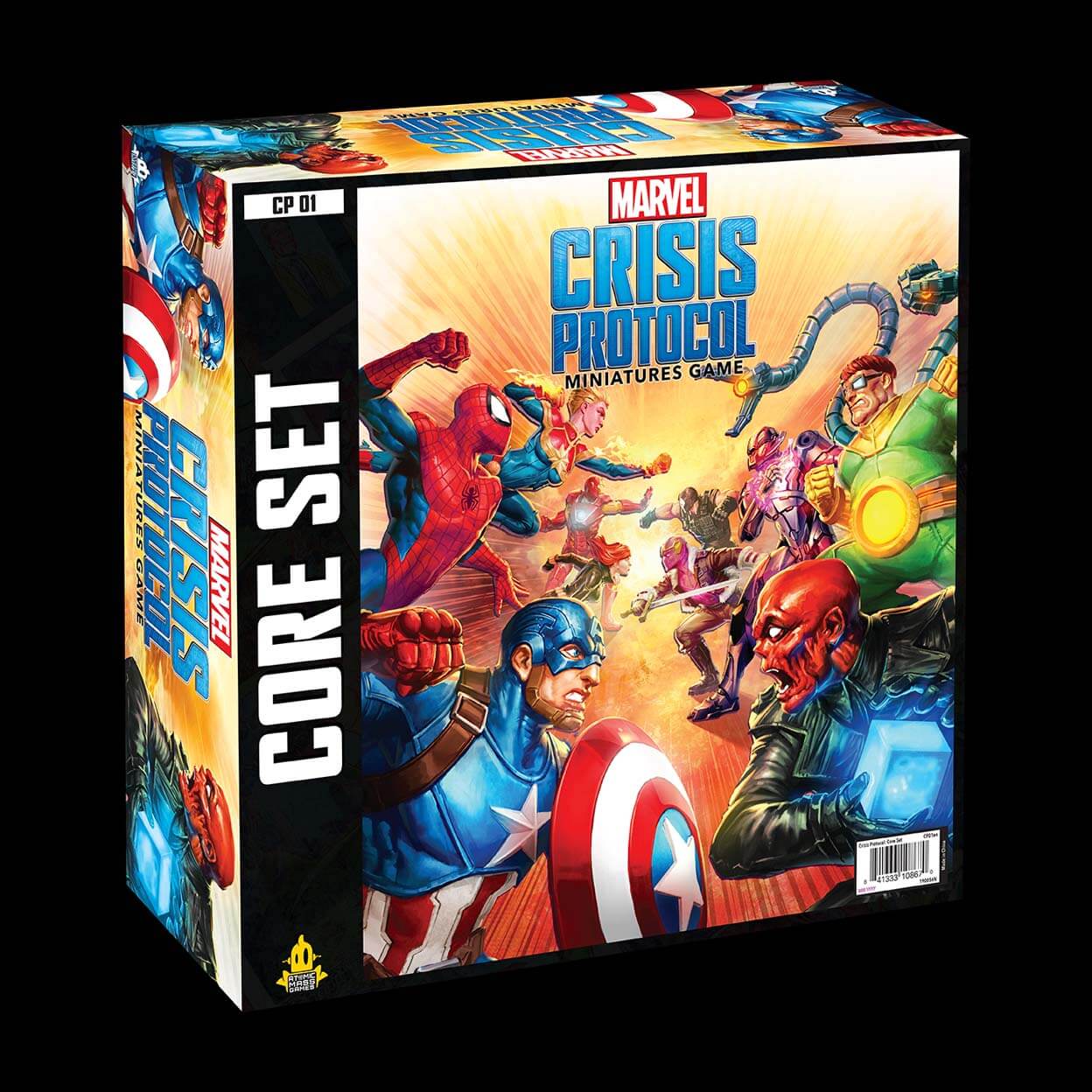
Marvel: Crisis Protocol is a dynamic tabletop miniatures game where two players assemble, paint, and battle with teams of iconic characters from the Marvel Universe. More than just a fight to the finish, the game is an objective-based contest where strategy and positioning are paramount. Players take on the role of leaders, guiding their hand-picked squad of heroes and villains through a unique crisis scenario. The ultimate goal is to be the first to accumulate 16 Victory Points by controlling key locations on the battlefield and securing valuable assets, all while unleashing spectacular superpowers. Each game presents a new tactical puzzle, demanding players to adapt their strategy to the ever-changing state of the conflict and the unique combination of objectives in play.
Gameplay is defined by its innovative roster-building and scenario-generation systems. Before the game, each player creates a roster of ten characters, from which they will select their squad for the specific mission. The mission itself is determined by combining a "Secure" Crisis card, which dictates objective zones to control, with an "Extraction" Crisis card, which involves characters grabbing and holding objective tokens. This combination sets a "Threat Level" that limits which characters a player can field, ensuring balanced and varied matchups. During a round, players alternate activating one character, who can perform two actions like moving, attacking, or using a special ability. A core mechanic is the "Power" resource. Characters gain Power when they take damage, creating a thrilling ebb and flow where a hero on the ropes can power up for a devastating counter-attack, spending that energy to unleash their most famous and powerful abilities.
The game's immense appeal lies in its fusion of accessible rules with deep tactical gameplay, making it an excellent gateway into the miniatures hobby. While the core mechanics are straightforward, mastering character synergies, managing the Power economy, and utilizing the highly interactive terrain provides a rich strategic experience. The environment itself is a weapon; characters with superhuman strength can hurl cars, dumpsters, and newsstands at their opponents, creating cinematic moments straight from the comics. The high-quality miniatures are a hobbyist's delight, offering fantastic canvases for painting. Above all, Crisis Protocol excels at capturing the feel of a superhero battle, delivering a thematic, action-packed experience that is visually stunning and endlessly replayable thanks to its modular scenario system and ever-expanding roster of characters.
2 90m⚖️ 2.9
BoxNo Cover Art
RANK #9,392
Immerse yourself in the high-stakes, neon-soaked street warfare of Night City with Cyberpunk Red: Combat Zone. This tactical skirmish miniatures game puts you in command of a hardened gang fighting for survival, reputation, and control. Whether you're playing a standalone scenario or embarking on a gritty linked campaign, your goal is to outmaneuver and outgun your rivals to achieve specific objectives. Players assemble their crews using a points-based system, customizing each member with a deadly arsenal of weapons, gear, and cyberware. In the campaign mode, success brings not just victory but 'street cred,' allowing your characters to evolve with enhanced abilities and more powerful equipment, creating a persistent and developing narrative for your gang's rise to power on the mean streets.
The gameplay is driven by the innovative and dynamic "[RE]action" system, which ensures players are constantly engaged. Each character is assigned a set of color-coded action tokens—green, yellow, and red—which dictate both their movement capabilities and the potency of their actions. Green tokens allow for the use of a powerful d12, yellow a d10, and red a meager d6. During a turn, a player activates one unit, spending these tokens to move, shoot, or engage in brutal melee. All conflicts are resolved through opposed dice rolls, creating a tense, unpredictable back-and-forth. The damage system is uniquely integrated into this core mechanic; when a character is wounded, one of their action tokens is downgraded to red, diminishing their combat effectiveness and pushing them closer to being taken out of the fight entirely.
Cyberpunk Red: Combat Zone stands out by completely eliminating player downtime and capturing the chaotic, reactive nature of a firefight. The centerpiece of this design is the ability to perform a "[RE]action." Immediately after taking a wound, a character with remaining action tokens can retaliate with a counter-attack or scramble for cover. This ensures that the battlefield is constantly shifting and that no plan is ever truly safe, as a single shot can trigger a cascade of reactive moves. This constant threat and opportunity keep both players on the edge of their seats, making every decision critical. The game's appeal lies in its perfect fusion of deep tactical gameplay, strong thematic integration with the Cyberpunk universe, and a core mechanic that is as brutal and unforgiving as Night City itself.
2-4 60m⚖️ 3.0
BoxNo Cover Art
RANK #17,318
Tricky Twist
2025Tricky Twist is a vibrant and intellectually stimulating trick-taking card game that redefines the genre for the modern era. Released in 2025, it challenges players to navigate an ever-shifting landscape of rules and priorities where the standard hierarchy of cards is rarely static. The primary goal is to accumulate the most victory points over a series of rounds by winning specific "Twist" tricks and meeting hidden objectives that change as the deck thins. Unlike traditional trick-taking games where the highest card simply wins, Tricky Twist introduces a dynamic board element that tracks the current 'Twist Law', a mechanic that can flip the trump suit mid-hand or invert the winning conditions entirely. Players must remain agile, anticipating how their opponents might manipulate the board to render their high-value cards useless.
The gameplay loop of Tricky Twist revolves around a central "Twist Dial" that dictates the current state of play. Each round begins with a drafting phase where players select their hand from a shared pool, adding a layer of strategic foresight before the first card is even played. Notable mechanics include 'Trick-Taking' with a 'Follow Suit' requirement, but with the added complexity of 'Variable Player Powers' assigned through 'Character Roles' at the start of each round. When a player leads a card, others must follow, but certain cards allow a player to rotate the Twist Dial, changing the game's gravity—suddenly, the lowest card might win the trick, or a specific color might become 'Toxic', penalizing the winner. This 'Card Play Conflict' ensures that no two tricks feel the same, and the 'Hand Management' aspect becomes a tense exercise in risk mitigation and opportunistic scoring.
The unique appeal of Tricky Twist lies in its perfect balance between tactical depth and chaotic fun. Fans of the game praise its high replayability, driven by the unpredictable nature of the Twist Dial which ensures that "solved" strategies are impossible to maintain. It captures the social energy of a classic party game while providing the crunchy decision-making found in mid-weight strategy titles. The production value, often featuring high-quality linen-finish cards and a tactile wooden dial, adds a sensory satisfaction to the mechanical "twists." It is a game that rewards those who can read their opponents' intentions, making it a masterclass in psychological play and table talk. Ultimately, Tricky Twist is beloved because it transforms the familiar comfort of a card game into a thrilling, brain-teasing puzzle that keeps everyone on the edge of their seats until the final card is revealed.
3-5 45m⚖️ 2.6

Sagrada
2007Sagrada is a visually stunning dice-drafting game where players take on the role of artisans competing to construct the most beautiful stained-glass window for the Sagrada Família. The objective is to achieve the highest score by strategically placing colorful translucent dice onto a personal player board, which represents a window frame. Each player works with a unique pattern card that dictates specific placement requirements, ensuring that every session offers a fresh set of challenges. By balancing personal secret goals, shared public objectives, and strict construction rules, players must meticulously plan their moves to create a masterpiece that captures the essence of light and color.
The core of the game revolves around a drafting mechanic where a pool of colored dice is rolled each round. Players take turns selecting a single die and positioning it on their 4x5 grid, following a "snake draft" order where the last player picks twice in a row. Placement is governed by strict adjacency rules: dice cannot be placed next to others of the same color or value (orthogonally). Furthermore, the pattern cards inserted into the player boards often feature specific restrictions, requiring certain spaces to be filled with exact colors or shades. To navigate these constraints, players can spend favor tokens to utilize special Tool cards, which provide powerful abilities like moving already-placed dice, re-rolling, or ignoring certain placement rules. This interplay between the luck of the roll and the tactical use of tools creates a satisfying, low-stress puzzle-solving experience.
Sagrada is widely beloved for its accessibility and its breathtaking table presence. The high-quality components, particularly the vibrant, jewel-like dice, mimic the look of real stained glass when they catch the light, making it a favorite for both casual and serious gamers. Beyond its aesthetics, the game offers a deep tactical experience that rewards foresight and adaptability. Because the available tools and scoring objectives change every game, the replayability is exceptionally high. It manages to feel like a relaxing, meditative activity while simultaneously challenging the brain with its spatial constraints and optimization puzzles, firmly establishing itself as a modern classic in the abstract strategy genre.
1-4 45m⚖️ 2.3
Welcome to the high-stakes, high-calorie world of Chicken Fried Dice, a savory press-your-luck experience that transports players to the heart of a bustling Southern diner. In this 2026 release, you step into the grease-stained apron of a short-order cook competing to become the legendary 'King of the Skillet.' The primary objective is simple yet challenging: fulfill complex food orders by rolling specific combinations of ingredients using custom chunky dice. Each successful dish earns you points and prestige, but the clock is ticking and the customers are hungry. The game captures the chaotic energy of a lunchtime rush, blending thematic flavor with snappy, accessible gameplay that keeps everyone at the table engaged from the first sizzle to the final plating.
The core gameplay of Chicken Fried Dice revolves around a sophisticated 'Roll-and-Risk' system. On your turn, you will roll a handful of specialized Ingredient Dice—featuring icons like Flour, Spices, Chicken, and the dreaded 'Grease Fire.' You must strategically decide which dice to 'lock' into your prep area to fulfill the requirements of the active Order Cards on the table. However, much like real frying, the more you push your luck, the higher the temperature rises. Rolling too many Grease Fire icons results in a kitchen catastrophe, forcing you to discard your current progress and pass the turn. Notable mechanics include 'Side Dish' bonuses which allow for minor dice manipulation and 'Seasoning Tokens' that act as a strategic currency to reroll stubborn results, adding a layer of tactical depth to the otherwise frantic dice-chucking action.
What truly sets Chicken Fried Dice apart and makes it a must-have for any collection is its infectious charm and 'just one more turn' appeal. The game balances the tension of a gambling-style mechanic with a whimsical, vibrant art style that celebrates Southern culinary culture. Players love the social interaction that comes from 'hate-ordering'—snatching up a recipe another cook was clearly eyeing—and the raucous cheers or groans that accompany a final, desperate roll. It is a perfect 'filler' game that bridges the gap between casual party games and light strategy titles. Whether you are a seasoned board game veteran or a newcomer looking for a fun way to spend twenty minutes, the combination of tactile satisfaction, fast-paced decision making, and the hilarious risk of a burnt biscuit makes every session of Chicken Fried Dice a memorable feast.
2-5 25m⚖️ 1.4
BoxNo Cover Art
Marvel: Crisis Protocol Alliances – Night of the Goblin is a standalone, fully cooperative board game that plunges one to four players into the vibrant world of Marvel's web-slingers. Published by Atomic Mass Games, this title marks the beginning of the new "Alliances" series, offering a distinct experience from the competitive skirmishes of the original "Marvel: Crisis Protocol." Players assemble a team from a roster of iconic heroes—Spectacular Spider-Man, Ultimate Spider-Man, Ghost Spider, and Black Cat—to directly confront the nefarious Green Goblin. The ultimate goal is to work together to overcome a series of narrative scenarios, known as Stages, thwarting the villain's escalating schemes and saving the city from his army of minions, including War Goblins and Spider Slayers. This game offers a story-driven campaign where success hinges on teamwork and tactical coordination.
The gameplay unfolds as a fast-paced, tactical "beat-em-up" on a hex-grid map. Each round is split into two phases. During the hero phase, players take turns activating their characters, spending energy to move across the board, attack enemies, and complete stage-specific objectives. Following the heroes, the enemy phase begins. The Green Goblin and his minions are controlled by an automated system, with their actions dictated by individual rules cards, ensuring a dynamic and unpredictable challenge. New enemies will spawn, existing ones will move and attack, creating constant pressure that players must manage. A central mechanic is the robust character progression system. By defeating foes and achieving objectives, heroes earn experience points, which are spent on "Level Up" cards to unlock powerful new abilities, allowing for significant customization throughout the campaign.
The unique appeal of "Night of the Goblin" lies in its accessible yet strategic cooperative gameplay, making it an ideal entry point for newcomers while retaining enough familiar mechanics—like its dice and iconography—to satisfy veterans of "Marvel: Crisis Protocol." The shift to a purely cooperative, story-focused campaign provides a fresh perspective on the universe. Furthermore, the game is designed with hobbyists in mind, featuring highly detailed, "push-fit" miniatures that assemble without glue using the new F.A.S.T. (Fusion Assembly System). A major draw for the wider community is its forward-looking design; it's the first in a line of cross-compatible "Alliances" games, with future installments promising team-ups with the X-Men and Avengers. This not only ensures high replayability but also builds a larger, interconnected cooperative gaming ecosystem.
1-4 120m⚖️ 2.8
Showing 1 to 12 of 15 games