Medieval Games
Browse all Medieval board games in the Meeple Pulse database.
Styles
Themes
AbstractAdventureAncientAnimalsArtBusinessCard GameCo-operativeComic BookCooperativeCrimeEconomicEnvironmentalismExplorationFantasyHistoricalHorrorHumorIntrigueLiteraryMagicMarvelMedievalModernMuseumMysteryMythologyNatureNauticalPoliticalPress Your LuckSatireSci-FiSocial CommentarySocial InteractionSpaceSuperheroesThematicTravelWarWesternWord-Guessing
Mechanics
3D PlacementActingAction / DexterityAction DraftingAction Point AllowanceAction Point Allowance SystemAction Point SystemAction PointsAction ProgrammingAction QueueAction RetrievalAction SelectionAction/EventAlliancesAlternate ActivationApp-AssistedApp-DrivenArea ControlArea InfluenceArea MajorityArea Majority / InfluenceArea MovementArgumentationAsymmetricAsymmetric FactionsAsymmetric GameAsymmetric PowersAsymmetrical PowersAuction & BiddingAuction/BiddingAuctioningBag BuildingBettingBetting and BluffingBetting and WageringBetting and WagersBiddingBingoBlind BiddingBluffingCampaign / Battle Card DrivenCampaign / LegacyCampaign / Legacy GameCampaign / Mission-basedCampaign / ScenariosCampaign GameCampaign PlayCard DraftingCard DrawingCard DrivenCard Driven ActionCard Driven CombatCard Driven Dice AllocationCard Driven MovementCard ManagementCard PlayCard Play / Hand ManagementCard Play Conflict ResolutionCard SheddingCard-Driven MovementCharacter CreationCharacter ProgressionChit-Pull SystemCo-op PlayCo-operative GameCo-operative PlayCode-breakingCombat ResolutionCombo ChainCommand CardsCommodity SpeculationCommunication LimitsContract FulfillmentContractsCooperative GameCooperative GameplayCooperative PlayCooperative Trick-takingDebateDeck BuildingDeck ConstructionDeck, Bag, and Pool BuildingDeck-BuildingDeductionDexterityDice DraftingDice PlacementDice RollingDiplomatic InfluenceDraftingDynamic Battle SystemEnclosureEnd Game BonusesEngine BuildingEngine-BuildingEscape RoomEvent DrivenExplorationFarmingFlip and WriteFollowFollow ActionGrid CoverageGrid MovementHand ManagementHex-and-CounterHexagon GridHidden MovementHidden RolesI Cut You ChooseIncomeInfluence / Area MajorityLadder ClimbingLegacyLegacy ElementsLegacy GameLegacy SystemLimited CommunicationLine DrawingLine of SightMancalaMap MovementMarketMarket DraftingMarket ManipulationMarket MechanicMarket SpeculationMatchingMeasurement MovementMemoryMission ObjectivesModular BoardModular Board ConstructionMovement TemplatesMulti-Use CardsMulti-use CardsMultiple ScenariosMust FollowNarrative ChoiceNarrative Choice / ParagraphNegotiationNegotiation MechanicsNetwork & Route BuildingNetwork BuildingNetwork and Route BuildingOne vs ManyOne vs. ManyOpen DraftingPaper-and-PencilPartnershipsPattern BuildingPattern RecognitionPick-up and DeliverPlayer EliminationPlayer InteractionPlayer JudgePoint SaladPoint to Point MovementPolyominoesPush Your LuckPush-Your-LuckPuzzlePuzzle-LikePuzzle-SolvingRaceReal-TimeRecipe FulfillmentResource ManagementRole PlayingRole SelectionRoll / Spin and MoveRondelRoute BuildingRoute-BuildingRoute/Network BuildingSanity SystemScenario / Campaign PlayScenario / Mission / Campaign GameScenario / Mission FunctionSecret Unit DeploymentSemi-Cooperative GameSet CollectionSheddingSimulationSimultaneous ActionSimultaneous Action SelectionSimultaneous Hidden AllocationSocial DeductionSocial InteractionSolo / Solitaire GameSpace ExplorationStat Check / Skill CheckStock HoldingStorytellingStrategic PlanningTableau BuildingTactical Decision-MakingTake ThatTargeted CluesTeam PlayTeam-Based GameTeam-Based GuessingTeamworkTech TreesTech Trees / Tech TracksTechnology & Armament TracksTechnology TreeTension & Aggression TracksTile DraftingTile LayingTile PlacementTime TrackTime TravelTower DefenseTrack MovementTradingTrick-takingTug of WarTurn Order: PassTurn Order: Stat-BasedUnit PlacementVariable Phase OrderVariable Player PowersVariable Set-upVariable SetupVictory Point TracksVotingWord AssociationWord GameWord GuessingWord-GuessingWord-guessingWordplayWorker Placement
RANK #4
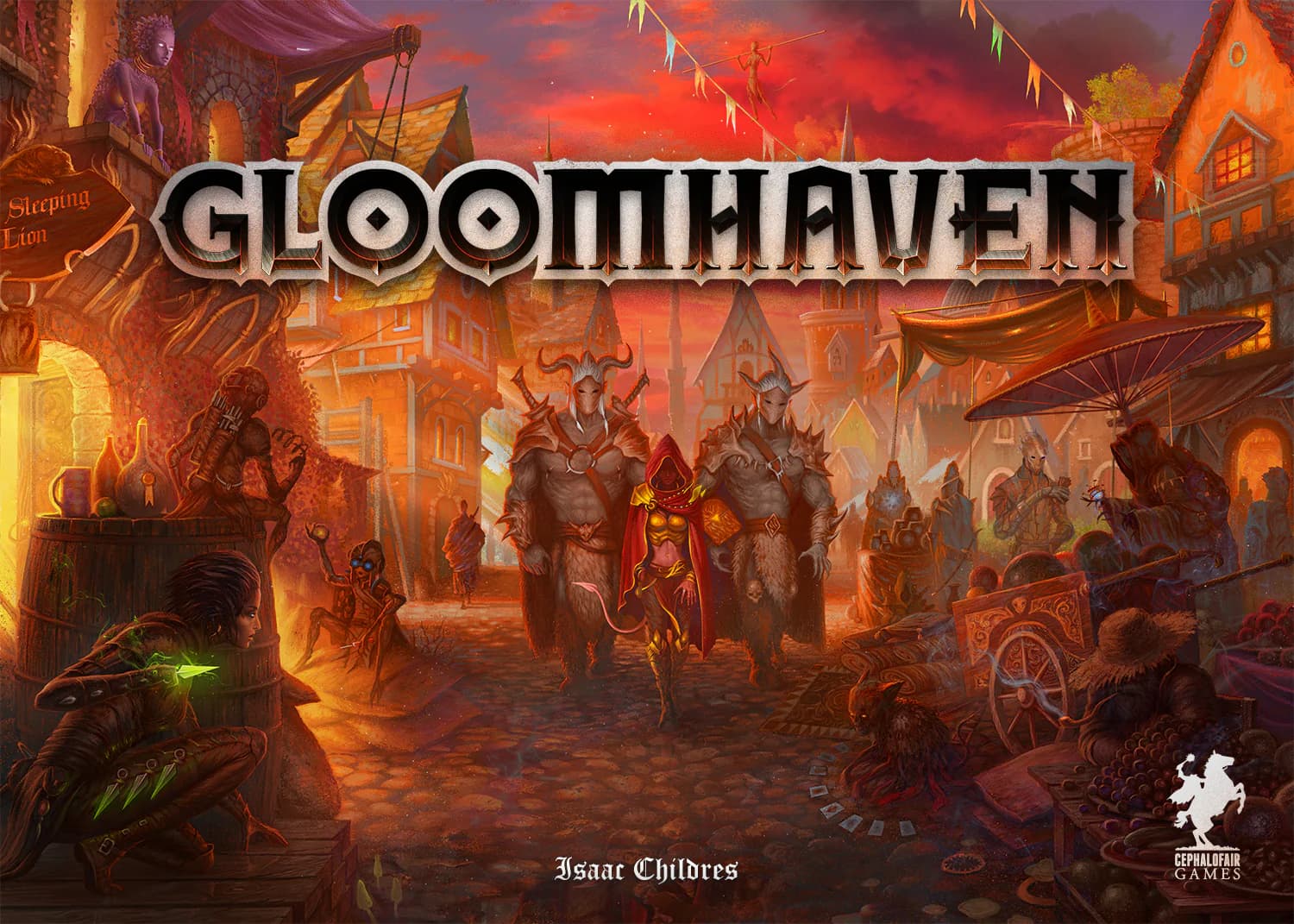
Gloomhaven
2017Gloomhaven is a sprawling, cooperative tactical combat game set in a persistent, evolving fantasy world. Players take on the roles of wandering mercenaries, each with their own unique motivations and hidden personal goals. The primary objective is to work together to navigate a series of branching scenarios that form a massive narrative campaign. As the party explores dark dungeons, forgotten ruins, and dangerous wilderness areas, they will uncover the secrets of the titular city and make choices that permanently alter the world map and the game's overall trajectory. Unlike traditional dungeon crawlers, success in Gloomhaven is less about luck and more about careful planning and resource management, as players strive to survive encounters while advancing their characters' legacy toward an eventual retirement.
The core of the gameplay revolves around a sophisticated, card-driven combat system that eliminates the need for dice. Each round, players select two cards from their hand to perform actions, choosing one top half and one bottom half from the pairing. This creates a deep tactical puzzle where players must manage their limited hand of cards; once a card is 'burned' or discarded, it becomes harder to maintain stamina, effectively serving as a timer for the scenario. The game utilizes a legacy system where players open sealed envelopes, add stickers to the board, and unlock new character classes as they progress through the ninety-five unique scenarios. Character progression is robust, allowing players to customize their ability decks and modifier decks, ensuring that no two heroes feel exactly the same even within the same class.
What truly sets Gloomhaven apart is its sheer scale and the intellectual depth of its design. Often cited as one of the greatest board games ever produced, it offers a level of immersion and long-term commitment rarely seen in the hobby. The absence of dice in combat provides a sense of agency, making every victory feel earned through strategy rather than chance. The world is reactive; your decisions determine which scenarios become available and which are locked away forever, creating a personalized experience for every gaming group. Its 'euro-style' approach to thematic dungeon crawling rewards clever synergy between players and careful hand management, making it a masterpiece of modern game design that caters to those seeking a heavy, rewarding, and narrative-rich campaign that can span hundreds of hours of play.
1-4 90m⚖️ 4.4
RANK #12
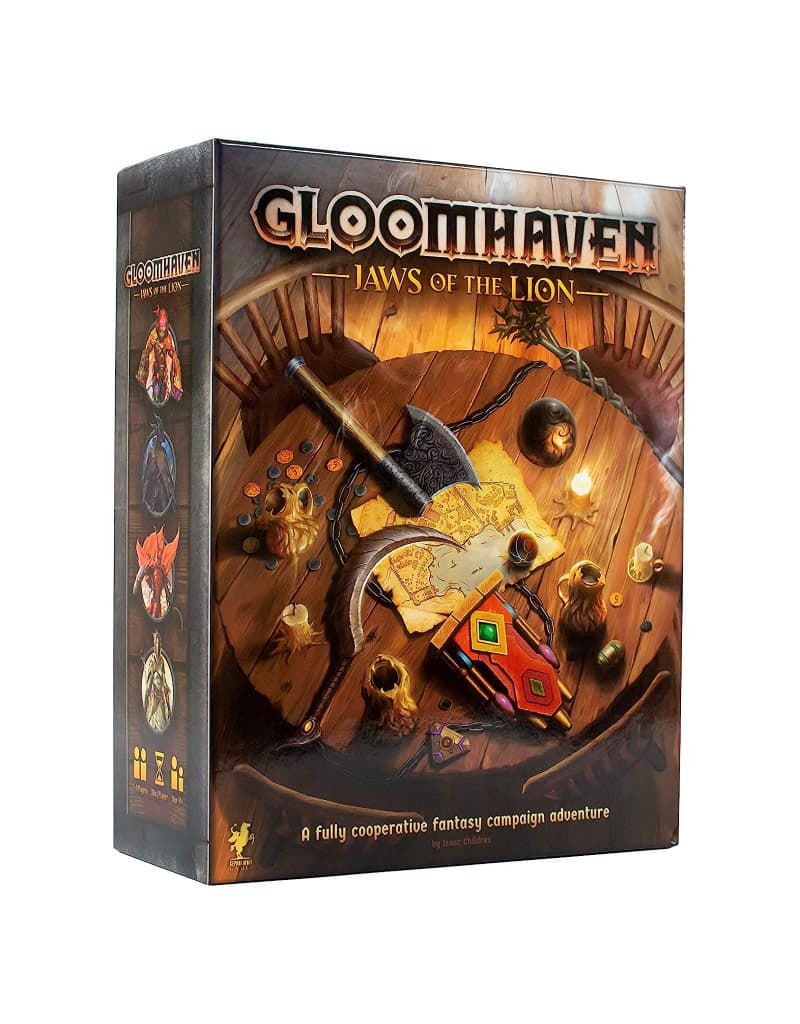
Gloomhaven: Jaws of the Lion is a critically acclaimed, cooperative tactical combat game that serves as a streamlined, standalone entry point into the sprawling Gloomhaven universe. Players embody unique mercenaries, each with distinct abilities, embarking on a narrative-driven campaign to uncover a looming threat to the city of Gloomhaven. The ultimate goal is to complete a series of interconnected scenarios, defeat menacing monsters, and advance a branching storyline, collectively shaping the fate of the city.
The game unfolds through a series of tactical scenarios, where players navigate a map, confront enemies, and achieve objectives using a unique card-driven combat system. Each turn, players select two ability cards from their hand, using the top half of one and the bottom half of the other to perform actions like movement, attacks, and special abilities. This clever hand management system forces tough strategic choices, as spent cards can be lost permanently or become fatigued. Monsters operate via a simple yet effective AI deck, creating unpredictable and challenging encounters. Jaws of the Lion also innovates with its learn-as-you-play tutorial, gradually introducing rules and mechanics over the first five scenarios, making it highly accessible for newcomers to complex dungeon crawlers.
Players adore Gloomhaven: Jaws of the Lion for its deep, engaging tactical combat, rich narrative, and sense of continuous progression. The cooperative nature fosters teamwork and shared victories, while the distinct classes offer immense replayability as players explore different character abilities and strategies. Its most significant appeal lies in distilling the epic scope and strategic depth of the original Gloomhaven into a more accessible, less intimidating package, featuring a simplified setup and integrated scenario book. This makes it an ideal choice for both seasoned gamers seeking a new challenge and newcomers eager to dive into one of the most celebrated board game series of all time.
m⚖️ N/A
RANK #21
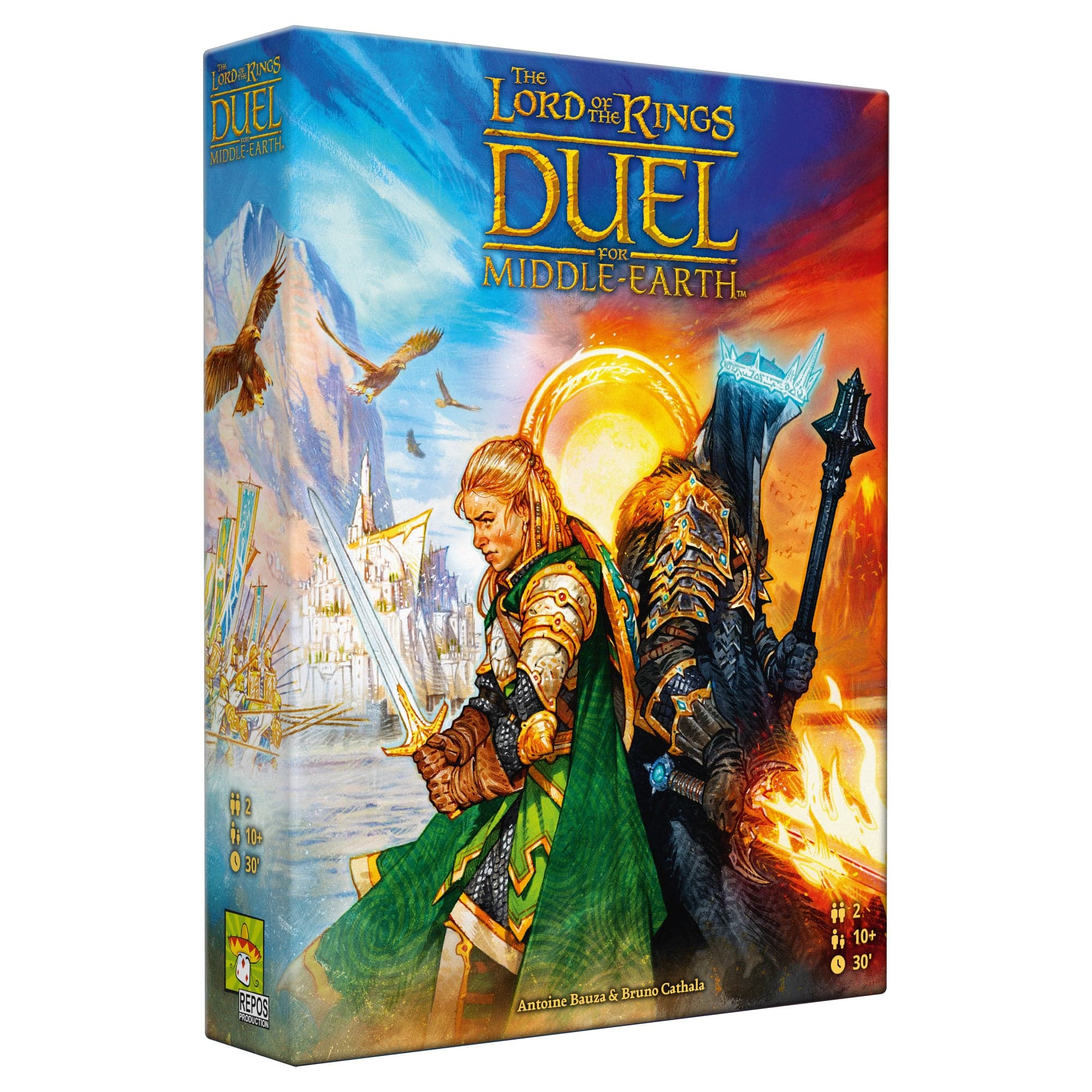
Embark on an epic strategic journey through J.R.R. Tolkien's beloved realm with "The Lord of the Rings: Duel for Middle-earth," a compelling two-player competitive board game. Players assume the mantle of either the valiant Free Peoples or the insidious forces of Sauron's Shadow, engaging in a desperate struggle for control over key territories and the ultimate fate of Middle-earth. Your primary goal is to outmaneuver and decisively defeat your opponent, claiming dominance through a blend of military might and cunning political influence.
Gameplay unfolds across a beautifully illustrated map of Middle-earth, where players deploy iconic units and leverage powerful event cards to expand their influence and engage in tactical skirmishes. Core mechanics center around card-driven action selection, intricate hand management, and dynamic area control, demanding careful strategic planning and adaptable decision-making. Each turn presents critical choices: where to commit your precious resources, when to launch an offensive, and how best to counter your opponent's machinations, making every move impactful in this high-stakes duel.
Fans are drawn to the game's deep thematic immersion, which masterfully translates the grandeur of Tolkien's narrative into a focused, engaging two-player experience. Its unique appeal lies in the asymmetric factions, offering distinct playstyles and challenging players to master their chosen side while anticipating their adversary's strategies. With streamlined yet profound strategic choices and high replayability, "Duel for Middle-earth" offers an intense and rewarding tabletop experience for anyone eager to carve their legend in the lands of Middle-earth.
m⚖️ N/A
RANK #121
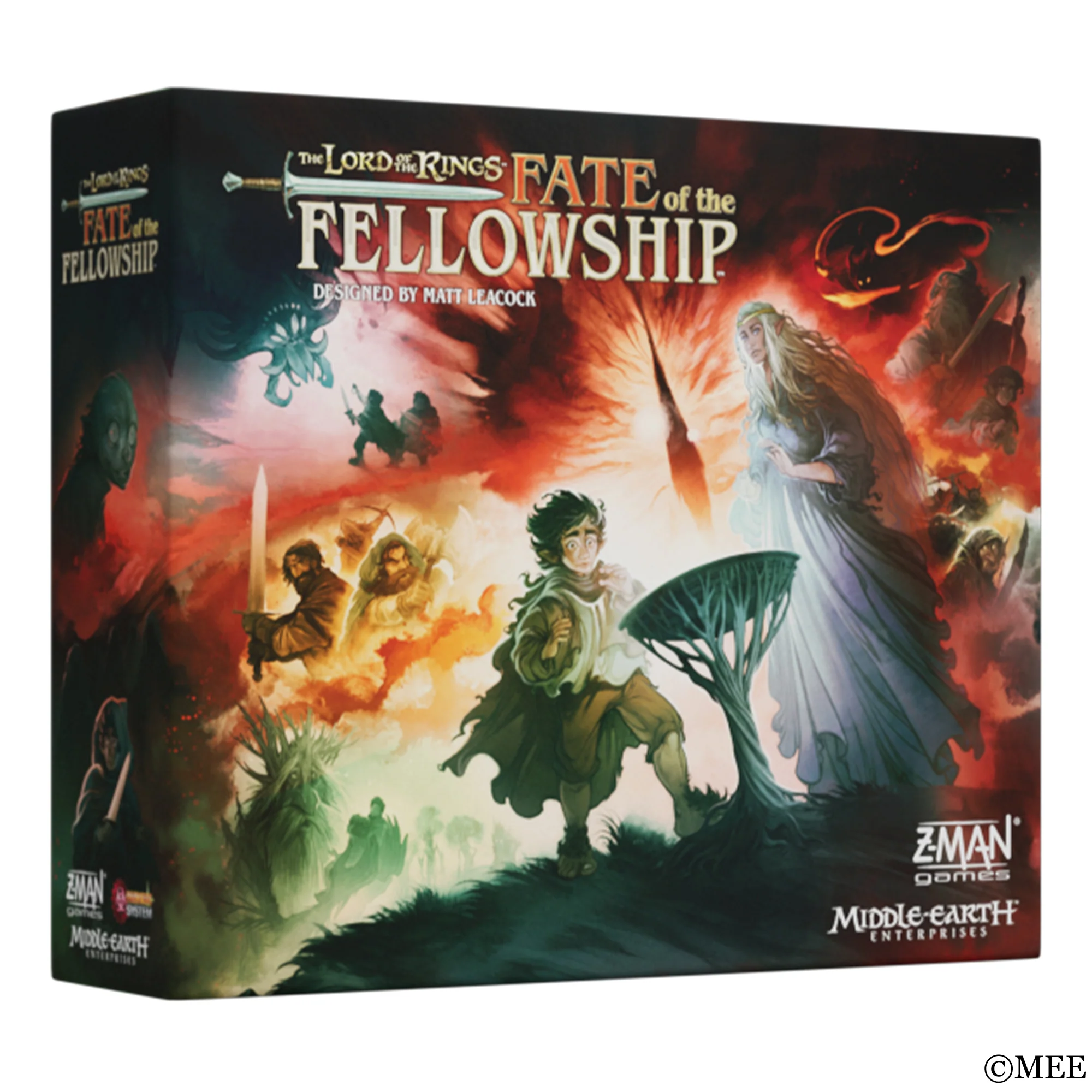
The Lord of the Rings: Fate of the Fellowship immerses one to five players in a desperate, cooperative journey across Middle-earth. In this new narrative-driven adventure from acclaimed designer Matt Leacock, players embody the heroes of Tolkien's epic saga, working together to ensure the One Ring reaches the fires of Mount Doom. The ultimate objective is the Ring's destruction, but this final confrontation can only be attempted after the fellowship successfully navigates three randomly assigned objectives. Players take on the roles of the Fellowship's members and their trusted allies, with each player uniquely controlling a pair of characters from a roster of thirteen, each boasting distinct abilities. The path to victory is fraught with peril, as failure looms if the collective 'Hope' of the fellowship is extinguished. This crucial resource dwindles when safe havens are overrun by darkness, if the Ringbearer is discovered by Sauron's minions, or if the heroes exhaust their resources. It is a race against the encroaching shadow to fulfill their destiny before all hope is lost.
The game's engine is a sophisticated adaptation of the celebrated "Pandemic" system, promising a familiar yet richer mechanical experience. The core gameplay loop involves players strategically spending action points to maneuver friendly forces and their heroes across a detailed map of Middle-earth. These actions are vital for completing the prerequisite missions and pushing back the ever-advancing armies of the Dark Lord. A central element of tension is the constant need to protect Frodo, keeping him concealed from the relentless pursuit of the Nazgûl and the piercing gaze of the Eye of Sauron. This threat is manifested through the 'Shadow Card' deck, a mechanism that functions much like its counterpart in "Pandemic," dictating where Sauron's influence will spread and escalating the danger with each draw. Players must carefully manage their character abilities and card resources to overcome these challenges and clear a path for the Ringbearer.
"Fate of the Fellowship" offers a compelling synthesis of a proven cooperative game system with one of fantasy's most beloved narratives. Its appeal lies in this seamless integration, creating an experience that feels both innovative and deeply thematic. The design has been hailed as Matt Leacock's most mechanically intricate take on the Pandemic framework to date, offering a significant and rewarding challenge for veteran strategy gamers. The unique system of each player managing two distinct heroes introduces a fascinating layer of tactical decision-making and enhances replayability. This constant balancing act—completing grand objectives while simultaneously managing the stealthy, perilous journey of the Ringbearer—generates a persistent sense of urgency and suspense, making it an essential title for fans of cooperative board games and Tolkien's timeless world.
1-5 m⚖️ 3.1

RANK #139
Troyes
2010In Troyes, players are transported to the year 1200 in the Champagne region of France to lead a rich and influential family. Over the course of four centuries, you will guide the destiny of the city, leaving your mark on its history. The ultimate goal is to amass the greatest fame and glory, measured in victory points. This is achieved by contributing your family's resources and citizens to three key societal pillars: the military, the religious, and the civil domains. Players will work to construct the magnificent cathedral, a central project that demands shared effort, while simultaneously defending the city from a constant barrage of unfortunate events. Your success will be judged by your ability to navigate these challenges and strategically place your family members in positions of power throughout the city's burgeoning society.
The game's engine is driven by a unique and highly interactive dice-placement mechanism. At the start of each round, players roll a pool of dice determined by the number of their citizens (meeples) they have stationed in the city's three main guildhalls. These dice, colored red (military), white (religious), and yellow (civil), represent the available labor force for that round. On your turn, you'll group one to three dice of the same color to perform actions. These actions include activating powerful ability cards on the board, recruiting more citizens, earning money, fighting off negative event cards, or dedicating work towards the cathedral. The most compelling twist is that you are not limited to your own dice. For a price, you can purchase dice directly from your opponents' pools, forcing them to react and creating a tense, dynamic marketplace for actions each and every turn. This system forces constant evaluation of not only your own plans but the potential moves of everyone at the table.
Troyes is celebrated among strategy gamers for its brilliant fusion of classic Eurogame mechanics with an uncommonly high degree of player interaction. While many games in its weight class can feel like 'multiplayer solitaire', the ability to buy an opponent's dice ensures that you are always invested in their rolls and decisions. This creates a constant tension and a need for tactical flexibility. The game offers immense replayability through its modular setup; the specific action cards available in each of the three domains change from game to game, as do the events and character cards that grant secret end-game scoring objectives. This variability means that no two games of Troyes feel the same. It's a deeply rewarding and challenging puzzle that masterfully balances long-term strategic planning with the need for sharp, opportunistic tactical plays, making it an enduring classic of the genre.
2-4 90m⚖️ 3.5
RANK #184
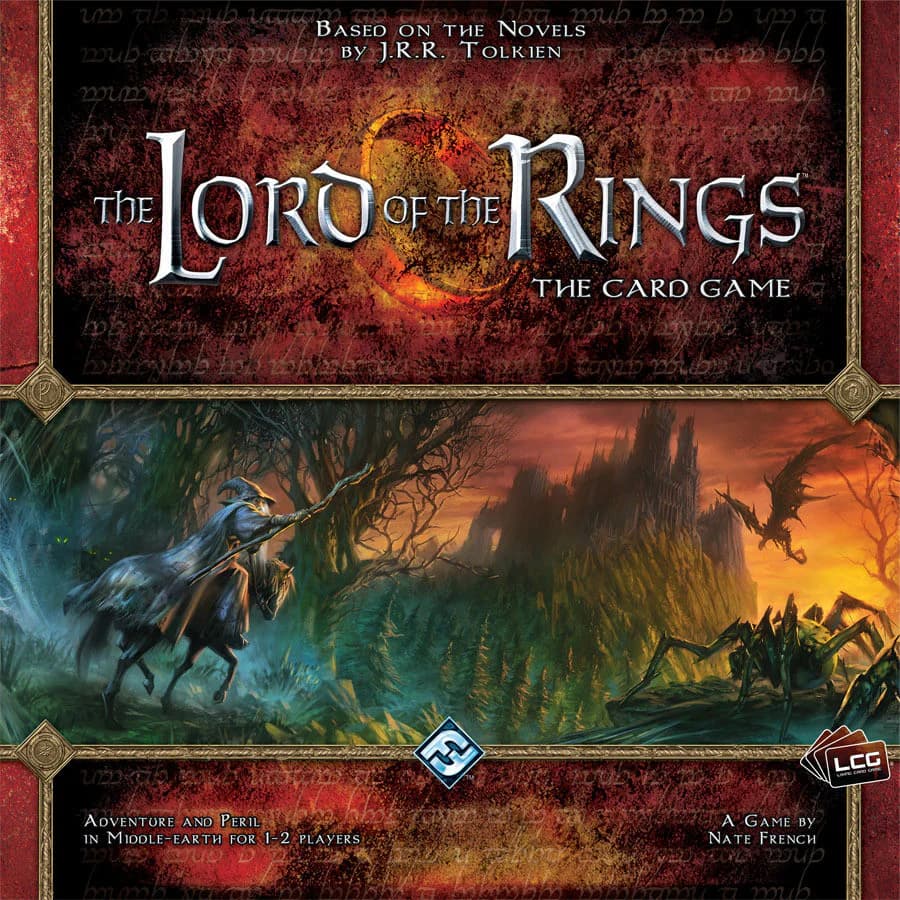
Embark on perilous quests in The Lord of the Rings: The Card Game, a cooperative Living Card Game (LCG) set within J.R.R. Tolkien's iconic Middle-earth. Unlike collectible games with randomized booster packs, this is an LCG where players can strategically grow their collection with fixed expansions. In this game, one to four players unite to form their own fellowship, working together against automated scenarios controlled by an 'encounter deck'. Your goal is to navigate treacherous lands, battle fearsome enemies, and complete a series of quest objectives to achieve victory against the encroaching shadow of Sauron. It's a narrative-driven adventure that brings the world of the books to your tabletop.
The core of the game revolves around strategic deck-building and a structured round sequence. Each player constructs a deck of at least fifty cards centered on one to three powerful heroes, chosen from four distinct spheres of influence: Leadership, Lore, Spirit, and Tactics. These spheres dictate which allies, attachments, and events a player can use. A typical round involves gaining resources to pay for cards, questing to make progress on the current objective, potentially traveling to new locations, engaging with enemies from the encounter deck, and finally resolving combat. Players must manage their characters carefully, deciding who will quest, defend, or attack. Victory is hard-won, as players lose if any member's threat level reaches 50 or if all of their heroes are defeated.
The enduring appeal of The Lord of the Rings: The Card Game lies in its deep, strategic challenge and rich thematic immersion. It is renowned for its difficulty, often requiring players to meticulously craft and refine their decks to overcome the unique obstacles presented by each scenario. The cooperative nature fosters a strong sense of camaraderie as players must coordinate their actions and build synergistic decks to succeed. The game's artwork is inspired directly by Tolkien's novels rather than the films, creating a distinct and authentic vision of Middle-earth. This combination of challenging cooperative gameplay, extensive customization, and a beloved fantasy setting makes it a highly replayable and rewarding experience for any fan of adventure.
1-4 60m⚖️ 3.4
RANK #225
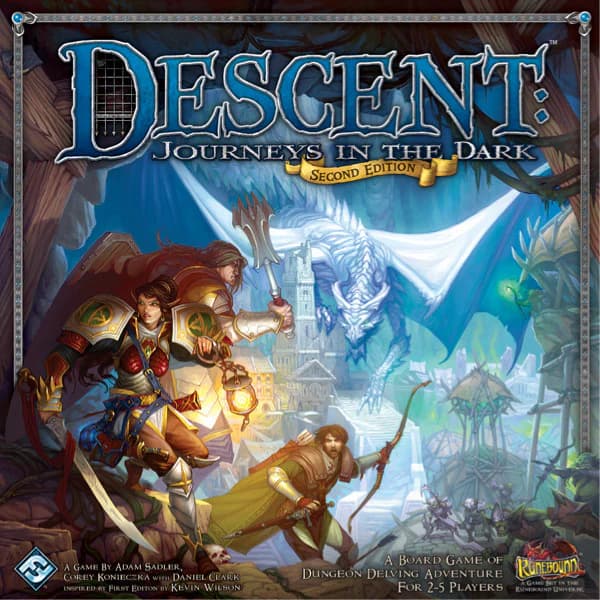
Descent: Journeys in the Dark (Second Edition) is a seminal board game that immerses players in the high-fantasy world of Terrinoth for an epic, one-versus-many dungeon-crawling adventure. In this asymmetrical contest, one player assumes the role of the treacherous Overlord, commanding an army of monsters and springing deadly traps from the shadows. The other players (up to four) form a courageous band of heroes, each with unique skills and abilities, who must work together to complete the objectives of a given quest. The game is scenario-driven, with each quest forming a chapter in a larger, branching campaign narrative. Success or failure in one encounter can have tangible consequences on the next, creating a dynamic and evolving story where the heroes strive for victory against the Overlord's nefarious plans.
The gameplay unfolds over a series of rounds, with heroes taking their turns first. Each hero can perform two actions, such as moving across the modular, tile-based map, attacking a monster, or using a special skill. Combat is a highlight of the experience, resolved through a custom dice-pool system. Players roll dice determined by their character's equipment and abilities, looking for symbols representing damage, range, and special 'surges.' These surges can be spent to trigger powerful effects, adding a layer of tactical decision-making to every attack. After the heroes have acted, the Overlord takes their turn, playing cards from a unique deck to activate monster groups, summon reinforcements, and unleash unexpected events to wear down the heroes and achieve their own secret objectives.
What makes Descent a beloved classic is its deep sense of progression and the escalating arms race that develops over a campaign. Between quests, both sides grow stronger. Heroes earn experience to learn new skills and spend gold on powerful new weapons and armor, customizing their characters to fit their playstyle. Simultaneously, the Overlord also gains experience, which is used to purchase more potent Overlord cards, unlocking deadlier plots and monsters. This persistent development ensures that the challenge constantly escalates, making each session feel meaningful. The combination of tactical combat, rich character customization, and an emergent, player-driven narrative provides a highly replayable and deeply engaging experience for any group that loves adventure and strategy.
2-5 120m⚖️ 3.2
RANK #285
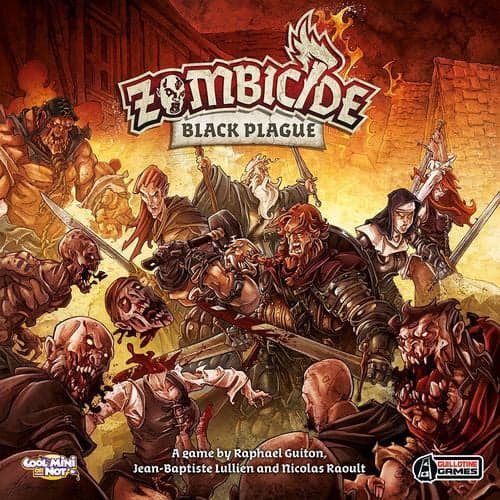
Zombicide: Black Plague reboots the high-octane zombie survival genre by plunging players into a dark, medieval fantasy world. In this cooperative experience, one to six survivors must unite to fend off hordes of the undead summoned by malevolent Necromancers. Unlike its modern-day predecessors, Black Plague introduces a magical twist where steel, sorcery, and shields are the primary tools of survival. The primary objective is to complete specific mission scenarios, which range from retrieving lost artifacts to cleansing infested vaults, all while managing the ever-growing threat of the zombie apocalypse. Each player controls a unique hero, navigating through modular map tiles that represent plagued villages and sinister dungeons.
The gameplay revolves around an intuitive action-point system where survivors spend points to move, attack, or scavenge for gear. As players slay zombies, they gain Adrenaline Points, which allow them to level up and unlock powerful new abilities. However, this progress comes with a catch: the game tracks the party's highest experience level, and as survivors grow stronger, the zombie spawn rates intensify through color-coded danger zones. This creates a tense balancing act where players must scale their power without overwhelming themselves with too many enemies. Unique to this edition are the Necromancers, specialized foes who attempt to escape the board while leaving permanent spawn points in their wake, and the introduction of armor saves, giving players a fighting chance against incoming damage.
Fans of the series praise Black Plague for its streamlined rules and significantly improved component quality, notably the recessed plastic dashboards that keep character cards and pegs securely in place. The shift to a fantasy setting allows for creative weapon combinations, such as magic staves and heavy plate mail, providing a distinct mechanical flavor compared to modern versions. With its high-quality miniatures, tactical depth, and 'beer and pretzels' accessibility, it remains a favorite for groups seeking an epic, narrative-driven challenge. The inclusion of solo rules and a variety of challenging scenarios ensures high replayability, making it a definitive entry in the dungeon-crawl and survival-horror board game genres.
1-6 120m⚖️ 2.5

RANK #409
Arydia: The Paths We Dare Tread invites players into a sprawling, open-world fantasy experience designed for cooperative play. In this epic role-playing board game, you and your companions embody exiles, individuals cast out from society and striving to find their way back. Your journey will be a grand campaign across the vast and mysterious lands of Arydia, a world brimming with quests to undertake, secrets to uncover, and a rich narrative to shape. The game is built upon four foundational pillars—Exploration, Progression, Combat, and Role-playing—promising a deeply immersive adventure where your choices have a tangible impact on the evolving story and the world around you.
The core gameplay loop is a dynamic blend of discovery and conflict. Players begin by creating a unique hero, choosing a distinct path (class) and race, each with special abilities and represented by a beautifully pre-painted miniature. The world of Arydia is revealed through a modular map of hexagonal tiles, which are flipped as you travel to unveil everything from bustling cities to perilous wilds. During "Adventure mode," you'll interact with non-player characters, investigate points of interest, and accept quests that propel the story forward. When danger arises, the game seamlessly transitions to "Combat mode," a tactical, turn-based affair on a gridded map where teamwork is paramount to overcoming AI-controlled adversaries.
What truly sets Arydia apart is its innovative "green legacy" system. This design choice offers the persistent, evolving world and unlockable content of a traditional legacy game but with a crucial difference: it's entirely resettable and replayable. Nothing is permanently destroyed, allowing you to experience the 40+ hour campaign multiple times or share the adventure with a new group. The character progression is robust, allowing you to acquire powerful new weapons, items, and skills. Combat is also noteworthy for its unique pattern-based attack system, where you must strategically target specific zones on an enemy's card, carefully navigating their armor to land effective blows. With a convenient index system for saving progress, Arydia delivers an accessible yet deeply strategic campaign for those who dare to tread its paths.
1-4 150m⚖️ 4.0
RANK #702
HeroQuest
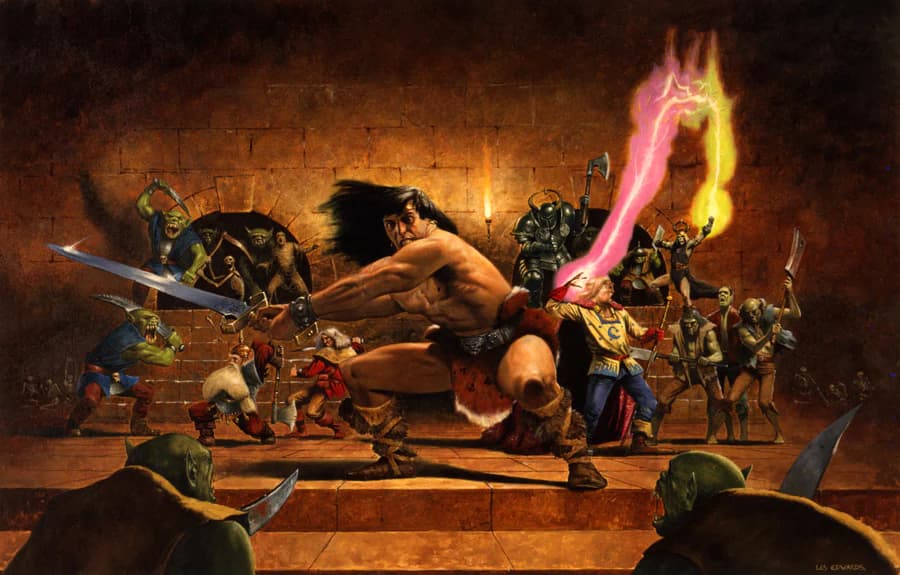
1989HeroQuest is the quintessential fantasy dungeon-crawling experience, famously designed to act as a bridge between traditional board games and the complex world of tabletop role-playing games. Originally released in 1989 through a collaboration between Milton Bradley and Games Workshop, the game places one player in the role of the malevolent gamemaster—known as Zargon in North America or Morcar in Europe—while the remaining players take on the roles of four legendary heroes: the Barbarian, the Dwarf, the Elf, and the Wizard. The primary goal is to successfully navigate a series of perilous underground labyrinths, completing specific mission objectives such as rescuing a captive, recovering a magical relic, or defeating a powerful boss, all while surviving the monsters and hazards lurking in the shadows.
The gameplay is driven by a scenario book that outlines distinct quests. Each hero's turn involves moving and performing an action. Movement is determined by rolling two standard six-sided dice, adding a layer of unpredictability to every trek through the dark corridors. Actions include attacking enemies, casting powerful spells from a limited deck, or searching the immediate area for treasure, secret passages, and deadly traps. A standout mechanic is the use of specialized combat dice, which feature skulls for hits and shields for defense, making combat resolution intuitive and visually immediate. The gamemaster controls the 'fog of war,' populating the board with detailed 3D furniture and plastic miniatures only when the heroes enter a room or line of sight, which maintains a constant atmosphere of mystery and tension.
The appeal of HeroQuest lies in its evocative presentation and its ability to deliver a rich, narrative-driven experience without overwhelming players with dense rulebooks. It popularized the 'dungeon crawl' genre for a mainstream audience, thanks in large part to its iconic components—including stone tombs, weapon racks, and treasure chests—that brought the game world to life on the tabletop. It strikes a perfect balance between simplicity and depth, offering enough tactical variety to keep seasoned players engaged while remaining accessible enough for younger audiences or newcomers. This enduring charm has cemented its status as a 'grail game' for collectors and a beloved classic that defined the fantasy board gaming landscape for a generation.
2-5 90m⚖️ 2.1

RANK #2,187
Hamburg
2022Hamburg (2022) invites players to step into the bustling shoes of influential merchants during the Hanseatic League era, aiming to build the most prosperous and prestigious city districts. As a standalone title by Mac Gerdts, it challenges you to optimize your actions and resources to construct magnificent buildings, acquire valuable goods, and expand your influence across the historic city. The ultimate goal is to accumulate the most victory points by the game's end, demonstrating your superior strategic acumen and urban planning prowess within this vibrant economic simulation.
At its core, Hamburg features an innovative rondel-based action selection system, a signature mechanic of Mac Gerdts. Players move their marker around a circular track, choosing an action at their destination and potentially paying to access actions further along. This forces tough decisions: take a nearby, cheaper action now, or pay more for a preferred action later? Complementing this is a robust market system where commodity prices fluctuate based on player actions, demanding careful timing and resource management. Players will acquire building permits, collect resources, construct various types of buildings (houses, churches, city walls), and leverage their unique player powers to gain an advantage.
Hamburg is celebrated for its deep strategic gameplay, offering a rich eurogame experience that rewards intricate decision-making without overwhelming complexity. Its tight economic engine, dynamic market, and the elegant rondel mechanic create a constant push and pull, ensuring high replayability and engaging player interaction. Fans praise its intricate decision-making, where every action has ripple effects, and the satisfaction of watching your city grow from a few humble houses to a thriving metropolis. It's a game for those who appreciate elegant design, economic puzzles, and the reward of long-term strategic planning.
2-4 120m⚖️ 3.6

Sagrada
2007Sagrada is a visually stunning dice-drafting game where players take on the role of artisans competing to construct the most beautiful stained-glass window for the Sagrada Família. The objective is to achieve the highest score by strategically placing colorful translucent dice onto a personal player board, which represents a window frame. Each player works with a unique pattern card that dictates specific placement requirements, ensuring that every session offers a fresh set of challenges. By balancing personal secret goals, shared public objectives, and strict construction rules, players must meticulously plan their moves to create a masterpiece that captures the essence of light and color.
The core of the game revolves around a drafting mechanic where a pool of colored dice is rolled each round. Players take turns selecting a single die and positioning it on their 4x5 grid, following a "snake draft" order where the last player picks twice in a row. Placement is governed by strict adjacency rules: dice cannot be placed next to others of the same color or value (orthogonally). Furthermore, the pattern cards inserted into the player boards often feature specific restrictions, requiring certain spaces to be filled with exact colors or shades. To navigate these constraints, players can spend favor tokens to utilize special Tool cards, which provide powerful abilities like moving already-placed dice, re-rolling, or ignoring certain placement rules. This interplay between the luck of the roll and the tactical use of tools creates a satisfying, low-stress puzzle-solving experience.
Sagrada is widely beloved for its accessibility and its breathtaking table presence. The high-quality components, particularly the vibrant, jewel-like dice, mimic the look of real stained glass when they catch the light, making it a favorite for both casual and serious gamers. Beyond its aesthetics, the game offers a deep tactical experience that rewards foresight and adaptability. Because the available tools and scoring objectives change every game, the replayability is exceptionally high. It manages to feel like a relaxing, meditative activity while simultaneously challenging the brain with its spatial constraints and optimization puzzles, firmly establishing itself as a modern classic in the abstract strategy genre.
1-4 45m⚖️ 2.3
Showing 1 to 12 of 13 games