Historical Games
Browse all Historical board games in the Meeple Pulse database.
Styles
Themes
AbstractAdventureAncientAnimalsArtBusinessCard GameCo-operativeComic BookCooperativeCrimeEconomicEnvironmentalismExplorationFantasyHistoricalHorrorHumorIntrigueLiteraryMagicMarvelMedievalModernMuseumMysteryMythologyNatureNauticalPoliticalPress Your LuckSatireSci-FiSocial CommentarySocial InteractionSpaceSuperheroesThematicTravelWarWesternWord-Guessing
Mechanics
3D PlacementActingAction / DexterityAction DraftingAction Point AllowanceAction Point Allowance SystemAction Point SystemAction PointsAction ProgrammingAction QueueAction RetrievalAction SelectionAction/EventAlliancesAlternate ActivationApp-AssistedApp-DrivenArea ControlArea InfluenceArea MajorityArea Majority / InfluenceArea MovementArgumentationAsymmetricAsymmetric FactionsAsymmetric GameAsymmetric PowersAsymmetrical PowersAuction & BiddingAuction/BiddingAuctioningBag BuildingBettingBetting and BluffingBetting and WageringBetting and WagersBiddingBingoBlind BiddingBluffingCampaign / Battle Card DrivenCampaign / LegacyCampaign / Legacy GameCampaign / Mission-basedCampaign / ScenariosCampaign GameCampaign PlayCard DraftingCard DrawingCard DrivenCard Driven ActionCard Driven CombatCard Driven Dice AllocationCard Driven MovementCard ManagementCard PlayCard Play / Hand ManagementCard Play Conflict ResolutionCard SheddingCard-Driven MovementCharacter CreationCharacter ProgressionChit-Pull SystemCo-op PlayCo-operative GameCo-operative PlayCode-breakingCombat ResolutionCombo ChainCommand CardsCommodity SpeculationCommunication LimitsContract FulfillmentContractsCooperative GameCooperative GameplayCooperative PlayCooperative Trick-takingDebateDeck BuildingDeck ConstructionDeck, Bag, and Pool BuildingDeck-BuildingDeductionDexterityDice DraftingDice PlacementDice RollingDiplomatic InfluenceDraftingDynamic Battle SystemEnclosureEnd Game BonusesEngine BuildingEngine-BuildingEscape RoomEvent DrivenExplorationFarmingFlip and WriteFollowFollow ActionGrid CoverageGrid MovementHand ManagementHex-and-CounterHexagon GridHidden MovementHidden RolesI Cut You ChooseIncomeInfluence / Area MajorityLadder ClimbingLegacyLegacy ElementsLegacy GameLegacy SystemLimited CommunicationLine DrawingLine of SightMancalaMap MovementMarketMarket DraftingMarket ManipulationMarket MechanicMarket SpeculationMatchingMeasurement MovementMemoryMission ObjectivesModular BoardModular Board ConstructionMovement TemplatesMulti-Use CardsMulti-use CardsMultiple ScenariosMust FollowNarrative ChoiceNarrative Choice / ParagraphNegotiationNegotiation MechanicsNetwork & Route BuildingNetwork BuildingNetwork and Route BuildingOne vs ManyOne vs. ManyOpen DraftingPaper-and-PencilPartnershipsPattern BuildingPattern RecognitionPick-up and DeliverPlayer EliminationPlayer InteractionPlayer JudgePoint SaladPoint to Point MovementPolyominoesPush Your LuckPush-Your-LuckPuzzlePuzzle-LikePuzzle-SolvingRaceReal-TimeRecipe FulfillmentResource ManagementRole PlayingRole SelectionRoll / Spin and MoveRondelRoute BuildingRoute-BuildingRoute/Network BuildingSanity SystemScenario / Campaign PlayScenario / Mission / Campaign GameScenario / Mission FunctionSecret Unit DeploymentSemi-Cooperative GameSet CollectionSheddingSimulationSimultaneous ActionSimultaneous Action SelectionSimultaneous Hidden AllocationSocial DeductionSocial InteractionSolo / Solitaire GameSpace ExplorationStat Check / Skill CheckStock HoldingStorytellingStrategic PlanningTableau BuildingTactical Decision-MakingTake ThatTargeted CluesTeam PlayTeam-Based GameTeam-Based GuessingTeamworkTech TreesTech Trees / Tech TracksTechnology & Armament TracksTechnology TreeTension & Aggression TracksTile DraftingTile LayingTile PlacementTime TrackTime TravelTower DefenseTrack MovementTradingTrick-takingTug of WarTurn Order: PassTurn Order: Stat-BasedUnit PlacementVariable Phase OrderVariable Player PowersVariable Set-upVariable SetupVictory Point TracksVotingWord AssociationWord GameWord GuessingWord-GuessingWord-guessingWordplayWorker Placement
RANK #1
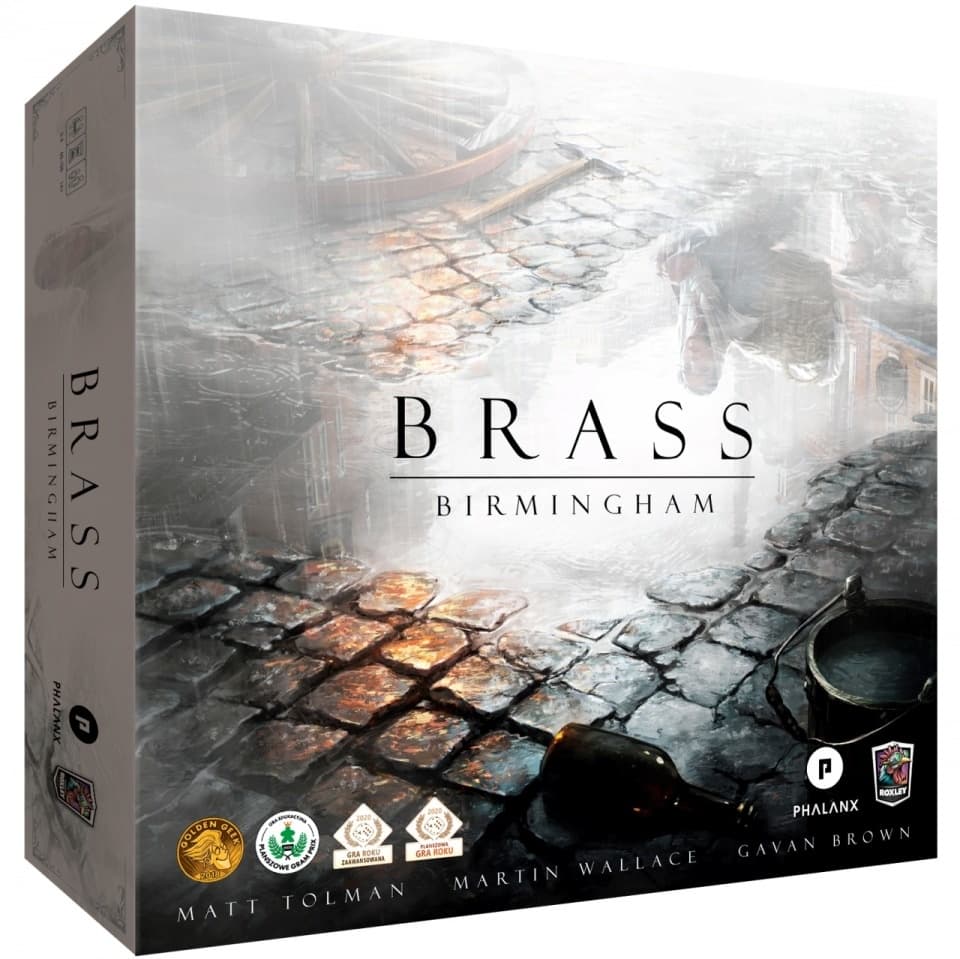
Step into the sooty, vibrant heart of England's Industrial Revolution with Brass: Birmingham, a masterful economic strategy game that casts players as ambitious entrepreneurs vying for industrial dominance. Set against the backdrop of a transformative era, you will embark on a compelling journey to forge a powerful empire, shaping the landscape and economy of Birmingham through two distinct historical periods: the Canal Era and the more advanced Rail Era. This is a game where vision, resourcefulness, and strategic foresight determine who will rise as the preeminent industrialist.
At its core, Brass: Birmingham is a meticulous ballet of economic expansion and shrewd resource management. Players will lay down the foundations of industry, establishing essential coal mines, ironworks, and lucrative cotton mills, potteries, and breweries across a sprawling map of key locations. Success hinges on not only building these enterprises but also efficiently connecting them through an intricate network of canals and railways, facilitating the crucial flow of resources and finished goods. The ingenious 'flipping' mechanism is central: once a product is sold, the underlying industry tile is flipped, revealing its true value and generating vital income or victory points, creating a compelling loop of investment and profit. Balancing the high costs of construction with the constant need for capital, often through carefully managed loans, adds a layer of intense financial pressure and strategic depth.
The strategic depth of Brass: Birmingham evolves dramatically through its two eras, demanding adaptability and long-term vision from even the most seasoned players. As the game progresses, new technologies emerge, altering construction costs and market dynamics, forcing players to continually re-evaluate their strategies and pivot their industrial focus. While individual turns might seem straightforward, the profound interplay between players creates a highly competitive, yet largely indirect, environment. Every canal built, every resource consumed, and every market accessed by one player impacts the opportunities available to others, fostering a constant strategic dance. This interwoven competition, combined with varied scoring opportunities and deeply interconnected mechanics, ensures that no two games ever feel the same, offering immense replayability and a truly satisfying intellectual challenge.
Brass: Birmingham stands as a pinnacle of modern economic strategy, celebrated for its elegant design, immersive thematic depth, and profound strategic nuance. It’s a sophisticated game for thinkers who relish complex decision-making, appreciate intricate economic systems, and thrive on outmaneuvering rivals with subtle yet impactful moves. Prepare to immerse yourself in the gritty glory of industrial progress, where every well-placed industry and every timely sale can tip the scales of fortune and cement your legacy.
2-4 90m⚖️ 3.9
RANK #16
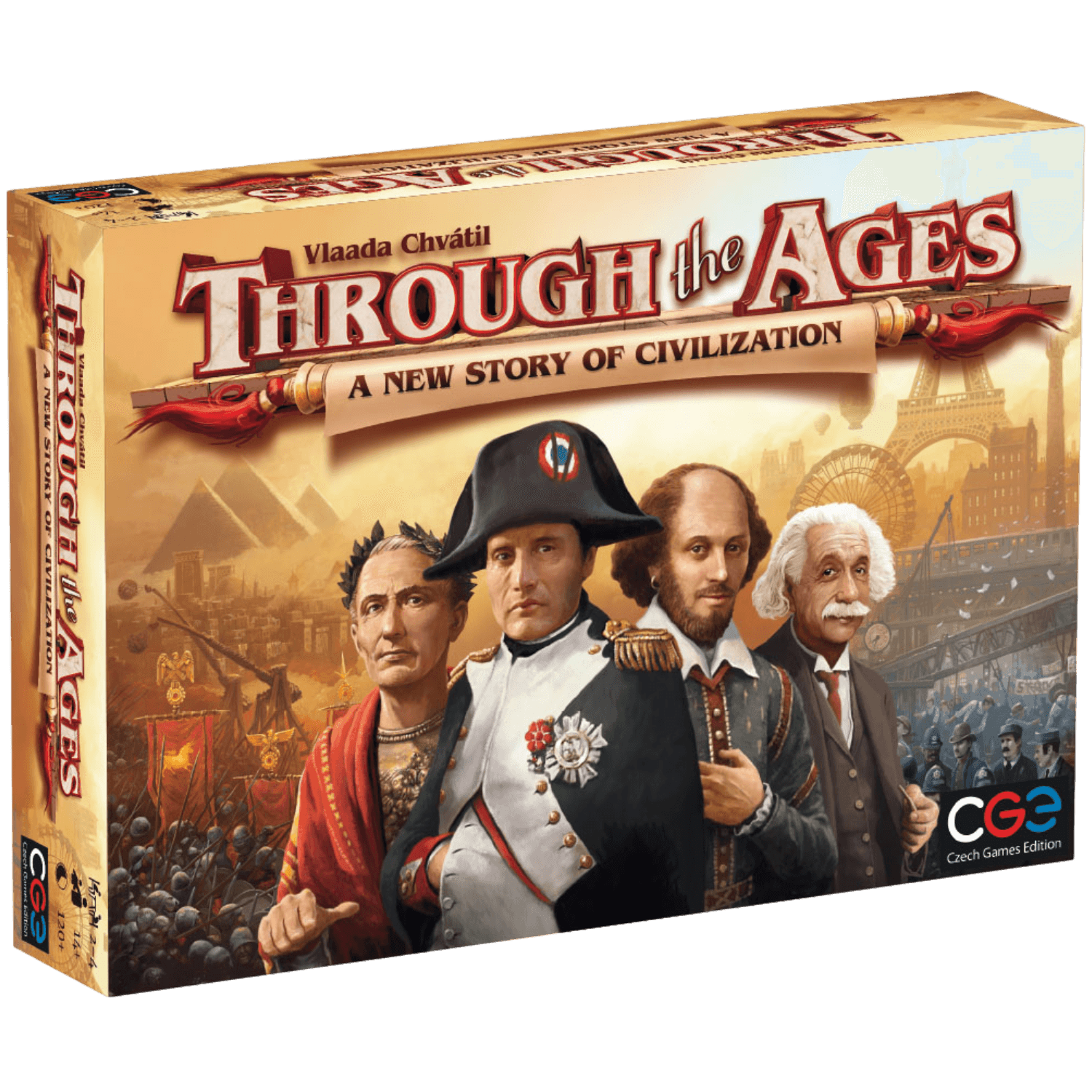
Through the Ages: A New Story of Civilization (2015) is a monumental strategy board game where players rewrite history, guiding their burgeoning civilization from antiquity through the modern era. Your ultimate goal is to accumulate the most culture points by developing a superior civilization, marked by technological advancements, powerful leaders, magnificent wonders, and a thriving population. This epic journey tests your foresight and adaptability, demanding careful long-term planning to emerge as the preeminent power in a constantly evolving world.
The game unfolds through a unique card drafting system, where new technologies, leaders, and wonders become available, requiring players to strategically acquire and utilize them using an innovative action point allowance system. Managing essential resources like food, minerals, and population is crucial for expansion and development, while balancing economic growth with military strength is paramount. Building a robust military deters aggression and secures your borders, adding a tense layer of player interaction and strategic bluffing to the otherwise deep economic engine.
Beloved for its unparalleled strategic depth and immersive thematic experience, Through the Ages offers a truly brain-burning challenge with virtually limitless replayability. Its elegant design minimizes luck, rewarding careful planning, efficient resource management, and cunning tactical decisions. Players adore the sensation of guiding a civilization through millennia, making profound choices that ripple across ages, creating a highly satisfying and richly rewarding gaming experience that stands as a benchmark for heavy strategy games.
m⚖️ N/A
RANK #23
Dive into the cutthroat world of the English Industrial Revolution with Brass: Lancashire, the seminal 2007 economic strategy game where shrewd entrepreneurs vie for dominance across the historic landscape. Players will strategically expand their industrial empire by building canals, establishing crucial rail links, and developing key industries like cotton mills, coal mines, and iron works. Managing cash flow, leveraging market demands, and outmaneuvering rivals are paramount as you invest, produce, and sell resources to secure victory points, making every decision a pivotal step towards becoming the wealthiest industrialist in Lancashire.
m⚖️ N/A

RANK #27
A Feast for Odin
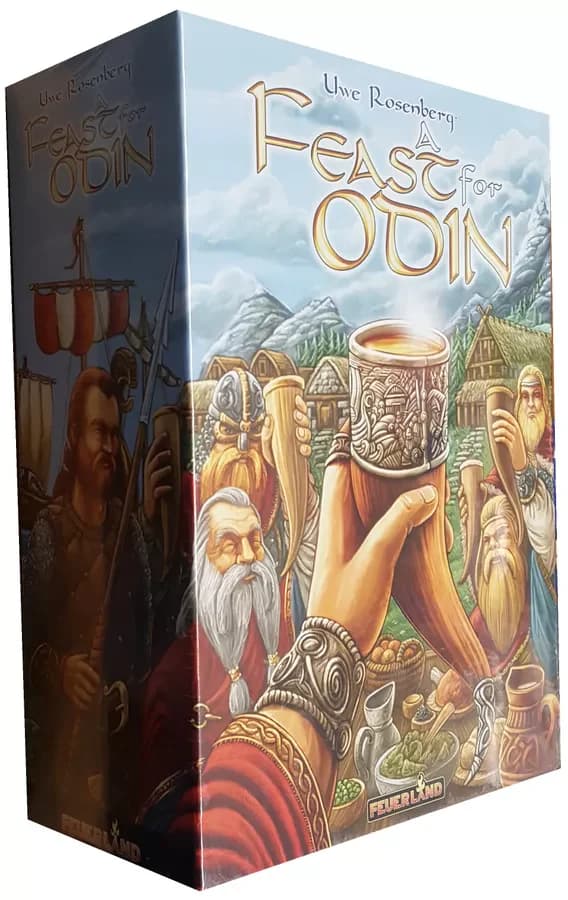
2016In A Feast for Odin, 1-2 players take on the role of Viking leaders, competing to build their civilization through exploration, trading, and settlement building. The game is a challenging strategy experience that combines worker placement, engine-building, and area control mechanics. Players must balance the needs of their people with the demands of the gods, all while navigating the harsh realities of the Viking world. As players progress, they'll unlock new abilities and buildings to aid in their quest for glory.
1-2 60m⚖️ 3.5
RANK #29
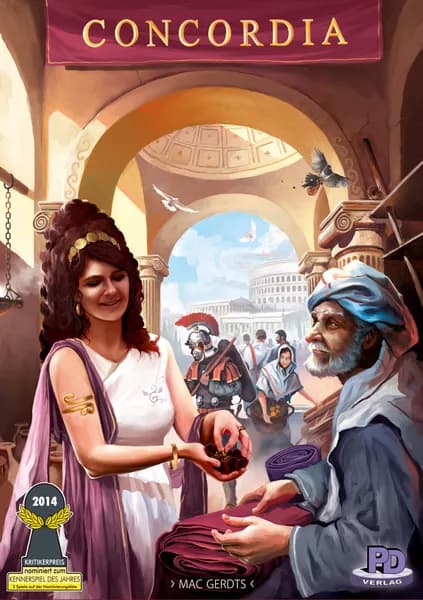
Concordia
2013Concordia is an elegant strategy board game where 2-5 players become powerful Roman merchants, striving to expand their trading empire across the Mediterranean. The goal is not just wealth, but prestige, earned through wise expansion, strategic trading, and efficient use of specialist cards. Players build outposts, produce goods, and colonize new provinces to accumulate victory points based on their unique set of personality cards, making every game a fresh challenge.
At its heart, Concordia features a brilliant card-driven action system combined with robust hand and resource management. Players use a limited hand of 'personality cards' to perform actions like building, moving, trading, or generating resources. Crucially, a 'Tribune' card allows players to retrieve their discarded cards, adding a fascinating rhythm to the game's flow. Area movement is key as players expand their presence across a modular map, establishing trade routes and monopolizing regions.
Players love Concordia for its incredibly streamlined rules that belie a deep strategic experience. It offers immense replayability through various map boards and the evolving set of available personality cards. With virtually no luck elements, it rewards efficient planning, forward-thinking, and adaptability, making it a favorite among Eurogame enthusiasts seeking a pure, engaging economic strategy game that stands the test of time.
2-5 100m⚖️ 2.9
RANK #51
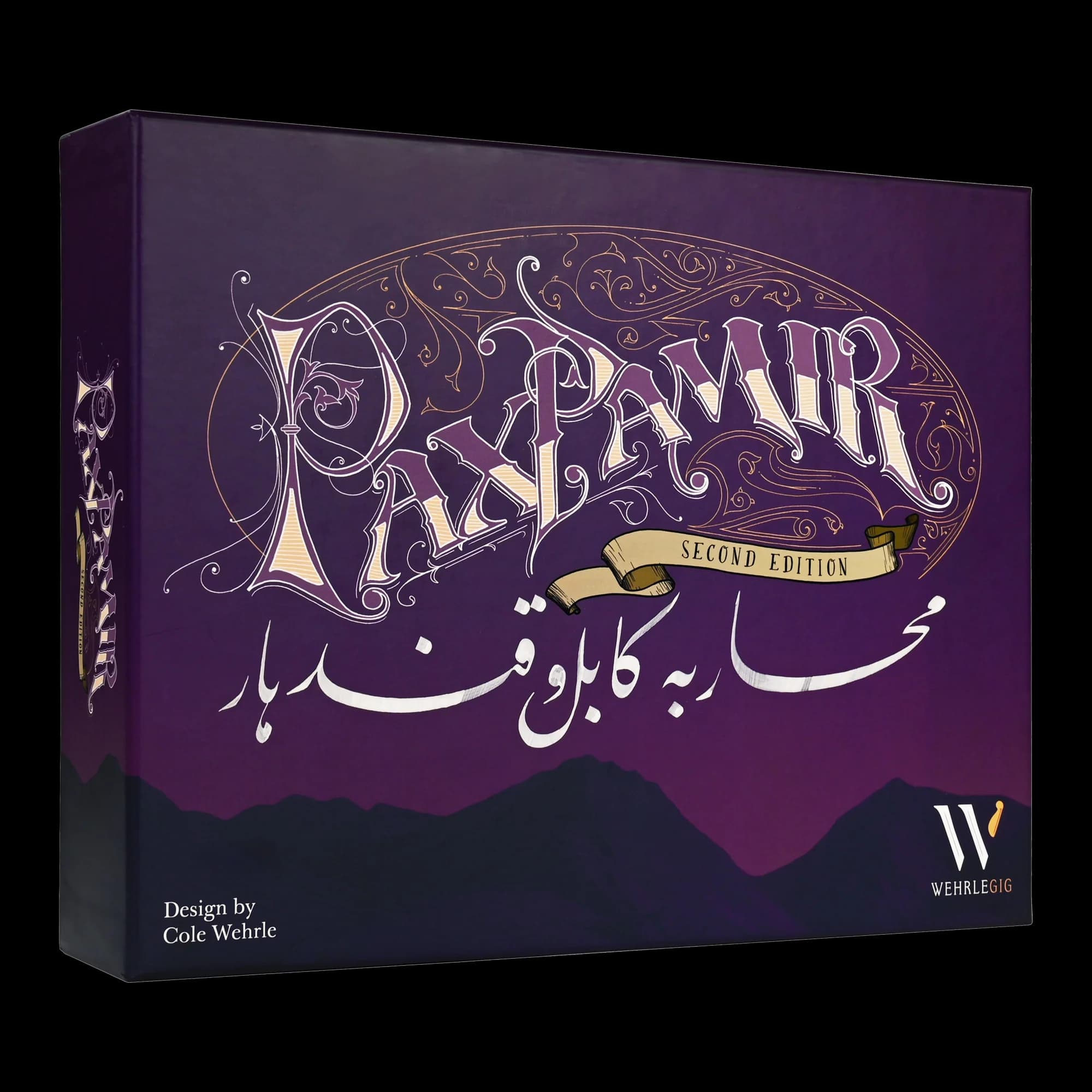
Pax Pamir: Second Edition is a strategic board game set in the mid-19th century, specifically during the First Anglo-Afghan War. Players take on the roles of British and Afghan leaders, navigating the complexities of diplomacy, politics, and warfare to achieve their objectives. The game's goal is to accumulate victory points by completing missions, influencing key events, and controlling territories.
Gameplay involves a combination of area control, resource management, and strategic planning. Players must balance their efforts between military conquests, diplomatic negotiations, and economic development. The game board features a modular design, with interlocking tiles representing the various regions of Afghanistan. Each player has a unique set of abilities and strengths, reflecting the historical figures they represent.
One of the key mechanics in Pax Pamir is the use of 'influence tokens,' which allow players to shape the course of events and sway the loyalty of Afghan tribes. Players must carefully manage their resources and make strategic decisions about when to engage in combat, negotiate with tribal leaders, or focus on economic development.
The game's theme and historical context are meticulously researched, providing a rich and immersive experience for players. The game's designers have clearly put significant effort into recreating the complexities of 19th-century politics and warfare, making Pax Pamir: Second Edition an engaging and challenging experience for fans of strategic board games.
2-4 90m⚖️ 3.0
BoxNo Cover Art
RANK #67
Grand Austria Hotel is a strategic board game designed for 2-4 players, where each player takes on the role of an entrepreneur trying to manage and expand their own hotel in early 20th-century Vienna.
The game's objective is to earn the most prestige points by constructing rooms, managing staff, and providing excellent service to guests. Players must balance their resources carefully, as they need to allocate funds for room construction, staff salaries, and other expenses while also trying to maximize their revenue from guest bookings.
Gameplay involves a combination of resource management, area control, and strategic planning. Each player has a set of rooms that can be constructed and upgraded, and they must manage the flow of guests through these rooms to earn prestige points. The game also features a unique 'guest' mechanism, where players take on the roles of different types of guests with varying preferences and requirements.
One of the key aspects of Grand Austria Hotel is its thematic depth. Players are immersed in the world of early 20th-century Vienna, complete with authentic artwork and historical references. The game's mechanics are designed to evoke the spirit of entrepreneurship and hotel management during this era, making it a unique and engaging experience for players.
Overall, Grand Austria Hotel offers a challenging and rewarding gameplay experience that requires strategic planning, resource management, and adaptability.
2-4 60m⚖️ 3.5
BoxNo Cover Art
RANK #68
Lisboa
2017Lisboa is a game that challenges players to navigate the city's complex infrastructure and manage its growth while balancing competing interests. The goal is to be the first player to achieve three 'glory points' by completing various tasks and projects. Players take on the roles of different factions, each with their own strengths and weaknesses, and must work together to build and maintain the city's infrastructure. However, they also have individual goals that may conflict with those of other players, adding a layer of complexity and strategy to the game.
2-4 90m⚖️ 3.5
BoxNo Cover Art
RANK #76
Clans of Caledonia is a strategic board game set in medieval Scotland, where players take on the roles of clan leaders vying for power and resources. The game's goal is to accumulate victory points by collecting and trading goods, building settlements, and recruiting warriors. Players must carefully manage their resources, negotiate with other clans, and make tactical decisions to outmaneuver their opponents.
The game features a unique blend of resource management, worker placement, and area control mechanics. Each player has a personal board representing their clan's territory, where they can place their workers to gather resources, build structures, and recruit warriors. The game also includes a modular board featuring different regions of Scotland, each with its own challenges and opportunities.
One of the key aspects of Clans of Caledonia is its thematic depth. Players must navigate the complexities of medieval Scottish politics, including the influence of the church, the power struggles between clans, and the impact of external events such as wars and famines. The game's components, including the beautifully illustrated board and cards, add to the immersive experience.
Clans of Caledonia has gained a loyal following among gamers due to its engaging gameplay, rich theme, and high replayability. Players can experiment with different strategies, explore new regions, and try out various combinations of cards and workers.
2-4 90m⚖️ 3.5
RANK #80
Le Havre
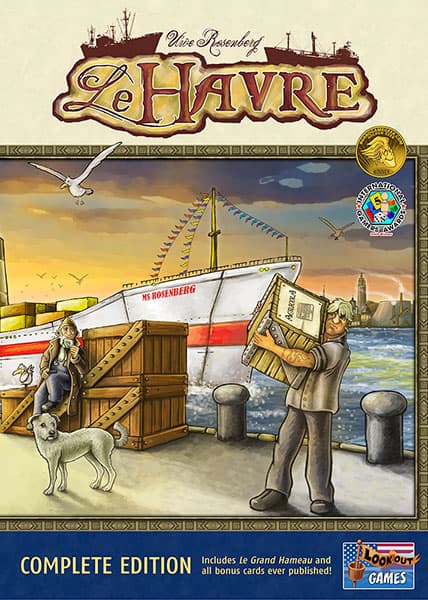
2008In "Le Havre," the celebrated design from Uwe Rosenberg, players are transported to the burgeoning port city of Le Havre in northwestern France. As magnates of the shipping industry, players compete to amass the greatest fortune. This is not achieved through simple commerce alone, but by strategically developing the city's infrastructure and managing a complex web of resources. The ultimate goal is to end the game with the highest net worth, a sum of your cash reserves plus the value of the buildings and ships you've constructed. The game challenges you to balance short-term gains with long-term investments, building a powerful economic engine that can outpace your rivals in this bustling harbor town. It's a deep and rewarding experience for those who enjoy meticulous economic planning and optimization.
The gameplay in "Le Havre" is elegantly structured around a two-part turn. First, goods are added to the offer spaces, creating an ever-changing marketplace. Then, the active player must choose one of two primary actions: either take all goods of a single type from an offer space, or utilize one of the many buildings on the board. Buildings are the heart of your strategy, enabling you to transform raw materials like fish and wood into more valuable processed goods, such as smoked fish or charcoal. This process of creating production chains is a classic engine-building challenge. A fascinating layer of player interaction emerges from building ownership; while any player can use any building, they must pay a fee to the owner, creating a dynamic flow of capital and forcing difficult choices about which actions are most profitable. Furthermore, players must acquire ships not just for their value, but to generate the food required to feed their workers at the end of each round, with failure resulting in costly loans.
"Le Havre" is beloved by strategy gamers for its immense strategic depth and the satisfying feeling of building an efficient economic machine from the ground up. The tension between expanding your industrial capabilities and meeting the recurring demand for food creates a compelling puzzle that requires constant foresight and adaptation. Unlike many other worker placement games, the core action is singular—you move your one worker pawn—which makes each decision incredibly significant. The indirect player interaction, where you must weigh the benefit of using an opponent's building against the cost of paying them, is a masterstroke of design that keeps all players engaged. The game's variable building display ensures high replayability, as the path to victory changes with each session. For players who relish a heavy, brain-burning economic simulation with tight resources and rewarding long-term planning, "Le Havre" stands as a monumental achievement in the genre.
1-5 150m⚖️ 4.1
BoxNo Cover Art
RANK #84
Agricola is a farming-themed strategy board game where players take on the role of farmers in rural Germany during the late 16th century. The goal is to build and manage their farm, collecting resources, and constructing buildings to support their family's growth. Players must balance resource management with long-term planning, as they strive to become the most successful farmer in the region.
The game features a unique worker placement mechanic, where players assign their farmers to various tasks such as plowing fields, harvesting crops, or tending to animals. This mechanic allows for a high degree of flexibility and strategy, as players must carefully plan their actions to maximize their resource collection and building construction. Additionally, the game includes a variety of buildings and improvements that can be constructed on the farm, each with its own unique benefits and requirements.
One of the key aspects of Agricola is its thematic depth. The game's designers have meticulously researched the period and included many historical details to create an immersive experience for players. From the types of crops grown in different regions to the social dynamics between farmers, every aspect of the game has been carefully crafted to transport players to rural Germany during this time.
Agricola is a highly strategic game that requires careful planning and resource management. Players must balance short-term needs with long-term goals, making it an engaging experience for fans of strategy games.
1-4 60m⚖️ 3.5
Showing 1 to 12 of 40 games