Hidden Roles Games
Browse all Hidden Roles board games in the Meeple Pulse database.
Styles
Themes
AbstractAdventureAncientAnimalsArtBusinessCard GameCo-operativeComic BookCooperativeCrimeEconomicEnvironmentalismExplorationFantasyHistoricalHorrorHumorIntrigueLiteraryMagicMarvelMedievalModernMuseumMysteryMythologyNatureNauticalPoliticalPress Your LuckSatireSci-FiSocial CommentarySocial InteractionSpaceSuperheroesThematicTravelWarWesternWord-Guessing
Mechanics
3D PlacementActingAction / DexterityAction DraftingAction Point AllowanceAction Point Allowance SystemAction Point SystemAction PointsAction ProgrammingAction QueueAction RetrievalAction SelectionAction/EventAlliancesAlternate ActivationApp-AssistedApp-DrivenArea ControlArea InfluenceArea MajorityArea Majority / InfluenceArea MovementArgumentationAsymmetricAsymmetric FactionsAsymmetric GameAsymmetric PowersAsymmetrical PowersAuction & BiddingAuction/BiddingAuctioningBag BuildingBettingBetting and BluffingBetting and WageringBetting and WagersBiddingBingoBlind BiddingBluffingCampaign / Battle Card DrivenCampaign / LegacyCampaign / Legacy GameCampaign / Mission-basedCampaign / ScenariosCampaign GameCampaign PlayCard DraftingCard DrawingCard DrivenCard Driven ActionCard Driven CombatCard Driven Dice AllocationCard Driven MovementCard ManagementCard PlayCard Play / Hand ManagementCard Play Conflict ResolutionCard SheddingCard-Driven MovementCharacter CreationCharacter ProgressionChit-Pull SystemCo-op PlayCo-operative GameCo-operative PlayCode-breakingCombat ResolutionCombo ChainCommand CardsCommodity SpeculationCommunication LimitsContract FulfillmentContractsCooperative GameCooperative GameplayCooperative PlayCooperative Trick-takingDebateDeck BuildingDeck ConstructionDeck, Bag, and Pool BuildingDeck-BuildingDeductionDexterityDice DraftingDice PlacementDice RollingDiplomatic InfluenceDraftingDynamic Battle SystemEnclosureEnd Game BonusesEngine BuildingEngine-BuildingEscape RoomEvent DrivenExplorationFarmingFlip and WriteFollowFollow ActionGrid CoverageGrid MovementHand ManagementHex-and-CounterHexagon GridHidden MovementHidden RolesI Cut You ChooseIncomeInfluence / Area MajorityLadder ClimbingLegacyLegacy ElementsLegacy GameLegacy SystemLimited CommunicationLine DrawingLine of SightMancalaMap MovementMarketMarket DraftingMarket ManipulationMarket MechanicMarket SpeculationMatchingMeasurement MovementMemoryMission ObjectivesModular BoardModular Board ConstructionMovement TemplatesMulti-Use CardsMulti-use CardsMultiple ScenariosMust FollowNarrative ChoiceNarrative Choice / ParagraphNegotiationNegotiation MechanicsNetwork & Route BuildingNetwork BuildingNetwork and Route BuildingOne vs ManyOne vs. ManyOpen DraftingPaper-and-PencilPartnershipsPattern BuildingPattern RecognitionPick-up and DeliverPlayer EliminationPlayer InteractionPlayer JudgePoint SaladPoint to Point MovementPolyominoesPush Your LuckPush-Your-LuckPuzzlePuzzle-LikePuzzle-SolvingRaceReal-TimeRecipe FulfillmentResource ManagementRole PlayingRole SelectionRoll / Spin and MoveRondelRoute BuildingRoute-BuildingRoute/Network BuildingSanity SystemScenario / Campaign PlayScenario / Mission / Campaign GameScenario / Mission FunctionSecret Unit DeploymentSemi-Cooperative GameSet CollectionSheddingSimulationSimultaneous ActionSimultaneous Action SelectionSimultaneous Hidden AllocationSocial DeductionSocial InteractionSolo / Solitaire GameSpace ExplorationStat Check / Skill CheckStock HoldingStorytellingStrategic PlanningTableau BuildingTactical Decision-MakingTake ThatTargeted CluesTeam PlayTeam-Based GameTeam-Based GuessingTeamworkTech TreesTech Trees / Tech TracksTechnology & Armament TracksTechnology TreeTension & Aggression TracksTile DraftingTile LayingTile PlacementTime TrackTime TravelTower DefenseTrack MovementTradingTrick-takingTug of WarTurn Order: PassTurn Order: Stat-BasedUnit PlacementVariable Phase OrderVariable Player PowersVariable Set-upVariable SetupVictory Point TracksVotingWord AssociationWord GameWord GuessingWord-GuessingWord-guessingWordplayWorker Placement
RANK #25
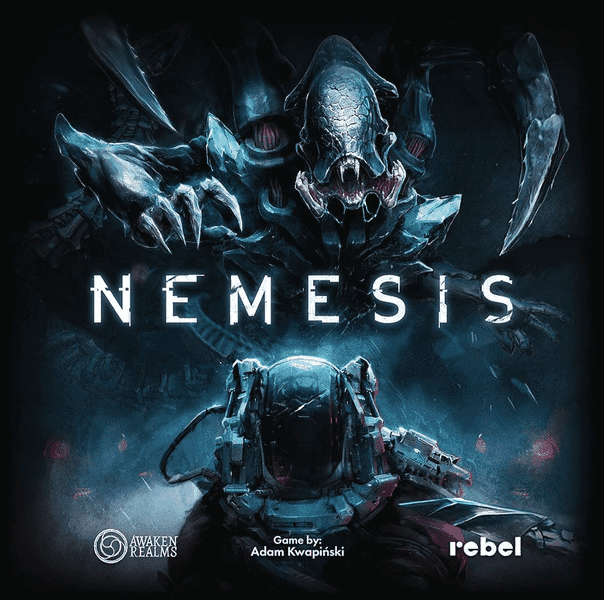
Nemesis
2018Nemesis is a deeply thematic science-fiction horror board game that thrusts players into a desperate fight for survival aboard a dark, crippled spaceship infested with hostile alien lifeforms. Waking from cryosleep, the crew must figure out what happened, repair critical ship systems, and chart a course back to Earth—or safely enter hibernation before the vessel is destroyed. However, true cooperation is an illusion. While players share the overarching desire to survive, each person harbors a secret personal objective that must be completed to achieve individual victory. These hidden agendas might align with the group's needs, but they can just as easily require the outright betrayal or death of fellow crewmates, instantly sowing seeds of profound suspicion among the survivors.
The core gameplay loop is fueled by a blend of hand management, resource gathering, and tense exploration across a randomly generated, modular board layout. As players move from room to room, they draw cards and expend them to perform crucial actions like searching for weapons, activating computer terminals, or firing at enemies. Movement inherently generates noise in the surrounding corridors. Accumulate too much noise in one area, and the terrifying Intruders will be drawn out of the shadows to strike. When physical confrontations inevitably happen, combat is resolved through brutal, unpredictable dice rolls where every decision feels incredibly risky. Rounds are split between the player phase, where individuals manage their limited hands, and the terrifying event phase, where the ship's condition deteriorates, fires spread, and the alien threat relentlessly advances.
What truly elevates Nemesis to a modern classic is its unparalleled ability to generate cinematic, water-cooler moments dripping with paranoia and suspense. The semi-cooperative nature of the game guarantees that players can never fully trust one another. You never know if your partner is locking the blast doors to protect you from an incoming alien, or sealing you in to guarantee their own escape via the final pod. This high-stakes, narrative-rich interaction ensures that every session plays out like a unique, nail-biting space horror film where simply making it out alive feels like a monumental triumph.
1-5 135m⚖️ 3.4
RANK #69
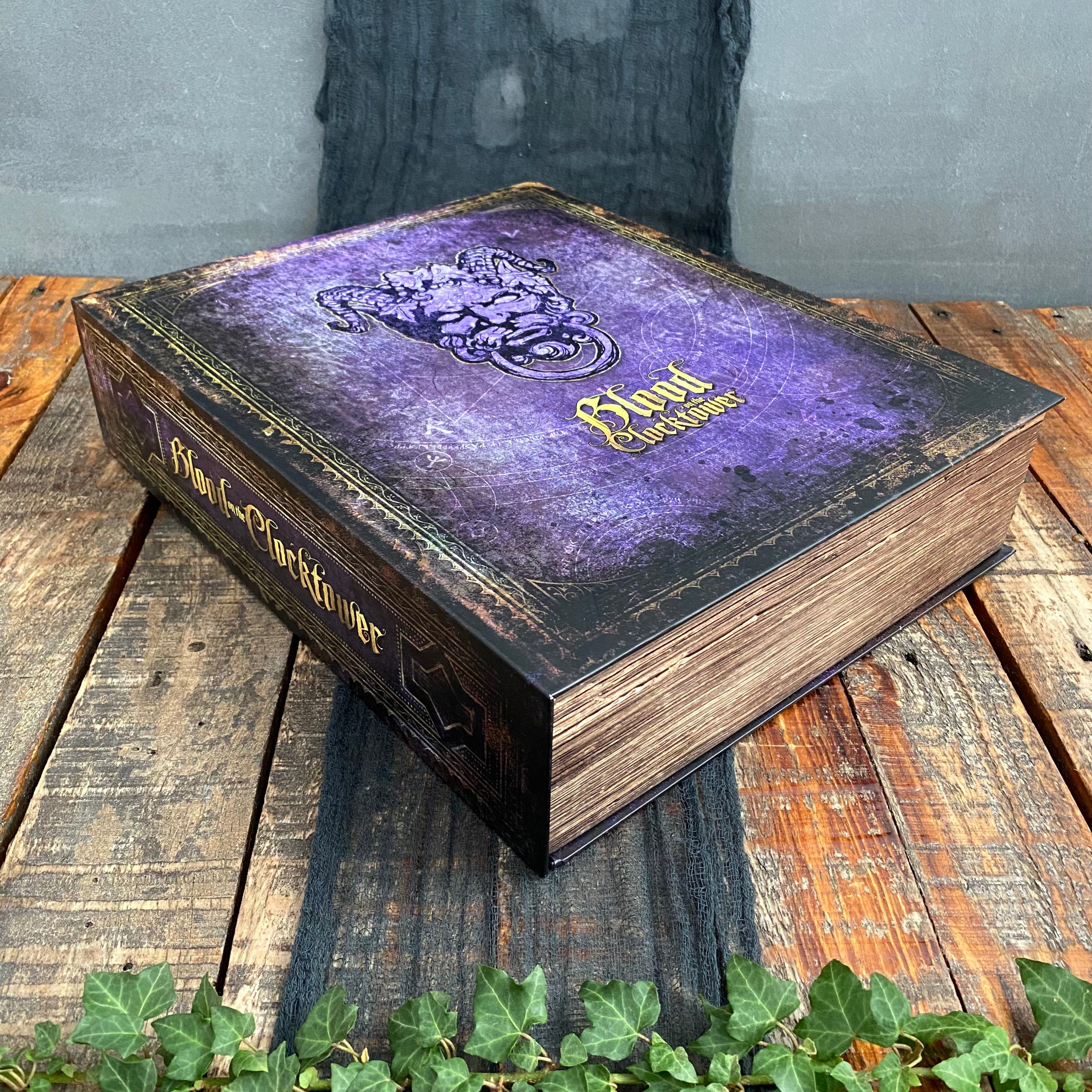
Blood on the Clocktower is a social deduction game where players must work together to identify and eliminate the Demon responsible for a murder in the town of Ravenswood Bluff. The game is played over multiple rounds, with each round consisting of a day phase and a night phase. During the day phase, players discuss and share information, while during the night phase, the Demon and their Minion(s) move undetected to eliminate other players. Players must use their abilities and gather clues to figure out who is good and who is evil, all while trying to stay alive themselves. The game requires strategic thinking, social deduction, and a bit of luck to win.
3-15 60m⚖️ 4.0
RANK #125
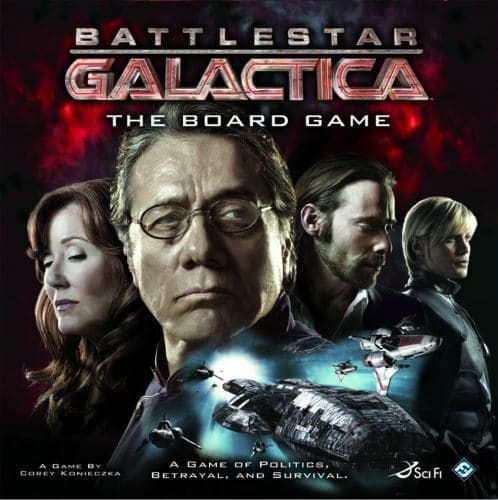
Battlestar Galactica: The Board Game plunges players into the desperate flight of the last vestiges of humanity. It is a deeply thematic, semi-cooperative experience where survival is paramount, but the greatest threat may be sitting right next to you. In this game of hidden allegiances, most players assume the roles of iconic human characters from the television series, working collectively to guide the fleet to its fabled destination, Kobol. To succeed, they must carefully manage four critical resources—fuel, food, morale, and population—and execute a series of faster-than-light jumps to outrun their pursuers. If any resource is fully depleted, or the Galactica itself is destroyed, humanity is lost forever. However, amongst the crew are Cylon traitors, secretly working to ensure this very outcome through subtle sabotage and outright betrayal.
The gameplay masterfully cultivates this atmosphere of paranoia. Each turn, a player draws skill cards representing their character's expertise, moves to a location on the fleet's ships, and performs an action. The turn culminates in drawing a Crisis card, which presents a new challenge the crew must overcome, often through a skill check. This is where the core tension lies. To pass a check, players secretly contribute skill cards to a shared pool. While human players try to contribute cards of the required type to meet a target number, Cylon players can covertly add unhelpful cards to cause a failure. The resulting blame-game and accusations are central to the experience. Further intensifying the suspense is the "Sleeper Agent" phase halfway through the game, where a second loyalty card is dealt, potentially turning a trusted ally into a new enemy.
What elevates Battlestar Galactica to legendary status is its unmatched ability to translate the show's core themes of paranoia and desperation into compelling gameplay. The mechanics are not just abstract puzzles; they are engines for storytelling and intense player interaction. The constant suspicion, the debates over who played which card during a failed skill check, and the dramatic moments when a player reveals themselves as a Cylon are what create unforgettable gaming sessions. It's more than a resource management game; it's a social deduction crucible where your ability to read people, build trust, and sow discord is just as important as your strategic card play. This blend of cooperative survival and hidden traitor mechanics makes every decision fraught with weight and every game a unique narrative of survival and betrayal.
3-6 180m⚖️ 3.3
RANK #128
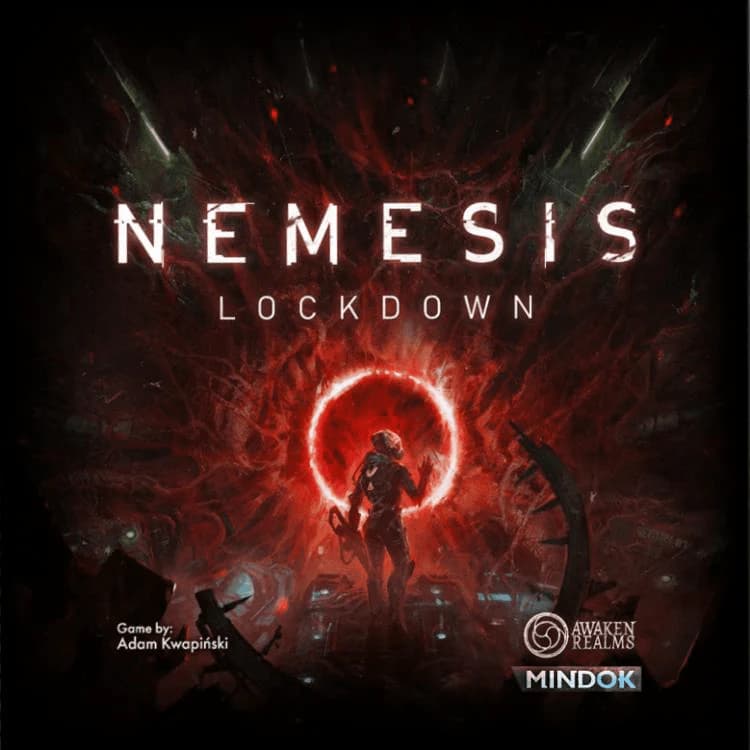
Nemesis: Lockdown is a cinematic, standalone survival-horror experience set on a secret multi-level base on Mars. It is a semi-cooperative game where players, as survivors of an unknown incident, must navigate a hostile facility infested with terrifying alien organisms known as Night Stalkers. While cooperation is essential to overcome the immediate dangers of the base and its predatory inhabitants, each player holds a secret objective that may conflict with the goals of the group. To achieve victory, a player must not only survive the ordeal but also successfully complete their private mission before escaping, creating a deeply tense atmosphere where trust is a scarce and valuable resource.
The gameplay unfolds through a series of rounds, each divided into a Player Phase and an Event Phase. During the Player Phase, individuals take turns performing two actions, the cost of which is paid by discarding action cards from their hand. Actions are varied and crucial, including moving through the labyrinthine base, exploring new rooms, searching for useful items, crafting equipment, and engaging in desperate combat with the aliens. A critical element is managing noise; actions can place noise markers in adjacent corridors, and a second marker in the same location triggers a deadly alien encounter. Lockdown introduces new challenges, most notably the management of the base's power, which can fail and plunge sectors into darkness, adding another layer of strategic depth and terror.
The immense appeal of Nemesis: Lockdown lies in its ability to generate powerful, emergent narratives. The combination of hidden agendas, a modular board, and unpredictable event cards ensures that no two sessions are ever alike, producing unique and memorable stories of heroism, desperation, and betrayal. The core semi-cooperative mechanic is the heart of the game, forcing a delicate balance between teamwork and self-preservation. You need your crewmates to fend off the relentless alien threat, yet you can never be certain of their true intentions. This constant psychological tension, coupled with the game's rich thematic immersion, makes it a premium, high-stakes adventure for players who crave a challenging and deeply engaging tabletop experience.
1-5 120m⚖️ 4.2
RANK #181
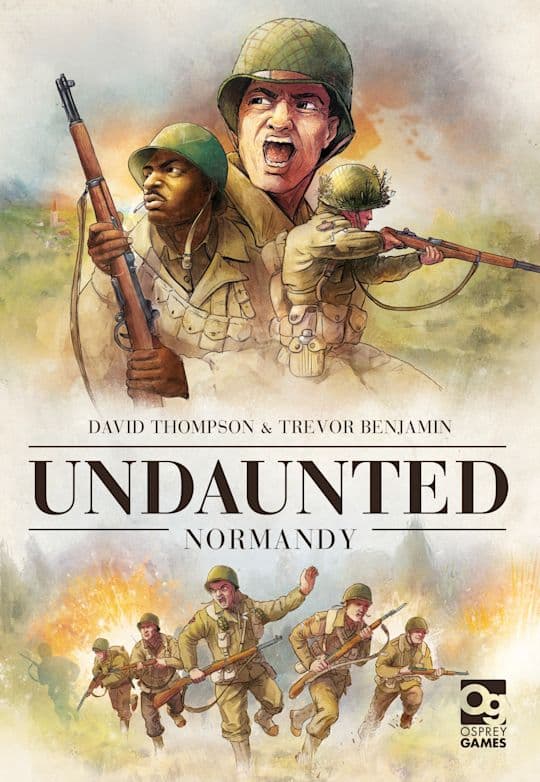
Embark on a perilous journey through the battle-scarred landscapes of Normandy in 'Undaunted: Normandy', a strategic board game that challenges players to navigate the complexities of war. This cooperative game for 1-4 players requires teamwork and tactical prowess as players take on the roles of Allied soldiers, working together to complete objectives and overcome the German army's defenses. Each player has their own unique abilities and strengths, which must be leveraged in conjunction with those of their fellow soldiers to achieve victory. The game features a modular board, representing the ever-changing landscape of Normandy, and a deck of cards that simulate the unpredictable nature of war. Players will need to make tough decisions about resource allocation, unit deployment, and risk management as they strive to complete their objectives and secure key locations. With its immersive theme, challenging gameplay, and high replayability, 'Undaunted: Normandy' is an unforgettable experience for fans of strategic board games and history enthusiasts alike.
As players navigate the treacherous terrain, they will encounter a variety of challenges, from intense firefights to stealthy reconnaissance missions. The game's mechanics are designed to simulate the uncertainty and chaos of war, requiring players to think critically and adapt quickly to changing circumstances. With each playthrough, the game offers a unique experience, as the modular board and card deck ensure that no two games are ever the same.
One of the key features of 'Undaunted: Normandy' is its focus on cooperative gameplay. Players must work together seamlessly, sharing resources and expertise to overcome the challenges they face. This requires excellent communication and teamwork skills, as players need to coordinate their efforts and make strategic decisions in real-time. The game's design encourages collaboration and mutual support, making it an excellent choice for groups of friends or family members who enjoy working together.
In addition to its cooperative gameplay, 'Undaunted: Normandy' also offers a high level of replayability. With multiple scenarios and objectives to complete, players can experience the game in different ways each time they play. The game's modular board and card deck ensure that no two games are ever the same, providing a fresh challenge with every playthrough.
Overall, 'Undaunted: Normandy' is an excellent choice for fans of strategic board games and history enthusiasts. Its immersive theme, challenging gameplay, and high replayability make it an unforgettable experience that will keep players coming back for more.
m⚖️ N/A
BoxNo Cover Art
RANK #213
This War of Mine: The Board Game is a cooperative experience where players take on the roles of civilians trapped in a war-torn city. The game's goal is to survive until the end of the siege, managing resources and making difficult moral choices along the way. Players must balance their characters' health, hunger, and mood levels, all while navigating the challenges of living in a besieged city. The game features a unique blend of storytelling and realism, creating an intense and moving depiction of war that is both thought-provoking and emotionally resonant.
1-6 120m⚖️ 4.0
RANK #233
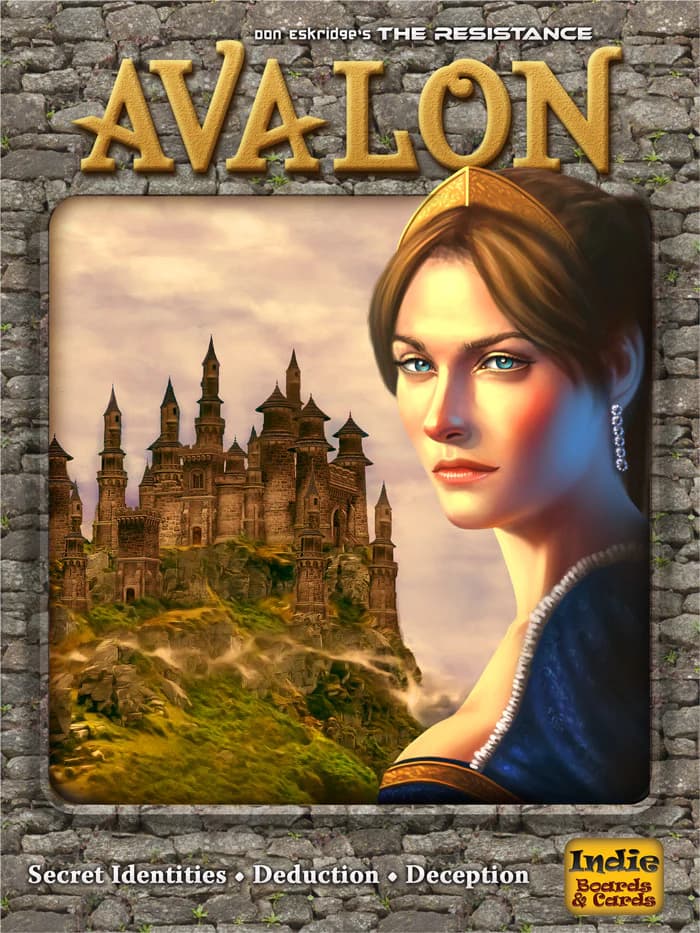
The Resistance: Avalon plunges players into the legendary turmoil of Camelot, a kingdom besieged not by external forces, but by treachery from within. In this intense game of social deduction and hidden identities, players are secretly assigned to one of two factions: the noble and loyal Servants of Arthur, fighting to secure the future of Britain, or the cunning Minions of Mordred, bent on sowing chaos and ensuring the kingdom's collapse. The ultimate goal is a struggle for control over a series of five critical Quests. The Servants of Arthur must successfully complete three of these missions to claim victory for their king and country. Conversely, the Minions of Mordred triumph if they can cause three Quests to fail, bringing Arthur's reign to a premature and disastrous end. The game is a constant battle of wits where trust is a fleeting resource and every word carries the potential for deception.
The gameplay unfolds in a structured but socially dynamic sequence of rounds. Each round, a new player assumes the role of Leader and is tasked with a crucial decision: selecting a team of knights to embark on the current Quest. This proposal is not accepted blindly; every player at the table, regardless of their allegiance, casts a public vote to either approve or reject the nominated team. This phase is the heart of the game's interaction, a crucible of open debate, pointed accusations, and masterful bluffs as players attempt to discern allies from enemies. If a team is approved, its members are given a profound and secret choice: to play a 'Success' card to help the Quest, or a 'Fail' card to sabotage it. For the loyal servants, the choice is simple. For the minions, it's an opportunity for destruction. Since a single 'Fail' card is often enough to doom a mission, the tension is palpable as the results are revealed.
What elevates The Resistance: Avalon to legendary status within its genre is the masterful inclusion of special character roles that add intricate layers of information and misdirection. The most pivotal of these is Merlin, a servant of Arthur who begins the game knowing the identities of the evil players. Merlin must subtly guide the forces of good without revealing his own identity, as an evil player known as the Assassin has a final, game-winning opportunity to correctly name Merlin if the heroes succeed in their Quests. This creates a fascinating and tense dynamic of veiled communication. Optional roles like Percival, who knows who Merlin is, and Morgana, who appears as Merlin to Percival, further complicate the web of lies and deduction. This brilliant system ensures that no two games are ever the same, making Avalon a highly replayable and deeply engaging experience celebrated for its pure player-driven drama and strategic depth.
5-10 30m⚖️ 1.7
BoxNo Cover Art
RANK #244
Captain Sonar
2016In Captain Sonar, players take on the roles of a submarine's crew, working together to locate and destroy an enemy submarine. The game is set in real-time, with each player having a specific role: captain, engineer, first mate, or radio operator. The captain makes strategic decisions, while the engineer focuses on repairing damage and maintaining systems. The first mate coordinates the team's efforts, and the radio operator communicates with other players to gather information about the enemy submarine's location. Players must work together, sharing information and making quick decisions to succeed in this high-stakes game of strategy and teamwork.
2-8 45m⚖️ 3.5
BoxNo Cover Art
RANK #250
Welcome to The Taverns of Tiefenthal, a strategic board game where you'll take on the role of a tavern owner in a small village. Your goal is to make your tavern the most successful by attracting the right customers and making the right improvements using dice placement and deck building mechanisms. Each player will begin with a slim deck of cards that includes 7 guests, a brewer, server, and a table. As you play, you'll upgrade your tavern board by flipping over pieces to reveal new areas for improvement. You'll also collect resources such as beer and Thaler (coins) to purchase new guests and nobles cards, or upgrade equipment in your tavern. The game consists of eight rounds, each with seven phases. Players will compete to have the most points at the end of round 8, gained from the cards in their deck and the upgrades in their tavern. The more special the cards in your deck, the more points you'll gain, especially from nobles. But don't forget the upgrades in your tavern, they'll also give you points and help you during the game with their special abilities. With its unique blend of dice placement and deck building, The Taverns of Tiefenthal offers a challenging and rewarding experience for players who enjoy strategic gameplay.
2-4 60m⚖️ 2.7
RANK #251
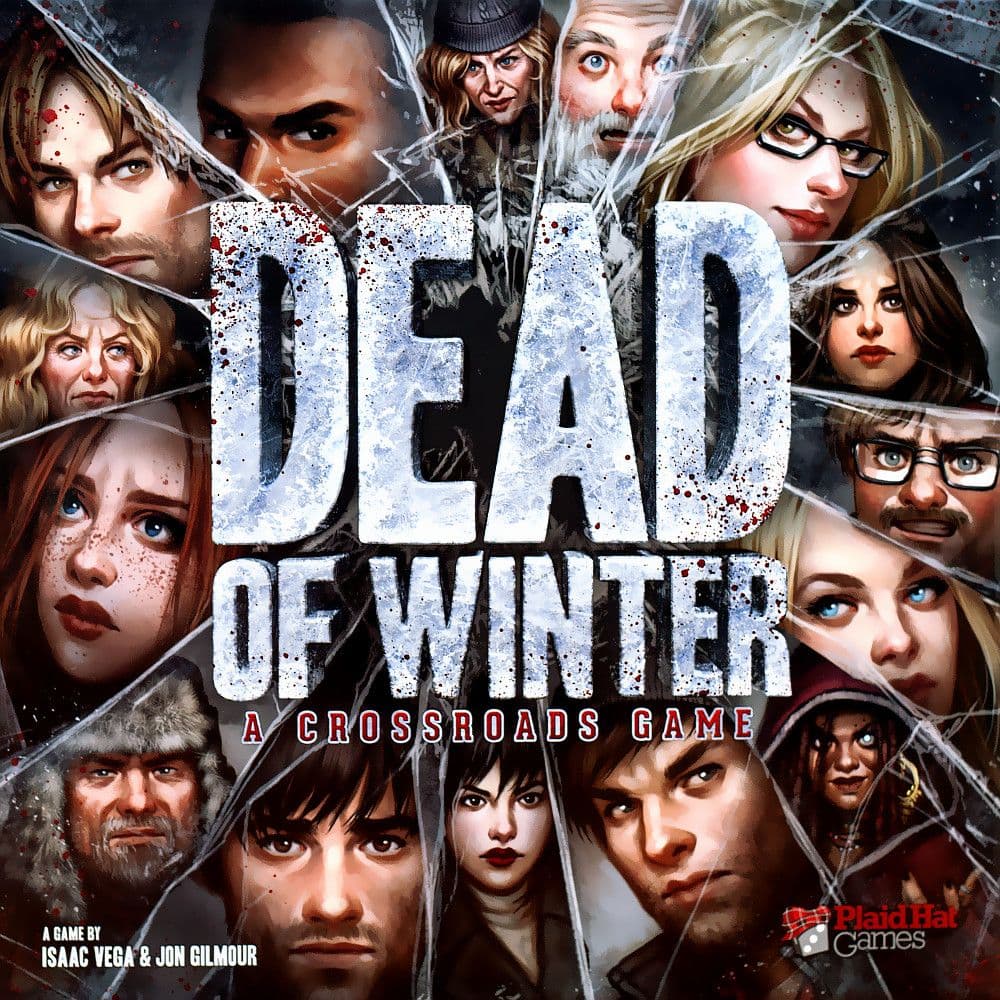
Dead of Winter: A Crossroads Game is a deeply thematic and psychological survival experience set in the harsh, unforgiving world of a zombie apocalypse. Players take on the roles of survivors in a struggling colony, forced to work together to fend off the undead, gather resources, and achieve a common objective to win the game. However, this is a 'meta-cooperative' game, meaning the group's success is only half the battle. Each player also harbors a secret personal objective they must fulfill to claim an individual victory. This dynamic masterfully creates an atmosphere of paranoia and suspense, as you can never be entirely sure of your fellow survivors' true intentions. The core conflict is a constant, tense negotiation between advancing the colony's welfare and pursuing your own self-interest, all while morale threatens to collapse.
The gameplay is structured into rounds, each containing a player turn phase followed by a colony phase. On your turn, you'll roll a set of action dice that dictate the tasks you can perform, such as scavenging for vital supplies like food and medicine, attacking zombies at various locations, constructing barricades for defense, or contributing to the ever-present crisis that threatens the colony each round. One of the game's most celebrated innovations is the Crossroads card system. At the start of each turn, another player draws a card that presents a narrative fork in the road, often forcing the active player to make a difficult, thematic choice with branching consequences. After all players have acted, the colony phase commences, during which survivors consume food, zombies press their attack, and the main objective's status is updated.
What makes Dead of Winter a modern classic is the powerful blend of strategic gameplay and emergent storytelling. The ever-present threat of a hidden traitor, a player whose secret objective is to sabotage the colony, fuels intense player interaction, accusation, and bluffing. Every decision is fraught with weight, not just for its mechanical impact but for how it is perceived by the other players. The Crossroads cards ensure no two games are ever alike, generating memorable, player-driven narratives of desperation, sacrifice, and betrayal. It is this focus on the human element and moral dilemmas, rather than just the zombies themselves, that provides a uniquely compelling and highly replayable experience, making it a perfect 'bridge' for players seeking deeper, more thematic board games.
2-5 90m⚖️ 3.4
RANK #263
Secret Hitler
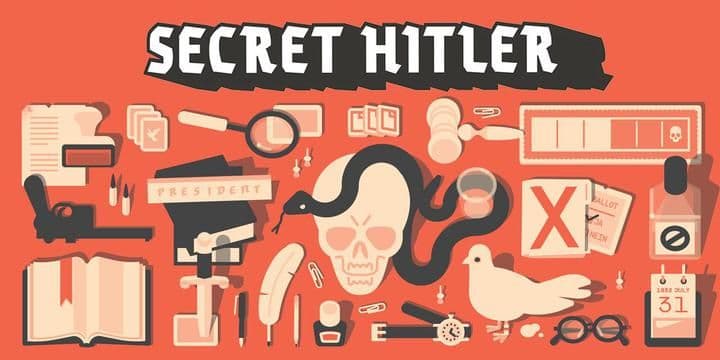
2016Dive into the tumultuous political landscape of 1930s Germany with Secret Hitler, a gripping game of social deduction and hidden identities. Players are secretly assigned to one of two teams: the Liberals, who form the majority, and the Fascists, a smaller, clandestine group that includes the titular Secret Hitler. The core objective for the Liberals is to maintain a fragile democracy by enacting five Liberal policies or by identifying and assassinating the Fascist leader. Conversely, the Fascists aim to seize power by passing six of their own policies or, more insidiously, by successfully electing Secret Hitler as Chancellor once the political climate is sufficiently unstable (after three Fascist policies have been passed). The game's central tension arises from its information imbalance: the Fascists know each other's identities and can coordinate in secret, while the unsuspecting Liberals must navigate a web of lies and accusations to uncover the traitors in their midst.
The gameplay unfolds through a series of rounds, each centered on forming a new government. A presidential role rotates around the table, and the current President must nominate another player to be their Chancellor. The entire table then votes 'Ja!' or 'Nein!' on this proposed ticket. If the government is approved, a legislative phase begins. The President draws three policy cards from a shuffled deck, secretly discards one, and passes the remaining two to the Chancellor. The Chancellor then enacts one of the two policies, discarding the other. Because the deck is mathematically skewed to contain more Fascist cards, even a well-meaning Liberal government might be forced to enact a Fascist policy, creating plausible deniability for actual Fascists and sowing further discord. As more Fascist policies are passed, the President gains access to powerful one-time executive actions, such as investigating a player's loyalty, peeking at upcoming policies, or even executing another player, permanently removing them from the game.
Secret Hitler's immense popularity stems from the raw, dynamic player interaction it fosters. It’s a game less about complex rules and more about reading people, forging temporary alliances, and engaging in masterful bluffs. The constant suspicion creates a thrillingly paranoid atmosphere where every vote and every enacted policy is scrutinized. Players must defend their actions, deflect accusations, and build cases against their opponents, leading to heated debates and dramatic reveals. The elegant design ensures that every decision is fraught with meaning, making each session a unique and memorable experience driven by the personalities and strategies of the players at the table. It thrives on deception and deduction, making it a standout party game for groups who enjoy a healthy dose of intrigue and betrayal.
5-10 45m⚖️ 1.7
RANK #286
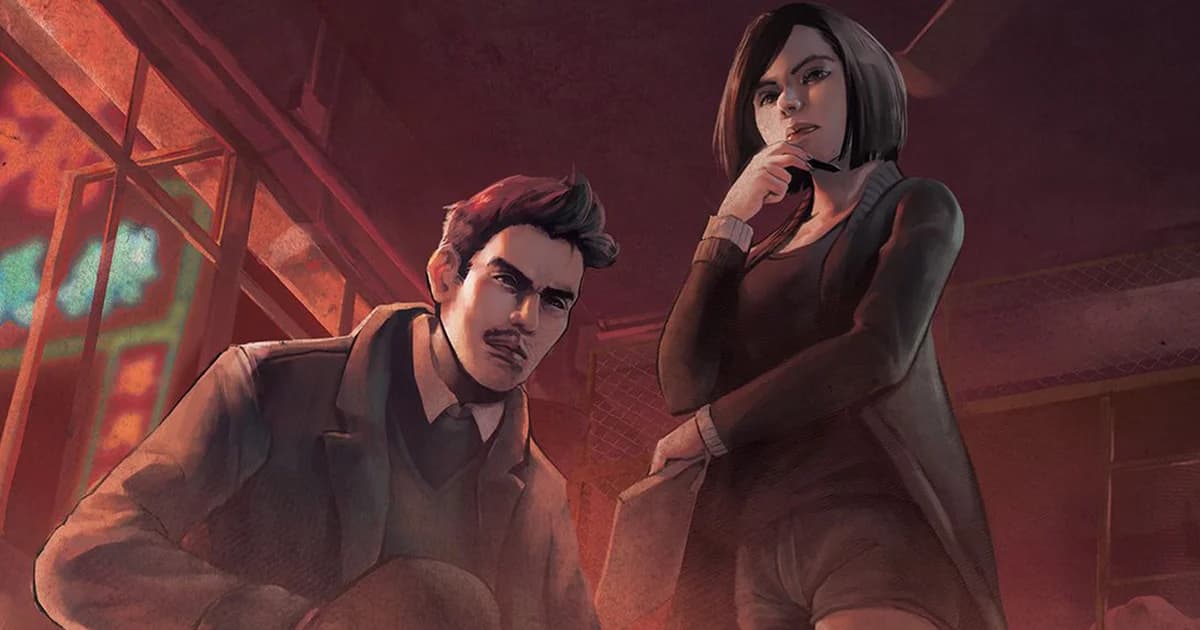
Deception: Murder in Hong Kong is an immersive social deduction experience that transports players into the heart of a high-stakes criminal investigation. In this tense mystery, one player assumes the role of the Forensic Scientist—a silent gamemaster who holds the objective truth—while others act as Investigators trying to identify the perpetrator hidden among them. However, one individual in the group is the secret Murderer, and in larger games, they may even have an Accomplice to help deflect suspicion. The goal is simple yet challenging: the Investigators must correctly identify two specific cards—the 'Means of Murder' and the 'Key Evidence'—selected by the killer before the trail goes cold.
The gameplay centers on a unique communication loop where the Forensic Scientist is strictly forbidden from speaking or gesturing. Instead, they provide hints by placing bullet markers on abstract Scene Tiles, which represent various aspects of the crime such as the location, the cause of death, or the victim's social state. During a hidden night phase at the start of the game, the Murderer secretly points to their chosen weapon and a piece of evidence. As the investigation progresses over three rounds, the Scientist adds or replaces tiles to refine the group's theories. Each Investigator has only one formal opportunity to 'Solve the Crime.' They must name both cards correctly; a single mistake results in the loss of their badge and their ability to make future official accusations, though they remain active in the group's heated debates.
What makes Deception stand out is its masterful blend of abstract logic and intense social manipulation. Unlike many deduction games that rely solely on bluffing, this title provides a tangible puzzle through visual clues that must be interpreted through the lens of the killer's possible choices. It creates a fascinating dynamic where players must argue over the subjective meaning of tiles while trying to read the body language of their peers. The addition of optional roles like the Witness and Accomplice adds further layers of complexity, requiring players to protect their information sources. It is an ideal choice for large groups because it eliminates player elimination and keeps everyone engaged in a collaborative, yet paranoid, atmosphere where the truth is often hidden in plain sight.
4-12 20m⚖️ 1.6
Showing 1 to 12 of 14 games