Family Games
Browse all Family board games in the Meeple Pulse database.
Styles
Themes
AbstractAdventureAncientAnimalsArtBusinessCard GameCo-operativeComic BookCooperativeCrimeEconomicEnvironmentalismExplorationFantasyHistoricalHorrorHumorIntrigueLiteraryMagicMarvelMedievalModernMuseumMysteryMythologyNatureNauticalPoliticalPress Your LuckSatireSci-FiSocial CommentarySocial InteractionSpaceSuperheroesThematicTravelWarWesternWord-Guessing
Mechanics
3D PlacementActingAction / DexterityAction DraftingAction Point AllowanceAction Point Allowance SystemAction Point SystemAction PointsAction ProgrammingAction QueueAction RetrievalAction SelectionAction/EventAlliancesAlternate ActivationApp-AssistedApp-DrivenArea ControlArea InfluenceArea MajorityArea Majority / InfluenceArea MovementArgumentationAsymmetricAsymmetric FactionsAsymmetric GameAsymmetric PowersAsymmetrical PowersAuction & BiddingAuction/BiddingAuctioningBag BuildingBettingBetting and BluffingBetting and WageringBetting and WagersBiddingBingoBlind BiddingBluffingCampaign / Battle Card DrivenCampaign / LegacyCampaign / Legacy GameCampaign / Mission-basedCampaign / ScenariosCampaign GameCampaign PlayCard DraftingCard DrawingCard DrivenCard Driven ActionCard Driven CombatCard Driven Dice AllocationCard Driven MovementCard ManagementCard PlayCard Play / Hand ManagementCard Play Conflict ResolutionCard SheddingCard-Driven MovementCharacter CreationCharacter ProgressionChit-Pull SystemCo-op PlayCo-operative GameCo-operative PlayCode-breakingCombat ResolutionCombo ChainCommand CardsCommodity SpeculationCommunication LimitsContract FulfillmentContractsCooperative GameCooperative GameplayCooperative PlayCooperative Trick-takingDebateDeck BuildingDeck ConstructionDeck, Bag, and Pool BuildingDeck-BuildingDeductionDexterityDice DraftingDice PlacementDice RollingDiplomatic InfluenceDraftingDynamic Battle SystemEnclosureEnd Game BonusesEngine BuildingEngine-BuildingEscape RoomEvent DrivenExplorationFarmingFlip and WriteFollowFollow ActionGrid CoverageGrid MovementHand ManagementHex-and-CounterHexagon GridHidden MovementHidden RolesI Cut You ChooseIncomeInfluence / Area MajorityLadder ClimbingLegacyLegacy ElementsLegacy GameLegacy SystemLimited CommunicationLine DrawingLine of SightMancalaMap MovementMarketMarket DraftingMarket ManipulationMarket MechanicMarket SpeculationMatchingMeasurement MovementMemoryMission ObjectivesModular BoardModular Board ConstructionMovement TemplatesMulti-Use CardsMulti-use CardsMultiple ScenariosMust FollowNarrative ChoiceNarrative Choice / ParagraphNegotiationNegotiation MechanicsNetwork & Route BuildingNetwork BuildingNetwork and Route BuildingOne vs ManyOne vs. ManyOpen DraftingPaper-and-PencilPartnershipsPattern BuildingPattern RecognitionPick-up and DeliverPlayer EliminationPlayer InteractionPlayer JudgePoint SaladPoint to Point MovementPolyominoesPush Your LuckPush-Your-LuckPuzzlePuzzle-LikePuzzle-SolvingRaceReal-TimeRecipe FulfillmentResource ManagementRole PlayingRole SelectionRoll / Spin and MoveRondelRoute BuildingRoute-BuildingRoute/Network BuildingSanity SystemScenario / Campaign PlayScenario / Mission / Campaign GameScenario / Mission FunctionSecret Unit DeploymentSemi-Cooperative GameSet CollectionSheddingSimulationSimultaneous ActionSimultaneous Action SelectionSimultaneous Hidden AllocationSocial DeductionSocial InteractionSolo / Solitaire GameSpace ExplorationStat Check / Skill CheckStock HoldingStorytellingStrategic PlanningTableau BuildingTactical Decision-MakingTake ThatTargeted CluesTeam PlayTeam-Based GameTeam-Based GuessingTeamworkTech TreesTech Trees / Tech TracksTechnology & Armament TracksTechnology TreeTension & Aggression TracksTile DraftingTile LayingTile PlacementTime TrackTime TravelTower DefenseTrack MovementTradingTrick-takingTug of WarTurn Order: PassTurn Order: Stat-BasedUnit PlacementVariable Phase OrderVariable Player PowersVariable Set-upVariable SetupVictory Point TracksVotingWord AssociationWord GameWord GuessingWord-GuessingWord-guessingWordplayWorker Placement
RANK #156
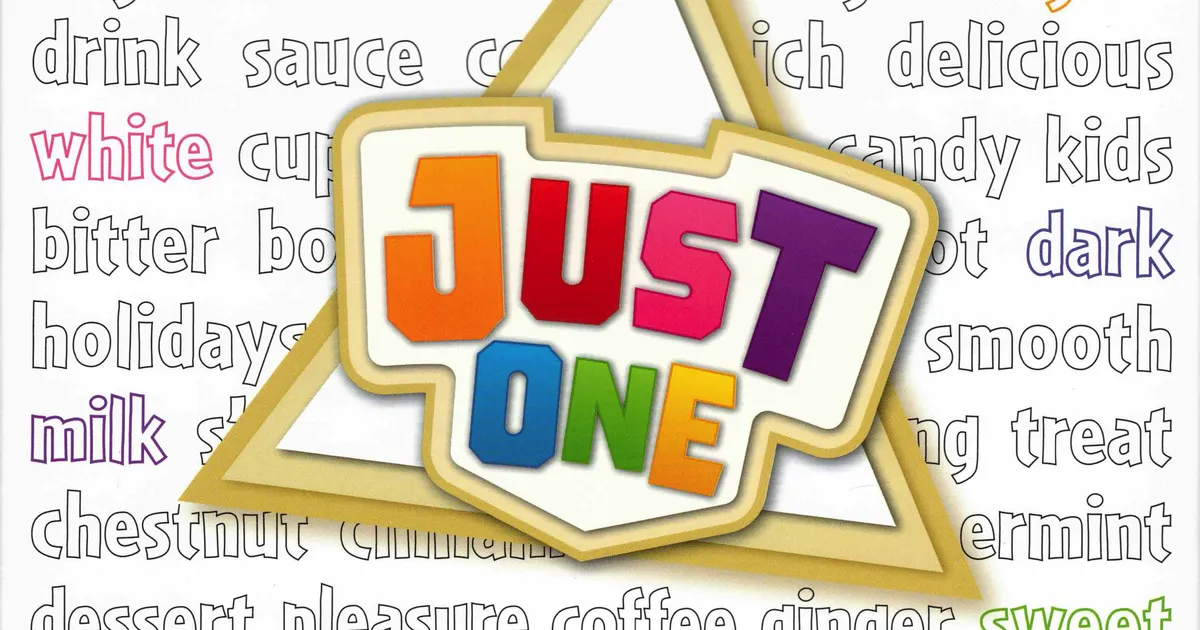
Just One
2018Just One is a celebrated cooperative party game that captured the prestigious 2019 Spiel des Jahres award for its brilliant simplicity and engaging social experience. In this game, players don't compete against each other but work together as a single team with a common goal: to correctly guess as many secret words as possible. The objective is to achieve a high score by successfully identifying a series of mystery words drawn from a deck of cards. With its lightning-fast setup and rules that can be learned in under a minute, Just One serves as the perfect icebreaker or main event for any social gathering, encouraging teamwork and creativity in a lighthearted, pressure-free environment.
The gameplay revolves around a clever and intuitive loop. In each round, one person is designated the 'guesser' and is unaware of the secret word chosen for that turn. All other players, knowing the word, must secretly and simultaneously write a single-word clue on their personal easel. Here lies the game's ingenious twist: before the guesser can see the clues, all the clue-givers reveal their chosen words to each other. Any identical clues are immediately cancelled and removed. This includes not only exact matches but also different forms of the same word (like 'sail' and 'sailing') or words from the same family (like 'prince' and 'princess'). The guesser is then shown only the remaining, unique clues and gets just one chance to figure out the secret word.
The true magic and widespread appeal of Just One stem from this central clue-cancelling mechanic. It forces players to think outside the box, balancing between giving a clue that is helpful enough to be understood but unique enough to avoid being duplicated by a teammate. This dynamic creates a delightful tension and leads to frequent bursts of laughter, whether from a round of perfectly synchronized unique clues or a hilarious moment where everyone wrote the same 'obvious' word, leaving the guesser with nothing to go on. It's this blend of collaborative mind-reading, word association, and shared success (or failure) that makes every session of Just One a memorable and joy-filled experience for players of all ages and skill levels.
2-4 30m⚖️ 1.1
RANK #271
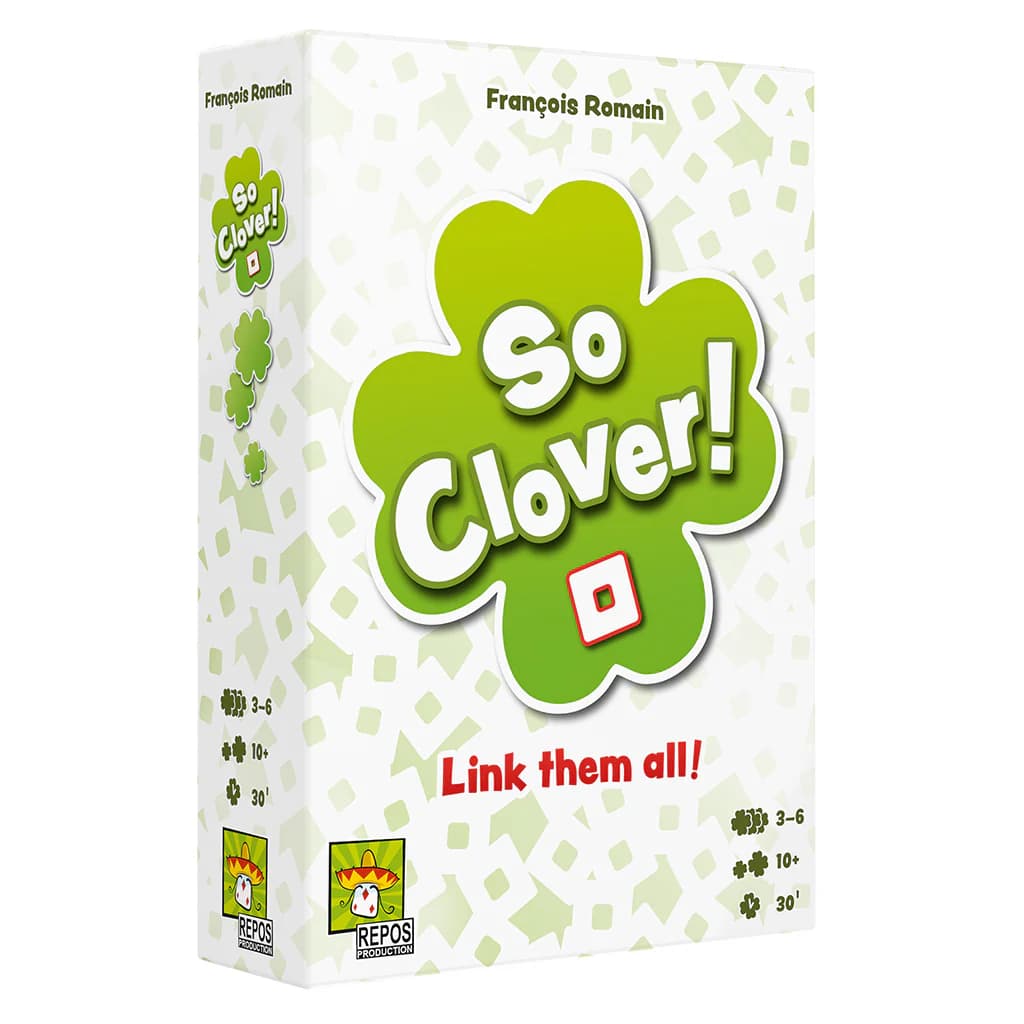
So Clover!
2021So Clover! is an incredibly engaging, highly interactive cooperative party game where players unite to demonstrate their collective cleverness. At its core, the game challenges participants to forge links between seemingly disparate concepts, creating an accessible but deeply rewarding word association experience. Your ultimate objective is not to defeat your friends, but rather to work alongside them to achieve the highest possible group score, which is then recorded in the prestigious Record of Legends. By tracking your progress over multiple sessions, the game naturally encourages a satisfying loop of continuous improvement and teamwork.
The gameplay unfolds across two distinct and meticulously crafted phases. Initially, during the simultaneous clue creation phase, every participant receives a unique four-leaf clover-shaped dry-erase board. You secretly draw four square cards, each featuring different words on all four edges, and slot them into your board's central grid. This arrangement naturally forms four pairs of outward-facing words. Your task is to write a single, unifying clue on each of the four leaves that connects the specific pair of words bordering it. Once everyone finishes writing, the cards are removed, a decoy card is added to the mix, and the stack is shuffled. The game then shifts into the resolution phase. Taking turns as the silent spectator, players present their clover boards with only the written clues visible, alongside their shuffled cards. The rest of the team must collaboratively deduce the correct orientation and placement of the cards to match the spectator's original grid.
What truly sets So Clover! apart from its contemporaries in the genre is its brilliant elimination of downtime. Because the initial setup is entirely simultaneous, players are constantly engaged from the very first minute. The puzzle-like deduction phase generates hilarious debates, sudden epiphanies, and a profound sense of shared triumph when a particularly abstract clue is correctly deciphered. The strict limitation on communication during the guessing phase ensures that the spectator must watch in agonizing amusement as their teammates either perfectly decode their logic or hilariously misinterpret it. Earning the 2021 Golden Geek Award for Best Party Game, this delightful experience thrives on its extreme accessibility, rules-light approach, and the sheer joy of cooperative problem-solving, making it an absolute staple for game nights, families, and casual gatherings alike.
3-6 30m⚖️ 1.1
RANK #272
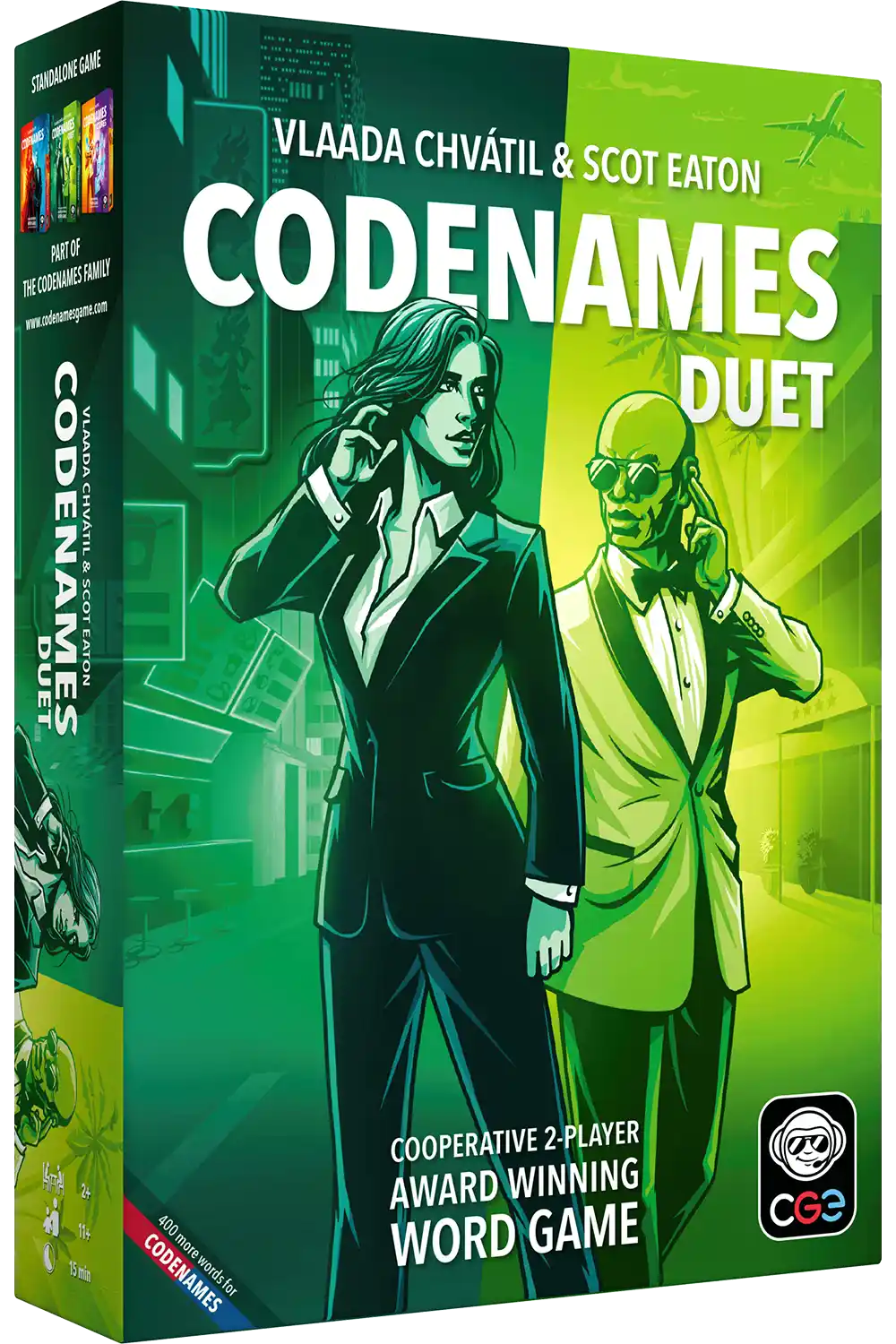
Codenames: Duet
2017Codenames: Duet is the cooperative, two-player evolution of the hit party game, Codenames. The objective is for both players to work in harmony to uncover all 15 of their shared secret agents from a grid of 25 word cards. Unlike its competitive predecessor, this version is a race against the clock, challenging the team to complete their mission within a limited number of turns, typically nine. Success hinges on clever word association and the ability to get on the same wavelength as your partner. The game presents a pure puzzle of communication and deduction, where players must navigate a minefield of innocent bystanders and deadly assassins, all represented by seemingly random words on the table.
The core of the game lies in its unique double-sided key card. This card, placed between the players, shows each person a different perspective of the 5x5 grid. On each side, nine words are marked as friendly agents (green), three are deadly assassins (black), and the rest are harmless bystanders (tan). The twist is that while some agents are unique to each player's side of the card, others overlap, creating a shared pool of 15 total agents that must be identified. Players alternate giving a single-word clue followed by a number, indicating how many words on the board correspond to their clue. If their partner correctly touches an agent card, it's covered, and they can continue guessing. Contacting a bystander immediately ends the turn, and touching an assassin results in an instant loss for the team. After each turn, a timer token is used, ratcheting up the pressure as the turn limit approaches.
Codenames: Duet is celebrated for its brilliant distillation of the original game's magic into an intimate and challenging experience for two. The cooperative dynamic transforms the game from a team-based competition into a collaborative puzzle. Players must think not only about the clues they give but also about the potential interpretations their partner might have, leading to moments of incredible synergy or hilarious miscommunication. The tension is palpable as each guess could be the one that uncovers a hidden agent or triggers a game-ending assassin. For those seeking even greater challenges and replayability, the game includes a mission map with a campaign-style progression, introducing new rules and constraints that alter the difficulty and win conditions. This combination of simple rules, profound strategic depth, and a focus on partnered thinking makes it a standout title for couples and pairs of friends.
2 15m⚖️ 1.1
RANK #287
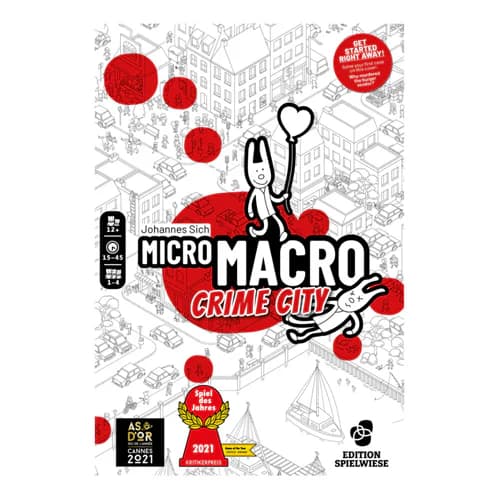
MicroMacro: Crime City is a groundbreaking cooperative experience that transforms the traditional 'hidden object' concept into a sophisticated investigative challenge. Set within a massive, intricately detailed 75 x 110 cm map of a monochrome metropolis, players take on the role of detectives tasked with solving 16 distinct criminal cases. The game's defining feature is its 'living' map, which functions as a temporal landscape where time and space are intertwined. Characters are not just static drawings; they appear multiple times across the city, allowing players to trace their movements from the moments leading up to a crime through to the aftermath.
The gameplay loop is elegantly simple yet intellectually stimulating. Each case begins with an introductory card that presents a victim or a suspicious event. Working together, players must scour the dense urban environment to find the starting point and then follow the trail of suspects and witnesses. This requires a sharp eye for detail and the ability to connect events chronologically as you 'rewind' or 'fast-forward' through the character's day. While the game provides a step-by-step investigation via scenario cards, an advanced 'Expert Mode' allows seasoned players to solve the entire mystery using only the initial prompt, relying solely on their own observation and logic to piece together the narrative.
The appeal of MicroMacro lies in its unique blend of visual storytelling and deductive gameplay. It successfully bridges the gap between casual puzzle-solving and deep narrative engagement, making it accessible to non-gamers while remaining deeply satisfying for hobbyists. The minimalist, whimsical art style often masks mature themes of crime and intrigue, creating a compelling contrast that keeps players immersed in the hunt. As a winner of the prestigious Spiel des Jahres award, it has been celebrated for its innovation and its ability to turn a simple piece of paper into a vibrant, interactive mystery world that is best enjoyed with a close group of friends or even as a solo challenge.
1-4 30m⚖️ 1.1

RANK #15,645
Step into the eerie elegance of the Hollywood Tower Hotel on a stormy night in 1939 with *Clue: The Twilight Zone – Tower of Terror*. This special Disney-themed edition of the classic mystery game transports players to a world of vintage Hollywood glamour and supernatural suspense. A famous movie star has vanished from the hotel during a violent tempest, taking a valuable movie prop with them. The objective for players is to be the first detective to solve this perplexing disappearance. By piecing together clues, you must correctly deduce the three secret elements of the crime: which of the six iconic Disney characters is the missing person, which movie prop they had, and in which room of the foreboding hotel they were last seen. This version, once sold exclusively at Walt Disney World, offers a unique narrative twist on a familiar and beloved board game framework.
The gameplay remains faithful to the time-tested mechanics of *Clue*, making it easy for both newcomers and seasoned detectives to jump right in. Players choose from a cast of Disney's most famous characters, including Mickey Mouse as the Leading Man and Goofy as the Bellhop, and move their pawns across the game board depicting various locations within the haunted hotel. Upon entering a room, a player can make a 'suggestion' by naming a character, a prop (like the Room Key or the Film Reel), and their current location. Opponents then work to disprove this theory in secret. If another player holds a card matching any of the three elements in the suggestion, they must privately reveal one of them to the active player. Through this clever process of elimination and careful note-taking, players gradually narrow down the possibilities until only one solution remains.
The primary appeal of this edition is its masterful blending of three distinct and beloved properties. It combines the strategic deduction of *Clue* with the timeless charm of Disney characters and the atmospheric storytelling of the iconic 'Tower of Terror' attraction. This creates a deeply thematic and immersive experience that resonates particularly well with fans of Disney parks and classic Hollywood lore. Its straightforward rules and low complexity make it an excellent choice for family game nights, offering a challenge that is accessible to younger players while still engaging for adults. For collectors, its status as a theme park exclusive adds a layer of rarity and desirability. It's more than just a game; it's a tangible piece of the magic and mystery that defines the Hollywood Tower Hotel, allowing players to relive a piece of that thrilling adventure in their own homes.
3-6 30m⚖️ 1.4