Game Library
Discover and explore our entire collection of tabletop games.
Styles
AbstractAbstract StrategyAdventureAnimalsCard GameChildren's GameCivilizationCo-operativeCompetitiveDiceEconomicEducationalEuroExpansion for Base-gameFamilyFan ExpansionFantasyFightingHistoricalHorrorIndustry / ManufacturingMedievalMedium HeavyMiniaturesPartyParty GamePrint & PlayPuzzle-LikeRacingReal-timeSpace ExplorationSportsStrategyTerritory BuildingThematicTransportationWargame
Themes
AbstractAdventureAncientAnimalsArtBusinessCard GameCo-operativeComic BookCooperativeCrimeEconomicEnvironmentalismExplorationFantasyFightingHistoricalHorrorHumorIntrigueLiteraryMagicMarvelMedievalModernMuseumMysteryMythologyNatureNauticalParty GamePoliticalPress Your LuckRacingSatireSci-FiSocial CommentarySocial InteractionSpaceSuperheroesThematicTravelWarWesternWord-Guessing
Mechanics
3D PlacementActingAction / DexterityAction DraftingAction Point AllowanceAction Point Allowance SystemAction Point SystemAction PointsAction ProgrammingAction QueueAction RetrievalAction SelectionAction/EventAlliancesAlternate ActivationApp-AssistedApp-DrivenArea ControlArea InfluenceArea MajorityArea Majority / InfluenceArea MovementArgumentationAsymmetricAsymmetric FactionsAsymmetric GameAsymmetric PowersAsymmetrical PowersAuction & BiddingAuction/BiddingAuctioningBag BuildingBettingBetting and BluffingBetting and WageringBetting and WagersBiddingBingoBlind BiddingBluffingCampaign / Battle Card DrivenCampaign / LegacyCampaign / Legacy GameCampaign / Mission-basedCampaign / ScenariosCampaign GameCampaign PlayCard DraftingCard DrawingCard DrivenCard Driven ActionCard Driven CombatCard Driven Dice AllocationCard Driven MovementCard ManagementCard PlayCard Play / Hand ManagementCard Play Conflict ResolutionCard SheddingCard-Driven MovementCharacter CreationCharacter ProgressionChit-Pull SystemCo-op PlayCo-operative GameCo-operative PlayCode-breakingCombat ResolutionCombo ChainCommand CardsCommodity SpeculationCommunication LimitsContract FulfillmentContractsCooperative GameCooperative GameplayCooperative PlayCooperative Trick-takingDebateDeck BuildingDeck ConstructionDeck, Bag, and Pool BuildingDeck-BuildingDeductionDexterityDice DraftingDice PlacementDice RollingDiplomatic InfluenceDraftingDynamic Battle SystemEnclosureEnd Game BonusesEngine BuildingEngine-BuildingEscape RoomEvent DrivenExplorationFarmingFlip and WriteFollowFollow ActionGrid CoverageGrid MovementHand ManagementHex-and-CounterHexagon GridHidden MovementHidden RolesI Cut You ChooseIncomeInfluence / Area MajorityLadder ClimbingLegacyLegacy ElementsLegacy GameLegacy SystemLimited CommunicationLine DrawingLine of SightMancalaMap AdditionMap MovementMarketMarket DraftingMarket ManipulationMarket MechanicMarket SpeculationMatchingMeasurement MovementMemoryMission ObjectivesModular BoardModular Board ConstructionMove Through DeckMovement PointsMovement TemplatesMulti-Use CardsMulti-use CardsMultiple ScenariosMust FollowNarrative ChoiceNarrative Choice / ParagraphNegotiationNegotiation MechanicsNetwork & Route BuildingNetwork BuildingNetwork and Route BuildingOne vs ManyOne vs. ManyOpen DraftingOwnershipPaper-and-PencilPartnershipsPattern BuildingPattern RecognitionPick-up and DeliverPlayer EliminationPlayer InteractionPlayer JudgePoint SaladPoint to Point MovementPolyominoesPush Your LuckPush-Your-LuckPuzzlePuzzle-LikePuzzle-SolvingRaceReal-TimeRecipe FulfillmentResource ManagementRole PlayingRole SelectionRoll / Spin and MoveRondelRoute BuildingRoute-BuildingRoute/Network BuildingSanity SystemScenario / Campaign PlayScenario / Mission / Campaign GameScenario / Mission FunctionSecret Unit DeploymentSemi-Cooperative GameSet CollectionSheddingSimulationSimultaneous ActionSimultaneous Action SelectionSimultaneous Hidden AllocationSocial DeductionSocial InteractionSolo / Solitaire GameSpace ExplorationStat Check / Skill CheckStat Check ResolutionStock HoldingStorytellingStrategic PlanningTableau BuildingTactical Decision-MakingTake ThatTargeted CluesTeam PlayTeam-Based GameTeam-Based GuessingTeamworkTech TreesTech Trees / Tech TracksTechnology & Armament TracksTechnology TreeTension & Aggression TracksTile DraftingTile LayingTile PlacementTime TrackTime TravelTower DefenseTrack MovementTradingTrick-takingTug of WarTurn Order: PassTurn Order: Stat-BasedUnit PlacementVariable Phase OrderVariable Player PowersVariable Set-upVariable SetupVictory Point TracksVotingWord AssociationWord GameWord GuessingWord-GuessingWord-guessingWordplayWorker Placement
RANK #97
Final Girl
2021In Final Girl, 2-3 players take on the roles of iconic horror movie heroines, racing to escape a terrifying villain and survive until dawn. Players navigate through a modular board, using their unique abilities and items to fend off monsters and evade death. The game features a blend of strategy and luck, as players must balance their own survival with the need to rescue other heroes and hinder the monster's progress. Will you be the last one standing, or will you become the final girl?
1-2 30m⚖️ 3.0
BoxNo Cover Art
RANK #98
One of the unique features of Clank! is its deck-building mechanic. Players start with a basic deck of cards, but as they progress through the game, they can collect new cards to add to their deck. This allows players to adapt to changing circumstances and develop strategies that suit their playstyle. The game also features a variety of theme-specific mechanics, such as the use of 'Clank' tokens to track noise levels and the inclusion of treasure cards with unique abilities.
m⚖️ 3.0
RANK #99
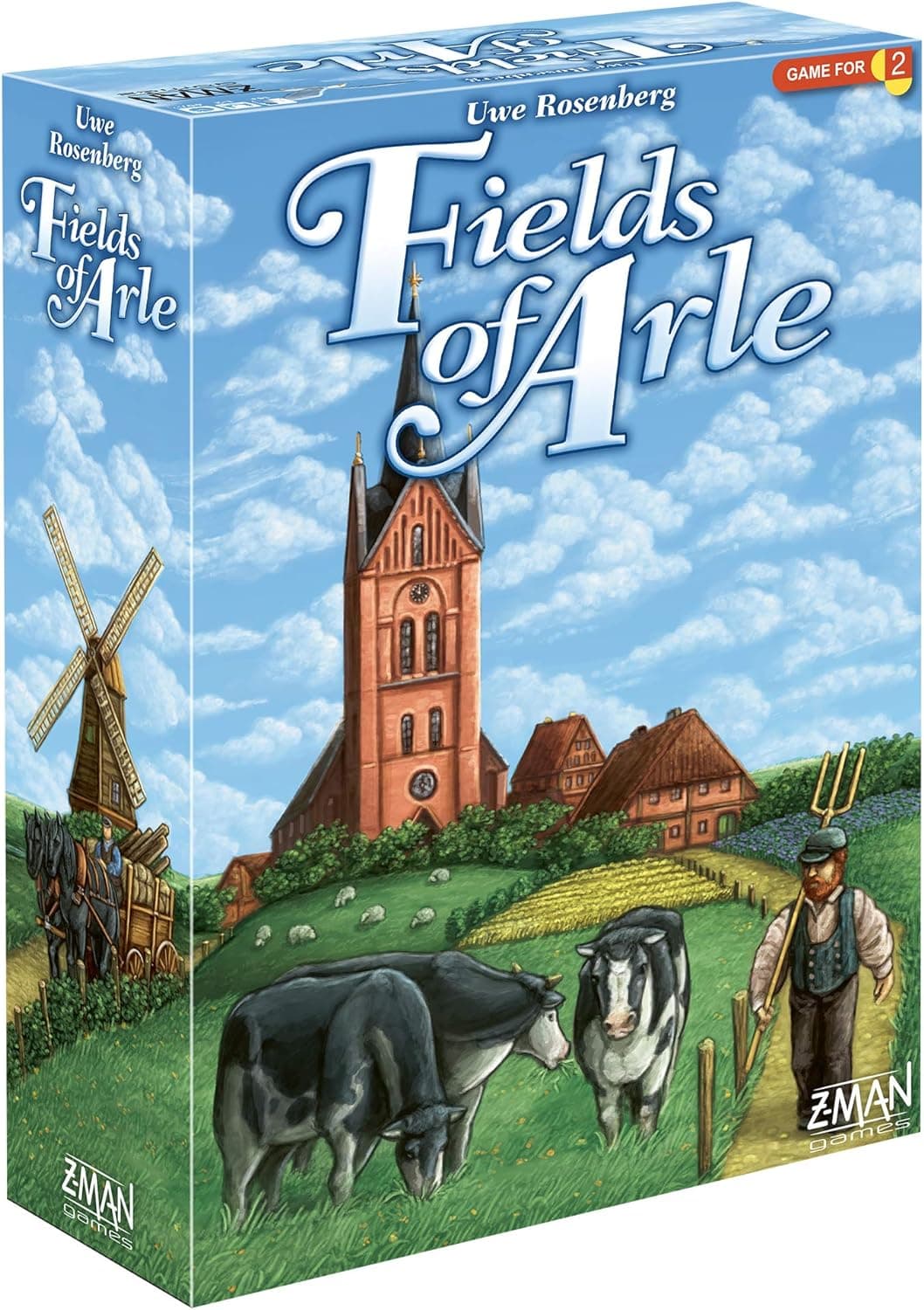
Fields of Arle
2014Fields of Arle immerses you in the challenging yet rewarding life of a farming family in 18th-century East Frisia. In this masterwork by acclaimed designer Uwe Rosenberg, players are tasked with developing a modest plot of land into a thriving and prosperous homestead. Over the course of four and a half years, you will shape the very landscape, manage livestock, and craft valuable goods. The game is a deeply thematic and strategic experience where the ultimate goal is to accumulate the most victory points by building a diverse and efficient agricultural engine, demonstrating your family's success through the tangible growth of your farmstead and the wealth of goods you've produced.
The gameplay is centered around a robust worker placement system that unfolds over nine rounds, each representing a half-season of either summer or winter. Each season offers a distinct set of actions, from plowing fields and shearing sheep in the summer to breeding animals and weaving cloth in the winter. Players strategically place their family members on action spaces to manage every aspect of their farm. This includes draining moors to create new pastures, building dikes to protect land from floods, raising cattle and horses, and constructing an array of buildings that provide crucial new abilities. A clever mechanic allows a player to perform an off-season action once per round, but this flexibility comes at the cost of giving up the first-player advantage, adding another layer of tactical decision-making.
What makes Fields of Arle a beloved classic among strategy gamers is its incredible depth and the sandbox-style freedom it offers. It is a quintessential heavy Eurogame, specifically tailored for a one or two-player experience, complete with a rich and engaging solo mode. There is no single prescribed path to victory; players can focus on animal husbandry, crop cultivation, trade, or building construction, leading to immense replayability as you explore different strategies with each playthrough. The satisfaction of watching your personal player board transform from barren land into a complex, bustling farm is a core part of its appeal, offering a deeply rewarding journey for those who enjoy intricate, low-interaction engine-building puzzles.
1-2 90m⚖️ 3.9
RANK #101
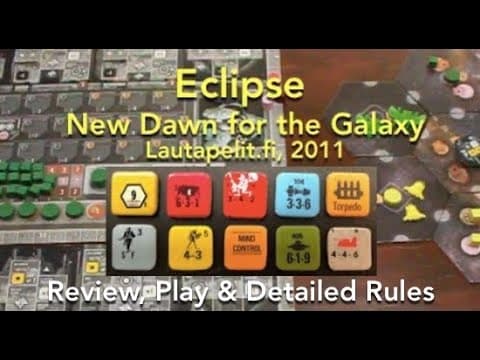
Eclipse: New Dawn for the Galaxy is a critically acclaimed 4X board game that places you at the head of a vast interstellar civilization. Over nine rounds, you must guide your people to dominance by exploring new star systems, researching powerful technologies, and engaging in both diplomacy and warfare. The ultimate goal is to accumulate the most Victory Points, which are earned through a variety of achievements, including controlling galactic sectors, winning decisive battles, forging alliances, and discovering ancient alien artifacts. The game masterfully blends the grand, thematic scope of an 'Ameritrash' space opera with the tight, resource-driven puzzles of a 'Euro-style' game, creating a rich and rewarding strategic experience.
The gameplay revolves around a clever action and upkeep system that forces difficult decisions. On your turn, you perform a single action, such as exploring the modular galaxy, building customized starships, or advancing on a shared technology tree. Each system you control or action you take requires placing an influence disc from your player board. As these discs are used, your civilization's end-of-round upkeep cost increases, creating a tense balance between rapid expansion and economic stability. Players must carefully manage three resources—Materials for building, Science for research, and Money to pay upkeep—generated by colonizing planets, forcing them to weigh every decision against its long-term cost.
What truly sets Eclipse apart is its deep and intuitive ship customization system. Players don't just build generic ships; they design them. Using the Upgrade action, you can add powerful components like improved engines, advanced computers, deadly weapons, and resilient shields directly onto your ship blueprints. This allows for incredible strategic flexibility, as you can tailor your fleets to counter specific opponents or pursue unique combat doctrines. Combat itself is resolved through dice rolls, but the odds are heavily influenced by your custom designs, rewarding clever engineering and tactical foresight. This combination of deep strategic planning, tense economic management, and thrilling, customizable combat makes Eclipse a modern classic in the space strategy genre.
2-6 150m⚖️ 3.7
BoxNo Cover Art
RANK #102
Concordia Venus
2018Concordia Venus invites players to a strategic journey across the ancient Roman world, where they will build an economic empire and expand their influence. The ultimate goal is to achieve prosperity and earn the most victory points by carefully establishing colonies, producing valuable goods, trading efficiently, and satisfying the favor of various Roman deities. This standalone expansion or module elevates the critically acclaimed Concordia experience with new challenges and opportunities for both competitive and cooperative play.
At its heart, Concordia Venus is an elegantly designed economic strategy game driven by clever hand management and an action point allowance system. Players use a limited hand of persona cards, each granting a specific action such as moving colonists across the point-to-point map, producing resources in their cities, or constructing new outposts. Mastering the timing of card play and the strategic use of the Tribune card to retrieve all spent actions is crucial for efficiency. The game beautifully blends set collection for resources and a subtle form of contract fulfillment through its diverse scoring criteria, rewarding thoughtful long-term planning over immediate gains.
Fans adore Concordia Venus for its profound strategic depth encased in remarkably straightforward rules, making it easy to learn yet challenging to master. Its unique appeal lies in the low-aggression yet highly interactive gameplay, where indirect competition for optimal city locations and resources keeps players engaged. With high replayability across different maps and a dynamic scoring system that rewards balanced development, Concordia Venus offers an intellectually stimulating and deeply satisfying experience for strategists seeking an economic engine-building game without excessive luck or complexity, now with added flexibility for team play.
2-6 120m⚖️ 2.8

RANK #103
SCOUT
2019SCOUT is a brilliantly distilled card game where players take on the role of circus ringmasters competing to create the most impressive show. Underneath its charming and minimalist circus theme lies a deeply strategic experience centered around a single, game-changing constraint: you cannot rearrange the cards in your hand. Each card features two different numbers, one on the top and one on the bottom. At the very start of a round, you must make a critical decision to orient your entire hand one way or the other, locking in the sequence of values you'll have to work with. The goal is to skillfully play sets of cards to earn victory points and be the first to empty your hand, avoiding the penalty for leftover cards. This simple premise forces players to think several turns ahead, evaluating the potential of their current card order and planning how to turn a seemingly chaotic hand into a winning performance.
The gameplay elegantly alternates between two core actions: 'Show' and 'Scout'. To 'Show', a player plays a set of one or more cards from their hand to the table. The catch is that these cards must be physically adjacent in their hand. These sets can either be a run of consecutive numbers (like 4-5-6) or a group of matching numbers (like 7-7-7). A newly played show must be more powerful than the set currently on the table, following a clear hierarchy—more cards are better, and sets of a kind beat runs of the same length. If you can't, or strategically choose not to, play a better show, you must 'Scout'. This involves taking one of the end cards from the active show on the table and adding it anywhere into your own hand, in whichever orientation you prefer. This clever mechanism allows you to break up your rigid hand order, bridging gaps to form more powerful sets for future turns. The player whose show was scouted from receives a point token as compensation, creating a fascinating push-and-pull dynamic.
The genius of SCOUT lies in the constant, delightful tension between these two simple actions. Do you play a weak set now just to get cards out of your hand, or do you patiently 'Scout' to build towards an unbeatable combo that could win you the round? This decision-making process makes every turn engaging and consequential. Its fast-paced rounds, which end when a player empties their hand or a show makes it all the way around the table unchallenged, ensure the game never overstays its welcome. Its blend of easy-to-learn rules and surprising strategic depth has earned it widespread acclaim, including a prestigious Spiel des Jahres nomination. SCOUT is the quintessential 'filler' game that packs the punch of a much heavier experience, offering immense replayability and proving that the most compelling designs are often the most elegantly constrained.
1-4 60m⚖️ 1.4
RANK #104
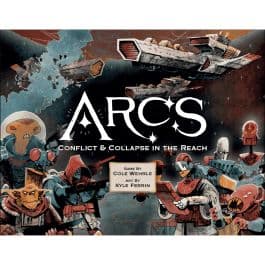
Arcs
2024Arcs is a high-stakes science fiction strategy game that transports players to the edge of a collapsing galactic empire. In this crumbling universe, players assume the roles of ambitious leaders struggling to carve out their own legacies amidst the ruins of a former civilization. The primary objective is to gain the most power through a series of chapters, which is achieved by completing specific ambitions—such as controlling key star systems, hoarding precious resources, or defeating rival fleets. Unlike typical space operas that focus on slow expansion, Arcs is designed for rapid movement and sharp, decisive conflicts, forcing players to react to a volatile political landscape where the status quo is constantly shifting.
The gameplay is driven by a sophisticated trick-taking action system that dictates how players interact with the board. Each round, a lead player plays a card that sets the suit, and others must decide whether to follow suit to gain more actions, copy the action at a lower efficiency, or pivot to a different strategy entirely. This creates a tense tactical puzzle where hand management is just as critical as fleet positioning. Players move their wooden starships across a map of connected systems, engaging in combat using a unique dice system that allows for different levels of aggression and risk. Furthermore, the 'Ambition' mechanic allows players to declare what actually scores points in a given round, meaning the victory conditions are as dynamic as the players' shifting alliances.
What makes Arcs truly stand out is its commitment to high player interaction and its 'fail-forward' design philosophy. Created by the team behind Root and Oath, the game features the signature whimsical yet gritty art of Kyle Ferrin and the deep, systemic design of Cole Wehrle. People love Arcs because it condenses the drama and scope of a massive campaign into a manageable play session, while still offering an optional 'Blighted Reach' expansion that provides a multi-session legacy experience. Every action feels consequential, and the game rewards clever timing and bold maneuvers over passive engine building. It is a rare title that manages to be both a tight competitive skirmish game and a sprawling narrative generator, ensuring no two games ever feel the same.
2-4 90m⚖️ 3.7
BoxNo Cover Art
RANK #106
Aeon's End
2016Aeon's End is a cooperative deck-building game for 1-4 players, where players work together to defend their village against an onslaught of monsters from the void. The game takes place in a fantasy world, where players must use their unique abilities and items to defeat the monsters and save their village.
The game consists of a series of rounds, each representing a night in the village. During each round, players draw cards from their deck, which can be used to attack monsters or defend against them. Players can also acquire new items and abilities by defeating monsters and collecting their loot.
One of the unique features of Aeon's End is its modular board, which consists of a series of tiles that are arranged randomly at the start of each game. This creates a different play experience every time, as players must adapt to the changing layout of the village and the monsters that come with it.
The game also includes a variety of monster types, each with their own strengths and weaknesses. Players must use strategy and teamwork to defeat these monsters and save their village.
1-4 60m⚖️ 3.0