Strategy Games
Browse all Strategy board games in the Meeple Pulse database.
Styles
AbstractAbstract StrategyAdventureAnimalsCard GameChildren's GameCivilizationCo-operativeCompetitiveDiceEconomicEducationalEuroExpansion for Base-gameFamilyFan ExpansionFantasyFightingHistoricalHorrorIndustry / ManufacturingMedievalMedium HeavyMiniaturesPartyParty GamePrint & PlayPuzzle-LikeRacingReal-timeSpace ExplorationSportsStrategyTerritory BuildingThematicTransportationWargame
Themes
AbstractAdventureAncientAnimalsArtBusinessCard GameCo-operativeComic BookCooperativeCrimeEconomicEnvironmentalismExplorationFantasyFightingHistoricalHorrorHumorIntrigueLiteraryMagicMarvelMedievalModernMuseumMysteryMythologyNatureNauticalParty GamePoliticalPress Your LuckRacingSatireSci-FiSocial CommentarySocial InteractionSpaceSuperheroesThematicTravelWarWesternWord-Guessing
Mechanics
3D PlacementActingAction / DexterityAction DraftingAction Point AllowanceAction Point Allowance SystemAction Point SystemAction PointsAction ProgrammingAction QueueAction RetrievalAction SelectionAction/EventAlliancesAlternate ActivationApp-AssistedApp-DrivenArea ControlArea InfluenceArea MajorityArea Majority / InfluenceArea MovementArgumentationAsymmetricAsymmetric FactionsAsymmetric GameAsymmetric PowersAsymmetrical PowersAuction & BiddingAuction/BiddingAuctioningBag BuildingBettingBetting and BluffingBetting and WageringBetting and WagersBiddingBingoBlind BiddingBluffingCampaign / Battle Card DrivenCampaign / LegacyCampaign / Legacy GameCampaign / Mission-basedCampaign / ScenariosCampaign GameCampaign PlayCard DraftingCard DrawingCard DrivenCard Driven ActionCard Driven CombatCard Driven Dice AllocationCard Driven MovementCard ManagementCard PlayCard Play / Hand ManagementCard Play Conflict ResolutionCard SheddingCard-Driven MovementCharacter CreationCharacter ProgressionChit-Pull SystemCo-op PlayCo-operative GameCo-operative PlayCode-breakingCombat ResolutionCombo ChainCommand CardsCommodity SpeculationCommunication LimitsContract FulfillmentContractsCooperative GameCooperative GameplayCooperative PlayCooperative Trick-takingDebateDeck BuildingDeck ConstructionDeck, Bag, and Pool BuildingDeck-BuildingDeductionDexterityDice DraftingDice PlacementDice RollingDiplomatic InfluenceDraftingDynamic Battle SystemEnclosureEnd Game BonusesEngine BuildingEngine-BuildingEscape RoomEvent DrivenExplorationFarmingFlip and WriteFollowFollow ActionGrid CoverageGrid MovementHand ManagementHex-and-CounterHexagon GridHidden MovementHidden RolesI Cut You ChooseIncomeInfluence / Area MajorityLadder ClimbingLegacyLegacy ElementsLegacy GameLegacy SystemLimited CommunicationLine DrawingLine of SightMancalaMap AdditionMap MovementMarketMarket DraftingMarket ManipulationMarket MechanicMarket SpeculationMatchingMeasurement MovementMemoryMission ObjectivesModular BoardModular Board ConstructionMove Through DeckMovement PointsMovement TemplatesMulti-Use CardsMulti-use CardsMultiple ScenariosMust FollowNarrative ChoiceNarrative Choice / ParagraphNegotiationNegotiation MechanicsNetwork & Route BuildingNetwork BuildingNetwork and Route BuildingOne vs ManyOne vs. ManyOpen DraftingOwnershipPaper-and-PencilPartnershipsPattern BuildingPattern RecognitionPick-up and DeliverPlayer EliminationPlayer InteractionPlayer JudgePoint SaladPoint to Point MovementPolyominoesPush Your LuckPush-Your-LuckPuzzlePuzzle-LikePuzzle-SolvingRaceReal-TimeRecipe FulfillmentResource ManagementRole PlayingRole SelectionRoll / Spin and MoveRondelRoute BuildingRoute-BuildingRoute/Network BuildingSanity SystemScenario / Campaign PlayScenario / Mission / Campaign GameScenario / Mission FunctionSecret Unit DeploymentSemi-Cooperative GameSet CollectionSheddingSimulationSimultaneous ActionSimultaneous Action SelectionSimultaneous Hidden AllocationSocial DeductionSocial InteractionSolo / Solitaire GameSpace ExplorationStat Check / Skill CheckStat Check ResolutionStock HoldingStorytellingStrategic PlanningTableau BuildingTactical Decision-MakingTake ThatTargeted CluesTeam PlayTeam-Based GameTeam-Based GuessingTeamworkTech TreesTech Trees / Tech TracksTechnology & Armament TracksTechnology TreeTension & Aggression TracksTile DraftingTile LayingTile PlacementTime TrackTime TravelTower DefenseTrack MovementTradingTrick-takingTug of WarTurn Order: PassTurn Order: Stat-BasedUnit PlacementVariable Phase OrderVariable Player PowersVariable Set-upVariable SetupVictory Point TracksVotingWord AssociationWord GameWord GuessingWord-GuessingWord-guessingWordplayWorker Placement
RANK #104
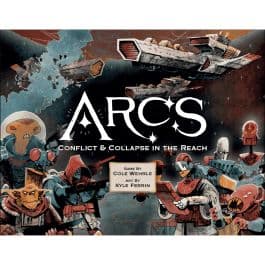
Arcs
2024Arcs is a high-stakes science fiction strategy game that transports players to the edge of a collapsing galactic empire. In this crumbling universe, players assume the roles of ambitious leaders struggling to carve out their own legacies amidst the ruins of a former civilization. The primary objective is to gain the most power through a series of chapters, which is achieved by completing specific ambitions—such as controlling key star systems, hoarding precious resources, or defeating rival fleets. Unlike typical space operas that focus on slow expansion, Arcs is designed for rapid movement and sharp, decisive conflicts, forcing players to react to a volatile political landscape where the status quo is constantly shifting.
The gameplay is driven by a sophisticated trick-taking action system that dictates how players interact with the board. Each round, a lead player plays a card that sets the suit, and others must decide whether to follow suit to gain more actions, copy the action at a lower efficiency, or pivot to a different strategy entirely. This creates a tense tactical puzzle where hand management is just as critical as fleet positioning. Players move their wooden starships across a map of connected systems, engaging in combat using a unique dice system that allows for different levels of aggression and risk. Furthermore, the 'Ambition' mechanic allows players to declare what actually scores points in a given round, meaning the victory conditions are as dynamic as the players' shifting alliances.
What makes Arcs truly stand out is its commitment to high player interaction and its 'fail-forward' design philosophy. Created by the team behind Root and Oath, the game features the signature whimsical yet gritty art of Kyle Ferrin and the deep, systemic design of Cole Wehrle. People love Arcs because it condenses the drama and scope of a massive campaign into a manageable play session, while still offering an optional 'Blighted Reach' expansion that provides a multi-session legacy experience. Every action feels consequential, and the game rewards clever timing and bold maneuvers over passive engine building. It is a rare title that manages to be both a tight competitive skirmish game and a sprawling narrative generator, ensuring no two games ever feel the same.
2-4 90m⚖️ 3.7
BoxNo Cover Art
RANK #106
Aeon's End
2016Aeon's End is a cooperative deck-building game for 1-4 players, where players work together to defend their village against an onslaught of monsters from the void. The game takes place in a fantasy world, where players must use their unique abilities and items to defeat the monsters and save their village.
The game consists of a series of rounds, each representing a night in the village. During each round, players draw cards from their deck, which can be used to attack monsters or defend against them. Players can also acquire new items and abilities by defeating monsters and collecting their loot.
One of the unique features of Aeon's End is its modular board, which consists of a series of tiles that are arranged randomly at the start of each game. This creates a different play experience every time, as players must adapt to the changing layout of the village and the monsters that come with it.
The game also includes a variety of monster types, each with their own strengths and weaknesses. Players must use strategy and teamwork to defeat these monsters and save their village.
1-4 60m⚖️ 3.0
RANK #109
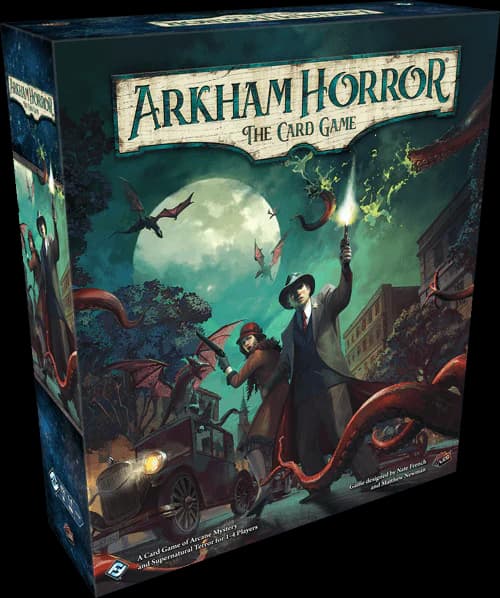
Arkham Horror: The Card Game is a cooperative Living Card Game that plunges one to four players into the eerie, Lovecraftian world of the 1920s. Assuming the roles of unique investigators in Arkham, Massachusetts, players work together to unravel sinister conspiracies, confront otherworldly beings, and prevent ancient evils from devouring the world. Each investigator comes with their own strengths, weaknesses, and customizable deck of cards representing their assets, skills, and resources. The goal is to successfully navigate a series of interconnected narrative scenarios, forming a larger campaign where choices and outcomes in one chapter have lasting consequences on the next. This Revised Core Set provides the definitive entry point, containing everything needed for a full group of four to begin their harrowing adventures right out of the box.
The gameplay unfolds over a series of rounds, each composed of four distinct phases that create a tense and challenging rhythm. In the Mythos Phase, the forces of darkness advance as doom accumulates and each player draws a random card from the encounter deck, introducing new enemies, treacherous obstacles, or reality-bending effects. During the Investigation Phase, players take turns performing up to three actions, which can include playing cards, moving between locations, battling monsters, or most importantly, investigating to find clues. These clues are essential for advancing the 'act' deck, which propels the story forward. The Enemy Phase sees any engaged monsters attack the investigators, while others hunt across the board. Finally, the Upkeep Phase allows players to refresh their assets, draw a new card, and gain a resource, preparing them for the horrors of the next round.
What makes Arkham Horror: The Card Game so compelling is its profound fusion of rich narrative storytelling with strategic card play and deck customization. The game is celebrated for its deep thematic immersion, where the unfolding story feels personal and impactful. Failure doesn't necessarily end the game, but it can scar an investigator or alter the campaign's trajectory, creating a truly dynamic and replayable experience. The challenge is significant, demanding careful cooperation and clever resource management to overcome the relentless odds. For players who crave a deep, story-driven hobby game they can expand over time, its campaign structure and character progression provide an unparalleled cooperative adventure into the heart of cosmic dread.
1-4 120m⚖️ 3.5
BoxNo Cover Art
RANK #110
Beyond the Sun
2020Beyond the Sun is a game that challenges players to explore and settle new planets, managing resources and making strategic decisions to ensure their survival and success.
The game is set in a distant future where humanity has reached the stars, and players take on the role of space explorers tasked with establishing colonies on newly discovered planets. Each player starts with a small fleet of ships and a limited amount of resources, which they must use to build and maintain their colony.
As players explore new planets, they will encounter various challenges such as hostile alien species, toxic environments, and scarce resources. They must carefully manage their resources, including food, water, and energy, to keep their colonists alive and happy. Players can also discover new technologies and upgrade their ships to improve their chances of success.
The game is won by the player who establishes the most successful colony, with a balance between resource management, exploration, and technological advancement.
1-4 60m⚖️ 3.5
RANK #111
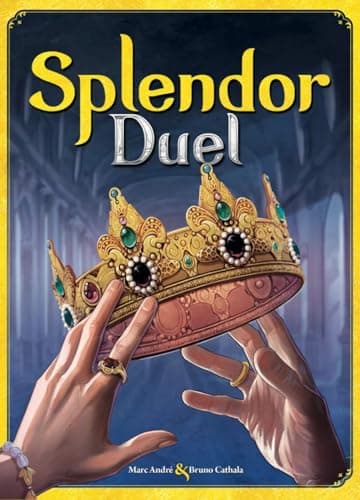
Splendor Duel
2022Splendor Duel is a standalone, two-player board game that brilliantly reimagines the classic Splendor experience, transforming it into a tense and direct confrontation. Designed by the original's creator, Marc André, in collaboration with two-player specialist Bruno Cathala, this version is tailored specifically for head-to-head competition. The objective is to outmaneuver your opponent by being the first to achieve one of three distinct victory conditions: accumulating a total of 20 or more prestige points, collecting 10 or more crowns on your jewel cards, or achieving dominance in a single gem color by earning 10 or more prestige points from those cards alone. This multi-faceted goal creates a dynamic game state where players must constantly adapt their strategies and react to their rival's progress.
The gameplay retains the satisfying engine-building core of its predecessor but introduces several key mechanics that foster intense interaction. The most significant change is a shared game board where gem, pearl, and gold tokens are arranged in a pattern. On their turn, players must draft up to three adjacent tokens in a single straight line, creating a tight, tactical puzzle where every selection can either set up your own plans or thwart your opponent's. The game also introduces valuable Pearl tokens, required for some of the most powerful cards, and three Privilege scrolls, which offer a crucial dose of flexibility by allowing a player to snatch any single non-gold token from the board. Purchasing cards still provides permanent gem bonuses, but now many also come with powerful, one-time abilities that can swing the tempo, such as taking an extra turn or stealing a token directly from your opponent.
Splendor Duel is widely acclaimed for being an exemplary two-player adaptation that enhances what made the original great. It successfully injects a much higher degree of player interaction and strategic depth without sacrificing the accessibility and quick playtime that fans love. The token-drafting board forces a constant awareness of the opponent's strategy, making every decision meaningful. The multiple paths to victory ensure high replayability, as players can pivot their approach from game to game or even mid-game. It’s a perfect, compact game for couples or any pair of players seeking a competitive, engaging, and polished contest of wits and forward planning, solidifying its reputation as a standout title in the two-player genre.
2 30m⚖️ 2.1
RANK #112
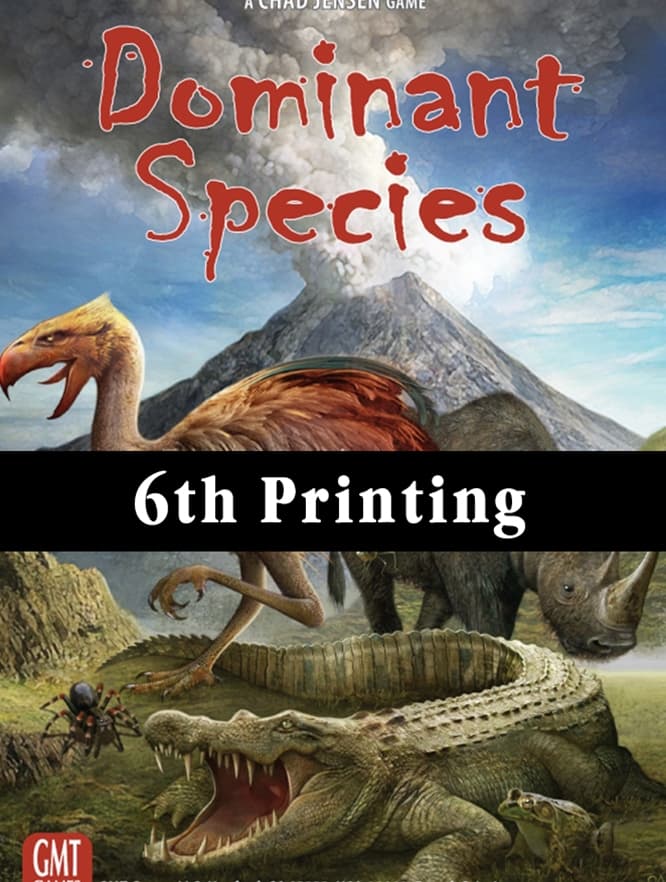
Dominant Species
2010Dominant Species transports players back in time to a world on the verge of a great ice age. In this highly strategic and competitive game, 2 to 6 players each assume control of a major animal class—such as Mammals, Reptiles, or Insects—vying for supremacy. The ultimate goal is to accumulate the most victory points by adapting, propagating, and migrating across a dynamically changing landscape. Survival is a constant struggle as the environment grows colder and resources become scarce. Players must carefully manage their species' evolution and expansion to ensure they are the ones who thrive while others face extinction, ultimately earning the title of the planet's dominant species before the final chill of the ice age sets in.
The game's core is driven by a powerful blend of worker placement and area control mechanics. Each round is divided into phases, beginning with players placing their action pawns on a central board to claim specific actions for the round. These actions are then resolved in a set order, creating a tense puzzle of timing and priority. Players can perform a wide range of actions, from adding new species cubes to the board (Speciation) and moving them across the hexagonal tiles (Migration), to expanding the world itself by adding new terrain (Wanderlust). Crucially, players can also trigger Glaciation to introduce new tundra tiles, which alters the map and can eliminate rivals. A key strategic element is the concept of 'dominance' over a tile, which is not simply about having the most cubes, but about how well-adapted your species is to the food sources present. Achieving dominance allows a player to use powerful, game-changing cards, adding another layer of strategic consideration beyond mere numbers.
What makes "Dominant Species" a revered classic among strategy gamers is its immense depth and high degree of player interaction. It is an unapologetically heavy game that rewards long-term planning and clever tactical adjustments. Every decision is meaningful, and the actions of one player can dramatically impact the fortunes of others, leading to a dynamic and often cutthroat experience. The game masterfully integrates its theme of evolutionary struggle into every mechanic; the tension between growing your population and adapting to the changing environment feels authentic and compelling. It's a long, epic journey that creates a memorable narrative of survival, conflict, and adaptation with every playthrough. For those who relish a substantial, thinky challenge with direct competition, "Dominant Species" offers an unparalleled and deeply rewarding strategic experience.
2-6 180m⚖️ 4.0
BoxNo Cover Art
RANK #113
In The Search for Planet X, players take on the roles of astronomers tasked with discovering a mysterious new planet in our solar system. This game is all about strategic planning and resource management as players navigate through various astronomical phenomena to uncover clues that will lead them to their target.
The gameplay involves a combination of worker placement and area control mechanics. Players must carefully allocate their resources, including time, money, and personnel, to conduct research and gather data from different celestial bodies. The game board features a modular design, with interlocking tiles representing the solar system's various regions. As players progress through the game, they will uncover new information about the planet's location, size, and composition.
One of the unique aspects of this game is its thematic depth. Players must consider the scientific principles underlying astronomical research, such as orbital mechanics and spectroscopy. The game also includes a variety of challenges and obstacles that players must overcome, including equipment failures, data corruption, and rival astronomers trying to steal their discoveries.
2-4 60m⚖️ 3.5
RANK #114
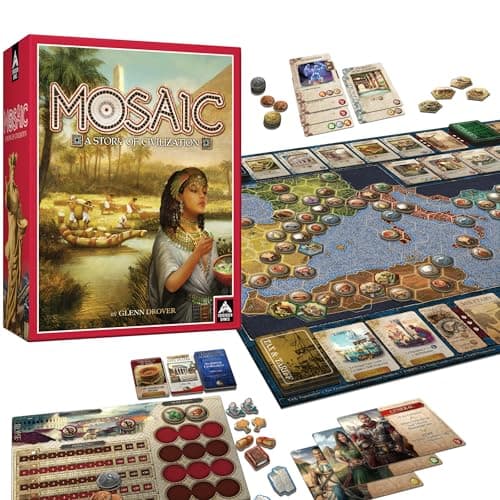
"Through the Ages: A Story of Civilization" is a monumental board game that tasks players with one of the grandest challenges imaginable: guiding a civilization from its humble beginnings in antiquity through to the complexities of the modern era. It's a game of epic scope where military might is just one tool among many. The ultimate objective is not world domination, but the creation of a lasting legacy. Victory is determined by the accumulation of culture points, a measure of your society's artistic, philosophical, and technological contributions to history. Players strive to build a civilization that will be remembered and celebrated for its profound impact, leaving an indelible mark on the annals of time.
The game's engine is driven by a clever card drafting mechanism. A central 'card row' displays a constantly shifting array of potential advancements, from new technologies and political systems to great leaders and world wonders. The cost to acquire these cards decreases the longer they remain unchosen, creating a tense and dynamic market of opportunities. On their turn, players spend a set number of civil and military actions to execute their grand strategy. These actions allow them to draft cards, increase their population, construct or upgrade buildings, and bolster their military forces. Success hinges on a delicate balancing act. You must carefully manage your production of food and resources, your investment in science to unlock new possibilities, and the strength of your army, as rivals can exploit any weakness through aggression or outright war to seize resources and disrupt your progress.
Players are drawn to "Through the Ages" for its profound strategic depth and the immensely rewarding experience of nurturing a civilization from a single settlement into a sprawling empire. It presents an intricate and fascinating puzzle, forcing players to make crucial long-term decisions while adapting to the tactical opportunities presented by the card row. The game's unique appeal lies in this synthesis of grand strategy and tactical execution. While player interaction can be direct and confrontational through the military system, the core conflict is often a race for efficiency and cultural prestige. This focus on building a superior internal engine, rather than simply conquering territory, has cemented its reputation as an essential title for serious hobbyists seeking a challenging, engrossing, and highly replayable masterpiece of game design.
2-4 180m⚖️ 4.2
RANK #115
7 Wonders
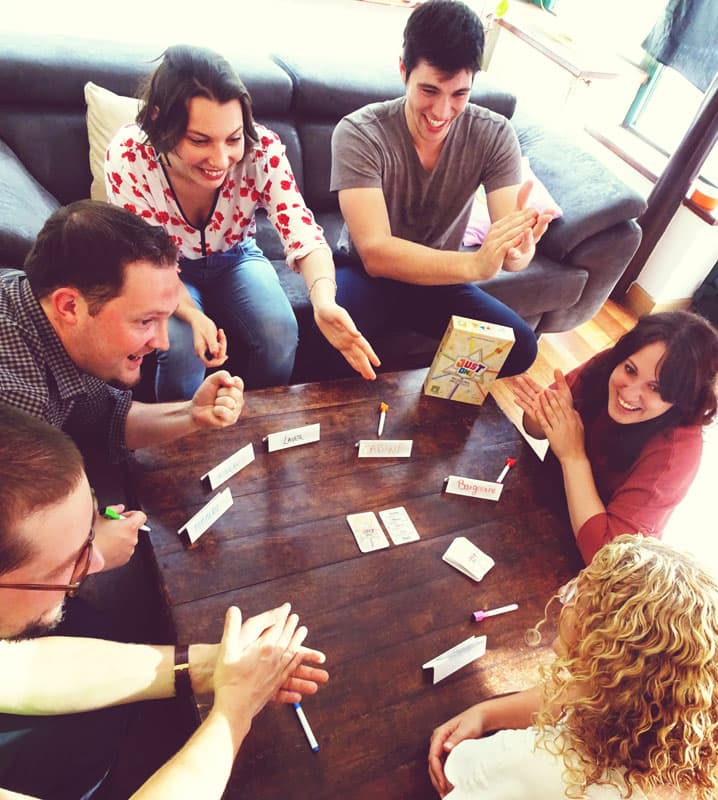
2010Step into the role of a leader of one of the seven great cities of the Ancient World in "7 Wonders," a celebrated civilization-building game. Your primary objective is to guide your city to glory by accumulating the most victory points over the course of three distinct historical Ages. Victory is not achieved through a single path, but through a masterful balance of developing your city's military might, advancing its scientific knowledge, constructing grand civic monuments, and fostering a robust commercial infrastructure. Each decision contributes to your final legacy, as you erect a wonder that will stand the test of time and create a civilization renowned throughout history.
The gameplay of "7 Wonders" is centered around an elegant and engaging card drafting mechanic. At the beginning of each of the three Ages, players receive a hand of cards representing various structures and advancements. Simultaneously, each player selects one card to play and then passes their remaining hand to an adjacent player, a direction that reverses each Age. This process continues until each player has played six cards per Age. With a chosen card, a player has three options: pay the resource cost to build the structure in their city's tableau, tuck the card under their Wonder board to build the next stage of their architectural marvel, or discard it to gain valuable coins. This simultaneous action selection brilliantly eliminates player downtime, keeping the game moving at a brisk pace regardless of the player count.
The game's enduring appeal lies in its remarkable blend of accessibility and strategic depth. New players can quickly grasp the core rules, while seasoned gamers will discover nuanced strategies and scoring synergies with every play. At the end of each Age, military conflicts are resolved with immediate neighbors, adding a layer of direct interaction. Final scoring is a satisfying culmination of your efforts, where points are tallied from military victories, scientific sets, completed wonder stages, civic buildings, commercial enterprises, powerful guilds, and your remaining treasury. This variety of scoring avenues ensures high replayability, as players can explore different strategies in every game, making "7 Wonders" a timeless classic that has earned its place as a cornerstone of modern board gaming.
3-7 30m⚖️ 2.3
RANK #116
Decrypto
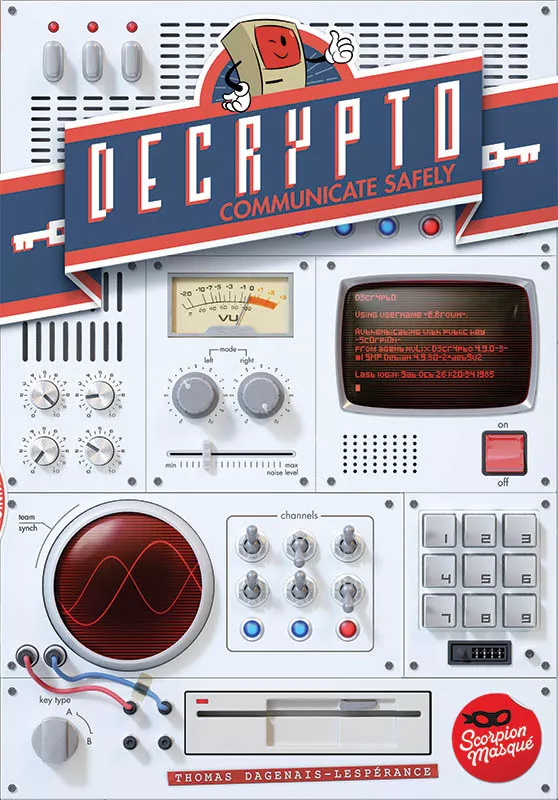
2018Decrypto is a word-guessing game designed for 3-4 players, where teams work together to decipher coded messages. The game's objective is to correctly guess the code words without revealing too much information about their own team's codes. Players take turns giving one-word clues about the code words, trying to avoid giving away their own team's secrets.
The game comes with a set of pre-determined code words and corresponding clues. Each player has a unique role, such as 'Codebreaker' or 'Cluegiver', which affects how they interact with the game board. The game requires strategic thinking, communication, and deduction to succeed.
Decrypto is an engaging and social game that encourages teamwork and creative problem-solving. It's perfect for players who enjoy word games, puzzles, and strategy.
3-4 m⚖️ 2.5

RANK #117
Robinson Crusoe: Adventures on a Cursed Island is a deeply thematic and challenging cooperative board game that casts one to four players as survivors of a shipwreck on a remote, hostile island. The primary objective is not simply to endure, but to achieve the specific goal laid out by one of the game's many distinct scenarios. These missions vary widely, from building a signal fire to escape, to lifting a terrible curse that haunts the land, or even raising a family in this new, wild home. Players must work together with precision and foresight to complete their task before the harsh environment, unforgiving events, or the relentless passage of time overwhelms them. A loss for one is a loss for all; if any character succumbs to the island's dangers, the entire team has failed. This shared fate creates a tense, high-stakes atmosphere where every decision carries significant weight for the group's survival.
At its core, the game is a sophisticated worker placement experience where players must carefully allocate their limited actions each round to manage the island's threats. The game progresses through a series of structured phases, starting with an Event card that introduces unforeseen challenges or story elements. After managing morale, players gather resources from their campsite before delving into the crucial Action phase. Here, players assign their action pawns to various tasks: exploring the island to reveal new terrain, gathering vital food and wood, hunting dangerous beasts, inventing new tools and items, or improving their camp with a shelter and palisade. A standout mechanic is the risk-reward system for actions; assigning two pawns guarantees success, but assigning only one requires a dice roll that can result in success, a minor consolation, a painful injury, or an unexpected adventure that further complicates their situation. The round concludes with a Weather phase determined by dice, followed by a Night phase where survivors must eat and rest, potentially suffering wounds if their camp is inadequate.
The enduring appeal of *Robinson Crusoe* lies in its masterful fusion of mechanics and narrative, creating one of the most immersive survival simulations in the board game world. Players don't just move pawns; they feel the desperation of a dwindling food supply, the triumph of a successful hunt, and the anxiety of an approaching storm. The game is celebrated for its difficulty and unforgiving nature, demanding sharp strategic planning, efficient resource management, and constant communication among players. The vast number of event cards, inventions, and scenarios ensures that no two games are ever the same, offering immense replayability. Furthermore, its robust design makes it an exceptional solo experience, allowing a single player to tackle the island's challenges alone. This combination of rich, emergent storytelling, brutal but fair challenges, and tight cooperative gameplay has cemented its status as a classic in the thematic game genre.
1-4 90m⚖️ N/A
RANK #121
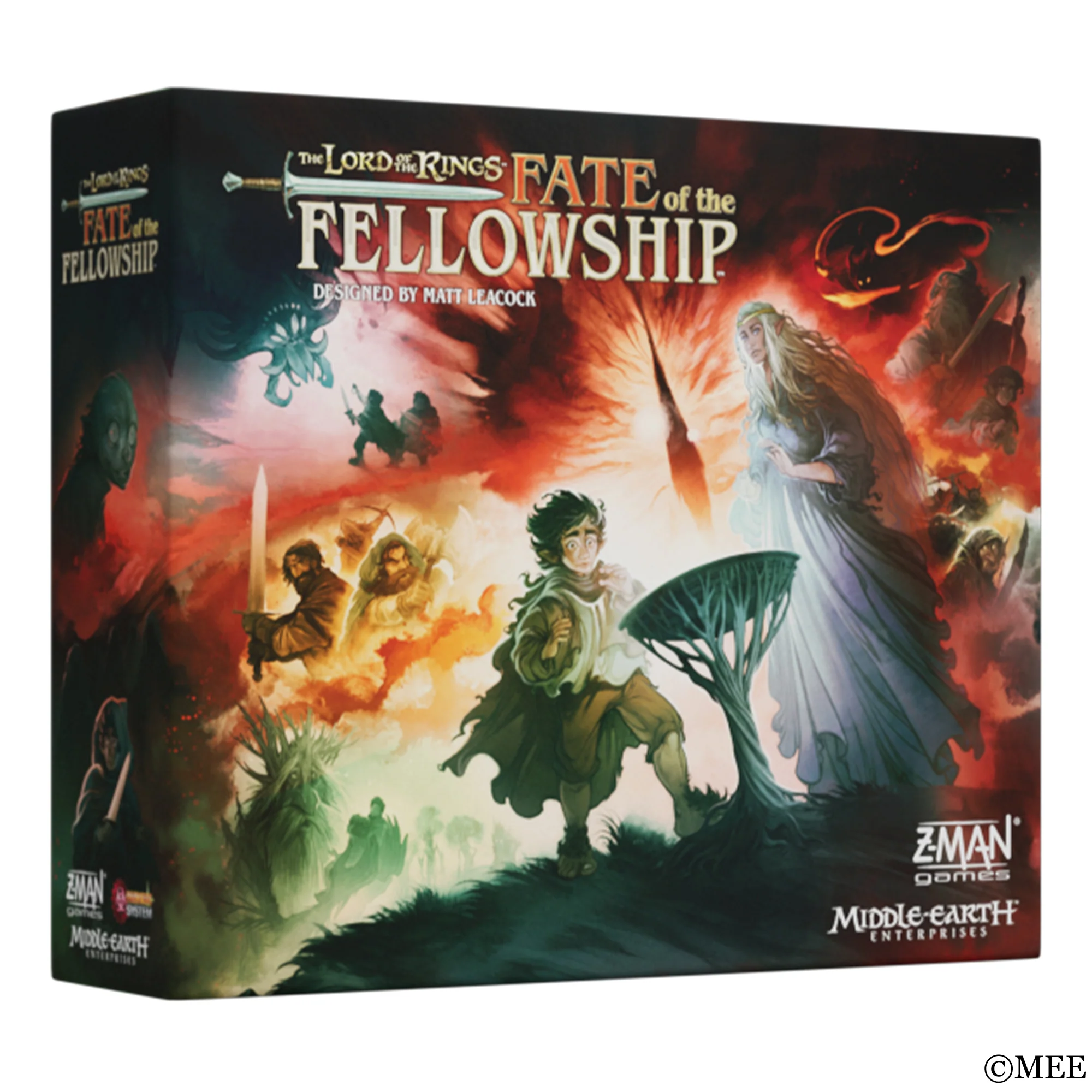
The Lord of the Rings: Fate of the Fellowship immerses one to five players in a desperate, cooperative journey across Middle-earth. In this new narrative-driven adventure from acclaimed designer Matt Leacock, players embody the heroes of Tolkien's epic saga, working together to ensure the One Ring reaches the fires of Mount Doom. The ultimate objective is the Ring's destruction, but this final confrontation can only be attempted after the fellowship successfully navigates three randomly assigned objectives. Players take on the roles of the Fellowship's members and their trusted allies, with each player uniquely controlling a pair of characters from a roster of thirteen, each boasting distinct abilities. The path to victory is fraught with peril, as failure looms if the collective 'Hope' of the fellowship is extinguished. This crucial resource dwindles when safe havens are overrun by darkness, if the Ringbearer is discovered by Sauron's minions, or if the heroes exhaust their resources. It is a race against the encroaching shadow to fulfill their destiny before all hope is lost.
The game's engine is a sophisticated adaptation of the celebrated "Pandemic" system, promising a familiar yet richer mechanical experience. The core gameplay loop involves players strategically spending action points to maneuver friendly forces and their heroes across a detailed map of Middle-earth. These actions are vital for completing the prerequisite missions and pushing back the ever-advancing armies of the Dark Lord. A central element of tension is the constant need to protect Frodo, keeping him concealed from the relentless pursuit of the Nazgûl and the piercing gaze of the Eye of Sauron. This threat is manifested through the 'Shadow Card' deck, a mechanism that functions much like its counterpart in "Pandemic," dictating where Sauron's influence will spread and escalating the danger with each draw. Players must carefully manage their character abilities and card resources to overcome these challenges and clear a path for the Ringbearer.
"Fate of the Fellowship" offers a compelling synthesis of a proven cooperative game system with one of fantasy's most beloved narratives. Its appeal lies in this seamless integration, creating an experience that feels both innovative and deeply thematic. The design has been hailed as Matt Leacock's most mechanically intricate take on the Pandemic framework to date, offering a significant and rewarding challenge for veteran strategy gamers. The unique system of each player managing two distinct heroes introduces a fascinating layer of tactical decision-making and enhances replayability. This constant balancing act—completing grand objectives while simultaneously managing the stealthy, perilous journey of the Ringbearer—generates a persistent sense of urgency and suspense, making it an essential title for fans of cooperative board games and Tolkien's timeless world.
1-5 m⚖️ 3.1