Sci-Fi Games
Browse all Sci-Fi board games in the Meeple Pulse database.
Styles
Themes
AbstractAdventureAncientAnimalsArtBusinessCard GameCo-operativeComic BookCooperativeCrimeEconomicEnvironmentalismExplorationFantasyHistoricalHorrorHumorIntrigueLiteraryMagicMarvelMedievalModernMuseumMysteryMythologyNatureNauticalPoliticalPress Your LuckSatireSci-FiSocial CommentarySocial InteractionSpaceSuperheroesThematicTravelWarWesternWord-Guessing
Mechanics
3D PlacementActingAction / DexterityAction DraftingAction Point AllowanceAction Point Allowance SystemAction Point SystemAction PointsAction ProgrammingAction QueueAction RetrievalAction SelectionAction/EventAlliancesAlternate ActivationApp-AssistedApp-DrivenArea ControlArea InfluenceArea MajorityArea Majority / InfluenceArea MovementArgumentationAsymmetricAsymmetric FactionsAsymmetric GameAsymmetric PowersAsymmetrical PowersAuction & BiddingAuction/BiddingAuctioningBag BuildingBettingBetting and BluffingBetting and WageringBetting and WagersBiddingBingoBlind BiddingBluffingCampaign / Battle Card DrivenCampaign / LegacyCampaign / Legacy GameCampaign / Mission-basedCampaign / ScenariosCampaign GameCampaign PlayCard DraftingCard DrawingCard DrivenCard Driven ActionCard Driven CombatCard Driven Dice AllocationCard Driven MovementCard ManagementCard PlayCard Play / Hand ManagementCard Play Conflict ResolutionCard SheddingCard-Driven MovementCharacter CreationCharacter ProgressionChit-Pull SystemCo-op PlayCo-operative GameCo-operative PlayCode-breakingCombat ResolutionCombo ChainCommand CardsCommodity SpeculationCommunication LimitsContract FulfillmentContractsCooperative GameCooperative GameplayCooperative PlayCooperative Trick-takingDebateDeck BuildingDeck ConstructionDeck, Bag, and Pool BuildingDeck-BuildingDeductionDexterityDice DraftingDice PlacementDice RollingDiplomatic InfluenceDraftingDynamic Battle SystemEnclosureEnd Game BonusesEngine BuildingEngine-BuildingEscape RoomEvent DrivenExplorationFarmingFlip and WriteFollowFollow ActionGrid CoverageGrid MovementHand ManagementHex-and-CounterHexagon GridHidden MovementHidden RolesI Cut You ChooseIncomeInfluence / Area MajorityLadder ClimbingLegacyLegacy ElementsLegacy GameLegacy SystemLimited CommunicationLine DrawingLine of SightMancalaMap MovementMarketMarket DraftingMarket ManipulationMarket MechanicMarket SpeculationMatchingMeasurement MovementMemoryMission ObjectivesModular BoardModular Board ConstructionMovement TemplatesMulti-Use CardsMulti-use CardsMultiple ScenariosMust FollowNarrative ChoiceNarrative Choice / ParagraphNegotiationNegotiation MechanicsNetwork & Route BuildingNetwork BuildingNetwork and Route BuildingOne vs ManyOne vs. ManyOpen DraftingPaper-and-PencilPartnershipsPattern BuildingPattern RecognitionPick-up and DeliverPlayer EliminationPlayer InteractionPlayer JudgePoint SaladPoint to Point MovementPolyominoesPush Your LuckPush-Your-LuckPuzzlePuzzle-LikePuzzle-SolvingRaceReal-TimeRecipe FulfillmentResource ManagementRole PlayingRole SelectionRoll / Spin and MoveRondelRoute BuildingRoute-BuildingRoute/Network BuildingSanity SystemScenario / Campaign PlayScenario / Mission / Campaign GameScenario / Mission FunctionSecret Unit DeploymentSemi-Cooperative GameSet CollectionSheddingSimulationSimultaneous ActionSimultaneous Action SelectionSimultaneous Hidden AllocationSocial DeductionSocial InteractionSolo / Solitaire GameSpace ExplorationStat Check / Skill CheckStock HoldingStorytellingStrategic PlanningTableau BuildingTactical Decision-MakingTake ThatTargeted CluesTeam PlayTeam-Based GameTeam-Based GuessingTeamworkTech TreesTech Trees / Tech TracksTechnology & Armament TracksTechnology TreeTension & Aggression TracksTile DraftingTile LayingTile PlacementTime TrackTime TravelTower DefenseTrack MovementTradingTrick-takingTug of WarTurn Order: PassTurn Order: Stat-BasedUnit PlacementVariable Phase OrderVariable Player PowersVariable Set-upVariable SetupVictory Point TracksVotingWord AssociationWord GameWord GuessingWord-GuessingWord-guessingWordplayWorker Placement
RANK #1,267
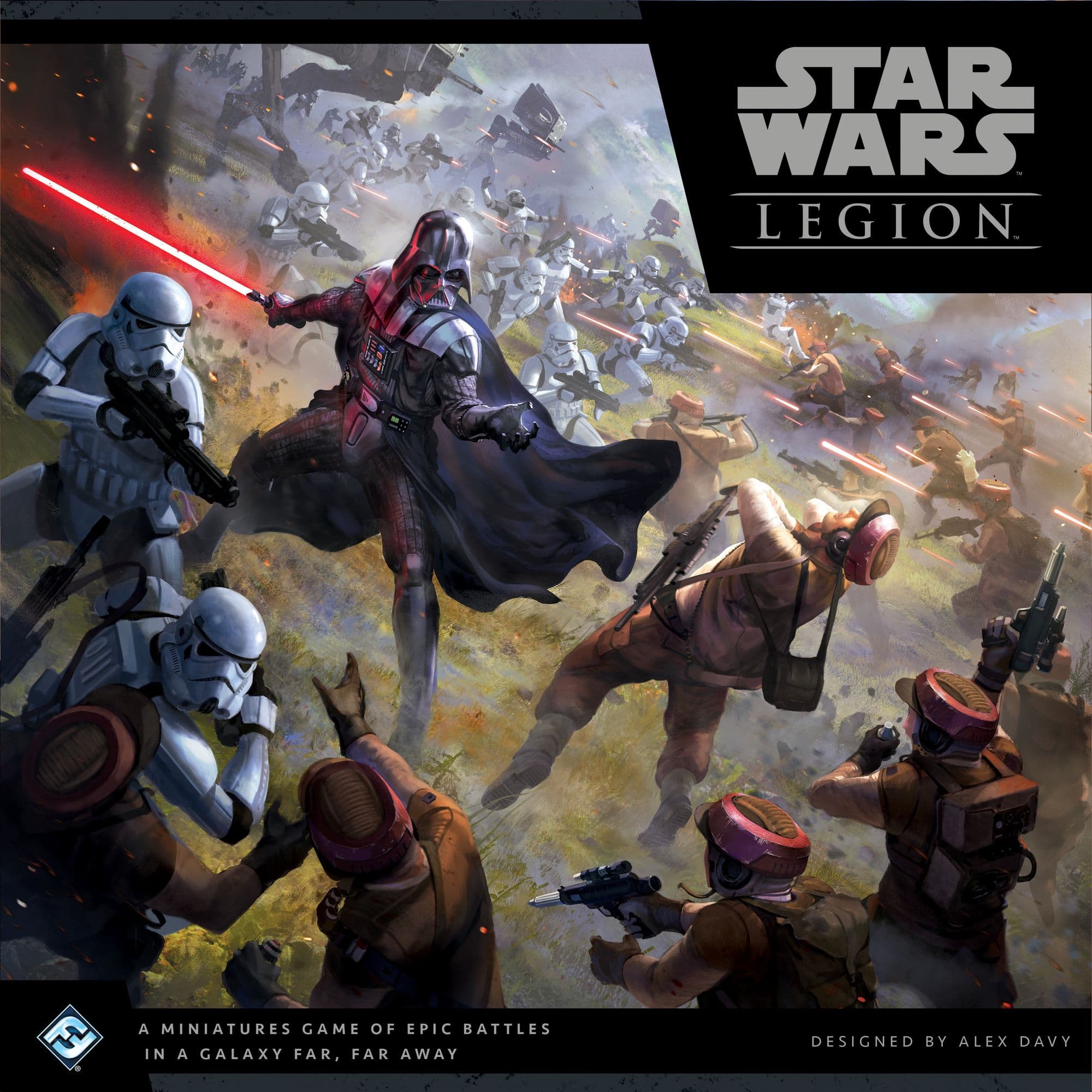
Star Wars: Legion catapults players onto the iconic battlefields of the galaxy, offering a deeply tactical miniatures wargame focused on infantry-level combat. In this game, you take on the role of a battlefield commander, assembling and leading an army from one of the saga's legendary factions, such as the Galactic Empire or the Rebel Alliance. Using a point-buy system, you customize your forces from the ground up, selecting everything from squads of humble Stormtroopers and fleets of nimble speeder bikes to powerful heroes like Darth Vader and towering vehicles like the AT-ST. The objective isn't merely to annihilate your opponent; victory is achieved through a combination of controlling key objectives, completing mission-specific goals, and outmaneuvering the enemy across a six-round engagement.
The gameplay is defined by a unique and compelling command and activation system that simulates the fog of war. Each round begins with a Command Phase, where players secretly select a command card from their hand. These cards determine not only who gets initiative for the round but also how many specific units can be issued direct orders. During the subsequent Activation Phase, players alternate activating a single unit. The twist is that a player must either choose a unit that previously received an order or draw a random token from their order pool. This chit-pull mechanic creates constant tactical tension, as you can never be entirely certain when a crucial unit will get to act unless you've planned for it with your command card. When a unit does activate, it can perform actions like moving with unique jointed tools, attacking with custom dice, or taking aim to improve its odds. Combat is swift, but is layered with strategic depth through cover, weapon keywords, and a brilliant suppression mechanic.
What makes Star Wars: Legion a standout experience is how it masterfully blends accessible wargaming mechanics with the rich, cinematic flavor of its source material. The suppression system is a highlight, where troopers who come under fire become less effective and risk panicking, perfectly capturing the feeling of being pinned down by blaster fire. The game's emphasis on list-building and customization provides immense replayability, encouraging players to experiment with different unit compositions and upgrade loadouts. For hobbyists, the high-quality, unassembled miniatures offer a fantastic canvas for painting and personalization, allowing you to bring your own version of the Star Wars galaxy to life. It strikes a perfect balance, offering the strategic depth to satisfy veteran wargamers while remaining streamlined enough to serve as an excellent gateway into the miniatures hobby.
2 180m⚖️ 3.2
RANK #1,350
20 Strong
202320 Strong is an innovative solo-only card and dice game system developed by Chip Theory Games. Designed for efficiency and portability, it offers a modular experience where a core set of rules governs multiple disparate decks. The primary objective is to survive a gauntlet of shuffled encounter cards, utilizing a limited pool of dice to overcome obstacles and eventually defeat a formidable boss. Whether venturing into the cosmic reaches of Solar Sentinels or the gritty gladiator arenas of Victorum, players must navigate a dense deck of challenges, each demanding calculated risks to ensure the hero's survival through to the final showdown.
The gameplay loop centers on a delicate balance of resource management involving twenty specialized dice. Seventeen of these are combat dice with varying success probabilities, while three function as stat trackers for Health, Strategy, and Recovery. On a turn, players face encounter cards that require a specific number of hits to resolve. The catch lies in the Recovery stat: if you commit more dice to a challenge than your current recovery level allows, those dice are exhausted and removed from your active pool for the next round. Managing your Strategy is equally vital, as it dictates your capacity for rerolls and the use of powerful items. This creates a tense 'push-your-luck' dynamic where over-committing to a minor victory might leave you defenseless against the looming boss.
What makes 20 Strong truly stand out is its 'system' approach, allowing for immense variety through interchangeable decks that introduce unique mechanical twists. The game masterfully condenses the high-production feel of larger Chip Theory titles into a compact, thirty-minute session. Fans of the genre appreciate the tactical depth required to mitigate bad luck, transforming every dice roll into a meaningful decision rather than a simple coin flip. Its blend of high replayability, expandable content, and a sleek, modern aesthetic ensures that solo gamers have a satisfyingly crunchy puzzle to solve. It captures the essence of a massive dungeon crawl or epic space odyssey while fitting neatly on a small tray table, making it a definitive staple for solitary tacticians.
1 40m⚖️ 2.4
RANK #2,015
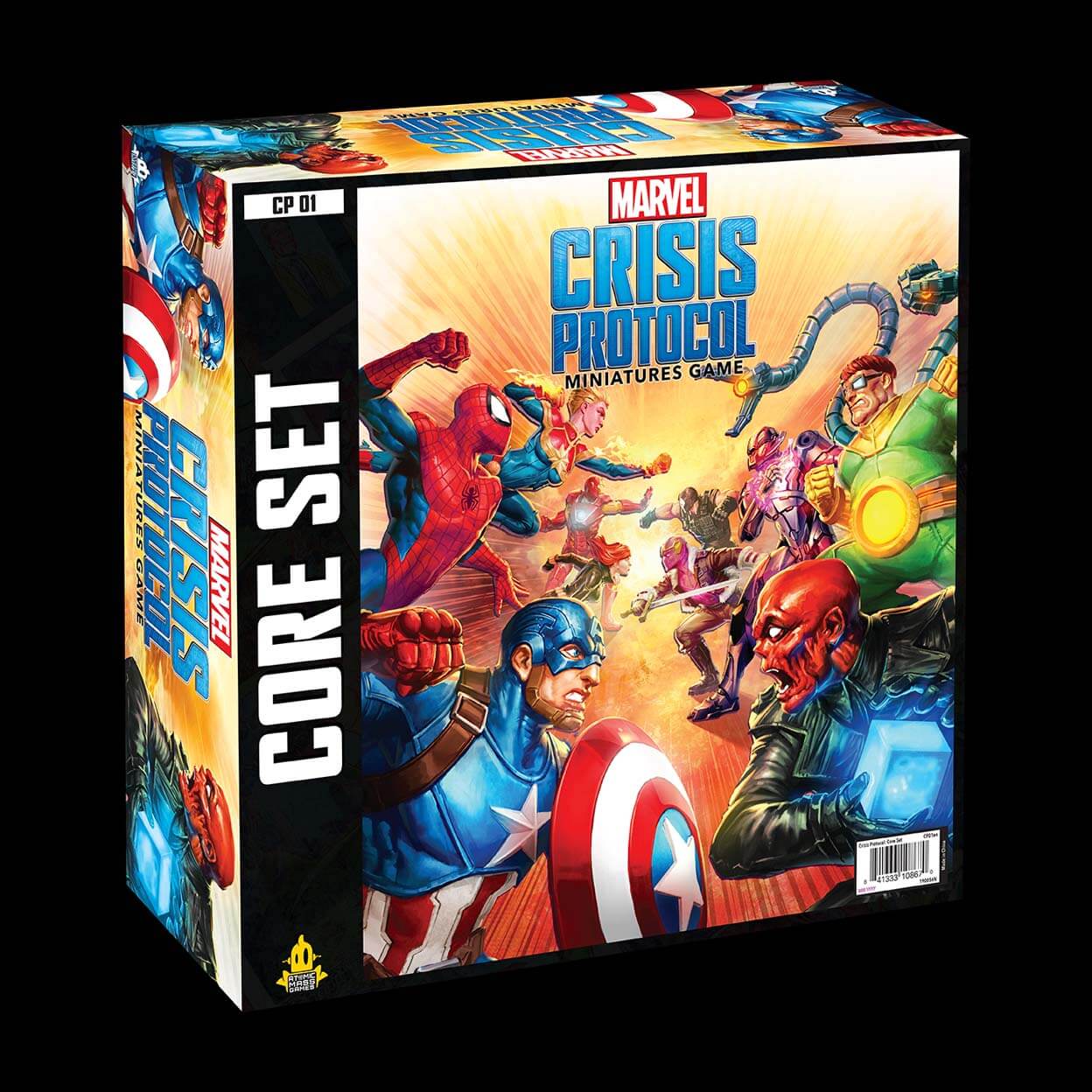
Marvel: Crisis Protocol is a dynamic tabletop miniatures game where two players assemble, paint, and battle with teams of iconic characters from the Marvel Universe. More than just a fight to the finish, the game is an objective-based contest where strategy and positioning are paramount. Players take on the role of leaders, guiding their hand-picked squad of heroes and villains through a unique crisis scenario. The ultimate goal is to be the first to accumulate 16 Victory Points by controlling key locations on the battlefield and securing valuable assets, all while unleashing spectacular superpowers. Each game presents a new tactical puzzle, demanding players to adapt their strategy to the ever-changing state of the conflict and the unique combination of objectives in play.
Gameplay is defined by its innovative roster-building and scenario-generation systems. Before the game, each player creates a roster of ten characters, from which they will select their squad for the specific mission. The mission itself is determined by combining a "Secure" Crisis card, which dictates objective zones to control, with an "Extraction" Crisis card, which involves characters grabbing and holding objective tokens. This combination sets a "Threat Level" that limits which characters a player can field, ensuring balanced and varied matchups. During a round, players alternate activating one character, who can perform two actions like moving, attacking, or using a special ability. A core mechanic is the "Power" resource. Characters gain Power when they take damage, creating a thrilling ebb and flow where a hero on the ropes can power up for a devastating counter-attack, spending that energy to unleash their most famous and powerful abilities.
The game's immense appeal lies in its fusion of accessible rules with deep tactical gameplay, making it an excellent gateway into the miniatures hobby. While the core mechanics are straightforward, mastering character synergies, managing the Power economy, and utilizing the highly interactive terrain provides a rich strategic experience. The environment itself is a weapon; characters with superhuman strength can hurl cars, dumpsters, and newsstands at their opponents, creating cinematic moments straight from the comics. The high-quality miniatures are a hobbyist's delight, offering fantastic canvases for painting. Above all, Crisis Protocol excels at capturing the feel of a superhero battle, delivering a thematic, action-packed experience that is visually stunning and endlessly replayable thanks to its modular scenario system and ever-expanding roster of characters.
2 90m⚖️ 2.9
RANK #2,974
Deckers
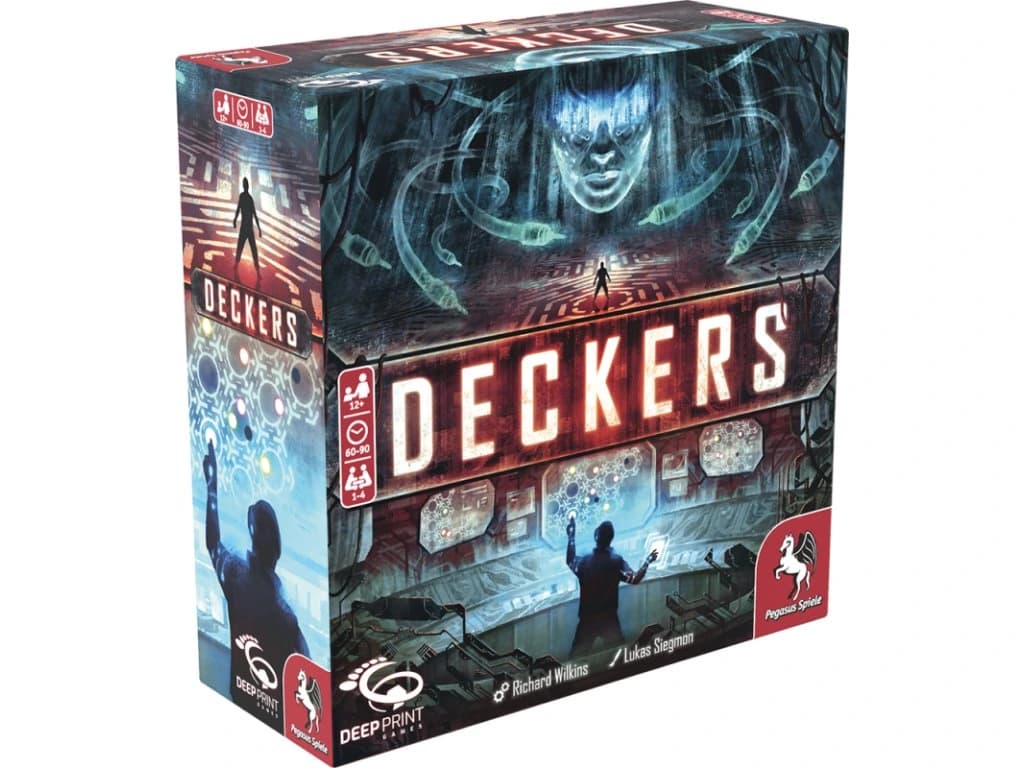
2025Deckers is an exciting, competitive card game set in a near-future world where elite "deckers" vie for supremacy in high-stakes card tournaments. Players will meticulously craft their unique decks, strategically acquiring powerful new cards and leveraging potent abilities to outmaneuver their rivals. The ultimate goal is to accumulate the most victory points by executing brilliant card combinations, completing tactical objectives, and dominating key strategic phases before the final round concludes. Get ready for intense, strategic card-driven action!
At its core, Deckers combines innovative deck-building mechanics with tactical hand management and card drafting. Each turn, players will make critical decisions: drafting new cards from a central market, playing cards from their hand to activate powerful effects, and managing their resources to fuel their strategies. As the game progresses, decks evolve, offering dynamic gameplay where players must adapt their strategies based on opponent's moves and the available cards. Noteworthy features include 'Synergy Chains' – a mechanic where specific card combinations unlock bonus actions – and 'Adaptive Playbooks' that offer unique starting advantages, ensuring no two games feel quite the same.
Players will adore Deckers for its deep strategic gameplay wrapped in accessible rules, offering an immensely satisfying experience for both seasoned card game enthusiasts and newcomers alike. Its high replayability stems from a vast card pool, diverse starting conditions, and the ever-changing market, encouraging players to explore countless deck archetypes and strategies. The thrill of optimizing your deck, executing a perfectly timed combo, and watching your engine hum to victory provides an unparalleled sense of accomplishment. Dive into Deckers to experience the ultimate test of card-crafting prowess and strategic foresight!
m⚖️ N/A
RANK #3,205
Point Galaxy
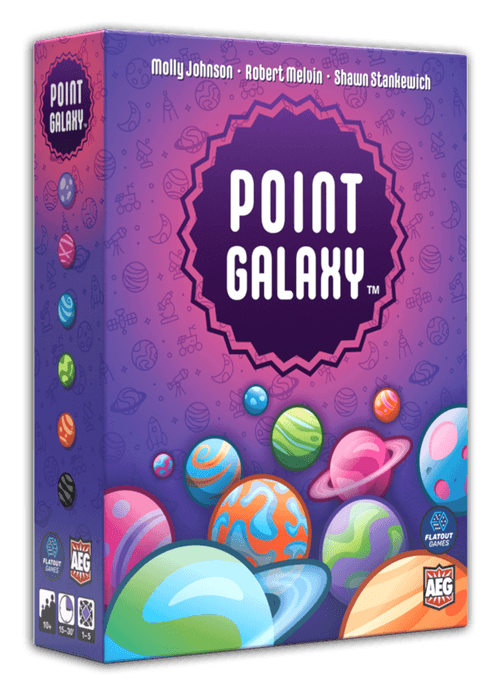
2025Point Galaxy is a vibrant, card-drafting experience that expands upon the foundations laid by its predecessors in the 'Point' series. As the spiritual successor to popular titles like Point Salad and Point City, this game challenges players to construct a celestial tapestry of stars, planets, and cosmic phenomena. The primary objective is straightforward yet deep: accumulate the most victory points by strategically selecting cards from a central market. In this galaxy-building adventure, every card serves a dual purpose, either acting as a celestial object within your tableau or providing unique scoring criteria that can turn a modest collection into a high-scoring powerhouse.
The gameplay loop is elegant and fast-paced, ensuring that players remain engaged from the first turn to the last. On a typical turn, participants draft two cards from a dynamic, ever-shifting market and incorporate them into their personal galaxy. This mechanic forces players to constantly weigh short-term gains against long-term scoring potential. Because the market is shared, there is a layer of interaction as you observe what your opponents are collecting and potentially deny them the cards they need. The middle-ground complexity of the game allows it to bridge the gap between casual family play and more involved strategy sessions, offering hundreds of ways to score and ensuring that no two galaxies ever look or play exactly the same.
What truly sets Point Galaxy apart is its incredible replayability and the satisfaction of watching an engine come to life. The game manages to capture the awe of space exploration through colorful, thematic artwork while maintaining a tight, mechanical focus. Enthusiasts of the series will appreciate the refined balance and the increased depth of card combinations available. It is a puzzle-like experience where every choice matters, yet it remains accessible enough for newcomers to jump in immediately. Whether you are playing solo or with a full group of five, the game delivers a snappy, rewarding experience that fits perfectly into a thirty-minute window. Its blend of simple rules and complex scoring possibilities makes it a standout addition to any tabletop collection.
m⚖️ N/A
RANK #5,532
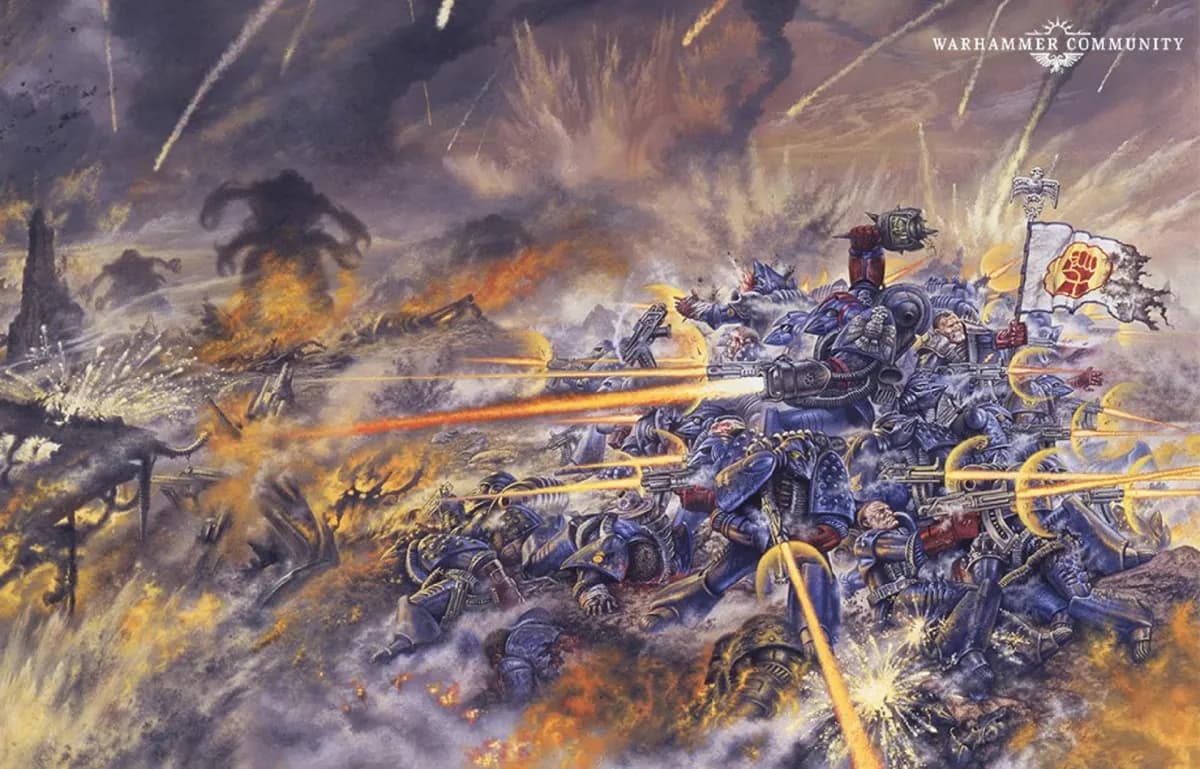
Warhammer 40,000: Rogue Trader is the foundational text that birthed the grim dark future, launching a tabletop phenomenon in 1987. Unlike the grand-scale army battles of its successors, this first edition is a unique hybrid, blending the tactical depth of a miniatures wargame with the narrative freedom of a role-playing game. The game is designed for skirmish-level encounters, with each player controlling a small handful of detailed miniatures. A key aspect of its design is the inclusion of a Game Master (GM), who orchestrates the scenarios, controls non-player forces, and serves as the ultimate arbiter of the complex rules. Consequently, the goal of the game is fluid and scenario-dependent. Victory is not always about simple annihilation; it can involve completing specific objectives like recovering a lost artifact, assassinating a high-value target, or surviving against overwhelming odds, all within a narrative framework crafted by the GM.
Gameplay in Rogue Trader is a detailed and crunchy affair, unfolding over a structured sequence of turns. Players alternate activating their forces, moving through distinct phases for movement, ranged combat, psychic powers, and brutal hand-to-hand combat. A character's effectiveness is determined by a suite of core statistics—such as Weapon Skill, Ballistic Skill, Strength, and Toughness—that influence dice rolls for nearly every action. The system employs a full range of polyhedral dice (from D4s to D20s) to resolve the outcomes of shooting and melee, adding a layer of granular detail to the conflict. A standout mechanic is the 'Reserve Move', which allows units a second, shorter movement if they forgo other actions, adding a tactical wrinkle to positioning. The GM's role is central, as the core rulebook encourages them to create bespoke missions using random generation tables, rather than providing a set list of pre-defined scenarios.
The enduring legacy of Rogue Trader lies in its ambitious fusion of two distinct gaming genres. It provided wargamers with a system where individual models could gain experience, improve their stats, and develop unique skills over the course of a campaign, effectively blurring the line between a soldier and a character. This emphasis on narrative progression and character development was revolutionary for a miniatures game of its time. The freedom granted to the Game Master to build worlds, create compelling stories, and challenge players with unique situations fosters an incredibly rich and personalized gaming experience. While its dense, detailed ruleset presents a steep learning curve and is considered highly complex, it is this very depth that allows for nuanced tactical decisions and memorable, story-driven moments on the battlefield. It's a game that prioritizes immersive, thematic storytelling over streamlined, competitive play.
2 180m⚖️ 4.3
RANK #6,514
Warhammer 40,000 (Tenth Edition) solidifies its reign as the world's most popular tabletop miniature wargame, thrusting players into the war-torn, grimdark science-fantasy universe of the 41st Millennium. In this game, two or more players command armies of intricately detailed miniatures, representing factions like the stoic Space Marines, the numberless Tyranid swarms, or the enigmatic Aeldari. The goal is to achieve battlefield supremacy through tactical acumen, strategic objective control, and the annihilation of enemy forces. This tenth iteration was designed around the philosophy of 'Simplified, not simple,' overhauling years of accumulated rules to create a more accessible and dynamic experience without sacrificing the strategic depth that has defined the game for decades.
The core gameplay unfolds over a series of battle rounds, where each player takes a turn consisting of five distinct phases: Command, Movement, Shooting, Charge, and Fight. Players utilize tape measures for movement and weapon ranges, while six-sided dice determine the outcomes of everything from blistering ranged volleys to desperate melee clashes. Tenth Edition introduces several key innovations to streamline play. All unit statistics, weapons, and special abilities are now consolidated onto comprehensive Datasheet cards, drastically reducing the need to reference multiple books. Morale has been reimagined as 'Battle-shock,' a test that can cripple a unit's ability to hold objectives. Furthermore, the once-separate Psychic phase has been seamlessly integrated into the Shooting and Fight phases, making supernatural powers faster and more intuitive to use.
What sets Warhammer 40,000 apart is its unique fusion of deep tactical gameplay with a rich, rewarding hobby experience. Beyond the battlefield, players spend countless hours collecting, assembling, and painting their armies, making each force a unique personal creation. The game's appeal lies in its immense scale, from small skirmishes to epic conflicts involving dozens of units. For new players, the introduction of the 'Combat Patrol' format provides a perfectly balanced, out-of-the-box starting point. This allows anyone to begin playing quickly with a pre-set force, while veteran commanders can still engage in massive, multi-hour battles that test the limits of their strategic skill and beautifully painted collections.
2 180m⚖️ 4.2

RANK #7,856
Brass Empire
2016In the captivating steampunk world of Brass Empire, corporate titans vie for supremacy in a high-stakes struggle for resources and technological dominance. As the CEO of your burgeoning corporation, you'll strategically deploy workers to mine precious ore, construct powerful buildings, and recruit formidable units, all while skillfully managing your deck of cards. This innovative 2016 deck-building game combines engine-building and area control elements, challenging players to optimize their resource flow, outmaneuver rivals, and strategically build an unstoppable industrial empire to claim ultimate victory. Experience intense corporate warfare and strategic card play in this engaging board game.
m⚖️ N/A
BoxNo Cover Art
RANK #9,392
Immerse yourself in the high-stakes, neon-soaked street warfare of Night City with Cyberpunk Red: Combat Zone. This tactical skirmish miniatures game puts you in command of a hardened gang fighting for survival, reputation, and control. Whether you're playing a standalone scenario or embarking on a gritty linked campaign, your goal is to outmaneuver and outgun your rivals to achieve specific objectives. Players assemble their crews using a points-based system, customizing each member with a deadly arsenal of weapons, gear, and cyberware. In the campaign mode, success brings not just victory but 'street cred,' allowing your characters to evolve with enhanced abilities and more powerful equipment, creating a persistent and developing narrative for your gang's rise to power on the mean streets.
The gameplay is driven by the innovative and dynamic "[RE]action" system, which ensures players are constantly engaged. Each character is assigned a set of color-coded action tokens—green, yellow, and red—which dictate both their movement capabilities and the potency of their actions. Green tokens allow for the use of a powerful d12, yellow a d10, and red a meager d6. During a turn, a player activates one unit, spending these tokens to move, shoot, or engage in brutal melee. All conflicts are resolved through opposed dice rolls, creating a tense, unpredictable back-and-forth. The damage system is uniquely integrated into this core mechanic; when a character is wounded, one of their action tokens is downgraded to red, diminishing their combat effectiveness and pushing them closer to being taken out of the fight entirely.
Cyberpunk Red: Combat Zone stands out by completely eliminating player downtime and capturing the chaotic, reactive nature of a firefight. The centerpiece of this design is the ability to perform a "[RE]action." Immediately after taking a wound, a character with remaining action tokens can retaliate with a counter-attack or scramble for cover. This ensures that the battlefield is constantly shifting and that no plan is ever truly safe, as a single shot can trigger a cascade of reactive moves. This constant threat and opportunity keep both players on the edge of their seats, making every decision critical. The game's appeal lies in its perfect fusion of deep tactical gameplay, strong thematic integration with the Cyberpunk universe, and a core mechanic that is as brutal and unforgiving as Night City itself.
2-4 60m⚖️ 3.0
RANK #16,467
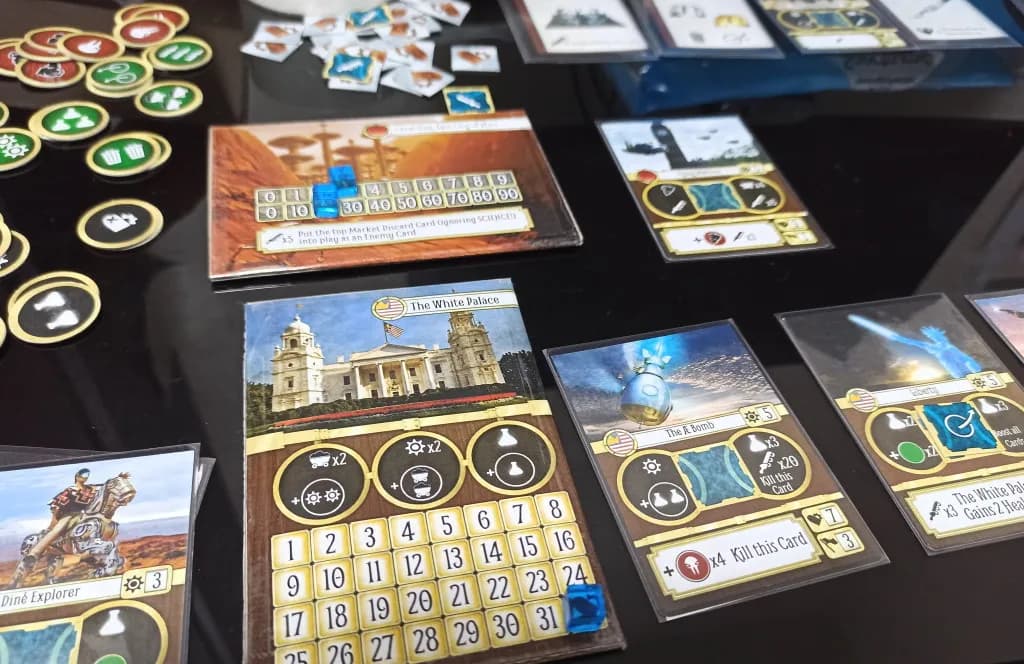
The Brass Age
2021The Brass Age plunges you into a solo, steampunk-themed conflict where industrial might and aetheric power decide the fate of nations. This celebrated print-and-play wargame challenges you to lead one of three distinct factions—the British Imperium, the Kingdom of America, or the enigmatic Last City of Mars—in a decisive battle for supremacy. Your ultimate objective is straightforward but demanding: you must dismantle your opponent's war machine and reduce their nation's life force to zero before they do the same to you. The enemy is not a passive target but a dynamic, AI-controlled power that will relentlessly deploy its own forces and trigger unexpected events, ensuring that every game is a tense and unpredictable struggle for survival and dominance in a world of brass, steam, and circuits.
At the heart of the game lies an elegant fusion of bag-building and tableau-building mechanics. Each turn, you will draw a handful of resource tokens—representing vital materials like metal, coal, and aether—from a personal bag. These resources are the currency you'll use to acquire powerful new unit cards from a central market and to activate the unique abilities of the forces you have already deployed to your frontline. As the game progresses, you will strategically add more potent tokens to your bag, refining your economic engine and unlocking more powerful actions. Concurrently, you construct a tableau of units that represents your military presence. Managing the synergies between these units is key to launching effective attacks against the enemy nation and its deployed forces, which are governed by a clever AI card deck that keeps the pressure on.
What makes "The Brass Age" so compelling is its ability to deliver a deep, strategic solo experience in a compact and accessible package. Its victory in the 2021 BoardGameGeek Solitaire Print-and-Play Contest is a testament to its polished design and engaging gameplay. The game's gorgeous, unified steampunk aesthetic, with both art and design credited to Barny Skinner, creates a cohesive and immersive world. While the rules are smooth and straightforward once learned, the decisions they present are consistently meaningful. Players love the challenge of managing probability through bag-building while simultaneously crafting a synergistic combat tableau. It strikes a perfect balance, offering a rewarding puzzle that feels neither overly complex nor too simplistic, making it a standout title in the print-and-play community.
1 40m⚖️ 2.4
BoxNo Cover Art
RANK #21,063
Relic Knights: Darkspace Calamity brings the explosive, over-the-top energy of Japanese mecha anime to the tabletop in a tactical miniatures skirmish game. Players are thrust into a vibrant, dying galaxy, where they assume command of a powerful and heroic Relic Knight, their loyal and symbiotic Cypher companion, and a unique cadre of supporting units. Each force belongs to one of several distinct factions, all battling for control and survival. The goal extends beyond simple annihilation of the enemy; victory is achieved by completing dynamic, scenario-specific objectives that shape the narrative of the conflict. The game fully embraces its aesthetic inspirations, creating an immersive experience where every battle feels like a climactic episode of an epic space opera.
The game's most defining feature is its innovative, diceless combat system which emphasizes player skill and strategic planning over random chance. Instead of dice, players draw from a customized "Esper Deck." These cards serve as the central resource, used to power every action from basic movement and attacks to reality-bending special abilities and crucial defensive countermeasures. This creates a deep and engaging loop of hand management and resource allocation. A player's turn involves activating units one by one, carefully spending Esper to execute actions, and maneuvering forces across the battlefield to outwit their opponent. This system gives players a profound sense of control, as success hinges on cleverly managing the cards they are dealt.
What makes Relic Knights a beloved and unique experience is this seamless blend of fast-paced, cinematic action with deep strategic gameplay. The Esper card system is a significant draw for players who prefer tactical decision-making to the whims of fate, rewarding foresight and clever combinations. The game is also a delight for hobbyists, featuring a stunning line of highly-detailed, dynamic miniatures that are a joy to assemble, paint, and bring to the battlefield. This powerful combination of a unique, low-randomness ruleset, a compelling sci-fi anime setting, and beautiful components ensures that Relic Knights: Darkspace Calamity provides a memorable and deeply engaging tactical challenge.
3-7 240m⚖️ 3.8

Solarion: Foundation of Empires is a competitive science-fiction board game for one to four players that blends deep strategy with epic galactic conquest. Players assume control of one of four distinct, asymmetric factions—the Terran, Oceanus, XES, or Ursalian—each vying for supremacy over a newly discovered star system. The ultimate goal is to accumulate the most Victory Points by the end of the game's third 'Galactic Age'. Points are primarily earned by achieving dominance over a modular, hex-based galaxy, controlling valuable resource-producing planets, and seizing the highly coveted, energy-rich 'Solarion' worlds. Establishing control over entire sectors of space provides significant boosts, making territorial expansion a critical path to victory.
The core of the gameplay revolves around a clever integration of deck-building and area control. Each player manages a personal technology deck, which they use to generate resources, deploy their five unique unit types, and execute powerful actions on the board. A central, dynamic card market, which evolves over the three ages of the game, presents a constantly shifting array of technologies to acquire and add to your deck. A standout feature is the game's deterministic, diceless combat system. Instead of relying on chance, battles are resolved purely through strategic positioning, fleet composition, and tactical card play, rewarding foresight and careful planning. The game concludes without player elimination when the card market is exhausted or a player places their final colony, ensuring all participants remain engaged until the final scoring.
What makes Solarion: Foundation of Empires so compelling is its synthesis of proven mechanics into a fresh and challenging experience. It draws inspiration from the deck-building area-control of games like *Tyrants of the Underdark* and the grand-scale space exploration of *Eclipse*, creating a unique strategic puzzle. The complete absence of luck in combat is a major draw for players who crave a pure test of skill. Combined with the high replayability offered by the modular board, asymmetric faction abilities, and a vast technology deck, the game promises a different strategic landscape with every session. Its dedicated solo mode and streamlined setup options further broaden its appeal, making it an anticipated title for any fan of medium-to-heavy strategy games seeking a rich, thematic, and rewarding 4X experience.
1-4 140m⚖️ 3.9