Economic Games
Browse all Economic board games in the Meeple Pulse database.
Styles
Themes
AbstractAdventureAncientAnimalsArtBusinessCard GameCo-operativeComic BookCooperativeCrimeEconomicEnvironmentalismExplorationFantasyHistoricalHorrorHumorIntrigueLiteraryMagicMarvelMedievalModernMuseumMysteryMythologyNatureNauticalPoliticalPress Your LuckSatireSci-FiSocial CommentarySocial InteractionSpaceSuperheroesThematicTravelWarWesternWord-Guessing
Mechanics
3D PlacementActingAction / DexterityAction DraftingAction Point AllowanceAction Point Allowance SystemAction Point SystemAction PointsAction ProgrammingAction QueueAction RetrievalAction SelectionAction/EventAlliancesAlternate ActivationApp-AssistedApp-DrivenArea ControlArea InfluenceArea MajorityArea Majority / InfluenceArea MovementArgumentationAsymmetricAsymmetric FactionsAsymmetric GameAsymmetric PowersAsymmetrical PowersAuction & BiddingAuction/BiddingAuctioningBag BuildingBettingBetting and BluffingBetting and WageringBetting and WagersBiddingBingoBlind BiddingBluffingCampaign / Battle Card DrivenCampaign / LegacyCampaign / Legacy GameCampaign / Mission-basedCampaign / ScenariosCampaign GameCampaign PlayCard DraftingCard DrawingCard DrivenCard Driven ActionCard Driven CombatCard Driven Dice AllocationCard Driven MovementCard ManagementCard PlayCard Play / Hand ManagementCard Play Conflict ResolutionCard SheddingCard-Driven MovementCharacter CreationCharacter ProgressionChit-Pull SystemCo-op PlayCo-operative GameCo-operative PlayCode-breakingCombat ResolutionCombo ChainCommand CardsCommodity SpeculationCommunication LimitsContract FulfillmentContractsCooperative GameCooperative GameplayCooperative PlayCooperative Trick-takingDebateDeck BuildingDeck ConstructionDeck, Bag, and Pool BuildingDeck-BuildingDeductionDexterityDice DraftingDice PlacementDice RollingDiplomatic InfluenceDraftingDynamic Battle SystemEnclosureEnd Game BonusesEngine BuildingEngine-BuildingEscape RoomEvent DrivenExplorationFarmingFlip and WriteFollowFollow ActionGrid CoverageGrid MovementHand ManagementHex-and-CounterHexagon GridHidden MovementHidden RolesI Cut You ChooseIncomeInfluence / Area MajorityLadder ClimbingLegacyLegacy ElementsLegacy GameLegacy SystemLimited CommunicationLine DrawingLine of SightMancalaMap MovementMarketMarket DraftingMarket ManipulationMarket MechanicMarket SpeculationMatchingMeasurement MovementMemoryMission ObjectivesModular BoardModular Board ConstructionMovement TemplatesMulti-Use CardsMulti-use CardsMultiple ScenariosMust FollowNarrative ChoiceNarrative Choice / ParagraphNegotiationNegotiation MechanicsNetwork & Route BuildingNetwork BuildingNetwork and Route BuildingOne vs ManyOne vs. ManyOpen DraftingPaper-and-PencilPartnershipsPattern BuildingPattern RecognitionPick-up and DeliverPlayer EliminationPlayer InteractionPlayer JudgePoint SaladPoint to Point MovementPolyominoesPush Your LuckPush-Your-LuckPuzzlePuzzle-LikePuzzle-SolvingRaceReal-TimeRecipe FulfillmentResource ManagementRole PlayingRole SelectionRoll / Spin and MoveRondelRoute BuildingRoute-BuildingRoute/Network BuildingSanity SystemScenario / Campaign PlayScenario / Mission / Campaign GameScenario / Mission FunctionSecret Unit DeploymentSemi-Cooperative GameSet CollectionSheddingSimulationSimultaneous ActionSimultaneous Action SelectionSimultaneous Hidden AllocationSocial DeductionSocial InteractionSolo / Solitaire GameSpace ExplorationStat Check / Skill CheckStock HoldingStorytellingStrategic PlanningTableau BuildingTactical Decision-MakingTake ThatTargeted CluesTeam PlayTeam-Based GameTeam-Based GuessingTeamworkTech TreesTech Trees / Tech TracksTechnology & Armament TracksTechnology TreeTension & Aggression TracksTile DraftingTile LayingTile PlacementTime TrackTime TravelTower DefenseTrack MovementTradingTrick-takingTug of WarTurn Order: PassTurn Order: Stat-BasedUnit PlacementVariable Phase OrderVariable Player PowersVariable Set-upVariable SetupVictory Point TracksVotingWord AssociationWord GameWord GuessingWord-GuessingWord-guessingWordplayWorker Placement
BoxNo Cover Art
RANK #183
In this immersive board game, players embark on a journey to explore and appreciate the wonders of our world. The game's goal is to collect and showcase a diverse array of experiences, each representing a unique aspect of human culture and the natural environment. Players take turns navigating through various regions, collecting cards that represent different activities, landmarks, or cultural practices. As they progress, players must balance their desire for exploration with the need to manage their resources and make strategic decisions about which experiences to prioritize.
The game's mechanics are designed to encourage players to think critically about the world around them, considering factors such as environmental impact, social justice, and personal growth. Players can choose to focus on specific themes or explore a wide range of topics, making each playthrough unique and engaging. The game's components, including beautifully illustrated cards and a modular board, add to its visual appeal and replayability.
One of the key aspects that sets this game apart is its ability to foster empathy and understanding among players. By immersing themselves in different cultures and experiences, players develop a deeper appreciation for the diversity of human expression and the importance of preserving our planet's natural resources.
m⚖️ N/A

RANK #186
Andromeda's Edge
2024Andromeda's Edge invites players to command a unique faction in a newly discovered, resource-rich sector of the galaxy. As a spiritual successor to the acclaimed fantasy game 'Dwellings of Eldervale', this title trades swords and sorcery for starships and advanced technology. Your objective is to establish dominance over your rivals by earning the most victory points. This is achieved through a combination of territorial expansion, technological advancement, commercial savvy, and military might, creating a grand-scale struggle for supremacy in the unexplored frontiers of space.
The gameplay is centered around a compelling blend of worker placement and engine building, driven by a simple but strategically deep choice each turn: either launch a starship or recall your entire fleet. Launching your ships sends them to various regions to gather resources from planets, claim moons for special abilities, trigger powerful actions at Alliance Bases, or engage rivals and non-player raiders in combat. The dice-based combat system includes an innovative 'targeting' mechanic that lets you mitigate luck by re-rolling dice below your ship's targeting value. Recalling your ships is a pivotal move, allowing you to activate the custom engine of module cards you've assembled on your personal space station, generating a cascade of resources and special actions to power future turns.
What makes Andromeda's Edge so engaging is the satisfying puzzle of building an efficient engine while competing for control on an interactive board. Players must constantly weigh the benefits of expanding their presence against the need to pull back and upgrade their capabilities. Success demands careful planning and advancement along five distinct progress tracks: Science, Industry, Commerce, Civilization, and Supremacy. Each track provides crucial rewards and contributes significantly to your final score. As a medium-to-heavyweight Eurogame, it offers substantial strategic depth and replayability, appealing to gamers who relish intricate systems and multiple, interlocking paths to victory.
1-5 120m⚖️ 3.9
RANK #187
Stone Age
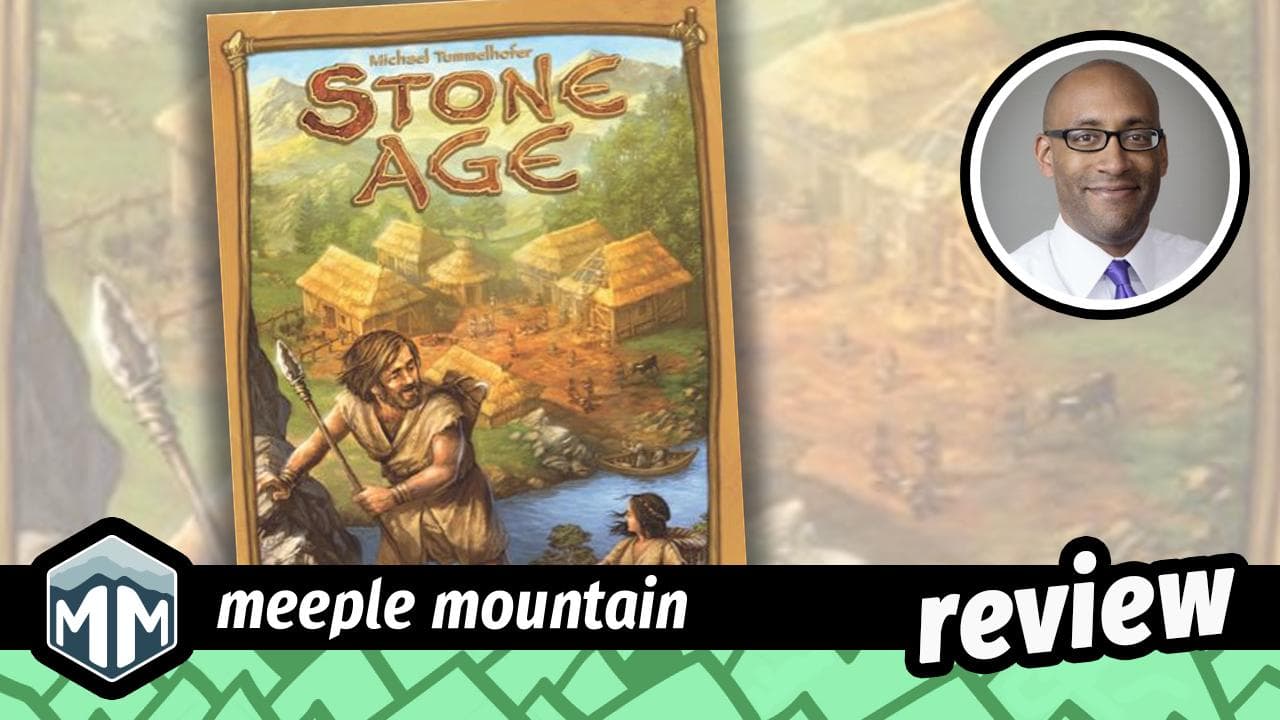
2008Stone Age invites players to the dawn of civilization, casting them as leaders of a burgeoning tribe. This quintessential "gateway" game, first released in 2008, serves as a perfect introduction to the worker placement genre. Your goal is to guide your people to prosperity by strategically gathering resources, developing new technologies, and expanding your village. The ultimate path to victory lies in accumulating the most victory points, which are earned primarily by constructing useful buildings and acquiring valuable civilization cards. These cards reward players for achieving specific long-term goals, such as building a diverse village or growing a large tribe. The player who best balances the immediate needs of their people with the foresight required for a thriving society will be crowned the winner.
The core gameplay is structured around a simple, repeating cycle: placing workers, taking actions, and feeding your tribe. In turn order, players assign their tribe members to various action spaces on the board. These locations allow for hunting, gathering resources (wood, clay, stone, gold), expanding your family, improving agriculture, or crafting helpful tools. Competition for limited spots creates engaging player interaction. Once all workers are placed, their actions are resolved. Resource gathering introduces a clever dice-rolling mechanism: the number of workers sent determines the number of dice you roll. The total is then divided by a specific value for each resource type to determine your yield, creating a fun risk-reward system. Finally, each round concludes with the critical feeding phase, where every tribe member requires food, pushing players to maintain a sustainable food supply or risk penalties.
The enduring appeal of Stone Age lies in its masterful blend of accessibility and satisfying strategic depth. Its rules are easy to grasp, making it an excellent choice for families and those new to the hobby. Yet, the game offers a wealth of meaningful choices that keep experienced players engaged. Do you prioritize increasing your population for more actions, or focus on agriculture to ease the constant demand for food? Do you pursue immediate points from buildings or invest in civilization cards for a big payoff at the end? The element of luck from the dice rolls adds just enough unpredictability to keep the game exciting and prevent it from becoming a purely deterministic puzzle. This elegant design, combined with Michael Menzel's charming and thematic artwork, creates a warm, inviting, and highly replayable experience that remains a staple in the board gaming world.
2-4 75m⚖️ 2.4
RANK #188
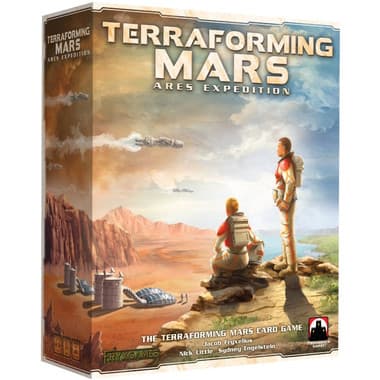
Terraforming Mars: Ares Expedition offers a compelling, self-contained experience that captures the essence of its celebrated predecessor in a more streamlined package. In this engine-building card game, players assume the leadership of powerful interplanetary corporations with the monumental task of making the Red Planet habitable for humanity. The ultimate objective is to earn the most Victory Points by contributing to the three global terraforming parameters: raising the planet's temperature, increasing the atmospheric oxygen to breathable levels, and creating vast liquid water oceans. As these goals are collectively met, players simultaneously build their corporate infrastructure, leveraging unique advantages to become the most influential force in Mars's new era. Victory is not just about helping humanity; it's about proving your corporation's superior efficiency and vision in this new frontier.
The gameplay of Ares Expedition revolves around a clever and fast-paced phase selection system that dramatically reduces downtime. Each round, all players secretly and simultaneously choose one of five possible phases to activate: Development (for playing green project cards), Construction (for blue and red cards), Action (for using card abilities), Production (for gaining resources), or Research (for drawing new cards). All players then get to perform the actions of every phase selected that round, but those who chose a specific phase receive a valuable bonus, creating a tense dynamic of predicting opponents' needs while advancing your own strategy. This core loop drives the tableau-building aspect of the game, where players manage resources like MegaCredits, heat, and plants to play a diverse array of project cards into their personal play area. These cards form the engine that will generate resources, provide powerful actions, and ultimately score the points needed to win.
Ares Expedition has earned acclaim for successfully condensing the epic scope of the original *Terraforming Mars* into a focused, 45-to-60-minute playtime without sacrificing strategic depth. The simultaneous phase selection is the star of the show, ensuring players are constantly engaged and making meaningful decisions. This design choice elegantly solves the long wait times that could occur in the original, making it far more accessible for weeknight gaming or for groups who prefer a quicker tempo. While the rules are more direct, the challenge of finding powerful card synergies and building an efficient, multi-faceted engine remains deeply rewarding. It's the perfect choice for fans of the original seeking a faster game, as well as for newcomers looking for a rich, thematic, and highly replayable journey into the challenges of planetary engineering.
1-4 60m⚖️ 3.0
RANK #189
Istanbul
2014Step into the vibrant and bustling marketplace of Istanbul, where you take on the role of a merchant leading a team of assistants. In this competitive Euro-style game, your objective is to outmaneuver your rivals and prove your commercial acumen by being the first to acquire a set number of precious rubies. The game unfolds on a modular board composed of sixteen unique locations, each representing a different district of the grand bazaar. Every turn is a race against time and your fellow merchants as you navigate the crowded pathways, seeking the most profitable opportunities to gather goods, earn wealth, and ultimately secure the gems that will lead to your victory.
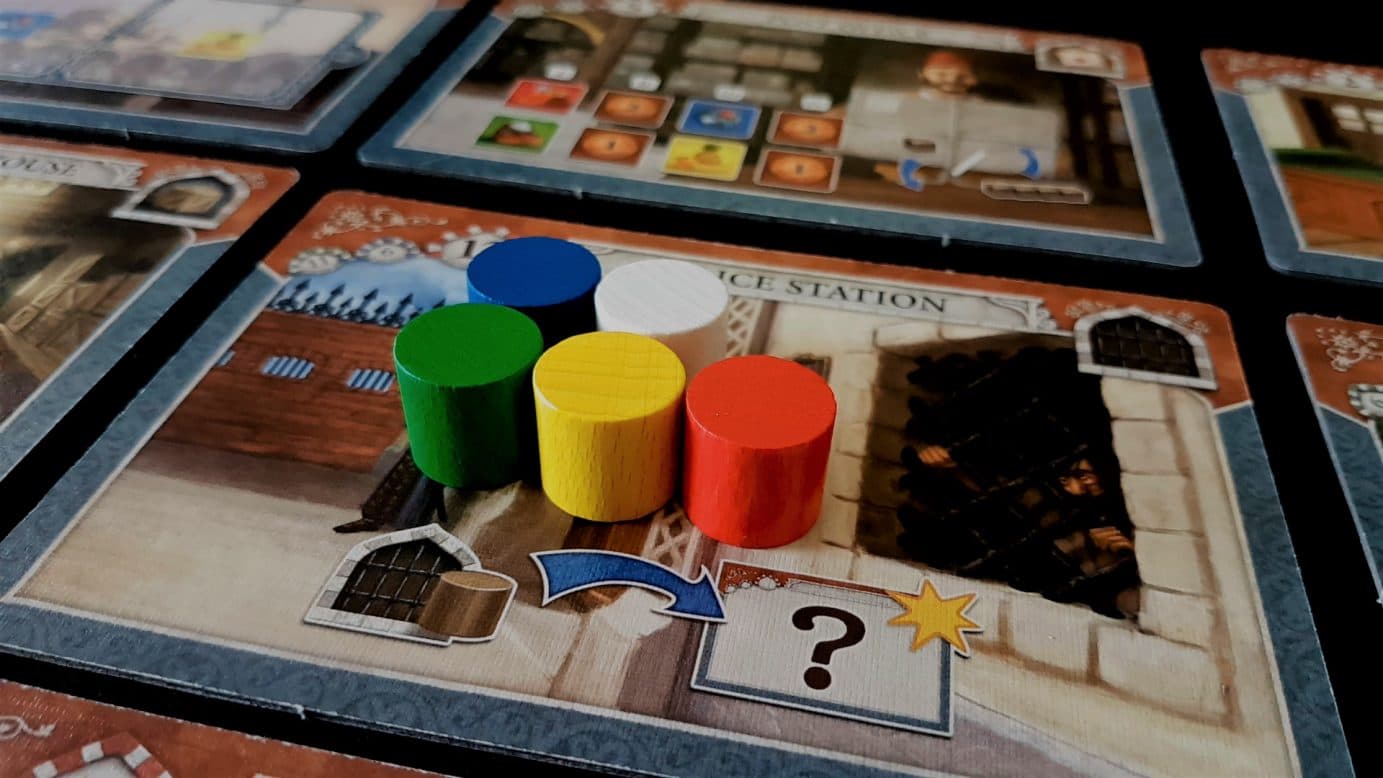
The heart of Istanbul lies in its innovative and compelling movement mechanic. Each player controls a merchant token stacked on top of four assistant discs. To perform an action at any location, you must move your stack there and leave one assistant behind. This simple rule creates a fascinating logistical puzzle: as you expand your operations, you spread your assistants thin across the board. To reuse them, you must retrace your steps to pick them up, forcing you to plan your routes with utmost efficiency. Running out of available assistants leaves you unable to act, so managing this resource is key. This core mechanism forces players to think several moves ahead, balancing short-term gains with the long-term need to maintain a flexible and efficient workforce.
Istanbul is celebrated for its perfect blend of accessibility and strategic depth, making it an ideal 'next step' for players moving beyond gateway games. The rules are straightforward to learn, but the path to victory is multifaceted. Rubies can be bought with cash, earned by trading specific sets of goods at the Sultan's Palace, or acquired by fully upgrading your personal wheelbarrow. This variety of options ensures that no single strategy dominates. The modular board, which can be arranged in numerous configurations, guarantees high replayability, as each game presents a fresh puzzle of route optimization and tactical decision-making. It's this combination of a tight race, clever mechanics, and endless variability that has cemented Istanbul as a modern classic.
2-5 50m⚖️ 2.6
RANK #196
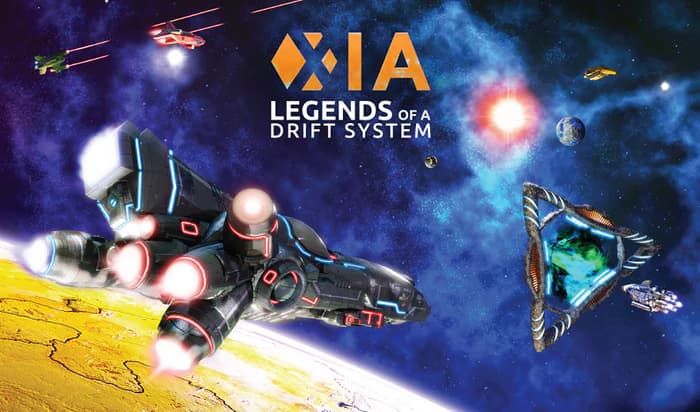
Xia: Legends of a Drift System invites you to stake your claim in a sprawling, open-world space adventure. This is a true 'sandbox' experience where you take the helm of your own starship with a singular goal: to become a legend. Fame is the ultimate currency, and players compete to be the first to reach a predetermined number of Fame Points. How you achieve this status is entirely your decision. Will you become a shrewd interstellar merchant, a daring explorer charting the unknown, a feared pirate preying on others, or a dependable contractor completing vital missions? The galaxy is a vast canvas, and your actions will paint the story of your rise to legendary status.
The gameplay is dynamic and driven by player choice, set against the backdrop of a modular galaxy that is built as you play. The game board begins with just a few sectors, and as captains venture into the unknown, they draw and place new hexagonal tiles, revealing planets, asteroid fields, nebulae, and other celestial phenomena. This ensures that no two games ever feel the same. A player's turn is an active affair, involving actions like moving via a 'roll and move' mechanic determined by your ship's engine power, exploring new tiles, buying and selling goods between planets, mining resources, and engaging in dice-driven combat with NPCs or other players. Central to the experience is the deep ship customization, allowing you to purchase new ship models and outfit them with a tangible array of upgraded engines, shields, and weapons that slot directly onto your ship mat.
What makes Xia a beloved classic is the profound sense of freedom and the powerful emergent narratives it creates. The game doesn't funnel you down a specific path; it provides the tools and the universe, then steps back to let your story unfold. One moment you might be hauling cargo for a modest profit, and the next you could be ambushed by a rival, forcing a desperate escape or a thrilling dogfight. This blend of strategic planning, resource management, and press-your-luck risk creates a highly thematic and immersive journey. Players don't just play a game; they live out a unique sci-fi adventure, making Xia a pinnacle of the sandbox board game genre.
3-5 120m⚖️ 3.2
RANK #200
Jaipur
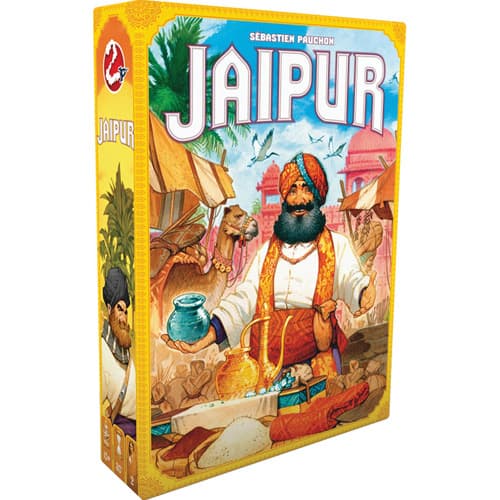
2009Jaipur is a celebrated fast-paced card game that immerses two players in the vibrant and competitive world of Rajasthani commerce. In this strategic duel, opponents take on the roles of powerful merchants, vying for an invitation to the Maharaja's court. The ultimate goal is to become the city's most prosperous trader by accumulating more wealth than your rival. Victory isn't achieved in a single transaction but over a series of rounds; the first player to demonstrate superior business acumen by winning two rounds and earning two 'Seals of Excellence' claims the prestigious title and wins the game. It is a brilliant mix of calculated risk, tactical timing, and astute market awareness.
The gameplay revolves around the core mechanics of set collection and hand management. During their turn, a player must make one crucial decision: acquire new cards or sell goods they have already collected. Acquiring cards presents several tactical paths: a player can take a single good from the central market, claim all the available camels to bolster their caravan for future large-scale exchanges, or swap multiple cards from their hand and herd to acquire a selection of goods from the market. Selling is how players earn the rupees that determine the winner. Tokens for each of the six goods are limited and decrease in value as they are claimed, creating a tense race to sell valuable wares early. However, the game cleverly rewards patience, as selling large sets of three, four, or five identical goods grants lucrative bonus tokens, forcing a constant, compelling dilemma between speed and scale.
Jaipur’s enduring charm comes from its perfect balance of elegant simplicity and engaging strategic depth. The rules are straightforward enough to be taught and understood within minutes, making it an exceptionally accessible game for newcomers and families. Yet, beneath this simplicity lies a rich decision space that keeps experienced players captivated. The tension of whether to build your hand or sell your goods, the strategic value of camels, and the race for diminishing resources create a highly interactive and dynamic experience where every choice matters. This seamless blend of accessibility, quick playtime, and rewarding tactics has established Jaipur as a modern classic and a quintessential two-player game, perfect for any pair seeking a quick but satisfying strategic challenge.
2 30m⚖️ 1.5

RANK #203
Embark on a journey through the vast plains of 19th-century Argentina in Great Western Trail: Argentina, a standalone title in the acclaimed strategy game trilogy. Players assume the roles of estancia owners, wealthy ranchers tasked with herding their valuable cattle across the pampas to the bustling port of Buenos Aires. The ultimate goal is to amass the most victory points by creating the most profitable herd, strategically shipping cattle to European ports, constructing valuable buildings along the trail, and achieving various end-game objectives. This game challenges players to build a powerful economic engine and outmaneuver their rivals in a race to become the most successful cattle baron in the country.
The gameplay masterfully combines several mechanics into a cohesive and satisfying loop. At its core is a rondel-like system where players move their rancher along a winding path, stopping at different locations to perform actions. These actions include hiring specialized workers—gauchos, carpinteros, and maquinistas—to improve their abilities, constructing private buildings to create new action spaces, and acquiring more valuable cattle to enhance their personal deck. This deck-building element is crucial; players must carefully manage their hand of cattle cards to present a diverse and valuable set upon reaching Buenos Aires. A significant new feature in this installment is the introduction of farmers and grain, a resource essential for shipping your cattle overseas. Players must aid farmers along the path to produce grain, adding another layer of strategic consideration to their journey.
Great Western Trail: Argentina is celebrated for taking the brilliant foundation of its predecessor and adding new, compelling layers of complexity. The puzzle of optimizing your route, managing your cattle deck, and balancing the new grain resource offers a fresh and deeply engaging experience even for veterans of the original game. The interplay between moving your rancher, advancing your train, and planning your shipments to Europe creates a tense and rewarding strategic challenge. With a high degree of replayability stemming from variable setups and a well-implemented solo mode, it's a standout title for fans of medium-to-heavy Eurogames who relish long-term planning and the satisfaction of watching a well-oiled strategy come to fruition.
1-4 120m⚖️ 3.9
RANK #214
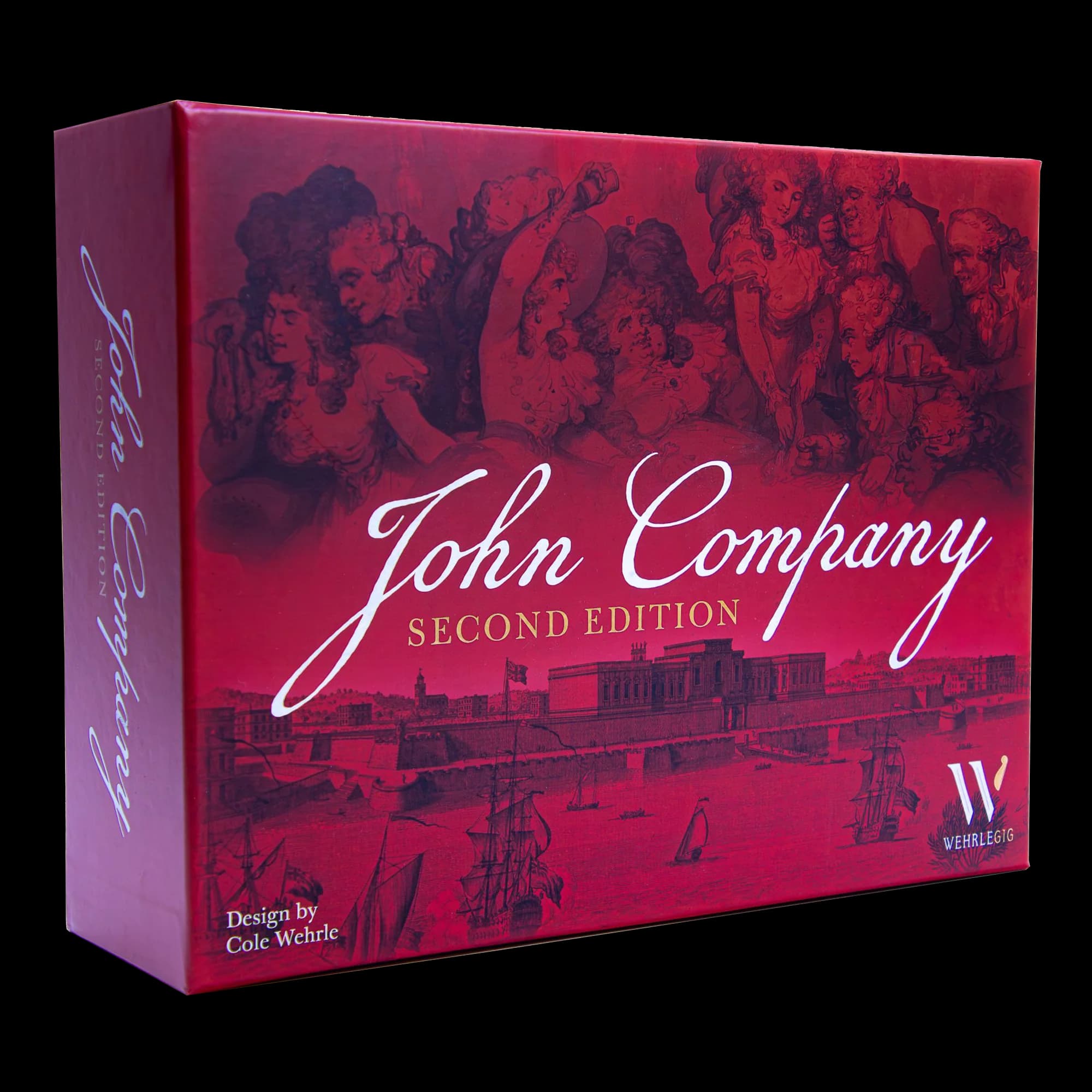
John Company: Second Edition is a deeply immersive and interactive simulation of the British East India Company, a historically powerful but notoriously dysfunctional trading corporation. Players represent ambitious British families seeking to exploit the Company for their own gain. The ultimate goal is not necessarily the Company's success, but rather amassing the greatest personal wealth and prestige for one's dynasty. This is achieved by securing lucrative positions, making shrewd investments, and ultimately retiring family members in a blaze of glory. This second edition is a significant redesign of the 2017 original, featuring a lavish production and refined rules that heighten the strategic depth and political maneuvering.
The gameplay is a masterful blend of semi-cooperative action and cutthroat individualism. On one hand, players must work together to keep the Company financially solvent, as its collapse brings ruin to all. On the other hand, victory is entirely individual. The game's structure revolves around players gaining control of key offices—from the prestigious Chairman to regional Presidents in India—often through tense auctions and brokered deals. In these roles, players execute Company actions like trade, shipping, and military campaigns, where success is often subject to the whims of dice rolls. The game progresses through distinct rounds that include managing private family affairs, voting on transformative laws in Parliament, and navigating the crucial London Season, where prestige is scored and legacies are made.
What truly distinguishes John Company is its unparalleled focus on negotiation and emergent narrative. Success is nearly impossible without engaging in constant deal-making, forming temporary alliances, and even resorting to bribery. The game is a political sandbox where the most memorable moments arise not from scripted events, but from the players' own schemes and betrayals. It brilliantly models a complex bureaucracy where individual ambition clashes with collective responsibility, creating a challenging and unforgettable experience. It appeals to players who relish high interaction, complex systems, and the thrill of turning a sprawling, failing institution into an engine for their own personal triumph.
1-6 180m⚖️ 4.4
RANK #230
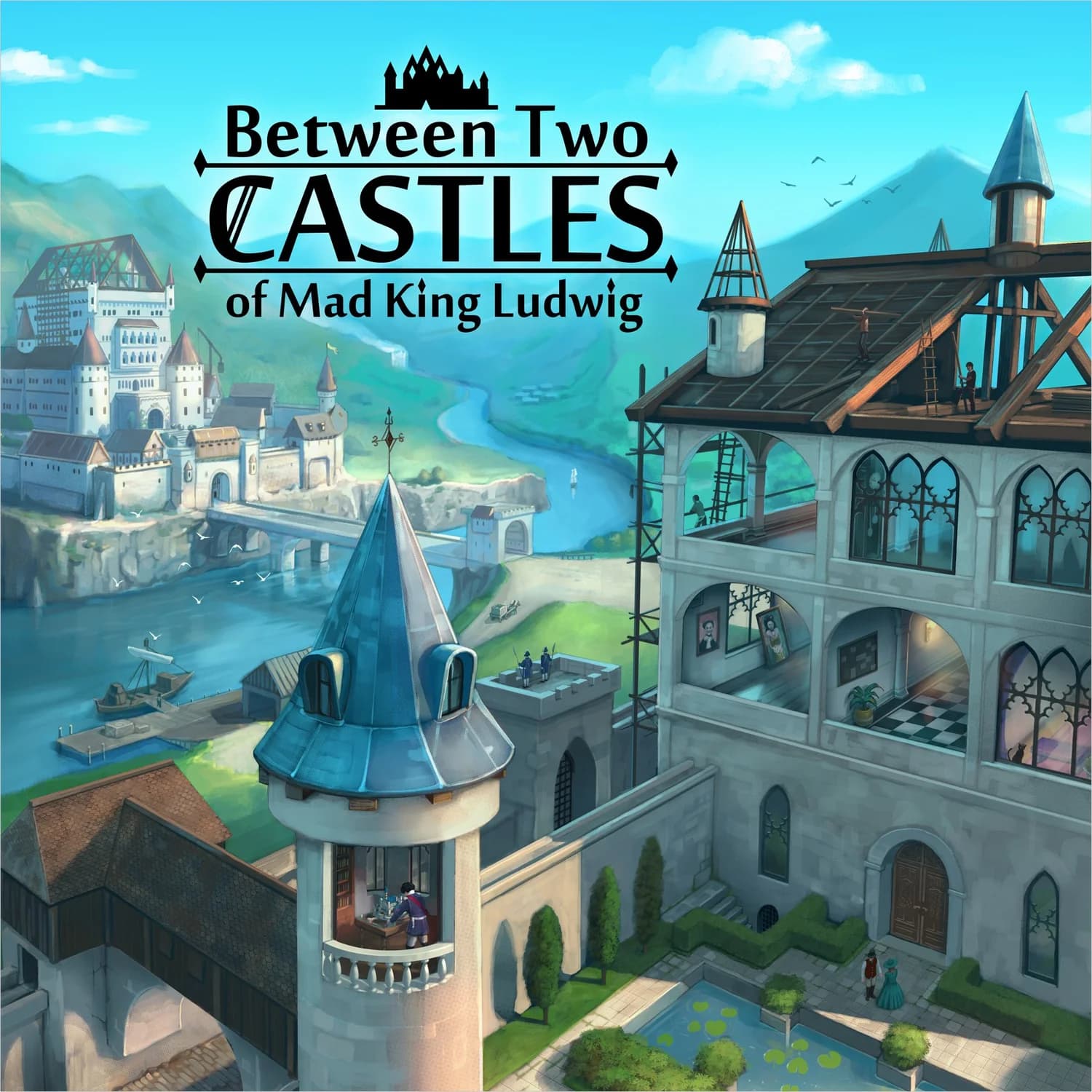
In "Castles of Mad King Ludwig," players enter the whimsical world of 19th-century Bavaria, tasked with building a magnificent castle for the eccentric King Ludwig II. As master architects, you compete to design the most impressive and valuable structure. This tile-laying game is a clever blend of spatial reasoning and economic management, where the ultimate goal is to earn the most victory points. Points are awarded for constructing specific room types, fulfilling the king's public demands, known as 'King's Favors', and achieving personal, secret objectives. Each player will finish the game with a completely unique, sprawling castle, a physical representation of their strategic decisions and architectural vision, all in the service of pleasing a very particular monarch.
The game's central pillar is its innovative 'Master Builder' mechanic. Each round, one player takes on this role, drawing a selection of room tiles and individually pricing them for the other players. In turn, opponents may purchase one room tile, paying the cost directly to the Master Builder. This creates a tense and engaging pricing dilemma: ask too much, and you'll earn nothing; ask too little, and your rivals will get a steal. The Master Builder takes the last available room but must pay their own listed price to the bank. Once a room is acquired, it's immediately added to the player's personal castle layout, connecting to other rooms via doorways. Judicious placement is key, as rooms can grant or cost points based on what they're adjacent to. Furthermore, completing a room by connecting all its entrances triggers a valuable bonus based on its type, which could be anything from extra cash to an immediate second turn.
The enduring appeal of "Castles of Mad King Ludwig" lies in this constant, engaging player interaction driven by the market and the deeply satisfying spatial puzzle of castle construction. The Master Builder system ensures every player is invested in every turn, evaluating prices and anticipating others' needs. The challenge of optimizing your layout—placing a Dining Room near a Kitchen for bonus points while avoiding placing an Activity Room near a Sleeping Room—is a delightful puzzle. With variable public goals, a huge stack of unique room tiles, and secret bonus cards, no two games are ever the same, offering immense replayability. Watching your nonsensical yet functional castle take shape is a wonderfully thematic and rewarding experience that has cemented the game's status as a modern classic in the genre.
1-4 90m⚖️ 2.7
RANK #231
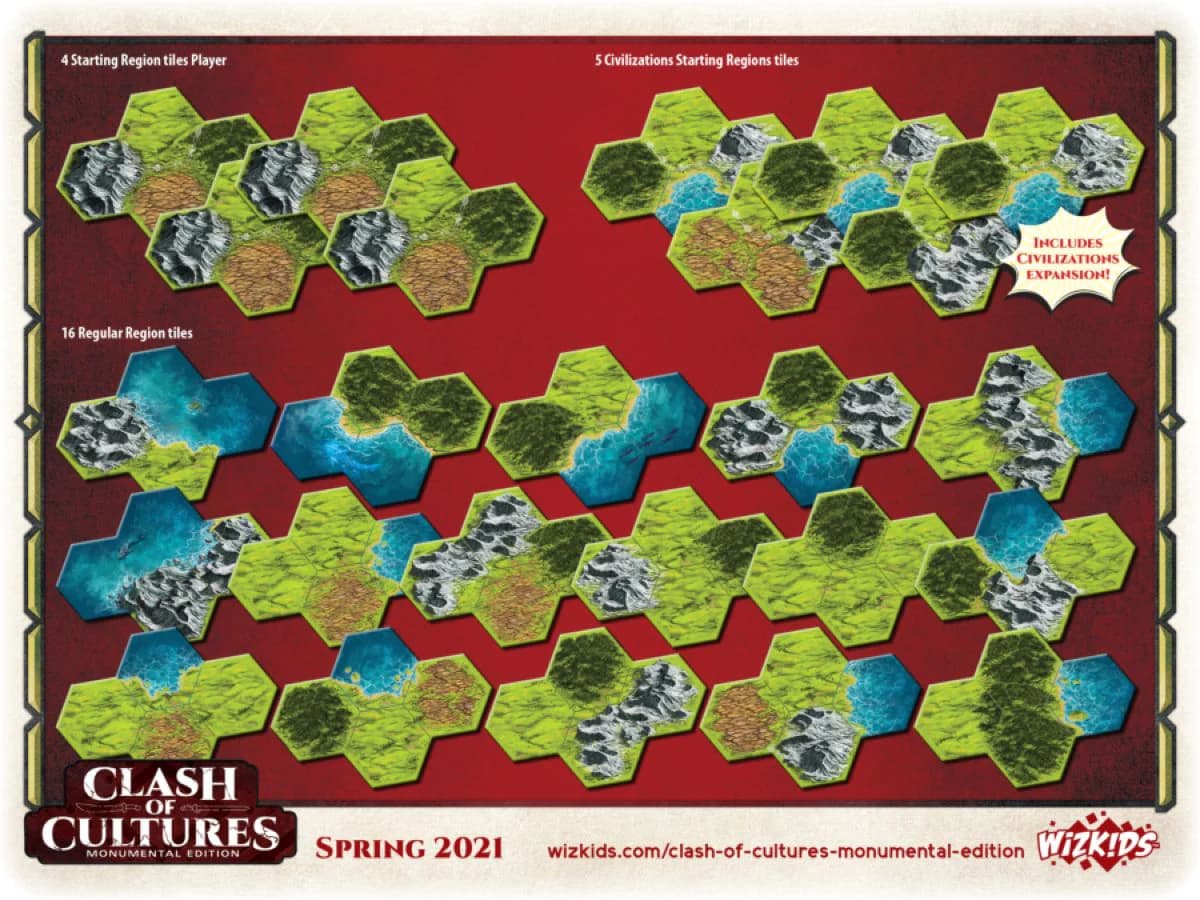
Clash of Cultures: Monumental Edition is a grand 4X civilization-building game where players guide a fledgling society from a single settlement into a sprawling, influential empire. This comprehensive 2021 edition revitalizes the beloved classic by integrating its core expansions, including "Civilizations" and "Aztecs," offering the definitive experience in a single box. The primary goal is to accumulate the most Victory Points by the end of the game's final age. These points are not earned through warfare alone; players are rewarded for developing a vibrant culture, constructing magnificent wonders, achieving specific objectives, and advancing their society's knowledge. Players must balance aggressive expansion and military might with economic stability and cultural growth to etch their civilization's name into the annals of history.
The game unfolds over six distinct "Ages," each comprising three rounds. On their turn, a player performs three actions, choosing from a wide array of options like exploring the modular, unknown world, founding new cities, researching technologies, or moving military units. A central pillar of the gameplay is the expansive and flexible technology tree, which features 48 unique Advances. This system allows players to customize their civilization's path, unlocking new buildings, units, and powerful abilities that can create unique strategic synergies. Combat is resolved through dice rolls, influenced by unit types and technological prowess, while resource management—balancing food, ore, wood, ideas, and gold—is crucial for funding your ambitions. Every few rounds, a Status Phase triggers scoring, provides a free technology, and introduces new objective cards, maintaining a dynamic pace throughout the game.
What makes Clash of Cultures: Monumental Edition a cherished classic is its remarkable strategic depth and high replayability. The freedom to pursue victory through multiple avenues—be it military conquest, technological supremacy, or cultural dominance—ensures that every game feels different. The modular board and variable objective cards create a unique landscape and set of goals for each session. This edition elevates the experience with stunning, newly sculpted miniatures and upgraded components that provide a commanding tabletop presence. It stands as a monumental achievement in the civilization genre, offering a deeply engaging and challenging experience for players who enjoy long-term strategy and the satisfaction of building a unique empire from the ground up.
2-4 210m⚖️ 4.1
RANK #237
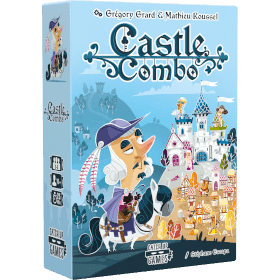
Castle Combo
2024In Castle Combo, players compete to assemble the most prosperous medieval domain by strategically recruiting a cast of unique characters. This fast-paced card game challenges you to build a personal 3x3 grid that represents your growing realm. Your goal is to skillfully place character cards to create powerful scoring synergies and maximize your victory points. By the game's end, the player whose tableau demonstrates the most clever combinations and generates the highest score will be declared the ruler of the most prestigious castle in the land, earning victory through careful planning and tactical recruitment.
At its core, the gameplay revolves around tableau building and card drafting from two distinct markets: the 'Village' and the 'Castle'. A 'Messenger' pawn dictates which of these two card rows is active for you to purchase from on your turn, adding a simple yet engaging tactical layer. Players must spend 'Gold' to acquire a new character, which is then placed orthogonally adjacent to an existing card in their personal grid. Each card not only provides an immediate effect, such as granting more Gold or special 'Keys', but also contributes to end-game scoring based on its final position relative to others. Keys can be spent to manipulate the Messenger or refresh the card market, offering crucial flexibility. The game concludes swiftly once all players have completed their nine-card grid, at which point final scores are tallied.
The unique appeal of Castle Combo lies in its elegant blend of accessibility and strategic depth. Its rules are straightforward enough to teach in minutes, making it an ideal gateway game for new players or a perfect 'filler' for game night. However, the puzzle of optimizing your 3x3 grid presents a compelling challenge for even seasoned gamers. The dual-market mechanic forces players to constantly adapt their plans, while the race to find the most effective card combinations ensures high replayability. Coupled with vibrant and playful art, the game provides a satisfying and engaging experience that packs a surprising amount of decision-making into a very short playtime.
2-5 20m⚖️ 1.9