Medieval Games
Browse all Medieval board games in the Meeple Pulse database.
Styles
Themes
AbstractAdventureAncientAnimalsArtBusinessCard GameCo-operativeComic BookCooperativeCrimeEconomicEnvironmentalismExplorationFantasyHistoricalHorrorHumorIntrigueLiteraryMagicMarvelMedievalModernMuseumMysteryMythologyNatureNauticalPoliticalPress Your LuckSatireSci-FiSocial CommentarySocial InteractionSpaceSuperheroesThematicTravelWarWesternWord-Guessing
Mechanics
3D PlacementActingAction / DexterityAction DraftingAction Point AllowanceAction Point Allowance SystemAction Point SystemAction PointsAction ProgrammingAction QueueAction RetrievalAction SelectionAction/EventAlliancesAlternate ActivationApp-AssistedApp-DrivenArea ControlArea InfluenceArea MajorityArea Majority / InfluenceArea MovementArgumentationAsymmetricAsymmetric FactionsAsymmetric GameAsymmetric PowersAsymmetrical PowersAuction & BiddingAuction/BiddingAuctioningBag BuildingBettingBetting and BluffingBetting and WageringBetting and WagersBiddingBingoBlind BiddingBluffingCampaign / Battle Card DrivenCampaign / LegacyCampaign / Legacy GameCampaign / Mission-basedCampaign / ScenariosCampaign GameCampaign PlayCard DraftingCard DrawingCard DrivenCard Driven ActionCard Driven CombatCard Driven Dice AllocationCard Driven MovementCard ManagementCard PlayCard Play / Hand ManagementCard Play Conflict ResolutionCard SheddingCard-Driven MovementCharacter CreationCharacter ProgressionChit-Pull SystemCo-op PlayCo-operative GameCo-operative PlayCode-breakingCombat ResolutionCombo ChainCommand CardsCommodity SpeculationCommunication LimitsContract FulfillmentContractsCooperative GameCooperative GameplayCooperative PlayCooperative Trick-takingDebateDeck BuildingDeck ConstructionDeck, Bag, and Pool BuildingDeck-BuildingDeductionDexterityDice DraftingDice PlacementDice RollingDiplomatic InfluenceDraftingDynamic Battle SystemEnclosureEnd Game BonusesEngine BuildingEngine-BuildingEscape RoomEvent DrivenExplorationFarmingFlip and WriteFollowFollow ActionGrid CoverageGrid MovementHand ManagementHex-and-CounterHexagon GridHidden MovementHidden RolesI Cut You ChooseIncomeInfluence / Area MajorityLadder ClimbingLegacyLegacy ElementsLegacy GameLegacy SystemLimited CommunicationLine DrawingLine of SightMancalaMap MovementMarketMarket DraftingMarket ManipulationMarket MechanicMarket SpeculationMatchingMeasurement MovementMemoryMission ObjectivesModular BoardModular Board ConstructionMovement TemplatesMulti-Use CardsMulti-use CardsMultiple ScenariosMust FollowNarrative ChoiceNarrative Choice / ParagraphNegotiationNegotiation MechanicsNetwork & Route BuildingNetwork BuildingNetwork and Route BuildingOne vs ManyOne vs. ManyOpen DraftingPaper-and-PencilPartnershipsPattern BuildingPattern RecognitionPick-up and DeliverPlayer EliminationPlayer InteractionPlayer JudgePoint SaladPoint to Point MovementPolyominoesPush Your LuckPush-Your-LuckPuzzlePuzzle-LikePuzzle-SolvingRaceReal-TimeRecipe FulfillmentResource ManagementRole PlayingRole SelectionRoll / Spin and MoveRondelRoute BuildingRoute-BuildingRoute/Network BuildingSanity SystemScenario / Campaign PlayScenario / Mission / Campaign GameScenario / Mission FunctionSecret Unit DeploymentSemi-Cooperative GameSet CollectionSheddingSimulationSimultaneous ActionSimultaneous Action SelectionSimultaneous Hidden AllocationSocial DeductionSocial InteractionSolo / Solitaire GameSpace ExplorationStat Check / Skill CheckStock HoldingStorytellingStrategic PlanningTableau BuildingTactical Decision-MakingTake ThatTargeted CluesTeam PlayTeam-Based GameTeam-Based GuessingTeamworkTech TreesTech Trees / Tech TracksTechnology & Armament TracksTechnology TreeTension & Aggression TracksTile DraftingTile LayingTile PlacementTime TrackTime TravelTower DefenseTrack MovementTradingTrick-takingTug of WarTurn Order: PassTurn Order: Stat-BasedUnit PlacementVariable Phase OrderVariable Player PowersVariable Set-upVariable SetupVictory Point TracksVotingWord AssociationWord GameWord GuessingWord-GuessingWord-guessingWordplayWorker Placement

RANK #261
Coimbra
2018Step into the vibrant heart of Portugal during its golden Age of Discovery in Coimbra, a masterfully designed strategy game where players assume the roles of heads of the city's most influential houses. Your goal is to amass the most prestige and secure your family's legacy as the most prominent in all of Portugal. This is achieved by carefully currying favor with the city's most powerful citizens—clerics, scholars, merchants, and councilmen—as well as funding ambitious new voyages and supporting the local monasteries. Every decision is a calculated risk, a bid for influence in a city teeming with opportunity. Victory points are the ultimate measure of success, earned through a variety of avenues, demanding a flexible and forward-thinking strategy to outmaneuver your rivals.
The gameplay of Coimbra revolves around a clever and multi-faceted dice-drafting mechanism that serves as the engine for all your actions. Each round, players select dice from a central pool. The value of a chosen die dictates the turn order for actions and the price you'll pay, while its color determines which of the four main influence tracks you'll benefit from. These dice are then used to acquire powerful character cards from different city districts, each offering unique abilities, immediate resources, or crucial end-game scoring bonuses. As you gain characters, you'll advance on the corresponding influence tracks, which provide income in the form of coins, guards, pilgrim movements, and victory points. This intricate web of choices forces players to constantly evaluate the opportunity cost of every die they select.
Coimbra is highly regarded for the elegant way its systems interlock, creating a deeply engaging and satisfying puzzle. The dual nature of the dice—where both color and value are critically important—presents a fresh challenge on every turn, rewarding players who can best adapt their plans. With numerous paths to victory, from specializing in lucrative voyages to building a powerful engine from synergistic character cards and diploma sets, the game offers exceptional replayability. It strikes a perfect balance, being accessible enough for those new to mid-weight Eurogames while offering the strategic depth and tight competition that seasoned players crave. Its compelling decision-making and rewarding gameplay loop make it a standout title in the dice-drafting genre.
2-4 90m⚖️ 3.3

RANK #270
Fantasy Realms
2017In Fantasy Realms, players are powerful rulers competing to forge the most legendary kingdom in the land. Your entire realm, with all its might and magic, is represented by a hand of just seven cards. The goal is to accumulate the highest score by the game's end by assembling a hand of cards that synergize in powerful and clever ways. You might build a mighty military force with Kings, Knights, and Armies, or perhaps you'll wield elemental magic with a Wildfire and a Wizard. The challenge is to find the most potent combination from the hundreds of possibilities, turning a simple hand of cards into a high-scoring epic.
The gameplay is deceptively simple and incredibly fast. On your turn, you perform just two steps: draw one card, then discard one card. The strategic tension comes from the draw; you can either take the unknown top card from the central deck or select any face-up card from the discard area. This shared discard pile creates a dynamic pool of options that all players are watching. Each unique card in the deck has a base strength and a crucial bonus or penalty text that dictates how it interacts with other cards in your hand. A single card can unlock a massive scoring chain, while another might blank the powers of several others. The game ends quickly and suddenly once the tenth card is placed in the discard area, at which point all players calculate their final scores.
Fantasy Realms is celebrated for its elegant design, perfectly balancing accessibility with profound strategic depth. It can be taught in a minute, making it an excellent gateway game, yet the puzzle it presents offers endless variety and challenge for veteran gamers. The true mastery of the game comes not from understanding complex rules, but from recognizing card synergies and adapting your strategy on the fly. You are constantly evaluating your hand, the tempting cards in the discard pile, and what your opponents might be collecting. This 'combo-licious' puzzle, combined with its brisk 20-minute playtime, makes it a highly replayable and addictive experience, perfect as a game night opener or a main event played over multiple rounds.
3-6 20m⚖️ 1.8
RANK #285
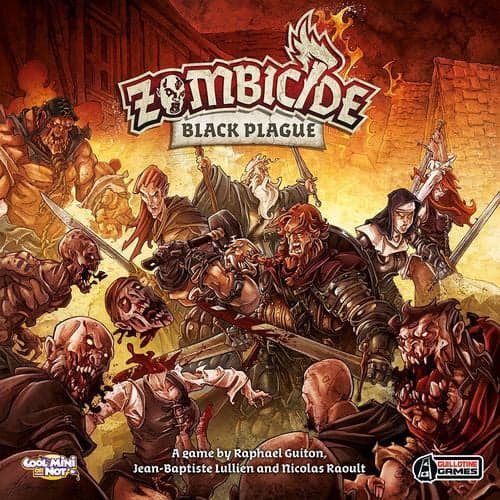
Zombicide: Black Plague reboots the high-octane zombie survival genre by plunging players into a dark, medieval fantasy world. In this cooperative experience, one to six survivors must unite to fend off hordes of the undead summoned by malevolent Necromancers. Unlike its modern-day predecessors, Black Plague introduces a magical twist where steel, sorcery, and shields are the primary tools of survival. The primary objective is to complete specific mission scenarios, which range from retrieving lost artifacts to cleansing infested vaults, all while managing the ever-growing threat of the zombie apocalypse. Each player controls a unique hero, navigating through modular map tiles that represent plagued villages and sinister dungeons.
The gameplay revolves around an intuitive action-point system where survivors spend points to move, attack, or scavenge for gear. As players slay zombies, they gain Adrenaline Points, which allow them to level up and unlock powerful new abilities. However, this progress comes with a catch: the game tracks the party's highest experience level, and as survivors grow stronger, the zombie spawn rates intensify through color-coded danger zones. This creates a tense balancing act where players must scale their power without overwhelming themselves with too many enemies. Unique to this edition are the Necromancers, specialized foes who attempt to escape the board while leaving permanent spawn points in their wake, and the introduction of armor saves, giving players a fighting chance against incoming damage.
Fans of the series praise Black Plague for its streamlined rules and significantly improved component quality, notably the recessed plastic dashboards that keep character cards and pegs securely in place. The shift to a fantasy setting allows for creative weapon combinations, such as magic staves and heavy plate mail, providing a distinct mechanical flavor compared to modern versions. With its high-quality miniatures, tactical depth, and 'beer and pretzels' accessibility, it remains a favorite for groups seeking an epic, narrative-driven challenge. The inclusion of solo rules and a variety of challenging scenarios ensures high replayability, making it a definitive entry in the dungeon-crawl and survival-horror board game genres.
1-6 120m⚖️ 2.5
RANK #291
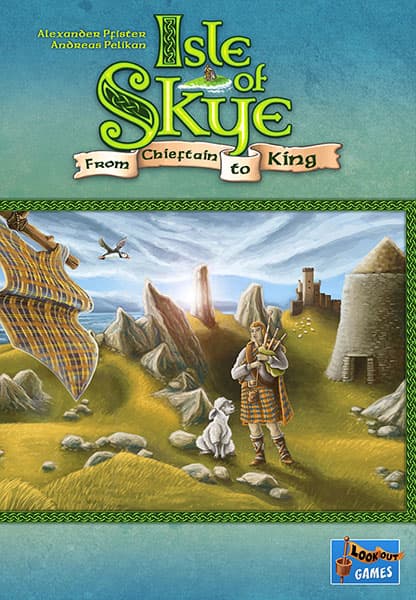
Isle of Skye: From Chieftain to King is a celebrated tile-placement and economic strategy game where players step into the shoes of ambitious clan leaders. Set against the rugged and beautiful backdrop of the Scottish Highlands, the ultimate objective is to expand your territory and accumulate the most victory points to become the rightful King of the Isle. Unlike many traditional tile-laying games, this title introduces a dynamic player-driven economy that ensures no two sessions feel the same. By strategically managing gold and territory, players must navigate a competitive landscape where every decision impacts both their own kingdom and the wealth of their opponents.
The heart of the game lies in its unique auction and pricing system. Each round, players draw three landscape tiles and secretly decide their fate behind a screen. One tile must be discarded using an 'Axe' token, while the remaining two are assigned a gold price from the player's personal reserve. This creates a fascinating risk-reward tension: pricing a tile too low makes it an easy target for rivals to purchase, while pricing it too high forces you to pay that exact amount to the bank if no one else buys it. Once prices are revealed, players take turns purchasing tiles from one another, with the remaining tiles being added to their own expanding kingdoms. Connectivity is crucial, as mountain, grass, and water edges must match perfectly. Whiskey barrels connected to the central castle via roads generate essential income, fueling future bids.
One of the most praised aspects of Isle of Skye is its variable scoring system. From a pool of sixteen different scoring tiles, only four are used in any given game, and their activation rotates through different rounds. This means players must constantly pivot their strategies—one game might reward large bodies of water, while the next focuses on the number of sheep or ships in your territory. The blend of a spatial puzzle with the cutthroat economic interaction of a price-setting auction makes it a standout 'connoisseur' level game that remains accessible to families. It offers deep strategic layers without overstaying its welcome, earning its place as a modern classic in the board gaming world.
2-5 45m⚖️ 2.3

RANK #409
Arydia: The Paths We Dare Tread invites players into a sprawling, open-world fantasy experience designed for cooperative play. In this epic role-playing board game, you and your companions embody exiles, individuals cast out from society and striving to find their way back. Your journey will be a grand campaign across the vast and mysterious lands of Arydia, a world brimming with quests to undertake, secrets to uncover, and a rich narrative to shape. The game is built upon four foundational pillars—Exploration, Progression, Combat, and Role-playing—promising a deeply immersive adventure where your choices have a tangible impact on the evolving story and the world around you.
The core gameplay loop is a dynamic blend of discovery and conflict. Players begin by creating a unique hero, choosing a distinct path (class) and race, each with special abilities and represented by a beautifully pre-painted miniature. The world of Arydia is revealed through a modular map of hexagonal tiles, which are flipped as you travel to unveil everything from bustling cities to perilous wilds. During "Adventure mode," you'll interact with non-player characters, investigate points of interest, and accept quests that propel the story forward. When danger arises, the game seamlessly transitions to "Combat mode," a tactical, turn-based affair on a gridded map where teamwork is paramount to overcoming AI-controlled adversaries.
What truly sets Arydia apart is its innovative "green legacy" system. This design choice offers the persistent, evolving world and unlockable content of a traditional legacy game but with a crucial difference: it's entirely resettable and replayable. Nothing is permanently destroyed, allowing you to experience the 40+ hour campaign multiple times or share the adventure with a new group. The character progression is robust, allowing you to acquire powerful new weapons, items, and skills. Combat is also noteworthy for its unique pattern-based attack system, where you must strategically target specific zones on an enemy's card, carefully navigating their armor to land effective blows. With a convenient index system for saving progress, Arydia delivers an accessible yet deeply strategic campaign for those who dare to tread its paths.
1-4 150m⚖️ 4.0
RANK #702
HeroQuest
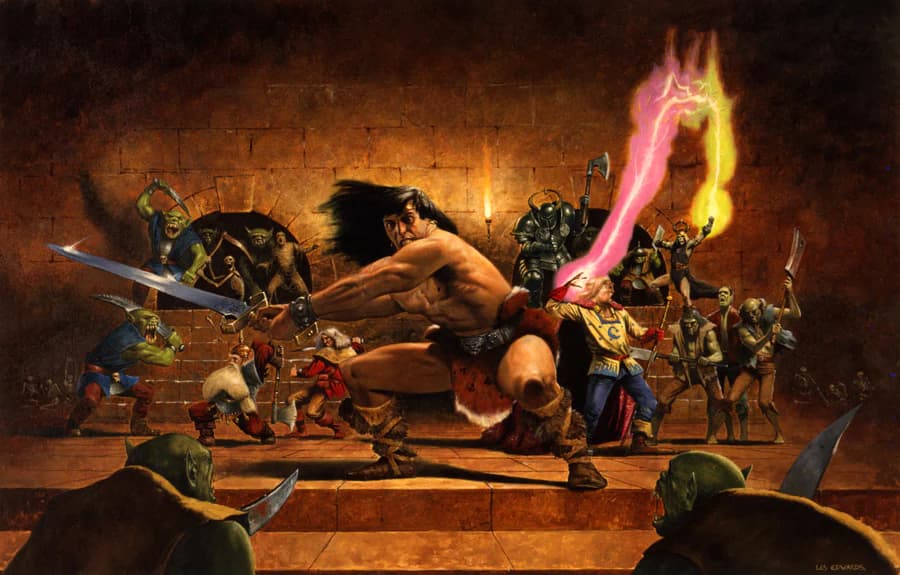
1989HeroQuest is the quintessential fantasy dungeon-crawling experience, famously designed to act as a bridge between traditional board games and the complex world of tabletop role-playing games. Originally released in 1989 through a collaboration between Milton Bradley and Games Workshop, the game places one player in the role of the malevolent gamemaster—known as Zargon in North America or Morcar in Europe—while the remaining players take on the roles of four legendary heroes: the Barbarian, the Dwarf, the Elf, and the Wizard. The primary goal is to successfully navigate a series of perilous underground labyrinths, completing specific mission objectives such as rescuing a captive, recovering a magical relic, or defeating a powerful boss, all while surviving the monsters and hazards lurking in the shadows.
The gameplay is driven by a scenario book that outlines distinct quests. Each hero's turn involves moving and performing an action. Movement is determined by rolling two standard six-sided dice, adding a layer of unpredictability to every trek through the dark corridors. Actions include attacking enemies, casting powerful spells from a limited deck, or searching the immediate area for treasure, secret passages, and deadly traps. A standout mechanic is the use of specialized combat dice, which feature skulls for hits and shields for defense, making combat resolution intuitive and visually immediate. The gamemaster controls the 'fog of war,' populating the board with detailed 3D furniture and plastic miniatures only when the heroes enter a room or line of sight, which maintains a constant atmosphere of mystery and tension.
The appeal of HeroQuest lies in its evocative presentation and its ability to deliver a rich, narrative-driven experience without overwhelming players with dense rulebooks. It popularized the 'dungeon crawl' genre for a mainstream audience, thanks in large part to its iconic components—including stone tombs, weapon racks, and treasure chests—that brought the game world to life on the tabletop. It strikes a perfect balance between simplicity and depth, offering enough tactical variety to keep seasoned players engaged while remaining accessible enough for younger audiences or newcomers. This enduring charm has cemented its status as a 'grail game' for collectors and a beloved classic that defined the fantasy board gaming landscape for a generation.
2-5 90m⚖️ 2.1

RANK #2,187
Hamburg
2022Hamburg (2022) invites players to step into the bustling shoes of influential merchants during the Hanseatic League era, aiming to build the most prosperous and prestigious city districts. As a standalone title by Mac Gerdts, it challenges you to optimize your actions and resources to construct magnificent buildings, acquire valuable goods, and expand your influence across the historic city. The ultimate goal is to accumulate the most victory points by the game's end, demonstrating your superior strategic acumen and urban planning prowess within this vibrant economic simulation.
At its core, Hamburg features an innovative rondel-based action selection system, a signature mechanic of Mac Gerdts. Players move their marker around a circular track, choosing an action at their destination and potentially paying to access actions further along. This forces tough decisions: take a nearby, cheaper action now, or pay more for a preferred action later? Complementing this is a robust market system where commodity prices fluctuate based on player actions, demanding careful timing and resource management. Players will acquire building permits, collect resources, construct various types of buildings (houses, churches, city walls), and leverage their unique player powers to gain an advantage.
Hamburg is celebrated for its deep strategic gameplay, offering a rich eurogame experience that rewards intricate decision-making without overwhelming complexity. Its tight economic engine, dynamic market, and the elegant rondel mechanic create a constant push and pull, ensuring high replayability and engaging player interaction. Fans praise its intricate decision-making, where every action has ripple effects, and the satisfaction of watching your city grow from a few humble houses to a thriving metropolis. It's a game for those who appreciate elegant design, economic puzzles, and the reward of long-term strategic planning.
2-4 120m⚖️ 3.6
RANK #9,756
War of the Ring
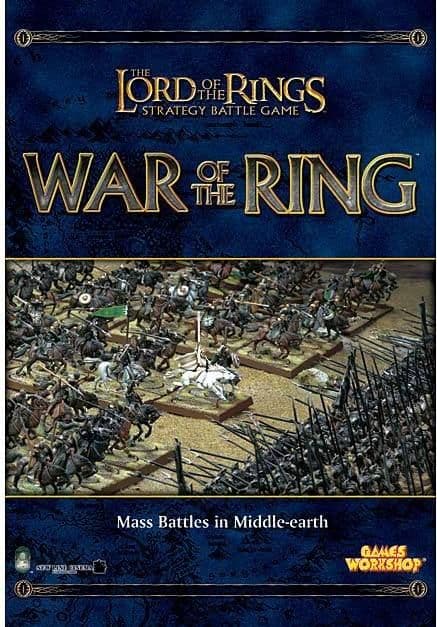
2009War of the Ring is a grand-scale, asymmetrical strategy game that immerses two players, or up to four in teams, in the epic conflict of J.R.R. Tolkien's Middle-earth. One side assumes control of the Free Peoples, defending the last bastions of hope, while the other commands the overwhelming forces of the Shadow. The paths to victory are starkly different, creating a deeply thematic and tense opposition. The Free Peoples player is on a desperate quest to escort the Fellowship of the Ring to the heart of Mordor and destroy the One Ring in the fires of Mount Doom. A secondary, military victory is possible but incredibly challenging. Conversely, the Shadow player seeks to crush Middle-earth under its heel by conquering enough cities and strongholds for a military win, or by relentlessly hunting the Ring-bearer and corrupting them with the Ring's influence before they can complete their quest.
Gameplay is driven by the roll of custom Action Dice each round. The symbols on these dice dictate the specific actions a player can execute, forcing difficult choices at every turn. These actions range from mustering new armies and maneuvering them across the expansive map of Middle-earth to playing powerful Event Cards that can introduce famous characters or trigger pivotal story moments. For the Free Peoples, some actions are dedicated to advancing the various nations on a political track to rally them to war, while others are used to secretly move the Fellowship towards its goal. The Shadow player, in turn, can use their dice to commit resources to the Hunt for the Ring, an ever-present threat that seeks to reveal the Fellowship's location and inflict corruption upon the Ring-bearer.
The game's enduring appeal lies in its masterful fusion of grand strategy wargaming with a deeply personal, narrative-driven quest. This creates a powerful and engaging story with every playthrough. The asymmetry is the heart of the experience; the Free Peoples' player feels the weight of a desperate defense, trying to buy just enough time for a small band of heroes to succeed against impossible odds. Meanwhile, the Shadow player wields immense power, constantly pressing the attack and forcing difficult sacrifices. This dynamic tension, where a massive war rages on the board while a hidden, critical journey unfolds in parallel, perfectly captures the spirit of "The Lord of the Rings" and has cemented War of the Ring as a modern classic in thematic gaming.
2-4 180m⚖️ 4.4
BoxNo Cover Art
RANK #14,273
Set in the picturesque Burgundy region of fifteenth-century France, this acclaimed Eurogame casts players in the roles of ambitious aristocrats seeking to expand their influential princedoms. Regarded as an enduring classic of the tabletop hobby, the title challenges participants to build immense wealth and prominence over the course of five distinct phases. Although often mistakenly referred to under alternate monikers, the experience is synonymous with master designer Stefan Feld's brilliant vision, seamlessly blending strategic planning with rewarding tactical execution. A recent deluxe edition, fulfilled in 2025 through a notable collaboration between Awaken Realms and Ravensburger, has revitalized this masterpiece, ensuring that both veteran tabletop enthusiasts and newcomers can enjoy its rich, deeply engaging gameplay with upgraded components.
At its core, the gameplay revolves around a remarkably elegant dice-driven system layered with intricate tile placement and engine building mechanics. On each turn, participants roll two dice, using the specific numerical results to dictate their available actions. These choices include drafting hexagonal tiles from a central market, placing those drafted tiles onto their personal duchy board, selling accumulated goods, or acquiring vital worker tokens. The tiles themselves represent various developments for the expanding estate—such as imposing castles, lucrative silver mines, vital trading ships, verdant pastures, and diverse urban buildings. Every tile must be strategically placed onto a matching colored space adjacent to a previously established hex, demanding careful spatial planning. As the estate grows, participants trigger powerful chain reactions and unlock crucial abilities; ships advance your position on the turn order track, mines yield consistent income, and unique buildings grant immediate bonus actions or highly sought-after victory points.
The enduring appeal of this masterpiece lies heavily in its phenomenally balanced 'point salad' scoring structure, where virtually every strategic decision yields a path to victory. Players are consistently rewarded for completing colored regions on their boards, collecting comprehensive sets of livestock, successfully shipping mercantile goods, and leveraging powerful knowledge abilities. Furthermore, the inherent randomness of the dice is beautifully mitigated by the implementation of worker tokens, which allow players to expertly adjust their roll results by exactly one pip. This flexibility ensures that the experience remains a compelling, brain-burning puzzle rather than a mere game of chance. Celebrated for its remarkable scalability, it is widely considered exceptional at the two-player count while remaining incredibly engaging for up to four participants. The combination of satisfying engine building, dynamic set collection, and accessible yet profound medium-weight complexity cements its status as a legendary achievement in modern board gaming.
1-4 120m⚖️ 3.0
BoxNo Cover Art
Round of Fire
2017Round of Fire is a strategic board game designed for 2-4 players, where each player takes on the role of a leader in a medieval kingdom. The goal of the game is to accumulate wealth and influence by collecting resources, building structures, and managing your kingdom's economy. Players must navigate the challenges of war, diplomacy, and natural disasters while making strategic decisions to outmaneuver their opponents.
The gameplay involves a combination of resource management, area control, and engine-building mechanics. Each player starts with a small village and must expand it by collecting resources, building new structures, and recruiting units. The game features a unique 'fire' mechanism, where players can use fire to destroy their opponents' structures or disrupt their economy.
One of the key aspects of Round of Fire is its thematic depth. Players must balance short-term goals with long-term strategies, taking into account the needs of their kingdom and the actions of their opponents. The game also features a high level of replayability, as each playthrough offers a unique combination of challenges and opportunities.
Overall, Round of Fire is a challenging and engaging board game that requires strategic thinking and planning. It's an excellent choice for fans of strategy games who are looking for a new challenge.
m⚖️ 4.0
BoxNo Cover Art
There Grew a Kingdom is a strategic board game designed for 2-4 players, where each player takes on the role of a monarch vying to build and manage their own kingdom. The game's objective is to accumulate points by constructing buildings, managing resources, and making strategic decisions that impact the growth and prosperity of your kingdom. Players must balance short-term needs with long-term goals, all while navigating the challenges and opportunities presented by the game's unique mechanics.
Gameplay involves a combination of area control, resource management, and engine-building elements. Each player starts with a small plot of land and a limited set of resources, which they must use to construct buildings, recruit units, and expand their kingdom. As players progress through the game, they will encounter various challenges and events that require strategic decision-making and adaptability.
One of the key features of There Grew a Kingdom is its modular board, which consists of interlocking tiles that represent different regions of the kingdom. Players can choose to focus on specific areas or spread their resources thin across multiple regions, adding a layer of complexity and replayability to the game. The game also includes a variety of building types, each with its own unique abilities and requirements, allowing players to tailor their strategy to suit their playstyle.
There Grew a Kingdom is a game that rewards strategic thinking, resource management, and adaptability. It's an engaging and challenging experience for fans of strategic board games, offering a high level of replayability due to the modular board and variable player powers.
m⚖️ 4.0
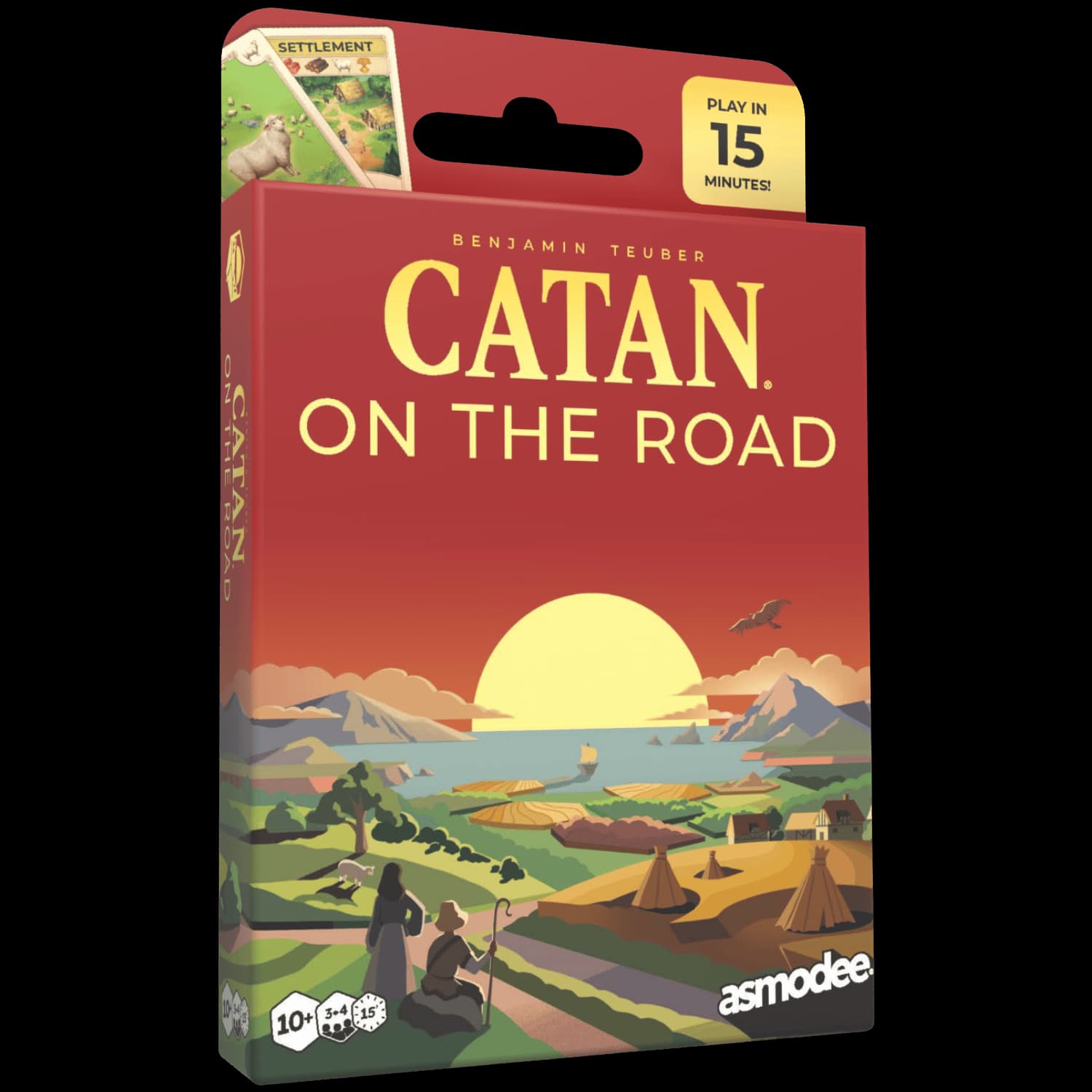
CATAN: On the Road (2026) represents a modern evolution of the legendary hex-based settlement game, reimagined specifically for mobility. Set in the familiar, vibrant world of Catan, players take on the roles of determined settlers striving to establish dominance on a newly discovered island. The core objective remains the timeless pursuit of ten victory points, achieved through clever resource management, strategic building, and calculated expansion. This version focuses on bringing the depth of the Catan experience into a more compact format, ensuring that the quest for wood, brick, wheat, sheep, and ore can continue whether you are at a local cafe or on a long train journey. The design focuses on portability without sacrificing the tactical richness that has made the franchise a staple of the board gaming hobby for decades.
The gameplay maintains the signature blend of social interaction and probability-based resource acquisition. At the start of each turn, a player rolls dice to determine which hexes produce resources for adjacent settlements. Trading is the heartbeat of the game; players must negotiate with rivals to secure the materials needed for roads, settlements
2-4 45m⚖️ 2.3