Adventure Games
Browse all Adventure board games in the Meeple Pulse database.
Styles
Themes
AbstractAdventureAncientAnimalsArtBusinessCard GameCo-operativeComic BookCooperativeCrimeEconomicEnvironmentalismExplorationFantasyHistoricalHorrorHumorIntrigueLiteraryMagicMarvelMedievalModernMuseumMysteryMythologyNatureNauticalPoliticalPress Your LuckSatireSci-FiSocial CommentarySocial InteractionSpaceSuperheroesThematicTravelWarWesternWord-Guessing
Mechanics
3D PlacementActingAction / DexterityAction DraftingAction Point AllowanceAction Point Allowance SystemAction Point SystemAction PointsAction ProgrammingAction QueueAction RetrievalAction SelectionAction/EventAlliancesAlternate ActivationApp-AssistedApp-DrivenArea ControlArea InfluenceArea MajorityArea Majority / InfluenceArea MovementArgumentationAsymmetricAsymmetric FactionsAsymmetric GameAsymmetric PowersAsymmetrical PowersAuction & BiddingAuction/BiddingAuctioningBag BuildingBettingBetting and BluffingBetting and WageringBetting and WagersBiddingBingoBlind BiddingBluffingCampaign / Battle Card DrivenCampaign / LegacyCampaign / Legacy GameCampaign / Mission-basedCampaign / ScenariosCampaign GameCampaign PlayCard DraftingCard DrawingCard DrivenCard Driven ActionCard Driven CombatCard Driven Dice AllocationCard Driven MovementCard ManagementCard PlayCard Play / Hand ManagementCard Play Conflict ResolutionCard SheddingCard-Driven MovementCharacter CreationCharacter ProgressionChit-Pull SystemCo-op PlayCo-operative GameCo-operative PlayCode-breakingCombat ResolutionCombo ChainCommand CardsCommodity SpeculationCommunication LimitsContract FulfillmentContractsCooperative GameCooperative GameplayCooperative PlayCooperative Trick-takingDebateDeck BuildingDeck ConstructionDeck, Bag, and Pool BuildingDeck-BuildingDeductionDexterityDice DraftingDice PlacementDice RollingDiplomatic InfluenceDraftingDynamic Battle SystemEnclosureEnd Game BonusesEngine BuildingEngine-BuildingEscape RoomEvent DrivenExplorationFarmingFlip and WriteFollowFollow ActionGrid CoverageGrid MovementHand ManagementHex-and-CounterHexagon GridHidden MovementHidden RolesI Cut You ChooseIncomeInfluence / Area MajorityLadder ClimbingLegacyLegacy ElementsLegacy GameLegacy SystemLimited CommunicationLine DrawingLine of SightMancalaMap MovementMarketMarket DraftingMarket ManipulationMarket MechanicMarket SpeculationMatchingMeasurement MovementMemoryMission ObjectivesModular BoardModular Board ConstructionMove Through DeckMovement TemplatesMulti-Use CardsMulti-use CardsMultiple ScenariosMust FollowNarrative ChoiceNarrative Choice / ParagraphNegotiationNegotiation MechanicsNetwork & Route BuildingNetwork BuildingNetwork and Route BuildingOne vs ManyOne vs. ManyOpen DraftingPaper-and-PencilPartnershipsPattern BuildingPattern RecognitionPick-up and DeliverPlayer EliminationPlayer InteractionPlayer JudgePoint SaladPoint to Point MovementPolyominoesPush Your LuckPush-Your-LuckPuzzlePuzzle-LikePuzzle-SolvingRaceReal-TimeRecipe FulfillmentResource ManagementRole PlayingRole SelectionRoll / Spin and MoveRondelRoute BuildingRoute-BuildingRoute/Network BuildingSanity SystemScenario / Campaign PlayScenario / Mission / Campaign GameScenario / Mission FunctionSecret Unit DeploymentSemi-Cooperative GameSet CollectionSheddingSimulationSimultaneous ActionSimultaneous Action SelectionSimultaneous Hidden AllocationSocial DeductionSocial InteractionSolo / Solitaire GameSpace ExplorationStat Check / Skill CheckStock HoldingStorytellingStrategic PlanningTableau BuildingTactical Decision-MakingTake ThatTargeted CluesTeam PlayTeam-Based GameTeam-Based GuessingTeamworkTech TreesTech Trees / Tech TracksTechnology & Armament TracksTechnology TreeTension & Aggression TracksTile DraftingTile LayingTile PlacementTime TrackTime TravelTower DefenseTrack MovementTradingTrick-takingTug of WarTurn Order: PassTurn Order: Stat-BasedUnit PlacementVariable Phase OrderVariable Player PowersVariable Set-upVariable SetupVictory Point TracksVotingWord AssociationWord GameWord GuessingWord-GuessingWord-guessingWordplayWorker Placement
RANK #225
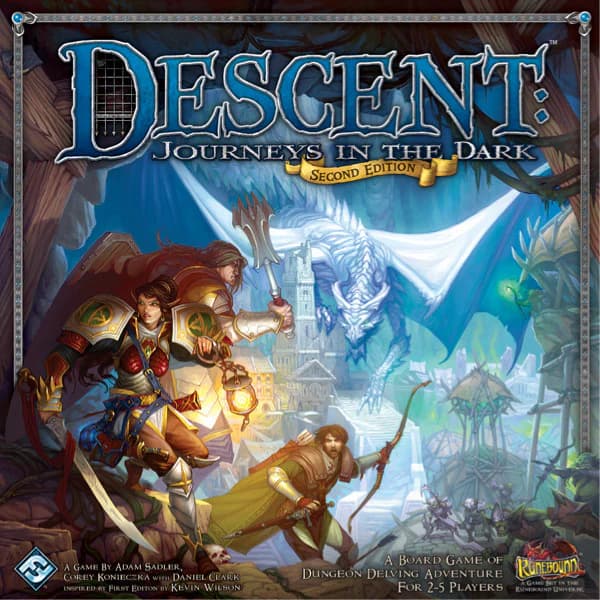
Descent: Journeys in the Dark (Second Edition) is a seminal board game that immerses players in the high-fantasy world of Terrinoth for an epic, one-versus-many dungeon-crawling adventure. In this asymmetrical contest, one player assumes the role of the treacherous Overlord, commanding an army of monsters and springing deadly traps from the shadows. The other players (up to four) form a courageous band of heroes, each with unique skills and abilities, who must work together to complete the objectives of a given quest. The game is scenario-driven, with each quest forming a chapter in a larger, branching campaign narrative. Success or failure in one encounter can have tangible consequences on the next, creating a dynamic and evolving story where the heroes strive for victory against the Overlord's nefarious plans.
The gameplay unfolds over a series of rounds, with heroes taking their turns first. Each hero can perform two actions, such as moving across the modular, tile-based map, attacking a monster, or using a special skill. Combat is a highlight of the experience, resolved through a custom dice-pool system. Players roll dice determined by their character's equipment and abilities, looking for symbols representing damage, range, and special 'surges.' These surges can be spent to trigger powerful effects, adding a layer of tactical decision-making to every attack. After the heroes have acted, the Overlord takes their turn, playing cards from a unique deck to activate monster groups, summon reinforcements, and unleash unexpected events to wear down the heroes and achieve their own secret objectives.
What makes Descent a beloved classic is its deep sense of progression and the escalating arms race that develops over a campaign. Between quests, both sides grow stronger. Heroes earn experience to learn new skills and spend gold on powerful new weapons and armor, customizing their characters to fit their playstyle. Simultaneously, the Overlord also gains experience, which is used to purchase more potent Overlord cards, unlocking deadlier plots and monsters. This persistent development ensures that the challenge constantly escalates, making each session feel meaningful. The combination of tactical combat, rich character customization, and an emergent, player-driven narrative provides a highly replayable and deeply engaging experience for any group that loves adventure and strategy.
2-5 120m⚖️ 3.2

RANK #226
Return to Dark Tower is a grand, cooperative fantasy adventure and a modern reimagining of the iconic 1981 electronic board game. In this app-driven epic, one to four players assume the roles of unique heroes who must unite to save the kingdoms from a great evil that has resurfaced. The central goal is to complete a major objective, which will lure the primary adversary out from the technologically advanced, malevolent tower for a final, decisive confrontation. Players are working against a strict timeline, needing to achieve victory before the end of the sixth in-game 'month'. The path to defeat is multifaceted; the heroes can lose if they run out of time, if the supply of skulls to feed the tower is exhausted, or if any single hero succumbs to overwhelming corruption, making every decision a tense and critical calculation.
The gameplay unfolds over a series of hero turns, each structured into distinct phases. A player's turn begins with an optional, character-specific 'Banner Action', followed by movement and a choice of one heroic action: battling monstrous foes, cleansing corrupting skulls from the land's buildings, or undertaking vital quests. Afterward, heroes can reinforce their strength by utilizing the special ability of the building they occupy to gain resources. The game's centerpiece is the towering electronic spire which, in conjunction with a companion app, dictates the flow of the adventure. At the conclusion of each turn, a player must drop a skull into the tower, which may then dispense them back onto the board, spreading corruption. The integrated app manages all quests, events, and combat encounters, ensuring a dynamic and unpredictable challenge every time you play.
Return to Dark Tower commands an impressive table presence, with its massive, interactive tower immediately drawing players into its world. It masterfully blends the nostalgia of the original classic with sophisticated modern mechanics, creating an experience that feels both familiar and refreshingly new. The game is celebrated for its highly immersive and cooperative gameplay, where teamwork and strategic planning are paramount to overcoming the app-controlled adversary. The constant pressure from the tower and the race against the clock generate a palpable tension that results in truly memorable gaming sessions. For those seeking a different challenge, the game also includes a competitive variant where heroes race to prove their individual worth.
1-4 110m⚖️ 2.6
RANK #232
Paleo
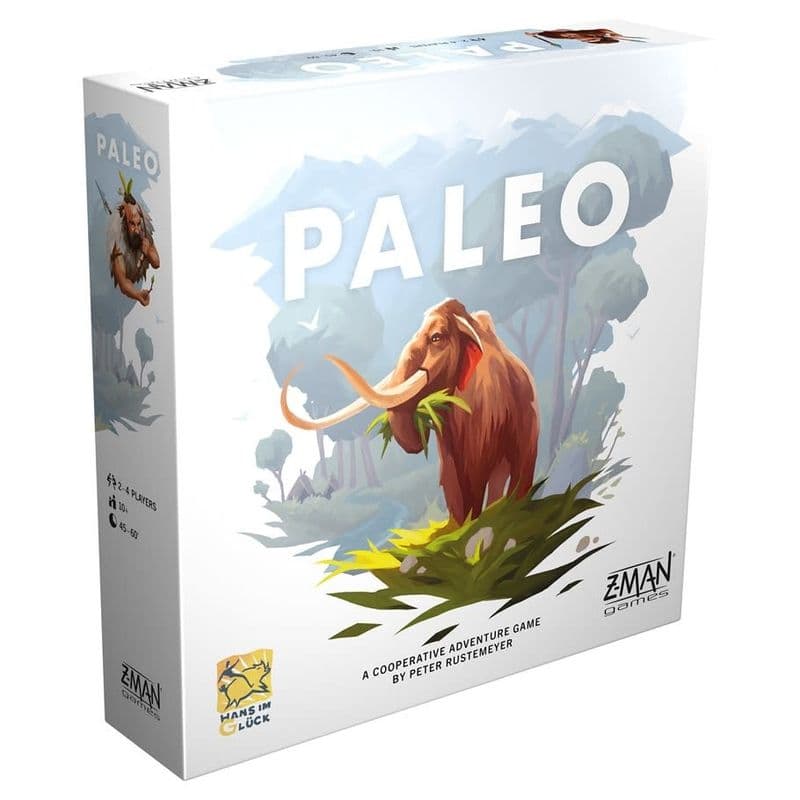
2020In Paleo, players embark on a cooperative adventure set in the Stone Age. The game is designed for 2-4 players and takes approximately 45-60 minutes to play. Players work together to keep their tribe alive while completing missions and creating a cave painting. The game includes 10 unique modules that can be mixed and matched to vary the difficulty level or try different rules variants, including a solo mode. Each player begins with a couple of humans, each with a skill and life points. On their turn, players send out their humans to explore, gathering resources and completing tasks while avoiding dangers such as skull tokens. The game requires strategy and cooperation to succeed, making it an engaging experience for players who enjoy cooperative games. One of the unique features of Paleo is its use of card-driven mechanics, where players draw cards with different backgrounds that provide clues about what's on the other side. This mechanic adds a layer of uncertainty and excitement to the game, as players must work together to uncover the secrets of the cards. The game also includes a variety of modules that can be added or removed to change the gameplay experience, making it suitable for players who enjoy replayability and customization. Overall, Paleo is an engaging cooperative game that challenges players to work together while exploring the Stone Age world. Its unique mechanics and modular design make it an attractive option for fans of cooperative games.
2-4 45m⚖️ 3.0
RANK #236
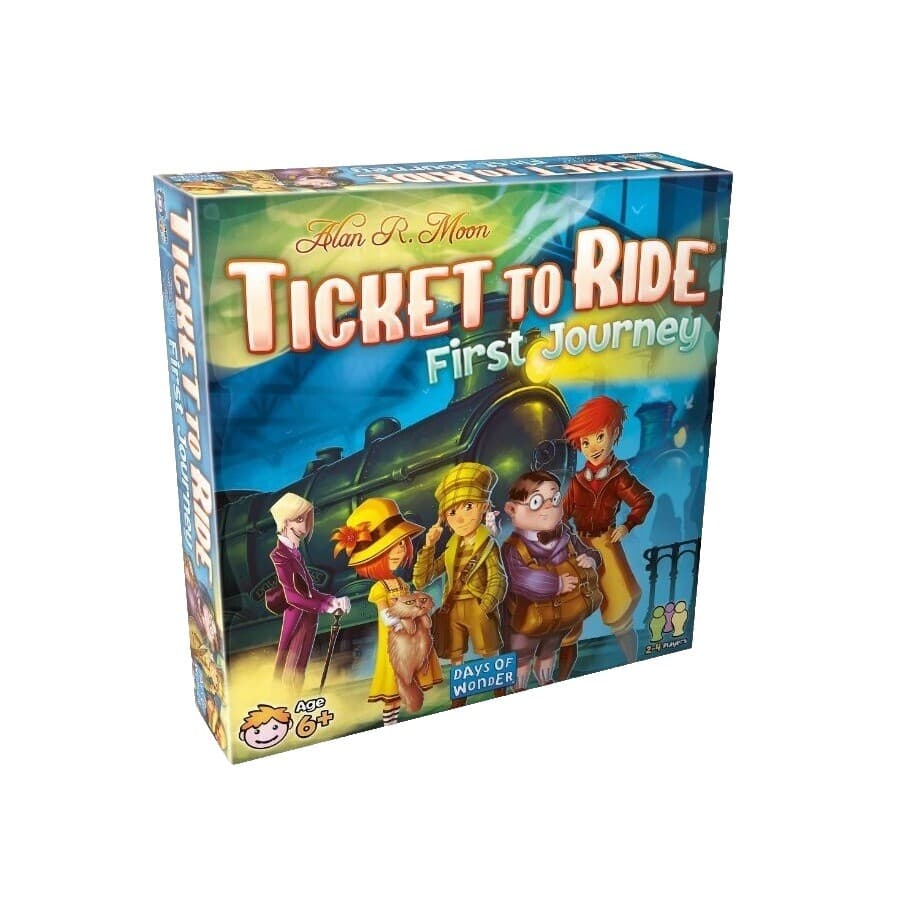
Embark on a frosty railway adventure with *Ticket to Ride: Nordic Countries*, a standalone installment in the award-winning series designed specifically for a more intimate and competitive experience. Set against the beautiful, snow-dusted backdrop of Denmark, Finland, Norway, and Sweden, this game challenges two or three players to become the region's greatest transportation magnate. The core objective remains familiar to fans of the series: collect colored train car cards to claim railway routes, strategically connecting cities across the map. Your primary source of points comes from fulfilling secret Destination Tickets, each one tasking you with linking two specific cities. Successfully completing these tickets adds to your score, but failure will cost you dearly. The player who has amassed the most points from their routes, completed tickets, and the coveted 'Globetrotter' bonus for the most tickets fulfilled, will be declared the winner.
The gameplay is elegantly simple yet rich with strategic choices. On your turn, you perform one of three actions: draw more train car cards, claim a route by discarding a matching set of cards, or draw new Destination Tickets to potentially increase your score. *Nordic Countries* introduces compelling twists on this classic formula with the inclusion of Ferries and Tunnels. Ferries are special sea routes that demand a specific number of powerful Locomotive wild cards to claim, making these cards exceptionally valuable. Tunnels add a thrilling element of risk; after committing your cards to a mountain route, you must reveal cards from the top of the deck, potentially forcing you to play extra cards to complete the connection. This version also uniquely alters the rules for Locomotives, restricting their use primarily to these special routes, which intensifies the strategic planning around their acquisition and use.
What makes *Ticket to Ride: Nordic Countries* a standout title is its brilliantly crafted map, which is significantly tighter and more constrained than its predecessors. This design choice inherently creates a high-stakes environment where player interaction is not just possible, but inevitable. Players must constantly watch their opponents, anticipate their moves, and decide whether to build their own network or defensively block a critical path. The scarcity of double-routes means competition for key connections is fierce from the very start. This heightened tension, combined with a brisk playtime of 30-60 minutes, makes it an exceptionally engaging and replayable game for couples, families, and anyone seeking a fast-paced, light-strategy experience with a healthy dose of direct competition.
2-3 45m⚖️ 1.9
BoxNo Cover Art
RANK #244
Captain Sonar
2016In Captain Sonar, players take on the roles of a submarine's crew, working together to locate and destroy an enemy submarine. The game is set in real-time, with each player having a specific role: captain, engineer, first mate, or radio operator. The captain makes strategic decisions, while the engineer focuses on repairing damage and maintaining systems. The first mate coordinates the team's efforts, and the radio operator communicates with other players to gather information about the enemy submarine's location. Players must work together, sharing information and making quick decisions to succeed in this high-stakes game of strategy and teamwork.
2-8 45m⚖️ 3.5

RANK #255
Ticket to Ride
2004Ticket to Ride whisks players away on a grand cross-country train adventure, firmly establishing itself as one of the most beloved and accessible modern board games. In this competitive journey, players vie to become the most successful railroad magnate by the turn of the 20th century. The primary goal is to accumulate the highest number of points. Victory is achieved through a combination of strategically claiming railway routes between iconic cities, fulfilling the secret itineraries detailed on Destination Tickets, and constructing the longest continuous path of train cars on the map. It's a game of elegant design, where foresight and clever planning are rewarded, making every decision a crucial step toward dominating the rails and securing your legacy.
The gameplay is famously straightforward, with a set of rules that can be taught in mere minutes. Each turn, a player must choose one of three simple actions. They can draw two Train Car cards, which come in various colors needed to claim routes, either from a face-up display or blindly from the deck. Alternatively, a player can claim a route on the board by discarding a set of cards that match the route's color and length, immediately scoring points based on its size. The final option is to draw more Destination Tickets, which offer substantial bonus points for connecting distant cities but come with a risk—any uncompleted tickets at the game's end will count against your score. This simple action structure keeps the game moving at a brisk pace, while wild Locomotive cards add a layer of flexibility to players' plans. The end game is triggered when one player's stock of plastic trains dwindles to two or fewer, after which everyone gets one last turn to make their final moves.
The enduring appeal of Ticket to Ride lies in its perfect balance of simplicity and strategic depth. It serves as a quintessential 'gateway game', expertly bridging the gap for newcomers to the board gaming hobby without alienating veteran players. The tension quietly builds as the game progresses; the board becomes a crowded network of competing lines, and the routes you desperately need might be snatched up by an opponent just before your turn. This creates a subtle yet engaging form of player interaction that is more about opportunistic blocking than direct confrontation. The satisfaction of completing a long, coast-to-coast destination ticket is immense, and the combination of set collection, route building, and secret objectives provides a highly replayable experience. Its charming presentation and straightforward rules have made it a staple for family game nights and a celebrated classic worldwide.
2-5 60m⚖️ 1.8
RANK #258
Faraway
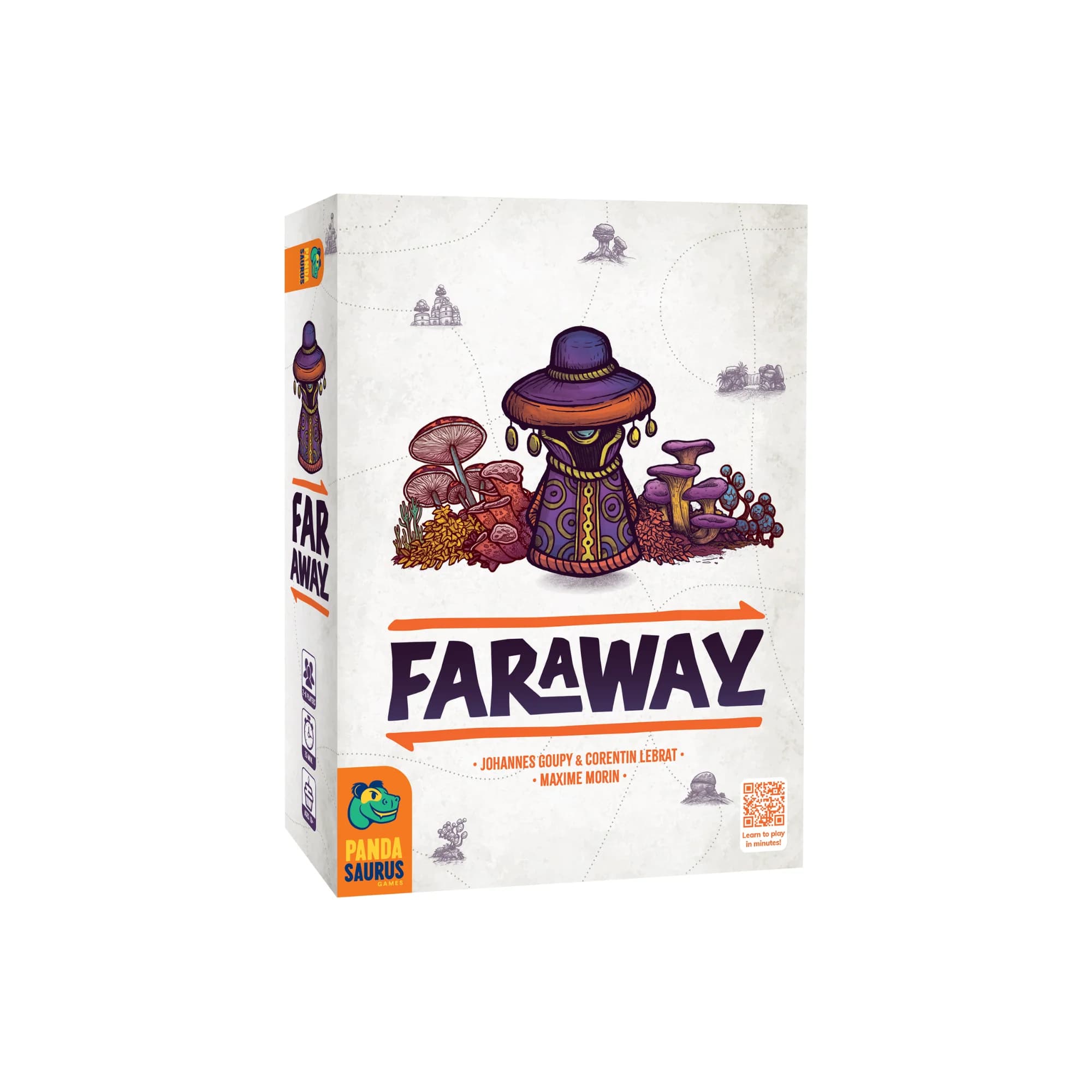
2023Embark on an expedition to the enigmatic continent of Alula in Faraway. In this clever card game, players compete to become the most renowned explorer by charting a path across eight distinct regions. The objective is to amass the most fame (victory points) by strategically laying out a row of cards that tells the story of your journey. However, the game introduces a captivating twist: your expedition is scored not by the path you forged, but by the memories you recall as you look back on it. This innovative reverse-scoring mechanism is the heart of the experience, challenging players to think ahead by planning backwards, turning a simple card-laying game into a delightful and thoughtful puzzle.
The game unfolds over eight rounds, with players simultaneously choosing and revealing a region card from their hand to add to their personal tableau, extending it from left to right. These cards are numbered and feature various colors and symbols crucial for scoring. A key tactical decision arises when you play a card with a number higher than the one preceding it, which allows you to acquire a powerful Sanctuary card that grants bonus icons or unique scoring opportunities. Following the card placement, players draft new cards for their hand. In a neat balancing act, the player who played the lowest-numbered card in the round gets the first choice from the central display, creating a constant tension between playing high for Sanctuaries and playing low for a better draft pick.
What makes Faraway truly stand out is its brilliant endgame scoring. Once all eight region cards have been played, the entire journey is flipped face-down. Players then reveal their cards one by one, starting from the last card they played and moving leftward. As each card is turned face-up, its scoring conditions are resolved based only on the icons visible on the cards revealed so far (i.e., those to its right in the original tableau). This 'journey back' forces a complete shift in perspective. A card that seems weak when played might become invaluable for scoring later cards, while a powerful early card might offer no benefit for the final scoring tally. This forward-planning, backward-scoring puzzle provides a deeply satisfying and accessible challenge, making every game a fresh and engaging strategic exercise with minimal player conflict and a brisk playtime.
2-6 25m⚖️ 1.8
RANK #275
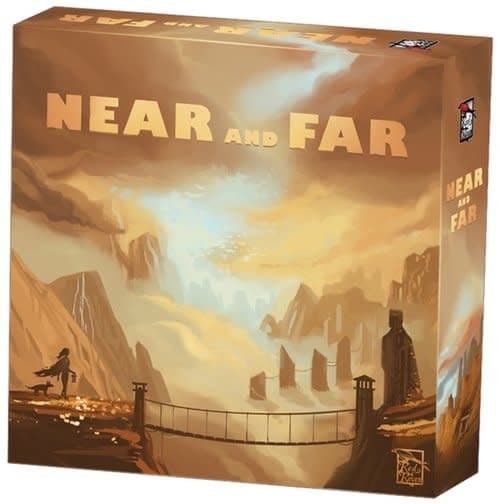
Near and Far
2017Near and Far beckons players into a vibrant fantasy world on a grand quest for the Last Ruin, a fabled city said to house an artifact capable of granting one's greatest desire. This is a narrative-driven adventure game where players assume the roles of explorers charting unknown territories. The objective is not merely to reach a destination, but to weave the most legendary tale, which is measured in journey points. These points are earned by completing quests, discovering unique locations, defeating threats, and accumulating valuable treasures and artifacts throughout a sprawling, multi-game campaign.
The gameplay cleverly alternates between two distinct phases: preparing in town and journeying across the land. The town phase operates as a worker placement game, where players assign their character to various buildings to gather supplies, hire adventurers with special skills, buy pack animals for extra carrying capacity, and pick up bounties. Once equipped, players venture out onto one of the game's eleven beautifully illustrated maps, which are presented in a spiral-bound atlas that serves as the game board. While exploring, players establish camps to extend their reach, encounter dangerous threats that require dice rolls and skill checks to overcome, and uncover quest locations. This triggers the game's heart: a 'Choose Your Own Adventure' style story. Another player reads a passage from the robust storybook, presenting the active player with a narrative dilemma and choices that have tangible consequences and rewards, ensuring every quest feels unique and impactful.
What sets Near and Far apart and solidifies its beloved status is this masterful fusion of strategic resource management with deep, emergent storytelling. The innovative atlas system provides a constant sense of discovery as new maps are revealed, each with its own secrets to unlock. The game offers immense replayability through its different modes: a ten-map story campaign where characters level up and gain new talents, a quicker Arcade mode for single sessions, and a Character mode focused on the heroes' backstories. This creates a deeply personal and memorable experience where players are not just playing a game, but are living out a grand adventure, creating a story that is uniquely their own.
2-4 120m⚖️ 2.9
RANK #280
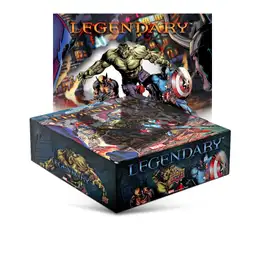
Legendary: A Marvel Deck Building Game is a prominent entry in the deck-building genre that brings the Marvel Universe to life on the tabletop. In this experience, players take on the role of SHIELD commanders tasked with assembling a powerful team of iconic heroes to thwart the nefarious plans of a Mastermind. The central goal is collective survival; players must work together to defeat the primary villain four times before they can complete a specific, game-altering Scheme. Unlike traditional deck builders where you simply compete for the highest score, Legendary introduces a looming threat that can cause everyone to lose if the city falls into chaos or the villain's plot reaches its conclusion.
The game utilizes a modular setup, meaning no two sessions are exactly alike. Players select a specific Mastermind like Magneto or Dr. Doom, a Scheme that sets the rules for the villain's victory, and a curated pool of hero decks. The core loop involves a Villain Phase, where enemies advance through a five-space city track, followed by a Hero Phase. Players start with basic SHIELD agents and must strategically recruit more powerful cards using Recruit Points or strike down foes using Attack Points. Managing these two distinct resources is vital, as players navigate the Headquarters (HQ) to draft synergies between characters like the Avengers and the X-Men. Successfully defeating villains and saving bystanders adds to a player's personal victory pile, which serves a dual purpose: it measures individual contribution while the team strives for a shared victory.
What makes Legendary stand out is its semi-cooperative nature. While the primary objective is to stop the Mastermind, the game crowns a single 'most legendary hero' based on the victory points accumulated during play. This creates a fascinating tension between helping the group and optimizing one's own deck for maximum point gain. The highly thematic integration of the Marvel license, featuring comic-accurate artwork and mechanics that reflect hero powers, ensures a high level of immersion. With its vast array of modular combinations and the threat of a board that evolves every turn, the game offers immense replayability. It strikes a balance between being accessible enough for casual fans while offering the strategic depth required to keep seasoned gamers engaged.
1-5 45m⚖️ 2.4

RANK #283
Western Legends
2018Western Legends is a sweeping sandbox experience that transports players into the rugged landscape of the American Old West. Unlike traditional board games with linear objectives, this title offers a sprawling open-world environment where players assume the roles of legendary historical figures like Wyatt Earp, Calamity Jane, or Billy the Kid. The primary goal is to accumulate Legendary Points (LP) through various frontier activities, ultimately carving out a lasting legacy. Whether you choose to walk the path of a righteous lawman or a notorious outlaw, the game adapts to your playstyle, allowing for a personalized journey through its dusty towns and gold-filled hills.
The gameplay loop revolves around a flexible action system where players manage three actions per turn, which can be spent on movement, mining for gold, or engaging in local town activities. One of the most distinctive features is the moral alignment system, tracking players on either the Marshal or Wanted tracks. Law-abiding citizens can earn prestige by arresting criminals, fighting bandits, or driving cattle to the railhead. Conversely, those seeking a life of crime can rob the bank, rustle cattle to the rival ranch, or challenge other players to high-stakes robberies. Conflict resolution eschews dice in favor of a specialized poker deck, where players play cards simultaneously to determine outcomes. This card-based system adds a layer of bluffing and strategic management, mirroring the tension of a real saloon showdown.
What truly distinguishes Western Legends is its immersive freedom and high player interaction. The sandbox nature ensures that no two sessions feel identical, as the board state evolves based on player decisions. Some may focus on the economic engine of gold mining and selling nuggets at the bank, while others might spend their time hunting down 'Wanted' friends to claim bounties. The inclusion of authentic historical figures adds a rich layer of flavor, grounding the mechanical systems in a recognizable period setting. It captures the essence of frontier life, blending strategic depth with cinematic storytelling, making it a favorite for those who enjoy narrative-rich experiences with a competitive edge.
2-6 90m⚖️ 2.7
RANK #292
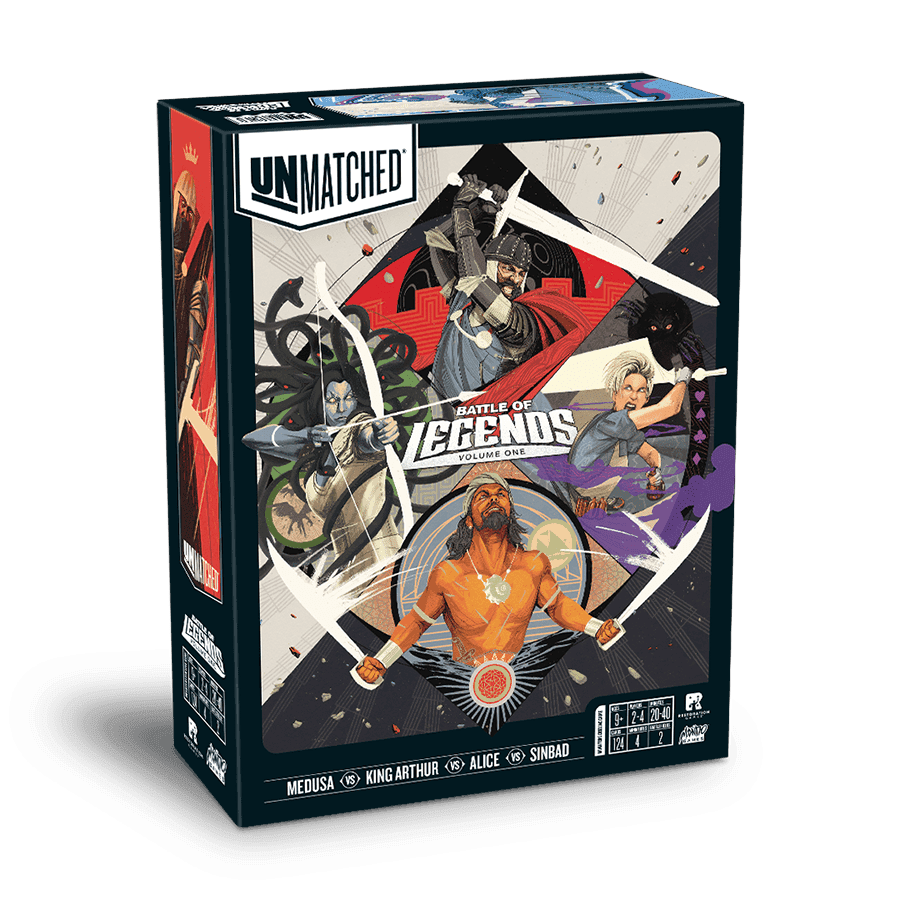
Unmatched: Battle of Legends, Volume One serves as the cornerstone of a widely acclaimed skirmish series, reinventing the tactical combat mechanics originally popularized by the Star Wars: Epic Duels system. This asymmetrical miniature game invites players to pit legendary figures from across folklore, literature, and history against one another in fast-paced duels. Whether it is the mythical Medusa staring down the Victorian Alice or King Arthur clashing with the seafaring Sinbad, the game thrives on the 'what if' scenarios of impossible combat. Each hero is accompanied by unique sidekicks and a specialized deck of cards, ensuring that no two fighters approach the battlefield with the same strategy or strengths.
The gameplay is defined by a 'no-luck' tactical system that replaces traditional dice rolling with strategic card management and precise positioning. On a turn, players must execute exactly two actions, choosing between maneuvering for better positioning, playing powerful utility schemes, or launching aggressive attacks. Movement is governed by a vibrant 'colored zone' system on the board, which simplifies line-of-sight calculations and encourages dynamic kiting or flanking maneuvers. Combat itself is a tense mind game where both the attacker and defender reveal cards simultaneously. Success depends on anticipating an opponent's defense and mastering the complex timing of effects that trigger 'Immediately', 'During Combat', or 'After Combat'. This layered timing system adds significant depth to the seemingly straightforward mechanics.
Part of the game's enduring appeal lies in its accessibility paired with high replayability. While the rules are simple enough to teach in minutes, the nuances of each character's 30-card deck provide a rich competitive environment. Players must learn to manage their hand carefully, as running out of cards leads to exhaustion and inevitable defeat. The visual presentation is equally striking, featuring the bold, graphic art style of Oliver Barrett, which gives the game a modern and sophisticated aesthetic. With its quick play sessions and the ability to mix and match heroes from other sets in the Unmatched line, this volume offers a perfect entry point for those seeking a 'bridge' title that balances light strategy with intense, thematic confrontation.
2-4 30m⚖️ 1.9
RANK #295
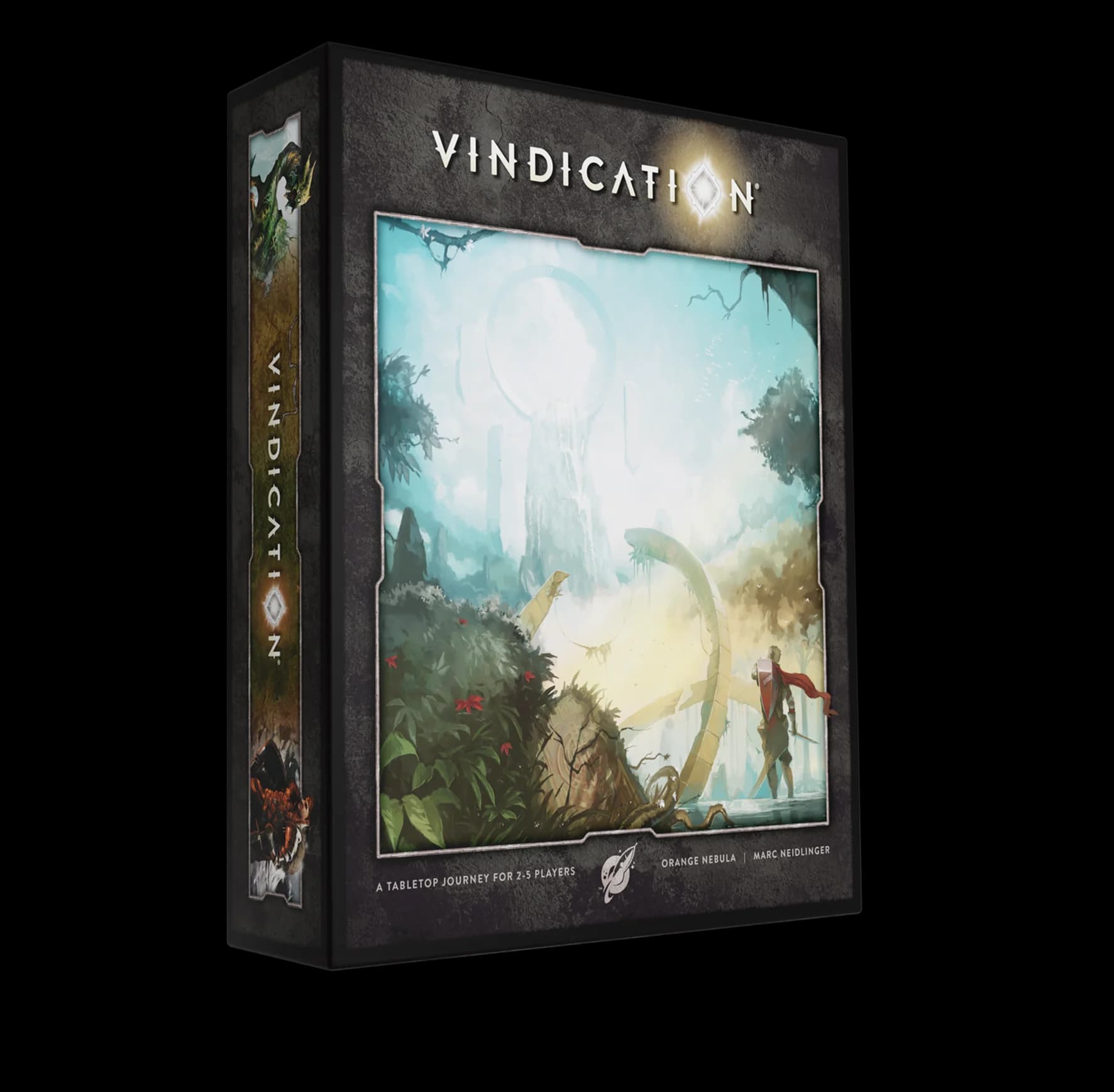
Vindication
2018Vindication is a highly modular strategy board game where players take on the role of a disgraced individual, cast overboard by their peers to die in the surf of a mysterious, magical island. From this lowly start as a 'wretched' character, you must navigate a path toward redemption and honor. The core objective is to accumulate the most Honor points by the time one of the variable endgame triggers is met. Set in a rich fantasy world, the game emphasizes player agency and high-production components, challenging participants to shed their dark past and become truly vindicated through heroic deeds and strategic growth.
The gameplay loop is centered on an elegant 'Action Trio' system. On every turn, players perform three distinct actions in any order: moving across the hexagonal modular board, activating companions or character abilities, and either visiting a specific tile or resting to recover power. The resource management is particularly unique, utilizing a three-tier system of power cubes. Players move cubes from 'Potential' to 'Influence' and finally to 'Conviction.' This engine powers 'Attribute Alchemy,' where basic resources like Inspiration, Knowledge, or Strength are combined into advanced traits like Wisdom or Courage. These elite attributes are necessary to recruit powerful allies, secure relics, and defeat the monstrous threats lurking on the island.
One of the most praised aspects of Vindication is its open-world feel and high degree of replayability. Because the endgame conditions are variable and based on player progress or deck depletion, no two sessions feel the same. The game avoids the rigid structure of fixed rounds, allowing for a dynamic tempo that responds to the players' strategies. Fans of the game are often drawn to its stunning aesthetics, including high-quality card art and tactile game trays, alongside the deeply satisfying feeling of building a powerful engine from nothing. Whether you are exploring new territories, mastering the alchemy of attributes, or taking permanent control of locations, the path to glory is as varied as the island itself.
1-5 90m⚖️ 3.1