Strategy Games
Browse all Strategy board games in the Meeple Pulse database.
Styles
Themes
AbstractAdventureAncientAnimalsArtBusinessCard GameCo-operativeComic BookCooperativeCrimeEconomicEnvironmentalismExplorationFantasyHistoricalHorrorHumorIntrigueLiteraryMagicMarvelMedievalModernMuseumMysteryMythologyNatureNauticalPoliticalPress Your LuckSatireSci-FiSocial CommentarySocial InteractionSpaceSuperheroesThematicTravelWarWesternWord-Guessing
Mechanics
3D PlacementActingAction / DexterityAction DraftingAction Point AllowanceAction Point Allowance SystemAction Point SystemAction PointsAction ProgrammingAction QueueAction RetrievalAction SelectionAction/EventAlliancesAlternate ActivationApp-AssistedApp-DrivenArea ControlArea InfluenceArea MajorityArea Majority / InfluenceArea MovementArgumentationAsymmetricAsymmetric FactionsAsymmetric GameAsymmetric PowersAsymmetrical PowersAuction & BiddingAuction/BiddingAuctioningBag BuildingBettingBetting and BluffingBetting and WageringBetting and WagersBiddingBingoBlind BiddingBluffingCampaign / Battle Card DrivenCampaign / LegacyCampaign / Legacy GameCampaign / Mission-basedCampaign / ScenariosCampaign GameCampaign PlayCard DraftingCard DrawingCard DrivenCard Driven ActionCard Driven CombatCard Driven Dice AllocationCard Driven MovementCard ManagementCard PlayCard Play / Hand ManagementCard Play Conflict ResolutionCard SheddingCard-Driven MovementCharacter CreationCharacter ProgressionChit-Pull SystemCo-op PlayCo-operative GameCo-operative PlayCode-breakingCombat ResolutionCombo ChainCommand CardsCommodity SpeculationCommunication LimitsContract FulfillmentContractsCooperative GameCooperative GameplayCooperative PlayCooperative Trick-takingDebateDeck BuildingDeck ConstructionDeck, Bag, and Pool BuildingDeck-BuildingDeductionDexterityDice DraftingDice PlacementDice RollingDiplomatic InfluenceDraftingDynamic Battle SystemEnclosureEnd Game BonusesEngine BuildingEngine-BuildingEscape RoomEvent DrivenExplorationFarmingFlip and WriteFollowFollow ActionGrid CoverageGrid MovementHand ManagementHex-and-CounterHexagon GridHidden MovementHidden RolesI Cut You ChooseIncomeInfluence / Area MajorityLadder ClimbingLegacyLegacy ElementsLegacy GameLegacy SystemLimited CommunicationLine DrawingLine of SightMancalaMap MovementMarketMarket DraftingMarket ManipulationMarket MechanicMarket SpeculationMatchingMeasurement MovementMemoryMission ObjectivesModular BoardModular Board ConstructionMovement TemplatesMulti-Use CardsMulti-use CardsMultiple ScenariosMust FollowNarrative ChoiceNarrative Choice / ParagraphNegotiationNegotiation MechanicsNetwork & Route BuildingNetwork BuildingNetwork and Route BuildingOne vs ManyOne vs. ManyOpen DraftingPaper-and-PencilPartnershipsPattern BuildingPattern RecognitionPick-up and DeliverPlayer EliminationPlayer InteractionPlayer JudgePoint SaladPoint to Point MovementPolyominoesPush Your LuckPush-Your-LuckPuzzlePuzzle-LikePuzzle-SolvingRaceReal-TimeRecipe FulfillmentResource ManagementRole PlayingRole SelectionRoll / Spin and MoveRondelRoute BuildingRoute-BuildingRoute/Network BuildingSanity SystemScenario / Campaign PlayScenario / Mission / Campaign GameScenario / Mission FunctionSecret Unit DeploymentSemi-Cooperative GameSet CollectionSheddingSimulationSimultaneous ActionSimultaneous Action SelectionSimultaneous Hidden AllocationSocial DeductionSocial InteractionSolo / Solitaire GameSpace ExplorationStat Check / Skill CheckStock HoldingStorytellingStrategic PlanningTableau BuildingTactical Decision-MakingTake ThatTargeted CluesTeam PlayTeam-Based GameTeam-Based GuessingTeamworkTech TreesTech Trees / Tech TracksTechnology & Armament TracksTechnology TreeTension & Aggression TracksTile DraftingTile LayingTile PlacementTime TrackTime TravelTower DefenseTrack MovementTradingTrick-takingTug of WarTurn Order: PassTurn Order: Stat-BasedUnit PlacementVariable Phase OrderVariable Player PowersVariable Set-upVariable SetupVictory Point TracksVotingWord AssociationWord GameWord GuessingWord-GuessingWord-guessingWordplayWorker Placement
RANK #41
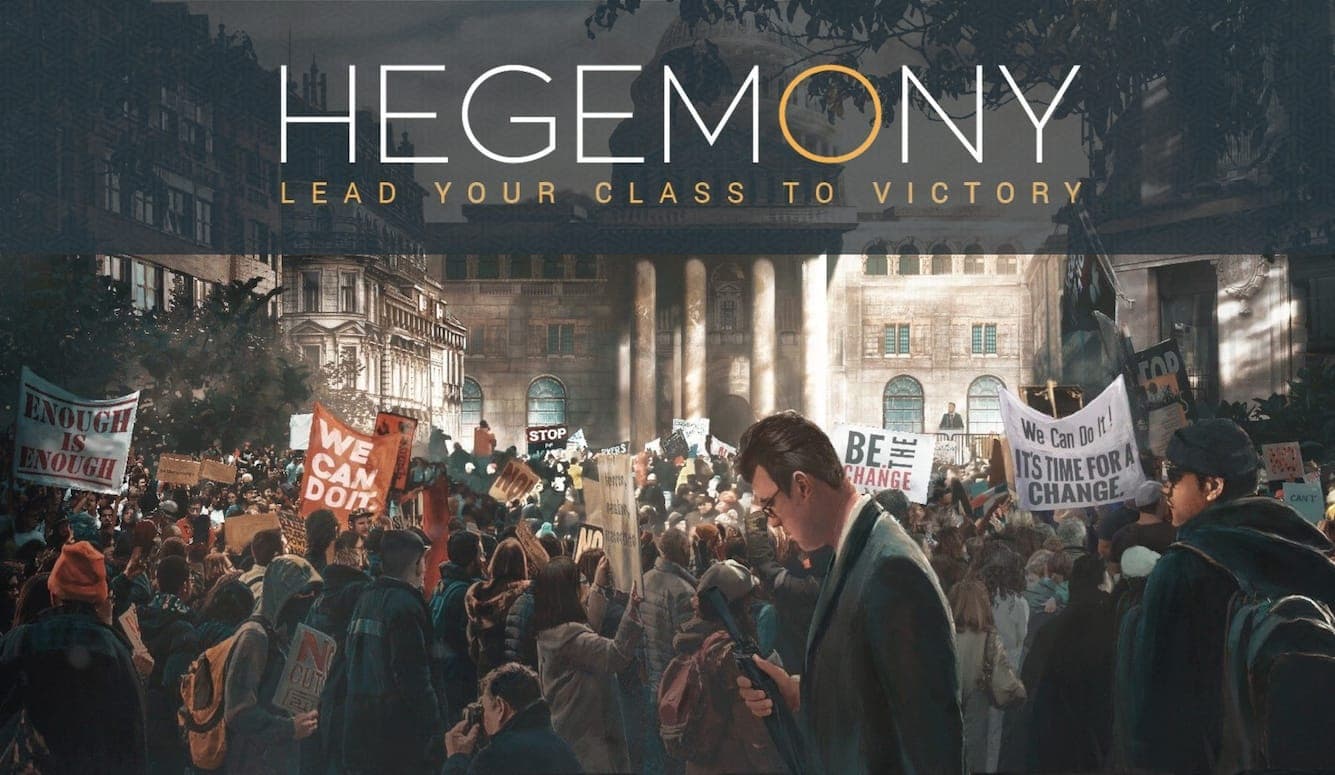
In Hegemony: Lead Your Class to Victory, you'll guide your student body as they navigate the complexities of high school politics. This game is all about strategy and social engineering as you build relationships, form alliances, and make deals to further your own agenda.
As the leader of a prestigious boarding school, you'll need to balance academic achievement with extracurricular activities, manage campus events, and even deal with the occasional prank gone wrong. It's up to you to keep your students happy, healthy, and on track for graduation while also competing against other student leaders to earn the most prestige points.
Hegemony is a game that requires both short-term thinking and long-term planning, as well as clever negotiation and social manipulation. Will you emerge victorious, or will another student leader steal the show? The fate of your school is in your hands.
2-4 45m⚖️ 3.5
RANK #42
Everdell
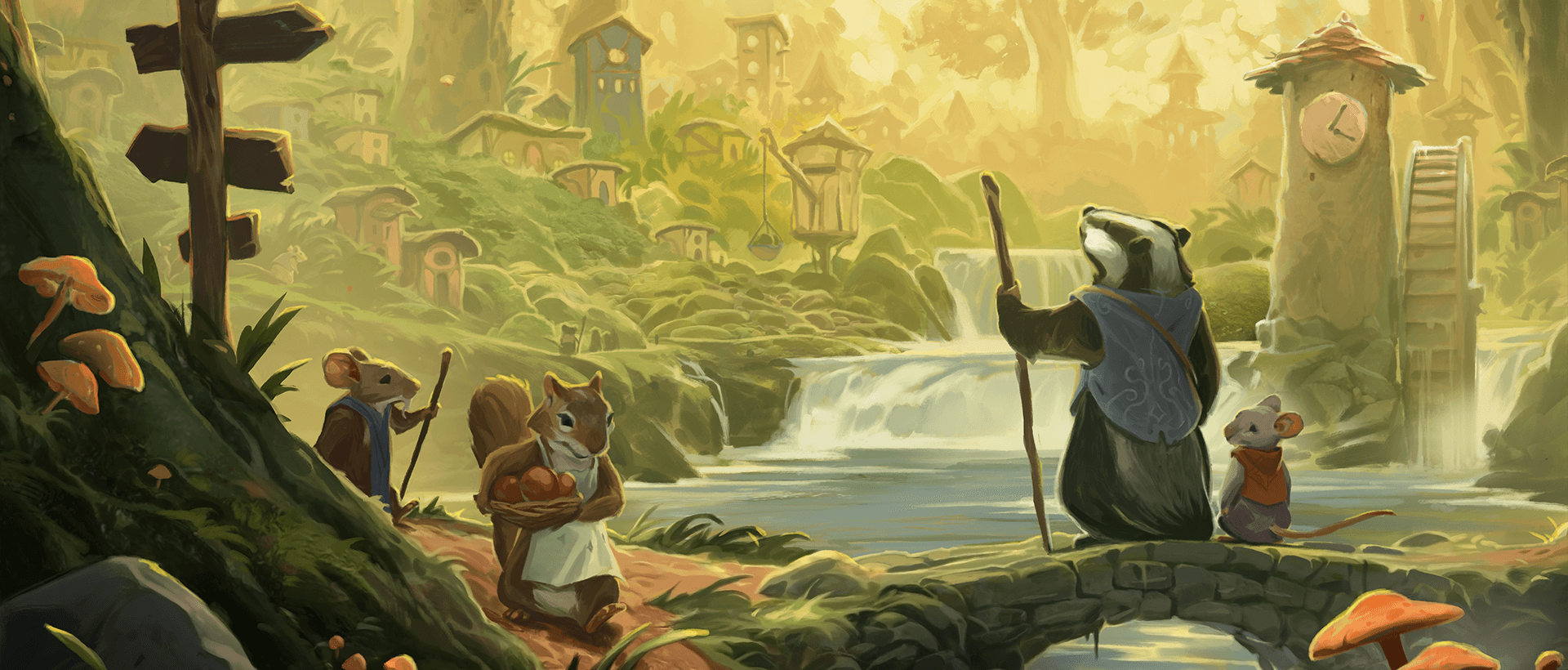
2018In Everdell, 2-3 players take on the role of animal leaders as they build their forest homes and ecosystems. The game is played over a series of seasons, with each player having unique abilities and strengths. The goal is to create a thriving ecosystem by collecting and trading resources, placing worker bees, and building structures. As the seasons pass, players must adapt to changing weather conditions, manage their resources, and balance their own needs with those of their fellow players. Will you be the ultimate leader in this forest, or will your fellow players outdo you? The game features a unique mechanism where each player has a hand of cards representing the different animal species that inhabit the forest. These cards are used to perform various actions, such as collecting resources, placing worker bees, and building structures.
2-3 30m⚖️ 2.5
RANK #43
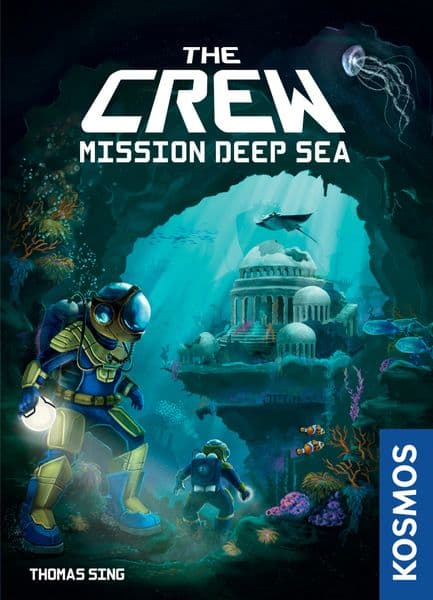
In The Crew: Mission Deep Sea, 1-5 players take on the roles of submarine commanders on a mission to explore the depths of the ocean and salvage valuable artifacts from sunken ships. To succeed, they must work together, using their unique skills and abilities to navigate treacherous underwater terrain, avoid deadly sea creatures, and overcome the challenges of deep-sea exploration. The game is a cooperative experience that requires strategy, teamwork, and quick thinking to achieve victory.
1-5 60m⚖️ 3.0
RANK #44
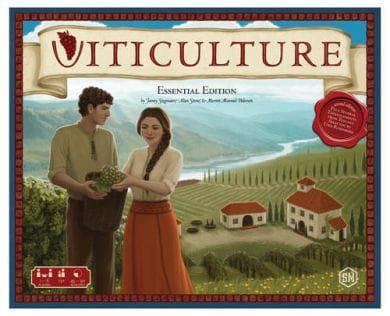
Viticulture: Essential Edition is a strategic game where 2-3 players take on the role of vintners, managing their vineyard and producing wine to sell at market. The goal is to accumulate the most victory points by harvesting grapes, creating blends, and selling your wines. This game plays out over multiple seasons, with each season bringing new challenges and opportunities. Players must balance the demands of grape production, fermentation, and sales while also managing their resources and optimizing their strategies.
2-3 30m⚖️ 3.0

RANK #47
Set in the roaring 1960s, Heat: Pedal to the Metal places players behind the wheel of high-powered vintage race cars. The primary objective is simple: be the first to cross the finish line after a grueling series of laps around iconic circuits. However, achieving victory requires more than just flooring the accelerator; it demands a delicate balance of aggression and technical precision. As you navigate these tracks, you must manage your car's internal temperature, represented by a specific deck of cards. One wrong move or an overly ambitious turn can lead to your engine overheating, forcing a spin-out that could cost you the entire race.
The core gameplay revolves around a sophisticated card-driven movement system seamlessly integrated with deck management. Each round, drivers decide which gear to engage, which dictates the number of speed cards they must play from their hand. Notable mechanics include the handling of 'Heat' cards, which are added to your discard pile whenever you push the car beyond its natural limits—such as boosting for extra movement, taking a corner too fast, or downshifting rapidly. These cards eventually cycle into your hand, where they act as dead weight, limiting your options until you find a way to cool the engine. This push-your-luck element is complemented by drafting mechanics and slipstreaming, allowing trailing cars to catch up by utilizing the aerodynamic wake of those in front.
What truly sets this title apart and fuels its critical acclaim is the genuine sense of breakneck speed it creates on the tabletop. The game avoids the dryness often found in technical simulations by focusing on the emotional highs and lows of competitive racing. It offers immense replayability through various modular expansions included in the base box, such as variable weather conditions that change track grip and a deep 'Legends' system for solo play or filling out the grid with automated opponents. With vibrant, era-appropriate artwork by Vincent Dutrait, the game captures the romanticized danger and glamor of mid-century motorsport. It is a masterclass in modern board game design, offering a perfect blend of high-speed thrills and calculated strategy that keeps players returning to the starting grid lap after lap.
3-4 30m⚖️ 2.5
RANK #49
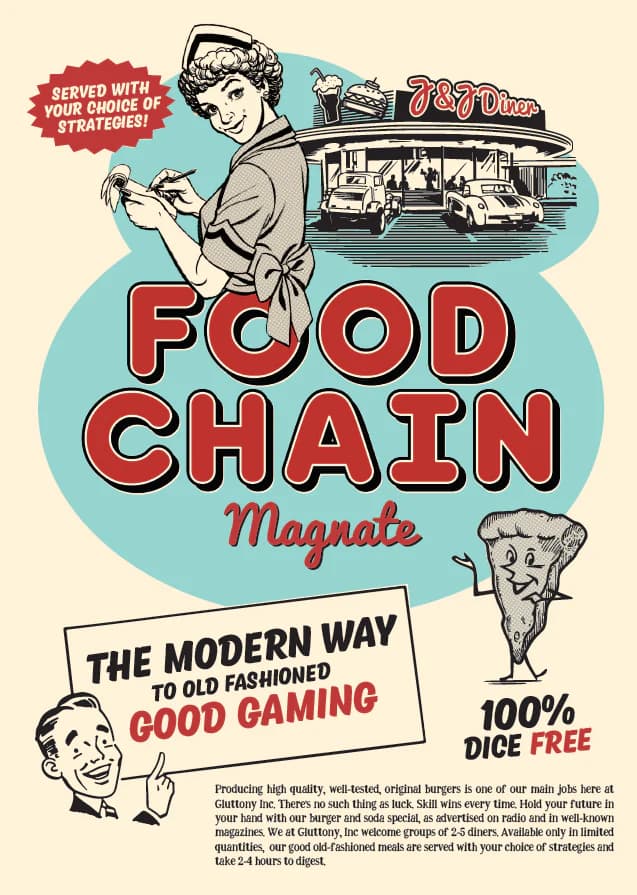
Food Chain Magnate is a strategic game where players take on the roles of entrepreneurs building their own food empires. The goal is to accumulate wealth and influence by creating a diverse range of products, managing resources, and making calculated business decisions.
The game plays out over several rounds, with each player starting from scratch and vying for dominance in the market. Players must balance short-term gains with long-term strategies, as they navigate the complexities of supply and demand, competition, and innovation.
One of the key mechanics in Food Chain Magnate is the concept of 'chains,' which represent the connections between different products and businesses. By creating strong chains, players can gain a competitive edge and increase their profits. However, this also means that they must be mindful of potential risks and disruptions to these chains.
Another important aspect of the game is the management of resources, including money, personnel, and production capacity. Players must carefully allocate their resources to meet the demands of their businesses, while also investing in research and development to stay ahead of the competition.
What sets Food Chain Magnate apart from other games is its unique blend of strategy and simulation. The game requires players to think critically about business decisions, market trends, and resource management, making it a challenging and engaging experience for fans of economic and strategic gameplay.
2-4 120m⚖️ 3.5

RANK #50
Underwater Cities is a strategic board game designed for 2-4 players, where each player takes on the role of an architect tasked with building and managing their own underwater city. The game's objective is to create a thriving metropolis by collecting resources, constructing buildings, and balancing the needs of your citizens. Players must carefully manage their resources, as the game features a dynamic resource system that changes over time.
2-4 60m⚖️ 3.5
RANK #51
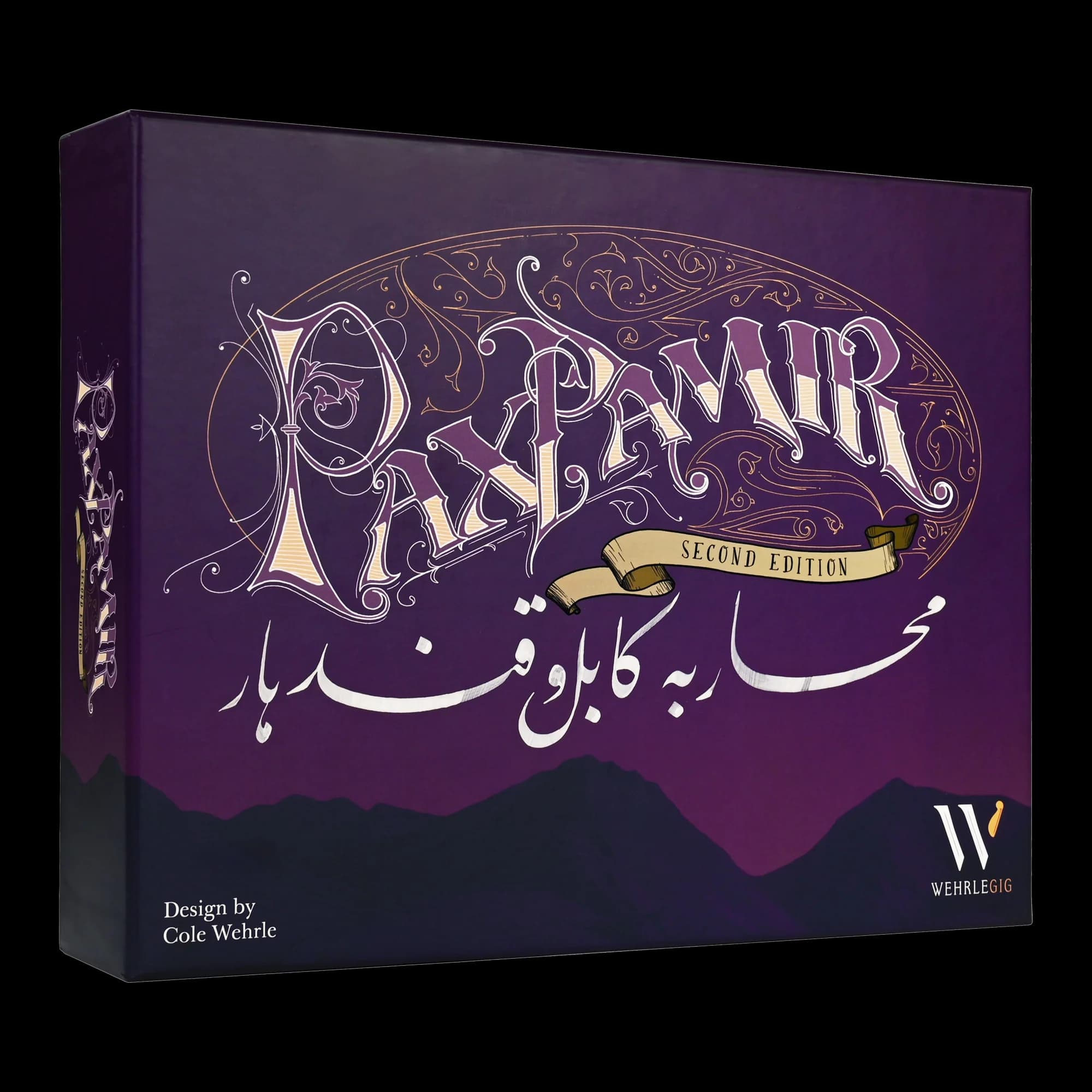
Pax Pamir: Second Edition is a strategic board game set in the mid-19th century, specifically during the First Anglo-Afghan War. Players take on the roles of British and Afghan leaders, navigating the complexities of diplomacy, politics, and warfare to achieve their objectives. The game's goal is to accumulate victory points by completing missions, influencing key events, and controlling territories.
Gameplay involves a combination of area control, resource management, and strategic planning. Players must balance their efforts between military conquests, diplomatic negotiations, and economic development. The game board features a modular design, with interlocking tiles representing the various regions of Afghanistan. Each player has a unique set of abilities and strengths, reflecting the historical figures they represent.
One of the key mechanics in Pax Pamir is the use of 'influence tokens,' which allow players to shape the course of events and sway the loyalty of Afghan tribes. Players must carefully manage their resources and make strategic decisions about when to engage in combat, negotiate with tribal leaders, or focus on economic development.
The game's theme and historical context are meticulously researched, providing a rich and immersive experience for players. The game's designers have clearly put significant effort into recreating the complexities of 19th-century politics and warfare, making Pax Pamir: Second Edition an engaging and challenging experience for fans of strategic board games.
2-4 90m⚖️ 3.0

RANK #52
Ticket to Ride Legacy: Legends of the West is a train-themed board game designed for 2-4 players. The game takes approximately ~60-90 minutes to play, making it a medium-length experience. In this game, players compete to build railroad routes across a map of North America by collecting and trading train cars. Each player has their own unique legacy track that evolves over the course of multiple games, offering a high level of replayability. The game features a modular board, with interlocking tiles representing different regions of the continent. Players must balance competing goals, such as building routes to connect cities or completing destination tickets. The game also includes a variety of challenges and events that can either hinder or help players in their quest for victory. One of the key mechanics is the use of legacy cards, which provide unique abilities and bonuses that players can earn over time. These cards can be used strategically to gain an advantage over other players or to overcome obstacles on the board. The game also includes a variety of train car types, each with its own unique abilities and requirements. Players must carefully manage their resources and make strategic decisions about which routes to build and when to take risks. Overall, Ticket to Ride Legacy: Legends of the West offers a fun and challenging experience for fans of train-themed games and legacy games alike.
2-4 60m⚖️ 3.5

RANK #55
Puerto Rico
2002Puerto Rico is widely celebrated as a pinnacle of the 'Eurogame' genre, a strategic masterpiece that has stood the test of time since its 2002 release. In this economic simulation, players assume the roles of colonial governors on the island of Puerto Rico during the age of sail. The ultimate objective is to accumulate the most victory points by building a prosperous and efficient colony. This is primarily achieved by cultivating valuable crops like corn, indigo, sugar, tobacco, and coffee; constructing influential buildings that grant special abilities; and shipping these goods back to the Old World. Players must carefully manage their resources, including doubloons (currency) and colonists (workers), to create a thriving economic engine that outpaces their rivals and cements their legacy as the most successful governor.
The game's revolutionary core mechanic is its 'variable phase order' system, often called 'role selection'. Each round, players take turns choosing one of seven roles, which then dictates the action that *all* players at the table will perform. The player who selected the role, however, receives a special privilege or bonus, adding a layer of tactical decision-making. These roles encompass the entire colonial economy: the Settler allows for new plantations; the Mayor brings in new colonists to work them; the Builder erects new structures; the Craftsman produces goods from active plantations; the Trader sells goods for doubloons; the Captain ships goods for victory points; and the Prospector provides a simple influx of cash. This creates a compelling loop where you must not only choose the action that benefits you most but also anticipate which roles your opponents need, potentially denying them a crucial action or piggybacking on a choice that will also advance your own strategy.
The enduring appeal of Puerto Rico lies in its remarkable balance of depth and elegance. There is very little randomness or luck involved; victory is almost always earned through superior long-term planning, shrewd tactical adjustments, and the ability to read your opponents' intentions. The high degree of player interaction, stemming directly from the role selection mechanism, ensures that no two games ever feel the same. Every decision to select a role has ripple effects across the table, creating a dynamic and constantly evolving puzzle. Players are forced to balance building their own economic engine with the need to time their shipping for maximum victory points, all while keeping an eye on the dwindling game-end resources. This tight, rewarding gameplay loop and its near-perfect design have cemented Puerto Rico's status as a foundational classic in the modern board gaming hobby.
3-5 120m⚖️ 3.3
RANK #57
Harmonies
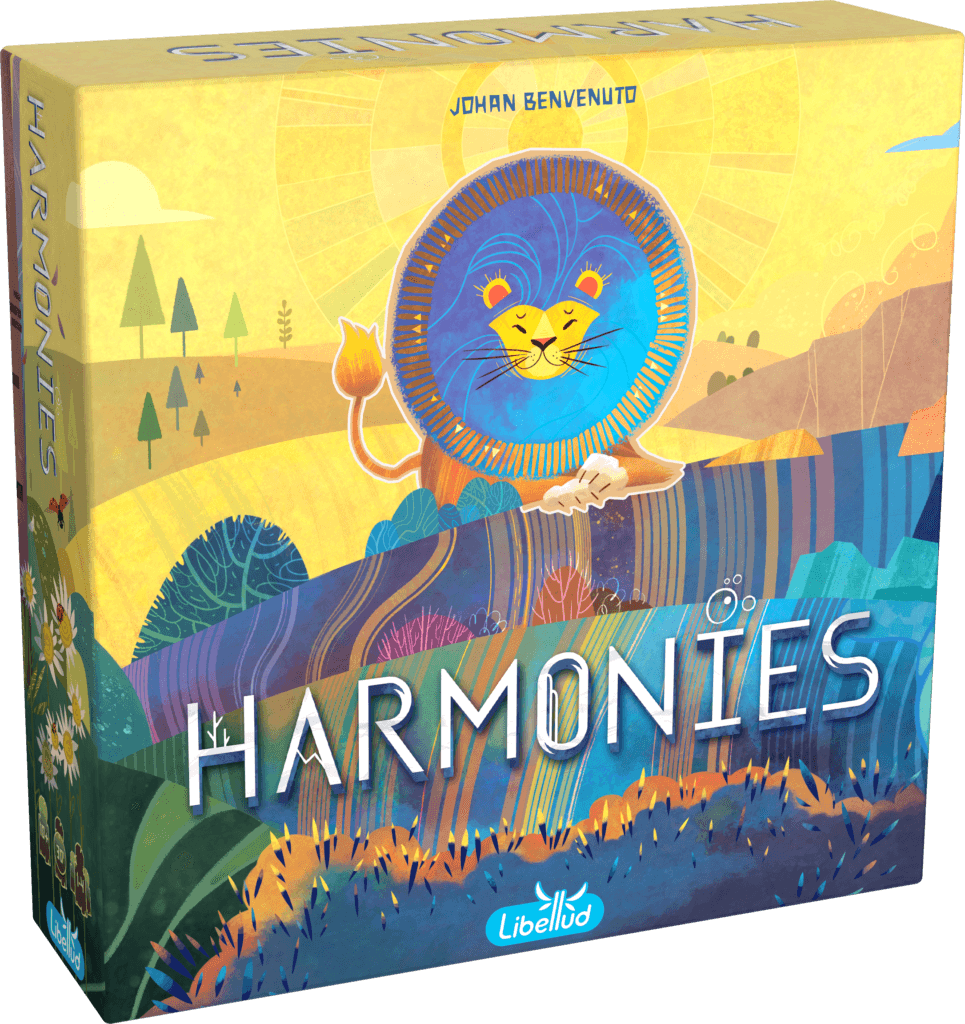
2024In Harmonies, players take on the role of nature spirits, tasked with creating vibrant and flourishing ecosystems. This visually stunning game invites you to craft a personal landscape, a miniature world filled with mountains, forests, rivers, and fields. The ultimate goal is to build habitats that are so inviting and well-balanced that they attract a diverse array of animal species. By carefully arranging natural elements into specific patterns, you earn victory points for the wildlife you successfully house. The player who creates the most harmonious and populous environment, demonstrating a deep connection to the natural world, will be declared the winner. It's a game of poetic construction and gentle strategy, where every piece placed contributes to a beautiful, three-dimensional diorama on your player board.
The gameplay loop is elegant and intuitive, centered around an open drafting mechanic. On your turn, you will select a group of three element tokens from a central market. These tokens represent different terrain types—water, trees, mountains, fields, and buildings. You must then place all three of these tokens onto your personal hexagonal grid. A key innovation in Harmonies is its verticality; tokens can be stacked on top of one another to create 3D features. For example, placing a green token on a brown one forms a tree, while stacking grey tokens creates towering mountain ranges. This adds a unique spatial puzzle to the tile-laying. In addition to placing tokens, you can claim animal cards from a shared display. Each card shows a specific habitat pattern required by that species. Once you successfully replicate that pattern on your board, you can place an animal cube onto your creation, scoring points and completing the card.
Harmonies has captured the hearts of players with its serene theme and engaging, puzzle-like gameplay. The act of building a tangible, 3D landscape is deeply satisfying, offering a strong sense of creation and accomplishment. While the rules are straightforward enough for families and newcomers to learn quickly, the game reveals layers of strategic depth. The decision of which tokens to draft and where to place them to optimally fulfill multiple animal cards at once presents a constant, rewarding challenge. The game also boasts significant replayability, thanks to a solo mode for individual play and an expert variant that introduces "Nature's Spirit" cards, which provide unique end-game scoring objectives. This blend of accessibility, strategic nuance, and beautiful production makes Harmonies a standout title for anyone who enjoys clever pattern-building and creating something beautiful on the tabletop.
1-4 45m⚖️ 1.9
BoxNo Cover Art
RANK #58
On Mars
2020On Mars is a strategic board game designed for 2-4 players, where each player takes on the role of an astronaut tasked with establishing a human settlement on the planet Mars. The game's primary objective is to be the first player to successfully establish their colony and earn the most points by completing various missions and tasks. Players must carefully manage their resources, including oxygen, food, and water, while also navigating the challenges of Martian terrain and unpredictable weather conditions.
2-4 m⚖️ 3.0