Family Games
Browse all Family board games in the Meeple Pulse database.
Styles
Themes
AbstractAdventureAncientAnimalsArtBusinessCard GameCo-operativeComic BookCooperativeCrimeEconomicEnvironmentalismExplorationFantasyHistoricalHorrorHumorIntrigueLiteraryMagicMarvelMedievalModernMuseumMysteryMythologyNatureNauticalPoliticalPress Your LuckSatireSci-FiSocial CommentarySocial InteractionSpaceSuperheroesThematicTravelWarWesternWord-Guessing
Mechanics
3D PlacementActingAction / DexterityAction DraftingAction Point AllowanceAction Point Allowance SystemAction Point SystemAction PointsAction ProgrammingAction QueueAction RetrievalAction SelectionAction/EventAlliancesAlternate ActivationApp-AssistedApp-DrivenArea ControlArea InfluenceArea MajorityArea Majority / InfluenceArea MovementArgumentationAsymmetricAsymmetric FactionsAsymmetric GameAsymmetric PowersAsymmetrical PowersAuction & BiddingAuction/BiddingAuctioningBag BuildingBettingBetting and BluffingBetting and WageringBetting and WagersBiddingBingoBlind BiddingBluffingCampaign / Battle Card DrivenCampaign / LegacyCampaign / Legacy GameCampaign / Mission-basedCampaign / ScenariosCampaign GameCampaign PlayCard DraftingCard DrawingCard DrivenCard Driven ActionCard Driven CombatCard Driven Dice AllocationCard Driven MovementCard ManagementCard PlayCard Play / Hand ManagementCard Play Conflict ResolutionCard SheddingCard-Driven MovementCharacter CreationCharacter ProgressionChit-Pull SystemCo-op PlayCo-operative GameCo-operative PlayCode-breakingCombat ResolutionCombo ChainCommand CardsCommodity SpeculationCommunication LimitsContract FulfillmentContractsCooperative GameCooperative GameplayCooperative PlayCooperative Trick-takingDebateDeck BuildingDeck ConstructionDeck, Bag, and Pool BuildingDeck-BuildingDeductionDexterityDice DraftingDice PlacementDice RollingDiplomatic InfluenceDraftingDynamic Battle SystemEnclosureEnd Game BonusesEngine BuildingEngine-BuildingEscape RoomEvent DrivenExplorationFarmingFlip and WriteFollowFollow ActionGrid CoverageGrid MovementHand ManagementHex-and-CounterHexagon GridHidden MovementHidden RolesI Cut You ChooseIncomeInfluence / Area MajorityLadder ClimbingLegacyLegacy ElementsLegacy GameLegacy SystemLimited CommunicationLine DrawingLine of SightMancalaMap MovementMarketMarket DraftingMarket ManipulationMarket MechanicMarket SpeculationMatchingMeasurement MovementMemoryMission ObjectivesModular BoardModular Board ConstructionMovement TemplatesMulti-Use CardsMulti-use CardsMultiple ScenariosMust FollowNarrative ChoiceNarrative Choice / ParagraphNegotiationNegotiation MechanicsNetwork & Route BuildingNetwork BuildingNetwork and Route BuildingOne vs ManyOne vs. ManyOpen DraftingPaper-and-PencilPartnershipsPattern BuildingPattern RecognitionPick-up and DeliverPlayer EliminationPlayer InteractionPlayer JudgePoint SaladPoint to Point MovementPolyominoesPush Your LuckPush-Your-LuckPuzzlePuzzle-LikePuzzle-SolvingRaceReal-TimeRecipe FulfillmentResource ManagementRole PlayingRole SelectionRoll / Spin and MoveRondelRoute BuildingRoute-BuildingRoute/Network BuildingSanity SystemScenario / Campaign PlayScenario / Mission / Campaign GameScenario / Mission FunctionSecret Unit DeploymentSemi-Cooperative GameSet CollectionSheddingSimulationSimultaneous ActionSimultaneous Action SelectionSimultaneous Hidden AllocationSocial DeductionSocial InteractionSolo / Solitaire GameSpace ExplorationStat Check / Skill CheckStock HoldingStorytellingStrategic PlanningTableau BuildingTactical Decision-MakingTake ThatTargeted CluesTeam PlayTeam-Based GameTeam-Based GuessingTeamworkTech TreesTech Trees / Tech TracksTechnology & Armament TracksTechnology TreeTension & Aggression TracksTile DraftingTile LayingTile PlacementTime TrackTime TravelTower DefenseTrack MovementTradingTrick-takingTug of WarTurn Order: PassTurn Order: Stat-BasedUnit PlacementVariable Phase OrderVariable Player PowersVariable Set-upVariable SetupVictory Point TracksVotingWord AssociationWord GameWord GuessingWord-GuessingWord-guessingWordplayWorker Placement
RANK #291
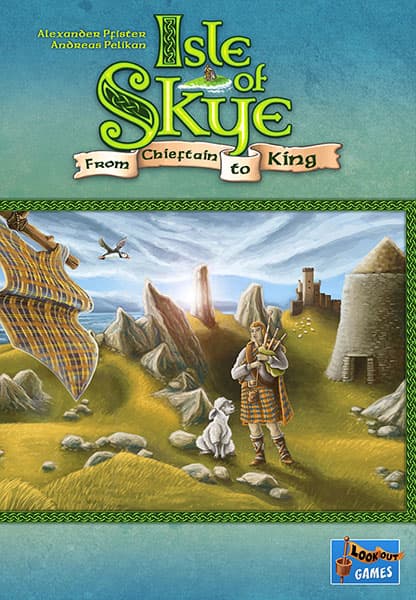
Isle of Skye: From Chieftain to King is a celebrated tile-placement and economic strategy game where players step into the shoes of ambitious clan leaders. Set against the rugged and beautiful backdrop of the Scottish Highlands, the ultimate objective is to expand your territory and accumulate the most victory points to become the rightful King of the Isle. Unlike many traditional tile-laying games, this title introduces a dynamic player-driven economy that ensures no two sessions feel the same. By strategically managing gold and territory, players must navigate a competitive landscape where every decision impacts both their own kingdom and the wealth of their opponents.
The heart of the game lies in its unique auction and pricing system. Each round, players draw three landscape tiles and secretly decide their fate behind a screen. One tile must be discarded using an 'Axe' token, while the remaining two are assigned a gold price from the player's personal reserve. This creates a fascinating risk-reward tension: pricing a tile too low makes it an easy target for rivals to purchase, while pricing it too high forces you to pay that exact amount to the bank if no one else buys it. Once prices are revealed, players take turns purchasing tiles from one another, with the remaining tiles being added to their own expanding kingdoms. Connectivity is crucial, as mountain, grass, and water edges must match perfectly. Whiskey barrels connected to the central castle via roads generate essential income, fueling future bids.
One of the most praised aspects of Isle of Skye is its variable scoring system. From a pool of sixteen different scoring tiles, only four are used in any given game, and their activation rotates through different rounds. This means players must constantly pivot their strategies—one game might reward large bodies of water, while the next focuses on the number of sheep or ships in your territory. The blend of a spatial puzzle with the cutthroat economic interaction of a price-setting auction makes it a standout 'connoisseur' level game that remains accessible to families. It offers deep strategic layers without overstaying its welcome, earning its place as a modern classic in the board gaming world.
2-5 45m⚖️ 2.3
RANK #624
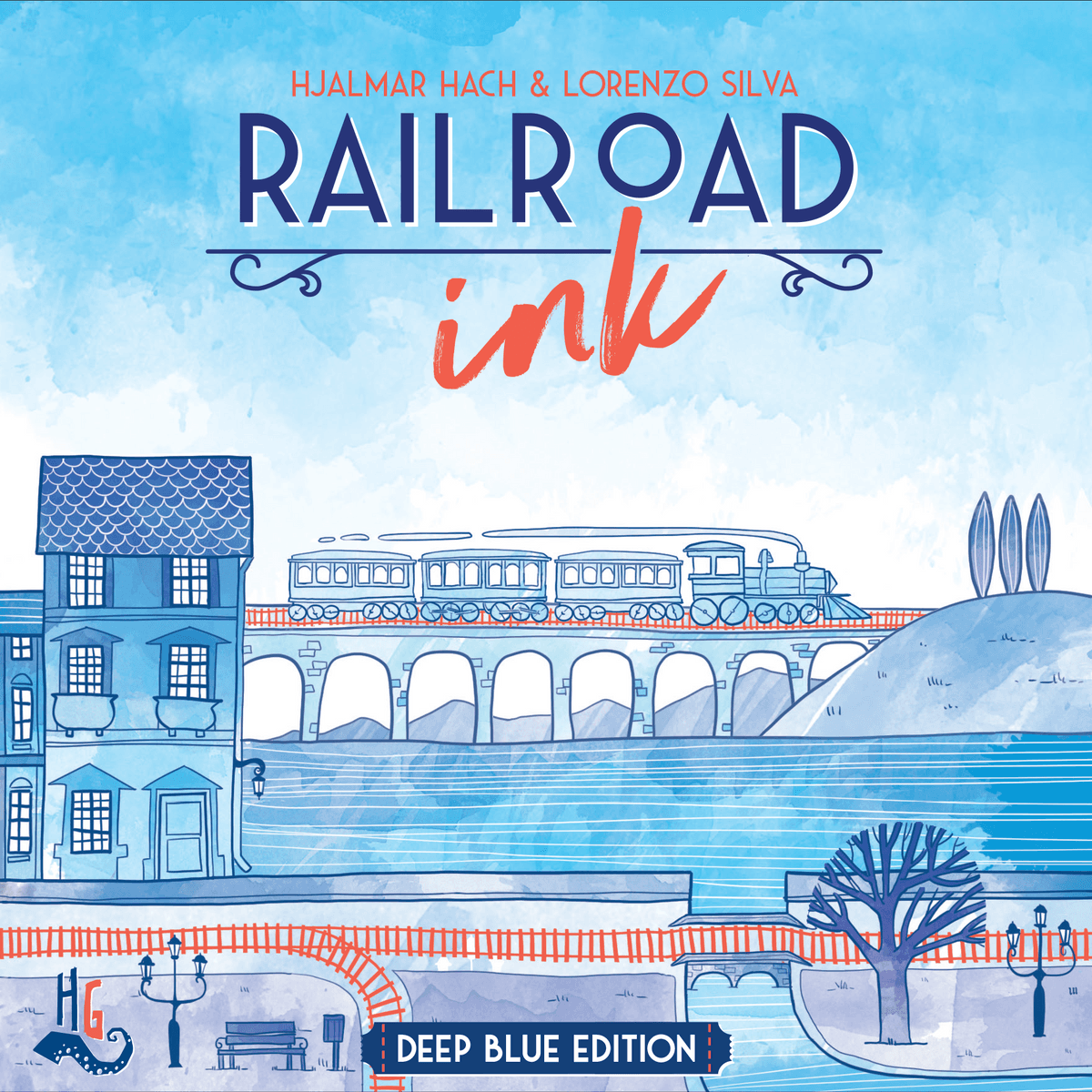
Railroad Ink: Deep Blue Edition is a captivating roll-and-write puzzle game where players strive to build the most efficient transportation network on their personal 7x7 grid. The core objective is to connect as many exits as possible around the perimeter of the board using highways and railways. Released as part of a series, the Deep Blue Edition specifically includes the River and Lake expansions, adding a serene but challenging aquatic twist to the land-based construction. Players compete to earn points by creating long routes, connecting exits, and filling the central squares of their map, all while avoiding incomplete paths that lead to point deductions at the end of the game.
Each round, a set of route dice is rolled, showing various configurations of straight roads, curved rails, or T-junctions. Every player must draw these specific results on their own dry-erase board simultaneously. The catch lies in the placement rules: new segments must connect to existing ones or to an exit. While everyone uses the same dice results, the diverging paths chosen by players quickly lead to unique map configurations. In addition to the standard dice, the Deep Blue Edition introduces expansion dice. Rivers add a separate network that cannot connect to roads or rails (except via a bridge) but offers high scoring potential, while Lakes allow for the creation of massive open water bodies that connect distant ports, maximizing network efficiency in a more fluid, non-linear way.
The appeal of Railroad Ink lies in its elegant simplicity paired with deep tactical decision-making. It is the quintessential 'coffee shop' game—portable, quick to play, and visually satisfying as your network grows. Unlike many competitive games, it features low player interaction, focusing instead on the individual puzzle of optimization. People love it because it rewards both careful long-term planning and the ability to adapt to the luck of the roll. The Deep Blue Edition is particularly praised for its calming theme and the way the water expansions introduce a layer of spatial complexity without bloating the ruleset. Whether played solo to beat a high score or in a large group setting where everyone shares the same dice, it offers a meditative yet mentally stimulating experience that keeps players coming back.
1-6 30m⚖️ 1.5

RANK #1,145
Point City
2023Point City is a streamlined card-drafting game that challenges players to architect a flourishing urban environment from the ground up. Serving as a spiritual successor to the popular Point Salad, this title elevates the experience by introducing more complex layers of engine-building and resource management. The primary objective is to accumulate the most victory points by strategically selecting cards from a dynamic market grid. Players must balance the acquisition of raw materials with the construction of civic structures, all while competing against others to secure the most lucrative developments for their growing cityscape.
The heart of the game lies in its unique dual-sided cards. One side represents basic resources—such as energy, industry, or ecology—while the flip side features a specific building with unique costs and scoring opportunities. On their turn, a player drafts two adjacent cards from a central four-by-four grid. If they take a resource, it is added to their pool; if they take a building, they must be able to pay the required resource cost using cards in their hand or permanent resources provided by previously constructed buildings. This engine building aspect is crucial, as every building constructed makes future projects easier to complete. As the grid is depleted, it is constantly replenished with new cards from the deck, ensuring that the market is always evolving and forcing players to adapt their strategies to the available options.
What makes Point City so compelling is its elegant blend of accessibility and depth. It retains the 'pick two' simplicity of its predecessor but adds a satisfying layer of progression that rewards long-term planning. The game is highly regarded for its fast-paced nature, typically wrapping up in under thirty minutes, making it an ideal choice for families or as a 'filler' for more dedicated gaming groups. Its vibrant artwork and intuitive iconography lower the barrier to entry, while the sheer variety of building combinations ensures high replayability. Fans of the genre appreciate the clever tension between taking a needed resource now or grabbing a powerful building before an opponent can. Ultimately, it offers a rewarding puzzle that feels both fresh and familiar, cementing its place as a modern staple in the card-drafting genre.
m⚖️ N/A
RANK #18,974
Yotei
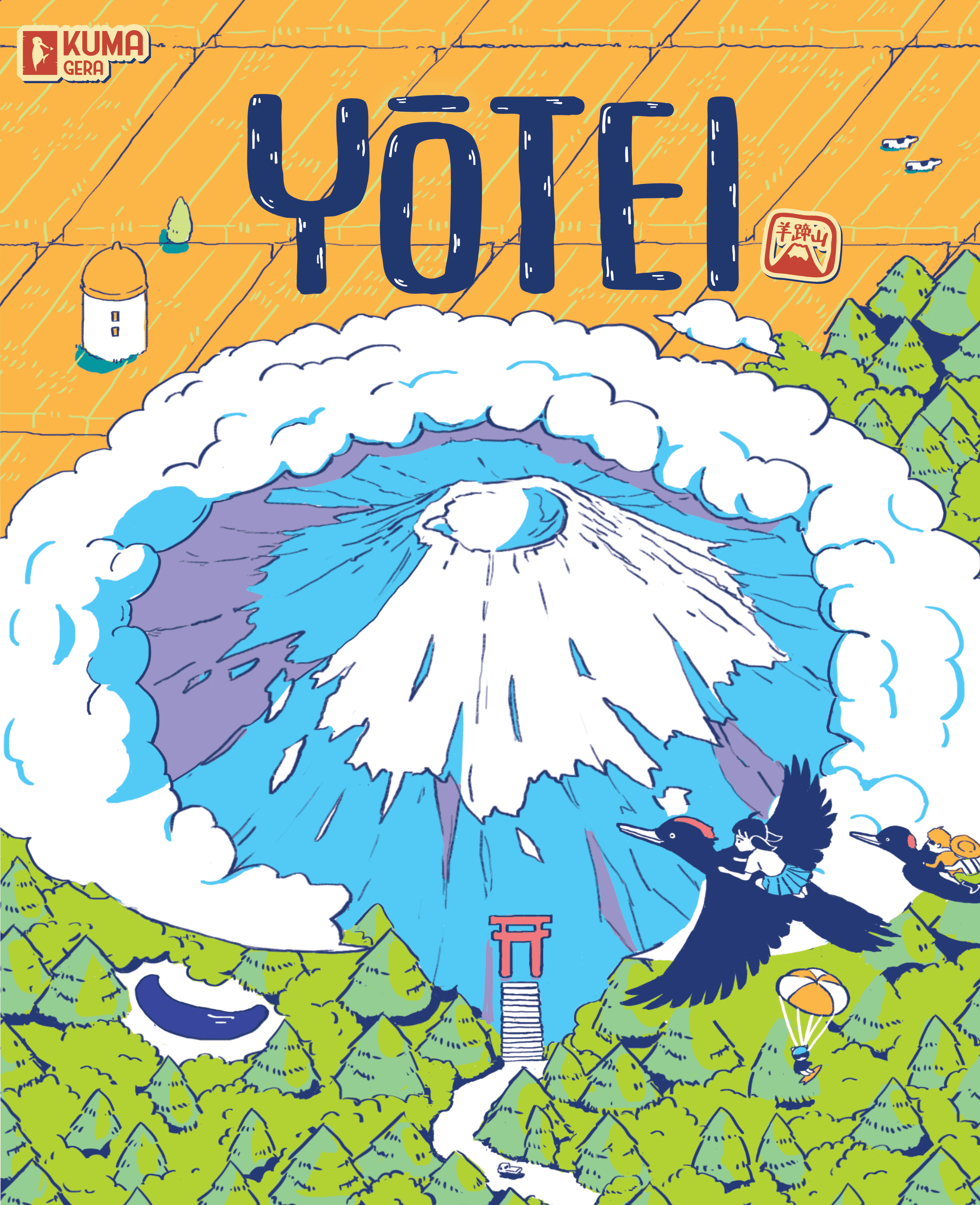
2025Set against the breathtaking backdrop of Mount Yotei in the snowy region of Hokkaido, Japan, 'Yotei' (2025) invites players to step into the roles of ambitious town developers. The primary objective is to construct the most charming, culturally rich Japanese village imaginable. Brimming with authentic local flavor, the game beautifully integrates regional staples such as steaming ramen bowls, tranquil hot springs, traditional shrines, and native wildlife. However, the true lifeblood of this picturesque community is potato farming. In a delightful thematic twist, potatoes serve as the central resource and currency, driving every aspect of your developing local economy as you strive to build the ultimate scenic destination.
At its core, 'Yotei' weaves together highly satisfying tableau and engine-building mechanics with clever worker placement. Players navigate a dynamic three-tiered central market consisting of Forests, Potatoes, and Vending Machines. By spending your hard-earned physical potato tokens, you can draft lower-tier cards that provide permanent icons and discounts, gradually establishing a robust economic engine that makes acquiring valuable higher-tier cards much easier. The action selection is driven by placing adorable, kawaii-style wooden character tokens onto specific spots. Placing a token allows you to claim a card, flip it over to utilize an alternative reward or block a rival, or draw from the unpredictable Mystery Card deck. The game also introduces a thrilling blind-bidding mechanism for highly sought-after market cards. Players secretly stash their potato bids into sealed physical boxes, creating moments of intense psychological bluffing before the big reveal during the round's Harvest Phase.
The experience shines because it perfectly balances accessible, family-friendly rules with surprising strategic depth and tactical player interaction. The inclusion of Mystery Cards injects a dash of take-that excitement, allowing players to freeze opponent's cards, force market reshuffles, or cunningly steal resources when least expected. The game races toward a climax, ending as soon as one developer manages to secure two top-tier Star cards, triggering a final tally of Charm Points represented by hearts on their completed tableau. Beyond the engaging gameplay loop, 'Yotei' is celebrated for its stunning visual presentation. Illustrator Maria Kato drew direct inspiration from real citizens, events, and landscapes of the Niseko region to create the game's captivating artwork. Furthermore, the physical production goes above and beyond by utilizing actual, sustainably sourced Hokkaido wood for its tokens, making the game a tactile joy that pays genuine homage to its beautiful real-world setting.
2-4 45m⚖️ 2.3

Step into the vibrant and meticulous world of bargello embroidery in "Threaded: A Game of Needles and Points." In this beautifully crafted game, players take on the role of passionate needlecraft artisans competing to establish the most renowned and successful studio. Your ultimate goal is to earn the most points by skillfully managing resources, completing stunning needlework projects, and fulfilling lucrative commissions. Through careful planning and a keen eye for color, you will transform simple threads into intricate canvases, building a legacy as the most celebrated stitcher in the community. The game invites you to immerse yourself in a unique, creative theme, blending the satisfaction of crafting with the challenge of strategic gameplay.
At its heart, "Threaded" is an accessible worker placement game. The central loop involves strategically dispatching your assistant-themed worker blocks to various shops around the board. Each location offers distinct advantages, primarily allowing you to gather thread cubes in a variety of colors. These threads are the essential resource you'll use to complete pattern cards and satisfy client commissions. A key strategic decision point arises constantly: should you patiently wait to collect the perfect assortment of colors for a high-value project, or should you adapt your plans and make do with the threads currently available? Beyond collecting threads, you can also visit artisans to acquire special equipment, enhancing your studio's capabilities and efficiency. A notable and whimsical mechanic is the "thread tower," a component that introduces an element of chance, simulating the delightful hunt for a bargain at the bottom of a craft basket.
"Threaded" distinguishes itself with its charming and underserved theme, bringing the art of bargello to the tabletop in an engaging way. Its mechanics are intentionally straightforward, making it an excellent gateway game for those new to worker placement or modern board games in general, while still offering enough tactical depth to keep experienced players engaged. The game's appeal is significantly enhanced by its beautiful aesthetic, brought to life by artist Maria Surducan. Perhaps its most unique feature is the inclusion of a physical mini bargello kit, which allows players to craft their own first-player marker. This clever addition creates a tangible connection to the game's theme, offering a memorable, hands-on experience that beautifully bridges the gap between the world of board games and the world of handicrafts. It's a game that celebrates creativity, strategic thinking, and the simple joy of making something beautiful.
2-5 45m⚖️ 1.9
BoxNo Cover Art
Pakutto Puritto is a unique board game that challenges players to collect and trade resources while navigating the complexities of a dynamic market. The game's goal is to be the first player to accumulate a set amount of points by strategically managing their resources and making smart trades. Players take turns collecting resources, which are represented by colorful tokens, and then use these resources to purchase goods from the market. However, the market is constantly changing, with new goods being added and old ones being removed, forcing players to adapt their strategies on the fly.
As players collect resources and trade them in for goods, they must also keep an eye on the game's dynamic market mechanism. The market is driven by a series of cards that are drawn at the start of each round, which determine what goods are available and at what prices. Players can use their resources to purchase these goods, but they must be strategic about when to buy and sell, as the market can shift rapidly.
One of the key mechanics in Pakutto Puritto is the concept of 'packs' and 'picks.' Players can collect packs of resources, which contain a set number of tokens, or make picks from the market, which allows them to acquire specific goods at a discounted price. However, these packs and picks come with risks, as players may end up with unwanted resources or overpay for their chosen goods.
Despite its complexities, Pakutto Puritto is a game that appeals to players of all levels due to its intuitive gameplay and high replayability. The game's dynamic market mechanism ensures that no two games are ever the same, making it a great choice for players who enjoy strategic thinking and adaptability.
m⚖️ 3.0
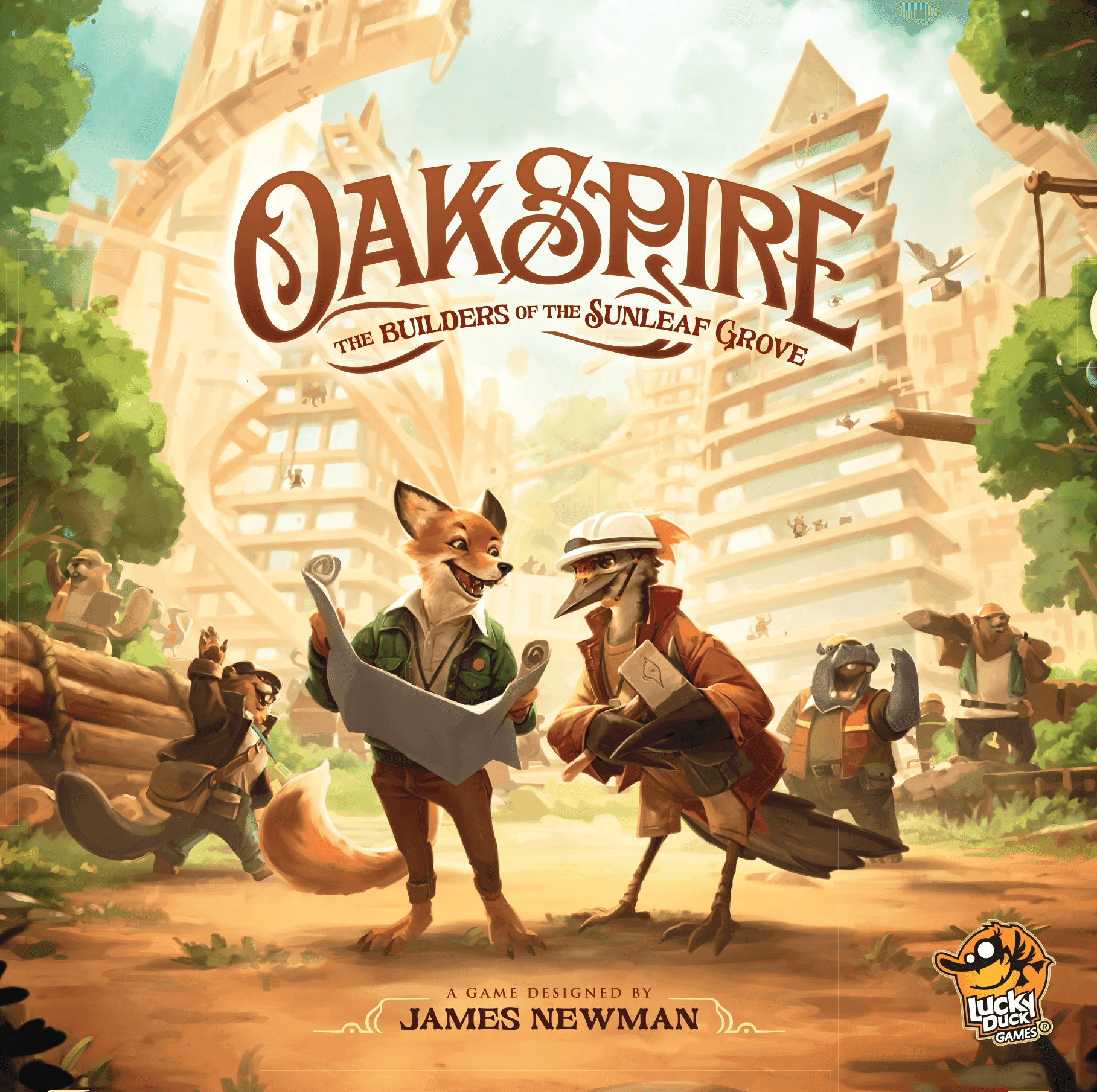
Welcome to the bustling forest metropolis of Sunleaf Grove, where ambitious anthropomorphic critters are taking charge of the local booming real estate market. In 'Oakspire: The Builders of the Sunleaf Grove', players step into the paws of charming animal architects tasked with running competing construction firms. Your primary objective in this cozy, medium-light tabletop experience is to erect magnificent, eco-friendly wooden structures that will serve the expanding woodland community. As the head of your very own building company, you must carefully manage resources, draft the perfect blueprints, and ultimately construct the most valuable architectural wonders before your rivals do, aiming to accumulate the highest number of Victory Points by the time the game concludes.
At the heart of the gameplay is a brilliantly streamlined single-resource economy centered entirely around wood. Players utilize an ingenious assembly line system on their personal player boards to process raw materials. Reclaimed wood floats down the river, gradually being refined into standard logs, then sturdy planks, and finally exquisite decorative panels. Every turn consists of taking exactly three actions, which might involve gathering materials from the market, upgrading your wood along the assembly line, or fulfilling project blueprints. A standout feature is the multi-use card system; every card can be tucked for raw materials, discarded to trigger special company upgrades, or committed to your tableau as a future blueprint. Built projects grant immediate points alongside ongoing passive benefits, end-game scoring conditions, or unique actions to fuel your engine. After the active player finishes, the rightmost market card enters the 'Community' slot, allowing off-turn players to snag a bonus action.
'Oakspire: The Builders of the Sunleaf Grove' has quickly captivated the board gaming community thanks to its beautifully serene puzzle-like flow and incredibly charming presentation. The asymmetric player powers—starting with a unique specialist card that can be leveled up for powerful abilities—add layers of replayability and strategic depth to the accessible core loop. Fans adore the satisfying progression of watching raw wood slowly transform into intricate buildings, combined with the incredibly smooth scaling of playtime, which clocks in at around twenty minutes per player. With over one hundred unique illustrations by Rio Sabda bringing the woodland realm to life, it masterfully strikes the perfect balance between approachability for families and engaging engine-building combos that strategy enthusiasts deeply appreciate.
1-5 60m⚖️ 2.3
Showing 13 to 19 of 19 games