Wargame Games
Browse all Wargame board games in the Meeple Pulse database.
Styles
Themes
AbstractAdventureAncientAnimalsArtBusinessCard GameCo-operativeComic BookCooperativeCrimeEconomicEnvironmentalismExplorationFantasyHistoricalHorrorHumorIntrigueLiteraryMagicMarvelMedievalModernMuseumMysteryMythologyNatureNauticalPoliticalPress Your LuckSatireSci-FiSocial CommentarySocial InteractionSpaceSuperheroesThematicTravelWarWesternWord-Guessing
Mechanics
3D PlacementActingAction / DexterityAction DraftingAction Point AllowanceAction Point Allowance SystemAction Point SystemAction PointsAction ProgrammingAction QueueAction RetrievalAction SelectionAction/EventAlliancesAlternate ActivationApp-AssistedApp-DrivenArea ControlArea InfluenceArea MajorityArea Majority / InfluenceArea MovementArgumentationAsymmetricAsymmetric FactionsAsymmetric GameAsymmetric PowersAsymmetrical PowersAuction & BiddingAuction/BiddingAuctioningBag BuildingBettingBetting and BluffingBetting and WageringBetting and WagersBiddingBingoBlind BiddingBluffingCampaign / Battle Card DrivenCampaign / LegacyCampaign / Legacy GameCampaign / Mission-basedCampaign / ScenariosCampaign GameCampaign PlayCard DraftingCard DrawingCard DrivenCard Driven ActionCard Driven CombatCard Driven Dice AllocationCard Driven MovementCard ManagementCard PlayCard Play / Hand ManagementCard Play Conflict ResolutionCard SheddingCard-Driven MovementCharacter CreationCharacter ProgressionChit-Pull SystemCo-op PlayCo-operative GameCo-operative PlayCode-breakingCombat ResolutionCombo ChainCommand CardsCommodity SpeculationCommunication LimitsContract FulfillmentContractsCooperative GameCooperative GameplayCooperative PlayCooperative Trick-takingDebateDeck BuildingDeck ConstructionDeck, Bag, and Pool BuildingDeck-BuildingDeductionDexterityDice DraftingDice PlacementDice RollingDiplomatic InfluenceDraftingDynamic Battle SystemEnclosureEnd Game BonusesEngine BuildingEngine-BuildingEscape RoomEvent DrivenExplorationFarmingFlip and WriteFollowFollow ActionGrid CoverageGrid MovementHand ManagementHex-and-CounterHexagon GridHidden MovementHidden RolesI Cut You ChooseIncomeInfluence / Area MajorityLadder ClimbingLegacyLegacy ElementsLegacy GameLegacy SystemLimited CommunicationLine DrawingLine of SightMancalaMap MovementMarketMarket DraftingMarket ManipulationMarket MechanicMarket SpeculationMatchingMeasurement MovementMemoryMission ObjectivesModular BoardModular Board ConstructionMovement TemplatesMulti-Use CardsMulti-use CardsMultiple ScenariosMust FollowNarrative ChoiceNarrative Choice / ParagraphNegotiationNegotiation MechanicsNetwork & Route BuildingNetwork BuildingNetwork and Route BuildingOne vs ManyOne vs. ManyOpen DraftingPaper-and-PencilPartnershipsPattern BuildingPattern RecognitionPick-up and DeliverPlayer EliminationPlayer InteractionPlayer JudgePoint SaladPoint to Point MovementPolyominoesPush Your LuckPush-Your-LuckPuzzlePuzzle-LikePuzzle-SolvingRaceReal-TimeRecipe FulfillmentResource ManagementRole PlayingRole SelectionRoll / Spin and MoveRondelRoute BuildingRoute-BuildingRoute/Network BuildingSanity SystemScenario / Campaign PlayScenario / Mission / Campaign GameScenario / Mission FunctionSecret Unit DeploymentSemi-Cooperative GameSet CollectionSheddingSimulationSimultaneous ActionSimultaneous Action SelectionSimultaneous Hidden AllocationSocial DeductionSocial InteractionSolo / Solitaire GameSpace ExplorationStat Check / Skill CheckStock HoldingStorytellingStrategic PlanningTableau BuildingTactical Decision-MakingTake ThatTargeted CluesTeam PlayTeam-Based GameTeam-Based GuessingTeamworkTech TreesTech Trees / Tech TracksTechnology & Armament TracksTechnology TreeTension & Aggression TracksTile DraftingTile LayingTile PlacementTime TrackTime TravelTower DefenseTrack MovementTradingTrick-takingTug of WarTurn Order: PassTurn Order: Stat-BasedUnit PlacementVariable Phase OrderVariable Player PowersVariable Set-upVariable SetupVictory Point TracksVotingWord AssociationWord GameWord GuessingWord-GuessingWord-guessingWordplayWorker Placement
RANK #14
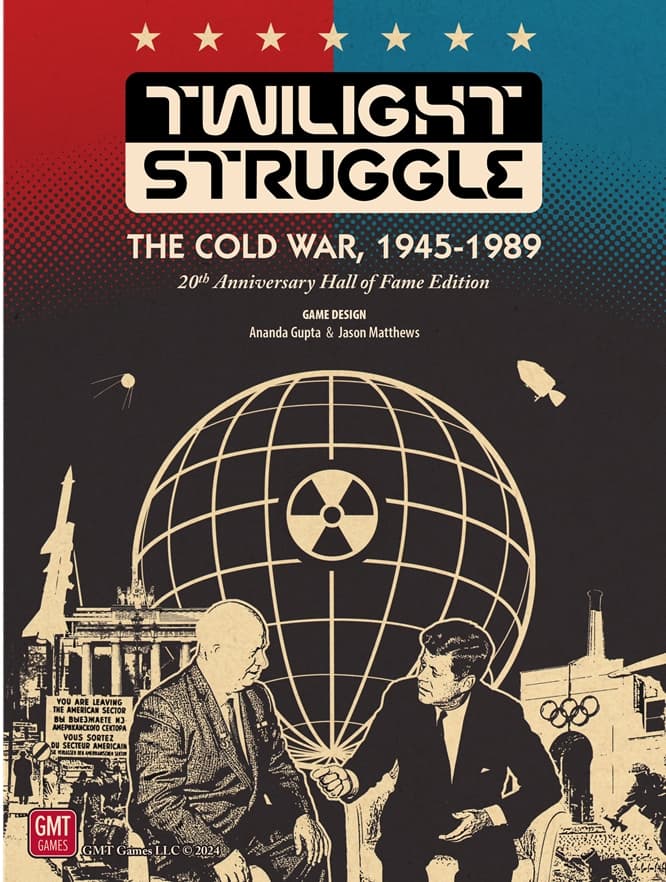
Twilight Struggle is a monumental two-player board game that simulates the entire 45-year span of the Cold War. One player assumes the role of the United States and the other the Soviet Union, as they clash in a global struggle for ideological supremacy and geopolitical influence. The goal is not direct military conflict, but rather a tense battle of wits to spread your superpower's presence across the world map. Players score Victory Points by establishing control over key countries and regions. Victory can be achieved immediately by accumulating 20 VP, by fulfilling a special condition like controlling Europe when its scoring card is played, or by forcing your opponent to trigger a global thermonuclear war.
The game's engine is driven by a deck of cards, each representing a significant historical event from the era. These cards present the game's central, agonizing dilemma: each can be used either for its 'Operations Points' value or for its event text. Operations Points are the currency for actions like placing influence markers, attempting coups to destabilize enemy-controlled nations, or making realignment rolls to reduce opponent influence. However, if a player uses an opponent's event card for its Operations Points, the event itself still occurs. This forces players to constantly mitigate disasters and make difficult choices about which fires to start and which to put out. This core mechanic is layered with a DEFCON track that measures nuclear tension; too many aggressive moves can lower the DEFCON level, and if it ever reaches 1, the player whose turn it is loses instantly.
Twilight Struggle is revered for its incredible strategic depth and historical immersion, masterfully weaving its theme into every mechanic. The constant brinkmanship, where a single misstep could lead to nuclear annihilation, creates a palpable tension that lasts from the first turn to the last. The dual-use card system is frequently cited as a work of design genius, ensuring that every hand of cards presents a new and challenging puzzle. It is a demanding and complex game, but one that rewards dedicated players with a deeply satisfying and unforgettable strategic experience, solidifying its reputation as one of the greatest two-player games ever created.
2 180m⚖️ 3.6
RANK #51
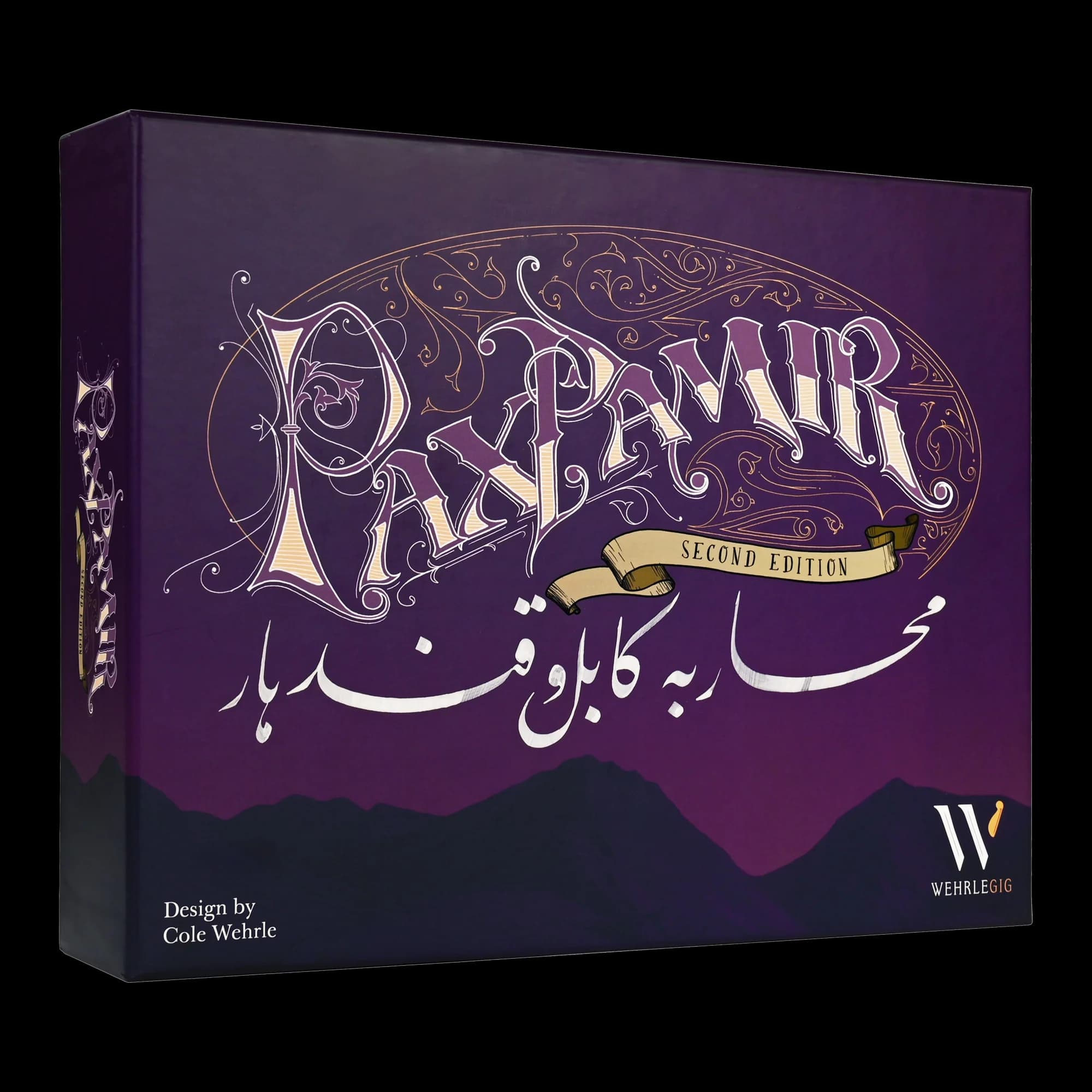
Pax Pamir: Second Edition is a strategic board game set in the mid-19th century, specifically during the First Anglo-Afghan War. Players take on the roles of British and Afghan leaders, navigating the complexities of diplomacy, politics, and warfare to achieve their objectives. The game's goal is to accumulate victory points by completing missions, influencing key events, and controlling territories.
Gameplay involves a combination of area control, resource management, and strategic planning. Players must balance their efforts between military conquests, diplomatic negotiations, and economic development. The game board features a modular design, with interlocking tiles representing the various regions of Afghanistan. Each player has a unique set of abilities and strengths, reflecting the historical figures they represent.
One of the key mechanics in Pax Pamir is the use of 'influence tokens,' which allow players to shape the course of events and sway the loyalty of Afghan tribes. Players must carefully manage their resources and make strategic decisions about when to engage in combat, negotiate with tribal leaders, or focus on economic development.
The game's theme and historical context are meticulously researched, providing a rich and immersive experience for players. The game's designers have clearly put significant effort into recreating the complexities of 19th-century politics and warfare, making Pax Pamir: Second Edition an engaging and challenging experience for fans of strategic board games.
2-4 90m⚖️ 3.0
RANK #181
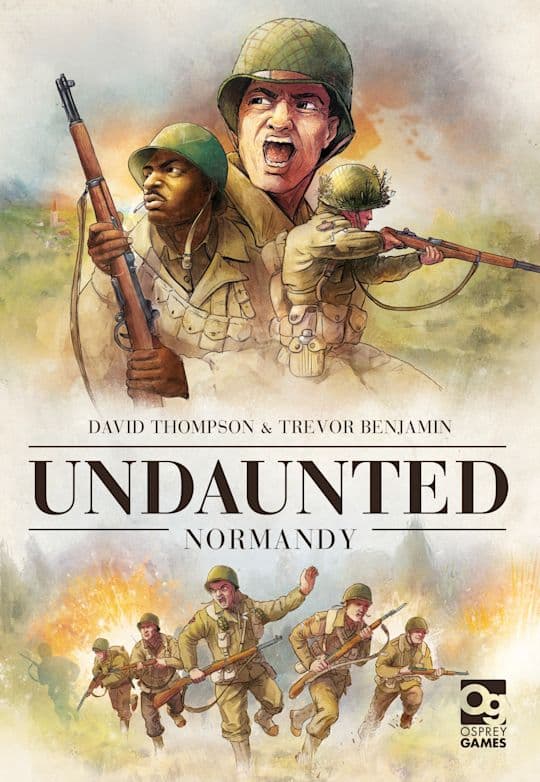
Embark on a perilous journey through the battle-scarred landscapes of Normandy in 'Undaunted: Normandy', a strategic board game that challenges players to navigate the complexities of war. This cooperative game for 1-4 players requires teamwork and tactical prowess as players take on the roles of Allied soldiers, working together to complete objectives and overcome the German army's defenses. Each player has their own unique abilities and strengths, which must be leveraged in conjunction with those of their fellow soldiers to achieve victory. The game features a modular board, representing the ever-changing landscape of Normandy, and a deck of cards that simulate the unpredictable nature of war. Players will need to make tough decisions about resource allocation, unit deployment, and risk management as they strive to complete their objectives and secure key locations. With its immersive theme, challenging gameplay, and high replayability, 'Undaunted: Normandy' is an unforgettable experience for fans of strategic board games and history enthusiasts alike.
As players navigate the treacherous terrain, they will encounter a variety of challenges, from intense firefights to stealthy reconnaissance missions. The game's mechanics are designed to simulate the uncertainty and chaos of war, requiring players to think critically and adapt quickly to changing circumstances. With each playthrough, the game offers a unique experience, as the modular board and card deck ensure that no two games are ever the same.
One of the key features of 'Undaunted: Normandy' is its focus on cooperative gameplay. Players must work together seamlessly, sharing resources and expertise to overcome the challenges they face. This requires excellent communication and teamwork skills, as players need to coordinate their efforts and make strategic decisions in real-time. The game's design encourages collaboration and mutual support, making it an excellent choice for groups of friends or family members who enjoy working together.
In addition to its cooperative gameplay, 'Undaunted: Normandy' also offers a high level of replayability. With multiple scenarios and objectives to complete, players can experience the game in different ways each time they play. The game's modular board and card deck ensure that no two games are ever the same, providing a fresh challenge with every playthrough.
Overall, 'Undaunted: Normandy' is an excellent choice for fans of strategic board games and history enthusiasts. Its immersive theme, challenging gameplay, and high replayability make it an unforgettable experience that will keep players coming back for more.
m⚖️ N/A
RANK #218
Memoir '44
2004Memoir '44 invites players to step into the role of commanders during the pivotal moments of World War II. Created by esteemed designer Richard Borg, this historically-themed board game, published by Days of Wonder, offers a streamlined and accessible entry into the wargaming genre. Players recreate iconic battles from the D-Day landings and other significant engagements of the war. The primary goal is to be the first to achieve a predetermined number of Victory Medals. These medals are typically awarded for eliminating enemy units from the hexagonal battlefield, but specific scenarios often introduce unique objectives, such as capturing and holding key terrain features or breaking through enemy lines, which also grant these crucial tokens of success. The game successfully abstracts the complexities of war into a fast-paced and engaging system, making historical conflict both approachable and exciting.
At the heart of Memoir '44 lies the innovative "Commands & Colors" game system, which elegantly blends strategy with an element of chance. A player's turn is driven by the playing of a single Command Card from their hand. These cards dictate which units can be activated and, crucially, in which of the three distinct sections of the board—left flank, center, or right flank—those orders can be given. Once a card is played, the player orders their chosen units, which can be infantry, armor, or artillery, to move and/or engage in combat. Combat is resolved through a quick and intuitive dice roll, using custom dice whose symbols determine hits, force retreats, or result in misses. The terrain itself is a critical tactical element, with hills, forests, and towns providing defensive cover, impeding movement, and blocking line of sight, forcing commanders to carefully consider their positioning and approach. After all actions are completed, the player draws a new Command Card, concluding their turn and setting the stage for their opponent's response.
The enduring appeal of Memoir '44 stems from its masterful balance of tactical depth and straightforward gameplay. It serves as a perfect 'gateway' wargame, welcoming players who might be intimidated by more complex simulations while still offering satisfying strategic decisions for veteran gamers. The scenario-driven design provides immense replayability; with over a dozen historical scenarios in the base game alone, each with a unique map layout, force composition, and victory conditions, no two games feel quite the same. The combination of strategic card management—knowing when to play a powerful card or when to hold back—and the luck inherent in dice rolls and card draws creates a constant and engaging tension. It brilliantly captures the narrative and drama of a WWII skirmish, delivering a complete and compelling experience in about an hour, securing its place as a classic in the world of historical board gaming.
2-8 45m⚖️ 2.0
RANK #229
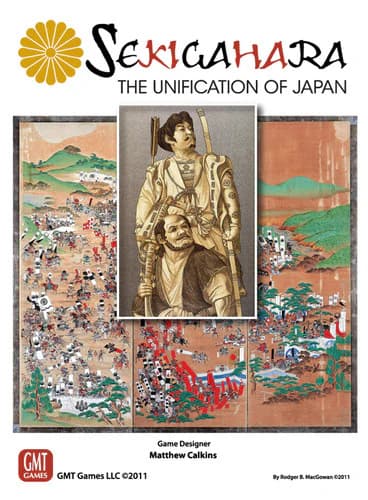
Sekigahara: The Unification of Japan transports two players back to the year 1600, placing them at the heart of a pivotal seven-week campaign that determined the nation's destiny. One player assumes command of Tokugawa Ieyasu's forces, while the other leads the armies of Ishida Mitsunari. The ultimate goal is to achieve supremacy and unify Japan under a single banner. Victory can be claimed in two ways: through a decisive military triumph by eliminating the opposing leader in battle, or by demonstrating superior strategic control at the end of the seventh week. The player who commands the most castles and valuable resource locations when the campaign concludes will be declared the winner, securing their place in history. This dual victory condition ensures that the conflict remains tense and dynamic from the first week to the last.
At its core, Sekigahara is a masterful blend of strategy and suspense, driven by a card-based system and the iconic 'fog of war' created by wooden blocks. These blocks represent armies, but their specific identity and strength remain hidden from the opponent, forcing players to rely on deduction, feints, and careful reconnaissance. You can see the size of an approaching force, but not its composition, creating palpable tension with every maneuver. Every action, from marching armies across the map to engaging in combat, requires the expenditure of cards from a player's unique deck. Each deck represents the various clans loyal to their cause. This creates a challenging resource management puzzle: do you spend cards to achieve a superior board position, or conserve them for the inevitable, decisive battles to come?
The game's combat system is a highlight, foregoing dice entirely in favor of a clever and thematic test of command. When armies clash, players commit their blocks to the fight, but a unit only contributes its strength if the player can play a matching clan card from their hand. An army, no matter how large, is rendered ineffective if its commander lacks the cards to inspire them to fight. This system emphasizes timing, bluffing, and shrewd hand management. Adding another layer of historical flavor are the 'loyalty challenge' cards, which allow players to attempt to sway an opponent's units to their side, reflecting the fragile and shifting allegiances of the period. Sekigahara is lauded for being an accessible entry into the wargaming hobby without sacrificing the tactical depth and high replayability that veteran strategists crave, making it a timeless classic.
2 180m⚖️ 2.8
RANK #248
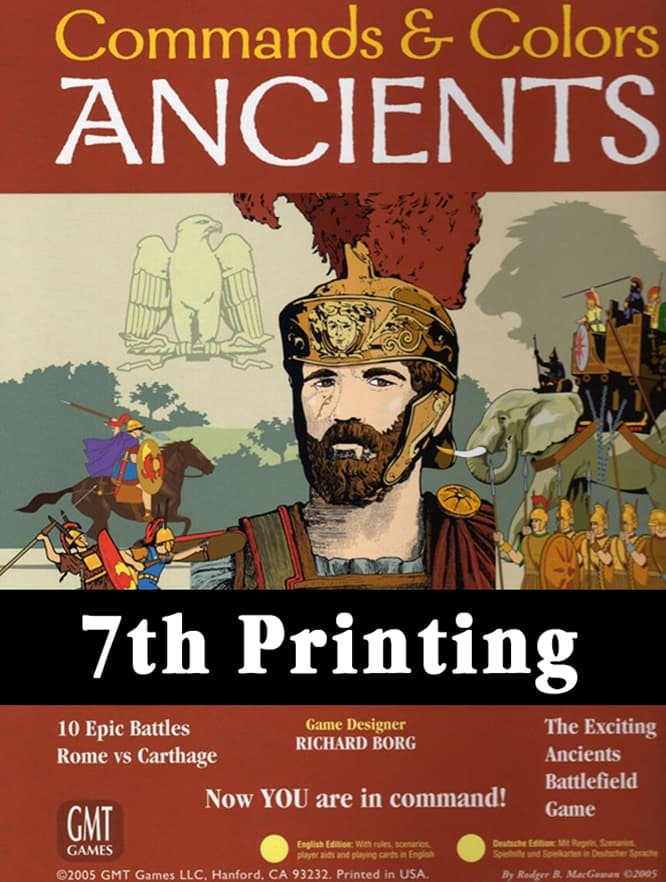
Commands & Colors: Ancients stands as a landmark title in historical wargaming, masterfully designed by the renowned Richard Borg. The game transports players back to the age of classical warfare, with the core set focusing on the titanic struggles between the Roman Republic and its rival, Carthage. It utilizes Borg's celebrated "Commands & Colors" system, which is lauded for its elegance and accessibility. The goal of the game is straightforward yet challenging: be the first player to accumulate a specific number of Victory Banners. These crucial banners are typically won by eliminating enemy units from the hexagonal battlefield or by achieving unique tactical objectives dictated by the chosen historical scenario, effectively capturing the key turning points and goals of ancient battles.
The gameplay is propelled by a unique card-driven mechanic that simulates the fog of war and the difficulties of command and control in large-scale battles. The board is divided into three distinct sections: a left flank, a center, and a right flank. On their turn, a player selects and plays a single Command Card from their hand. This card dictates which units can be ordered and in which of the three sectors they can operate, meaning a player may not always be able to activate the troops they most wish to. After issuing orders, units may move and then engage in combat. Battles are resolved quickly through the roll of custom dice, featuring symbols that determine hits, retreats, and other outcomes, ensuring a dynamic and fast-paced experience. Leaders are also a critical element, attaching to units to bolster their attacks and rally them from retreats.
What makes Commands & Colors: Ancients a beloved classic is its brilliant balance of strategic depth and streamlined play. It serves as a perfect entry point for newcomers to the wargaming hobby, offering intuitive rules that are easy to grasp. At the same time, it provides a deeply rewarding and nuanced strategic puzzle that continues to challenge veteran grognards. The Command Card system is the game's centerpiece, forcing players to adapt their strategies on the fly and make the most of the opportunities presented. This blend of luck and skill ensures that every game is a unique and memorable narrative of ancient conflict, cementing its reputation as a masterpiece of historical game design.
2 60m⚖️ 2.8
RANK #277
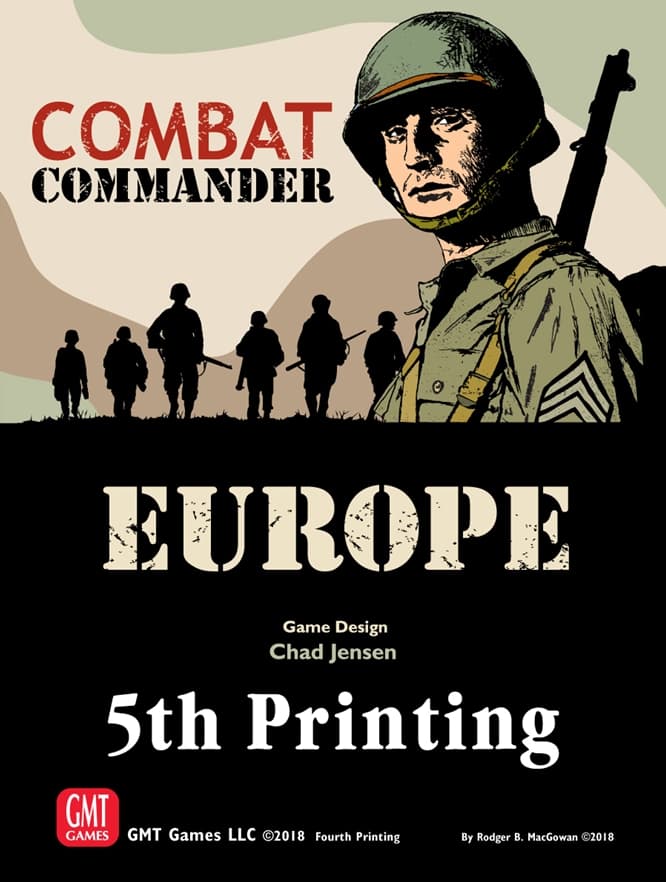
Combat Commander: Europe is an acclaimed squad-level tactical wargame that immerses players in the intense infantry clashes of the European Theater during World War II. Widely celebrated as a design triumph, the game challenges commanders to outmaneuver their opponents using a dynamic mix of traditional hex-and-counter positioning and an unpredictable card-driven engine. Over the course of the game, combatants vie for supremacy by eliminating enemy forces, securing vital battlefield objectives, and maneuvering their troops off the opponent's map edge. With various scenarios covering diverse engagements, players must navigate intricate tactical puzzles across beautifully detailed paper maps representing everything from dense hedgerows to contested towns.
Abandoning traditional dice altogether, the heart of the experience lies within the asymmetrical Fate Decks assigned to the Axis, American, or Russian factions. These multi-purpose decks dictate every aspect of the simulation. Players draw and play cards to issue vital orders such as moving rifle squads, firing light mortars, or digging into defensive positions. Furthermore, the variable phase order system ensures that turns are incredibly fluid rather than strictly rigid. Opponents can play reaction cards from their hands to disrupt a meticulously planned advance, perhaps laying down devastating opportunity fire as infantry units cross open terrain. Even the essential combat resolutions and morale checks are handled by revealing the top card of the deck to check its printed values, seamlessly blending statistical probability with hand management.
The true magic of this masterpiece is how elegantly it simulates the fog of war without resorting to overly burdensome rulesets found in older, heavier simulations. A poor draw of cards organically replicates the chaos of real battlefields—representing broken supply lines, communication failures, or troops pinned down under heavy suppression. In addition, the decks contain built-in event triggers that can suddenly unleash unexpected occurrences like sniper fire or vital reinforcements, keeping both commanders constantly on their toes. Thanks to its random scenario generator and tense sudden-death ending conditions, the replayability is virtually limitless, ensuring that no two firefights ever unfold in exactly the same way.
2 120m⚖️ 3.8
RANK #1,031
Up Front
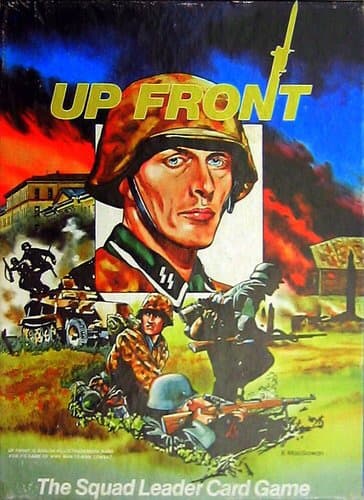
1983Up Front, released in 1983 by Avalon Hill, is a revolutionary tactical card game that simulates small-unit infantry combat during World War II. Widely regarded as the card-game equivalent of the legendary 'Squad Leader' series, it abandons the traditional hex-and-counter map board in favor of a dynamic system of terrain and action cards. The game's primary goal is to lead your squad to victory by completing specific scenario objectives, which range from seizing strategic terrain to forcing an enemy retreat by breaking their morale. By focusing on the 'friction of war' and the immediate tactical decisions of a squad leader, the game provides a visceral experience where the chaos of the battlefield is constantly felt through the cards in your hand.
The gameplay is defined by its unique 'Relative Range' system and card-driven mechanics. Players manage several squads of soldiers, each represented by individual personality cards that track their weapons and status. Instead of moving miniatures across a map, players play terrain cards to represent their troops' current cover and distance from the enemy. The Action Deck is the heart of the game; it dictates everything from firing and movement to morale checks and smoke screens. This system creates a fog of war where players must adapt to the hand they are dealt, simulating the limited communications and unpredictable nature of actual combat. Because players cannot always find the 'perfect' terrain or have the right 'Fire' card at the right moment, the game rewards those who can manage risk and react quickly to a shifting tactical landscape.
Fans of the game praise Up Front for its depth, speed, and incredible replayability. Unlike heavy board wargames that can take hours to set up and play, a session of Up Front can often be completed in under an hour, making it an ideal choice for competitive tournament play or casual skirmishes. Its legacy in the hobby is significant, as it is often cited as a pioneer of the Card Driven Game (CDG) genre. The lack of a board is not a drawback but a feature that allows for infinite tactical permutations, as the 'battlefield' is constantly being built and destroyed by the players themselves. It remains a beloved classic for its ability to generate high-stakes narrative tension and realistic military challenges without the need for complex geometric calculations or massive tabletop footprints.
1-2 60m⚖️ 3.4

RANK #1,127
Conflict of Heroes: Awakening the Bear! – Russia 1941-42 plunges players into the brutal, tactical squad-level combat of the Eastern Front during the initial German invasion of the Soviet Union. As the inaugural title in the acclaimed Conflict of Heroes series, this game is celebrated for its historical fidelity and engaging system. Players take command of either German or Soviet forces, maneuvering individual infantry squads, machine gun teams, and tanks across modular, geomorphic map boards. The goal is not simply to eliminate the enemy but to achieve specific objectives outlined in one of the game's many scenarios, which range from desperate holding actions to bold armored assaults. Success hinges on careful planning, effective use of terrain for cover, and exploiting the unique strengths and weaknesses of your units in the face of a determined opponent.
The game's design revolutionized tactical wargaming by abandoning the rigid 'I Go, You Go' turn sequence for a far more dynamic and fluid system. Each unit begins a round with a full complement of Action Points (APs), typically seven. A player activates one unit at a time, spending its APs to perform actions like moving or firing. Once that unit's activation is complete, it is marked as 'spent' for the round, even if it has APs remaining. This forces difficult choices about which units to activate and when. Crucially, this system is highly interactive; an enemy unit that is fired upon may have the opportunity to spend its own APs to fire back immediately, creating a tense, reactive battlefield. This core engine is supplemented by Command Action Points (CAPs) and special action cards, which grant players powerful abilities and tactical flexibility to influence the tide of battle.
Awakening the Bear! is lauded for its remarkable ability to be both accessible to newcomers and deeply rewarding for veteran wargamers. Its programmed learning system, presented through a 'learn-as-you-play' rulebook, allows players to grasp the fundamentals and start their first scenario within minutes. Yet, beneath this simple entry point lies a game of profound tactical depth, where every decision about positioning, line of sight, and action economy is critical. The dynamic activation system creates a compelling narrative and a constant sense of engagement, eliminating downtime and keeping both players invested in every move. This elegant balance of accessibility, strategic depth, and historical flavor has cemented its status as a modern classic in the wargaming genre.
2-4 90m⚖️ 3.2
RANK #1,201
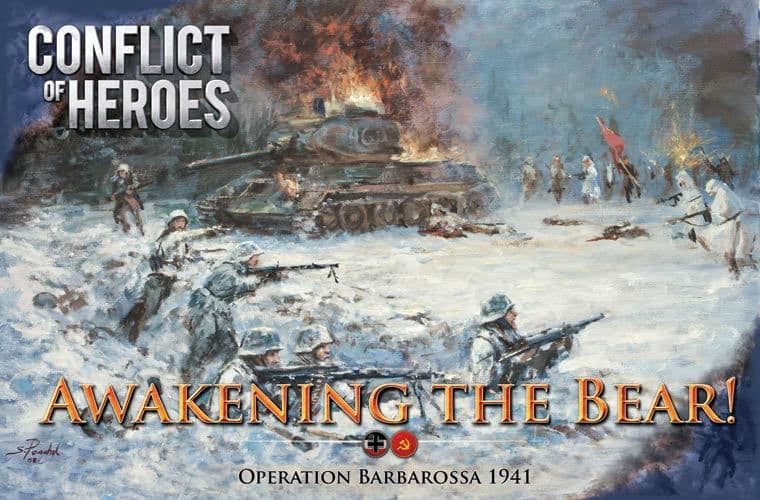
Dive into the pivotal moments of World War II with Conflict of Heroes: Awakening the Bear! (Second Edition), a tactical wargame simulating the German invasion of the Soviet Union in 1941. This game places you in command of platoon and squad-level forces, where individual counters represent infantry squads, crewed weapon teams, and armored tanks. Each scenario, called a "Firefight," presents a unique historical engagement with specific objectives, forces, and turn limits. Your goal is to outmaneuver your opponent, secure strategic objectives, and eliminate enemy units to accumulate more victory points by the end of the mission, thereby rewriting a small slice of history on the Eastern Front.
The game distinguishes itself with a dynamic and streamlined ruleset that eliminates the intimidating charts common to many wargames. Gameplay revolves around an elegant Action Point (AP) system, where each unit has a set number of points to spend on actions like moving, firing, or seeking cover. Instead of long phases, players engage in a rapid, alternating activation sequence, activating a single unit to perform its actions before passing the initiative immediately back to their opponent. This creates a tense, fast-paced rhythm with zero downtime. Combat is resolved quickly by rolling dice and comparing attack values to defense values, while modular map boards create varied terrain for each battle. Furthermore, a hand of Action and Command cards introduces an element of surprise, allowing for special maneuvers or unexpected reinforcements.
Awakening the Bear! is celebrated for successfully bridging the gap between deep, historical simulation and accessible, modern game design. Its publisher's promise of "No Charts!" and the ability to "teach a new player in under 5 minutes" makes it a widely recommended gateway into the wargaming hobby. While simple to learn, the game offers immense tactical depth and replayability through its numerous scenarios and modular setup. The quick-fire, back-and-forth activation system keeps both players constantly engaged, forcing them to make critical decisions with every move. This combination of historical fidelity, strategic challenge, and ease of entry has earned it critical acclaim and a dedicated following among both wargaming veterans and newcomers alike.
2-4 120m⚖️ 3.2
BoxNo Cover Art
RANK #2,863
Bringing the frenetic energy of the critically acclaimed real-time strategy video game to the tabletop, the 'Company of Heroes' board game offers a masterful blend of miniature skirmishes and resource-driven warfare. Officially licensed by SEGA and Relic Entertainment, this World War II simulation challenges commanders to secure victory through tactical brilliance. Players aim to either dominate the battlefield by accumulating enough Victory Points through holding strategic map locations or achieve an outright Annihilation victory by pushing their forces across the terrain to demolish the enemy headquarters. It captures the thrilling duality of macro-level economic management and micro-level squad tactics.
Gameplay revolves around an elegant, map-based economic system where territorial control is paramount. Rather than relying on traditional, complex Combat Results Tables, the game utilizes a streamlined Action Point system. Players take turns spending action cubes to maneuver units, seize control points, and harvest vital resources like Manpower, Munitions, and Fuel. These resources fund an escalating war effort, allowing commanders to construct base buildings, unlock advanced tech trees, and deploy specialized infantry alongside formidable light and heavy vehicles. Combat is resolved using a custom dice-driven engine that heavily rewards spatial positioning. Tactical depth emerges from utilizing three-dimensional building cover, managing line of sight, navigating the fog of war, and executing flanking maneuvers to strike the vulnerable rear armor of enemy tanks.
The widespread appeal of 'Company of Heroes' lies in its phenomenal ability to recreate the dynamic pacing of its digital counterpart without getting bogged down by excessive rules overhead. Fans praise the seamless integration of resource generation with visceral tactical combat, creating a deeply rewarding learning curve. The inclusion of unique Commander loadouts provides endless strategic variety, allowing players to customize their faction with specialized units and powerful, single-use operational abilities. Furthermore, the robust system is incredibly versatile, scaling gracefully from a tense solo or two-player duel up to massive, cinematic team battles accommodating up to eight players. It successfully bridges the gap between accessible, lighter wargames and deep, heavy simulations, delivering a captivating tabletop experience.
1-8 90m⚖️ 3.4
RANK #3,247
Bolt Action
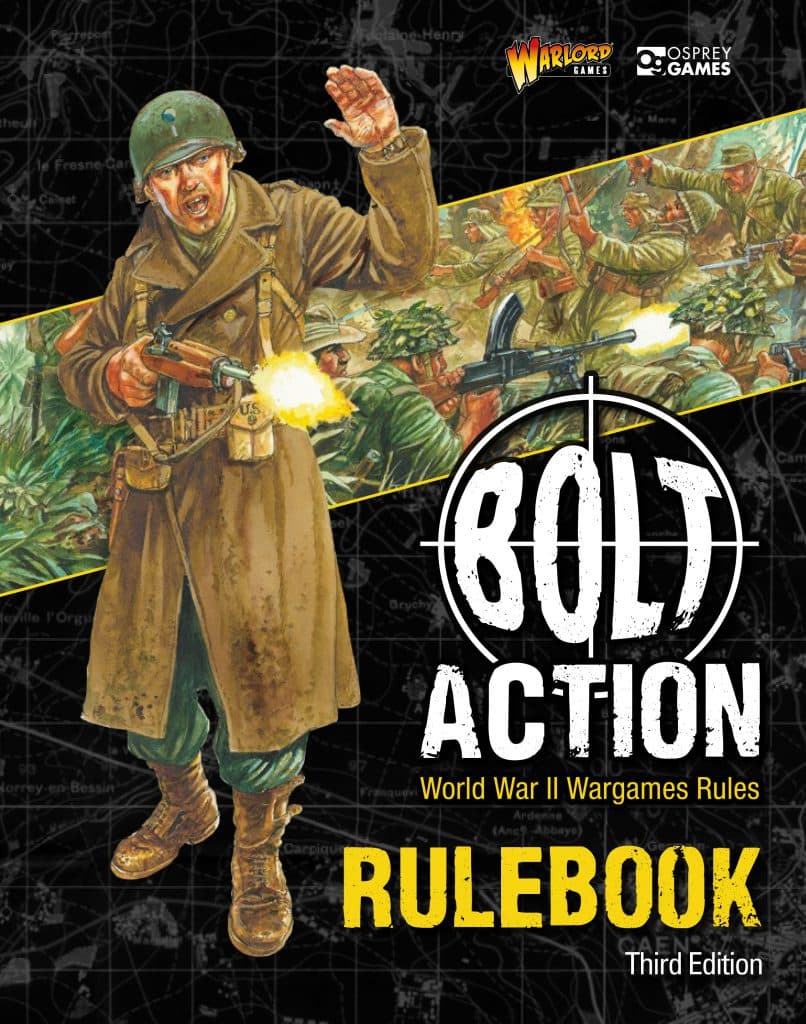
2012Bolt Action plunges players directly into the heart of World War II, offering a comprehensive and engaging tabletop wargame experience. Played with 28mm scale miniatures, the game challenges commanders to assemble, deploy, and lead their forces to victory across the iconic battlefields of the 20th century's greatest conflict. Players construct their armies, whether they represent the Axis or Allied powers, using a flexible points-based system, typically building a force of around 1000 points consisting of infantry squads, support weapons, and armored vehicles. The ultimate goal is to outmaneuver and outfight your opponent, achieving scenario-specific objectives that range from capturing key positions to eliminating enemy units, all while managing the morale and effectiveness of your troops under the stress of combat.
The gameplay of Bolt Action is defined by its innovative and dynamic activation system. Instead of a traditional I-go-you-go turn structure, the game uses a set of "order dice." At the beginning of each turn, one die corresponding to every unit on the board is placed into a bag. Players then draw dice blindly one by one; the color of the die determines which player gets to activate a unit, creating an unpredictable and tense sequence of play that keeps both sides constantly involved. Once a unit is chosen, its commander can issue one of six orders—from a cautious 'Advance' to move and shoot, to a desperate 'Run' for cover, or a strategic 'Ambush' to lie in wait. Combat is resolved through straightforward D6 rolls, modified by factors like cover, range, and unit skill, while mechanics for pinning and morale add a crucial layer of psychological warfare, simulating the suppressive effects of enemy fire.
What sets Bolt Action apart and has earned it a dedicated global community is its masterful balance between historical authenticity and accessible, fast-paced gameplay. Designed by industry veterans Alessio Cavatore and Rick Priestley, the rules are intuitive enough for newcomers to grasp quickly, yet offer the tactical depth and nuance that seasoned wargamers demand. The unique order die mechanic is widely praised for eliminating player downtime and injecting a compelling 'fog of war' element into every turn, as commanders must constantly adapt their plans to a fluctuating battlefield initiative. The game is less a rigid simulation and more a cinematic wargame, focusing on fun and engaging decision-making over complex charts and minutiae. Supported by a vast and ever-expanding range of high-quality miniatures and supplements from Warlord Games, Bolt Action provides an incredible sandbox for hobbyists to recreate their favorite historical engagements and forge their own narratives of WWII heroism.
2-4 120m⚖️ 2.9
Showing 1 to 12 of 29 games