Thematic Games
Browse all Thematic board games in the Meeple Pulse database.
Styles
Themes
AbstractAdventureAncientAnimalsArtBusinessCard GameCo-operativeComic BookCooperativeCrimeEconomicEnvironmentalismExplorationFantasyHistoricalHorrorHumorIntrigueLiteraryMagicMarvelMedievalModernMuseumMysteryMythologyNatureNauticalPoliticalPress Your LuckSatireSci-FiSocial CommentarySocial InteractionSpaceSuperheroesThematicTravelWarWesternWord-Guessing
Mechanics
3D PlacementActingAction / DexterityAction DraftingAction Point AllowanceAction Point Allowance SystemAction Point SystemAction PointsAction ProgrammingAction QueueAction RetrievalAction SelectionAction/EventAlliancesAlternate ActivationApp-AssistedApp-DrivenArea ControlArea InfluenceArea MajorityArea Majority / InfluenceArea MovementArgumentationAsymmetricAsymmetric FactionsAsymmetric GameAsymmetric PowersAsymmetrical PowersAuction & BiddingAuction/BiddingAuctioningBag BuildingBettingBetting and BluffingBetting and WageringBetting and WagersBiddingBingoBlind BiddingBluffingCampaign / Battle Card DrivenCampaign / LegacyCampaign / Legacy GameCampaign / Mission-basedCampaign / ScenariosCampaign GameCampaign PlayCard DraftingCard DrawingCard DrivenCard Driven ActionCard Driven CombatCard Driven Dice AllocationCard Driven MovementCard ManagementCard PlayCard Play / Hand ManagementCard Play Conflict ResolutionCard SheddingCard-Driven MovementCharacter CreationCharacter ProgressionChit-Pull SystemCo-op PlayCo-operative GameCo-operative PlayCode-breakingCombat ResolutionCombo ChainCommand CardsCommodity SpeculationCommunication LimitsContract FulfillmentContractsCooperative GameCooperative GameplayCooperative PlayCooperative Trick-takingDebateDeck BuildingDeck ConstructionDeck, Bag, and Pool BuildingDeck-BuildingDeductionDexterityDice DraftingDice PlacementDice RollingDiplomatic InfluenceDraftingDynamic Battle SystemEnclosureEnd Game BonusesEngine BuildingEngine-BuildingEscape RoomEvent DrivenExplorationFarmingFlip and WriteFollowFollow ActionGrid CoverageGrid MovementHand ManagementHex-and-CounterHexagon GridHidden MovementHidden RolesI Cut You ChooseIncomeInfluence / Area MajorityLadder ClimbingLegacyLegacy ElementsLegacy GameLegacy SystemLimited CommunicationLine DrawingLine of SightMancalaMap MovementMarketMarket DraftingMarket ManipulationMarket MechanicMarket SpeculationMatchingMeasurement MovementMemoryMission ObjectivesModular BoardModular Board ConstructionMovement TemplatesMulti-Use CardsMulti-use CardsMultiple ScenariosMust FollowNarrative ChoiceNarrative Choice / ParagraphNegotiationNegotiation MechanicsNetwork & Route BuildingNetwork BuildingNetwork and Route BuildingOne vs ManyOne vs. ManyOpen DraftingPaper-and-PencilPartnershipsPattern BuildingPattern RecognitionPick-up and DeliverPlayer EliminationPlayer InteractionPlayer JudgePoint SaladPoint to Point MovementPolyominoesPush Your LuckPush-Your-LuckPuzzlePuzzle-LikePuzzle-SolvingRaceReal-TimeRecipe FulfillmentResource ManagementRole PlayingRole SelectionRoll / Spin and MoveRondelRoute BuildingRoute-BuildingRoute/Network BuildingSanity SystemScenario / Campaign PlayScenario / Mission / Campaign GameScenario / Mission FunctionSecret Unit DeploymentSemi-Cooperative GameSet CollectionSheddingSimulationSimultaneous ActionSimultaneous Action SelectionSimultaneous Hidden AllocationSocial DeductionSocial InteractionSolo / Solitaire GameSpace ExplorationStat Check / Skill CheckStock HoldingStorytellingStrategic PlanningTableau BuildingTactical Decision-MakingTake ThatTargeted CluesTeam PlayTeam-Based GameTeam-Based GuessingTeamworkTech TreesTech Trees / Tech TracksTechnology & Armament TracksTechnology TreeTension & Aggression TracksTile DraftingTile LayingTile PlacementTime TrackTime TravelTower DefenseTrack MovementTradingTrick-takingTug of WarTurn Order: PassTurn Order: Stat-BasedUnit PlacementVariable Phase OrderVariable Player PowersVariable Set-upVariable SetupVictory Point TracksVotingWord AssociationWord GameWord GuessingWord-GuessingWord-guessingWordplayWorker Placement
RANK #14
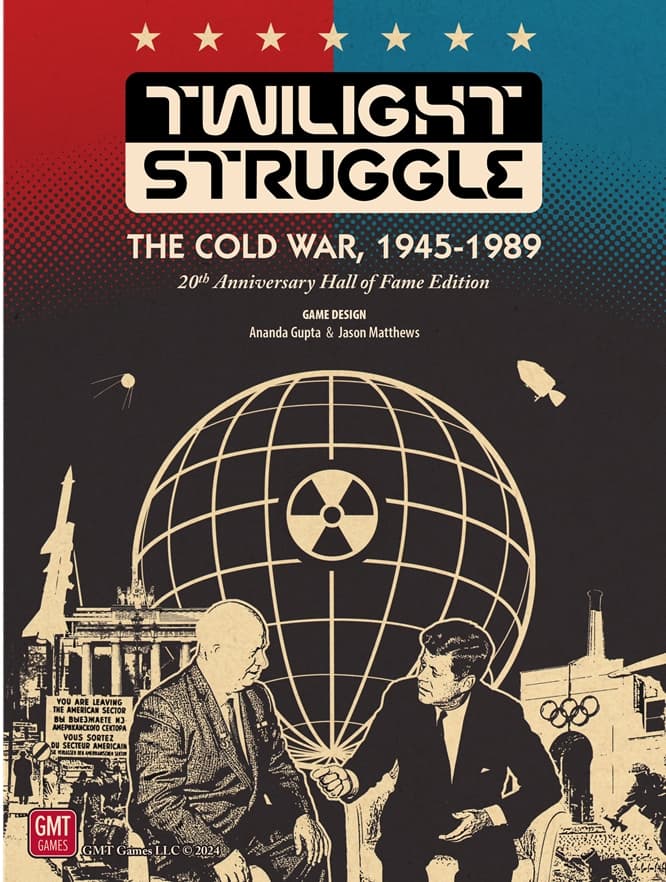
Twilight Struggle is a monumental two-player board game that simulates the entire 45-year span of the Cold War. One player assumes the role of the United States and the other the Soviet Union, as they clash in a global struggle for ideological supremacy and geopolitical influence. The goal is not direct military conflict, but rather a tense battle of wits to spread your superpower's presence across the world map. Players score Victory Points by establishing control over key countries and regions. Victory can be achieved immediately by accumulating 20 VP, by fulfilling a special condition like controlling Europe when its scoring card is played, or by forcing your opponent to trigger a global thermonuclear war.
The game's engine is driven by a deck of cards, each representing a significant historical event from the era. These cards present the game's central, agonizing dilemma: each can be used either for its 'Operations Points' value or for its event text. Operations Points are the currency for actions like placing influence markers, attempting coups to destabilize enemy-controlled nations, or making realignment rolls to reduce opponent influence. However, if a player uses an opponent's event card for its Operations Points, the event itself still occurs. This forces players to constantly mitigate disasters and make difficult choices about which fires to start and which to put out. This core mechanic is layered with a DEFCON track that measures nuclear tension; too many aggressive moves can lower the DEFCON level, and if it ever reaches 1, the player whose turn it is loses instantly.
Twilight Struggle is revered for its incredible strategic depth and historical immersion, masterfully weaving its theme into every mechanic. The constant brinkmanship, where a single misstep could lead to nuclear annihilation, creates a palpable tension that lasts from the first turn to the last. The dual-use card system is frequently cited as a work of design genius, ensuring that every hand of cards presents a new and challenging puzzle. It is a demanding and complex game, but one that rewards dedicated players with a deeply satisfying and unforgettable strategic experience, solidifying its reputation as one of the greatest two-player games ever created.
2 180m⚖️ 3.6
RANK #16
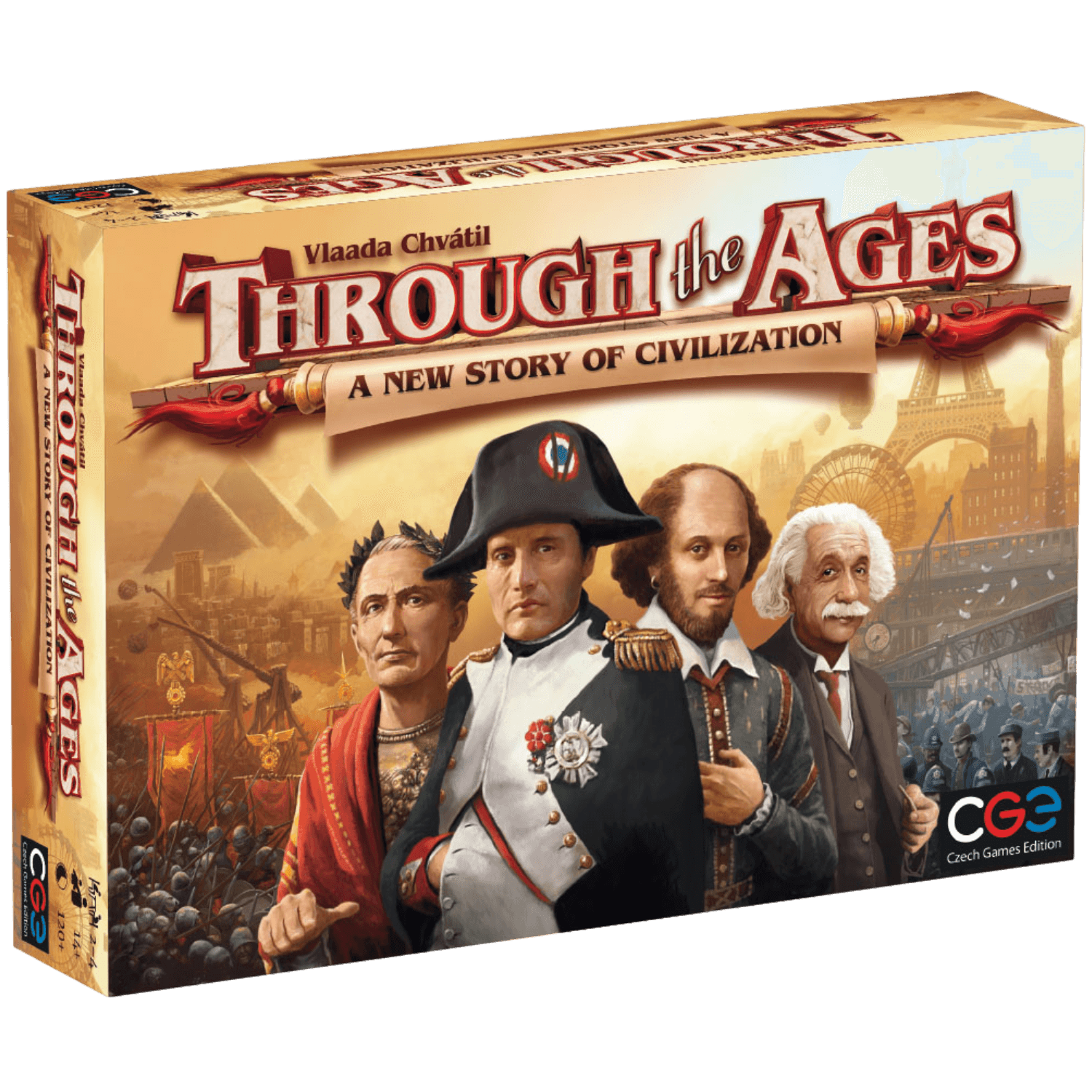
Through the Ages: A New Story of Civilization (2015) is a monumental strategy board game where players rewrite history, guiding their burgeoning civilization from antiquity through the modern era. Your ultimate goal is to accumulate the most culture points by developing a superior civilization, marked by technological advancements, powerful leaders, magnificent wonders, and a thriving population. This epic journey tests your foresight and adaptability, demanding careful long-term planning to emerge as the preeminent power in a constantly evolving world.
The game unfolds through a unique card drafting system, where new technologies, leaders, and wonders become available, requiring players to strategically acquire and utilize them using an innovative action point allowance system. Managing essential resources like food, minerals, and population is crucial for expansion and development, while balancing economic growth with military strength is paramount. Building a robust military deters aggression and secures your borders, adding a tense layer of player interaction and strategic bluffing to the otherwise deep economic engine.
Beloved for its unparalleled strategic depth and immersive thematic experience, Through the Ages offers a truly brain-burning challenge with virtually limitless replayability. Its elegant design minimizes luck, rewarding careful planning, efficient resource management, and cunning tactical decisions. Players adore the sensation of guiding a civilization through millennia, making profound choices that ripple across ages, creating a highly satisfying and richly rewarding gaming experience that stands as a benchmark for heavy strategy games.
m⚖️ N/A
RANK #23
Dive into the cutthroat world of the English Industrial Revolution with Brass: Lancashire, the seminal 2007 economic strategy game where shrewd entrepreneurs vie for dominance across the historic landscape. Players will strategically expand their industrial empire by building canals, establishing crucial rail links, and developing key industries like cotton mills, coal mines, and iron works. Managing cash flow, leveraging market demands, and outmaneuvering rivals are paramount as you invest, produce, and sell resources to secure victory points, making every decision a pivotal step towards becoming the wealthiest industrialist in Lancashire.
m⚖️ N/A
RANK #27
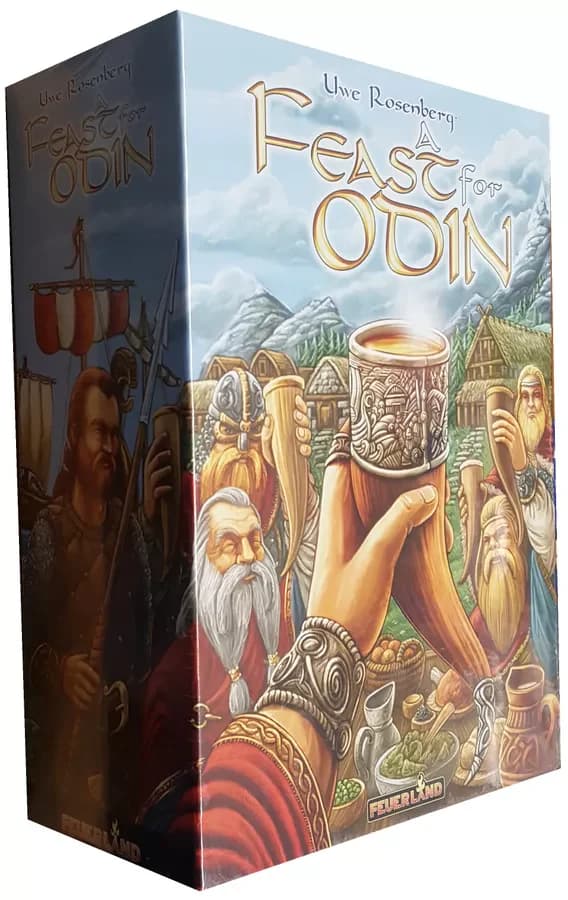
A Feast for Odin
2016In A Feast for Odin, 1-2 players take on the role of Viking leaders, competing to build their civilization through exploration, trading, and settlement building. The game is a challenging strategy experience that combines worker placement, engine-building, and area control mechanics. Players must balance the needs of their people with the demands of the gods, all while navigating the harsh realities of the Viking world. As players progress, they'll unlock new abilities and buildings to aid in their quest for glory.
1-2 60m⚖️ 3.5
RANK #36
Orléans
2014In Orleans, you are a merchant trying to rebuild the city after a devastating flood. You'll collect and trade resources, build structures, and manage your workers to restore the city's prosperity. This game combines worker placement and engine building mechanics with a unique auction system. As players progress, they'll unlock new buildings and improvements, increasing their chances of winning.
1-3 60m⚖️ 3.0

RANK #47
Set in the roaring 1960s, Heat: Pedal to the Metal places players behind the wheel of high-powered vintage race cars. The primary objective is simple: be the first to cross the finish line after a grueling series of laps around iconic circuits. However, achieving victory requires more than just flooring the accelerator; it demands a delicate balance of aggression and technical precision. As you navigate these tracks, you must manage your car's internal temperature, represented by a specific deck of cards. One wrong move or an overly ambitious turn can lead to your engine overheating, forcing a spin-out that could cost you the entire race.
The core gameplay revolves around a sophisticated card-driven movement system seamlessly integrated with deck management. Each round, drivers decide which gear to engage, which dictates the number of speed cards they must play from their hand. Notable mechanics include the handling of 'Heat' cards, which are added to your discard pile whenever you push the car beyond its natural limits—such as boosting for extra movement, taking a corner too fast, or downshifting rapidly. These cards eventually cycle into your hand, where they act as dead weight, limiting your options until you find a way to cool the engine. This push-your-luck element is complemented by drafting mechanics and slipstreaming, allowing trailing cars to catch up by utilizing the aerodynamic wake of those in front.
What truly sets this title apart and fuels its critical acclaim is the genuine sense of breakneck speed it creates on the tabletop. The game avoids the dryness often found in technical simulations by focusing on the emotional highs and lows of competitive racing. It offers immense replayability through various modular expansions included in the base box, such as variable weather conditions that change track grip and a deep 'Legends' system for solo play or filling out the grid with automated opponents. With vibrant, era-appropriate artwork by Vincent Dutrait, the game captures the romanticized danger and glamor of mid-century motorsport. It is a masterclass in modern board game design, offering a perfect blend of high-speed thrills and calculated strategy that keeps players returning to the starting grid lap after lap.
3-4 30m⚖️ 2.5
RANK #63
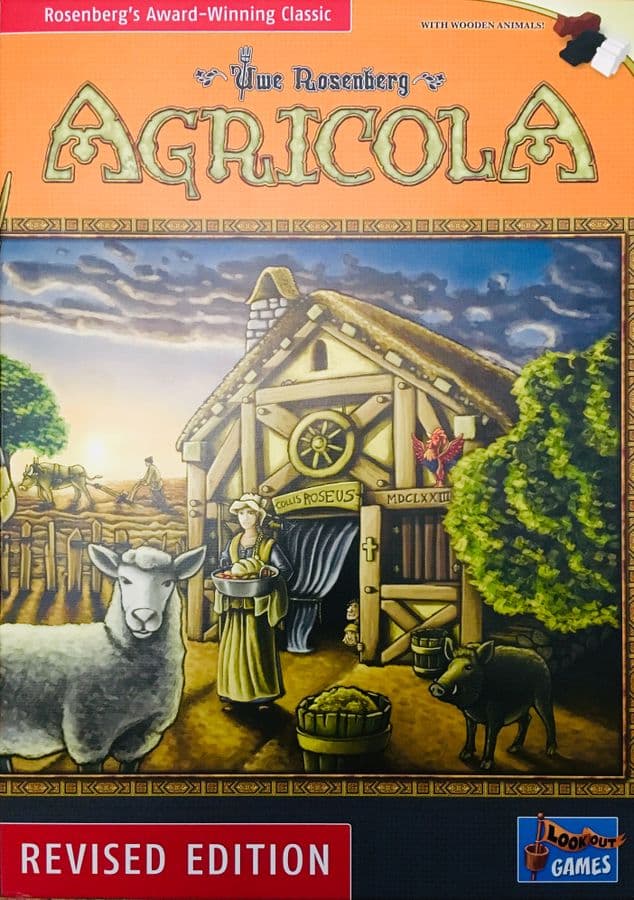
Agricola
2007In Agricola, players step into the well-worn boots of a 17th-century farming family, starting with little more than a spouse and a two-room wooden hut. The singular goal is to cultivate the most prosperous and well-rounded homestead over 14 rounds of play. This isn't just about accumulating wealth; it's about survival and balanced development. Victory points are awarded for a diverse farm that includes plowed fields, various crops, fenced pastures, different types of livestock, and an expanded family living in an upgraded home. The game masterfully punishes over-specialization, penalizing players for neglected areas of their farm, ensuring that true prosperity comes from being a jack-of-all-trades.
The game's engine is driven by a tense worker placement mechanism. Each round, players take turns placing their limited family members on action spaces to gather resources, build improvements, or grow their family. Since each action space can only be used once per round, players are in constant, indirect competition for critical actions like collecting wood or plowing a field. As the game progresses, new, more powerful actions become available, broadening strategic possibilities. This steady development is punctuated by six harvest phases, where the true pressure of Agricola is felt. During a harvest, you reap what you've sown, your animals may breed, but most importantly, you must feed your family. Failing to produce enough food forces a player to take a "Begging" card, which carries a steep point penalty, creating a persistent, challenging tension between expanding your farm and simply providing for your household.
Agricola's enduring appeal lies in this brilliant balance of long-term strategic planning and short-term tactical necessity. The struggle to feed your family is a constant, pressing puzzle that forces difficult decisions every single round. Its depth and replayability are legendary, largely due to the massive decks of Occupation and Minor Improvement cards dealt to each player. These cards provide unique abilities and scoring opportunities, ensuring no two games ever feel the same and allowing for countless strategic pathways. It is this combination of a deeply thematic, relatable struggle and a highly rewarding, complex strategic framework that has cemented Agricola's status as a masterpiece of the Eurogame genre and a benchmark for worker placement games.
1-5 90m⚖️ 3.6
BoxNo Cover Art
RANK #67
Grand Austria Hotel is a strategic board game designed for 2-4 players, where each player takes on the role of an entrepreneur trying to manage and expand their own hotel in early 20th-century Vienna.
The game's objective is to earn the most prestige points by constructing rooms, managing staff, and providing excellent service to guests. Players must balance their resources carefully, as they need to allocate funds for room construction, staff salaries, and other expenses while also trying to maximize their revenue from guest bookings.
Gameplay involves a combination of resource management, area control, and strategic planning. Each player has a set of rooms that can be constructed and upgraded, and they must manage the flow of guests through these rooms to earn prestige points. The game also features a unique 'guest' mechanism, where players take on the roles of different types of guests with varying preferences and requirements.
One of the key aspects of Grand Austria Hotel is its thematic depth. Players are immersed in the world of early 20th-century Vienna, complete with authentic artwork and historical references. The game's mechanics are designed to evoke the spirit of entrepreneurship and hotel management during this era, making it a unique and engaging experience for players.
Overall, Grand Austria Hotel offers a challenging and rewarding gameplay experience that requires strategic planning, resource management, and adaptability.
2-4 60m⚖️ 3.5
BoxNo Cover Art
RANK #68
Lisboa
2017Lisboa is a game that challenges players to navigate the city's complex infrastructure and manage its growth while balancing competing interests. The goal is to be the first player to achieve three 'glory points' by completing various tasks and projects. Players take on the roles of different factions, each with their own strengths and weaknesses, and must work together to build and maintain the city's infrastructure. However, they also have individual goals that may conflict with those of other players, adding a layer of complexity and strategy to the game.
2-4 90m⚖️ 3.5
BoxNo Cover Art
RANK #76
Clans of Caledonia is a strategic board game set in medieval Scotland, where players take on the roles of clan leaders vying for power and resources. The game's goal is to accumulate victory points by collecting and trading goods, building settlements, and recruiting warriors. Players must carefully manage their resources, negotiate with other clans, and make tactical decisions to outmaneuver their opponents.
The game features a unique blend of resource management, worker placement, and area control mechanics. Each player has a personal board representing their clan's territory, where they can place their workers to gather resources, build structures, and recruit warriors. The game also includes a modular board featuring different regions of Scotland, each with its own challenges and opportunities.
One of the key aspects of Clans of Caledonia is its thematic depth. Players must navigate the complexities of medieval Scottish politics, including the influence of the church, the power struggles between clans, and the impact of external events such as wars and famines. The game's components, including the beautifully illustrated board and cards, add to the immersive experience.
Clans of Caledonia has gained a loyal following among gamers due to its engaging gameplay, rich theme, and high replayability. Players can experiment with different strategies, explore new regions, and try out various combinations of cards and workers.
2-4 90m⚖️ 3.5
BoxNo Cover Art
RANK #84
Agricola is a farming-themed strategy board game where players take on the role of farmers in rural Germany during the late 16th century. The goal is to build and manage their farm, collecting resources, and constructing buildings to support their family's growth. Players must balance resource management with long-term planning, as they strive to become the most successful farmer in the region.
The game features a unique worker placement mechanic, where players assign their farmers to various tasks such as plowing fields, harvesting crops, or tending to animals. This mechanic allows for a high degree of flexibility and strategy, as players must carefully plan their actions to maximize their resource collection and building construction. Additionally, the game includes a variety of buildings and improvements that can be constructed on the farm, each with its own unique benefits and requirements.
One of the key aspects of Agricola is its thematic depth. The game's designers have meticulously researched the period and included many historical details to create an immersive experience for players. From the types of crops grown in different regions to the social dynamics between farmers, every aspect of the game has been carefully crafted to transport players to rural Germany during this time.
Agricola is a highly strategic game that requires careful planning and resource management. Players must balance short-term needs with long-term goals, making it an engaging experience for fans of strategy games.
1-4 60m⚖️ 3.5
Showing 1 to 12 of 61 games