Thematic Games
Browse all Thematic board games in the Meeple Pulse database.
Styles
Themes
AbstractAdventureAncientAnimalsArtBusinessCard GameCo-operativeComic BookCooperativeCrimeEconomicEnvironmentalismExplorationFantasyHistoricalHorrorHumorIntrigueLiteraryMagicMarvelMedievalModernMuseumMysteryMythologyNatureNauticalPoliticalPress Your LuckSatireSci-FiSocial CommentarySocial InteractionSpaceSuperheroesThematicTravelWarWesternWord-Guessing
Mechanics
3D PlacementActingAction / DexterityAction DraftingAction Point AllowanceAction Point Allowance SystemAction Point SystemAction PointsAction ProgrammingAction QueueAction RetrievalAction SelectionAction/EventAlliancesAlternate ActivationApp-AssistedApp-DrivenArea ControlArea InfluenceArea MajorityArea Majority / InfluenceArea MovementArgumentationAsymmetricAsymmetric FactionsAsymmetric GameAsymmetric PowersAsymmetrical PowersAuction & BiddingAuction/BiddingAuctioningBag BuildingBettingBetting and BluffingBetting and WageringBetting and WagersBiddingBingoBlind BiddingBluffingCampaign / Battle Card DrivenCampaign / LegacyCampaign / Legacy GameCampaign / Mission-basedCampaign / ScenariosCampaign GameCampaign PlayCard DraftingCard DrawingCard DrivenCard Driven ActionCard Driven CombatCard Driven Dice AllocationCard Driven MovementCard ManagementCard PlayCard Play / Hand ManagementCard Play Conflict ResolutionCard SheddingCard-Driven MovementCharacter CreationCharacter ProgressionChit-Pull SystemCo-op PlayCo-operative GameCo-operative PlayCode-breakingCombat ResolutionCombo ChainCommand CardsCommodity SpeculationCommunication LimitsContract FulfillmentContractsCooperative GameCooperative GameplayCooperative PlayCooperative Trick-takingDebateDeck BuildingDeck ConstructionDeck, Bag, and Pool BuildingDeck-BuildingDeductionDexterityDice DraftingDice PlacementDice RollingDiplomatic InfluenceDraftingDynamic Battle SystemEnclosureEnd Game BonusesEngine BuildingEngine-BuildingEscape RoomEvent DrivenExplorationFarmingFlip and WriteFollowFollow ActionGrid CoverageGrid MovementHand ManagementHex-and-CounterHexagon GridHidden MovementHidden RolesI Cut You ChooseIncomeInfluence / Area MajorityLadder ClimbingLegacyLegacy ElementsLegacy GameLegacy SystemLimited CommunicationLine DrawingLine of SightMancalaMap MovementMarketMarket DraftingMarket ManipulationMarket MechanicMarket SpeculationMatchingMeasurement MovementMemoryMission ObjectivesModular BoardModular Board ConstructionMovement TemplatesMulti-Use CardsMulti-use CardsMultiple ScenariosMust FollowNarrative ChoiceNarrative Choice / ParagraphNegotiationNegotiation MechanicsNetwork & Route BuildingNetwork BuildingNetwork and Route BuildingOne vs ManyOne vs. ManyOpen DraftingPaper-and-PencilPartnershipsPattern BuildingPattern RecognitionPick-up and DeliverPlayer EliminationPlayer InteractionPlayer JudgePoint SaladPoint to Point MovementPolyominoesPush Your LuckPush-Your-LuckPuzzlePuzzle-LikePuzzle-SolvingRaceReal-TimeRecipe FulfillmentResource ManagementRole PlayingRole SelectionRoll / Spin and MoveRondelRoute BuildingRoute-BuildingRoute/Network BuildingSanity SystemScenario / Campaign PlayScenario / Mission / Campaign GameScenario / Mission FunctionSecret Unit DeploymentSemi-Cooperative GameSet CollectionSheddingSimulationSimultaneous ActionSimultaneous Action SelectionSimultaneous Hidden AllocationSocial DeductionSocial InteractionSolo / Solitaire GameSpace ExplorationStat Check / Skill CheckStock HoldingStorytellingStrategic PlanningTableau BuildingTactical Decision-MakingTake ThatTargeted CluesTeam PlayTeam-Based GameTeam-Based GuessingTeamworkTech TreesTech Trees / Tech TracksTechnology & Armament TracksTechnology TreeTension & Aggression TracksTile DraftingTile LayingTile PlacementTime TrackTime TravelTower DefenseTrack MovementTradingTrick-takingTug of WarTurn Order: PassTurn Order: Stat-BasedUnit PlacementVariable Phase OrderVariable Player PowersVariable Set-upVariable SetupVictory Point TracksVotingWord AssociationWord GameWord GuessingWord-GuessingWord-guessingWordplayWorker Placement

RANK #2
Ark Nova
2021Embark on a thrilling adventure with Ark Nova, a strategic board game designed for 1-4 players. This immersive experience typically lasts around 120 minutes, offering a rich and engaging gameplay session. Players take on the role of zoo administrators, tasked with building and managing their own zoos while competing to attract visitors and earn prestige points. The game features a unique blend of hand management, tile placement, variable player powers, action programming, and set collection mechanics, providing a challenging and rewarding experience for players of all skill levels. As you navigate the complexities of zoo management, you'll need to balance resource allocation, exhibit design, and animal care while also navigating the cutthroat world of zoo politics. With its engaging theme, intricate gameplay, and high replayability, Ark Nova is an excellent choice for fans of strategic board games looking for a new challenge.
1-4 120m⚖️ 3.8

RANK #19
Embark on an epic cattle drive in Great Western Trail, a highly acclaimed eurogame set against the backdrop of 19th-century America. As astute ranchers, players will guide their herds from the heart of Texas all the way to Kansas City, ultimately dispatching them to distant, lucrative cities across the United States. The ultimate goal is to amass the most victory points by strategically managing your ranch, optimizing your trail, and delivering your prime cattle to become the most renowned cattle baron of the West.
The game masterfully blends multiple interconnected mechanics, creating a rich and dynamic gameplay experience. Players navigate a modular board, moving their cowboy pawn along the trail, activating various action spaces. Core mechanics include hand management, where players strategically collect and play cattle cards to achieve the best possible delivery sets; deck building, as you acquire better cattle throughout the game; and worker placement, hiring essential personnel like cowboys, craftsmen, and engineers to enhance your actions and expand your capabilities. The strategic movement of your train also plays a crucial role, unlocking new opportunities and mitigating hazards.
Great Western Trail is beloved for its exceptional strategic depth, emergent gameplay, and immense replayability. The intricate web of scoring opportunities—from cattle deliveries and building construction to hazard removal and worker specialization—provides players with significant freedom to explore diverse strategies. The constant tension between pushing your luck on a long cattle drive and meticulously optimizing your trail, combined with the elegant integration of its core mechanisms, offers a uniquely satisfying and engaging challenge that has cemented its status as a modern classic among board game enthusiasts.
m⚖️ N/A
RANK #63
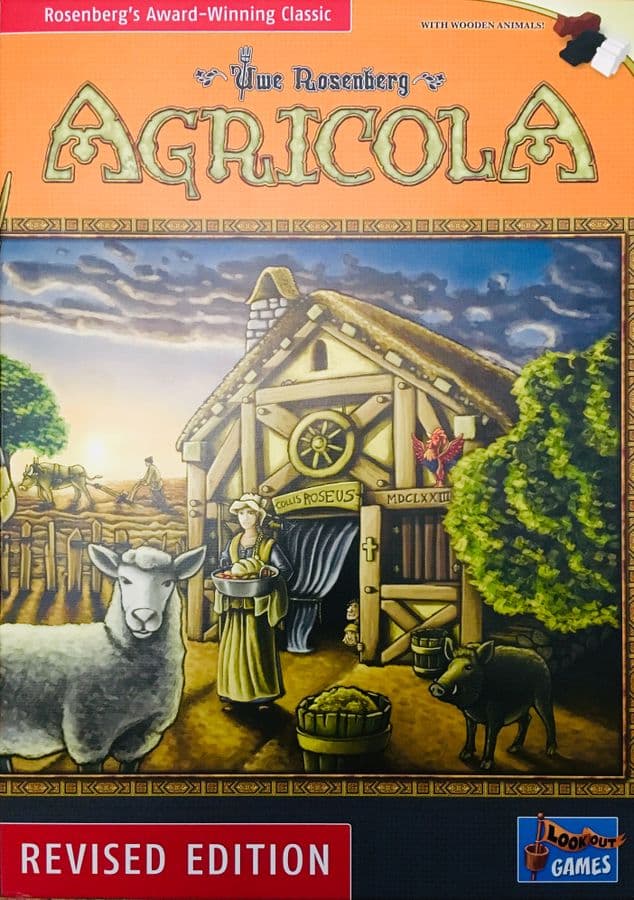
Agricola
2007In Agricola, players step into the well-worn boots of a 17th-century farming family, starting with little more than a spouse and a two-room wooden hut. The singular goal is to cultivate the most prosperous and well-rounded homestead over 14 rounds of play. This isn't just about accumulating wealth; it's about survival and balanced development. Victory points are awarded for a diverse farm that includes plowed fields, various crops, fenced pastures, different types of livestock, and an expanded family living in an upgraded home. The game masterfully punishes over-specialization, penalizing players for neglected areas of their farm, ensuring that true prosperity comes from being a jack-of-all-trades.
The game's engine is driven by a tense worker placement mechanism. Each round, players take turns placing their limited family members on action spaces to gather resources, build improvements, or grow their family. Since each action space can only be used once per round, players are in constant, indirect competition for critical actions like collecting wood or plowing a field. As the game progresses, new, more powerful actions become available, broadening strategic possibilities. This steady development is punctuated by six harvest phases, where the true pressure of Agricola is felt. During a harvest, you reap what you've sown, your animals may breed, but most importantly, you must feed your family. Failing to produce enough food forces a player to take a "Begging" card, which carries a steep point penalty, creating a persistent, challenging tension between expanding your farm and simply providing for your household.
Agricola's enduring appeal lies in this brilliant balance of long-term strategic planning and short-term tactical necessity. The struggle to feed your family is a constant, pressing puzzle that forces difficult decisions every single round. Its depth and replayability are legendary, largely due to the massive decks of Occupation and Minor Improvement cards dealt to each player. These cards provide unique abilities and scoring opportunities, ensuring no two games ever feel the same and allowing for countless strategic pathways. It is this combination of a deeply thematic, relatable struggle and a highly rewarding, complex strategic framework that has cemented Agricola's status as a masterpiece of the Eurogame genre and a benchmark for worker placement games.
1-5 90m⚖️ 3.6
RANK #77
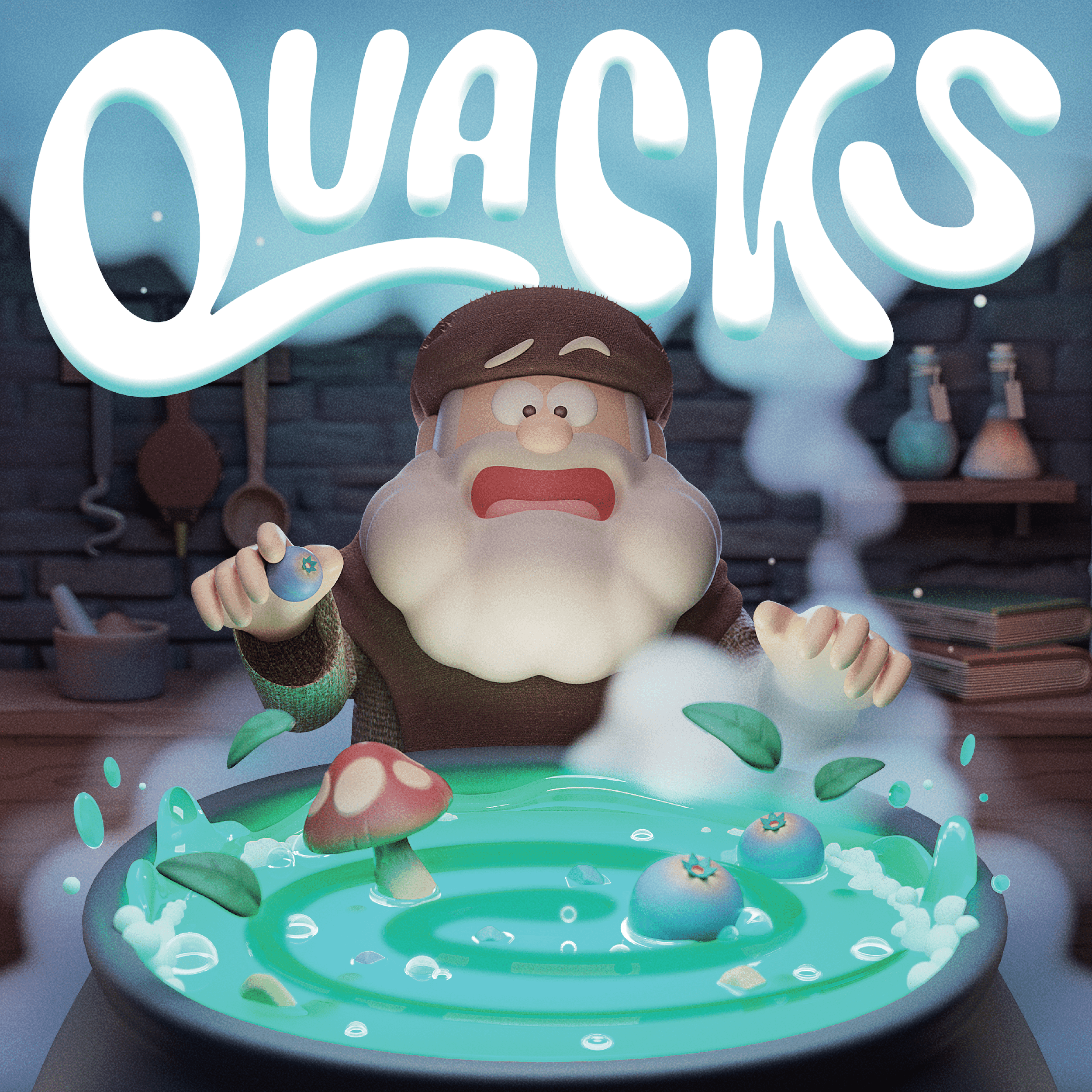
Quacks
2018Quacks is a game that challenges players to collect and trade duck eggs while navigating the complexities of a farmyard ecosystem. Players take on the roles of farmers, each with their own unique abilities and strengths. The goal is to be the first player to collect and return three duck eggs to their respective nests, while also managing the resources and challenges of the farmyard.
The game features a modular board that represents the farmyard, which changes with each playthrough. Players must navigate the different areas of the farm, including the pond, the barn, and the fields, to collect eggs and resources. The game includes various mechanics such as resource management, area control, and trading, which add depth and complexity to the gameplay.
One of the unique features of Quacks is its theme, which combines elements of farming, wildlife conservation, and social interaction. Players must work together to manage the farmyard ecosystem, while also competing against each other to collect eggs and resources. This blend of cooperation and competition creates a dynamic and engaging gameplay experience.
2-4 30m⚖️ 3.0
RANK #78
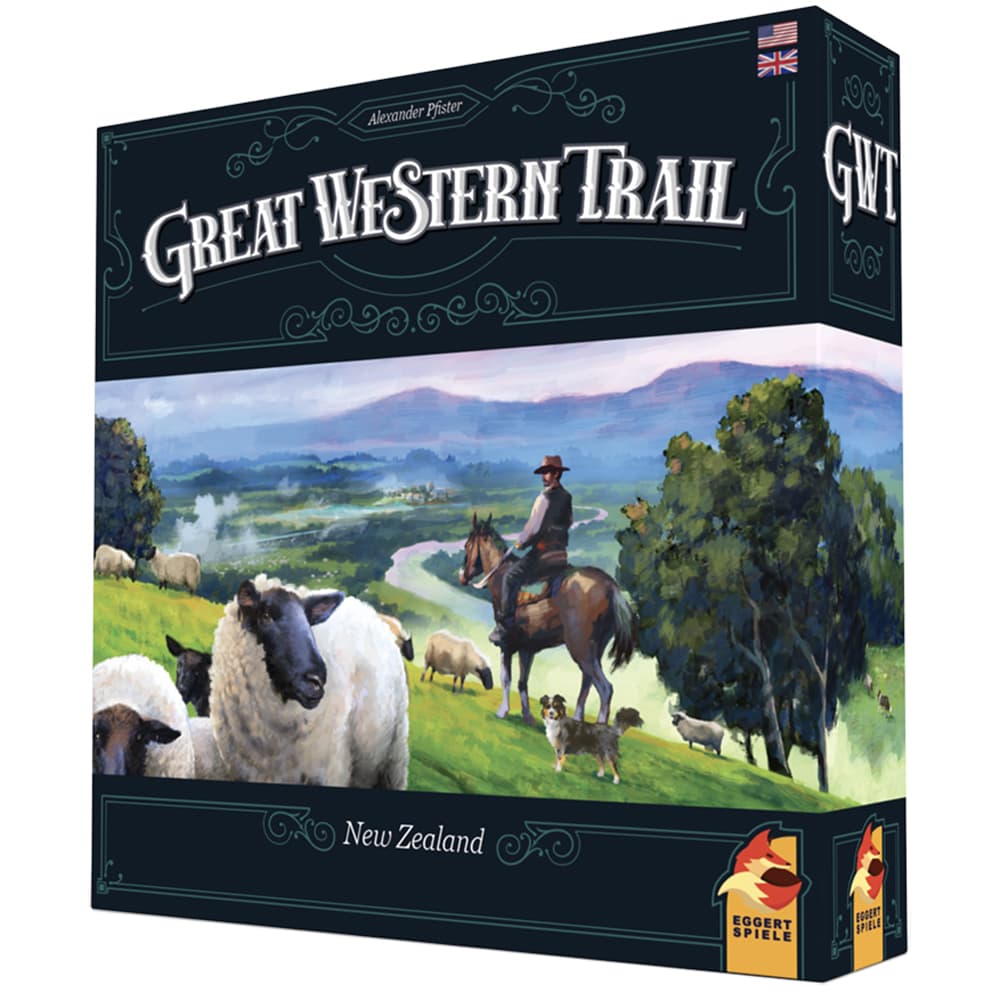
Embark on a new journey in the acclaimed Great Western Trail trilogy with *Great Western Trail: New Zealand*. This standalone adventure, designed by Alexander Pfister, transports players to the stunning landscapes of the 19th-century South Island. You assume the role of a "runholder," a sheep station owner striving to build a prosperous enterprise. Your primary objective is to skillfully manage your flock, enhance your sheep breeds, and deliver them to Wellington for export. Along the way, you'll develop your pastoral estate, hire a capable staff, and navigate the burgeoning trade routes of the era. The player who amasses the most victory points by creating the most successful and renowned sheep-rearing operation will emerge as the victor in this intricate economic simulation.
The game masterfully blends the core mechanics of its predecessors with innovative new elements. At its heart is a combination of deck-building and a rondel-like movement system. Players guide their runholder piece along a branching path, stopping at various locations to perform actions. These actions are diverse, allowing you to hire specialized workers like shepherds, builders, and sailors, construct new buildings that offer unique abilities, improve your personal player board, and purchase higher-quality sheep cards for your deck. A key new feature is the shearing mechanic; this allows players to gain immediate income from their sheep's wool, offering a crucial alternative to selling the livestock itself. Furthermore, the familiar railroad is replaced by a dynamic sea routes board, where you must dispatch your ship to establish trade, claim valuable bonuses, and unlock powerful end-game scoring opportunities.
The strategic depth and high replayability are what make this installment a standout experience. *Great Western Trail: New Zealand* offers numerous interwoven paths to victory, ensuring that no two games feel alike. One player might focus on crafting a lean, powerful deck of premium sheep for massive payouts in Wellington. Another might pursue an aggressive building strategy, constructing a network of structures that provide powerful actions while potentially hindering opponents' progress. A third player could devote their efforts to mastering the sea routes and leveraging the Pathfinder track for key advantages. This wealth of meaningful decisions, combined with the fresh tactical puzzles introduced by shearing and sea trade, makes the game a deeply engaging and rewarding challenge for fans of medium-to-heavy strategy games.
1-4 115m⚖️ 4.0

RANK #90
Darwin's Journey
2023Darwin's Journey transports players to the 19th century, retracing the steps of Charles Darwin on his seminal voyage aboard the HMS Beagle. In this immersive Eurogame, you take on the role of a scientist eager to contribute to the burgeoning theory of evolution. Your primary objective is to earn the most victory points by the end of five rounds, which you accomplish by furthering scientific understanding. This involves meticulous exploration of the Galápagos Islands, careful study of its unique fauna, and the collection of valuable specimens. Success is measured by your contributions to museums, your correspondence with fellow academics, and your progress in understanding the very mechanisms of life. It’s a competitive race to establish the most significant scientific legacy, blending historical theme with deep strategic gameplay.
At its core, "Darwin's Journey" is a sophisticated worker-placement game. Players begin with a small team of workers they will place on the board to perform actions. What sets the game apart is its innovative worker progression system. Each worker can be trained and equipped with special wax seals of different colors, which act as prerequisites for accessing more powerful and specialized action spaces. This system forces players to thoughtfully develop their workforce to align with their long-term strategy. The main actions revolve around navigating your ship to new islands, exploring island tracks for immediate bonuses, gathering sets of specimens, and dispatching them to museums for money and advancement on the crucial 'Theory of Evolution' track. Players must also manage correspondence to gain useful perks and end-of-round benefits, all while navigating a tight economy where every coin and resource matters.
The appeal of "Darwin's Journey" lies in its rewarding complexity and strategic depth, making it a celebrated title for veteran gamers. It’s a 'crunchy' experience where every decision feels consequential. The unique worker specialization mechanic is a standout feature, providing a rich puzzle as players decide how to upgrade their workers to unlock synergistic action combos. This creates diverse strategic paths to victory and enhances the game's replayability. Players who enjoy long-term planning and optimizing their every move will find the interlocking systems deeply satisfying. The game masterfully integrates its scientific theme into the mechanics, making the quest for knowledge feel both tangible and compelling. It’s a brain-burning yet thematic journey that challenges players to think critically and adapt their plans throughout the game's five demanding rounds.
1-4 120m⚖️ 3.5
RANK #112
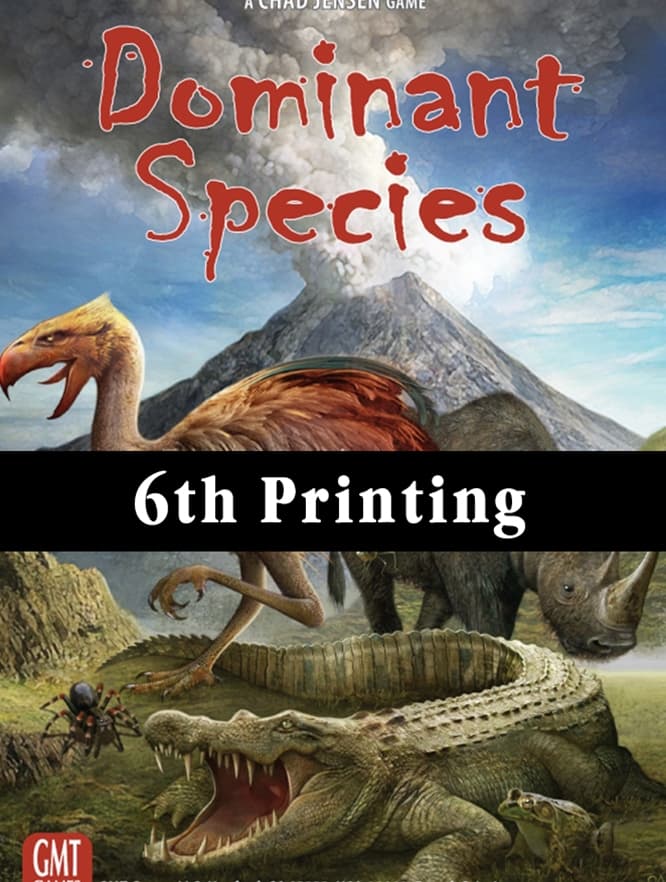
Dominant Species
2010Dominant Species transports players back in time to a world on the verge of a great ice age. In this highly strategic and competitive game, 2 to 6 players each assume control of a major animal class—such as Mammals, Reptiles, or Insects—vying for supremacy. The ultimate goal is to accumulate the most victory points by adapting, propagating, and migrating across a dynamically changing landscape. Survival is a constant struggle as the environment grows colder and resources become scarce. Players must carefully manage their species' evolution and expansion to ensure they are the ones who thrive while others face extinction, ultimately earning the title of the planet's dominant species before the final chill of the ice age sets in.
The game's core is driven by a powerful blend of worker placement and area control mechanics. Each round is divided into phases, beginning with players placing their action pawns on a central board to claim specific actions for the round. These actions are then resolved in a set order, creating a tense puzzle of timing and priority. Players can perform a wide range of actions, from adding new species cubes to the board (Speciation) and moving them across the hexagonal tiles (Migration), to expanding the world itself by adding new terrain (Wanderlust). Crucially, players can also trigger Glaciation to introduce new tundra tiles, which alters the map and can eliminate rivals. A key strategic element is the concept of 'dominance' over a tile, which is not simply about having the most cubes, but about how well-adapted your species is to the food sources present. Achieving dominance allows a player to use powerful, game-changing cards, adding another layer of strategic consideration beyond mere numbers.
What makes "Dominant Species" a revered classic among strategy gamers is its immense depth and high degree of player interaction. It is an unapologetically heavy game that rewards long-term planning and clever tactical adjustments. Every decision is meaningful, and the actions of one player can dramatically impact the fortunes of others, leading to a dynamic and often cutthroat experience. The game masterfully integrates its theme of evolutionary struggle into every mechanic; the tension between growing your population and adapting to the changing environment feels authentic and compelling. It's a long, epic journey that creates a memorable narrative of survival, conflict, and adaptation with every playthrough. For those who relish a substantial, thinky challenge with direct competition, "Dominant Species" offers an unparalleled and deeply rewarding strategic experience.
2-6 180m⚖️ 4.0

RANK #124
Wyrmspan
2024In Wyrmspan, you step into the role of an amateur dracologist, tasked with creating a magnificent sanctuary for dragons of all shapes and sizes. As a standalone game inspired by the mechanics of the critically acclaimed Wingspan, your goal is to build the most welcoming haven by excavating a labyrinthine network of caves and enticing a wide variety of dragons to make it their home. Over four rounds, you will compete to earn the most victory points by populating your caves, hatching new dragons, fulfilling public objectives, and climbing the ranks of the esteemed Dragon Guild. The player who proves to be the most adept dragon enthusiast by accumulating the most points will be declared the winner.
The gameplay revolves around a card-driven, engine-building system where players manage resources to take one of three primary actions. Using coins received at the start of each round, you can 'Excavate' to play a cave card, preparing a new space in your Crimson Cavern, Golden Grotto, or Amethyst Abyss and often gaining an immediate bonus. The 'Entice' action allows you to play one of the 183 unique dragon cards from your hand into an excavated space, adding its power to your growing engine. Finally, you can 'Explore' a cave, sending your adventurer meeple to activate a chain of abilities from the dragons residing within. Unlike its predecessor, Wyrmspan provides a consistent number of actions each round, challenging players to maximize their efficiency from start to finish.
Wyrmspan's appeal lies in its satisfying strategic depth and stunning presentation. Fans of engine-building will delight in discovering powerful synergies between dragon abilities and cave bonuses, creating a cascade of benefits with a single action. The game offers a slightly more complex and involved experience than Wingspan, introducing new elements like the Dragon Guild tracks and the need to manage cave space, which provides a fresh challenge for veteran players. With a huge variety of dragons illustrated by Clémentine Campardou, multiple paths to victory, and a robust solo mode, Wyrmspan delivers immense replayability and a captivating thematic experience for anyone who has ever dreamed of befriending dragons.
1-5 90m⚖️ 2.9
RANK #216
Meadow
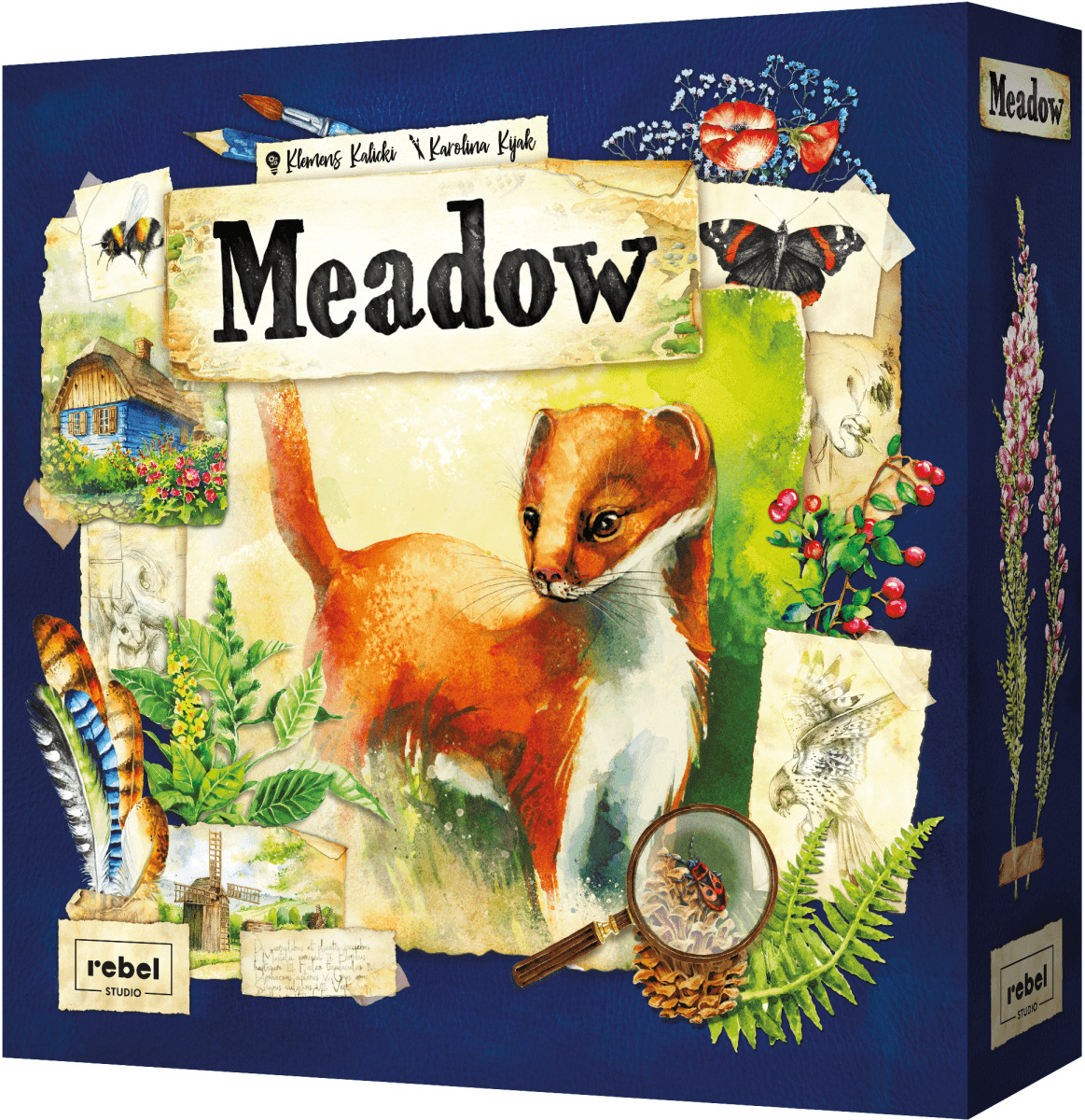
2021In Meadow, players take on the tranquil role of nature observers wandering through picturesque landscapes. The ultimate goal is to become the most astute observer by compiling the most impressive collection of discovered species and sights. This is represented by creating a personal tableau of cards, each beautifully illustrated with watercolor art depicting various flora, fauna, and natural environments. Victory is achieved by accumulating points from these played cards, creating a visual and strategic journal of your journey through the wilderness. The game is as much an appreciation of nature's beauty as it is a competitive challenge, inviting players to immerse themselves in its serene world.
The core gameplay loop is driven by a unique action-selection mechanism. Each turn, players choose one of their path tokens to place on either the main board or a shared campfire board. Placing a token on the main board allows you to draft a card from a central market, with the number on your token dictating which card you are eligible to take. Afterward, you may play a card from your hand into your personal "meadow." This is where the central puzzle lies: to play a card, you must possess the required symbols on cards already in your tableau. As your meadow grows, new cards cover symbols on older ones, demanding careful forward planning and resource management. The campfire board offers an alternative, providing powerful special actions like drawing multiple cards or fulfilling scoring objectives based on the symbols you've collected.
Meadow is celebrated for its remarkable ability to merge a peaceful, accessible theme with satisfyingly deep gameplay. Its appeal extends to both families looking for a beautiful game and seasoned hobbyists seeking a thoughtful strategic puzzle. The experience is often described as meditative, thanks to the stunning artwork and the quiet focus required to build an efficient tableau engine. The tactical decisions of which card to draft and when to play it are consistently engaging, as each choice impacts your ability to play more valuable cards later. The game cleverly scales its challenge by introducing a new deck of more complex cards midway through, ensuring a steady sense of progression and discovery that keeps the experience fresh and highly replayable.
1-4 75m⚖️ 2.2
RANK #278
Dinosaur Island
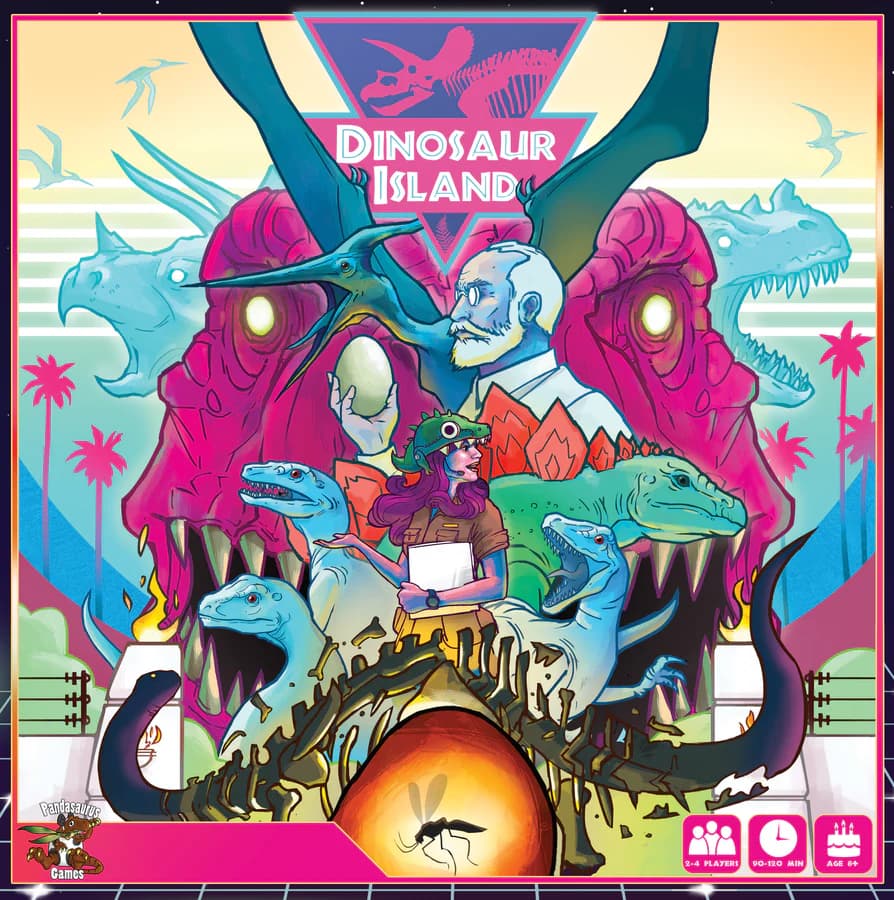
2017Dinosaur Island invites players to take the helm of a sprawling, neon-drenched biological amusement park where bringing prehistoric creatures back to life is just part of the daily grind. Channeling a vibrant, nostalgic aesthetic inspired by the pop culture of the 1980s and 90s, this thematic strategy game tasks you with synthesizing ancient DNA, erecting thrilling rides, and keeping your visitors entertained. Your ultimate objective is to run the most successful and profitable park possible, carefully balancing the awe-inspiring excitement of your newly minted dinosaurs against the ever-present danger of a catastrophic, guest-eating breakout.
The gameplay loop operates across several distinct phases and utilizes a clever blend of worker placement, set collection, and dice drafting. In the initial research phase, players deploy scientists to extract vital genetic sequences from custom amber dice, expand cold-storage capacities, and discover new dinosaur recipes. Next, managers hit the market to purchase essential upgrades, hire skilled specialists, and build amenities like food stands or rollercoasters. The core action then shifts to personal laboratory boards, where workers are simultaneously assigned to refine DNA, breed creatures into paddocks, and bolster park security. Finally, the park opens its gates to a blind draw of visitor meeples. While paying guests bring in much-needed revenue and victory points, sneaky hooligans take up valuable space for free, and any lapse in security will lead to rampaging carnivores devouring the clientele.
What truly sets Dinosaur Island apart is its masterful integration of a deeply engaging theme with satisfying Euro-style mechanics. Fans adore the striking visual presentation, largely driven by vivid pinks and retro graphic design that makes the table presence absolutely pop. Beyond its stunning looks, the game offers remarkable flexibility; players can tailor the experience's length by selecting different sets of objective cards to accommodate quick sessions or sprawling engagements. With a well-regarded solo mode and multiple strategic avenues to explore—from focusing on massive, high-risk carnivores to building a safe, amenity-rich resort—the game provides a robust, replayable puzzle that keeps managers coming back for more thrilling park management.
1-4 120m⚖️ 3.0

RANK #290
Wondrous Creatures invites players to a hidden, mystical island teeming with extraordinary fauna. As creature enthusiasts, players embark on an expedition to scout the wilderness and establish the most prestigious wildlife reserve. The core objective is to collect species, manage rare resources, and satisfy specific achievement criteria before your rivals. By balancing the expansion of your reserve with the discovery of new life forms, you aim to build a lasting legacy as the island's premier naturalist. This title blends the charm of biological discovery with the rigors of tactical management, offering a rich and competitive tableau-building experience.
The heart of the gameplay lies in its innovative 'double-hex' worker placement system. Instead of occupying a single spot, your crew members cover two adjacent spaces on a hexagonal grid, allowing for varied resource combinations such as coral, fruit, and mushrooms. Players spend these resources to play from a massive deck of 126 unique creature cards, each offering distinct powers—instant effects, ongoing passive abilities, or powerful 'recharge' actions. The flow is punctuated by the Recharge phase, where players pull back their workers to trigger their engine and advance the global time track. This tempo-based movement toward trophies and public achievements creates a race-like tension, as early movers claim the highest-valued rewards and shape the available landscape for others.
What truly sets Wondrous Creatures apart is its high production value and deep strategic synergy. Fans of mid-to-heavy tableau builders will appreciate the intricate engine-building and the satisfaction of chaining card abilities. The inclusion of magnetic meeples—where 'Captains' mount 'Crew Members'—and the sheer variety of the 126 unique cards ensure that no two reserves feel identical. Its whimsical art style, reminiscent of a fantasy field journal, complements the mechanical depth, making it a compelling choice for strategy gamers. Whether navigating the solo mode or competing in a full four-player session, the game offers a tactile, rewarding journey through a world of imagination and discovery.
1-4 80m⚖️ 3.0
RANK #15,813
Keystone: North America – Second Edition invites players to step into the professional boots of a dedicated wildlife biologist, tasking them with the restoration and preservation of vibrant, interconnected ecosystems across the North American continent. The primary objective is to strategically arrange diverse species cards within a personal player grid to simulate a flourishing and stable natural habitat. Players must carefully balance the specific requirements of various flora and fauna, ensuring that their biological selections provide the necessary synergies to create a resilient environment. Whether you are competing head-to-head against a rival researcher or tackling the unique challenges of the wilderness in a solo capacity, the ultimate goal remains to generate the highest conservation score by fostering high levels of biodiversity and protecting essential keystone species.
The gameplay experience centers on a refined and engaging blend of open drafting and tile-placement mechanics. During each turn, players must select species cards from a common central market, weighing the specific habitat requirements and biological classifications of the animals they wish to introduce to their board. These cards are then placed onto a square grid, where their spatial relationship to neighboring cards becomes critical for scoring. Points are predominantly awarded based on color-coded habitat chains and numerical sequences, rewarding players who can visualize complex ecological patterns several turns in advance. The inclusion of special 'Keystone' animals provides powerful scoring bonuses but requires sophisticated planning to integrate effectively, making every placement a meaningful puzzle of tactical ecological balance.
What truly distinguishes this second edition is its impressive versatility and the depth of its thematic immersion. The game features a robust solo and cooperative narrative campaign through the 'Field Journal,' a fully illustrated adventure book that leads players through twenty unique scenarios across diverse North American climates. This edition has been specifically streamlined to provide a premium experience for one to two players while maintaining the 'brain-burning' strategic depth that enthusiasts of the original version celebrated. Featuring stunning, scientifically-inspired artwork from a talented team of illustrators, the game serves as both a challenging tactical exercise and a poignant tribute to the importance of conservation biology. Its elegant combination of beginner-friendly rules and rewarding strategic complexity makes it a definitive title for nature lovers and board game veterans alike.
1-2 45m⚖️ 2.0