Strategy Games
Browse all Strategy board games in the Meeple Pulse database.
Styles
Themes
AbstractAdventureAncientAnimalsArtBusinessCard GameCo-operativeComic BookCooperativeCrimeEconomicEnvironmentalismExplorationFantasyHistoricalHorrorHumorIntrigueLiteraryMagicMarvelMedievalModernMuseumMysteryMythologyNatureNauticalPoliticalPress Your LuckSatireSci-FiSocial CommentarySocial InteractionSpaceSuperheroesThematicTravelWarWesternWord-Guessing
Mechanics
3D PlacementActingAction / DexterityAction DraftingAction Point AllowanceAction Point Allowance SystemAction Point SystemAction PointsAction ProgrammingAction QueueAction RetrievalAction SelectionAction/EventAlliancesAlternate ActivationApp-AssistedApp-DrivenArea ControlArea InfluenceArea MajorityArea Majority / InfluenceArea MovementArgumentationAsymmetricAsymmetric FactionsAsymmetric GameAsymmetric PowersAsymmetrical PowersAuction & BiddingAuction/BiddingAuctioningBag BuildingBettingBetting and BluffingBetting and WageringBetting and WagersBiddingBingoBlind BiddingBluffingCampaign / Battle Card DrivenCampaign / LegacyCampaign / Legacy GameCampaign / Mission-basedCampaign / ScenariosCampaign GameCampaign PlayCard DraftingCard DrawingCard DrivenCard Driven ActionCard Driven CombatCard Driven Dice AllocationCard Driven MovementCard ManagementCard PlayCard Play / Hand ManagementCard Play Conflict ResolutionCard SheddingCard-Driven MovementCharacter CreationCharacter ProgressionChit-Pull SystemCo-op PlayCo-operative GameCo-operative PlayCode-breakingCombat ResolutionCombo ChainCommand CardsCommodity SpeculationCommunication LimitsContract FulfillmentContractsCooperative GameCooperative GameplayCooperative PlayCooperative Trick-takingDebateDeck BuildingDeck ConstructionDeck, Bag, and Pool BuildingDeck-BuildingDeductionDexterityDice DraftingDice PlacementDice RollingDiplomatic InfluenceDraftingDynamic Battle SystemEnclosureEnd Game BonusesEngine BuildingEngine-BuildingEscape RoomEvent DrivenExplorationFarmingFlip and WriteFollowFollow ActionGrid CoverageGrid MovementHand ManagementHex-and-CounterHexagon GridHidden MovementHidden RolesI Cut You ChooseIncomeInfluence / Area MajorityLadder ClimbingLegacyLegacy ElementsLegacy GameLegacy SystemLimited CommunicationLine DrawingLine of SightMancalaMap MovementMarketMarket DraftingMarket ManipulationMarket MechanicMarket SpeculationMatchingMeasurement MovementMemoryMission ObjectivesModular BoardModular Board ConstructionMovement TemplatesMulti-Use CardsMulti-use CardsMultiple ScenariosMust FollowNarrative ChoiceNarrative Choice / ParagraphNegotiationNegotiation MechanicsNetwork & Route BuildingNetwork BuildingNetwork and Route BuildingOne vs ManyOne vs. ManyOpen DraftingPaper-and-PencilPartnershipsPattern BuildingPattern RecognitionPick-up and DeliverPlayer EliminationPlayer InteractionPlayer JudgePoint SaladPoint to Point MovementPolyominoesPush Your LuckPush-Your-LuckPuzzlePuzzle-LikePuzzle-SolvingRaceReal-TimeRecipe FulfillmentResource ManagementRole PlayingRole SelectionRoll / Spin and MoveRondelRoute BuildingRoute-BuildingRoute/Network BuildingSanity SystemScenario / Campaign PlayScenario / Mission / Campaign GameScenario / Mission FunctionSecret Unit DeploymentSemi-Cooperative GameSet CollectionSheddingSimulationSimultaneous ActionSimultaneous Action SelectionSimultaneous Hidden AllocationSocial DeductionSocial InteractionSolo / Solitaire GameSpace ExplorationStat Check / Skill CheckStock HoldingStorytellingStrategic PlanningTableau BuildingTactical Decision-MakingTake ThatTargeted CluesTeam PlayTeam-Based GameTeam-Based GuessingTeamworkTech TreesTech Trees / Tech TracksTechnology & Armament TracksTechnology TreeTension & Aggression TracksTile DraftingTile LayingTile PlacementTime TrackTime TravelTower DefenseTrack MovementTradingTrick-takingTug of WarTurn Order: PassTurn Order: Stat-BasedUnit PlacementVariable Phase OrderVariable Player PowersVariable Set-upVariable SetupVictory Point TracksVotingWord AssociationWord GameWord GuessingWord-GuessingWord-guessingWordplayWorker Placement

RANK #2
Ark Nova
2021Embark on a thrilling adventure with Ark Nova, a strategic board game designed for 1-4 players. This immersive experience typically lasts around 120 minutes, offering a rich and engaging gameplay session. Players take on the role of zoo administrators, tasked with building and managing their own zoos while competing to attract visitors and earn prestige points. The game features a unique blend of hand management, tile placement, variable player powers, action programming, and set collection mechanics, providing a challenging and rewarding experience for players of all skill levels. As you navigate the complexities of zoo management, you'll need to balance resource allocation, exhibit design, and animal care while also navigating the cutthroat world of zoo politics. With its engaging theme, intricate gameplay, and high replayability, Ark Nova is an excellent choice for fans of strategic board games looking for a new challenge.
1-4 120m⚖️ 3.8

RANK #3
Embark on an unparalleled cooperative board game journey with Pandemic Legacy: Season 1, released in 2015, where your every decision permanently reshapes the world. As members of an elite disease-fighting team, you'll face an evolving global pandemic over a thrilling, persistent campaign, experiencing dramatic twists and turns that make each playthrough utterly unique. This groundbreaking legacy game challenges players with difficult ethical choices, dynamic rule changes, and an unfolding narrative, ensuring an unforgettable strategic experience unlike any other tabletop adventure.
m⚖️ N/A
RANK #14
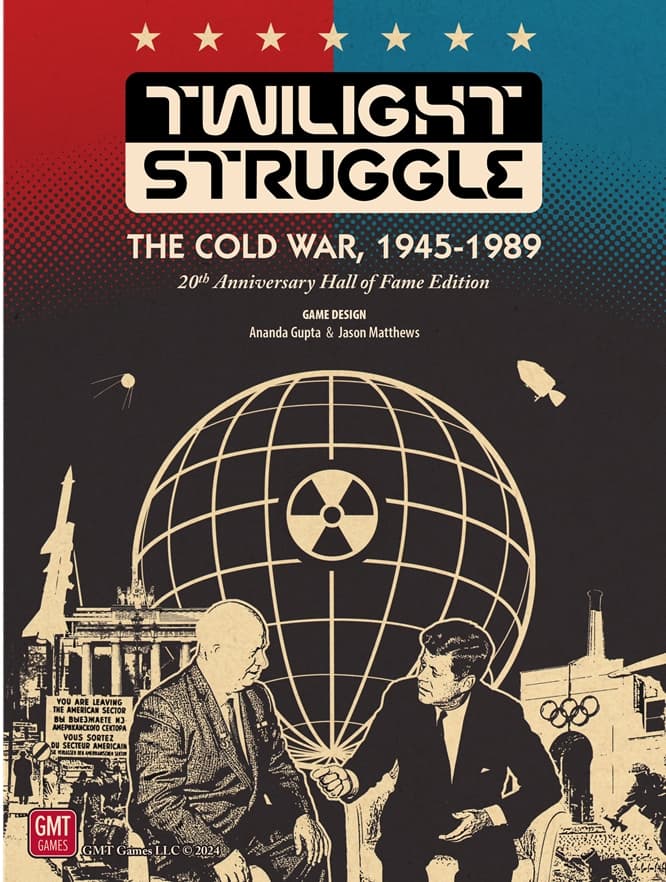
Twilight Struggle is a monumental two-player board game that simulates the entire 45-year span of the Cold War. One player assumes the role of the United States and the other the Soviet Union, as they clash in a global struggle for ideological supremacy and geopolitical influence. The goal is not direct military conflict, but rather a tense battle of wits to spread your superpower's presence across the world map. Players score Victory Points by establishing control over key countries and regions. Victory can be achieved immediately by accumulating 20 VP, by fulfilling a special condition like controlling Europe when its scoring card is played, or by forcing your opponent to trigger a global thermonuclear war.
The game's engine is driven by a deck of cards, each representing a significant historical event from the era. These cards present the game's central, agonizing dilemma: each can be used either for its 'Operations Points' value or for its event text. Operations Points are the currency for actions like placing influence markers, attempting coups to destabilize enemy-controlled nations, or making realignment rolls to reduce opponent influence. However, if a player uses an opponent's event card for its Operations Points, the event itself still occurs. This forces players to constantly mitigate disasters and make difficult choices about which fires to start and which to put out. This core mechanic is layered with a DEFCON track that measures nuclear tension; too many aggressive moves can lower the DEFCON level, and if it ever reaches 1, the player whose turn it is loses instantly.
Twilight Struggle is revered for its incredible strategic depth and historical immersion, masterfully weaving its theme into every mechanic. The constant brinkmanship, where a single misstep could lead to nuclear annihilation, creates a palpable tension that lasts from the first turn to the last. The dual-use card system is frequently cited as a work of design genius, ensuring that every hand of cards presents a new and challenging puzzle. It is a demanding and complex game, but one that rewards dedicated players with a deeply satisfying and unforgettable strategic experience, solidifying its reputation as one of the greatest two-player games ever created.
2 180m⚖️ 3.6
RANK #17
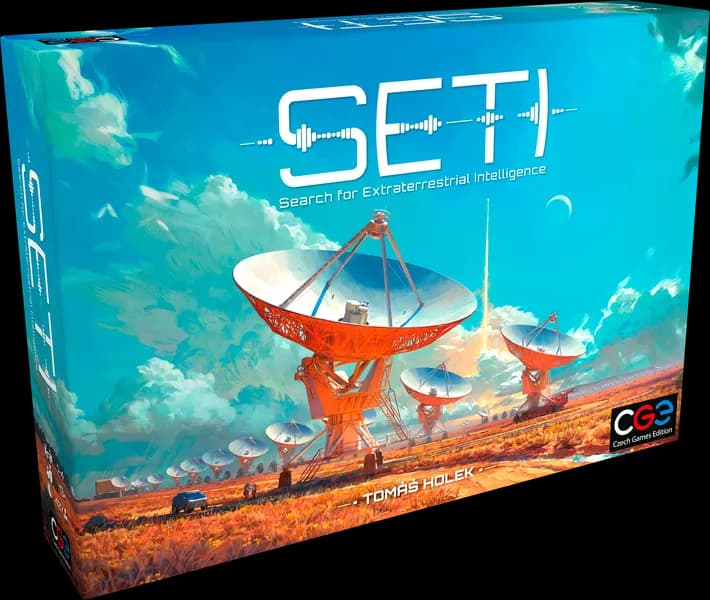
In SETI: Search for Extraterrestrial Intelligence, players take on the ambitious role of leading modern space exploration agencies, competing in the monumental quest to find proof of life beyond Earth. This science-fiction Eurogame is deeply rooted in real-world scientific endeavors, challenging you to manage resources, advance your technological prowess, and strategically explore our solar system. Your ultimate objective is to accumulate the most victory points by making groundbreaking discoveries, analyzing cosmic data, and establishing your agency as the foremost pioneer in the search for alien life. The game is a thematic and strategic journey that mirrors the patience, planning, and eventual excitement of its namesake, translating a grand scientific pursuit into a compelling tabletop experience.
The core gameplay unfolds over five rounds, where players must make critical decisions with their limited actions. Each turn involves choosing one main action, supplemented by any number of free actions, creating a tight and tactical puzzle. Central to the experience is a clever hand management system featuring over 200 unique, multi-use cards that can be played for powerful effects, spent as resources, or used to generate income. Players will engage in a celestial area control struggle by scanning sectors of the sky with Earth-based telescopes, gathering valuable data. This data fuels an engine-building process where you can research technologies to upgrade your capabilities. A standout feature is the rotating, four-layer solar system board, across which you'll launch and maneuver probes to survey planets and collect samples, pushing ever deeper into the cosmos.
SETI captivates players with its deliberate and rewarding progression. The game starts at a measured pace, with agencies having limited resources and capabilities, but it masterfully accelerates as players build their engines. This creates a deeply satisfying arc where later rounds are filled with powerful, complex turns and significant strategic payoffs. The game’s most unique element is the potential discovery of alien life, a dynamic event that introduces new rules and scoring opportunities, ensuring no two games feel exactly alike. This blend of a crunchy, strategic Eurogame with a strong, immersive theme of cosmic discovery makes it a standout title. It appeals to gamers who love heavy, interwoven systems, long-term planning, and the thrill of exploring the great unknown.
1-4 100m⚖️ 3.8
RANK #33
Sky Team
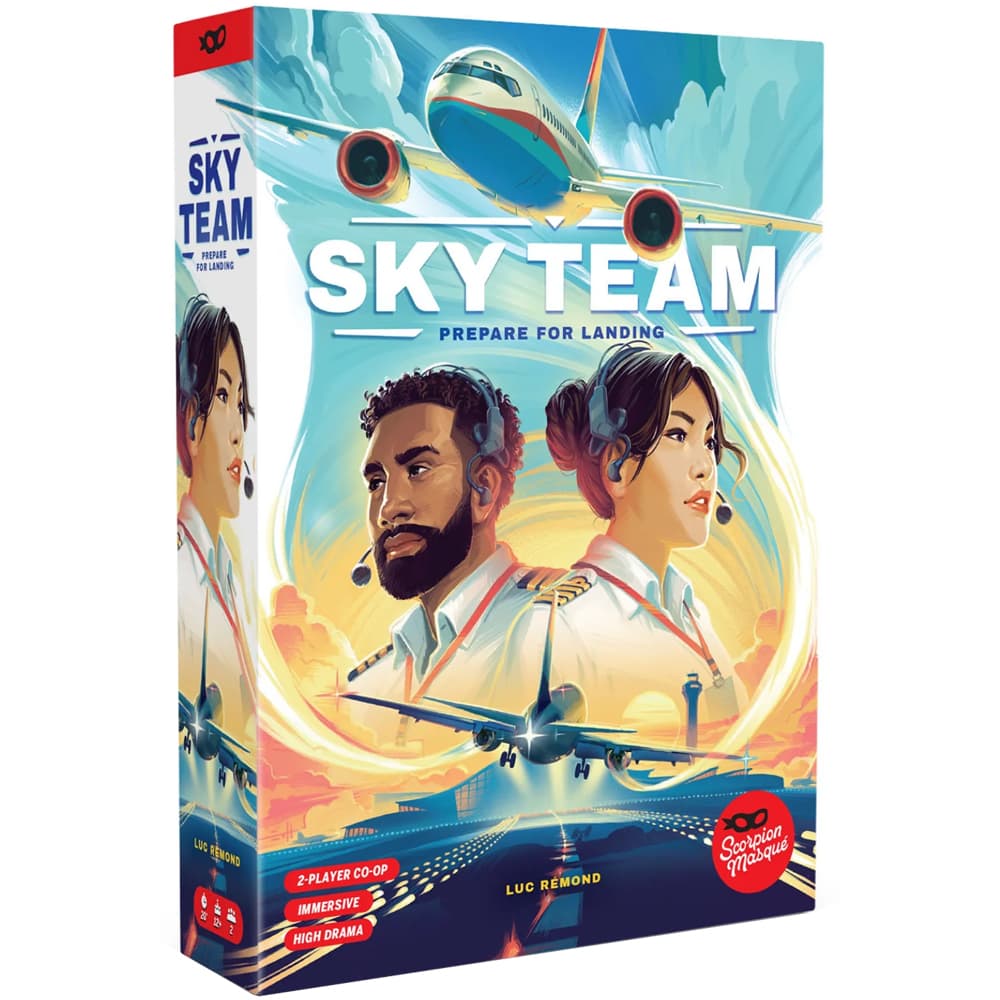
2023In Sky Team, 2-3 players take on the role of pilots competing to deliver packages across a dynamic, modular board. The goal is to be the first team to deliver all their packages and return to base. Gameplay involves strategic route planning, package management, and clever use of special abilities and weather effects. With its unique blend of worker placement, route-building, and area control mechanics, Sky Team offers a thrilling experience that's both accessible to new players and challenging for veterans.
2-3 30m⚖️ 2.5
RANK #41
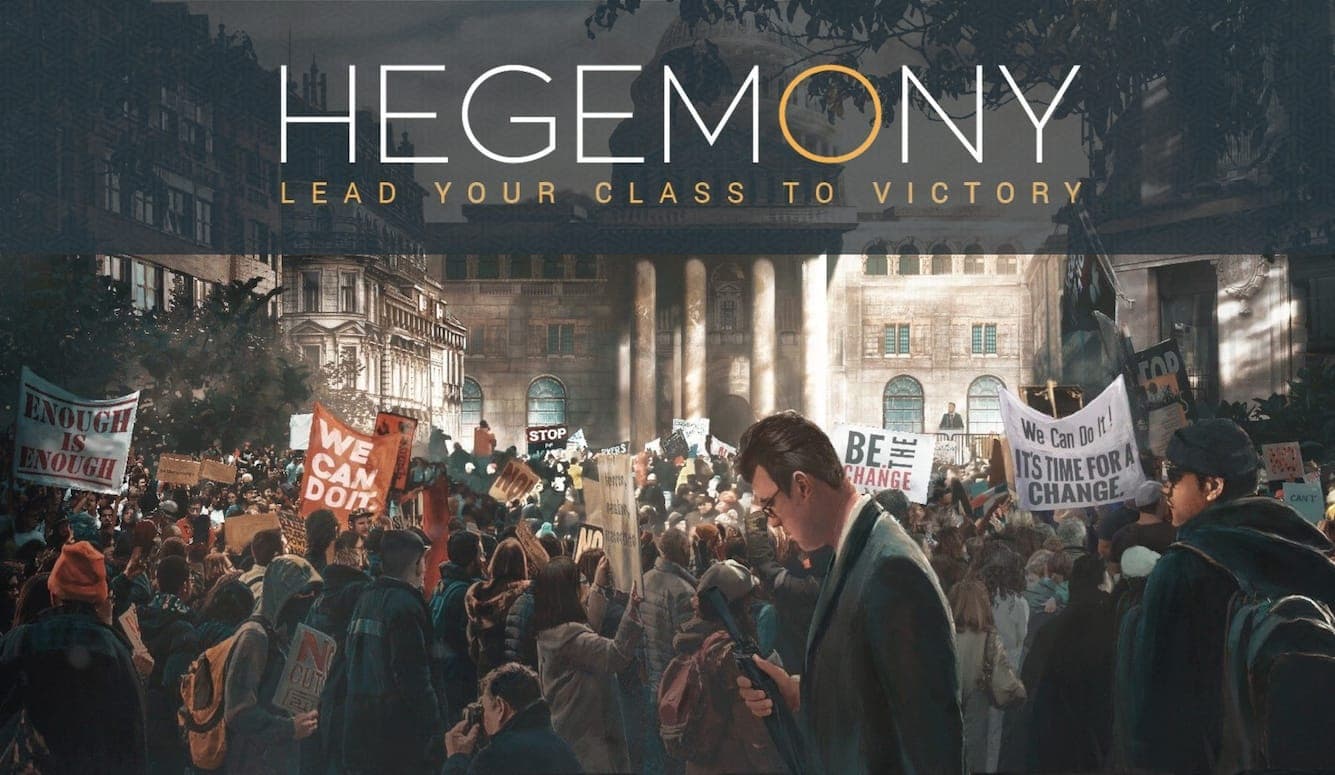
In Hegemony: Lead Your Class to Victory, you'll guide your student body as they navigate the complexities of high school politics. This game is all about strategy and social engineering as you build relationships, form alliances, and make deals to further your own agenda.
As the leader of a prestigious boarding school, you'll need to balance academic achievement with extracurricular activities, manage campus events, and even deal with the occasional prank gone wrong. It's up to you to keep your students happy, healthy, and on track for graduation while also competing against other student leaders to earn the most prestige points.
Hegemony is a game that requires both short-term thinking and long-term planning, as well as clever negotiation and social manipulation. Will you emerge victorious, or will another student leader steal the show? The fate of your school is in your hands.
2-4 45m⚖️ 3.5
RANK #49
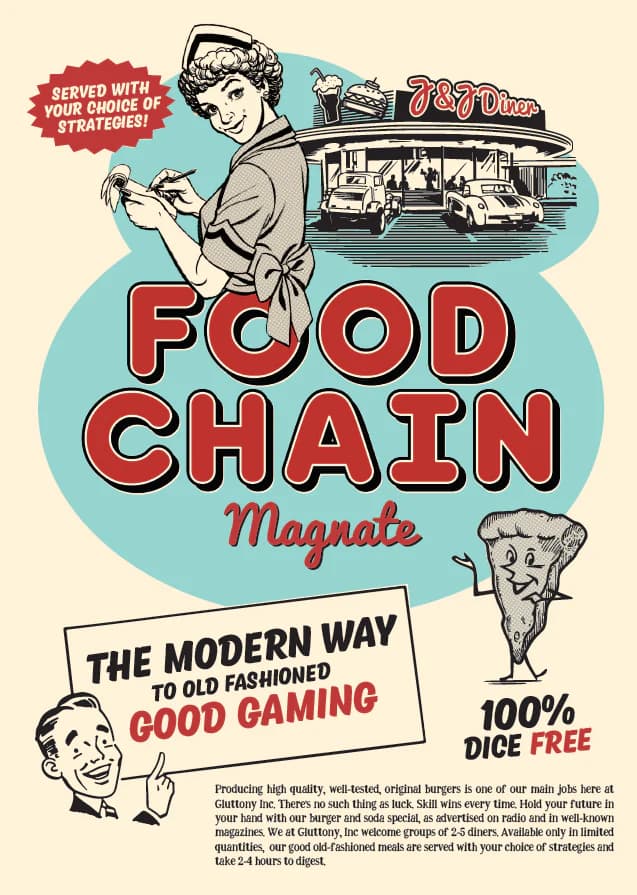
Food Chain Magnate is a strategic game where players take on the roles of entrepreneurs building their own food empires. The goal is to accumulate wealth and influence by creating a diverse range of products, managing resources, and making calculated business decisions.
The game plays out over several rounds, with each player starting from scratch and vying for dominance in the market. Players must balance short-term gains with long-term strategies, as they navigate the complexities of supply and demand, competition, and innovation.
One of the key mechanics in Food Chain Magnate is the concept of 'chains,' which represent the connections between different products and businesses. By creating strong chains, players can gain a competitive edge and increase their profits. However, this also means that they must be mindful of potential risks and disruptions to these chains.
Another important aspect of the game is the management of resources, including money, personnel, and production capacity. Players must carefully allocate their resources to meet the demands of their businesses, while also investing in research and development to stay ahead of the competition.
What sets Food Chain Magnate apart from other games is its unique blend of strategy and simulation. The game requires players to think critically about business decisions, market trends, and resource management, making it a challenging and engaging experience for fans of economic and strategic gameplay.
2-4 120m⚖️ 3.5
RANK #73
Power Grid
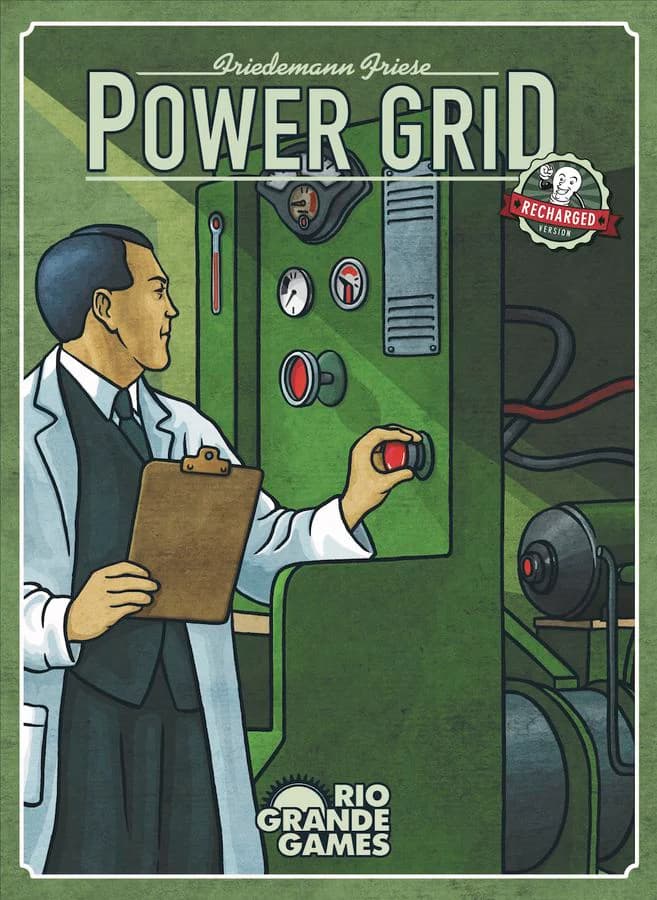
2004Power Grid is a celebrated economic strategy game where players assume the role of powerful energy tycoons vying for market dominance. The primary objective is to build the most extensive and efficient electrical network, ultimately supplying power to a greater number of cities than any competitor. Set on a double-sided map featuring Germany and the United States, the game demands sharp economic acumen and careful long-term planning. Victory isn't just about expanding your reach; it hinges on your ability to power that network. At the game's conclusion, triggered when a player connects to a set number of cities, the winner is the one who can successfully provide electricity to the most locations in their grid, making every decision a calculated step towards this ultimate goal.
The gameplay of Power Grid is structured around a series of distinct phases each round, creating a compelling loop of strategic choices. A central feature is the tense power plant auction, where players bid against each other for new plants that offer varying fuel types and output capacities. Once plants are acquired, players must navigate a dynamic resource market for coal, oil, garbage, and uranium. This market cleverly operates on supply and demand, meaning resource prices fluctuate based on player purchases, rewarding those who can anticipate market trends. Following resource acquisition, players engage in network building, paying connection costs to expand their grid across the map's regions. A unique turn order mechanism ensures players who are behind get advantages in later phases, acting as a built-in catch-up system that keeps the competition tight.
What makes Power Grid a classic is its masterful blend of deep strategy with accessible, interconnected mechanics. The game is a true 'brain burner' that constantly challenges players to balance short-term gains with long-term strategy. You're not just buying a power plant; you're considering its fuel efficiency, its future relevance, and how its resource needs will impact a volatile market. The constant player interaction, driven by the auctions and the shared resource market, means you can never play in a vacuum. Every purchase and every city connection directly affects your opponents. This intricate dance of market speculation, network optimization, and competitive bidding creates a highly rewarding experience with immense replayability, solidifying its reputation as a cornerstone of the German-style board game genre.
2-6 120m⚖️ 3.3
BoxNo Cover Art
RANK #82
Android: Netrunner is a celebrated asymmetrical card game for two players, set in a dystopian cyberpunk future. In this high-stakes conflict, one player assumes the role of a massive, monolithic corporation, while the other becomes a renegade hacker known as a 'Runner'. The primary objective for both sides is to score seven 'agenda' points. The Corporation player achieves this by installing and advancing their secret agendas within their fortified servers. The Runner, however, aims to infiltrate these servers and steal the agendas before they can be scored. The game introduces thrilling alternate victory conditions: the Corp can win by inflicting enough damage to 'flatline' the Runner, while the Runner can claim victory if the Corporation is forced to draw from an empty deck, representing a catastrophic system crash. This fundamental opposition sets the stage for a tense and strategic duel of wits.
The gameplay is a masterclass in asymmetry, with each side playing by entirely different rules and pursuing divergent strategies. The Corp player focuses on economic management and building a digital fortress. They spend their turns drawing cards, gaining credits, and, most importantly, installing cards facedown into their servers. These cards could be the valuable agendas they need to win, assets that provide ongoing benefits, or dangerous 'ice' that protects their servers and punishes intruders. This creates a landscape of hidden information and potent bluffs. In contrast, the Runner player's turn is about calculated aggression and risk. They must build their 'rig'—a suite of hardware and icebreaker programs—to bypass the Corp's defenses. They then initiate 'runs' on the Corp's servers, hoping to access and steal agendas while avoiding the consequences of walking into a well-laid trap.
What elevates Android: Netrunner to legendary status is its profound strategic depth married with intense psychological gameplay. The experience is not merely about optimizing a deck, but about outthinking and outmaneuvering a live opponent. Every facedown card is a puzzle, and every run is a gamble, creating a constant tension that few other games can match. Playing as the Corp feels like spinning a complex web, while playing the Runner is an exercise in calculated audacity. The game was released as a 'Living Card Game' (LCG), meaning players bought fixed, non-random packs of cards, which fostered a diverse and accessible metagame without the frustrating and expensive 'chase rare' model of traditional collectible card games. This combination of a rich, evocative theme, deep asymmetry, and a player-friendly distribution model secured its legacy as one of the most beloved and intellectually rewarding two-player games ever created.
2 45m⚖️ 3.8
RANK #170
Pandemic
2008Pandemic presents a thrilling, high-stakes challenge where players must band together as a team of elite disease-control specialists. In this quintessential cooperative game, the world is on the brink of disaster, with four deadly diseases spreading rapidly across the globe. Players don't compete against each other; instead, they unite against the game's automated systems, which relentlessly propagate the infections. Each team member assumes a unique role, such as the resourceful Scientist or the indispensable Medic, bringing special abilities to the table that are critical for success. The ultimate objective is to discover the cures for all four plagues before time runs out, a pandemic spirals out of control, or the supply of medical resources is exhausted. It’s a race against the clock where teamwork and strategic foresight are the only tools standing between humanity and a global catastrophe.
The gameplay unfolds through a tense and structured sequence of turns. On their turn, a player can perform up to four actions, creating a wealth of strategic choices. These actions include moving between major world cities, treating localized infections by removing disease cubes, establishing vital research stations, sharing knowledge by trading city cards with teammates, or using a set of matching city cards to discover a cure. After taking actions, the player must draw two cards from the player deck, which contains the city cards needed for cures but also powerful one-time Event cards and the dreaded Epidemic cards. Drawing an Epidemic card is a pivotal moment that escalates the crisis: it accelerates the infection rate, triggers an immediate large-scale infection in a new city, and critically, reshuffles the previously infected cities back to the top of the infection deck. This 'intensify' mechanic ensures that hotspots are likely to be hit again, leading to potential chain-reaction outbreaks that spread disease to adjacent cities.
The enduring appeal of Pandemic lies in its brilliant fusion of accessible rules and profound strategic depth. It creates a palpable sense of mounting pressure, forcing players into constant communication and collaborative problem-solving. The game becomes a fascinating puzzle where the team must constantly weigh managing immediate threats—stamping out fires on the board to prevent outbreaks—against progressing toward the long-term victory condition of finding all four cures. This delicate balancing act is the heart of the game's tension. Because the difficulty can be scaled by altering the number of Epidemic cards in the deck, it offers a consistently engaging challenge for both newcomers and seasoned strategists. Its design has become a benchmark for cooperative games, celebrated for its ability to create a compelling narrative of global crisis and collective heroism with every session.
2-4 45m⚖️ 2.4
RANK #218
Memoir '44
2004Memoir '44 invites players to step into the role of commanders during the pivotal moments of World War II. Created by esteemed designer Richard Borg, this historically-themed board game, published by Days of Wonder, offers a streamlined and accessible entry into the wargaming genre. Players recreate iconic battles from the D-Day landings and other significant engagements of the war. The primary goal is to be the first to achieve a predetermined number of Victory Medals. These medals are typically awarded for eliminating enemy units from the hexagonal battlefield, but specific scenarios often introduce unique objectives, such as capturing and holding key terrain features or breaking through enemy lines, which also grant these crucial tokens of success. The game successfully abstracts the complexities of war into a fast-paced and engaging system, making historical conflict both approachable and exciting.
At the heart of Memoir '44 lies the innovative "Commands & Colors" game system, which elegantly blends strategy with an element of chance. A player's turn is driven by the playing of a single Command Card from their hand. These cards dictate which units can be activated and, crucially, in which of the three distinct sections of the board—left flank, center, or right flank—those orders can be given. Once a card is played, the player orders their chosen units, which can be infantry, armor, or artillery, to move and/or engage in combat. Combat is resolved through a quick and intuitive dice roll, using custom dice whose symbols determine hits, force retreats, or result in misses. The terrain itself is a critical tactical element, with hills, forests, and towns providing defensive cover, impeding movement, and blocking line of sight, forcing commanders to carefully consider their positioning and approach. After all actions are completed, the player draws a new Command Card, concluding their turn and setting the stage for their opponent's response.
The enduring appeal of Memoir '44 stems from its masterful balance of tactical depth and straightforward gameplay. It serves as a perfect 'gateway' wargame, welcoming players who might be intimidated by more complex simulations while still offering satisfying strategic decisions for veteran gamers. The scenario-driven design provides immense replayability; with over a dozen historical scenarios in the base game alone, each with a unique map layout, force composition, and victory conditions, no two games feel quite the same. The combination of strategic card management—knowing when to play a powerful card or when to hold back—and the luck inherent in dice rolls and card draws creates a constant and engaging tension. It brilliantly captures the narrative and drama of a WWII skirmish, delivering a complete and compelling experience in about an hour, securing its place as a classic in the world of historical board gaming.
2-8 45m⚖️ 2.0
RANK #227
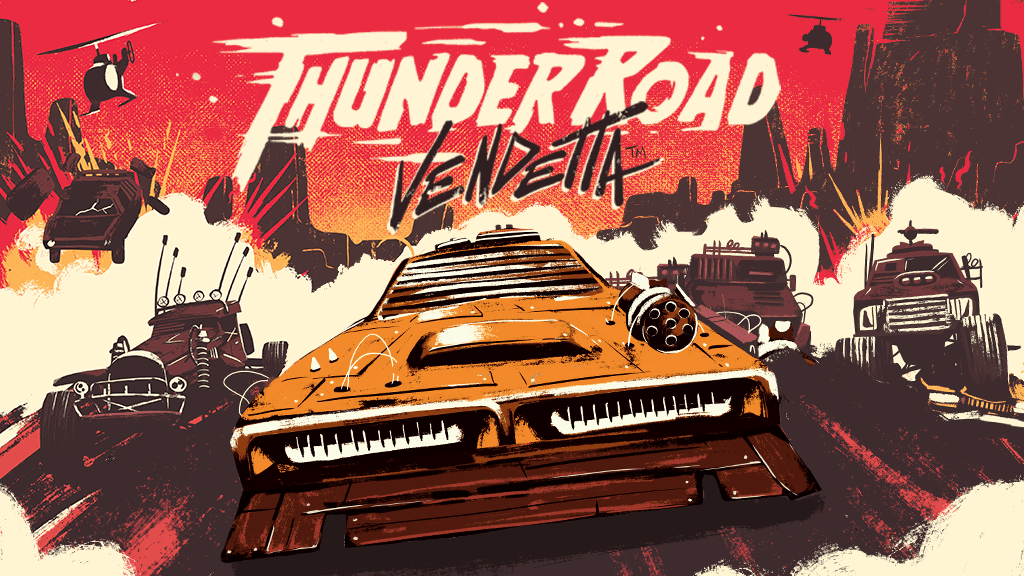
Thunder Road: Vendetta is the explosive, high-octane revival of the 1986 cult classic, putting players in the driver's seat for a brutal, post-apocalyptic death race. In this game of vehicular carnage, you control a crew of three unique vehicles—a small, medium, and large car—each with its own capabilities. Your goal is simple, yet fiercely contested: either be the first player to race one of your vehicles across the finish line, or simply outlast the competition by becoming the last crew with a vehicle left on the road. Survival is just as important as speed, and only the most cunning and ruthless driver will claim victory on this unforgiving stretch of asphalt.
The gameplay is fueled by a dynamic and accessible dice-driven system. Each round, all players simultaneously roll their dice and then take turns assigning them. Dice can be allocated to your cars to determine their movement speed, or to a special command board to unlock powerful, once-per-round abilities. You can activate a nitro boost for a burst of speed, drift around a hazard, perform crucial repairs, or even call in a devastating attack helicopter to rain fire upon your rivals. The road itself is a constantly evolving threat, thanks to a modular board system where the rearmost tile is removed and a new one is added to the front as the race progresses. This 'scrolling' effect means any vehicle left behind is eliminated, adding a relentless pressure to keep moving forward. Combat is direct and brutal; players can shoot at opponents ahead of them or slam into adjacent cars, triggering chaotic dice-rolls that can send vehicles careening across the board and into each other, creating spectacular chain reactions of destruction.
What makes Thunder Road: Vendetta a standout experience is its perfect blend of light strategy and cinematic, chaotic fun. The rules are easy to grasp, making it incredibly accessible for new players and families, yet the tactical decisions offer enough depth to engage seasoned gamers. The constant threat of player elimination, spectacular collisions, and the ever-present danger of being left behind by the board itself create an atmosphere of thrilling tension. It’s a game that revels in high player interaction and 'take that' moments, ensuring that no two races are ever the same. The unpredictable nature of the dice rolls, combined with the strategic use of command board abilities, generates hilarious, fist-pumping moments that will have your group cheering, groaning, and talking about their legendary wrecks long after the game is over.
2-4 60m⚖️ 2.1
Showing 1 to 12 of 33 games