Family Games
Browse all Family board games in the Meeple Pulse database.
Styles
Themes
AbstractAdventureAncientAnimalsArtBusinessCard GameCo-operativeComic BookCooperativeCrimeEconomicEnvironmentalismExplorationFantasyHistoricalHorrorHumorIntrigueLiteraryMagicMarvelMedievalModernMuseumMysteryMythologyNatureNauticalPoliticalPress Your LuckSatireSci-FiSocial CommentarySocial InteractionSpaceSuperheroesThematicTravelWarWesternWord-Guessing
Mechanics
3D PlacementActingAction / DexterityAction DraftingAction Point AllowanceAction Point Allowance SystemAction Point SystemAction PointsAction ProgrammingAction QueueAction RetrievalAction SelectionAction/EventAlliancesAlternate ActivationApp-AssistedApp-DrivenArea ControlArea InfluenceArea MajorityArea Majority / InfluenceArea MovementArgumentationAsymmetricAsymmetric FactionsAsymmetric GameAsymmetric PowersAsymmetrical PowersAuction & BiddingAuction/BiddingAuctioningBag BuildingBettingBetting and BluffingBetting and WageringBetting and WagersBiddingBingoBlind BiddingBluffingCampaign / Battle Card DrivenCampaign / LegacyCampaign / Legacy GameCampaign / Mission-basedCampaign / ScenariosCampaign GameCampaign PlayCard DraftingCard DrawingCard DrivenCard Driven ActionCard Driven CombatCard Driven Dice AllocationCard Driven MovementCard ManagementCard PlayCard Play / Hand ManagementCard Play Conflict ResolutionCard SheddingCard-Driven MovementCharacter CreationCharacter ProgressionChit-Pull SystemCo-op PlayCo-operative GameCo-operative PlayCode-breakingCombat ResolutionCombo ChainCommand CardsCommodity SpeculationCommunication LimitsContract FulfillmentContractsCooperative GameCooperative GameplayCooperative PlayCooperative Trick-takingDebateDeck BuildingDeck ConstructionDeck, Bag, and Pool BuildingDeck-BuildingDeductionDexterityDice DraftingDice PlacementDice RollingDiplomatic InfluenceDraftingDynamic Battle SystemEnclosureEnd Game BonusesEngine BuildingEngine-BuildingEscape RoomEvent DrivenExplorationFarmingFlip and WriteFollowFollow ActionGrid CoverageGrid MovementHand ManagementHex-and-CounterHexagon GridHidden MovementHidden RolesI Cut You ChooseIncomeInfluence / Area MajorityLadder ClimbingLegacyLegacy ElementsLegacy GameLegacy SystemLimited CommunicationLine DrawingLine of SightMancalaMap MovementMarketMarket DraftingMarket ManipulationMarket MechanicMarket SpeculationMatchingMeasurement MovementMemoryMission ObjectivesModular BoardModular Board ConstructionMovement TemplatesMulti-Use CardsMulti-use CardsMultiple ScenariosMust FollowNarrative ChoiceNarrative Choice / ParagraphNegotiationNegotiation MechanicsNetwork & Route BuildingNetwork BuildingNetwork and Route BuildingOne vs ManyOne vs. ManyOpen DraftingPaper-and-PencilPartnershipsPattern BuildingPattern RecognitionPick-up and DeliverPlayer EliminationPlayer InteractionPlayer JudgePoint SaladPoint to Point MovementPolyominoesPush Your LuckPush-Your-LuckPuzzlePuzzle-LikePuzzle-SolvingRaceReal-TimeRecipe FulfillmentResource ManagementRole PlayingRole SelectionRoll / Spin and MoveRondelRoute BuildingRoute-BuildingRoute/Network BuildingSanity SystemScenario / Campaign PlayScenario / Mission / Campaign GameScenario / Mission FunctionSecret Unit DeploymentSemi-Cooperative GameSet CollectionSheddingSimulationSimultaneous ActionSimultaneous Action SelectionSimultaneous Hidden AllocationSocial DeductionSocial InteractionSolo / Solitaire GameSpace ExplorationStat Check / Skill CheckStock HoldingStorytellingStrategic PlanningTableau BuildingTactical Decision-MakingTake ThatTargeted CluesTeam PlayTeam-Based GameTeam-Based GuessingTeamworkTech TreesTech Trees / Tech TracksTechnology & Armament TracksTechnology TreeTension & Aggression TracksTile DraftingTile LayingTile PlacementTime TrackTime TravelTower DefenseTrack MovementTradingTrick-takingTug of WarTurn Order: PassTurn Order: Stat-BasedUnit PlacementVariable Phase OrderVariable Player PowersVariable Set-upVariable SetupVictory Point TracksVotingWord AssociationWord GameWord GuessingWord-GuessingWord-guessingWordplayWorker Placement

RANK #47
Set in the roaring 1960s, Heat: Pedal to the Metal places players behind the wheel of high-powered vintage race cars. The primary objective is simple: be the first to cross the finish line after a grueling series of laps around iconic circuits. However, achieving victory requires more than just flooring the accelerator; it demands a delicate balance of aggression and technical precision. As you navigate these tracks, you must manage your car's internal temperature, represented by a specific deck of cards. One wrong move or an overly ambitious turn can lead to your engine overheating, forcing a spin-out that could cost you the entire race.
The core gameplay revolves around a sophisticated card-driven movement system seamlessly integrated with deck management. Each round, drivers decide which gear to engage, which dictates the number of speed cards they must play from their hand. Notable mechanics include the handling of 'Heat' cards, which are added to your discard pile whenever you push the car beyond its natural limits—such as boosting for extra movement, taking a corner too fast, or downshifting rapidly. These cards eventually cycle into your hand, where they act as dead weight, limiting your options until you find a way to cool the engine. This push-your-luck element is complemented by drafting mechanics and slipstreaming, allowing trailing cars to catch up by utilizing the aerodynamic wake of those in front.
What truly sets this title apart and fuels its critical acclaim is the genuine sense of breakneck speed it creates on the tabletop. The game avoids the dryness often found in technical simulations by focusing on the emotional highs and lows of competitive racing. It offers immense replayability through various modular expansions included in the base box, such as variable weather conditions that change track grip and a deep 'Legends' system for solo play or filling out the grid with automated opponents. With vibrant, era-appropriate artwork by Vincent Dutrait, the game captures the romanticized danger and glamor of mid-century motorsport. It is a masterclass in modern board game design, offering a perfect blend of high-speed thrills and calculated strategy that keeps players returning to the starting grid lap after lap.
3-4 30m⚖️ 2.5
RANK #189
Istanbul
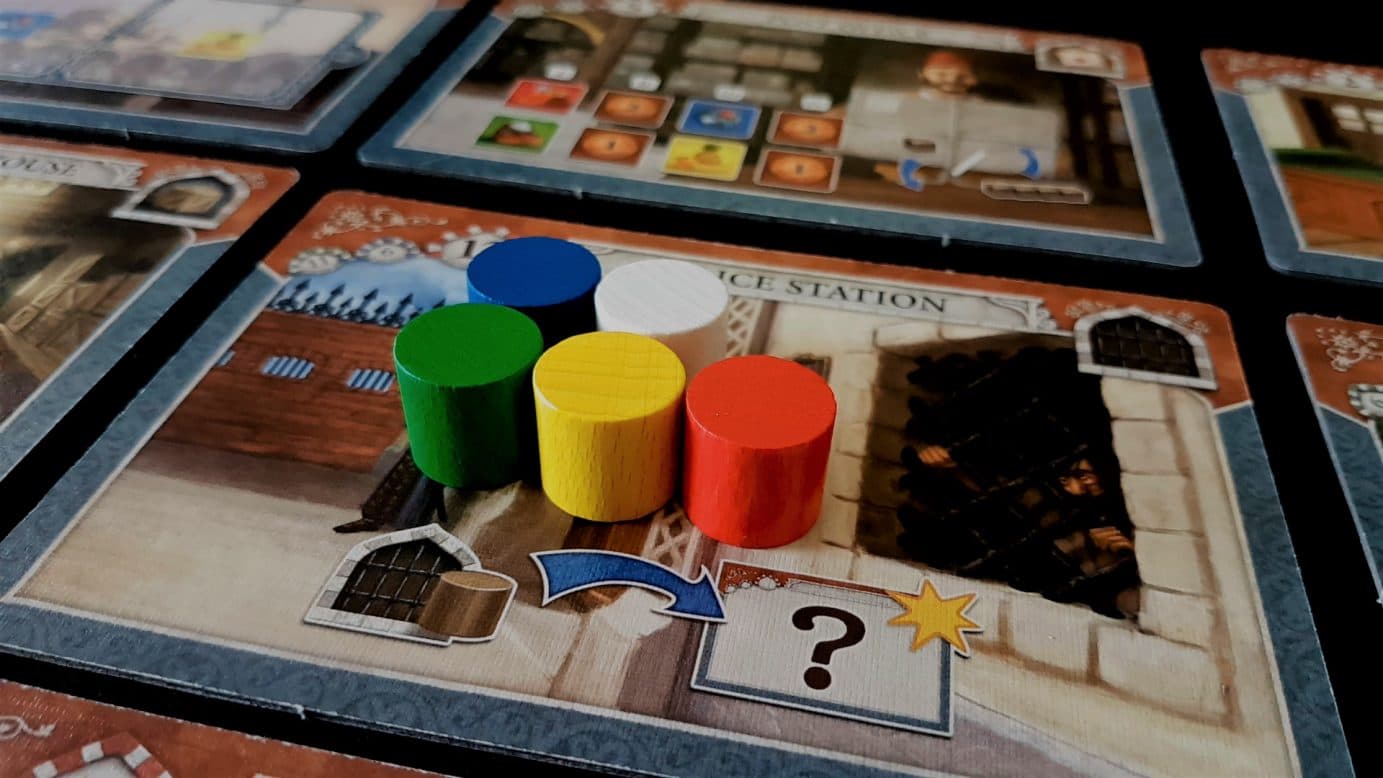
2014Step into the vibrant and bustling marketplace of Istanbul, where you take on the role of a merchant leading a team of assistants. In this competitive Euro-style game, your objective is to outmaneuver your rivals and prove your commercial acumen by being the first to acquire a set number of precious rubies. The game unfolds on a modular board composed of sixteen unique locations, each representing a different district of the grand bazaar. Every turn is a race against time and your fellow merchants as you navigate the crowded pathways, seeking the most profitable opportunities to gather goods, earn wealth, and ultimately secure the gems that will lead to your victory.
The heart of Istanbul lies in its innovative and compelling movement mechanic. Each player controls a merchant token stacked on top of four assistant discs. To perform an action at any location, you must move your stack there and leave one assistant behind. This simple rule creates a fascinating logistical puzzle: as you expand your operations, you spread your assistants thin across the board. To reuse them, you must retrace your steps to pick them up, forcing you to plan your routes with utmost efficiency. Running out of available assistants leaves you unable to act, so managing this resource is key. This core mechanism forces players to think several moves ahead, balancing short-term gains with the long-term need to maintain a flexible and efficient workforce.
Istanbul is celebrated for its perfect blend of accessibility and strategic depth, making it an ideal 'next step' for players moving beyond gateway games. The rules are straightforward to learn, but the path to victory is multifaceted. Rubies can be bought with cash, earned by trading specific sets of goods at the Sultan's Palace, or acquired by fully upgrading your personal wheelbarrow. This variety of options ensures that no single strategy dominates. The modular board, which can be arranged in numerous configurations, guarantees high replayability, as each game presents a fresh puzzle of route optimization and tactical decision-making. It's this combination of a tight race, clever mechanics, and endless variability that has cemented Istanbul as a modern classic.
2-5 50m⚖️ 2.6
RANK #230
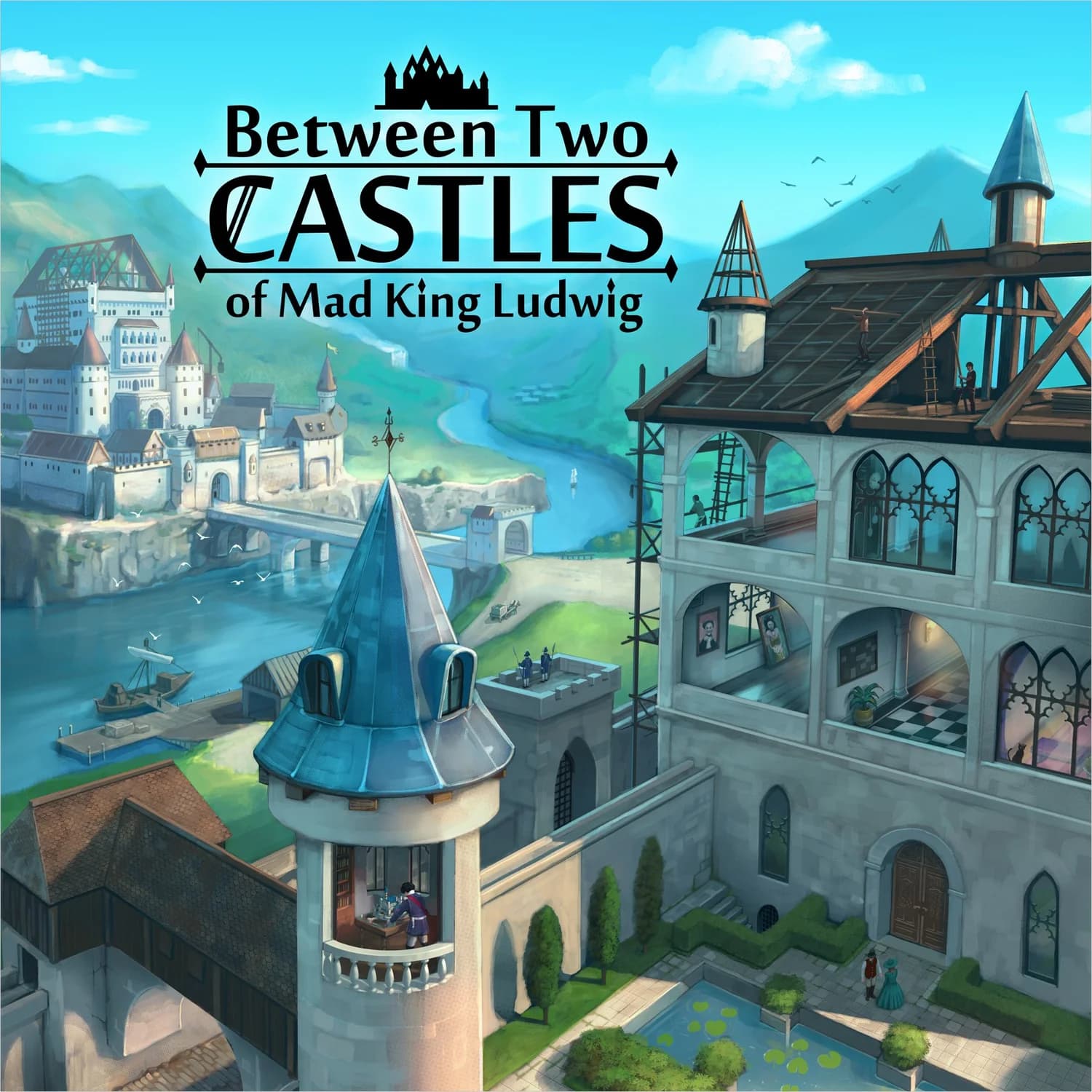
In "Castles of Mad King Ludwig," players enter the whimsical world of 19th-century Bavaria, tasked with building a magnificent castle for the eccentric King Ludwig II. As master architects, you compete to design the most impressive and valuable structure. This tile-laying game is a clever blend of spatial reasoning and economic management, where the ultimate goal is to earn the most victory points. Points are awarded for constructing specific room types, fulfilling the king's public demands, known as 'King's Favors', and achieving personal, secret objectives. Each player will finish the game with a completely unique, sprawling castle, a physical representation of their strategic decisions and architectural vision, all in the service of pleasing a very particular monarch.
The game's central pillar is its innovative 'Master Builder' mechanic. Each round, one player takes on this role, drawing a selection of room tiles and individually pricing them for the other players. In turn, opponents may purchase one room tile, paying the cost directly to the Master Builder. This creates a tense and engaging pricing dilemma: ask too much, and you'll earn nothing; ask too little, and your rivals will get a steal. The Master Builder takes the last available room but must pay their own listed price to the bank. Once a room is acquired, it's immediately added to the player's personal castle layout, connecting to other rooms via doorways. Judicious placement is key, as rooms can grant or cost points based on what they're adjacent to. Furthermore, completing a room by connecting all its entrances triggers a valuable bonus based on its type, which could be anything from extra cash to an immediate second turn.
The enduring appeal of "Castles of Mad King Ludwig" lies in this constant, engaging player interaction driven by the market and the deeply satisfying spatial puzzle of castle construction. The Master Builder system ensures every player is invested in every turn, evaluating prices and anticipating others' needs. The challenge of optimizing your layout—placing a Dining Room near a Kitchen for bonus points while avoiding placing an Activity Room near a Sleeping Room—is a delightful puzzle. With variable public goals, a huge stack of unique room tiles, and secret bonus cards, no two games are ever the same, offering immense replayability. Watching your nonsensical yet functional castle take shape is a wonderfully thematic and rewarding experience that has cemented the game's status as a modern classic in the genre.
1-4 90m⚖️ 2.7
RANK #242
Splendor
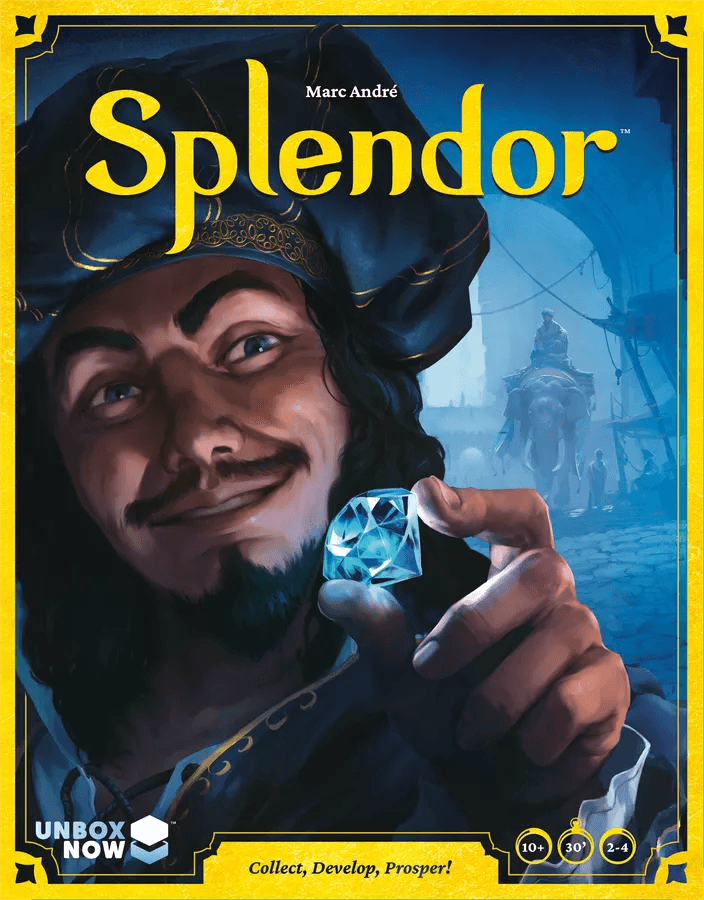
2014In Splendor, players assume the roles of ambitious gem merchants during the Renaissance, all vying to become the most influential and prestigious trader in the land. The ultimate goal is to be the first to accumulate 15 prestige points. You will strategically invest your resources to acquire gem mines, develop better methods of transportation, and commission artisans to transform raw jewels into magnificent works of art. These investments not only build your wealth but also attract the attention of powerful nobles, whose patronage is crucial for securing victory and establishing your legacy as a master merchant.
The gameplay is celebrated for its streamlined and intuitive turn structure. Each turn, a player chooses just one of a few simple actions: take gem tokens that act as currency, reserve a valuable development card for future acquisition, or purchase a development card from the central display. These cards are the core of the game's compelling engine-building mechanic. Every card you purchase grants a permanent gem bonus, making subsequent purchases cheaper and creating a satisfying sense of escalating power. As you collect specific combinations of card bonuses, you automatically earn the favor of noble patrons, who grant substantial prestige points. The game ends once a player reaches 15 points, and at the end of that round, the merchant with the highest score wins.
Splendor's enduring popularity lies in its perfect balance of accessibility and strategic depth, making it an ideal 'gateway' game for those new to the hobby. The high-quality, weighty gem tokens provide a wonderfully tactile experience that elevates the gameplay. While the rules are easy to learn, the game presents meaningful choices on every turn. Players must constantly weigh the benefits of expanding their economic engine against the immediate need to score points. This elegant tension, combined with a brisk playing time and significant replay value, has solidified Splendor's reputation as a modern classic for families and strategy enthusiasts alike.
2-4 30m⚖️ 1.8

RANK #255
Ticket to Ride
2004Ticket to Ride whisks players away on a grand cross-country train adventure, firmly establishing itself as one of the most beloved and accessible modern board games. In this competitive journey, players vie to become the most successful railroad magnate by the turn of the 20th century. The primary goal is to accumulate the highest number of points. Victory is achieved through a combination of strategically claiming railway routes between iconic cities, fulfilling the secret itineraries detailed on Destination Tickets, and constructing the longest continuous path of train cars on the map. It's a game of elegant design, where foresight and clever planning are rewarded, making every decision a crucial step toward dominating the rails and securing your legacy.
The gameplay is famously straightforward, with a set of rules that can be taught in mere minutes. Each turn, a player must choose one of three simple actions. They can draw two Train Car cards, which come in various colors needed to claim routes, either from a face-up display or blindly from the deck. Alternatively, a player can claim a route on the board by discarding a set of cards that match the route's color and length, immediately scoring points based on its size. The final option is to draw more Destination Tickets, which offer substantial bonus points for connecting distant cities but come with a risk—any uncompleted tickets at the game's end will count against your score. This simple action structure keeps the game moving at a brisk pace, while wild Locomotive cards add a layer of flexibility to players' plans. The end game is triggered when one player's stock of plastic trains dwindles to two or fewer, after which everyone gets one last turn to make their final moves.
The enduring appeal of Ticket to Ride lies in its perfect balance of simplicity and strategic depth. It serves as a quintessential 'gateway game', expertly bridging the gap for newcomers to the board gaming hobby without alienating veteran players. The tension quietly builds as the game progresses; the board becomes a crowded network of competing lines, and the routes you desperately need might be snatched up by an opponent just before your turn. This creates a subtle yet engaging form of player interaction that is more about opportunistic blocking than direct confrontation. The satisfaction of completing a long, coast-to-coast destination ticket is immense, and the combination of set collection, route building, and secret objectives provides a highly replayable experience. Its charming presentation and straightforward rules have made it a staple for family game nights and a celebrated classic worldwide.
2-5 60m⚖️ 1.8
RANK #4,046
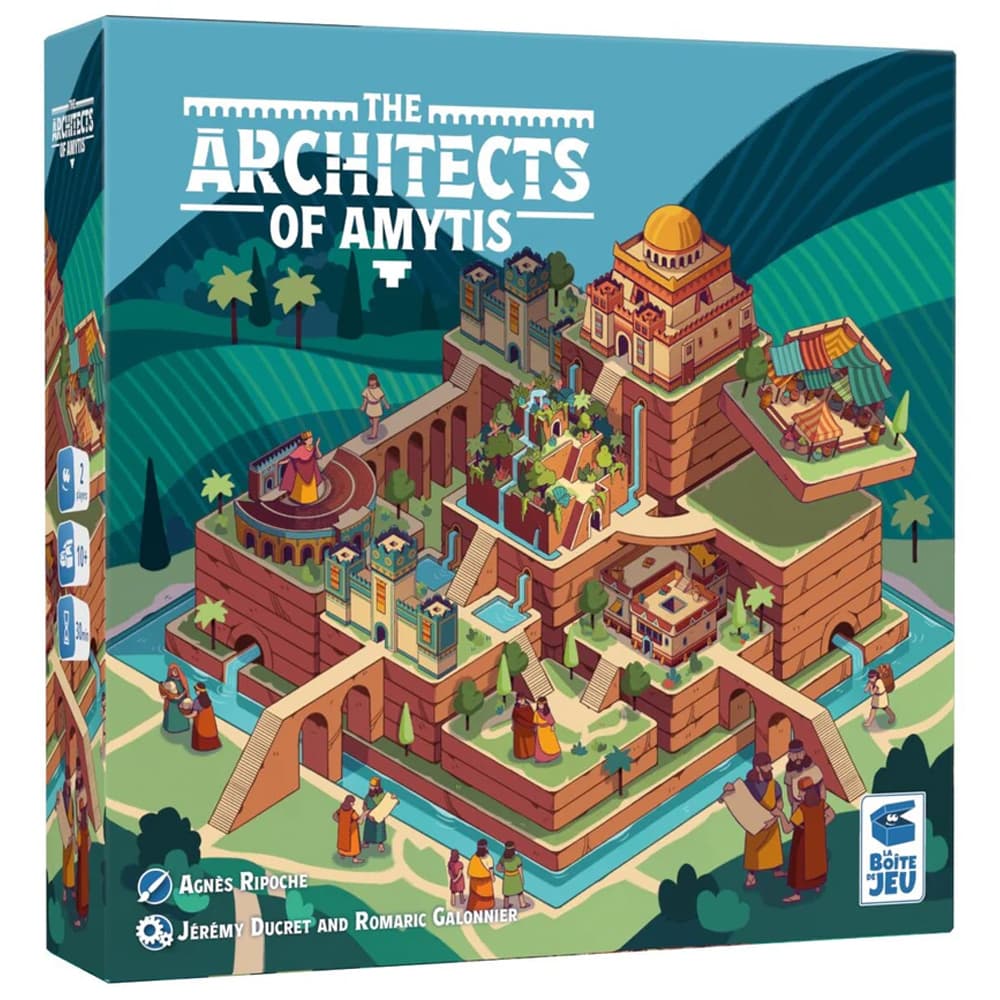
In The Architects of Amytis, two players are transported to ancient Babylon, where they assume the roles of rival architects competing for royal prestige. Commissioned by King Nebuchadnezzar II, your singular goal is to construct the most impressive and magnificent city district for his beloved wife, Queen Amytis. Victory is not achieved through a single grand gesture, but by meticulously accumulating points throughout the game. Players earn points by strategically placing building tiles, completing specific color patterns to satisfy royal 'Project Cards', and cleverly outmaneuvering their opponent to gain the 'King's Favor' for powerful endgame bonuses. The architect with the highest score when the final tile is laid will be celebrated as the greatest builder in all of Babylon.
The gameplay elegantly fuses several mechanics into a tight, interactive duel. The heart of the game is a shared 3x3 market grid, each space holding a stack of building tiles. On your turn, you select and draft one tile from any available stack. However, this choice comes with a crucial consequence: you must immediately place one of your architect pawns onto the now-vacant spot, blocking that stack from both players until your pawn is retrieved. The drafted tile is then placed onto your personal 3x3 city board, either on an empty space or atop an existing tile. Each placement triggers immediate scoring based on the building's type, with variable scoring cards ensuring no two games feel the same. This core loop is complicated by a brilliant spatial mini-game on the market board; if you successfully align three of your architect pawns in a row, column, or diagonal—much like tic-tac-toe—you earn a significant scoring bonus.
The Architects of Amytis is celebrated for its remarkable depth within a very accessible and fast-paced framework. While the rules can be taught in minutes, the strategic implications of each move are profound. The constant tension between improving your own city and blocking your opponent on the shared market creates a highly interactive and engaging experience. Players must constantly weigh their options: Do you take the perfect tile for your city, or do you draft a less optimal tile purely to block your rival or set up a tic-tac-toe victory on the market? This dual-layer puzzle, combined with high replayability from its modular scoring system, makes it a standout two-player game that offers a sharp, tactical challenge that respects players' time.
2 25m⚖️ 2.1

RANK #9,353
Onstage
2024Onstage invites players to the vibrant world of Vietnamese Hát Bội theater in a beautifully presented trick-taking card game. More than just a game of playing the highest card, "Onstage" is a dynamic contest of strategy and adaptation where the very rules of engagement can change from moment to moment. The centerpiece of the game is a stunning 3D pop-up stage, which is not merely decorative but central to the entire experience. Players aim to win tricks in order to claim performer tokens from this stage, as these tokens represent victory points. The player who skillfully navigates the shifting theatrical landscape and collects the most valuable troupe of performers by the end of the final act will be declared the winner. It's a unique blend of classic card play and innovative mechanics, all wrapped in a culturally rich and visually striking package.
The gameplay follows the familiar "must-follow" structure of many trick-taking games, but introduces a revolutionary twist: a dynamic trump suit. At any given time, the trump is determined by the performers currently occupying the pop-up stage. The suit with the highest total value of performers on display becomes trump for the current trick, demanding constant awareness from the players. Winning a trick allows a player to claim a performer from the stage that corresponds to the suit of the card they played. This adds a crucial layer of decision-making, as winning a trick isn't just about taking cards, but about strategically capturing the right point-scoring performers. Furthermore, special cards numbered 1, 4, and 7 grant players powerful abilities to manipulate the stage directly—adding, removing, or even swapping performers. This can lead to clever, tactical plays where the trump suit changes mid-trick, upending everyone's plans. A "shoot the moon" mechanism also rewards players who manage to skillfully avoid taking any performers at all.
What makes "Onstage" a standout title is its elegant fusion of accessibility and strategic depth, driven by the constantly shifting trump suit. This core mechanic ensures that no two games feel the same and forces players to remain flexible, adapting their hand management and long-term strategy on the fly. The ability to manipulate the stage with special cards creates a high degree of player interaction and opens the door for surprising comebacks and cunning maneuvers. The game's gorgeous artwork and unique 3D component provide a strong table presence that immediately draws players in. Offering a quick playtime of 15-30 minutes and an included 2-vs-2 team variant for four players, "Onstage" is a perfect fit for both family game nights and gatherings of more experienced gamers looking for a fresh, engaging, and beautiful take on the trick-taking genre.
3-5 25m⚖️ 2.1