Abstract Games
Browse all Abstract board games in the Meeple Pulse database.
Styles
Themes
AbstractAdventureAncientAnimalsArtBusinessCard GameCo-operativeComic BookCooperativeCrimeEconomicEnvironmentalismExplorationFantasyHistoricalHorrorHumorIntrigueLiteraryMagicMarvelMedievalModernMuseumMysteryMythologyNatureNauticalPoliticalPress Your LuckSatireSci-FiSocial CommentarySocial InteractionSpaceSuperheroesThematicTravelWarWesternWord-Guessing
Mechanics
3D PlacementActingAction / DexterityAction DraftingAction Point AllowanceAction Point Allowance SystemAction Point SystemAction PointsAction ProgrammingAction QueueAction RetrievalAction SelectionAction/EventAlliancesAlternate ActivationApp-AssistedApp-DrivenArea ControlArea InfluenceArea MajorityArea Majority / InfluenceArea MovementArgumentationAsymmetricAsymmetric FactionsAsymmetric GameAsymmetric PowersAsymmetrical PowersAuction & BiddingAuction/BiddingAuctioningBag BuildingBettingBetting and BluffingBetting and WageringBetting and WagersBiddingBingoBlind BiddingBluffingCampaign / Battle Card DrivenCampaign / LegacyCampaign / Legacy GameCampaign / Mission-basedCampaign / ScenariosCampaign GameCampaign PlayCard DraftingCard DrawingCard DrivenCard Driven ActionCard Driven CombatCard Driven Dice AllocationCard Driven MovementCard ManagementCard PlayCard Play / Hand ManagementCard Play Conflict ResolutionCard SheddingCard-Driven MovementCharacter CreationCharacter ProgressionChit-Pull SystemCo-op PlayCo-operative GameCo-operative PlayCode-breakingCombat ResolutionCombo ChainCommand CardsCommodity SpeculationCommunication LimitsContract FulfillmentContractsCooperative GameCooperative GameplayCooperative PlayCooperative Trick-takingDebateDeck BuildingDeck ConstructionDeck, Bag, and Pool BuildingDeck-BuildingDeductionDexterityDice DraftingDice PlacementDice RollingDiplomatic InfluenceDraftingDynamic Battle SystemEnclosureEnd Game BonusesEngine BuildingEngine-BuildingEscape RoomEvent DrivenExplorationFarmingFlip and WriteFollowFollow ActionGrid CoverageGrid MovementHand ManagementHex-and-CounterHexagon GridHidden MovementHidden RolesI Cut You ChooseIncomeInfluence / Area MajorityLadder ClimbingLegacyLegacy ElementsLegacy GameLegacy SystemLimited CommunicationLine DrawingLine of SightMancalaMap MovementMarketMarket DraftingMarket ManipulationMarket MechanicMarket SpeculationMatchingMeasurement MovementMemoryMission ObjectivesModular BoardModular Board ConstructionMovement TemplatesMulti-Use CardsMulti-use CardsMultiple ScenariosMust FollowNarrative ChoiceNarrative Choice / ParagraphNegotiationNegotiation MechanicsNetwork & Route BuildingNetwork BuildingNetwork and Route BuildingOne vs ManyOne vs. ManyOpen DraftingPaper-and-PencilPartnershipsPattern BuildingPattern RecognitionPick-up and DeliverPlayer EliminationPlayer InteractionPlayer JudgePoint SaladPoint to Point MovementPolyominoesPush Your LuckPush-Your-LuckPuzzlePuzzle-LikePuzzle-SolvingRaceReal-TimeRecipe FulfillmentResource ManagementRole PlayingRole SelectionRoll / Spin and MoveRondelRoute BuildingRoute-BuildingRoute/Network BuildingSanity SystemScenario / Campaign PlayScenario / Mission / Campaign GameScenario / Mission FunctionSecret Unit DeploymentSemi-Cooperative GameSet CollectionSheddingSimulationSimultaneous ActionSimultaneous Action SelectionSimultaneous Hidden AllocationSocial DeductionSocial InteractionSolo / Solitaire GameSpace ExplorationStat Check / Skill CheckStock HoldingStorytellingStrategic PlanningTableau BuildingTactical Decision-MakingTake ThatTargeted CluesTeam PlayTeam-Based GameTeam-Based GuessingTeamworkTech TreesTech Trees / Tech TracksTechnology & Armament TracksTechnology TreeTension & Aggression TracksTile DraftingTile LayingTile PlacementTime TrackTime TravelTower DefenseTrack MovementTradingTrick-takingTug of WarTurn Order: PassTurn Order: Stat-BasedUnit PlacementVariable Phase OrderVariable Player PowersVariable Set-upVariable SetupVictory Point TracksVotingWord AssociationWord GameWord GuessingWord-GuessingWord-guessingWordplayWorker Placement
RANK #29
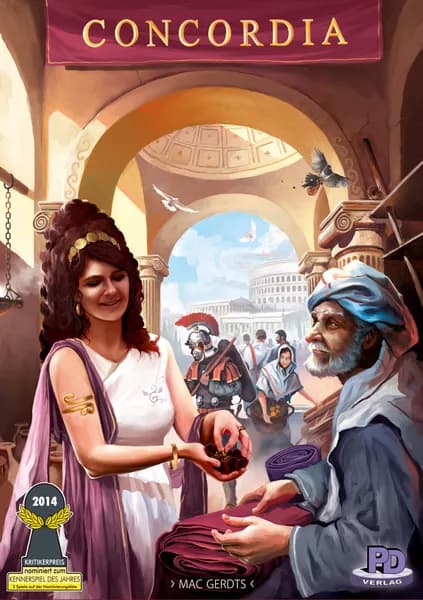
Concordia
2013Concordia is an elegant strategy board game where 2-5 players become powerful Roman merchants, striving to expand their trading empire across the Mediterranean. The goal is not just wealth, but prestige, earned through wise expansion, strategic trading, and efficient use of specialist cards. Players build outposts, produce goods, and colonize new provinces to accumulate victory points based on their unique set of personality cards, making every game a fresh challenge.
At its heart, Concordia features a brilliant card-driven action system combined with robust hand and resource management. Players use a limited hand of 'personality cards' to perform actions like building, moving, trading, or generating resources. Crucially, a 'Tribune' card allows players to retrieve their discarded cards, adding a fascinating rhythm to the game's flow. Area movement is key as players expand their presence across a modular map, establishing trade routes and monopolizing regions.
Players love Concordia for its incredibly streamlined rules that belie a deep strategic experience. It offers immense replayability through various map boards and the evolving set of available personality cards. With virtually no luck elements, it rewards efficient planning, forward-thinking, and adaptability, making it a favorite among Eurogame enthusiasts seeking a pure, engaging economic strategy game that stands the test of time.
2-5 100m⚖️ 2.9

RANK #45
Kanban EV
2020Kanban EV is a digital-age take on the classic production line game. Players manage their own manufacturing process, using cards and tokens to optimize their workflow and deliver products efficiently. With its unique blend of resource management and timing-based gameplay, Kanban EV challenges players to balance short-term needs with long-term goals.
1-3 30m⚖️ 2.5
RANK #57
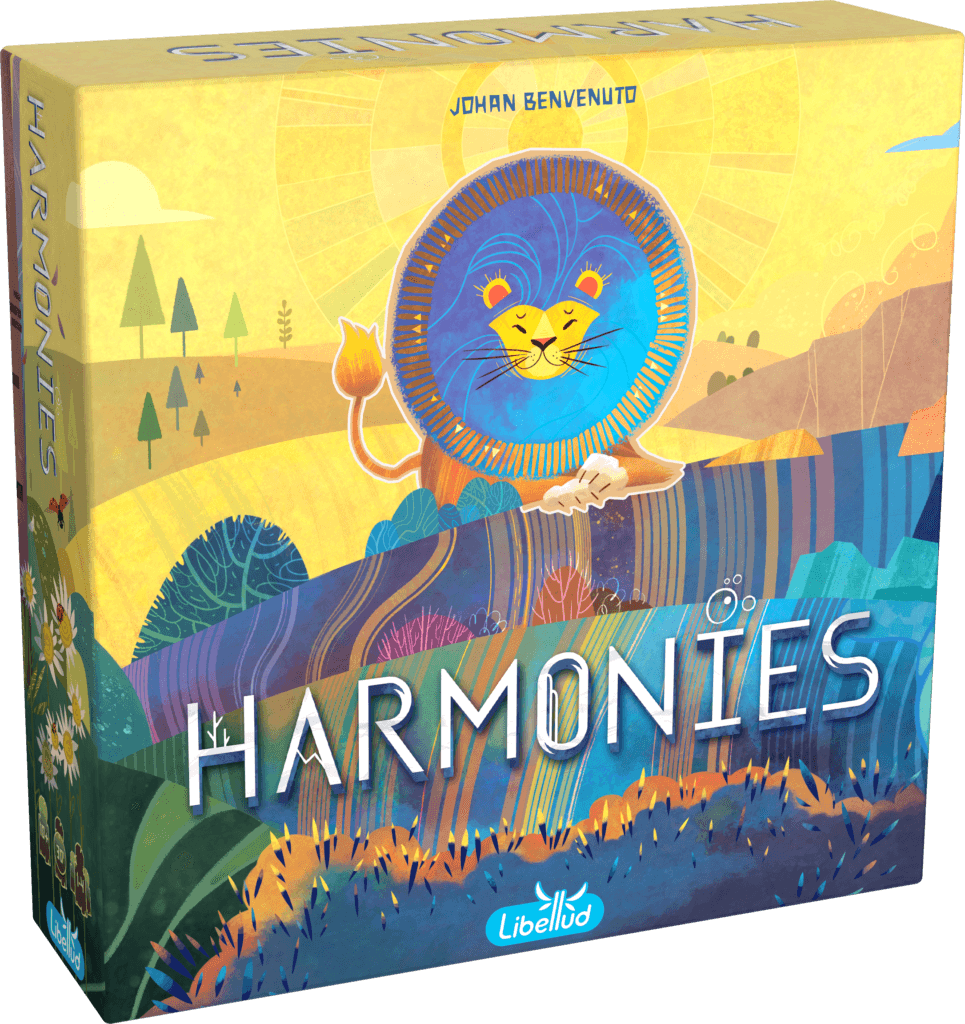
Harmonies
2024In Harmonies, players take on the role of nature spirits, tasked with creating vibrant and flourishing ecosystems. This visually stunning game invites you to craft a personal landscape, a miniature world filled with mountains, forests, rivers, and fields. The ultimate goal is to build habitats that are so inviting and well-balanced that they attract a diverse array of animal species. By carefully arranging natural elements into specific patterns, you earn victory points for the wildlife you successfully house. The player who creates the most harmonious and populous environment, demonstrating a deep connection to the natural world, will be declared the winner. It's a game of poetic construction and gentle strategy, where every piece placed contributes to a beautiful, three-dimensional diorama on your player board.
The gameplay loop is elegant and intuitive, centered around an open drafting mechanic. On your turn, you will select a group of three element tokens from a central market. These tokens represent different terrain types—water, trees, mountains, fields, and buildings. You must then place all three of these tokens onto your personal hexagonal grid. A key innovation in Harmonies is its verticality; tokens can be stacked on top of one another to create 3D features. For example, placing a green token on a brown one forms a tree, while stacking grey tokens creates towering mountain ranges. This adds a unique spatial puzzle to the tile-laying. In addition to placing tokens, you can claim animal cards from a shared display. Each card shows a specific habitat pattern required by that species. Once you successfully replicate that pattern on your board, you can place an animal cube onto your creation, scoring points and completing the card.
Harmonies has captured the hearts of players with its serene theme and engaging, puzzle-like gameplay. The act of building a tangible, 3D landscape is deeply satisfying, offering a strong sense of creation and accomplishment. While the rules are straightforward enough for families and newcomers to learn quickly, the game reveals layers of strategic depth. The decision of which tokens to draft and where to place them to optimally fulfill multiple animal cards at once presents a constant, rewarding challenge. The game also boasts significant replayability, thanks to a solo mode for individual play and an expert variant that introduces "Nature's Spirit" cards, which provide unique end-game scoring objectives. This blend of accessibility, strategic nuance, and beautiful production makes Harmonies a standout title for anyone who enjoys clever pattern-building and creating something beautiful on the tabletop.
1-4 45m⚖️ 1.9

RANK #59
Cascadia
2021Welcome to the vibrant wilderness of the Pacific Northwest! Cascadia is an award-winning puzzle game that invites players to build their own thriving ecosystems. In this beautifully illustrated game, your goal is to create the most harmonious environment by carefully selecting and placing habitat tiles and populating them with native wildlife. You'll compete to build the largest contiguous areas of different terrains—forests, prairies, wetlands, mountains, and rivers—while also strategically placing wildlife tokens to satisfy unique scoring conditions. Success requires a keen eye for patterns and a bit of foresight, as you balance the dual objectives of expanding your habitats and fulfilling the specific needs of the animals that call them home. The player who creates the most balanced and synergistic environment, scoring points for both land and fauna, will be declared the winner.
The gameplay in Cascadia is elegant and accessible, centered around a simple yet engaging turn structure. On your turn, you must choose one of the four available pairs, each consisting of a hexagonal habitat tile and a wooden wildlife token. This core choice presents a compelling dual-layered puzzle. You must decide where to place the new habitat tile to expand your personal landscape, aiming to create large, unbroken corridors of matching terrain types. Simultaneously, you must place the accompanying animal token—be it a bear, elk, salmon, hawk, or fox—onto a suitable tile in your environment. Each of the five animal species scores points based on a specific scoring card drawn at the beginning of the game, introducing significant variability. Bears might want to be in pairs, while hawks prefer to be solitary. To add a layer of tactical flexibility, players can spend 'nature tokens' to break the pairing rule, allowing them to choose any tile and any token from the display, opening up crucial strategic opportunities.
Cascadia has captured the hearts of players worldwide due to its perfect blend of simplicity and strategic depth. It serves as an excellent 'gateway' game, with rules that can be taught in minutes, making it approachable for families and new gamers. However, the shifting puzzle of the tile display and the variable scoring objectives for the wildlife provide a satisfying challenge for even seasoned strategists. The game's replayability is immense; with multiple scoring cards for each animal, no two games ever feel quite the same. This variability, combined with the tactile pleasure of placing the chunky tiles and wooden tokens, creates a deeply rewarding experience. The serene and beautiful artwork by Beth Sobel further elevates the game, immersing players in the tranquil beauty of the natural world it represents. It's a peaceful yet competitive puzzle that rewards clever planning and adaptability.
1-4 45m⚖️ 1.9
RANK #69
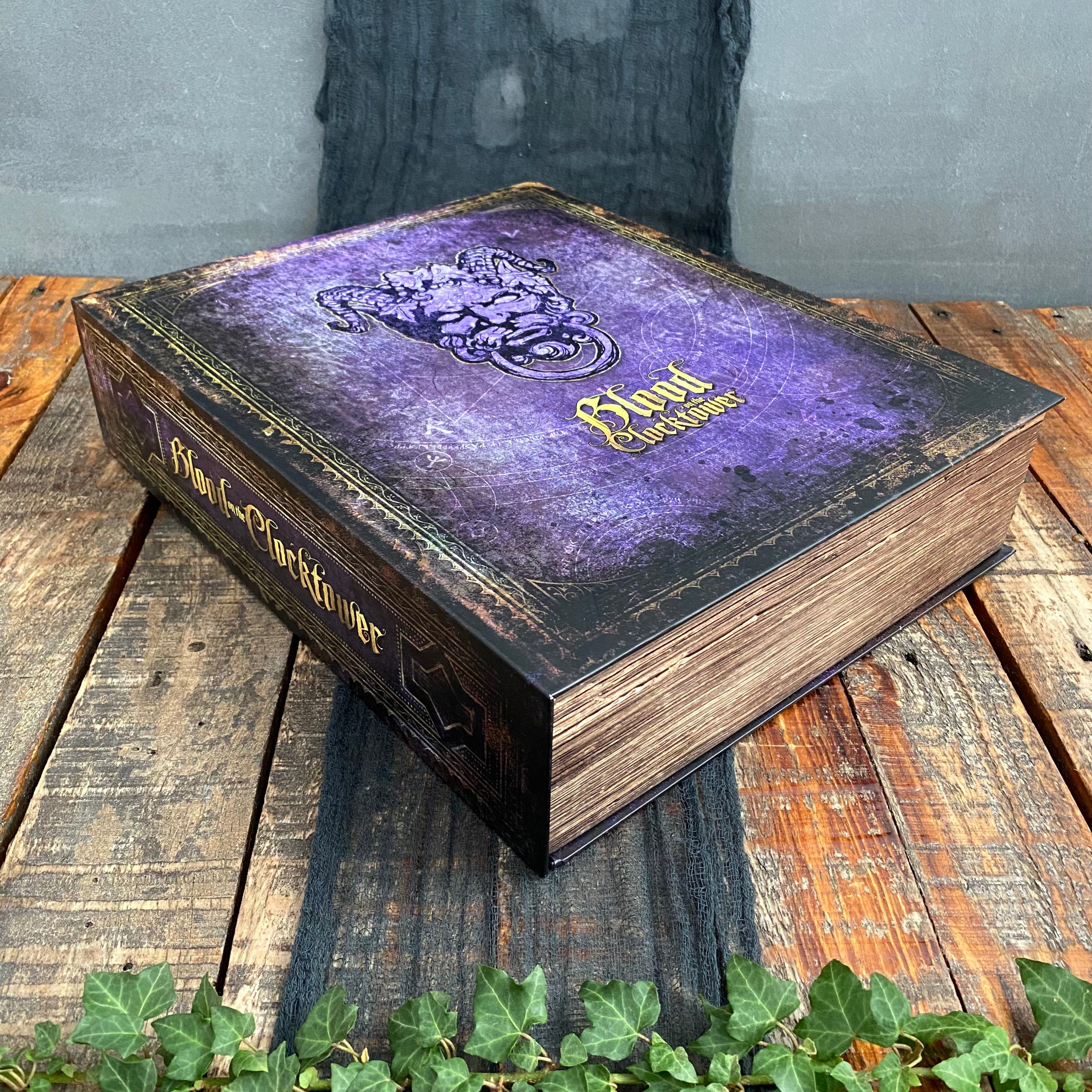
Blood on the Clocktower is a social deduction game where players must work together to identify and eliminate the Demon responsible for a murder in the town of Ravenswood Bluff. The game is played over multiple rounds, with each round consisting of a day phase and a night phase. During the day phase, players discuss and share information, while during the night phase, the Demon and their Minion(s) move undetected to eliminate other players. Players must use their abilities and gather clues to figure out who is good and who is evil, all while trying to stay alive themselves. The game requires strategic thinking, social deduction, and a bit of luck to win.
3-15 60m⚖️ 4.0
RANK #96
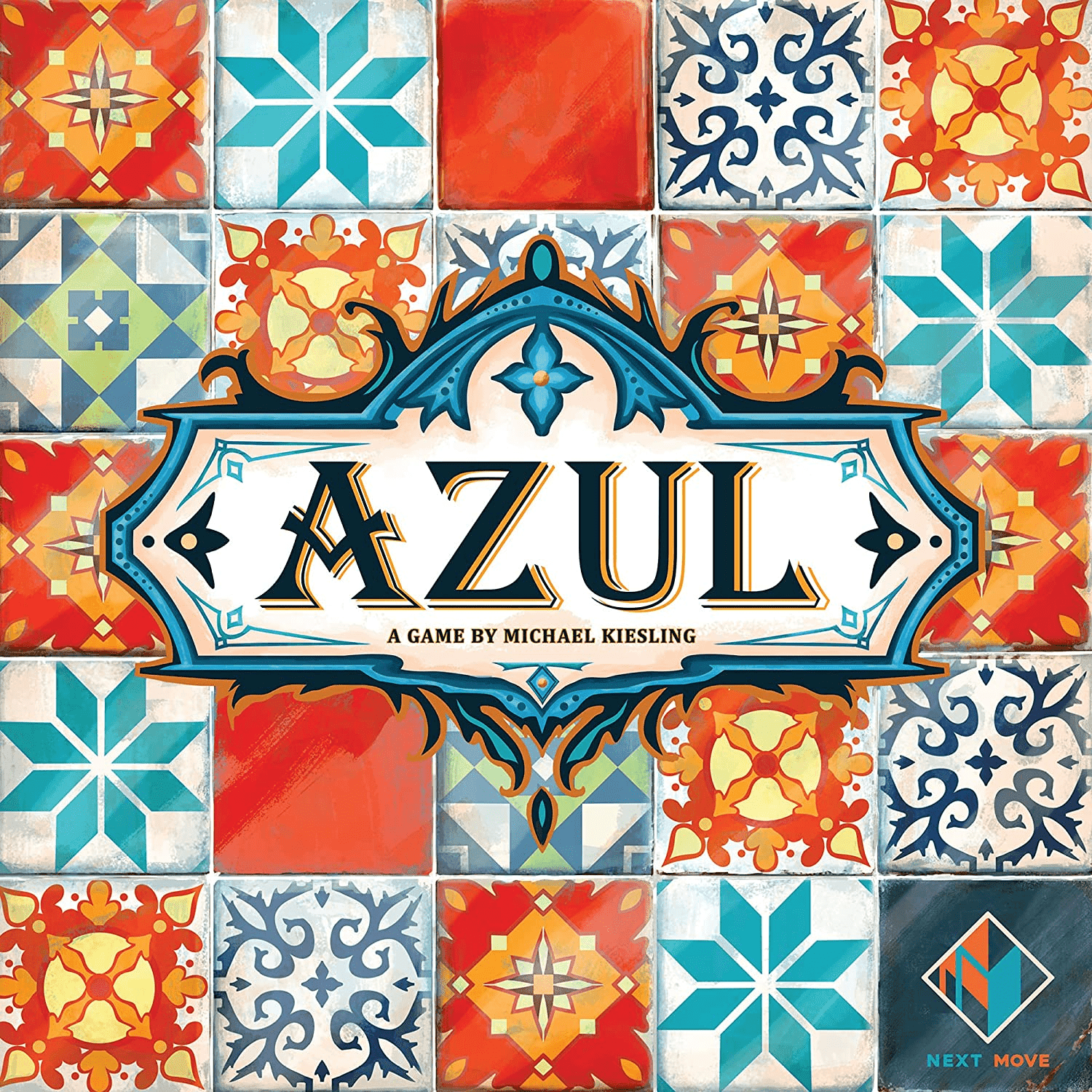
Azul
2017Azul is a strategic board game designed for 2-4 players, where the objective is to create the most beautiful mosaic by collecting and placing tiles. Players take on the role of artisans in a Portuguese factory, competing to be the first to complete their personal mosaic. The game requires careful planning and tactical decision-making as players must balance their own goals with the need to disrupt their opponents' plans.
The game is played over several rounds, each representing a day's work in the factory. On each player's turn, they draw a hand of tiles from the central pool and then take one of three actions: draw additional tiles, place a tile on their personal board, or discard excess tiles to disrupt an opponent's plans.
The game's mechanics are simple yet engaging, making it accessible to new players while still offering depth for experienced gamers. The game's components include 95 double-sided player boards, 168 wall tiles, and 16 scorepads, providing a high-quality gaming experience.
2-4 30m⚖️ 3.0

RANK #103
SCOUT
2019SCOUT is a brilliantly distilled card game where players take on the role of circus ringmasters competing to create the most impressive show. Underneath its charming and minimalist circus theme lies a deeply strategic experience centered around a single, game-changing constraint: you cannot rearrange the cards in your hand. Each card features two different numbers, one on the top and one on the bottom. At the very start of a round, you must make a critical decision to orient your entire hand one way or the other, locking in the sequence of values you'll have to work with. The goal is to skillfully play sets of cards to earn victory points and be the first to empty your hand, avoiding the penalty for leftover cards. This simple premise forces players to think several turns ahead, evaluating the potential of their current card order and planning how to turn a seemingly chaotic hand into a winning performance.
The gameplay elegantly alternates between two core actions: 'Show' and 'Scout'. To 'Show', a player plays a set of one or more cards from their hand to the table. The catch is that these cards must be physically adjacent in their hand. These sets can either be a run of consecutive numbers (like 4-5-6) or a group of matching numbers (like 7-7-7). A newly played show must be more powerful than the set currently on the table, following a clear hierarchy—more cards are better, and sets of a kind beat runs of the same length. If you can't, or strategically choose not to, play a better show, you must 'Scout'. This involves taking one of the end cards from the active show on the table and adding it anywhere into your own hand, in whichever orientation you prefer. This clever mechanism allows you to break up your rigid hand order, bridging gaps to form more powerful sets for future turns. The player whose show was scouted from receives a point token as compensation, creating a fascinating push-and-pull dynamic.
The genius of SCOUT lies in the constant, delightful tension between these two simple actions. Do you play a weak set now just to get cards out of your hand, or do you patiently 'Scout' to build towards an unbeatable combo that could win you the round? This decision-making process makes every turn engaging and consequential. Its fast-paced rounds, which end when a player empties their hand or a show makes it all the way around the table unchallenged, ensure the game never overstays its welcome. Its blend of easy-to-learn rules and surprising strategic depth has earned it widespread acclaim, including a prestigious Spiel des Jahres nomination. SCOUT is the quintessential 'filler' game that packs the punch of a much heavier experience, offering immense replayability and proving that the most compelling designs are often the most elegantly constrained.
1-4 60m⚖️ 1.4
RANK #120
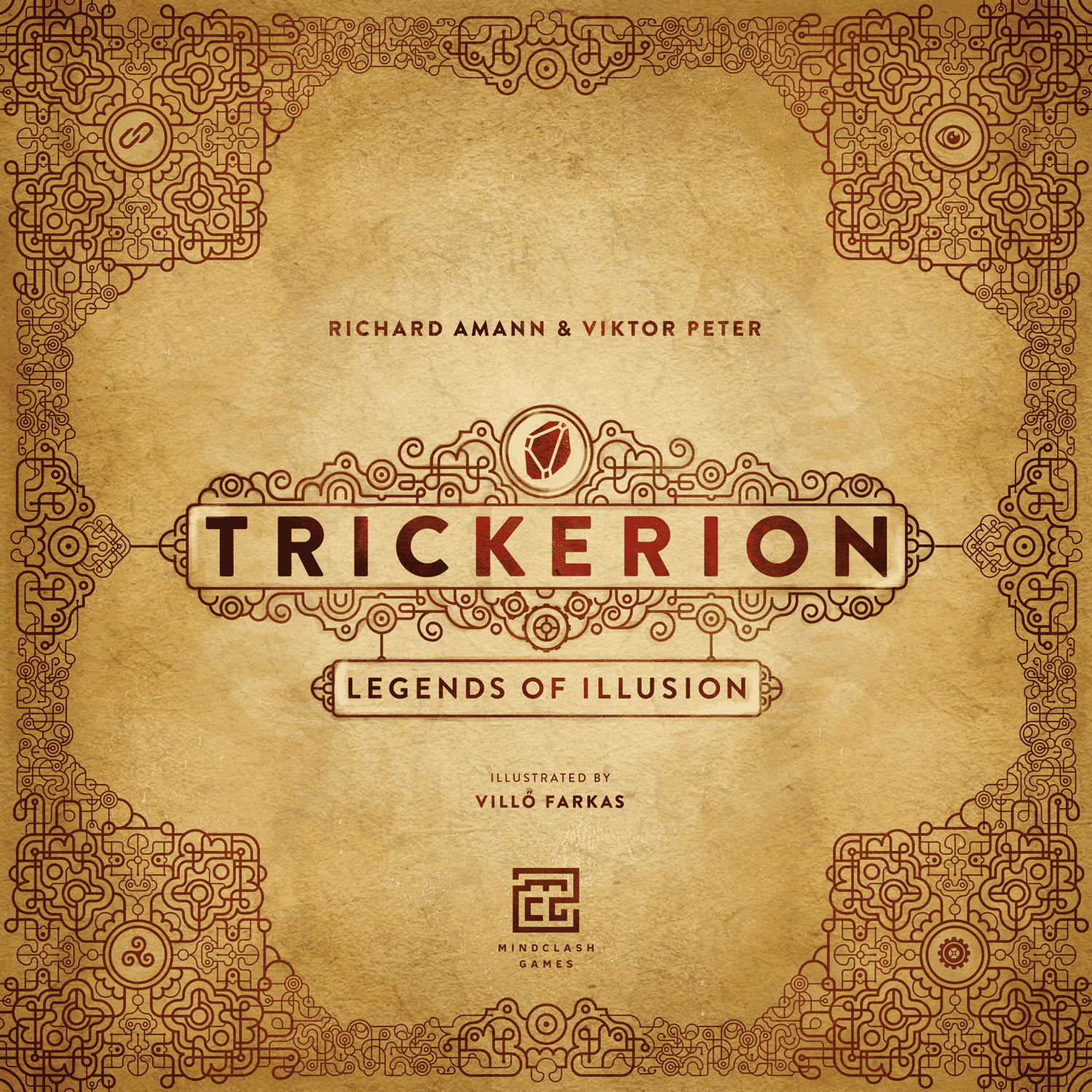
In Trickerion: Legends of Illusion, players take on the roles of illusionists vying for fame and fortune in a mystical world. The game is set in a fantasy realm where magic and deception reign supreme. Players must master various magical disciplines, including illusions, enchantments, and deceptions, to outwit their opponents and gain the most prestige points.
Gameplay involves a combination of strategic planning, resource management, and tactical execution. Each player starts with a unique set of abilities and resources, which they must use to create complex illusions and deceptions. The game features a modular board, composed of interlocking tiles that represent different locations in the mystical world. Players can move their characters through these locations, interacting with other players and resolving challenges.
One of the key mechanics in Trickerion is the 'illusion' system, which allows players to create complex deceptions using various magical disciplines. Players must carefully manage their resources and abilities to create illusions that are convincing enough to deceive their opponents. The game also features a 'reputation' system, where players earn prestige points based on their performance and the quality of their illusions.
Trickerion is a highly strategic game that requires careful planning and execution. Players must balance their short-term goals with long-term strategies, taking into account the ever-changing landscape of the mystical world. The game's unique blend of magic, deception, and strategy makes it an engaging and challenging experience for players.
2-4 60m⚖️ 3.5
RANK #146
Patchwork
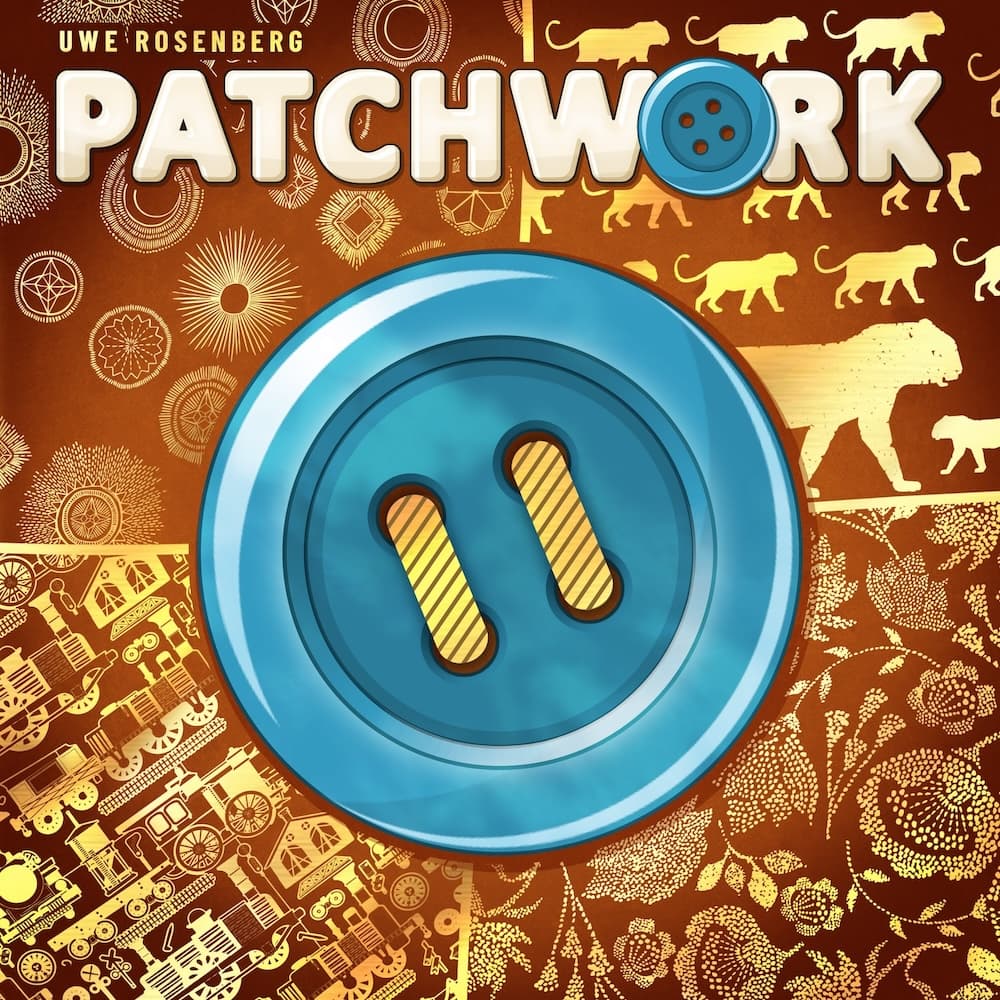
2014Patchwork is a celebrated two-player abstract strategy game from famed designer Uwe Rosenberg. In this charmingly themed contest, players compete to craft the most complete and valuable quilt on their personal 9x9 game boards. The game's currency and victory points are one and the same: buttons. Players must skillfully manage their button economy to purchase irregularly shaped fabric patches, each with its own cost in both buttons and 'time'. The ultimate goal is to fill your board as completely as possible, accumulating a hoard of buttons while avoiding empty spaces, as each uncovered square on your quilt results in a penalty at the end of the game. It's a delightful blend of economic management and a satisfying spatial puzzle.
The gameplay is driven by a unique time track mechanism that dictates the entire flow of the game. Rather than alternating turns, the player whose token is further behind on the central time board is the one to take the next action. When you purchase a patch, you move your token forward a number of spaces equal to its time cost, potentially allowing your opponent to take several turns in a row while you wait. Alternatively, a player can choose to pass and advance their token to the space just ahead of their rival, collecting one button for each space they moved. This creates a fascinating tactical dilemma. Furthermore, as tokens pass specific points on the time track, players receive button income based on the cumulative icons on the patches they've already placed, adding a light engine-building element to the experience.
The enduring appeal of Patchwork lies in its accessible ruleset, which hides a surprising amount of strategic depth. The game presents players with a constant stream of interesting decisions. Do you spend a lot of time to grab a large, valuable patch that fits perfectly, or do you take smaller, cheaper pieces to maximize your number of turns? The Tetris-like joy of slotting a piece perfectly into your quilt is immense, but it must always be weighed against your position on the time track and your button supply. With a special bonus for the first player to complete a 7x7 square, the game feels both tactical and rewarding, making it a beloved classic that is just as engaging for new players as it is for seasoned strategists.
2 30m⚖️ 1.6

RANK #224
Space Base
2018Space Base is a game where players roll two dice and can either assign the total to one number or assign each die to a number individually. The best part of the game is that once you buy better ships for each number, the current ship flips to the top side of your board and you get bonuses for that number when other people are rolling. This keeps players engaged throughout the game, whether it's their turn or someone else's. The game also has a unique expansion that allows up to 7 players to play together. Space Base is a fantastic game that is easy to teach and accessible to new players.
2-7 45m⚖️ 3.0
RANK #253
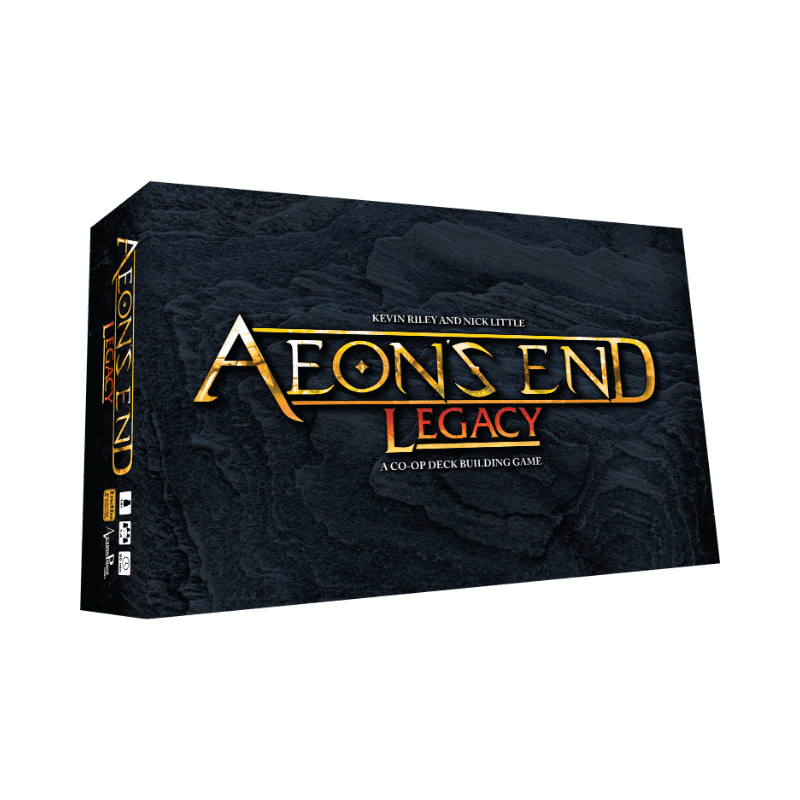
Aeon's End Legacy is a cooperative fantasy deckbuilding game where players combine spells, relics, and gems to build a powerful deck. The goal is to save the home of Gravehold from evil creatures.
1-4 60m⚖️ 3.5
RANK #256
YINSH
2003YINSH stands as a celebrated entry in Kris Burm's renowned GIPF Project, offering a masterful two-player abstract strategy experience. The game is a pure contest of tactical foresight, where players, designated as black and white, compete on a hexagonal board. The objective is deceptively simple: be the first player to achieve victory by removing three of your five personal rings from play. This is accomplished by strategically maneuvering your pieces to form an unbroken line of five markers of your own color. Each time such a line is created, a ring is removed, creating a fascinating countdown to victory that also diminishes a player's power on the board.
The game unfolds in two distinct phases. Initially, players take turns strategically placing their five rings onto the intersections of the board. Once all ten rings are positioned, the main phase begins. On each turn, a player must first select one of their rings and place a marker of their color inside it. This marker joins a constantly evolving landscape of black and white pieces. Next, the player moves that same ring in a straight line to any unoccupied spot. The most critical mechanic is introduced when a ring jumps over a continuous line of markers. The ring must land on the first empty space immediately following the jumped markers, and crucially, all markers that were leaped over are flipped to their opposite color. This constant, dramatic shift in board control is the strategic heart of YINSH.
Successfully forming a row of five friendly markers is a moment of triumph, but it comes with a strategic cost. A player who achieves this must remove the five markers from the board and, as their reward, also removes one of their own rings. While this action brings them one step closer to the three-ring victory condition, it simultaneously reduces their presence and mobility on the board. This creates a compelling strategic dilemma: pursuing victory weakens your operational capacity. This tension defines the game's arc, forcing players to weigh every move carefully. YINSH is adored for this elegant balance of simple rules and profound, emergent depth. It is a game of pure skill with zero luck, where the dynamic, ever-changing board state ensures that no two games are ever alike, offering nearly limitless replayability for those who appreciate a true strategic challenge.
2 45m⚖️ 2.8
Showing 1 to 12 of 26 games