Economic Games
Browse all Economic board games in the Meeple Pulse database.
Styles
Themes
AbstractAdventureAncientAnimalsArtBusinessCard GameCo-operativeComic BookCooperativeCrimeEconomicEnvironmentalismExplorationFantasyHistoricalHorrorHumorIntrigueLiteraryMagicMarvelMedievalModernMuseumMysteryMythologyNatureNauticalPoliticalPress Your LuckSatireSci-FiSocial CommentarySocial InteractionSpaceSuperheroesThematicTravelWarWesternWord-Guessing
Mechanics
3D PlacementActingAction / DexterityAction DraftingAction Point AllowanceAction Point Allowance SystemAction Point SystemAction PointsAction ProgrammingAction QueueAction RetrievalAction SelectionAction/EventAlliancesAlternate ActivationApp-AssistedApp-DrivenArea ControlArea InfluenceArea MajorityArea Majority / InfluenceArea MovementArgumentationAsymmetricAsymmetric FactionsAsymmetric GameAsymmetric PowersAsymmetrical PowersAuction & BiddingAuction/BiddingAuctioningBag BuildingBettingBetting and BluffingBetting and WageringBetting and WagersBiddingBingoBlind BiddingBluffingCampaign / Battle Card DrivenCampaign / LegacyCampaign / Legacy GameCampaign / Mission-basedCampaign / ScenariosCampaign GameCampaign PlayCard DraftingCard DrawingCard DrivenCard Driven ActionCard Driven CombatCard Driven Dice AllocationCard Driven MovementCard ManagementCard PlayCard Play / Hand ManagementCard Play Conflict ResolutionCard SheddingCard-Driven MovementCharacter CreationCharacter ProgressionChit-Pull SystemCo-op PlayCo-operative GameCo-operative PlayCode-breakingCombat ResolutionCombo ChainCommand CardsCommodity SpeculationCommunication LimitsContract FulfillmentContractsCooperative GameCooperative GameplayCooperative PlayCooperative Trick-takingDebateDeck BuildingDeck ConstructionDeck, Bag, and Pool BuildingDeck-BuildingDeductionDexterityDice DraftingDice PlacementDice RollingDiplomatic InfluenceDraftingDynamic Battle SystemEnclosureEnd Game BonusesEngine BuildingEngine-BuildingEscape RoomEvent DrivenExplorationFarmingFlip and WriteFollowFollow ActionGrid CoverageGrid MovementHand ManagementHex-and-CounterHexagon GridHidden MovementHidden RolesI Cut You ChooseIncomeInfluence / Area MajorityLadder ClimbingLegacyLegacy ElementsLegacy GameLegacy SystemLimited CommunicationLine DrawingLine of SightMancalaMap MovementMarketMarket DraftingMarket ManipulationMarket MechanicMarket SpeculationMatchingMeasurement MovementMemoryMission ObjectivesModular BoardModular Board ConstructionMovement TemplatesMulti-Use CardsMulti-use CardsMultiple ScenariosMust FollowNarrative ChoiceNarrative Choice / ParagraphNegotiationNegotiation MechanicsNetwork & Route BuildingNetwork BuildingNetwork and Route BuildingOne vs ManyOne vs. ManyOpen DraftingPaper-and-PencilPartnershipsPattern BuildingPattern RecognitionPick-up and DeliverPlayer EliminationPlayer InteractionPlayer JudgePoint SaladPoint to Point MovementPolyominoesPush Your LuckPush-Your-LuckPuzzlePuzzle-LikePuzzle-SolvingRaceReal-TimeRecipe FulfillmentResource ManagementRole PlayingRole SelectionRoll / Spin and MoveRondelRoute BuildingRoute-BuildingRoute/Network BuildingSanity SystemScenario / Campaign PlayScenario / Mission / Campaign GameScenario / Mission FunctionSecret Unit DeploymentSemi-Cooperative GameSet CollectionSheddingSimulationSimultaneous ActionSimultaneous Action SelectionSimultaneous Hidden AllocationSocial DeductionSocial InteractionSolo / Solitaire GameSpace ExplorationStat Check / Skill CheckStock HoldingStorytellingStrategic PlanningTableau BuildingTactical Decision-MakingTake ThatTargeted CluesTeam PlayTeam-Based GameTeam-Based GuessingTeamworkTech TreesTech Trees / Tech TracksTechnology & Armament TracksTechnology TreeTension & Aggression TracksTile DraftingTile LayingTile PlacementTime TrackTime TravelTower DefenseTrack MovementTradingTrick-takingTug of WarTurn Order: PassTurn Order: Stat-BasedUnit PlacementVariable Phase OrderVariable Player PowersVariable Set-upVariable SetupVictory Point TracksVotingWord AssociationWord GameWord GuessingWord-GuessingWord-guessingWordplayWorker Placement
RANK #269
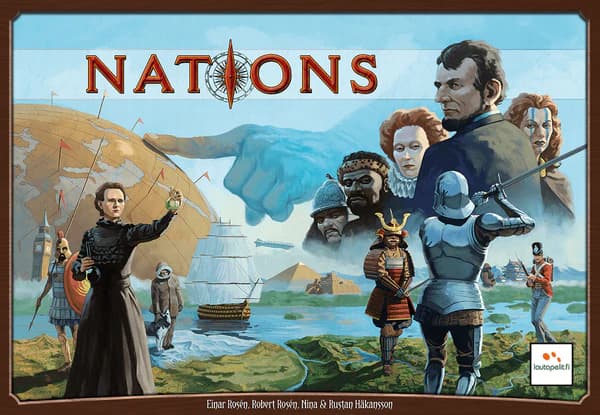
Nations
2013In Nations, you take the helm of a burgeoning civilization, guiding it from the annals of antiquity to the cusp of the First World War. Your ultimate objective is not conquest, but the creation of a lasting legacy, measured in victory points earned through cultural achievements, magnificent wonders, valuable colonies, and historical renown. Players must skillfully navigate the challenges of history to build the most prestigious and prosperous nation. The game is an epic race to accumulate the most 'books', which symbolize your civilization's accumulated knowledge and cultural impact, proving your dominance through wisdom and development rather than brute force.
The game unfolds over eight rounds, divided into four historical ages: Antiquity, Medieval, Renaissance, and Industrial. Each round is a meticulously structured sequence of phases. Players begin by preparing for the challenges ahead, revealing new progress cards and a pivotal event card. The heart of the game is the action phase, where players take turns performing one action at a time, with the player possessing the strongest military going first. Actions are varied and strategic: you might purchase a new technology or building from a shared card row, deploy your workers to activate structures for resources, or assign an architect to the monumental task of constructing a world wonder. Competition is indirect but fierce, as players vie for military superiority to set the turn order and manage the effects of historical events, all while managing resources and keeping their populace stable.
Nations is celebrated for offering a profound and satisfying civilization-building experience within a streamlined and manageable playtime. It captures the grand sweep of history without the complex combat systems or map-based conflicts common to the genre, instead focusing on a tense, indirect struggle for supremacy. Its unique appeal stems from the delicate balancing act required to succeed. You must constantly weigh the immediate needs of your people—food and stability—against long-term investments in military, culture, and economic infrastructure. The variable card market and unpredictable events ensure that each game presents a new strategic puzzle, making Nations a highly replayable and engaging journey through time for strategy enthusiasts.
1-5 120m⚖️ 3.4
RANK #278
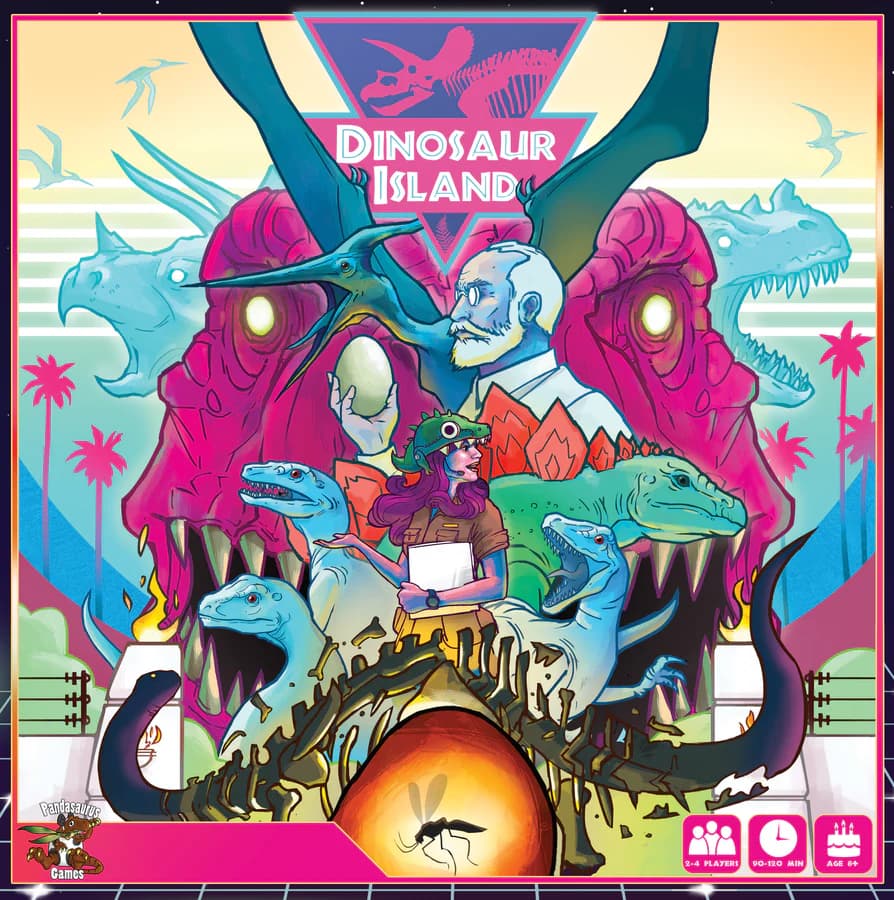
Dinosaur Island
2017Dinosaur Island invites players to take the helm of a sprawling, neon-drenched biological amusement park where bringing prehistoric creatures back to life is just part of the daily grind. Channeling a vibrant, nostalgic aesthetic inspired by the pop culture of the 1980s and 90s, this thematic strategy game tasks you with synthesizing ancient DNA, erecting thrilling rides, and keeping your visitors entertained. Your ultimate objective is to run the most successful and profitable park possible, carefully balancing the awe-inspiring excitement of your newly minted dinosaurs against the ever-present danger of a catastrophic, guest-eating breakout.
The gameplay loop operates across several distinct phases and utilizes a clever blend of worker placement, set collection, and dice drafting. In the initial research phase, players deploy scientists to extract vital genetic sequences from custom amber dice, expand cold-storage capacities, and discover new dinosaur recipes. Next, managers hit the market to purchase essential upgrades, hire skilled specialists, and build amenities like food stands or rollercoasters. The core action then shifts to personal laboratory boards, where workers are simultaneously assigned to refine DNA, breed creatures into paddocks, and bolster park security. Finally, the park opens its gates to a blind draw of visitor meeples. While paying guests bring in much-needed revenue and victory points, sneaky hooligans take up valuable space for free, and any lapse in security will lead to rampaging carnivores devouring the clientele.
What truly sets Dinosaur Island apart is its masterful integration of a deeply engaging theme with satisfying Euro-style mechanics. Fans adore the striking visual presentation, largely driven by vivid pinks and retro graphic design that makes the table presence absolutely pop. Beyond its stunning looks, the game offers remarkable flexibility; players can tailor the experience's length by selecting different sets of objective cards to accommodate quick sessions or sprawling engagements. With a well-regarded solo mode and multiple strategic avenues to explore—from focusing on massive, high-risk carnivores to building a safe, amenity-rich resort—the game provides a robust, replayable puzzle that keeps managers coming back for more thrilling park management.
1-4 120m⚖️ 3.0
BoxNo Cover Art
RANK #299
Hallertau
2020Set in the mid-19th century within the lush Hallertau region of Bavaria, Germany, Hallertau invites players to step into the shoes of village mayors dedicated to agricultural expansion and civic improvement. The primary objective is to cultivate the local economy by efficiently managing crops and livestock to accumulate wealth and prestige. This historical setting isn't just window dressing; it reflects the region's status as the world's premier hop-producing area. Players strive to outmaneuver their rivals by modernizing their village, represented by the advancement of a massive Community Center tile across their personal boards. The player who most effectively balances the demands of the land with the industrial needs of their town will emerge as the most successful leader of this burgeoning rural hub.
The gameplay loop of Hallertau is a sophisticated blend of classic Uwe Rosenberg concepts and bold new innovations. It utilizes a progressive worker placement system where action spaces do not become blocked, but instead grow more expensive as more players utilize them. Each of the six rounds requires players to allocate their limited workforce to gather seeds, sow fields, and tend to sheep. A standout mechanic is the two-field crop rotation system, which simulates soil exhaustion and recovery. Planting a crop lowers a field’s future yield, while leaving it fallow allows it to recover and produce more in subsequent seasons. Simultaneously, players must solve the 'Community Center Puzzle,' spending resources to push five different craft buildings to the right. This movement allows the Community Center to slide forward, which simultaneously increases the player's available workers for future rounds and generates significant victory points.
What truly distinguishes Hallertau and drives its massive popularity is its incredible flexibility and replayability. With over 300 cards divided into several distinct decks—Gateway, Farmyard, Bonus, and Point cards—no two games ever unfold the same way. The ability to play these cards at almost any time during a turn allows for tactical pivots and high-scoring combos that feel immensely rewarding. Unlike the tighter, more restrictive resource management found in Rosenberg's earlier titles like Agricola, Hallertau offers a more forgiving, sandbox-style experience. It rewards clever planning and adaptation rather than penalizing minor inefficiencies. The combination of the sliding board puzzle, the strategic depth of field rotation, and the constant flow of diverse card effects creates a medium-heavy experience that is both intellectually stimulating and deeply satisfying for solo and multiplayer enthusiasts alike.
1-4 95m⚖️ 3.3

RANK #346
Speakeasy
2025Speakeasy, designed by the legendary Vital Lacerda and illustrated by Ian O'Toole, transports players back to the roaring 1920s during the height of the Prohibition era in New York City. In this high-stakes economic strategy game, players step into the shoes of ambitious mobsters looking to capitalize on the illegal alcohol trade by establishing and managing a network of underground bars known as speakeasies. The primary objective is to accumulate the most wealth and influence by the end of the game, navigating a treacherous landscape of rival gangs, fluctuating supply lines, and the ever-present threat of federal intervention. As the city pulsates with jazz and clandestine activity, you must strategically expand your empire across various Manhattan neighborhoods, ensuring your operations remain profitable while outmaneuvering your opponents in a quest for dominance over the Big Apple's nightlife.
The gameplay of Speakeasy is characterized by Lacerda's signature mechanical depth and intricate interconnectedness. Central to the experience is a sophisticated worker placement and card-driven system that requires players to carefully manage their hand of action cards to deploy henchmen and specialists across the city. You will be tasked with acquiring permits, securing bootlegged liquor, and upgrading your modest gin joints into opulent, high-society establishments that attract more prestigious clientele. Notable mechanics include an area majority system where controlling specific districts provides unique bonuses and influence, as well as a dynamic police track that represents the rising 'heat' from the authorities. Players must balance their aggressive expansion with bribes and political maneuvering to avoid raids that could shutter their businesses. The game also features a rich economic engine where resources must be converted efficiently into victory points and cold hard cash, all while keeping a close eye on the shifting demands of the illicit market.
What sets Speakeasy apart and makes it a highly anticipated title for board game enthusiasts is its masterful blend of thematic immersion and heavy strategic challenge. The synergy between Lacerda's complex systems and Ian O'Toole's stunning, era-appropriate graphic design creates a tabletop experience that is both visually captivating and intellectually demanding. Fans of the genre love the puzzle-like nature of the game, where every decision has long-term consequences and the path to victory requires meticulous planning several turns in advance. The game offers a high degree of replayability through its various setup configurations and the tactical depth required to respond to opponents' moves. Furthermore, the way the game simulates the tension of the Prohibition era—balancing the glamour of the jazz age with the gritty reality of organized crime—provides a narrative richness that is rarely seen in such heavy Euro-style games. It is a definitive heavy strategy title that rewards deep thought and offers a rewarding experience for those who enjoy sinking their teeth into a truly substantial gaming project.
1-4 150m⚖️ 4.6

RANK #598
Men-Nefer
2024In "Men-Nefer," the acclaimed 2024 release from publisher Ludonova, players are transported to ancient Egypt to take part in the construction and cultural development of its magnificent capital city. Designed by Germán P. Millán, known for other intricate Eurogames, this title challenges 1 to 4 players to achieve the greatest prestige in the eyes of the Pharaoh. Over the course of three distinct historical eras, you will manage a small team of workers, strategically guiding their efforts across various facets of Egyptian society. The ultimate goal is to amass the most prestige points, proving your worth as the most influential figure in the city's history. "Men-Nefer" presents a compelling, medium-weight strategic puzzle that rewards careful planning and efficient action selection.
The gameplay unfolds over a structured sequence of three eras, with each player receiving exactly 27 turns for the entire game. This tight turn economy makes every decision critical. On your turn, you must choose one of three actions: place a worker onto a main board location, which may incur a food cost if others are already present; move a previously placed worker to an adjacent spot to amplify an action's effect; or draft a new action tile from a common pool to enhance your personal player board for a subsequent era. The heart of the game lies in interacting with five interconnected "mini-games." You can sail boats up the Nile to fulfill contracts, advance priestesses within the temple to make offerings, prepare mummies for the afterlife, contribute to the building of the iconic Pyramids, and erect majestic Sphinxes to gain unique advantages. These activities are driven by a clever blend of worker placement, tile drafting, and set collection.
What makes "Men-Nefer" stand out is the elegant way its five action areas are interwoven, creating a rich tapestry of strategic possibilities. Success requires players to balance their efforts across these different paths, as neglecting one area can leave you vulnerable or cut off from valuable scoring opportunities. The system of drafting action tiles for later eras introduces a fascinating layer of long-term planning, forcing players to think several turns ahead. Players who enjoy optimizing their actions within a constrained system will find the 27-turn limit to be a brilliant design choice that ensures a tense and engaging experience from start to finish. With its strong thematic integration, beautiful artwork by Laura Bevon, and multiple viable strategies to explore, "Men-Nefer" offers deep replayability for fans of thoughtful, mid-weight Euro-style games.
1-4 90m⚖️ 3.7
RANK #850
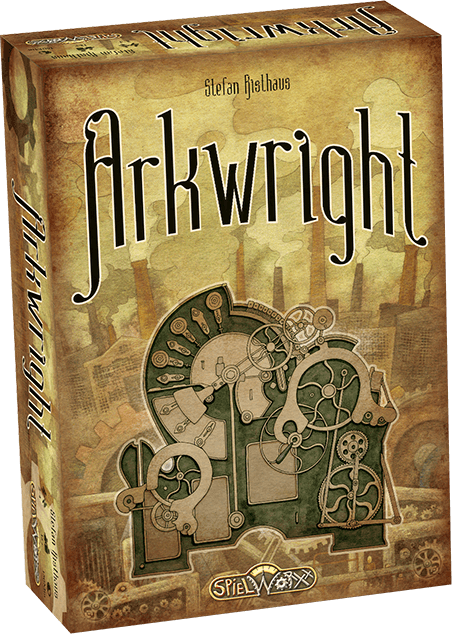
Arkwright
2014Arkwright thrusts players into the heart of the 18th-century Industrial Revolution, casting them as pioneering entrepreneurs in England. This is a deeply strategic and weighty economic simulation where the ultimate measure of success is not merely accumulating cash, but skillfully increasing the value of your company's shares. Players must navigate the birth of modern industry, building a commercial empire from the ground up. The goal is to become the most respected and valuable business magnate of the era, proving your acumen in a fiercely competitive environment. It’s a game about foresight, long-term planning, and understanding the intricate dance between production, labor, and the burgeoning stock market.
The gameplay unfolds over five 'decades', each representing a distinct phase of industrial growth. Each round, players select actions from an administration board, a core mechanic that blends worker placement with strategic resource allocation. These actions are the engine of your enterprise: you will build and modernize up to four factories dedicated to producing essential goods like cloth, cutlery, lamps, or bread. Managing these factories requires a delicate balance. You must hire workers, invest in new machinery to boost efficiency and quality, and, most crucially, set the price for your products. The game features a dynamic market where consumer demand fluctuates and an automated importer provides constant competition, forcing you to carefully consider your pricing strategy to outsell rivals and maximize profits.
What makes Arkwright a celebrated title among serious gamers is its uncompromised complexity and rewarding depth. It is a true 'brain-burner' that challenges players to manage multiple interconnected systems simultaneously. The genius lies in how every decision—from firing a worker to buying a single share of your own stock—has cascading effects on your entire operation and market position. Successfully selling goods directly translates into a higher share price, creating a satisfying feedback loop that rewards efficiency and shrewd market manipulation. The game also offers built-in scalability with its "Spinning Jenny" and "Waterframe" modules, allowing groups to choose between a slightly more streamlined experience or the full, intricate simulation. It’s this challenging but fair economic puzzle that gives Arkwright its immense replayability and enduring appeal.
2-4 180m⚖️ 4.7

RANK #18,974
Yotei
2025Set against the breathtaking backdrop of Mount Yotei in the snowy region of Hokkaido, Japan, 'Yotei' (2025) invites players to step into the roles of ambitious town developers. The primary objective is to construct the most charming, culturally rich Japanese village imaginable. Brimming with authentic local flavor, the game beautifully integrates regional staples such as steaming ramen bowls, tranquil hot springs, traditional shrines, and native wildlife. However, the true lifeblood of this picturesque community is potato farming. In a delightful thematic twist, potatoes serve as the central resource and currency, driving every aspect of your developing local economy as you strive to build the ultimate scenic destination.
At its core, 'Yotei' weaves together highly satisfying tableau and engine-building mechanics with clever worker placement. Players navigate a dynamic three-tiered central market consisting of Forests, Potatoes, and Vending Machines. By spending your hard-earned physical potato tokens, you can draft lower-tier cards that provide permanent icons and discounts, gradually establishing a robust economic engine that makes acquiring valuable higher-tier cards much easier. The action selection is driven by placing adorable, kawaii-style wooden character tokens onto specific spots. Placing a token allows you to claim a card, flip it over to utilize an alternative reward or block a rival, or draw from the unpredictable Mystery Card deck. The game also introduces a thrilling blind-bidding mechanism for highly sought-after market cards. Players secretly stash their potato bids into sealed physical boxes, creating moments of intense psychological bluffing before the big reveal during the round's Harvest Phase.
The experience shines because it perfectly balances accessible, family-friendly rules with surprising strategic depth and tactical player interaction. The inclusion of Mystery Cards injects a dash of take-that excitement, allowing players to freeze opponent's cards, force market reshuffles, or cunningly steal resources when least expected. The game races toward a climax, ending as soon as one developer manages to secure two top-tier Star cards, triggering a final tally of Charm Points represented by hearts on their completed tableau. Beyond the engaging gameplay loop, 'Yotei' is celebrated for its stunning visual presentation. Illustrator Maria Kato drew direct inspiration from real citizens, events, and landscapes of the Niseko region to create the game's captivating artwork. Furthermore, the physical production goes above and beyond by utilizing actual, sustainably sourced Hokkaido wood for its tokens, making the game a tactile joy that pays genuine homage to its beautiful real-world setting.
2-4 45m⚖️ 2.3

Step into the vibrant and meticulous world of bargello embroidery in "Threaded: A Game of Needles and Points." In this beautifully crafted game, players take on the role of passionate needlecraft artisans competing to establish the most renowned and successful studio. Your ultimate goal is to earn the most points by skillfully managing resources, completing stunning needlework projects, and fulfilling lucrative commissions. Through careful planning and a keen eye for color, you will transform simple threads into intricate canvases, building a legacy as the most celebrated stitcher in the community. The game invites you to immerse yourself in a unique, creative theme, blending the satisfaction of crafting with the challenge of strategic gameplay.
At its heart, "Threaded" is an accessible worker placement game. The central loop involves strategically dispatching your assistant-themed worker blocks to various shops around the board. Each location offers distinct advantages, primarily allowing you to gather thread cubes in a variety of colors. These threads are the essential resource you'll use to complete pattern cards and satisfy client commissions. A key strategic decision point arises constantly: should you patiently wait to collect the perfect assortment of colors for a high-value project, or should you adapt your plans and make do with the threads currently available? Beyond collecting threads, you can also visit artisans to acquire special equipment, enhancing your studio's capabilities and efficiency. A notable and whimsical mechanic is the "thread tower," a component that introduces an element of chance, simulating the delightful hunt for a bargain at the bottom of a craft basket.
"Threaded" distinguishes itself with its charming and underserved theme, bringing the art of bargello to the tabletop in an engaging way. Its mechanics are intentionally straightforward, making it an excellent gateway game for those new to worker placement or modern board games in general, while still offering enough tactical depth to keep experienced players engaged. The game's appeal is significantly enhanced by its beautiful aesthetic, brought to life by artist Maria Surducan. Perhaps its most unique feature is the inclusion of a physical mini bargello kit, which allows players to craft their own first-player marker. This clever addition creates a tangible connection to the game's theme, offering a memorable, hands-on experience that beautifully bridges the gap between the world of board games and the world of handicrafts. It's a game that celebrates creativity, strategic thinking, and the simple joy of making something beautiful.
2-5 45m⚖️ 1.9
BoxNo Cover Art
The Great Sea
2026Step into the ancient world as a leader of a burgeoning Phoenician city-state in "The Great Sea," a demanding expert-level strategy game of maritime supremacy. Set against the historical backdrop of the Mediterranean, your goal is to achieve dominance through one of two distinct paths: overwhelming military conquest or unparalleled commercial influence. The game's unique victory condition hinges on this choice. Players advance a marker on a central temple track, which represents their overall prestige. This marker must ultimately meet or surpass a marker on either their combat track or their trade track. The first player to close this gap by specializing in one path, or by maintaining a careful balance, immediately claims victory and asserts their legacy over the sea.
The gameplay is a tense, turn-based affair where calculated decisions are paramount. On their turn, each player typically utilizes two workers to perform actions across the board. These actions are powered by a clever dice mechanic where dice serve as counters rather than being randomized. The numerical value of a die dictates the strength of its corresponding action, adding a layer of resource management to your strategic planning. Core actions include developing crucial technologies to enhance your abilities, commissioning fleets of various sizes to project power, and constructing outposts, strongholds, and trade posts to secure vital regions. Managing resources like wood and coin is critical, as they fuel your expansion and technological advancements.
"The Great Sea" distinguishes itself from many contemporaries with its emphasis on direct, and often unavoidable, player interaction. This is not a solitary race for points; it is a shared arena where confrontation is a key tool for advancement. Engaging in combat with rivals is necessary to gain combat points and seize control of lucrative territories. This "winner-takes-all" design philosophy ensures a dynamic and highly engaging experience, where players must constantly adapt to the shifting political landscape and the aggressive maneuvers of their opponents. Its blend of deep strategic planning, high replayability, and intense competition makes it a highly anticipated title for players who relish weighty, confrontational board games.
2-4 105m⚖️ 4.1
BoxNo Cover Art
The Digital Safety Game is an interactive board game designed to educate players about online safety and digital citizenship. The game's primary goal is to teach players how to navigate the complexities of the internet, avoid potential dangers, and develop healthy online habits. Players take on the roles of digital citizens, tasked with completing various missions and challenges that simulate real-world online scenarios.
Gameplay involves rolling dice to determine movement and action points, which can be used to complete tasks, interact with other players, or access resources. The game board features a modular design, allowing for different scenarios and challenges to be created each time the game is played. Players must work together to overcome obstacles and achieve their objectives, promoting teamwork and collaboration.
One of the unique aspects of the Digital Safety Game is its focus on real-world issues and concerns. Players are introduced to topics such as cyberbullying, online harassment, and data protection, providing a comprehensive understanding of digital safety concepts. The game's mechanics are designed to be engaging and accessible, making it an excellent tool for educators and parents looking to teach children about online responsibility.
The Digital Safety Game has gained popularity among players due to its interactive and immersive gameplay. Players appreciate the opportunity to engage with real-world issues in a fun and educational way. The game's unique blend of strategy and social interaction makes it an appealing choice for families, classrooms, and community groups.
m⚖️ 2.0
Showing 25 to 34 of 34 games