Ancient Games
Browse all Ancient board games in the Meeple Pulse database.
Styles
Themes
AbstractAdventureAncientAnimalsArtBusinessCard GameCo-operativeComic BookCooperativeCrimeEconomicEnvironmentalismExplorationFantasyHistoricalHorrorHumorIntrigueLiteraryMagicMarvelMedievalModernMuseumMysteryMythologyNatureNauticalPoliticalPress Your LuckSatireSci-FiSocial CommentarySocial InteractionSpaceSuperheroesThematicTravelWarWesternWord-Guessing
Mechanics
3D PlacementActingAction / DexterityAction DraftingAction Point AllowanceAction Point Allowance SystemAction Point SystemAction PointsAction ProgrammingAction QueueAction RetrievalAction SelectionAction/EventAlliancesAlternate ActivationApp-AssistedApp-DrivenArea ControlArea InfluenceArea MajorityArea Majority / InfluenceArea MovementArgumentationAsymmetricAsymmetric FactionsAsymmetric GameAsymmetric PowersAsymmetrical PowersAuction & BiddingAuction/BiddingAuctioningBag BuildingBettingBetting and BluffingBetting and WageringBetting and WagersBiddingBingoBlind BiddingBluffingCampaign / Battle Card DrivenCampaign / LegacyCampaign / Legacy GameCampaign / Mission-basedCampaign / ScenariosCampaign GameCampaign PlayCard DraftingCard DrawingCard DrivenCard Driven ActionCard Driven CombatCard Driven Dice AllocationCard Driven MovementCard ManagementCard PlayCard Play / Hand ManagementCard Play Conflict ResolutionCard SheddingCard-Driven MovementCharacter CreationCharacter ProgressionChit-Pull SystemCo-op PlayCo-operative GameCo-operative PlayCode-breakingCombat ResolutionCombo ChainCommand CardsCommodity SpeculationCommunication LimitsContract FulfillmentContractsCooperative GameCooperative GameplayCooperative PlayCooperative Trick-takingDebateDeck BuildingDeck ConstructionDeck, Bag, and Pool BuildingDeck-BuildingDeductionDexterityDice DraftingDice PlacementDice RollingDiplomatic InfluenceDraftingDynamic Battle SystemEnclosureEnd Game BonusesEngine BuildingEngine-BuildingEscape RoomEvent DrivenExplorationFarmingFlip and WriteFollowFollow ActionGrid CoverageGrid MovementHand ManagementHex-and-CounterHexagon GridHidden MovementHidden RolesI Cut You ChooseIncomeInfluence / Area MajorityLadder ClimbingLegacyLegacy ElementsLegacy GameLegacy SystemLimited CommunicationLine DrawingLine of SightMancalaMap MovementMarketMarket DraftingMarket ManipulationMarket MechanicMarket SpeculationMatchingMeasurement MovementMemoryMission ObjectivesModular BoardModular Board ConstructionMovement TemplatesMulti-Use CardsMulti-use CardsMultiple ScenariosMust FollowNarrative ChoiceNarrative Choice / ParagraphNegotiationNegotiation MechanicsNetwork & Route BuildingNetwork BuildingNetwork and Route BuildingOne vs ManyOne vs. ManyOpen DraftingPaper-and-PencilPartnershipsPattern BuildingPattern RecognitionPick-up and DeliverPlayer EliminationPlayer InteractionPlayer JudgePoint SaladPoint to Point MovementPolyominoesPush Your LuckPush-Your-LuckPuzzlePuzzle-LikePuzzle-SolvingRaceReal-TimeRecipe FulfillmentResource ManagementRole PlayingRole SelectionRoll / Spin and MoveRondelRoute BuildingRoute-BuildingRoute/Network BuildingSanity SystemScenario / Campaign PlayScenario / Mission / Campaign GameScenario / Mission FunctionSecret Unit DeploymentSemi-Cooperative GameSet CollectionSheddingSimulationSimultaneous ActionSimultaneous Action SelectionSimultaneous Hidden AllocationSocial DeductionSocial InteractionSolo / Solitaire GameSpace ExplorationStat Check / Skill CheckStock HoldingStorytellingStrategic PlanningTableau BuildingTactical Decision-MakingTake ThatTargeted CluesTeam PlayTeam-Based GameTeam-Based GuessingTeamworkTech TreesTech Trees / Tech TracksTechnology & Armament TracksTechnology TreeTension & Aggression TracksTile DraftingTile LayingTile PlacementTime TrackTime TravelTower DefenseTrack MovementTradingTrick-takingTug of WarTurn Order: PassTurn Order: Stat-BasedUnit PlacementVariable Phase OrderVariable Player PowersVariable Set-upVariable SetupVictory Point TracksVotingWord AssociationWord GameWord GuessingWord-GuessingWord-guessingWordplayWorker Placement
BoxNo Cover Art
RANK #72
Tzolk'in: The Mayan Calendar is a deeply strategic Eurogame where players assume the roles of Mayan tribal leaders vying for the favor of the gods. The ultimate goal is to accumulate the most victory points by the time the massive central calendar gear completes one full revolution. Victory is achieved through a combination of constructing monumental buildings, advancing on temple tracks, developing crucial technologies, and strategically placing valuable crystal skulls. The game is renowned for its visually stunning and mechanically innovative centerpiece: a series of interlocking gears that dictate the flow of the game, representing the cyclical nature of the Mayan calendar and demanding foresight from its players.
The gameplay is driven by a unique 'dynamic worker placement' mechanism. On their turn, a player makes a simple but crucial choice: either place one or more workers on the starting spots of the five action gears, paying in corn, or retrieve one or more workers already on the board. The twist is that actions are only performed when a worker is *retrieved*. Between turns, the central Tzolk'in gear rotates, advancing all workers to more powerful action spaces. This creates a compelling tension: leaving workers on the gears longer yields better rewards—more resources, more powerful building actions, or greater favor with the gods—but it also means delaying your access to those rewards and potentially running out of workers to place. Players must carefully manage their resources like corn, wood, stone, and gold to fuel their placements and constructions, all while balancing the timing of retrieving their workers for maximum effect.
What makes Tzolk'in a beloved classic is this constant temporal puzzle. It's not just about *what* action to take, but *when*. The rotating gears force a long-term strategic perspective, as players must plan several turns ahead to align their worker retrievals with their goals and available resources. Every turn of the great central gear changes the board state, making each decision impactful and every game a different strategic challenge. This system eliminates randomness in favor of pure strategic planning, rewarding players who can master the rhythm of the calendar. The intricate interplay between resource management, technological advancement, and the ever-ticking clock of the gears provides a rich, challenging, and immensely satisfying experience that has cemented its place as a cornerstone of modern board gaming.
2-4 90m⚖️ 4.0
RANK #172
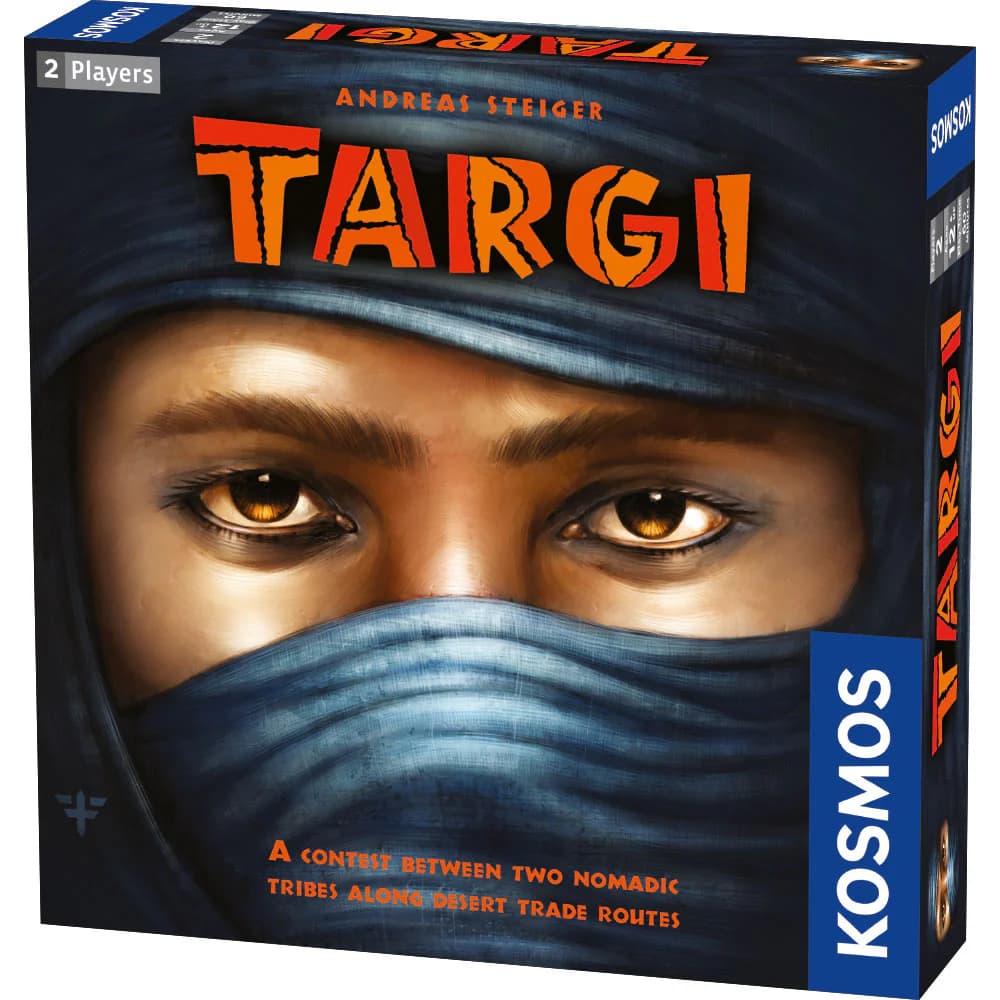
Targi
2012Targi is a critically acclaimed two-player board game that transports players to the Sahara desert, placing them as leaders of Tuareg tribes. The primary goal is to gain wealth and influence, measured in victory points, by strategically trading essential goods like dates, salt, and pepper. Players use these resources to acquire valuable gold and, more importantly, to expand their tribe by purchasing Tribe cards. These cards not only provide immediate or ongoing benefits but also form sets that are crucial for end-game scoring. The player who most effectively manages their resources and builds the most impressive tableau of tribe cards will be declared the winner.
The gameplay of Targi is centered around a clever and unique worker placement mechanism. The game board is a dynamic 5x5 grid of cards, with a border of fixed action cards surrounding a variable 3x3 interior of goods and tribe cards. On their turn, each player places one of their three Targi figures on an available border card. The twist is that after all Targi are placed, players also place tribe markers on the intersection points of the rows and columns their Targi occupy. This means each placement is a dual-purpose decision, granting access to actions on the border cards as well as the powerful resource or tribe cards in the center of the grid. This creates a tense puzzle of blocking, predicting, and optimizing every single turn.
Targi is beloved for packing an immense amount of strategic depth and tense player interaction into a relatively small and elegant package. The intersection mechanic is the star of the show, creating a direct but non-aggressive form of conflict where blocking your opponent's desired spot is as important as securing your own. This constant back-and-forth makes every decision feel meaningful. The game’s variable setup ensures that no two games are ever the same, offering high replayability. For players seeking a pure, brain-burning two-player experience that is easy to learn but difficult to master, Targi stands as a modern classic in the genre, renowned for its tight design and engaging gameplay.
2 60m⚖️ 2.4
RANK #187
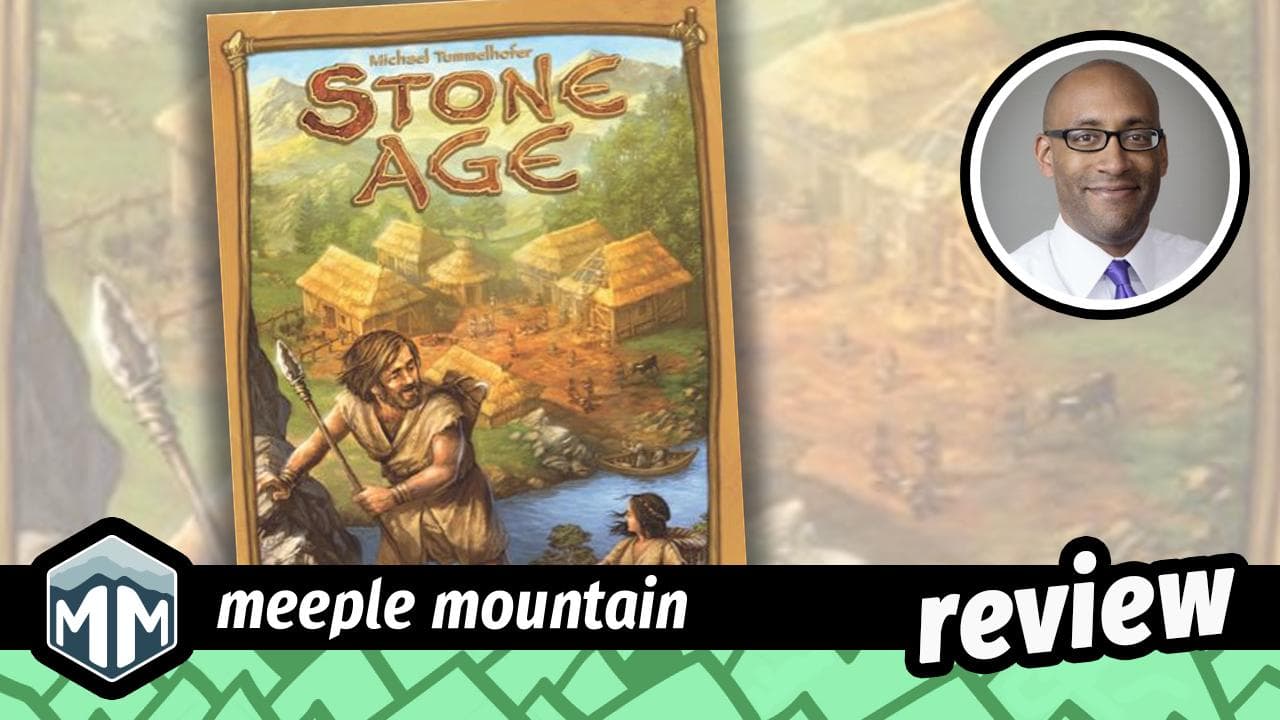
Stone Age
2008Stone Age invites players to the dawn of civilization, casting them as leaders of a burgeoning tribe. This quintessential "gateway" game, first released in 2008, serves as a perfect introduction to the worker placement genre. Your goal is to guide your people to prosperity by strategically gathering resources, developing new technologies, and expanding your village. The ultimate path to victory lies in accumulating the most victory points, which are earned primarily by constructing useful buildings and acquiring valuable civilization cards. These cards reward players for achieving specific long-term goals, such as building a diverse village or growing a large tribe. The player who best balances the immediate needs of their people with the foresight required for a thriving society will be crowned the winner.
The core gameplay is structured around a simple, repeating cycle: placing workers, taking actions, and feeding your tribe. In turn order, players assign their tribe members to various action spaces on the board. These locations allow for hunting, gathering resources (wood, clay, stone, gold), expanding your family, improving agriculture, or crafting helpful tools. Competition for limited spots creates engaging player interaction. Once all workers are placed, their actions are resolved. Resource gathering introduces a clever dice-rolling mechanism: the number of workers sent determines the number of dice you roll. The total is then divided by a specific value for each resource type to determine your yield, creating a fun risk-reward system. Finally, each round concludes with the critical feeding phase, where every tribe member requires food, pushing players to maintain a sustainable food supply or risk penalties.
The enduring appeal of Stone Age lies in its masterful blend of accessibility and satisfying strategic depth. Its rules are easy to grasp, making it an excellent choice for families and those new to the hobby. Yet, the game offers a wealth of meaningful choices that keep experienced players engaged. Do you prioritize increasing your population for more actions, or focus on agriculture to ease the constant demand for food? Do you pursue immediate points from buildings or invest in civilization cards for a big payoff at the end? The element of luck from the dice rolls adds just enough unpredictability to keep the game exciting and prevent it from becoming a purely deterministic puzzle. This elegant design, combined with Michael Menzel's charming and thematic artwork, creates a warm, inviting, and highly replayable experience that remains a staple in the board gaming world.
2-4 75m⚖️ 2.4
RANK #269
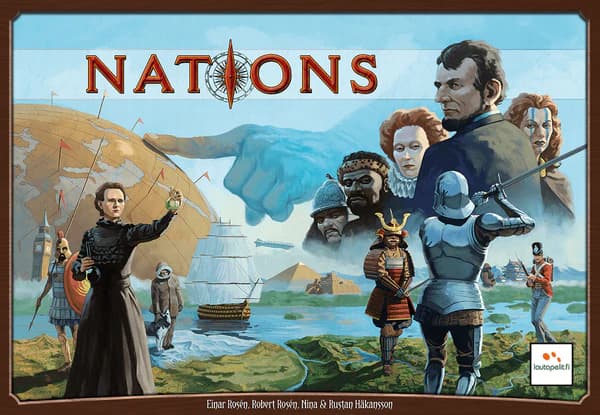
Nations
2013In Nations, you take the helm of a burgeoning civilization, guiding it from the annals of antiquity to the cusp of the First World War. Your ultimate objective is not conquest, but the creation of a lasting legacy, measured in victory points earned through cultural achievements, magnificent wonders, valuable colonies, and historical renown. Players must skillfully navigate the challenges of history to build the most prestigious and prosperous nation. The game is an epic race to accumulate the most 'books', which symbolize your civilization's accumulated knowledge and cultural impact, proving your dominance through wisdom and development rather than brute force.
The game unfolds over eight rounds, divided into four historical ages: Antiquity, Medieval, Renaissance, and Industrial. Each round is a meticulously structured sequence of phases. Players begin by preparing for the challenges ahead, revealing new progress cards and a pivotal event card. The heart of the game is the action phase, where players take turns performing one action at a time, with the player possessing the strongest military going first. Actions are varied and strategic: you might purchase a new technology or building from a shared card row, deploy your workers to activate structures for resources, or assign an architect to the monumental task of constructing a world wonder. Competition is indirect but fierce, as players vie for military superiority to set the turn order and manage the effects of historical events, all while managing resources and keeping their populace stable.
Nations is celebrated for offering a profound and satisfying civilization-building experience within a streamlined and manageable playtime. It captures the grand sweep of history without the complex combat systems or map-based conflicts common to the genre, instead focusing on a tense, indirect struggle for supremacy. Its unique appeal stems from the delicate balancing act required to succeed. You must constantly weigh the immediate needs of your people—food and stability—against long-term investments in military, culture, and economic infrastructure. The variable card market and unpredictable events ensure that each game presents a new strategic puzzle, making Nations a highly replayable and engaging journey through time for strategy enthusiasts.
1-5 120m⚖️ 3.4

RANK #598
Men-Nefer
2024In "Men-Nefer," the acclaimed 2024 release from publisher Ludonova, players are transported to ancient Egypt to take part in the construction and cultural development of its magnificent capital city. Designed by Germán P. Millán, known for other intricate Eurogames, this title challenges 1 to 4 players to achieve the greatest prestige in the eyes of the Pharaoh. Over the course of three distinct historical eras, you will manage a small team of workers, strategically guiding their efforts across various facets of Egyptian society. The ultimate goal is to amass the most prestige points, proving your worth as the most influential figure in the city's history. "Men-Nefer" presents a compelling, medium-weight strategic puzzle that rewards careful planning and efficient action selection.
The gameplay unfolds over a structured sequence of three eras, with each player receiving exactly 27 turns for the entire game. This tight turn economy makes every decision critical. On your turn, you must choose one of three actions: place a worker onto a main board location, which may incur a food cost if others are already present; move a previously placed worker to an adjacent spot to amplify an action's effect; or draft a new action tile from a common pool to enhance your personal player board for a subsequent era. The heart of the game lies in interacting with five interconnected "mini-games." You can sail boats up the Nile to fulfill contracts, advance priestesses within the temple to make offerings, prepare mummies for the afterlife, contribute to the building of the iconic Pyramids, and erect majestic Sphinxes to gain unique advantages. These activities are driven by a clever blend of worker placement, tile drafting, and set collection.
What makes "Men-Nefer" stand out is the elegant way its five action areas are interwoven, creating a rich tapestry of strategic possibilities. Success requires players to balance their efforts across these different paths, as neglecting one area can leave you vulnerable or cut off from valuable scoring opportunities. The system of drafting action tiles for later eras introduces a fascinating layer of long-term planning, forcing players to think several turns ahead. Players who enjoy optimizing their actions within a constrained system will find the 27-turn limit to be a brilliant design choice that ensures a tense and engaging experience from start to finish. With its strong thematic integration, beautiful artwork by Laura Bevon, and multiple viable strategies to explore, "Men-Nefer" offers deep replayability for fans of thoughtful, mid-weight Euro-style games.
1-4 90m⚖️ 3.7
RANK #4,046
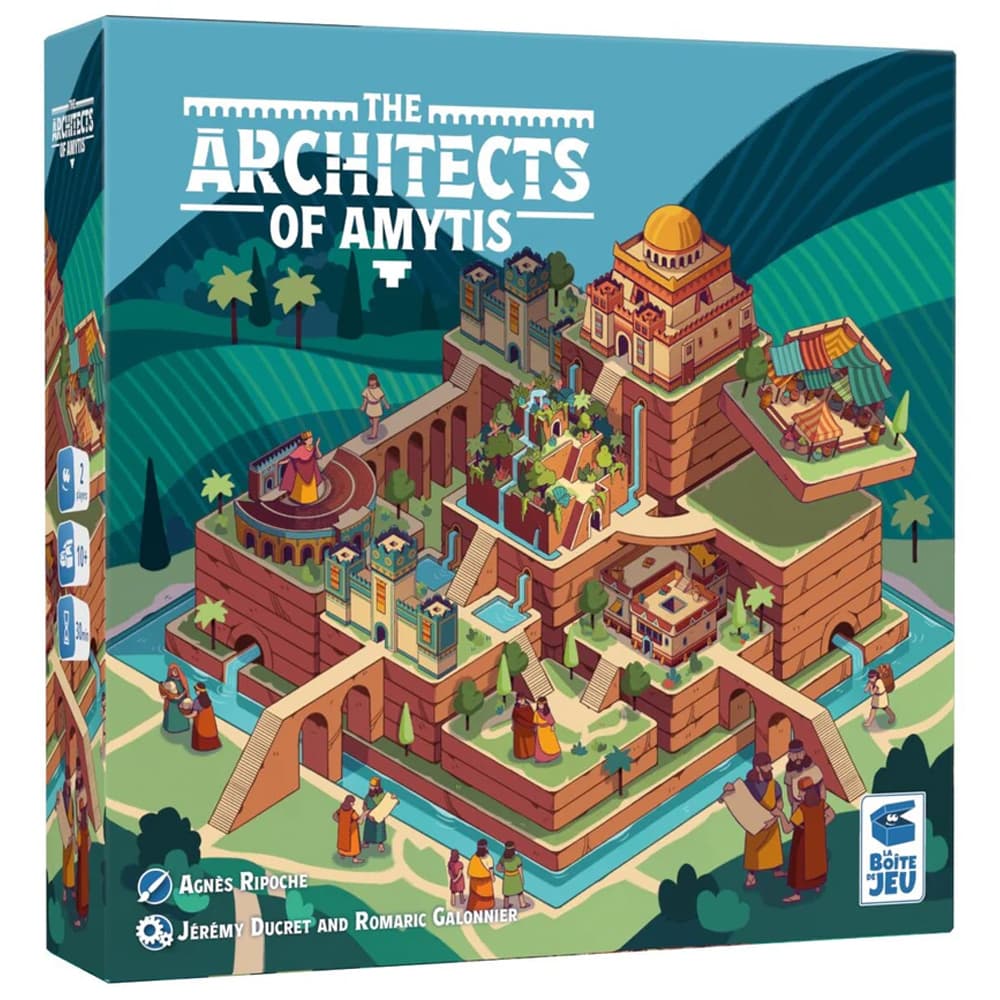
In The Architects of Amytis, two players are transported to ancient Babylon, where they assume the roles of rival architects competing for royal prestige. Commissioned by King Nebuchadnezzar II, your singular goal is to construct the most impressive and magnificent city district for his beloved wife, Queen Amytis. Victory is not achieved through a single grand gesture, but by meticulously accumulating points throughout the game. Players earn points by strategically placing building tiles, completing specific color patterns to satisfy royal 'Project Cards', and cleverly outmaneuvering their opponent to gain the 'King's Favor' for powerful endgame bonuses. The architect with the highest score when the final tile is laid will be celebrated as the greatest builder in all of Babylon.
The gameplay elegantly fuses several mechanics into a tight, interactive duel. The heart of the game is a shared 3x3 market grid, each space holding a stack of building tiles. On your turn, you select and draft one tile from any available stack. However, this choice comes with a crucial consequence: you must immediately place one of your architect pawns onto the now-vacant spot, blocking that stack from both players until your pawn is retrieved. The drafted tile is then placed onto your personal 3x3 city board, either on an empty space or atop an existing tile. Each placement triggers immediate scoring based on the building's type, with variable scoring cards ensuring no two games feel the same. This core loop is complicated by a brilliant spatial mini-game on the market board; if you successfully align three of your architect pawns in a row, column, or diagonal—much like tic-tac-toe—you earn a significant scoring bonus.
The Architects of Amytis is celebrated for its remarkable depth within a very accessible and fast-paced framework. While the rules can be taught in minutes, the strategic implications of each move are profound. The constant tension between improving your own city and blocking your opponent on the shared market creates a highly interactive and engaging experience. Players must constantly weigh their options: Do you take the perfect tile for your city, or do you draft a less optimal tile purely to block your rival or set up a tic-tac-toe victory on the market? This dual-layer puzzle, combined with high replayability from its modular scoring system, makes it a standout two-player game that offers a sharp, tactical challenge that respects players' time.
2 25m⚖️ 2.1
BoxNo Cover Art
The Great Sea
2026Step into the ancient world as a leader of a burgeoning Phoenician city-state in "The Great Sea," a demanding expert-level strategy game of maritime supremacy. Set against the historical backdrop of the Mediterranean, your goal is to achieve dominance through one of two distinct paths: overwhelming military conquest or unparalleled commercial influence. The game's unique victory condition hinges on this choice. Players advance a marker on a central temple track, which represents their overall prestige. This marker must ultimately meet or surpass a marker on either their combat track or their trade track. The first player to close this gap by specializing in one path, or by maintaining a careful balance, immediately claims victory and asserts their legacy over the sea.
The gameplay is a tense, turn-based affair where calculated decisions are paramount. On their turn, each player typically utilizes two workers to perform actions across the board. These actions are powered by a clever dice mechanic where dice serve as counters rather than being randomized. The numerical value of a die dictates the strength of its corresponding action, adding a layer of resource management to your strategic planning. Core actions include developing crucial technologies to enhance your abilities, commissioning fleets of various sizes to project power, and constructing outposts, strongholds, and trade posts to secure vital regions. Managing resources like wood and coin is critical, as they fuel your expansion and technological advancements.
"The Great Sea" distinguishes itself from many contemporaries with its emphasis on direct, and often unavoidable, player interaction. This is not a solitary race for points; it is a shared arena where confrontation is a key tool for advancement. Engaging in combat with rivals is necessary to gain combat points and seize control of lucrative territories. This "winner-takes-all" design philosophy ensures a dynamic and highly engaging experience, where players must constantly adapt to the shifting political landscape and the aggressive maneuvers of their opponents. Its blend of deep strategic planning, high replayability, and intense competition makes it a highly anticipated title for players who relish weighty, confrontational board games.
2-4 105m⚖️ 4.1