Abstract Games
Browse all Abstract board games in the Meeple Pulse database.
Styles
Themes
AbstractAdventureAncientAnimalsArtBusinessCard GameCo-operativeComic BookCooperativeCrimeEconomicEnvironmentalismExplorationFantasyHistoricalHorrorHumorIntrigueLiteraryMagicMarvelMedievalModernMuseumMysteryMythologyNatureNauticalPoliticalPress Your LuckSatireSci-FiSocial CommentarySocial InteractionSpaceSuperheroesThematicTravelWarWesternWord-Guessing
Mechanics
3D PlacementActingAction / DexterityAction DraftingAction Point AllowanceAction Point Allowance SystemAction Point SystemAction PointsAction ProgrammingAction QueueAction RetrievalAction SelectionAction/EventAlliancesAlternate ActivationApp-AssistedApp-DrivenArea ControlArea InfluenceArea MajorityArea Majority / InfluenceArea MovementArgumentationAsymmetricAsymmetric FactionsAsymmetric GameAsymmetric PowersAsymmetrical PowersAuction & BiddingAuction/BiddingAuctioningBag BuildingBettingBetting and BluffingBetting and WageringBetting and WagersBiddingBingoBlind BiddingBluffingCampaign / Battle Card DrivenCampaign / LegacyCampaign / Legacy GameCampaign / Mission-basedCampaign / ScenariosCampaign GameCampaign PlayCard DraftingCard DrawingCard DrivenCard Driven ActionCard Driven CombatCard Driven Dice AllocationCard Driven MovementCard ManagementCard PlayCard Play / Hand ManagementCard Play Conflict ResolutionCard SheddingCard-Driven MovementCharacter CreationCharacter ProgressionChit-Pull SystemCo-op PlayCo-operative GameCo-operative PlayCode-breakingCombat ResolutionCombo ChainCommand CardsCommodity SpeculationCommunication LimitsContract FulfillmentContractsCooperative GameCooperative GameplayCooperative PlayCooperative Trick-takingDebateDeck BuildingDeck ConstructionDeck, Bag, and Pool BuildingDeck-BuildingDeductionDexterityDice DraftingDice PlacementDice RollingDiplomatic InfluenceDraftingDynamic Battle SystemEnclosureEnd Game BonusesEngine BuildingEngine-BuildingEscape RoomEvent DrivenExplorationFarmingFlip and WriteFollowFollow ActionGrid CoverageGrid MovementHand ManagementHex-and-CounterHexagon GridHidden MovementHidden RolesI Cut You ChooseIncomeInfluence / Area MajorityLadder ClimbingLegacyLegacy ElementsLegacy GameLegacy SystemLimited CommunicationLine DrawingLine of SightMancalaMap MovementMarketMarket DraftingMarket ManipulationMarket MechanicMarket SpeculationMatchingMeasurement MovementMemoryMission ObjectivesModular BoardModular Board ConstructionMovement TemplatesMulti-Use CardsMulti-use CardsMultiple ScenariosMust FollowNarrative ChoiceNarrative Choice / ParagraphNegotiationNegotiation MechanicsNetwork & Route BuildingNetwork BuildingNetwork and Route BuildingOne vs ManyOne vs. ManyOpen DraftingPaper-and-PencilPartnershipsPattern BuildingPattern RecognitionPick-up and DeliverPlayer EliminationPlayer InteractionPlayer JudgePoint SaladPoint to Point MovementPolyominoesPush Your LuckPush-Your-LuckPuzzlePuzzle-LikePuzzle-SolvingRaceReal-TimeRecipe FulfillmentResource ManagementRole PlayingRole SelectionRoll / Spin and MoveRondelRoute BuildingRoute-BuildingRoute/Network BuildingSanity SystemScenario / Campaign PlayScenario / Mission / Campaign GameScenario / Mission FunctionSecret Unit DeploymentSemi-Cooperative GameSet CollectionSheddingSimulationSimultaneous ActionSimultaneous Action SelectionSimultaneous Hidden AllocationSocial DeductionSocial InteractionSolo / Solitaire GameSpace ExplorationStat Check / Skill CheckStock HoldingStorytellingStrategic PlanningTableau BuildingTactical Decision-MakingTake ThatTargeted CluesTeam PlayTeam-Based GameTeam-Based GuessingTeamworkTech TreesTech Trees / Tech TracksTechnology & Armament TracksTechnology TreeTension & Aggression TracksTile DraftingTile LayingTile PlacementTime TrackTime TravelTower DefenseTrack MovementTradingTrick-takingTug of WarTurn Order: PassTurn Order: Stat-BasedUnit PlacementVariable Phase OrderVariable Player PowersVariable Set-upVariable SetupVictory Point TracksVotingWord AssociationWord GameWord GuessingWord-GuessingWord-guessingWordplayWorker Placement

RANK #45
Kanban EV
2020Kanban EV is a digital-age take on the classic production line game. Players manage their own manufacturing process, using cards and tokens to optimize their workflow and deliver products efficiently. With its unique blend of resource management and timing-based gameplay, Kanban EV challenges players to balance short-term needs with long-term goals.
1-3 30m⚖️ 2.5
RANK #120
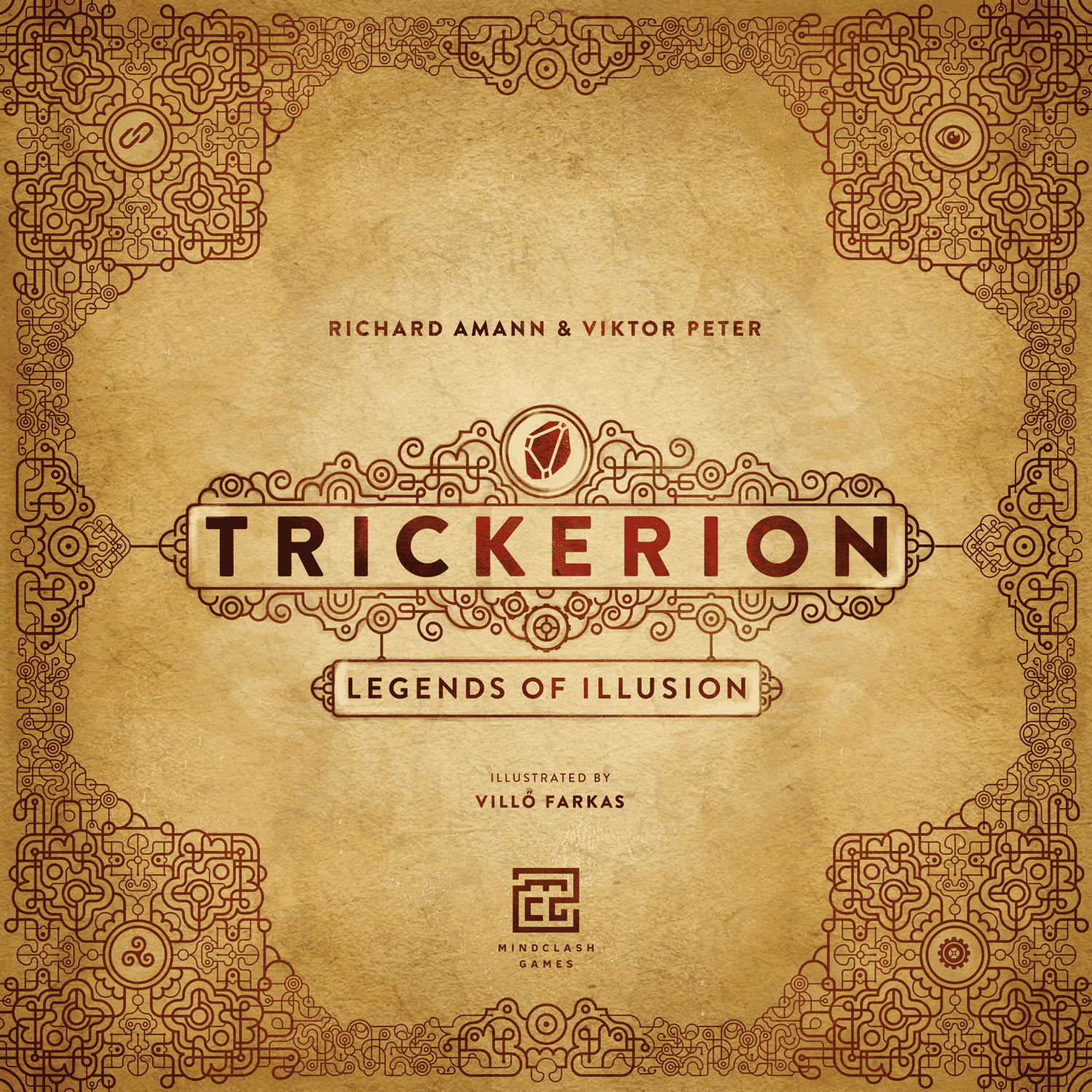
In Trickerion: Legends of Illusion, players take on the roles of illusionists vying for fame and fortune in a mystical world. The game is set in a fantasy realm where magic and deception reign supreme. Players must master various magical disciplines, including illusions, enchantments, and deceptions, to outwit their opponents and gain the most prestige points.
Gameplay involves a combination of strategic planning, resource management, and tactical execution. Each player starts with a unique set of abilities and resources, which they must use to create complex illusions and deceptions. The game features a modular board, composed of interlocking tiles that represent different locations in the mystical world. Players can move their characters through these locations, interacting with other players and resolving challenges.
One of the key mechanics in Trickerion is the 'illusion' system, which allows players to create complex deceptions using various magical disciplines. Players must carefully manage their resources and abilities to create illusions that are convincing enough to deceive their opponents. The game also features a 'reputation' system, where players earn prestige points based on their performance and the quality of their illusions.
Trickerion is a highly strategic game that requires careful planning and execution. Players must balance their short-term goals with long-term strategies, taking into account the ever-changing landscape of the mystical world. The game's unique blend of magic, deception, and strategy makes it an engaging and challenging experience for players.
2-4 60m⚖️ 3.5

RANK #524
Flip 7
2024Flip 7 is a fast-paced and wonderfully accessible card game where the goal is refreshingly simple: be the first player to empty your hand of all your cards. This straightforward objective, however, hides a delightful mix of light strategy, luck, and clever timing that makes each round an engaging puzzle. The game centers around a shared play area with seven distinct piles. Players start with a hand of seven cards and must thoughtfully play them onto these piles, racing against their opponents to shed their hand and claim victory. Its blend of familiar mechanics with a unique core concept makes it an instant hit for a wide variety of gaming groups.
The gameplay loop is elegant and easy to grasp. On a player's turn, they must select a card from their hand and play it onto one of the seven piles. The rule for a legal play is direct: the card being played must either have a higher numerical value than the top card of the pile or be the exact same color. If a player finds themselves unable to make a valid move, they must draw a card from the deck, momentarily pushing them further from victory. The game's namesake and most exciting mechanic is the "flip." When any player plays a card with the number 7, they get to flip that entire pile over, revealing the card that was originally at the bottom. This newly exposed card now dictates the rule for the next play on that stack, which can dramatically alter the strategic landscape of the board in an instant.
What makes Flip 7 so compelling is its brilliant fusion of classic card-shedding gameplay with this innovative 'flip' twist. It evokes the feel of mass-market classics but introduces an unpredictable element that keeps all players on their toes. A pile that was once an easy target can suddenly become unplayable, while a blocked pile might open up into a perfect opportunity. The strategic heart of the game lies in managing your hand and, most importantly, deciding when to deploy your powerful 7s. Using one can save you from drawing a card, but it might also inadvertently help the next player. This constant tactical tension, combined with its quick playtime and support for one to six players, makes it a perfectly versatile choice for family game nights, a party starter, or a quick filler game.
1-6 15m⚖️ 1.0
RANK #4,046
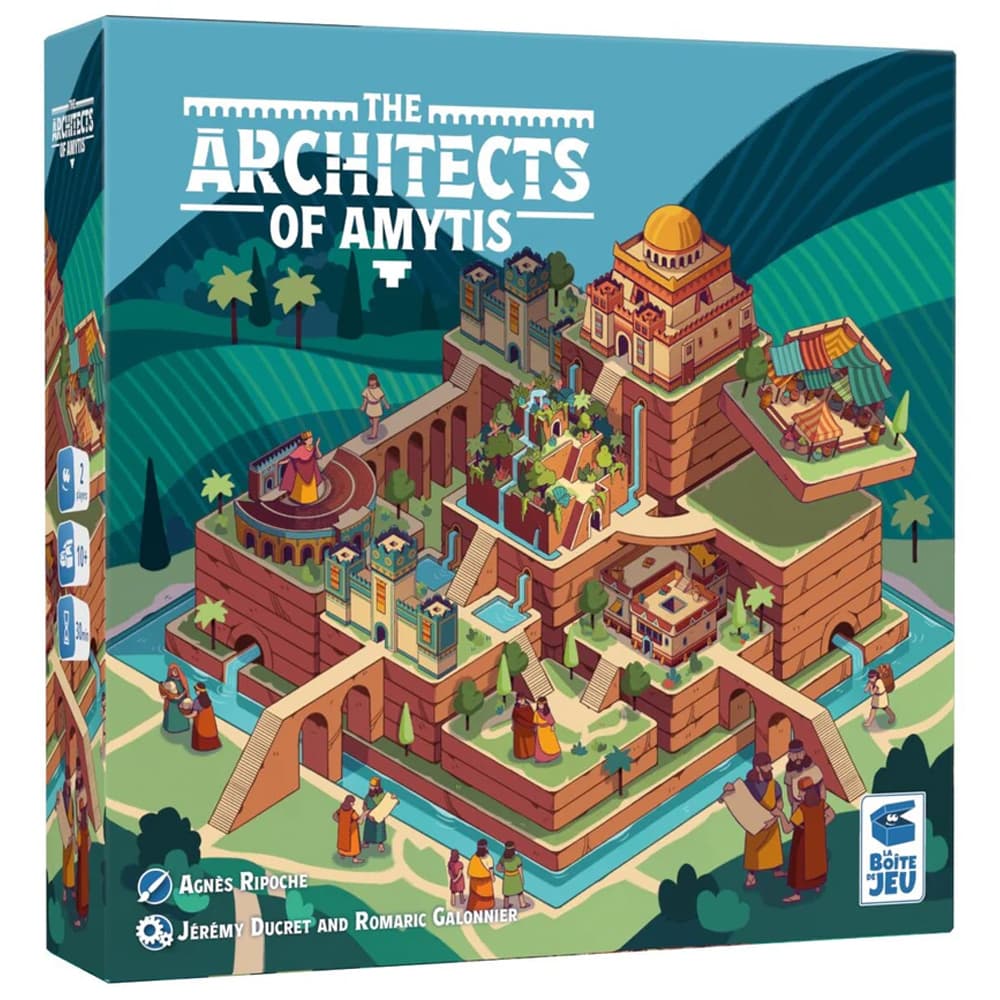
In The Architects of Amytis, two players are transported to ancient Babylon, where they assume the roles of rival architects competing for royal prestige. Commissioned by King Nebuchadnezzar II, your singular goal is to construct the most impressive and magnificent city district for his beloved wife, Queen Amytis. Victory is not achieved through a single grand gesture, but by meticulously accumulating points throughout the game. Players earn points by strategically placing building tiles, completing specific color patterns to satisfy royal 'Project Cards', and cleverly outmaneuvering their opponent to gain the 'King's Favor' for powerful endgame bonuses. The architect with the highest score when the final tile is laid will be celebrated as the greatest builder in all of Babylon.
The gameplay elegantly fuses several mechanics into a tight, interactive duel. The heart of the game is a shared 3x3 market grid, each space holding a stack of building tiles. On your turn, you select and draft one tile from any available stack. However, this choice comes with a crucial consequence: you must immediately place one of your architect pawns onto the now-vacant spot, blocking that stack from both players until your pawn is retrieved. The drafted tile is then placed onto your personal 3x3 city board, either on an empty space or atop an existing tile. Each placement triggers immediate scoring based on the building's type, with variable scoring cards ensuring no two games feel the same. This core loop is complicated by a brilliant spatial mini-game on the market board; if you successfully align three of your architect pawns in a row, column, or diagonal—much like tic-tac-toe—you earn a significant scoring bonus.
The Architects of Amytis is celebrated for its remarkable depth within a very accessible and fast-paced framework. While the rules can be taught in minutes, the strategic implications of each move are profound. The constant tension between improving your own city and blocking your opponent on the shared market creates a highly interactive and engaging experience. Players must constantly weigh their options: Do you take the perfect tile for your city, or do you draft a less optimal tile purely to block your rival or set up a tic-tac-toe victory on the market? This dual-layer puzzle, combined with high replayability from its modular scoring system, makes it a standout two-player game that offers a sharp, tactical challenge that respects players' time.
2 25m⚖️ 2.1