Variable Player Powers Games
Browse all Variable Player Powers board games in the Meeple Pulse database.
Styles
AbstractAbstract StrategyAdventureAnimalsCard GameChildren's GameCivilizationCo-operativeCompetitiveDiceEconomicEducationalEuroExpansion for Base-gameFamilyFantasyFightingHistoricalHorrorMedievalMedium HeavyMiniaturesPartyParty GamePrint & PlayPuzzle-LikeRacingReal-timeSpace ExplorationSportsStrategyTerritory BuildingThematicWargame
Themes
AbstractAdventureAncientAnimalsArtBusinessCard GameCo-operativeComic BookCooperativeCrimeEconomicEnvironmentalismExplorationFantasyFightingHistoricalHorrorHumorIntrigueLiteraryMagicMarvelMedievalModernMuseumMysteryMythologyNatureNauticalParty GamePoliticalPress Your LuckRacingSatireSci-FiSocial CommentarySocial InteractionSpaceSuperheroesThematicTravelWarWesternWord-Guessing
Mechanics
3D PlacementActingAction / DexterityAction DraftingAction Point AllowanceAction Point Allowance SystemAction Point SystemAction PointsAction ProgrammingAction QueueAction RetrievalAction SelectionAction/EventAlliancesAlternate ActivationApp-AssistedApp-DrivenArea ControlArea InfluenceArea MajorityArea Majority / InfluenceArea MovementArgumentationAsymmetricAsymmetric FactionsAsymmetric GameAsymmetric PowersAsymmetrical PowersAuction & BiddingAuction/BiddingAuctioningBag BuildingBettingBetting and BluffingBetting and WageringBetting and WagersBiddingBingoBlind BiddingBluffingCampaign / Battle Card DrivenCampaign / LegacyCampaign / Legacy GameCampaign / Mission-basedCampaign / ScenariosCampaign GameCampaign PlayCard DraftingCard DrawingCard DrivenCard Driven ActionCard Driven CombatCard Driven Dice AllocationCard Driven MovementCard ManagementCard PlayCard Play / Hand ManagementCard Play Conflict ResolutionCard SheddingCard-Driven MovementCharacter CreationCharacter ProgressionChit-Pull SystemCo-op PlayCo-operative GameCo-operative PlayCode-breakingCombat ResolutionCombo ChainCommand CardsCommodity SpeculationCommunication LimitsContract FulfillmentContractsCooperative GameCooperative GameplayCooperative PlayCooperative Trick-takingDebateDeck BuildingDeck ConstructionDeck, Bag, and Pool BuildingDeck-BuildingDeductionDexterityDice DraftingDice PlacementDice RollingDiplomatic InfluenceDraftingDynamic Battle SystemEnclosureEnd Game BonusesEngine BuildingEngine-BuildingEscape RoomEvent DrivenExplorationFarmingFlip and WriteFollowFollow ActionGrid CoverageGrid MovementHand ManagementHex-and-CounterHexagon GridHidden MovementHidden RolesI Cut You ChooseIncomeInfluence / Area MajorityLadder ClimbingLegacyLegacy ElementsLegacy GameLegacy SystemLimited CommunicationLine DrawingLine of SightMancalaMap AdditionMap MovementMarketMarket DraftingMarket ManipulationMarket MechanicMarket SpeculationMatchingMeasurement MovementMemoryMission ObjectivesModular BoardModular Board ConstructionMove Through DeckMovement PointsMovement TemplatesMulti-Use CardsMulti-use CardsMultiple ScenariosMust FollowNarrative ChoiceNarrative Choice / ParagraphNegotiationNegotiation MechanicsNetwork & Route BuildingNetwork BuildingNetwork and Route BuildingOne vs ManyOne vs. ManyOpen DraftingOwnershipPaper-and-PencilPartnershipsPattern BuildingPattern RecognitionPick-up and DeliverPlayer EliminationPlayer InteractionPlayer JudgePoint SaladPoint to Point MovementPolyominoesPush Your LuckPush-Your-LuckPuzzlePuzzle-LikePuzzle-SolvingRaceReal-TimeRecipe FulfillmentResource ManagementRole PlayingRole SelectionRoll / Spin and MoveRondelRoute BuildingRoute-BuildingRoute/Network BuildingSanity SystemScenario / Campaign PlayScenario / Mission / Campaign GameScenario / Mission FunctionSecret Unit DeploymentSemi-Cooperative GameSet CollectionSheddingSimulationSimultaneous ActionSimultaneous Action SelectionSimultaneous Hidden AllocationSocial DeductionSocial InteractionSolo / Solitaire GameSpace ExplorationStat Check / Skill CheckStat Check ResolutionStock HoldingStorytellingStrategic PlanningTableau BuildingTactical Decision-MakingTake ThatTargeted CluesTeam PlayTeam-Based GameTeam-Based GuessingTeamworkTech TreesTech Trees / Tech TracksTechnology & Armament TracksTechnology TreeTension & Aggression TracksTile DraftingTile LayingTile PlacementTime TrackTime TravelTower DefenseTrack MovementTradingTrick-takingTug of WarTurn Order: PassTurn Order: Stat-BasedUnit PlacementVariable Phase OrderVariable Player PowersVariable Set-upVariable SetupVictory Point TracksVotingWord AssociationWord GameWord GuessingWord-GuessingWord-guessingWordplayWorker Placement
RANK #294
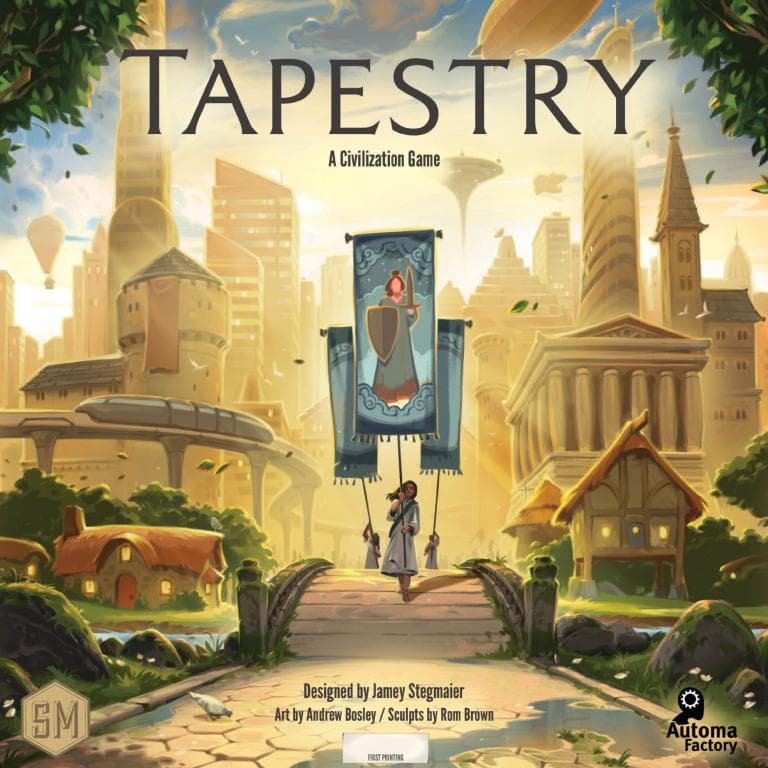
Tapestry
2019Tapestry is a civilization-building board game that breaks away from traditional historical simulations by offering a colorful, anachronistic approach to human development. Designed by Jamey Stegmaier, the game challenges players to guide a unique culture from the earliest days of discovery into the technological wonders of the near future. The primary goal is to accumulate the most victory points by advancing on four core tracks: Science, Technology, Exploration, and Military. Unlike typical '4X' games that focus heavily on combat, Tapestry emphasizes a strategic optimization puzzle where players craft their own narrative through cards and landmarks within their growing capital city.
The heart of the experience lies in a streamlined decision-making process. On every turn, a player chooses between an Advancement turn or an Income turn. Advancement involves spending resources to climb one of the four tracks, each providing immediate rewards, permanent upgrades, and powerful landmark miniatures. When resources run dry, players take an Income turn to transition into a new era. This phase allows them to collect income based on their current progress, play a Tapestry card that defines their civilization's special abilities for that era, and upgrade technology. This asymmetric structure is further enhanced by sixteen distinct civilization mats, each granting game-changing powers that require players to pivot their strategies constantly.
What truly sets Tapestry apart is its high production value and the 'simple rules, deep strategy' philosophy. The game features 18 prepainted landmark miniatures that players place on their Capital City grids to complete 3x3 districts, adding a tactile tile-laying element. Because players take exactly five income turns throughout the session, the pacing varies significantly between participants. One player might conclude their journey early while others are still in their fourth era, creating a unique tension in resource efficiency. It is a medium-weight engine-building experience that rewards long-term planning while remaining accessible to many due to its concise rulebook, offering high replayability through variable setups and asymmetric components.
1-5 105m⚖️ 2.9
RANK #296
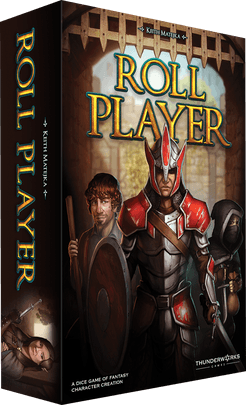
Roll Player
2016Roll Player is a creative board game that turns the classic tabletop RPG character creation process into a full competitive experience. Instead of embarking on a dungeon crawl, players are focused entirely on the preparation stage—building the most powerful and well-rounded fantasy hero possible. Set in the world of Ulos, each player takes on the role of a character with a specific race, class, and backstory. The primary objective is to earn the most Reputation Stars by the end of the game, which are awarded for meeting attribute requirements, fulfilling backstory goals, aligning your character's morality, and gathering powerful gear from the local market.
The gameplay revolves around a central dice-drafting mechanic spanning several rounds. Each round, dice are rolled and placed on initiative cards. Players take turns selecting a die to place on their character sheet in specific attribute rows like Strength, Intelligence, or Charisma. Each placement triggers a unique attribute action, allowing players to manipulate their dice by flipping them to opposite sides, re-rolling them, or swapping positions. This creates a deep, puzzle-like environment where players must carefully manage their resources and dice values. After the drafting phase, players visit the market to spend gold on skills, traits, and armor sets, all of which provide additional ways to score points or gain tactical advantages during future rounds.
What makes Roll Player so beloved is its ingenious 'gamification' of a meta-concept. It captures the nostalgic joy of rolling stats for a Dungeons & Dragons character while providing a rigorous strategic framework. The tension between picking the 'perfect' die for your stats versus picking an earlier initiative card to get the best equipment in the market makes for a compelling decision space. It is a highly satisfying optimization puzzle that feels thematic and rewarding, especially as you see your hero come together from a blank slate to a fully equipped champion. With a moderate complexity level, it is accessible enough for casual gamers while offering enough depth for strategy enthusiasts.
1-4 75m⚖️ 2.4
RANK #305
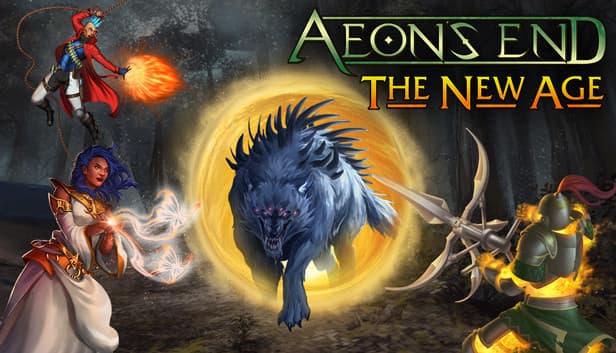
Aeon's End: The New Age is a standalone cooperative deck-building experience that invites players into the final bastion of humanity, Gravehold. As Breach Mages, participants must defend their home against the relentless assault of the Nameless—monstrous entities from another dimension. This entry in the series serves as a perfect jumping-off point for newcomers while offering a wealth of content for long-time fans. The primary objective is to deplete the health of the Nemesis before they overrun the city or exhaust the mages' collective life force. Unlike traditional deck-builders, this title introduces a narrative campaign that evolves with every victory and defeat.
The gameplay's core revolves around the ingenious 'no-shuffling' mechanic. When your deck is empty, you simply flip the discard pile over, meaning the order in which you play and discard your cards determines your future draw sequences. This adds a deep layer of tactical planning, allowing mages to set up devastating combos by timing their card acquisitions and plays. The New Age introduces the 'Expedition System', a semi-legacy format where players progress through four connected battles. Between matches, you unlock 'Treasures'—powerful artifacts that enhance your mage's unique abilities—and manage the 'Barracks' to customize your market. New keywords like 'Echo', which permits spells to be cast twice, and 'Attach', which upgrades breaches with permanent perks, further deepen the strategic complexity.
What truly sets this expansion apart is its modularity and tension. The 'Variable Turn Order' deck ensures that players never know exactly when the Nemesis will strike, preventing the 'alpha gamer' problem often found in co-ops. The Expedition system isn't just a story; it's a hub that allows players to integrate content from any other Aeon's End box, creating a custom, high-stakes campaign using a massive library of mages and enemies. This creates near-infinite replayability. Fans adore the game for its punishing but fair difficulty, the high-quality narrative envelopes that reveal new content organically, and the satisfying feeling of building a perfectly tuned engine that can take down a god-like foe.
1-4 75m⚖️ 3.0
RANK #343
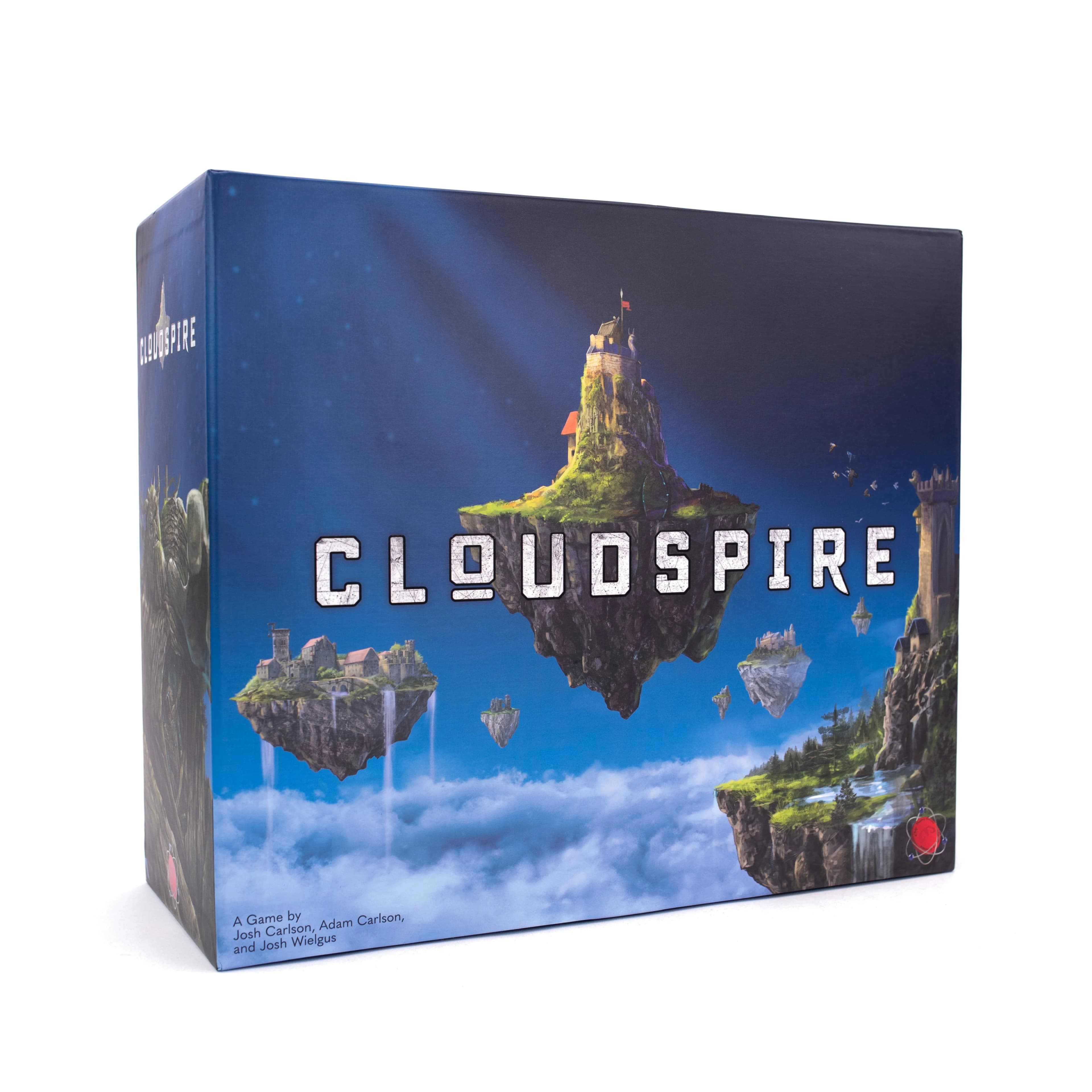
Cloudspire
2019Cloudspire delivers a groundbreaking tabletop experience by expertly translating the high-stakes action of a Multiplayer Online Battle Arena (MOBA) and the strategic foresight of a tower defense game into a physical format. Set in the fantastical floating realm of Ankar, players assume command of one of four highly unique and asymmetrical factions, each with its own distinct units, heroes, and strategies. The primary objective is a direct and uncompromising assault on your opponents' fortresses. Victory is a matter of tactical supremacy, achieved by methodically dismantling enemy defenses and ultimately razing their stronghold to the ground while ensuring your own fortress withstands the relentless onslaught. It’s a game of calculated aggression and stalwart defense where only the most cunning leader will prevail.
The game unfolds over four intense rounds, known as waves, each governed by a structured sequence of phases that guides the flow of battle. The action begins with an Event phase, which can introduce unexpected twists to the current wave. Following this, players gain their primary resource, 'Source', during the Income phase. This resource is then spent in the Market and Build phases to purchase new units and spires, upgrade existing defenses, and enhance their fortress's capabilities. In the Prep phase, players commit their forces, spending Command Points to deploy minions and powerful heroes onto the modular hex-grid game board. The climax of each wave is the Onslaught phase, where units automatically advance along the map, engaging any foes they encounter. Heroes, however, offer a layer of direct control, allowing players to make critical tactical decisions in the heat of battle.
Cloudspire is celebrated for its immense strategic depth and exceptional production quality, a hallmark of its publisher, Chip Theory Games. The game's appeal lies in its successful fusion of genres, creating a puzzle that is both tactically demanding and immensely rewarding. The asymmetry of the factions guarantees a high degree of replayability, as mastering one faction feels entirely different from commanding another. This is further enhanced by the game's robust support for multiple play styles, offering meticulously designed rulesets for solo, cooperative, and fiercely competitive player-versus-player engagements. For players who crave a complex, component-rich wargame with high player interaction and a fresh take on established video game concepts, Cloudspire stands as a monumental achievement in modern board game design.
1-4 120m⚖️ 4.4

RANK #409
Arydia: The Paths We Dare Tread invites players into a sprawling, open-world fantasy experience designed for cooperative play. In this epic role-playing board game, you and your companions embody exiles, individuals cast out from society and striving to find their way back. Your journey will be a grand campaign across the vast and mysterious lands of Arydia, a world brimming with quests to undertake, secrets to uncover, and a rich narrative to shape. The game is built upon four foundational pillars—Exploration, Progression, Combat, and Role-playing—promising a deeply immersive adventure where your choices have a tangible impact on the evolving story and the world around you.
The core gameplay loop is a dynamic blend of discovery and conflict. Players begin by creating a unique hero, choosing a distinct path (class) and race, each with special abilities and represented by a beautifully pre-painted miniature. The world of Arydia is revealed through a modular map of hexagonal tiles, which are flipped as you travel to unveil everything from bustling cities to perilous wilds. During "Adventure mode," you'll interact with non-player characters, investigate points of interest, and accept quests that propel the story forward. When danger arises, the game seamlessly transitions to "Combat mode," a tactical, turn-based affair on a gridded map where teamwork is paramount to overcoming AI-controlled adversaries.
What truly sets Arydia apart is its innovative "green legacy" system. This design choice offers the persistent, evolving world and unlockable content of a traditional legacy game but with a crucial difference: it's entirely resettable and replayable. Nothing is permanently destroyed, allowing you to experience the 40+ hour campaign multiple times or share the adventure with a new group. The character progression is robust, allowing you to acquire powerful new weapons, items, and skills. Combat is also noteworthy for its unique pattern-based attack system, where you must strategically target specific zones on an enemy's card, carefully navigating their armor to land effective blows. With a convenient index system for saving progress, Arydia delivers an accessible yet deeply strategic campaign for those who dare to tread its paths.
1-4 150m⚖️ 4.0
RANK #441
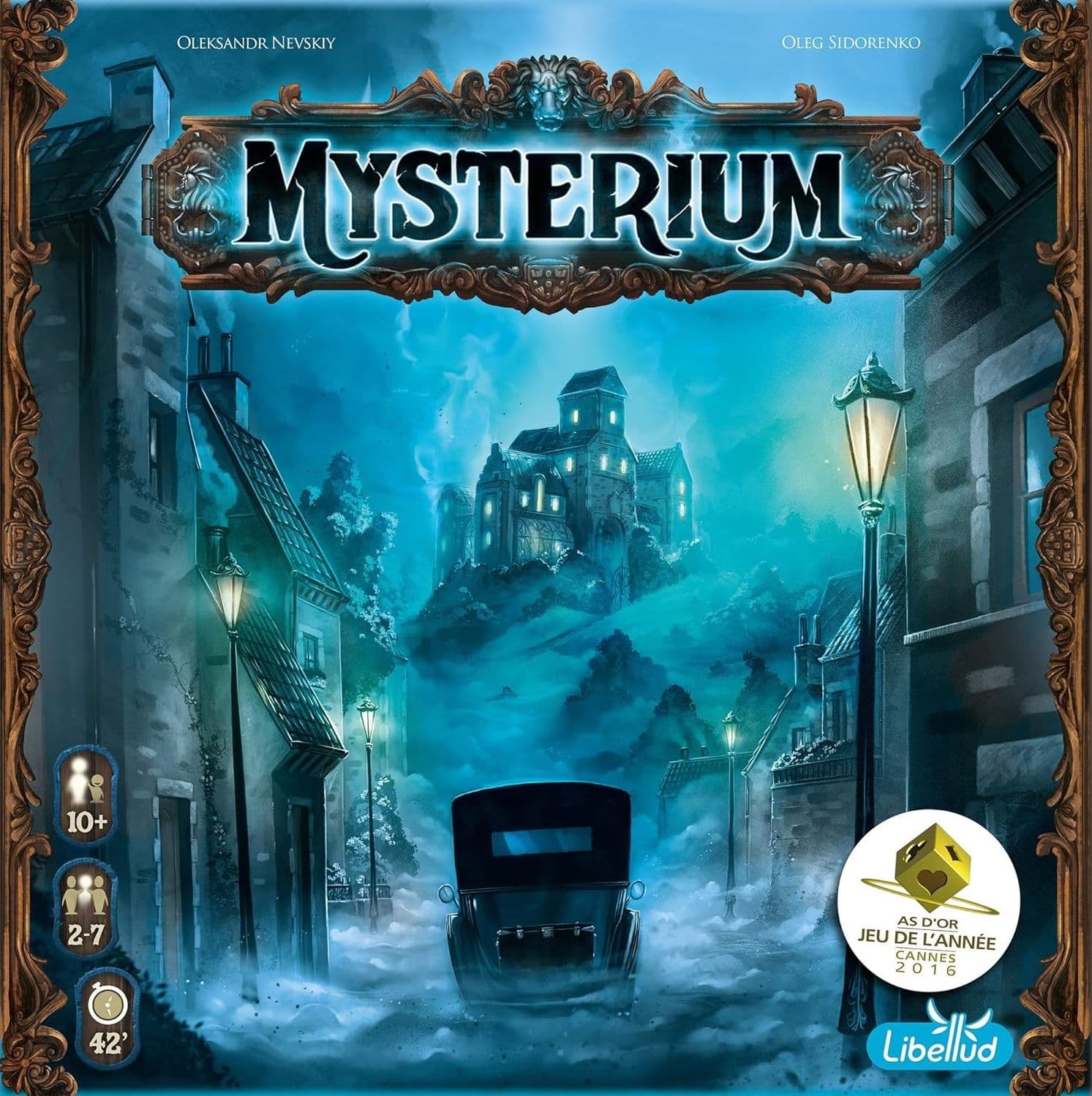
Mysterium
2015Mysterium is a cooperative board game for 2-7 players, designed by Julienne Laforce, Giovanni Lapenta, and Jeremy Holmes, published by Asmodee Editions. This game takes you on an eerie journey where one player takes on the role of a ghost trying to communicate with four psychic mediums to solve murder mysteries. The ghost's goal is to guide the psychics to reveal the correct suspects, motives, and locations before time runs out.
In Mysterium, each player takes turns playing as a psychic medium, receiving visions from the ghost through a mysterious portal. These visions are represented by cards with different symbols, colors, and numbers. The players must work together to figure out what the ghost is trying to say and make decisions based on the information provided.
As the game progresses, the psychics will receive new clues and piece together the mystery. However, they must do so before the time runs out, or else the murder will remain unsolved. The game requires strategic thinking, deduction, and teamwork to solve the crime.
What makes Mysterium unique is its cooperative gameplay, where players work together to achieve a common goal. Each player has their own role and abilities, making each playthrough different. Additionally, the game's atmosphere and artwork are designed to evoke feelings of mystery, suspense, and fear, immersing players in an eerie world.
Mysterium is perfect for fans of cooperative games, murder mysteries, and puzzle-solving. The unique gameplay mechanic and immersive atmosphere make it a standout title among modern board games.
(And now, if you'll excuse me, I'll just go ahead and solve this murder mystery... or maybe not.)
2-7 60m⚖️ 3.0

RANK #508
Earthborne Rangers is a heavily narrative, cooperative card game that transports players to a distant, hopeful future where humanity thrives alongside nature. Distinct from the typically dark and doom-filled atmospheres of many 'living card games', this eco-conscious adventure allows players to embark on an open-world campaign set within a sprawling, vibrant valley. The primary goal is not strictly about defeating enemies in combat, but rather surviving and exploring an immersive ecosystem. Players take on the roles of unique Rangers, venturing out to discover secrets, interact with wildlife, and complete quests, all while navigating a living environment that acts independently of their direct actions.
Gameplay revolves around a sophisticated deck-construction framework where your character's background, personality, and specialty dictate their starting stats and abilities. During a session—referred to as a 'Day'—players leverage four key aspects (Awareness, Focus, Spirit, and Fitness) to generate energy, which is then spent to play cards, clear obstacles, or persuade non-player characters. A standout feature is the location-specific 'Path Deck'. This deck dynamically populates the area with flora, fauna, and dynamic hazards that interact with each other even without player intervention. Throughout the day, players earn rewards, suffer fatigue, and read from an extensive campaign guide, gradually unlocking new skills and memories to upgrade their custom decks between sessions.
Fans of deep, tactical card play are drawn to Earthborne Rangers for its lush world-building and the sheer freedom of its sandbox design. The game seamlessly blends challenging, combo-heavy puzzles with a genuinely uplifting 'hopepunk' narrative that encourages you to step off the beaten path and simply hike through the wilderness. Furthermore, the development team—composed of industry veterans—has been widely praised for prioritizing sustainable, eco-friendly manufacturing methods. Whether you are following the central storyline or simply exploring the rich, reactive valley, this heavy-weight puzzle offers a breathtakingly fresh and highly replayable cooperative experience.
1-4 120m⚖️ 3.5
RANK #702
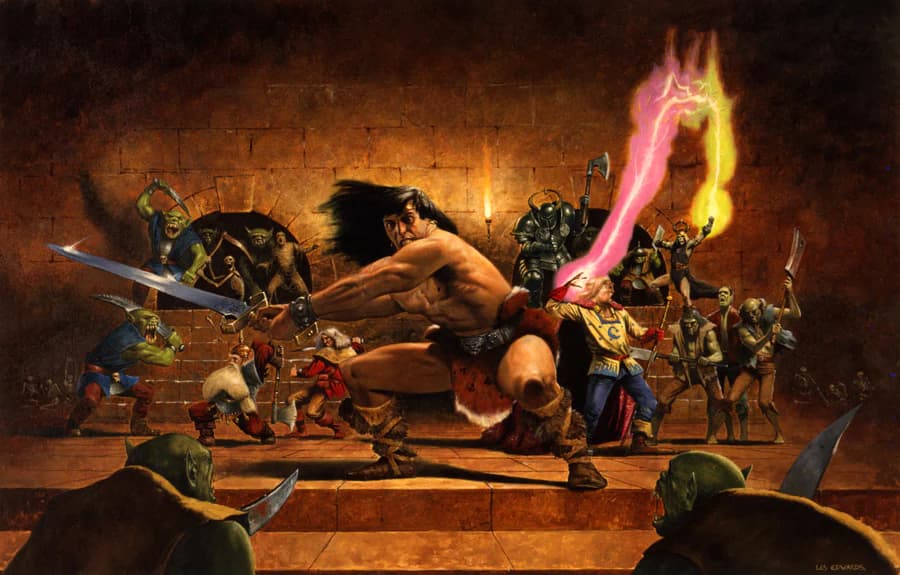
HeroQuest
1989HeroQuest is the quintessential fantasy dungeon-crawling experience, famously designed to act as a bridge between traditional board games and the complex world of tabletop role-playing games. Originally released in 1989 through a collaboration between Milton Bradley and Games Workshop, the game places one player in the role of the malevolent gamemaster—known as Zargon in North America or Morcar in Europe—while the remaining players take on the roles of four legendary heroes: the Barbarian, the Dwarf, the Elf, and the Wizard. The primary goal is to successfully navigate a series of perilous underground labyrinths, completing specific mission objectives such as rescuing a captive, recovering a magical relic, or defeating a powerful boss, all while surviving the monsters and hazards lurking in the shadows.
The gameplay is driven by a scenario book that outlines distinct quests. Each hero's turn involves moving and performing an action. Movement is determined by rolling two standard six-sided dice, adding a layer of unpredictability to every trek through the dark corridors. Actions include attacking enemies, casting powerful spells from a limited deck, or searching the immediate area for treasure, secret passages, and deadly traps. A standout mechanic is the use of specialized combat dice, which feature skulls for hits and shields for defense, making combat resolution intuitive and visually immediate. The gamemaster controls the 'fog of war,' populating the board with detailed 3D furniture and plastic miniatures only when the heroes enter a room or line of sight, which maintains a constant atmosphere of mystery and tension.
The appeal of HeroQuest lies in its evocative presentation and its ability to deliver a rich, narrative-driven experience without overwhelming players with dense rulebooks. It popularized the 'dungeon crawl' genre for a mainstream audience, thanks in large part to its iconic components—including stone tombs, weapon racks, and treasure chests—that brought the game world to life on the tabletop. It strikes a perfect balance between simplicity and depth, offering enough tactical variety to keep seasoned players engaged while remaining accessible enough for younger audiences or newcomers. This enduring charm has cemented its status as a 'grail game' for collectors and a beloved classic that defined the fantasy board gaming landscape for a generation.
2-5 90m⚖️ 2.1
RANK #1,267
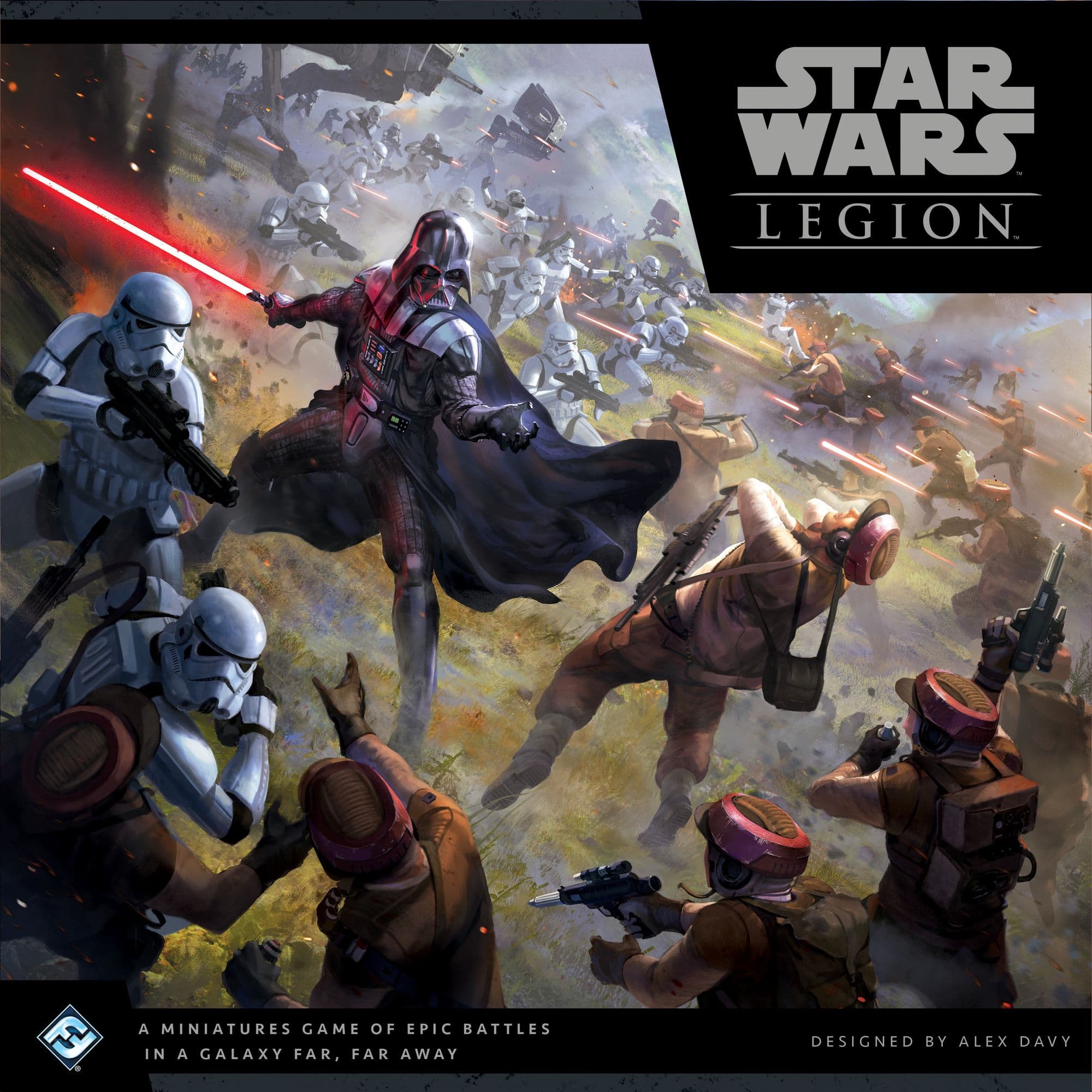
Star Wars: Legion catapults players onto the iconic battlefields of the galaxy, offering a deeply tactical miniatures wargame focused on infantry-level combat. In this game, you take on the role of a battlefield commander, assembling and leading an army from one of the saga's legendary factions, such as the Galactic Empire or the Rebel Alliance. Using a point-buy system, you customize your forces from the ground up, selecting everything from squads of humble Stormtroopers and fleets of nimble speeder bikes to powerful heroes like Darth Vader and towering vehicles like the AT-ST. The objective isn't merely to annihilate your opponent; victory is achieved through a combination of controlling key objectives, completing mission-specific goals, and outmaneuvering the enemy across a six-round engagement.
The gameplay is defined by a unique and compelling command and activation system that simulates the fog of war. Each round begins with a Command Phase, where players secretly select a command card from their hand. These cards determine not only who gets initiative for the round but also how many specific units can be issued direct orders. During the subsequent Activation Phase, players alternate activating a single unit. The twist is that a player must either choose a unit that previously received an order or draw a random token from their order pool. This chit-pull mechanic creates constant tactical tension, as you can never be entirely certain when a crucial unit will get to act unless you've planned for it with your command card. When a unit does activate, it can perform actions like moving with unique jointed tools, attacking with custom dice, or taking aim to improve its odds. Combat is swift, but is layered with strategic depth through cover, weapon keywords, and a brilliant suppression mechanic.
What makes Star Wars: Legion a standout experience is how it masterfully blends accessible wargaming mechanics with the rich, cinematic flavor of its source material. The suppression system is a highlight, where troopers who come under fire become less effective and risk panicking, perfectly capturing the feeling of being pinned down by blaster fire. The game's emphasis on list-building and customization provides immense replayability, encouraging players to experiment with different unit compositions and upgrade loadouts. For hobbyists, the high-quality, unassembled miniatures offer a fantastic canvas for painting and personalization, allowing you to bring your own version of the Star Wars galaxy to life. It strikes a perfect balance, offering the strategic depth to satisfy veteran wargamers while remaining streamlined enough to serve as an excellent gateway into the miniatures hobby.
2 180m⚖️ 3.2
RANK #2,015
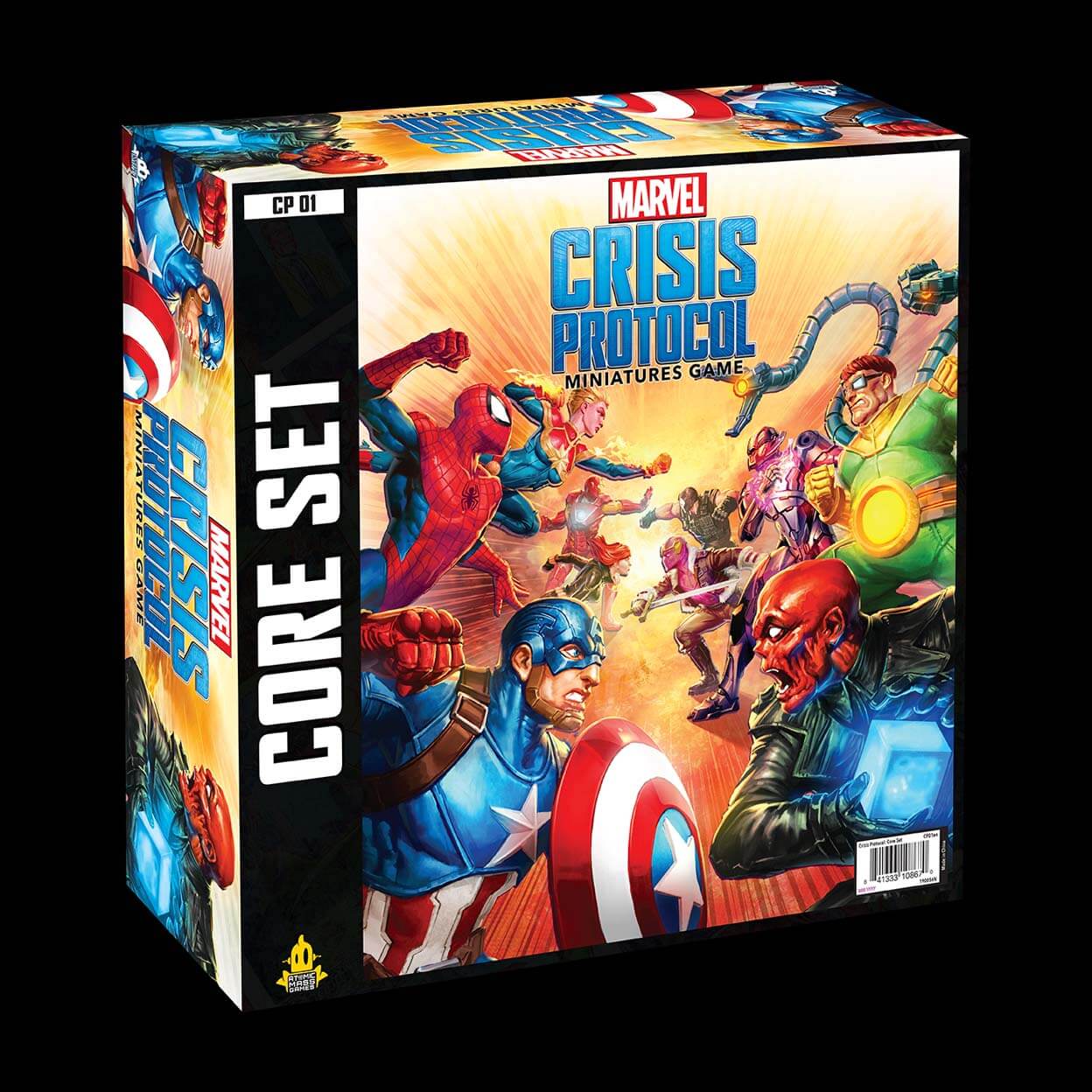
Marvel: Crisis Protocol is a dynamic tabletop miniatures game where two players assemble, paint, and battle with teams of iconic characters from the Marvel Universe. More than just a fight to the finish, the game is an objective-based contest where strategy and positioning are paramount. Players take on the role of leaders, guiding their hand-picked squad of heroes and villains through a unique crisis scenario. The ultimate goal is to be the first to accumulate 16 Victory Points by controlling key locations on the battlefield and securing valuable assets, all while unleashing spectacular superpowers. Each game presents a new tactical puzzle, demanding players to adapt their strategy to the ever-changing state of the conflict and the unique combination of objectives in play.
Gameplay is defined by its innovative roster-building and scenario-generation systems. Before the game, each player creates a roster of ten characters, from which they will select their squad for the specific mission. The mission itself is determined by combining a "Secure" Crisis card, which dictates objective zones to control, with an "Extraction" Crisis card, which involves characters grabbing and holding objective tokens. This combination sets a "Threat Level" that limits which characters a player can field, ensuring balanced and varied matchups. During a round, players alternate activating one character, who can perform two actions like moving, attacking, or using a special ability. A core mechanic is the "Power" resource. Characters gain Power when they take damage, creating a thrilling ebb and flow where a hero on the ropes can power up for a devastating counter-attack, spending that energy to unleash their most famous and powerful abilities.
The game's immense appeal lies in its fusion of accessible rules with deep tactical gameplay, making it an excellent gateway into the miniatures hobby. While the core mechanics are straightforward, mastering character synergies, managing the Power economy, and utilizing the highly interactive terrain provides a rich strategic experience. The environment itself is a weapon; characters with superhuman strength can hurl cars, dumpsters, and newsstands at their opponents, creating cinematic moments straight from the comics. The high-quality miniatures are a hobbyist's delight, offering fantastic canvases for painting. Above all, Crisis Protocol excels at capturing the feel of a superhero battle, delivering a thematic, action-packed experience that is visually stunning and endlessly replayable thanks to its modular scenario system and ever-expanding roster of characters.
2 90m⚖️ 2.9

RANK #2,187
Hamburg
2022Hamburg (2022) invites players to step into the bustling shoes of influential merchants during the Hanseatic League era, aiming to build the most prosperous and prestigious city districts. As a standalone title by Mac Gerdts, it challenges you to optimize your actions and resources to construct magnificent buildings, acquire valuable goods, and expand your influence across the historic city. The ultimate goal is to accumulate the most victory points by the game's end, demonstrating your superior strategic acumen and urban planning prowess within this vibrant economic simulation.
At its core, Hamburg features an innovative rondel-based action selection system, a signature mechanic of Mac Gerdts. Players move their marker around a circular track, choosing an action at their destination and potentially paying to access actions further along. This forces tough decisions: take a nearby, cheaper action now, or pay more for a preferred action later? Complementing this is a robust market system where commodity prices fluctuate based on player actions, demanding careful timing and resource management. Players will acquire building permits, collect resources, construct various types of buildings (houses, churches, city walls), and leverage their unique player powers to gain an advantage.
Hamburg is celebrated for its deep strategic gameplay, offering a rich eurogame experience that rewards intricate decision-making without overwhelming complexity. Its tight economic engine, dynamic market, and the elegant rondel mechanic create a constant push and pull, ensuring high replayability and engaging player interaction. Fans praise its intricate decision-making, where every action has ripple effects, and the satisfaction of watching your city grow from a few humble houses to a thriving metropolis. It's a game for those who appreciate elegant design, economic puzzles, and the reward of long-term strategic planning.
2-4 120m⚖️ 3.6

RANK #2,718
Forestry
2025Forestry invites players to step into the boots of dedicated forest stewards, tasked with the monumental challenge of balancing industrial demands with environmental preservation. Set against the backdrop of a world increasingly aware of its ecological footprint, the game challenges you to harvest timber and resources without permanently damaging the landscape. The ultimate goal is to cultivate a thriving, sustainable forest while simultaneously meeting the resource needs of a growing society. Victory is not achieved simply through the largest harvest, but through the most strategic management of nature's delicate equilibrium, where every tree cut down must be weighed against the long-term health of the ecosystem. It is a game of deep foresight, requiring players to consider the legacy they leave behind on the forest floor with every action they take.
The gameplay centers on a sophisticated action-selection system and hexagonal tile management. Players interact with a central board where forest regions are represented by tiles that can shift from lush environments to depleted states if not managed with care. This dynamic board state requires players to think several turns ahead, particularly when upgrading their sawmill rooms or constructing specialized water and forest structures. A significant highlight of the mechanics is the technology track, which offers a progression system that experienced strategy gamers will find both deep and rewarding. Furthermore, the inclusion of asymmetric player boards and alternate 'B-side' technology tracks allows for a high degree of variability, forcing players to adapt their tactics based on their unique character strengths and the specific layout of the game.
What truly distinguishes Forestry from other efficiency-focused Euro games is its deep commitment to thematic realism. The developers collaborated with wood science and forestry experts to ensure that every card and rule reflects the actual complexities of forest management. This scientific grounding provides a rich narrative layer to the mathematical puzzle, making every decision feel impactful and grounded in reality. Players often praise the game for its lack of unnecessary fluff, focusing instead on tight, meaningful choices and a high level of replayability. Whether navigating the depletion of forest hexes in a tense two-player session or optimizing a complex engine of upgrades, Forestry offers a rewarding and intellectually stimulating experience for those who appreciate the intersection of nature and industry.
m⚖️ N/A