Thematic Games
Browse all Thematic board games in the Meeple Pulse database.
Styles
Themes
AbstractAdventureAncientAnimalsArtBusinessCard GameCo-operativeComic BookCooperativeCrimeEconomicEnvironmentalismExplorationFantasyHistoricalHorrorHumorIntrigueLiteraryMagicMarvelMedievalModernMuseumMysteryMythologyNatureNauticalPoliticalPress Your LuckSatireSci-FiSocial CommentarySocial InteractionSpaceSuperheroesThematicTravelWarWesternWord-Guessing
Mechanics
3D PlacementActingAction / DexterityAction DraftingAction Point AllowanceAction Point Allowance SystemAction Point SystemAction PointsAction ProgrammingAction QueueAction RetrievalAction SelectionAction/EventAlliancesAlternate ActivationApp-AssistedApp-DrivenArea ControlArea InfluenceArea MajorityArea Majority / InfluenceArea MovementArgumentationAsymmetricAsymmetric FactionsAsymmetric GameAsymmetric PowersAsymmetrical PowersAuction & BiddingAuction/BiddingAuctioningBag BuildingBettingBetting and BluffingBetting and WageringBetting and WagersBiddingBingoBlind BiddingBluffingCampaign / Battle Card DrivenCampaign / LegacyCampaign / Legacy GameCampaign / Mission-basedCampaign / ScenariosCampaign GameCampaign PlayCard DraftingCard DrawingCard DrivenCard Driven ActionCard Driven CombatCard Driven Dice AllocationCard Driven MovementCard ManagementCard PlayCard Play / Hand ManagementCard Play Conflict ResolutionCard SheddingCard-Driven MovementCharacter CreationCharacter ProgressionChit-Pull SystemCo-op PlayCo-operative GameCo-operative PlayCode-breakingCombat ResolutionCombo ChainCommand CardsCommodity SpeculationCommunication LimitsContract FulfillmentContractsCooperative GameCooperative GameplayCooperative PlayCooperative Trick-takingDebateDeck BuildingDeck ConstructionDeck, Bag, and Pool BuildingDeck-BuildingDeductionDexterityDice DraftingDice PlacementDice RollingDiplomatic InfluenceDraftingDynamic Battle SystemEnclosureEnd Game BonusesEngine BuildingEngine-BuildingEscape RoomEvent DrivenExplorationFarmingFlip and WriteFollowFollow ActionGrid CoverageGrid MovementHand ManagementHex-and-CounterHexagon GridHidden MovementHidden RolesI Cut You ChooseIncomeInfluence / Area MajorityLadder ClimbingLegacyLegacy ElementsLegacy GameLegacy SystemLimited CommunicationLine DrawingLine of SightMancalaMap MovementMarketMarket DraftingMarket ManipulationMarket MechanicMarket SpeculationMatchingMeasurement MovementMemoryMission ObjectivesModular BoardModular Board ConstructionMovement TemplatesMulti-Use CardsMulti-use CardsMultiple ScenariosMust FollowNarrative ChoiceNarrative Choice / ParagraphNegotiationNegotiation MechanicsNetwork & Route BuildingNetwork BuildingNetwork and Route BuildingOne vs ManyOne vs. ManyOpen DraftingPaper-and-PencilPartnershipsPattern BuildingPattern RecognitionPick-up and DeliverPlayer EliminationPlayer InteractionPlayer JudgePoint SaladPoint to Point MovementPolyominoesPush Your LuckPush-Your-LuckPuzzlePuzzle-LikePuzzle-SolvingRaceReal-TimeRecipe FulfillmentResource ManagementRole PlayingRole SelectionRoll / Spin and MoveRondelRoute BuildingRoute-BuildingRoute/Network BuildingSanity SystemScenario / Campaign PlayScenario / Mission / Campaign GameScenario / Mission FunctionSecret Unit DeploymentSemi-Cooperative GameSet CollectionSheddingSimulationSimultaneous ActionSimultaneous Action SelectionSimultaneous Hidden AllocationSocial DeductionSocial InteractionSolo / Solitaire GameSpace ExplorationStat Check / Skill CheckStock HoldingStorytellingStrategic PlanningTableau BuildingTactical Decision-MakingTake ThatTargeted CluesTeam PlayTeam-Based GameTeam-Based GuessingTeamworkTech TreesTech Trees / Tech TracksTechnology & Armament TracksTechnology TreeTension & Aggression TracksTile DraftingTile LayingTile PlacementTime TrackTime TravelTower DefenseTrack MovementTradingTrick-takingTug of WarTurn Order: PassTurn Order: Stat-BasedUnit PlacementVariable Phase OrderVariable Player PowersVariable Set-upVariable SetupVictory Point TracksVotingWord AssociationWord GameWord GuessingWord-GuessingWord-guessingWordplayWorker Placement
RANK #37
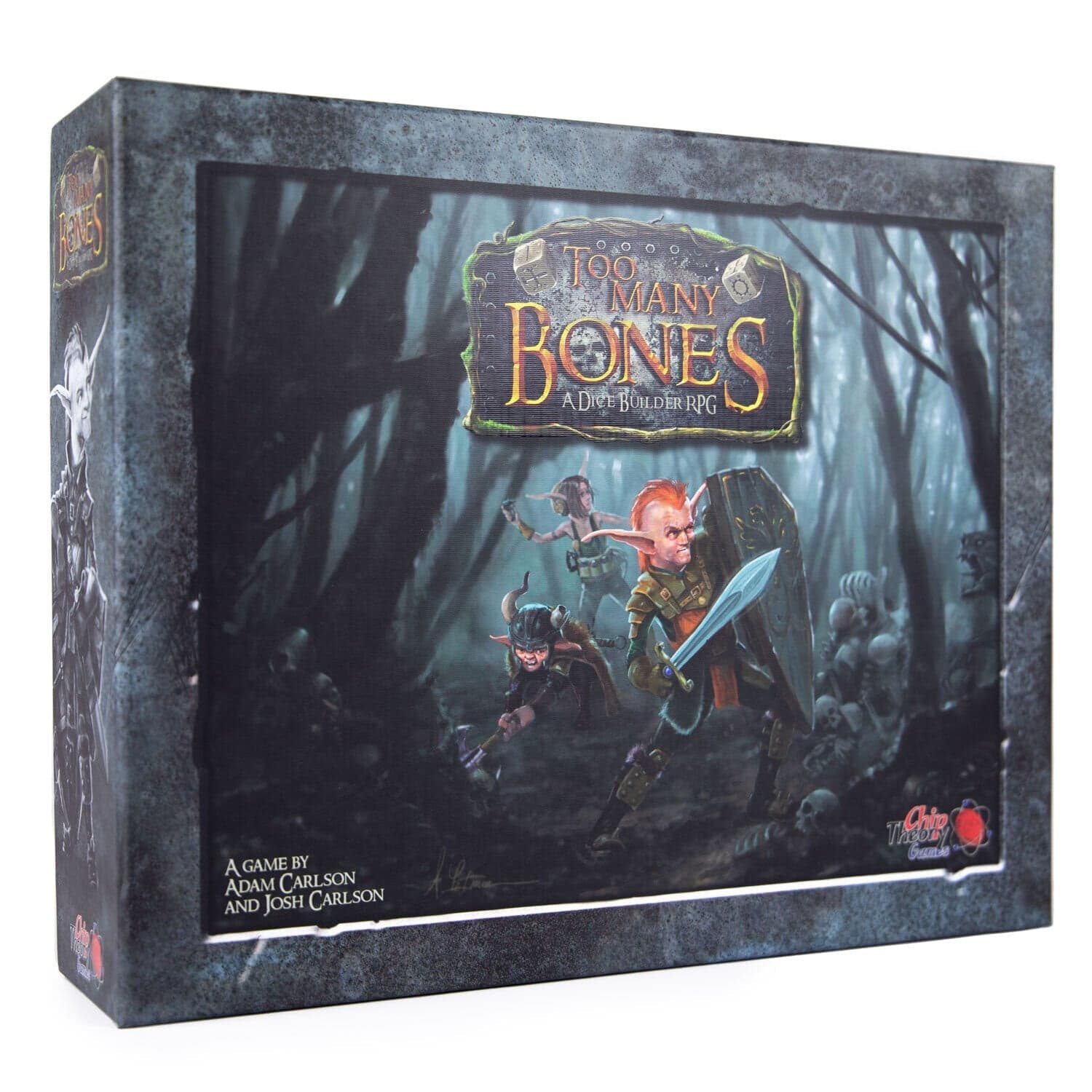
Too Many Bones
2017In Too Many Bones, 1-4 adventurers embark on a perilous journey to defeat the evil Overlord Xazu and his minions. Players collect and trade resources, manage their characters' abilities, and make tactical decisions to overcome challenges. As they progress, they'll unlock new skills, upgrade their gear, and face increasingly formidable foes. Will you emerge victorious and claim the title of greatest hero?
1-4 60m⚖️ 3.0
RANK #63
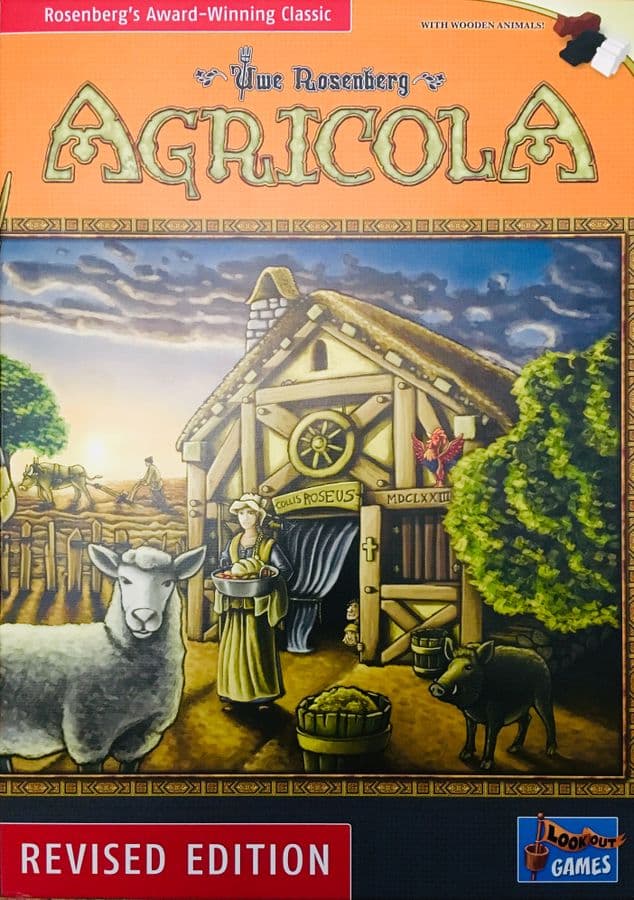
Agricola
2007In Agricola, players step into the well-worn boots of a 17th-century farming family, starting with little more than a spouse and a two-room wooden hut. The singular goal is to cultivate the most prosperous and well-rounded homestead over 14 rounds of play. This isn't just about accumulating wealth; it's about survival and balanced development. Victory points are awarded for a diverse farm that includes plowed fields, various crops, fenced pastures, different types of livestock, and an expanded family living in an upgraded home. The game masterfully punishes over-specialization, penalizing players for neglected areas of their farm, ensuring that true prosperity comes from being a jack-of-all-trades.
The game's engine is driven by a tense worker placement mechanism. Each round, players take turns placing their limited family members on action spaces to gather resources, build improvements, or grow their family. Since each action space can only be used once per round, players are in constant, indirect competition for critical actions like collecting wood or plowing a field. As the game progresses, new, more powerful actions become available, broadening strategic possibilities. This steady development is punctuated by six harvest phases, where the true pressure of Agricola is felt. During a harvest, you reap what you've sown, your animals may breed, but most importantly, you must feed your family. Failing to produce enough food forces a player to take a "Begging" card, which carries a steep point penalty, creating a persistent, challenging tension between expanding your farm and simply providing for your household.
Agricola's enduring appeal lies in this brilliant balance of long-term strategic planning and short-term tactical necessity. The struggle to feed your family is a constant, pressing puzzle that forces difficult decisions every single round. Its depth and replayability are legendary, largely due to the massive decks of Occupation and Minor Improvement cards dealt to each player. These cards provide unique abilities and scoring opportunities, ensuring no two games ever feel the same and allowing for countless strategic pathways. It is this combination of a deeply thematic, relatable struggle and a highly rewarding, complex strategic framework that has cemented Agricola's status as a masterpiece of the Eurogame genre and a benchmark for worker placement games.
1-5 90m⚖️ 3.6
BoxNo Cover Art
RANK #71
Sleeping Gods
2021Embark on an epic voyage into the unknown in Sleeping Gods, a monumental cooperative campaign game. Players assume the roles of Captain Sofi Odessa and her nine-person crew aboard the steamship 'Manticore' in an alternate 1929. After being mysteriously transported to the Wandering Sea, you and your fellow players are tasked with a seemingly impossible goal: find at least fourteen mystical totems to awaken the slumbering gods of this realm, who are your only hope of returning home. This is not a game of linear paths, but a true open-world experience where your choices carve a unique and persistent story across a sprawling, dangerous world.
The gameplay unfolds across two primary components: a spiral-bound Atlas that serves as your map and a massive Storybook that functions as a choose-your-own-adventure guide. Instead of a traditional board, players navigate the pages of the Atlas, and upon reaching a numbered location, they are directed to a specific paragraph in the Storybook, presenting them with rich narrative choices, skill challenges, and unexpected consequences. A typical turn involves performing a ship action, which uses a light worker placement mechanic to gain resources or prepare the crew, followed by drawing an event card that pushes the narrative and acts as the game's timer. Finally, players take actions like exploring, traveling, or engaging in the game's unique combat system, all while managing the crew's health, fatigue, and resources.
Sleeping Gods is celebrated for its masterful integration of narrative and mechanics. The world feels alive and persistent, as choices you make grant 'keywords' that unlock or alter future story branches, ensuring high replayability. Its combat system is a standout feature, presenting a strategic puzzle where players don't just reduce hit points but place damage tokens on an enemy's grid to strategically cover and disable its most dangerous attacks. The game also features a brilliant drop-in/drop-out campaign system, allowing players to easily save their progress and resume their grand adventure later. This flexibility makes it a phenomenal solo experience, where one player manages all nine crew members, as well as an engaging cooperative puzzle for up to four.
1-4 120m⚖️ 3.2
BoxNo Cover Art
RANK #82
Android: Netrunner is a celebrated asymmetrical card game for two players, set in a dystopian cyberpunk future. In this high-stakes conflict, one player assumes the role of a massive, monolithic corporation, while the other becomes a renegade hacker known as a 'Runner'. The primary objective for both sides is to score seven 'agenda' points. The Corporation player achieves this by installing and advancing their secret agendas within their fortified servers. The Runner, however, aims to infiltrate these servers and steal the agendas before they can be scored. The game introduces thrilling alternate victory conditions: the Corp can win by inflicting enough damage to 'flatline' the Runner, while the Runner can claim victory if the Corporation is forced to draw from an empty deck, representing a catastrophic system crash. This fundamental opposition sets the stage for a tense and strategic duel of wits.
The gameplay is a masterclass in asymmetry, with each side playing by entirely different rules and pursuing divergent strategies. The Corp player focuses on economic management and building a digital fortress. They spend their turns drawing cards, gaining credits, and, most importantly, installing cards facedown into their servers. These cards could be the valuable agendas they need to win, assets that provide ongoing benefits, or dangerous 'ice' that protects their servers and punishes intruders. This creates a landscape of hidden information and potent bluffs. In contrast, the Runner player's turn is about calculated aggression and risk. They must build their 'rig'—a suite of hardware and icebreaker programs—to bypass the Corp's defenses. They then initiate 'runs' on the Corp's servers, hoping to access and steal agendas while avoiding the consequences of walking into a well-laid trap.
What elevates Android: Netrunner to legendary status is its profound strategic depth married with intense psychological gameplay. The experience is not merely about optimizing a deck, but about outthinking and outmaneuvering a live opponent. Every facedown card is a puzzle, and every run is a gamble, creating a constant tension that few other games can match. Playing as the Corp feels like spinning a complex web, while playing the Runner is an exercise in calculated audacity. The game was released as a 'Living Card Game' (LCG), meaning players bought fixed, non-random packs of cards, which fostered a diverse and accessible metagame without the frustrating and expensive 'chase rare' model of traditional collectible card games. This combination of a rich, evocative theme, deep asymmetry, and a player-friendly distribution model secured its legacy as one of the most beloved and intellectually rewarding two-player games ever created.
2 45m⚖️ 3.8
RANK #83
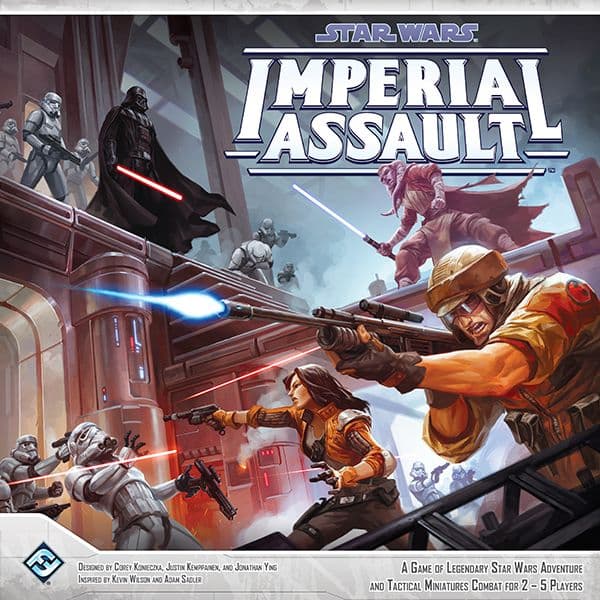
Immerse yourself in the Galactic Civil War with Star Wars: Imperial Assault, a monumental tactical board game offering two distinct experiences within a single box. In the story-driven campaign mode, one player assumes the role of the Galactic Empire, commanding legions of stormtroopers and iconic villains, while up to four other players become heroes of the Rebellion. Together, these heroes embark on a series of thrilling, interconnected missions, where their choices and the outcome of each battle shape a branching narrative. Alternatively, the game offers a two-player skirmish mode, a tense, head-to-head tactical competition where players assemble customized strike teams of Imperial, Rebel, or Mercenary forces and battle over critical objectives to earn victory points in fast-paced arena combat.
The core of Imperial Assault's gameplay is built upon a foundation of tactical, grid-based combat on modular map tiles that create unique environments for every mission. During a round, players alternate activating their figures, each of which can perform two actions like moving, attacking, or interacting with the environment. Combat is resolved through a dramatic roll of custom attack and defense dice, which not only determine damage but also generate special 'surge' results. These surges can be spent to trigger a figure's unique abilities, adding a layer of strategic decision-making to every attack. Between missions in the campaign, the game features a robust progression system. Rebel heroes earn experience to learn powerful new skills and use credits to acquire advanced weapons and gear, while the Imperial player gains influence to deploy more dangerous threats and enact cunning schemes.
Star Wars: Imperial Assault is beloved for its deep thematic integration and the sheer variety of its gameplay. The "one-versus-many" campaign delivers a rich, cinematic experience, making the Imperial player feel like a true gamemaster weaving a story of galactic conflict. The skirmish mode provides a highly replayable and competitive outlet for players who enjoy strategic list-building and outmaneuvering their opponent. With a wealth of detailed miniatures, a compelling narrative that evolves with player decisions, and a combat system that is both accessible and strategically deep, the game offers an unparalleled Star Wars adventure on the tabletop. Its extensive line of expansions further ensures that the battles for the fate of the galaxy can continue for years to come.
2-5 90m⚖️ 3.3
BoxNo Cover Art
RANK #87
Voidfall
2023Voidfall invites players to take command of a crumbling galactic empire in a universe on the brink of collapse. This is a grand-scale, science-fiction 4X (eXplore, eXpand, eXploit, eXterminate) game that masterfully fuses its epic theme with deep, European-style strategic mechanisms. As the leader of one of fourteen unique and asymmetrical Great Houses, your objective is to restore your faction's influence and power over three tense cycles. You must not only contend with the rival ambitions of other players but also fight back the encroaching, malevolent entity known as the Voidborn. Victory is not achieved through simple conquest, but by earning the most points through shrewd economic management, technological supremacy, and fulfilling specific galactic and personal objectives.
The gameplay is structured and methodical, unfolding across three distinct phases each cycle: Preparation, Focus, and Evaluation. During Preparation, a new Galactic Event sets a unique rule or scoring condition for the round. The heart of the game is the Focus phase, where players execute their grand strategies. Instead of rolling dice, players select one of their Focus cards and choose two of its three associated actions. These actions are the engine of your empire, allowing you to manage five different resources, build and command powerful fleets, research game-changing technologies, and advance along three civilization tracks to define your society's strengths. Combat, a cornerstone of the 4X genre, is entirely deterministic, making every engagement a calculated puzzle of positioning and power rather than a gamble.
What sets Voidfall apart is its commitment to being a 'heavy' Euro experience wrapped in a compelling 4X package. The complete removal of luck from combat appeals to strategists who crave perfect information and despise random outcomes. The immense variability between the Great Houses ensures that no two games feel the same, offering tremendous replayability. With dedicated modes for competitive, cooperative, and solo play, it caters to a wide range of player preferences. Voidfall is a demanding yet rewarding challenge for those who relish complex economic puzzles, intricate engine-building, and the satisfaction of seeing a long-term, meticulously crafted plan come to fruition in the vastness of space.
1-4 180m⚖️ 4.6
RANK #101
Eclipse: New Dawn for the Galaxy is a critically acclaimed 4X board game that places you at the head of a vast interstellar civilization. Over nine rounds, you must guide your people to dominance by exploring new star systems, researching powerful technologies, and engaging in both diplomacy and warfare. The ultimate goal is to accumulate the most Victory Points, which are earned through a variety of achievements, including controlling galactic sectors, winning decisive battles, forging alliances, and discovering ancient alien artifacts. The game masterfully blends the grand, thematic scope of an 'Ameritrash' space opera with the tight, resource-driven puzzles of a 'Euro-style' game, creating a rich and rewarding strategic experience.
The gameplay revolves around a clever action and upkeep system that forces difficult decisions. On your turn, you perform a single action, such as exploring the modular galaxy, building customized starships, or advancing on a shared technology tree. Each system you control or action you take requires placing an influence disc from your player board. As these discs are used, your civilization's end-of-round upkeep cost increases, creating a tense balance between rapid expansion and economic stability. Players must carefully manage three resources—Materials for building, Science for research, and Money to pay upkeep—generated by colonizing planets, forcing them to weigh every decision against its long-term cost.
What truly sets Eclipse apart is its deep and intuitive ship customization system. Players don't just build generic ships; they design them. Using the Upgrade action, you can add powerful components like improved engines, advanced computers, deadly weapons, and resilient shields directly onto your ship blueprints. This allows for incredible strategic flexibility, as you can tailor your fleets to counter specific opponents or pursue unique combat doctrines. Combat itself is resolved through dice rolls, but the odds are heavily influenced by your custom designs, rewarding clever engineering and tactical foresight. This combination of deep strategic planning, tense economic management, and thrilling, customizable combat makes Eclipse a modern classic in the space strategy genre.
2-6 150m⚖️ 3.7
RANK #109
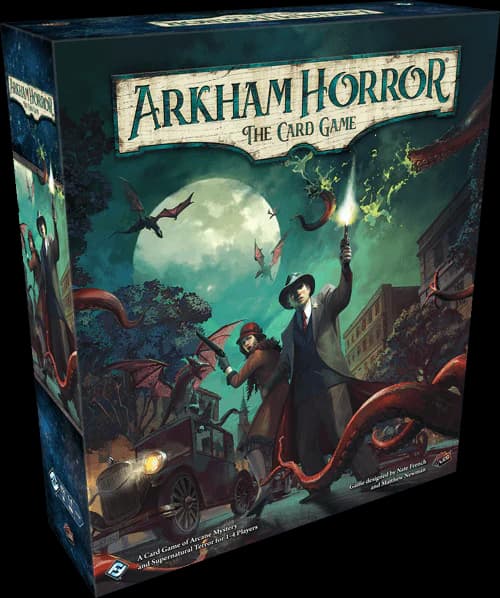
Arkham Horror: The Card Game is a cooperative Living Card Game that plunges one to four players into the eerie, Lovecraftian world of the 1920s. Assuming the roles of unique investigators in Arkham, Massachusetts, players work together to unravel sinister conspiracies, confront otherworldly beings, and prevent ancient evils from devouring the world. Each investigator comes with their own strengths, weaknesses, and customizable deck of cards representing their assets, skills, and resources. The goal is to successfully navigate a series of interconnected narrative scenarios, forming a larger campaign where choices and outcomes in one chapter have lasting consequences on the next. This Revised Core Set provides the definitive entry point, containing everything needed for a full group of four to begin their harrowing adventures right out of the box.
The gameplay unfolds over a series of rounds, each composed of four distinct phases that create a tense and challenging rhythm. In the Mythos Phase, the forces of darkness advance as doom accumulates and each player draws a random card from the encounter deck, introducing new enemies, treacherous obstacles, or reality-bending effects. During the Investigation Phase, players take turns performing up to three actions, which can include playing cards, moving between locations, battling monsters, or most importantly, investigating to find clues. These clues are essential for advancing the 'act' deck, which propels the story forward. The Enemy Phase sees any engaged monsters attack the investigators, while others hunt across the board. Finally, the Upkeep Phase allows players to refresh their assets, draw a new card, and gain a resource, preparing them for the horrors of the next round.
What makes Arkham Horror: The Card Game so compelling is its profound fusion of rich narrative storytelling with strategic card play and deck customization. The game is celebrated for its deep thematic immersion, where the unfolding story feels personal and impactful. Failure doesn't necessarily end the game, but it can scar an investigator or alter the campaign's trajectory, creating a truly dynamic and replayable experience. The challenge is significant, demanding careful cooperation and clever resource management to overcome the relentless odds. For players who crave a deep, story-driven hobby game they can expand over time, its campaign structure and character progression provide an unparalleled cooperative adventure into the heart of cosmic dread.
1-4 120m⚖️ 3.5
RANK #112
Dominant Species
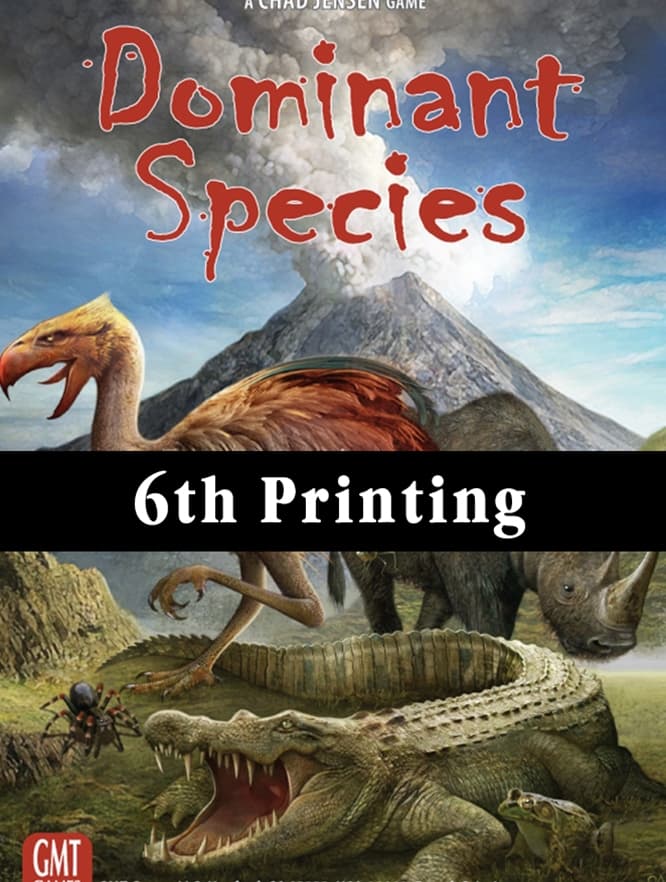
2010Dominant Species transports players back in time to a world on the verge of a great ice age. In this highly strategic and competitive game, 2 to 6 players each assume control of a major animal class—such as Mammals, Reptiles, or Insects—vying for supremacy. The ultimate goal is to accumulate the most victory points by adapting, propagating, and migrating across a dynamically changing landscape. Survival is a constant struggle as the environment grows colder and resources become scarce. Players must carefully manage their species' evolution and expansion to ensure they are the ones who thrive while others face extinction, ultimately earning the title of the planet's dominant species before the final chill of the ice age sets in.
The game's core is driven by a powerful blend of worker placement and area control mechanics. Each round is divided into phases, beginning with players placing their action pawns on a central board to claim specific actions for the round. These actions are then resolved in a set order, creating a tense puzzle of timing and priority. Players can perform a wide range of actions, from adding new species cubes to the board (Speciation) and moving them across the hexagonal tiles (Migration), to expanding the world itself by adding new terrain (Wanderlust). Crucially, players can also trigger Glaciation to introduce new tundra tiles, which alters the map and can eliminate rivals. A key strategic element is the concept of 'dominance' over a tile, which is not simply about having the most cubes, but about how well-adapted your species is to the food sources present. Achieving dominance allows a player to use powerful, game-changing cards, adding another layer of strategic consideration beyond mere numbers.
What makes "Dominant Species" a revered classic among strategy gamers is its immense depth and high degree of player interaction. It is an unapologetically heavy game that rewards long-term planning and clever tactical adjustments. Every decision is meaningful, and the actions of one player can dramatically impact the fortunes of others, leading to a dynamic and often cutthroat experience. The game masterfully integrates its theme of evolutionary struggle into every mechanic; the tension between growing your population and adapting to the changing environment feels authentic and compelling. It's a long, epic journey that creates a memorable narrative of survival, conflict, and adaptation with every playthrough. For those who relish a substantial, thinky challenge with direct competition, "Dominant Species" offers an unparalleled and deeply rewarding strategic experience.
2-6 180m⚖️ 4.0
RANK #121
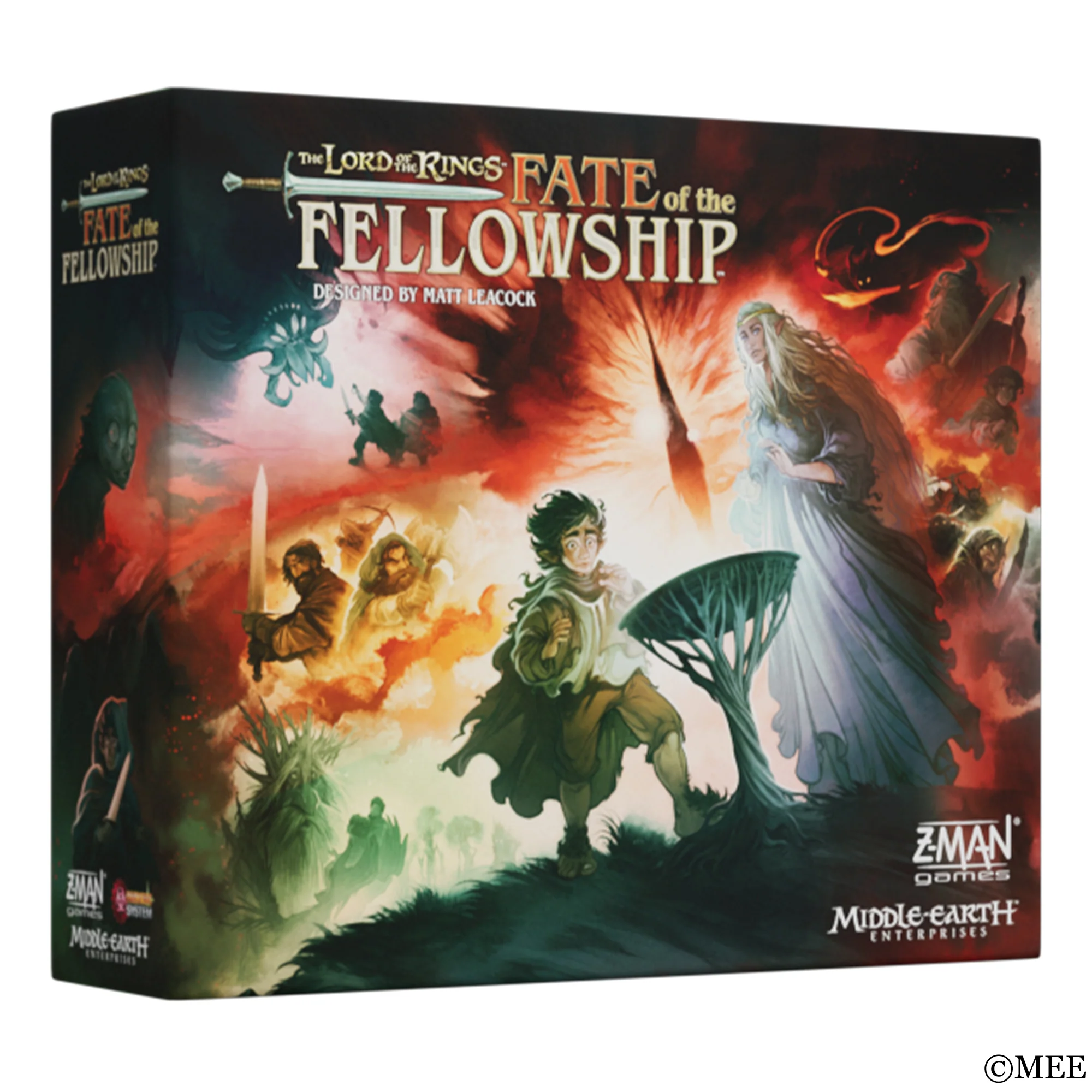
The Lord of the Rings: Fate of the Fellowship immerses one to five players in a desperate, cooperative journey across Middle-earth. In this new narrative-driven adventure from acclaimed designer Matt Leacock, players embody the heroes of Tolkien's epic saga, working together to ensure the One Ring reaches the fires of Mount Doom. The ultimate objective is the Ring's destruction, but this final confrontation can only be attempted after the fellowship successfully navigates three randomly assigned objectives. Players take on the roles of the Fellowship's members and their trusted allies, with each player uniquely controlling a pair of characters from a roster of thirteen, each boasting distinct abilities. The path to victory is fraught with peril, as failure looms if the collective 'Hope' of the fellowship is extinguished. This crucial resource dwindles when safe havens are overrun by darkness, if the Ringbearer is discovered by Sauron's minions, or if the heroes exhaust their resources. It is a race against the encroaching shadow to fulfill their destiny before all hope is lost.
The game's engine is a sophisticated adaptation of the celebrated "Pandemic" system, promising a familiar yet richer mechanical experience. The core gameplay loop involves players strategically spending action points to maneuver friendly forces and their heroes across a detailed map of Middle-earth. These actions are vital for completing the prerequisite missions and pushing back the ever-advancing armies of the Dark Lord. A central element of tension is the constant need to protect Frodo, keeping him concealed from the relentless pursuit of the Nazgûl and the piercing gaze of the Eye of Sauron. This threat is manifested through the 'Shadow Card' deck, a mechanism that functions much like its counterpart in "Pandemic," dictating where Sauron's influence will spread and escalating the danger with each draw. Players must carefully manage their character abilities and card resources to overcome these challenges and clear a path for the Ringbearer.
"Fate of the Fellowship" offers a compelling synthesis of a proven cooperative game system with one of fantasy's most beloved narratives. Its appeal lies in this seamless integration, creating an experience that feels both innovative and deeply thematic. The design has been hailed as Matt Leacock's most mechanically intricate take on the Pandemic framework to date, offering a significant and rewarding challenge for veteran strategy gamers. The unique system of each player managing two distinct heroes introduces a fascinating layer of tactical decision-making and enhances replayability. This constant balancing act—completing grand objectives while simultaneously managing the stealthy, perilous journey of the Ringbearer—generates a persistent sense of urgency and suspense, making it an essential title for fans of cooperative board games and Tolkien's timeless world.
1-5 m⚖️ 3.1
RANK #125
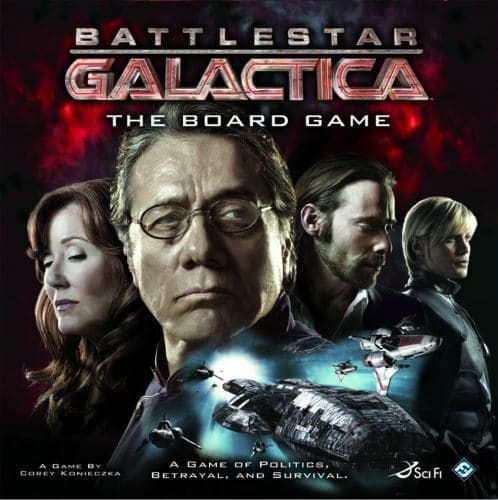
Battlestar Galactica: The Board Game plunges players into the desperate flight of the last vestiges of humanity. It is a deeply thematic, semi-cooperative experience where survival is paramount, but the greatest threat may be sitting right next to you. In this game of hidden allegiances, most players assume the roles of iconic human characters from the television series, working collectively to guide the fleet to its fabled destination, Kobol. To succeed, they must carefully manage four critical resources—fuel, food, morale, and population—and execute a series of faster-than-light jumps to outrun their pursuers. If any resource is fully depleted, or the Galactica itself is destroyed, humanity is lost forever. However, amongst the crew are Cylon traitors, secretly working to ensure this very outcome through subtle sabotage and outright betrayal.
The gameplay masterfully cultivates this atmosphere of paranoia. Each turn, a player draws skill cards representing their character's expertise, moves to a location on the fleet's ships, and performs an action. The turn culminates in drawing a Crisis card, which presents a new challenge the crew must overcome, often through a skill check. This is where the core tension lies. To pass a check, players secretly contribute skill cards to a shared pool. While human players try to contribute cards of the required type to meet a target number, Cylon players can covertly add unhelpful cards to cause a failure. The resulting blame-game and accusations are central to the experience. Further intensifying the suspense is the "Sleeper Agent" phase halfway through the game, where a second loyalty card is dealt, potentially turning a trusted ally into a new enemy.
What elevates Battlestar Galactica to legendary status is its unmatched ability to translate the show's core themes of paranoia and desperation into compelling gameplay. The mechanics are not just abstract puzzles; they are engines for storytelling and intense player interaction. The constant suspicion, the debates over who played which card during a failed skill check, and the dramatic moments when a player reveals themselves as a Cylon are what create unforgettable gaming sessions. It's more than a resource management game; it's a social deduction crucible where your ability to read people, build trust, and sow discord is just as important as your strategic card play. This blend of cooperative survival and hidden traitor mechanics makes every decision fraught with weight and every game a unique narrative of survival and betrayal.
3-6 180m⚖️ 3.3
RANK #138
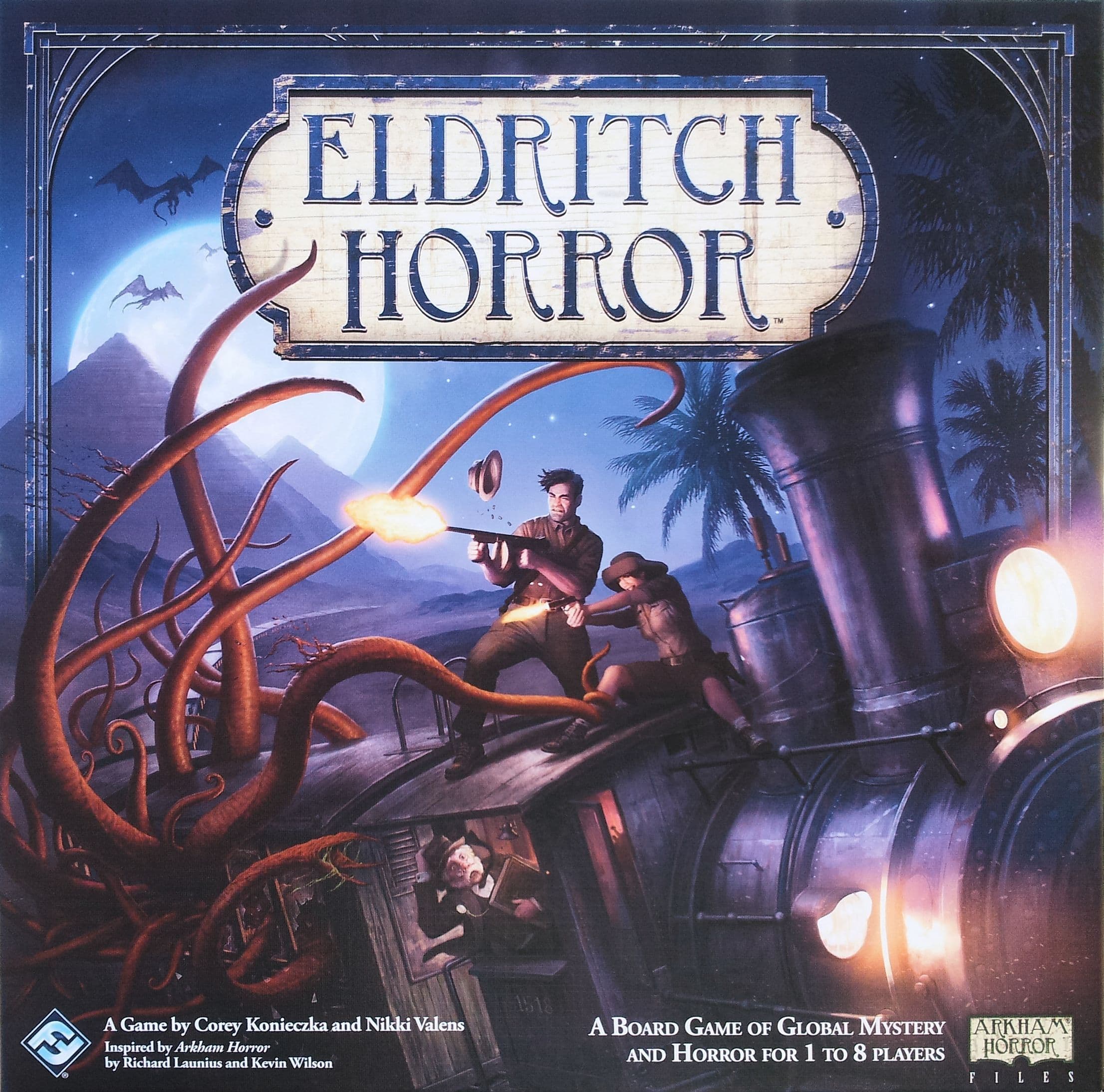
Eldritch Horror
2013Eldritch Horror is a cooperative board game that immerses players in a world of cosmic dread inspired by the writings of H.P. Lovecraft. Taking on the roles of intrepid investigators, participants band together to confront a malevolent entity poised to awaken and consume the world. This is a desperate race against a doomsday clock, not a battle of simple force. The team's primary objective is to traverse the globe, from bustling cities to remote wilderness, in order to solve three distinct mysteries unique to the chosen Ancient One. These mysteries represent the only known way to prevent the creature's arrival. Should the investigators succeed before the ever-advancing doom track reaches zero, they will have saved humanity. Failure, however, means the Ancient One awakens, triggering a final, brutal confrontation.
Gameplay unfolds in rounds composed of three critical phases. First, in the Action Phase, each investigator performs two actions, such as traveling the world map, gathering vital assets like weapons and spells, recuperating health and sanity, or trading with allies. Following this, the Encounter Phase plunges each player into a unique narrative event based on their location. Drawing a card presents a story, a choice, and often a skill test resolved by rolling six-sided dice, where a five or six is a success. Investigators can spend clue tokens to reroll dice, adding a layer of resource management. Finally, the Mythos Phase represents the Ancient One's sinister influence; a new card can introduce devastating effects, spawn monsters, open otherworldly gates, and relentlessly advance the doom track, pushing the world ever closer to oblivion.
What makes "Eldritch Horror" a beloved classic is its epic, globe-spanning scale and the rich, emergent stories it generates. The game turns the entire world into a playground of impending doom, creating a grand sense of adventure. The challenge is significant, fostering true teamwork as players strategize how to best use their unique character abilities and manage limited resources. Every session creates a memorable tale of near-misses, heroic triumphs, and tragic sacrifices. The game's appeal lies in its masterful blend of strategic planning and the unpredictable chaos of the Mythos deck, ensuring high tension from start to finish. It's a daunting adventure that rewards players not just with a win, but with a compelling story they have created together, making it a pinnacle experience for those who love deep narrative and cooperative challenges.
1-8 180m⚖️ 3.8