Co-operative Games
Browse all Co-operative board games in the Meeple Pulse database.
Styles
Themes
AbstractAdventureAncientAnimalsArtBusinessCard GameCo-operativeComic BookCooperativeCrimeEconomicEnvironmentalismExplorationFantasyHistoricalHorrorHumorIntrigueLiteraryMagicMarvelMedievalModernMuseumMysteryMythologyNatureNauticalPoliticalPress Your LuckSatireSci-FiSocial CommentarySocial InteractionSpaceSuperheroesThematicTravelWarWesternWord-Guessing
Mechanics
3D PlacementActingAction / DexterityAction DraftingAction Point AllowanceAction Point Allowance SystemAction Point SystemAction PointsAction ProgrammingAction QueueAction RetrievalAction SelectionAction/EventAlliancesAlternate ActivationApp-AssistedApp-DrivenArea ControlArea InfluenceArea MajorityArea Majority / InfluenceArea MovementArgumentationAsymmetricAsymmetric FactionsAsymmetric GameAsymmetric PowersAsymmetrical PowersAuction & BiddingAuction/BiddingAuctioningBag BuildingBettingBetting and BluffingBetting and WageringBetting and WagersBiddingBingoBlind BiddingBluffingCampaign / Battle Card DrivenCampaign / LegacyCampaign / Legacy GameCampaign / Mission-basedCampaign / ScenariosCampaign GameCampaign PlayCard DraftingCard DrawingCard DrivenCard Driven ActionCard Driven CombatCard Driven Dice AllocationCard Driven MovementCard ManagementCard PlayCard Play / Hand ManagementCard Play Conflict ResolutionCard SheddingCard-Driven MovementCharacter CreationCharacter ProgressionChit-Pull SystemCo-op PlayCo-operative GameCo-operative PlayCode-breakingCombat ResolutionCombo ChainCommand CardsCommodity SpeculationCommunication LimitsContract FulfillmentContractsCooperative GameCooperative GameplayCooperative PlayCooperative Trick-takingDebateDeck BuildingDeck ConstructionDeck, Bag, and Pool BuildingDeck-BuildingDeductionDexterityDice DraftingDice PlacementDice RollingDiplomatic InfluenceDraftingDynamic Battle SystemEnclosureEnd Game BonusesEngine BuildingEngine-BuildingEscape RoomEvent DrivenExplorationFarmingFlip and WriteFollowFollow ActionGrid CoverageGrid MovementHand ManagementHex-and-CounterHexagon GridHidden MovementHidden RolesI Cut You ChooseIncomeInfluence / Area MajorityLadder ClimbingLegacyLegacy ElementsLegacy GameLegacy SystemLimited CommunicationLine DrawingLine of SightMancalaMap MovementMarketMarket DraftingMarket ManipulationMarket MechanicMarket SpeculationMatchingMeasurement MovementMemoryMission ObjectivesModular BoardModular Board ConstructionMovement TemplatesMulti-Use CardsMulti-use CardsMultiple ScenariosMust FollowNarrative ChoiceNarrative Choice / ParagraphNegotiationNegotiation MechanicsNetwork & Route BuildingNetwork BuildingNetwork and Route BuildingOne vs ManyOne vs. ManyOpen DraftingPaper-and-PencilPartnershipsPattern BuildingPattern RecognitionPick-up and DeliverPlayer EliminationPlayer InteractionPlayer JudgePoint SaladPoint to Point MovementPolyominoesPush Your LuckPush-Your-LuckPuzzlePuzzle-LikePuzzle-SolvingRaceReal-TimeRecipe FulfillmentResource ManagementRole PlayingRole SelectionRoll / Spin and MoveRondelRoute BuildingRoute-BuildingRoute/Network BuildingSanity SystemScenario / Campaign PlayScenario / Mission / Campaign GameScenario / Mission FunctionSecret Unit DeploymentSemi-Cooperative GameSet CollectionSheddingSimulationSimultaneous ActionSimultaneous Action SelectionSimultaneous Hidden AllocationSocial DeductionSocial InteractionSolo / Solitaire GameSpace ExplorationStat Check / Skill CheckStock HoldingStorytellingStrategic PlanningTableau BuildingTactical Decision-MakingTake ThatTargeted CluesTeam PlayTeam-Based GameTeam-Based GuessingTeamworkTech TreesTech Trees / Tech TracksTechnology & Armament TracksTechnology TreeTension & Aggression TracksTile DraftingTile LayingTile PlacementTime TrackTime TravelTower DefenseTrack MovementTradingTrick-takingTug of WarTurn Order: PassTurn Order: Stat-BasedUnit PlacementVariable Phase OrderVariable Player PowersVariable Set-upVariable SetupVictory Point TracksVotingWord AssociationWord GameWord GuessingWord-GuessingWord-guessingWordplayWorker Placement

RANK #158
ISS Vanguard
2022ISS Vanguard invites players to embark on a grand, galaxy-spanning science fiction epic as members of humanity's first deep-space exploration vessel. This sprawling, cooperative campaign game casts 1 to 4 players as the leaders of the Vanguard's four primary sections: Security, Recon, Science, and Engineering. Guided by a mysterious signal that could hold the key to humanity's survival, your mission is to explore strange new worlds, uncover the secrets of ancient alien civilizations, and navigate the countless dangers of the cosmos. The ultimate goal is not just survival, but to unravel a profound mystery that will determine the fate of humankind, making choices that will have a lasting impact across a lengthy and memorable narrative campaign.
The gameplay is structured around a compelling two-phase loop that seamlessly blends tactical planetary missions with strategic ship management. During the Planetary Exploration phase, players assemble an away team, customize their lander, and descend to alien planets represented by a lushly illustrated logbook. On the surface, they navigate challenges and points of interest through a unique dice-based skill check system, where custom dice, character skills, and strategic card play are used to overcome obstacles and advance the story. Following each mission, the game transitions to the Ship Management phase. Here, players make critical decisions aboard the ISS Vanguard, using a clever binder system to manage the ship's crew, research new technologies, manufacture advanced equipment, and heal their personnel. The resources and discoveries from planetary missions directly fuel the ship's progress, creating a deeply satisfying feedback loop.
What makes ISS Vanguard a standout experience is its profound sense of immersion and player-driven storytelling. The game masterfully combines the thrill of discovery on alien worlds with the weighty responsibility of managing a massive starship and its crew. The high-quality components, from the detailed miniatures to the innovative binder-based ship book, create a tangible and engaging world for players to inhabit. With a narrative penned by an accomplished author and an optional companion app providing professional voice-overs, the story comes alive, drawing players deep into its universe. Fans of rich thematic experiences, long-form campaign play, and cooperative problem-solving will find a truly epic adventure that offers dozens of hours of unforgettable moments and emergent stories.
1-4 120m⚖️ 3.6
RANK #170
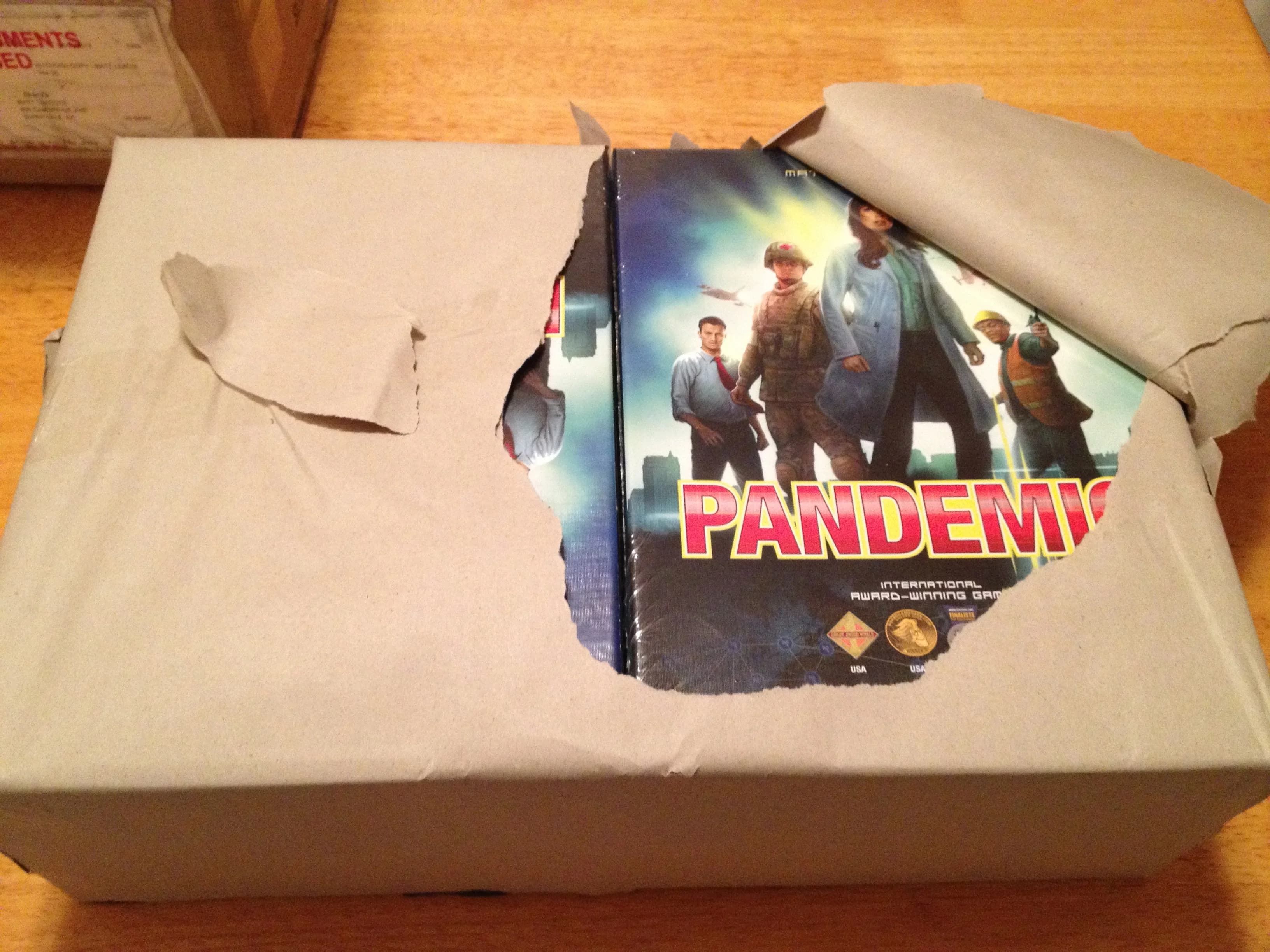
Pandemic
2008Pandemic presents a thrilling, high-stakes challenge where players must band together as a team of elite disease-control specialists. In this quintessential cooperative game, the world is on the brink of disaster, with four deadly diseases spreading rapidly across the globe. Players don't compete against each other; instead, they unite against the game's automated systems, which relentlessly propagate the infections. Each team member assumes a unique role, such as the resourceful Scientist or the indispensable Medic, bringing special abilities to the table that are critical for success. The ultimate objective is to discover the cures for all four plagues before time runs out, a pandemic spirals out of control, or the supply of medical resources is exhausted. It’s a race against the clock where teamwork and strategic foresight are the only tools standing between humanity and a global catastrophe.
The gameplay unfolds through a tense and structured sequence of turns. On their turn, a player can perform up to four actions, creating a wealth of strategic choices. These actions include moving between major world cities, treating localized infections by removing disease cubes, establishing vital research stations, sharing knowledge by trading city cards with teammates, or using a set of matching city cards to discover a cure. After taking actions, the player must draw two cards from the player deck, which contains the city cards needed for cures but also powerful one-time Event cards and the dreaded Epidemic cards. Drawing an Epidemic card is a pivotal moment that escalates the crisis: it accelerates the infection rate, triggers an immediate large-scale infection in a new city, and critically, reshuffles the previously infected cities back to the top of the infection deck. This 'intensify' mechanic ensures that hotspots are likely to be hit again, leading to potential chain-reaction outbreaks that spread disease to adjacent cities.
The enduring appeal of Pandemic lies in its brilliant fusion of accessible rules and profound strategic depth. It creates a palpable sense of mounting pressure, forcing players into constant communication and collaborative problem-solving. The game becomes a fascinating puzzle where the team must constantly weigh managing immediate threats—stamping out fires on the board to prevent outbreaks—against progressing toward the long-term victory condition of finding all four cures. This delicate balancing act is the heart of the game's tension. Because the difficulty can be scaled by altering the number of Epidemic cards in the deck, it offers a consistently engaging challenge for both newcomers and seasoned strategists. Its design has become a benchmark for cooperative games, celebrated for its ability to create a compelling narrative of global crisis and collective heroism with every session.
2-4 45m⚖️ 2.4
RANK #184
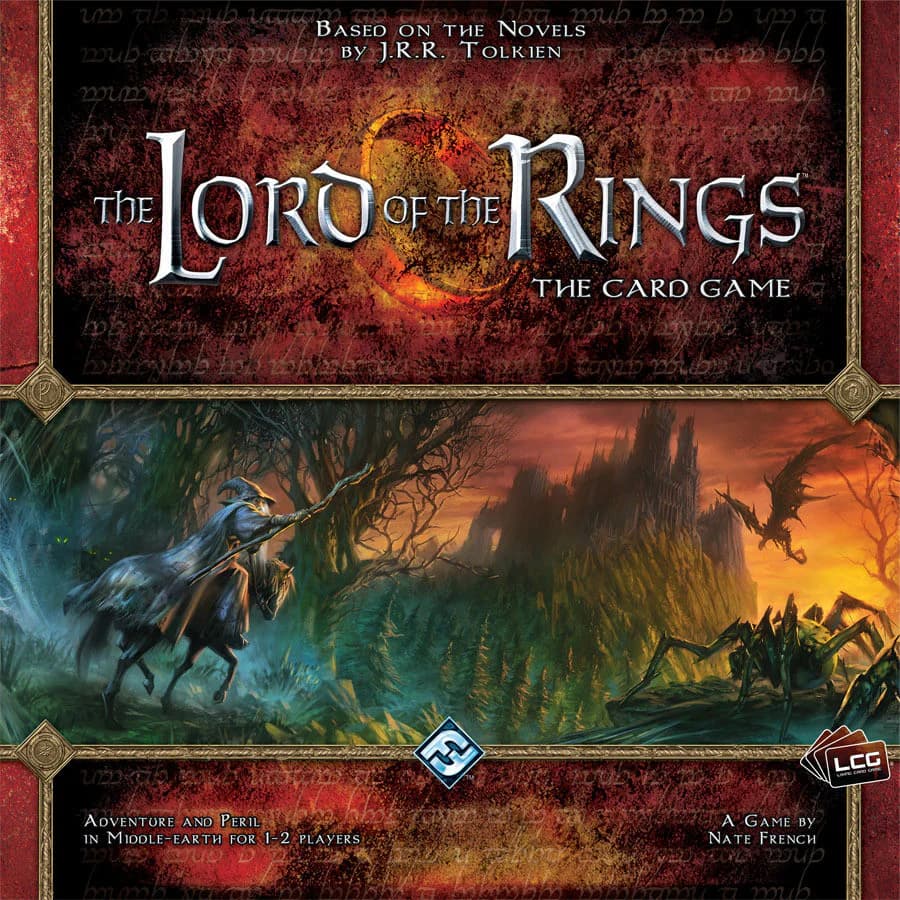
Embark on perilous quests in The Lord of the Rings: The Card Game, a cooperative Living Card Game (LCG) set within J.R.R. Tolkien's iconic Middle-earth. Unlike collectible games with randomized booster packs, this is an LCG where players can strategically grow their collection with fixed expansions. In this game, one to four players unite to form their own fellowship, working together against automated scenarios controlled by an 'encounter deck'. Your goal is to navigate treacherous lands, battle fearsome enemies, and complete a series of quest objectives to achieve victory against the encroaching shadow of Sauron. It's a narrative-driven adventure that brings the world of the books to your tabletop.
The core of the game revolves around strategic deck-building and a structured round sequence. Each player constructs a deck of at least fifty cards centered on one to three powerful heroes, chosen from four distinct spheres of influence: Leadership, Lore, Spirit, and Tactics. These spheres dictate which allies, attachments, and events a player can use. A typical round involves gaining resources to pay for cards, questing to make progress on the current objective, potentially traveling to new locations, engaging with enemies from the encounter deck, and finally resolving combat. Players must manage their characters carefully, deciding who will quest, defend, or attack. Victory is hard-won, as players lose if any member's threat level reaches 50 or if all of their heroes are defeated.
The enduring appeal of The Lord of the Rings: The Card Game lies in its deep, strategic challenge and rich thematic immersion. It is renowned for its difficulty, often requiring players to meticulously craft and refine their decks to overcome the unique obstacles presented by each scenario. The cooperative nature fosters a strong sense of camaraderie as players must coordinate their actions and build synergistic decks to succeed. The game's artwork is inspired directly by Tolkien's novels rather than the films, creating a distinct and authentic vision of Middle-earth. This combination of challenging cooperative gameplay, extensive customization, and a beloved fantasy setting makes it a highly replayable and rewarding experience for any fan of adventure.
1-4 60m⚖️ 3.4
RANK #223
Vantage
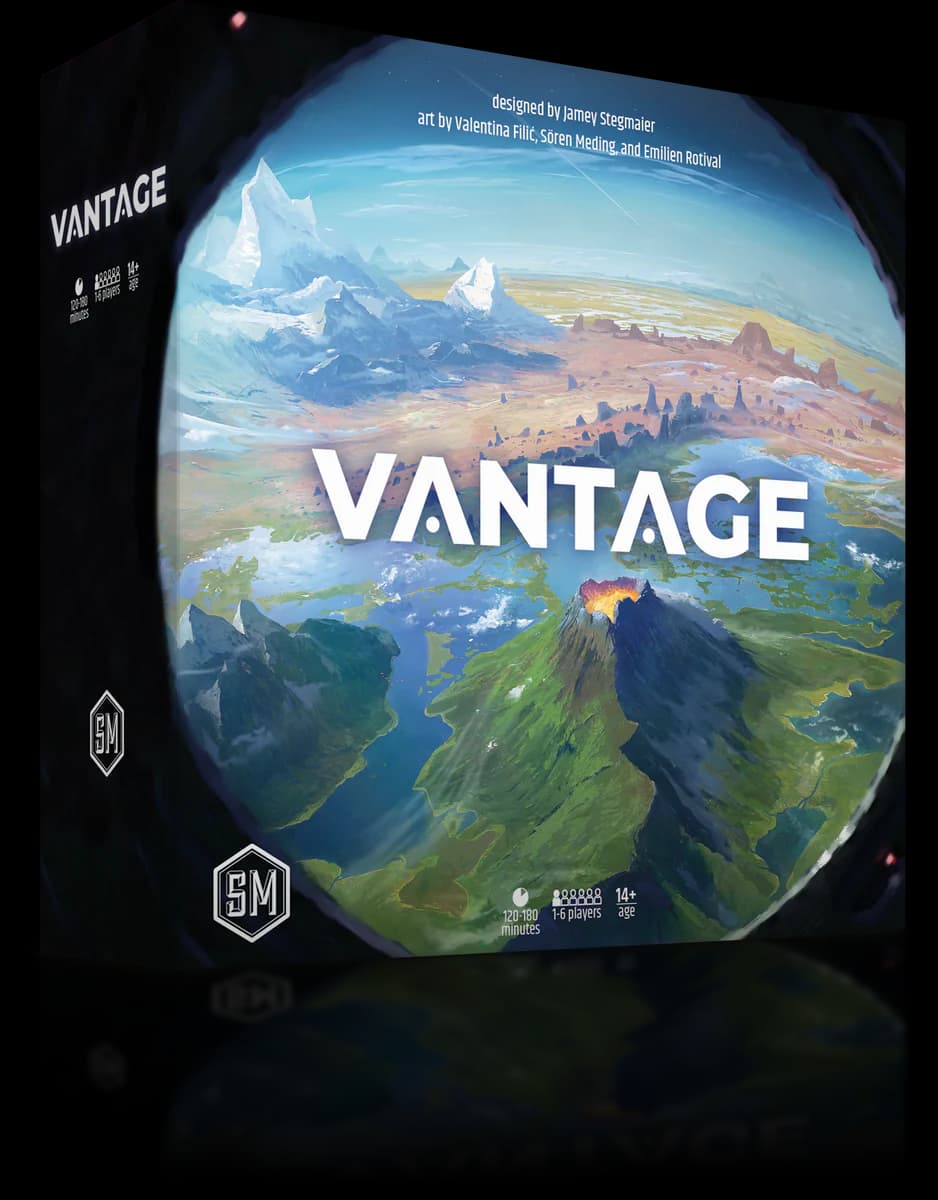
2025In Vantage, players take on the roles of explorers who have survived a crash landing on a mysterious, uncharted planet. This is a cooperative, narrative-driven game of adventure where survival depends on teamwork, intuition, and a willingness to face the unknown. The primary goal is to navigate and understand this new world together, but victory can be achieved in multiple ways. The group might succeed by completing a challenging shared mission, or an individual player could achieve a personal destiny hidden from the others. For the ultimate triumph, a team can strive for an epic victory by accomplishing both their collective and private objectives in a single, memorable session. Each game is a complete, standalone story; while players' knowledge of the world will grow with each playthrough, there are no persistent campaign elements, making every game a fresh expedition.
The gameplay of Vantage is built around a truly unique core mechanic that emphasizes a first-person perspective and shared storytelling. On their turn, a player can only see their current location card, forcing them to rely on the descriptions and guidance of their teammates to build a mental map of the world. The action system introduces a fascinating layer of risk and reward: players choose a basic action—such as move, look, engage, or help—without knowing the specific costs or challenges involved. Another player then reads the outcome from one of eight expansive storybooks, revealing the consequences of the chosen action. Success is determined through dice rolls, where players must strategically manage their challenge dice, mitigating negative results by placing them onto a 3x3 grid on their character and equipment cards. This creates a compelling loop of making intuitive choices, facing unexpected narrative twists, and collaboratively solving the problems that arise.
Vantage's appeal lies in its massive, open world and the genuine sense of discovery it fosters. With over 400 double-sided location cards creating more than 800 interconnected places to visit and over 900 other cards to uncover, the game promises immense replayability. No two journeys will ever be the same. The innovative first-person viewpoint and the blind action-selection mechanic create a tense and immersive experience that is different from typical exploration games. It's not just about moving a pawn on a map; it's about communicating effectively, trusting your teammates, and making gut decisions that have real, story-altering consequences. Designed by Jamey Stegmaier, the game skillfully balances accessible rules with deep strategic choices, offering a rich, thematic adventure that is both a compelling puzzle and an unforgettable story you create together.
1-6 150m⚖️ 3.3

RANK #226
Return to Dark Tower is a grand, cooperative fantasy adventure and a modern reimagining of the iconic 1981 electronic board game. In this app-driven epic, one to four players assume the roles of unique heroes who must unite to save the kingdoms from a great evil that has resurfaced. The central goal is to complete a major objective, which will lure the primary adversary out from the technologically advanced, malevolent tower for a final, decisive confrontation. Players are working against a strict timeline, needing to achieve victory before the end of the sixth in-game 'month'. The path to defeat is multifaceted; the heroes can lose if they run out of time, if the supply of skulls to feed the tower is exhausted, or if any single hero succumbs to overwhelming corruption, making every decision a tense and critical calculation.
The gameplay unfolds over a series of hero turns, each structured into distinct phases. A player's turn begins with an optional, character-specific 'Banner Action', followed by movement and a choice of one heroic action: battling monstrous foes, cleansing corrupting skulls from the land's buildings, or undertaking vital quests. Afterward, heroes can reinforce their strength by utilizing the special ability of the building they occupy to gain resources. The game's centerpiece is the towering electronic spire which, in conjunction with a companion app, dictates the flow of the adventure. At the conclusion of each turn, a player must drop a skull into the tower, which may then dispense them back onto the board, spreading corruption. The integrated app manages all quests, events, and combat encounters, ensuring a dynamic and unpredictable challenge every time you play.
Return to Dark Tower commands an impressive table presence, with its massive, interactive tower immediately drawing players into its world. It masterfully blends the nostalgia of the original classic with sophisticated modern mechanics, creating an experience that feels both familiar and refreshingly new. The game is celebrated for its highly immersive and cooperative gameplay, where teamwork and strategic planning are paramount to overcoming the app-controlled adversary. The constant pressure from the tower and the race against the clock generate a palpable tension that results in truly memorable gaming sessions. For those seeking a different challenge, the game also includes a competitive variant where heroes race to prove their individual worth.
1-4 110m⚖️ 2.6
RANK #280
Legendary: A Marvel Deck Building Game is a prominent entry in the deck-building genre that brings the Marvel Universe to life on the tabletop. In this experience, players take on the role of SHIELD commanders tasked with assembling a powerful team of iconic heroes to thwart the nefarious plans of a Mastermind. The central goal is collective survival; players must work together to defeat the primary villain four times before they can complete a specific, game-altering Scheme. Unlike traditional deck builders where you simply compete for the highest score, Legendary introduces a looming threat that can cause everyone to lose if the city falls into chaos or the villain's plot reaches its conclusion.
The game utilizes a modular setup, meaning no two sessions are exactly alike. Players select a specific Mastermind like Magneto or Dr. Doom, a Scheme that sets the rules for the villain's victory, and a curated pool of hero decks. The core loop involves a Villain Phase, where enemies advance through a five-space city track, followed by a Hero Phase. Players start with basic SHIELD agents and must strategically recruit more powerful cards using Recruit Points or strike down foes using Attack Points. Managing these two distinct resources is vital, as players navigate the Headquarters (HQ) to draft synergies between characters like the Avengers and the X-Men. Successfully defeating villains and saving bystanders adds to a player's personal victory pile, which serves a dual purpose: it measures individual contribution while the team strives for a shared victory.
What makes Legendary stand out is its semi-cooperative nature. While the primary objective is to stop the Mastermind, the game crowns a single 'most legendary hero' based on the victory points accumulated during play. This creates a fascinating tension between helping the group and optimizing one's own deck for maximum point gain. The highly thematic integration of the Marvel license, featuring comic-accurate artwork and mechanics that reflect hero powers, ensures a high level of immersion. With its vast array of modular combinations and the threat of a board that evolves every turn, the game offers immense replayability. It strikes a balance between being accessible enough for casual fans while offering the strategic depth required to keep seasoned gamers engaged.
1-5 45m⚖️ 2.4
RANK #285
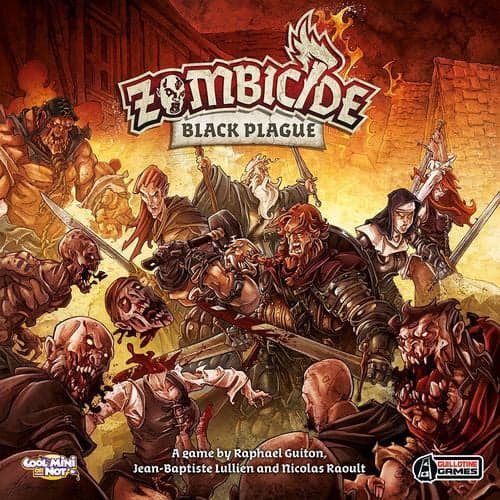
Zombicide: Black Plague reboots the high-octane zombie survival genre by plunging players into a dark, medieval fantasy world. In this cooperative experience, one to six survivors must unite to fend off hordes of the undead summoned by malevolent Necromancers. Unlike its modern-day predecessors, Black Plague introduces a magical twist where steel, sorcery, and shields are the primary tools of survival. The primary objective is to complete specific mission scenarios, which range from retrieving lost artifacts to cleansing infested vaults, all while managing the ever-growing threat of the zombie apocalypse. Each player controls a unique hero, navigating through modular map tiles that represent plagued villages and sinister dungeons.
The gameplay revolves around an intuitive action-point system where survivors spend points to move, attack, or scavenge for gear. As players slay zombies, they gain Adrenaline Points, which allow them to level up and unlock powerful new abilities. However, this progress comes with a catch: the game tracks the party's highest experience level, and as survivors grow stronger, the zombie spawn rates intensify through color-coded danger zones. This creates a tense balancing act where players must scale their power without overwhelming themselves with too many enemies. Unique to this edition are the Necromancers, specialized foes who attempt to escape the board while leaving permanent spawn points in their wake, and the introduction of armor saves, giving players a fighting chance against incoming damage.
Fans of the series praise Black Plague for its streamlined rules and significantly improved component quality, notably the recessed plastic dashboards that keep character cards and pegs securely in place. The shift to a fantasy setting allows for creative weapon combinations, such as magic staves and heavy plate mail, providing a distinct mechanical flavor compared to modern versions. With its high-quality miniatures, tactical depth, and 'beer and pretzels' accessibility, it remains a favorite for groups seeking an epic, narrative-driven challenge. The inclusion of solo rules and a variety of challenging scenarios ensures high replayability, making it a definitive entry in the dungeon-crawl and survival-horror board game genres.
1-6 120m⚖️ 2.5
RANK #305
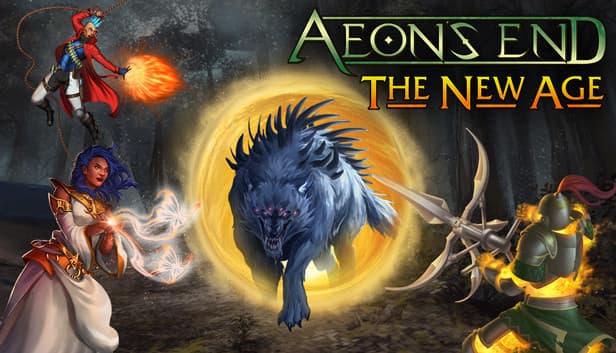
Aeon's End: The New Age is a standalone cooperative deck-building experience that invites players into the final bastion of humanity, Gravehold. As Breach Mages, participants must defend their home against the relentless assault of the Nameless—monstrous entities from another dimension. This entry in the series serves as a perfect jumping-off point for newcomers while offering a wealth of content for long-time fans. The primary objective is to deplete the health of the Nemesis before they overrun the city or exhaust the mages' collective life force. Unlike traditional deck-builders, this title introduces a narrative campaign that evolves with every victory and defeat.
The gameplay's core revolves around the ingenious 'no-shuffling' mechanic. When your deck is empty, you simply flip the discard pile over, meaning the order in which you play and discard your cards determines your future draw sequences. This adds a deep layer of tactical planning, allowing mages to set up devastating combos by timing their card acquisitions and plays. The New Age introduces the 'Expedition System', a semi-legacy format where players progress through four connected battles. Between matches, you unlock 'Treasures'—powerful artifacts that enhance your mage's unique abilities—and manage the 'Barracks' to customize your market. New keywords like 'Echo', which permits spells to be cast twice, and 'Attach', which upgrades breaches with permanent perks, further deepen the strategic complexity.
What truly sets this expansion apart is its modularity and tension. The 'Variable Turn Order' deck ensures that players never know exactly when the Nemesis will strike, preventing the 'alpha gamer' problem often found in co-ops. The Expedition system isn't just a story; it's a hub that allows players to integrate content from any other Aeon's End box, creating a custom, high-stakes campaign using a massive library of mages and enemies. This creates near-infinite replayability. Fans adore the game for its punishing but fair difficulty, the high-quality narrative envelopes that reveal new content organically, and the satisfying feeling of building a perfectly tuned engine that can take down a god-like foe.
1-4 75m⚖️ 3.0

RANK #409
Arydia: The Paths We Dare Tread invites players into a sprawling, open-world fantasy experience designed for cooperative play. In this epic role-playing board game, you and your companions embody exiles, individuals cast out from society and striving to find their way back. Your journey will be a grand campaign across the vast and mysterious lands of Arydia, a world brimming with quests to undertake, secrets to uncover, and a rich narrative to shape. The game is built upon four foundational pillars—Exploration, Progression, Combat, and Role-playing—promising a deeply immersive adventure where your choices have a tangible impact on the evolving story and the world around you.
The core gameplay loop is a dynamic blend of discovery and conflict. Players begin by creating a unique hero, choosing a distinct path (class) and race, each with special abilities and represented by a beautifully pre-painted miniature. The world of Arydia is revealed through a modular map of hexagonal tiles, which are flipped as you travel to unveil everything from bustling cities to perilous wilds. During "Adventure mode," you'll interact with non-player characters, investigate points of interest, and accept quests that propel the story forward. When danger arises, the game seamlessly transitions to "Combat mode," a tactical, turn-based affair on a gridded map where teamwork is paramount to overcoming AI-controlled adversaries.
What truly sets Arydia apart is its innovative "green legacy" system. This design choice offers the persistent, evolving world and unlockable content of a traditional legacy game but with a crucial difference: it's entirely resettable and replayable. Nothing is permanently destroyed, allowing you to experience the 40+ hour campaign multiple times or share the adventure with a new group. The character progression is robust, allowing you to acquire powerful new weapons, items, and skills. Combat is also noteworthy for its unique pattern-based attack system, where you must strategically target specific zones on an enemy's card, carefully navigating their armor to land effective blows. With a convenient index system for saving progress, Arydia delivers an accessible yet deeply strategic campaign for those who dare to tread its paths.
1-4 150m⚖️ 4.0
RANK #441
Mysterium
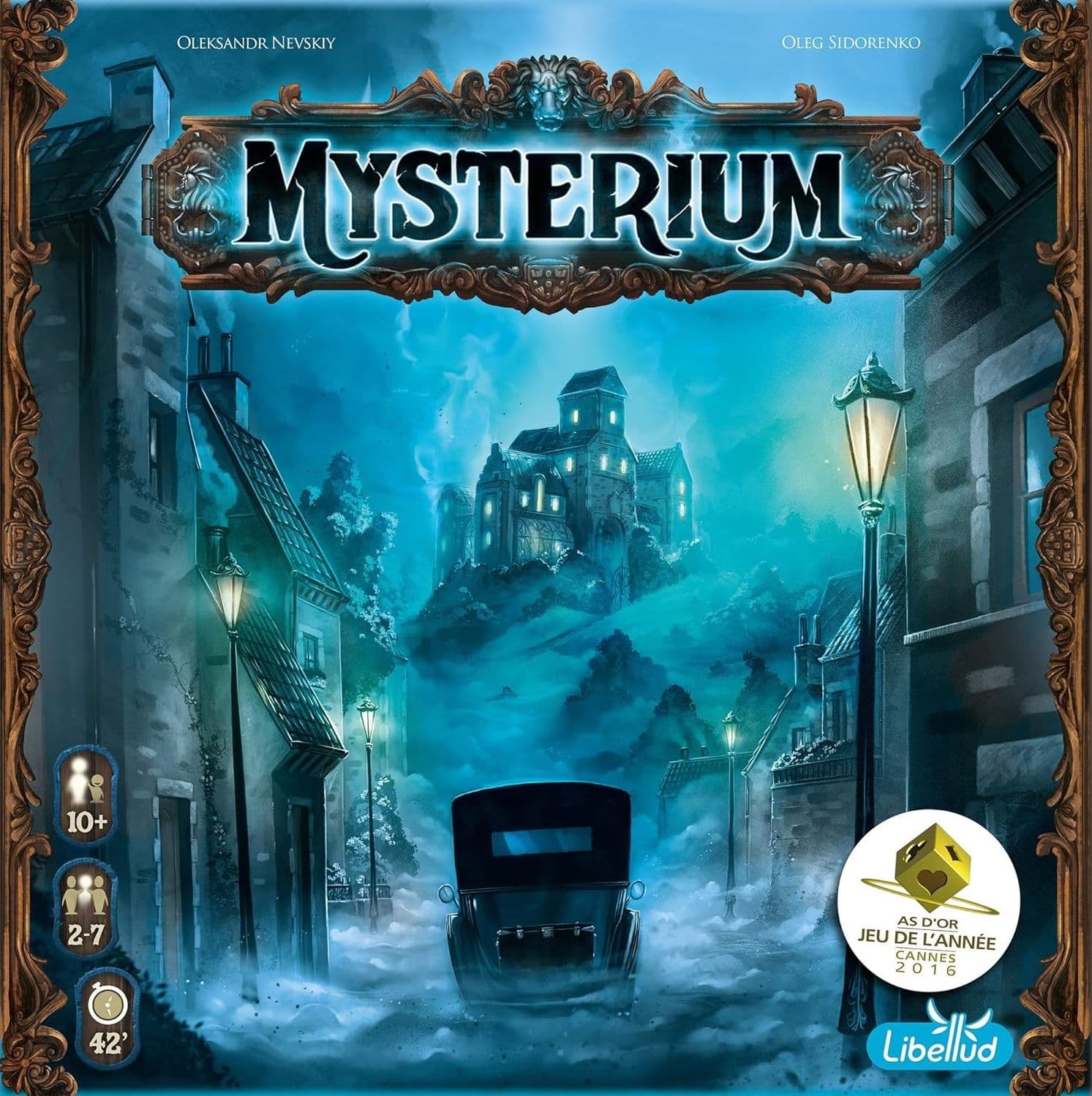
2015Mysterium is a cooperative board game for 2-7 players, designed by Julienne Laforce, Giovanni Lapenta, and Jeremy Holmes, published by Asmodee Editions. This game takes you on an eerie journey where one player takes on the role of a ghost trying to communicate with four psychic mediums to solve murder mysteries. The ghost's goal is to guide the psychics to reveal the correct suspects, motives, and locations before time runs out.
In Mysterium, each player takes turns playing as a psychic medium, receiving visions from the ghost through a mysterious portal. These visions are represented by cards with different symbols, colors, and numbers. The players must work together to figure out what the ghost is trying to say and make decisions based on the information provided.
As the game progresses, the psychics will receive new clues and piece together the mystery. However, they must do so before the time runs out, or else the murder will remain unsolved. The game requires strategic thinking, deduction, and teamwork to solve the crime.
What makes Mysterium unique is its cooperative gameplay, where players work together to achieve a common goal. Each player has their own role and abilities, making each playthrough different. Additionally, the game's atmosphere and artwork are designed to evoke feelings of mystery, suspense, and fear, immersing players in an eerie world.
Mysterium is perfect for fans of cooperative games, murder mysteries, and puzzle-solving. The unique gameplay mechanic and immersive atmosphere make it a standout title among modern board games.
(And now, if you'll excuse me, I'll just go ahead and solve this murder mystery... or maybe not.)
2-7 60m⚖️ 3.0

RANK #508
Earthborne Rangers is a heavily narrative, cooperative card game that transports players to a distant, hopeful future where humanity thrives alongside nature. Distinct from the typically dark and doom-filled atmospheres of many 'living card games', this eco-conscious adventure allows players to embark on an open-world campaign set within a sprawling, vibrant valley. The primary goal is not strictly about defeating enemies in combat, but rather surviving and exploring an immersive ecosystem. Players take on the roles of unique Rangers, venturing out to discover secrets, interact with wildlife, and complete quests, all while navigating a living environment that acts independently of their direct actions.
Gameplay revolves around a sophisticated deck-construction framework where your character's background, personality, and specialty dictate their starting stats and abilities. During a session—referred to as a 'Day'—players leverage four key aspects (Awareness, Focus, Spirit, and Fitness) to generate energy, which is then spent to play cards, clear obstacles, or persuade non-player characters. A standout feature is the location-specific 'Path Deck'. This deck dynamically populates the area with flora, fauna, and dynamic hazards that interact with each other even without player intervention. Throughout the day, players earn rewards, suffer fatigue, and read from an extensive campaign guide, gradually unlocking new skills and memories to upgrade their custom decks between sessions.
Fans of deep, tactical card play are drawn to Earthborne Rangers for its lush world-building and the sheer freedom of its sandbox design. The game seamlessly blends challenging, combo-heavy puzzles with a genuinely uplifting 'hopepunk' narrative that encourages you to step off the beaten path and simply hike through the wilderness. Furthermore, the development team—composed of industry veterans—has been widely praised for prioritizing sustainable, eco-friendly manufacturing methods. Whether you are following the central storyline or simply exploring the rich, reactive valley, this heavy-weight puzzle offers a breathtakingly fresh and highly replayable cooperative experience.
1-4 120m⚖️ 3.5
RANK #702
HeroQuest
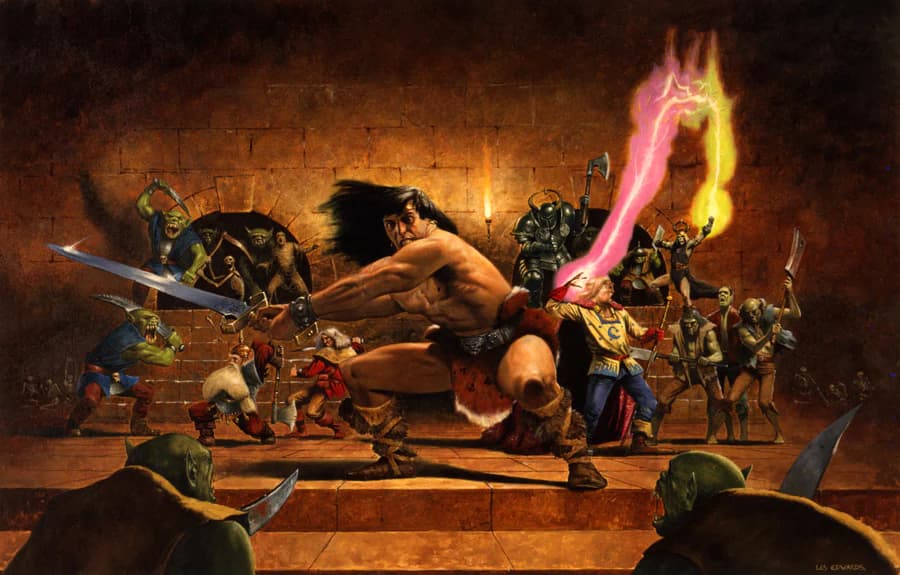
1989HeroQuest is the quintessential fantasy dungeon-crawling experience, famously designed to act as a bridge between traditional board games and the complex world of tabletop role-playing games. Originally released in 1989 through a collaboration between Milton Bradley and Games Workshop, the game places one player in the role of the malevolent gamemaster—known as Zargon in North America or Morcar in Europe—while the remaining players take on the roles of four legendary heroes: the Barbarian, the Dwarf, the Elf, and the Wizard. The primary goal is to successfully navigate a series of perilous underground labyrinths, completing specific mission objectives such as rescuing a captive, recovering a magical relic, or defeating a powerful boss, all while surviving the monsters and hazards lurking in the shadows.
The gameplay is driven by a scenario book that outlines distinct quests. Each hero's turn involves moving and performing an action. Movement is determined by rolling two standard six-sided dice, adding a layer of unpredictability to every trek through the dark corridors. Actions include attacking enemies, casting powerful spells from a limited deck, or searching the immediate area for treasure, secret passages, and deadly traps. A standout mechanic is the use of specialized combat dice, which feature skulls for hits and shields for defense, making combat resolution intuitive and visually immediate. The gamemaster controls the 'fog of war,' populating the board with detailed 3D furniture and plastic miniatures only when the heroes enter a room or line of sight, which maintains a constant atmosphere of mystery and tension.
The appeal of HeroQuest lies in its evocative presentation and its ability to deliver a rich, narrative-driven experience without overwhelming players with dense rulebooks. It popularized the 'dungeon crawl' genre for a mainstream audience, thanks in large part to its iconic components—including stone tombs, weapon racks, and treasure chests—that brought the game world to life on the tabletop. It strikes a perfect balance between simplicity and depth, offering enough tactical variety to keep seasoned players engaged while remaining accessible enough for younger audiences or newcomers. This enduring charm has cemented its status as a 'grail game' for collectors and a beloved classic that defined the fantasy board gaming landscape for a generation.
2-5 90m⚖️ 2.1