Political Games
Browse all Political board games in the Meeple Pulse database.
Styles
Themes
AbstractAdventureAncientAnimalsArtBusinessCard GameCo-operativeComic BookCooperativeCrimeEconomicEnvironmentalismExplorationFantasyHistoricalHorrorHumorIntrigueLiteraryMagicMarvelMedievalModernMuseumMysteryMythologyNatureNauticalPoliticalPress Your LuckSatireSci-FiSocial CommentarySocial InteractionSpaceSuperheroesThematicTravelWarWesternWord-Guessing
Mechanics
3D PlacementActingAction / DexterityAction DraftingAction Point AllowanceAction Point Allowance SystemAction Point SystemAction PointsAction ProgrammingAction QueueAction RetrievalAction SelectionAction/EventAlliancesAlternate ActivationApp-AssistedApp-DrivenArea ControlArea InfluenceArea MajorityArea Majority / InfluenceArea MovementArgumentationAsymmetricAsymmetric FactionsAsymmetric GameAsymmetric PowersAsymmetrical PowersAuction & BiddingAuction/BiddingAuctioningBag BuildingBettingBetting and BluffingBetting and WageringBetting and WagersBiddingBingoBlind BiddingBluffingCampaign / Battle Card DrivenCampaign / LegacyCampaign / Legacy GameCampaign / Mission-basedCampaign / ScenariosCampaign GameCampaign PlayCard DraftingCard DrawingCard DrivenCard Driven ActionCard Driven CombatCard Driven Dice AllocationCard Driven MovementCard ManagementCard PlayCard Play / Hand ManagementCard Play Conflict ResolutionCard SheddingCard-Driven MovementCharacter CreationCharacter ProgressionChit-Pull SystemCo-op PlayCo-operative GameCo-operative PlayCode-breakingCombat ResolutionCombo ChainCommand CardsCommodity SpeculationCommunication LimitsContract FulfillmentContractsCooperative GameCooperative GameplayCooperative PlayCooperative Trick-takingDebateDeck BuildingDeck ConstructionDeck, Bag, and Pool BuildingDeck-BuildingDeductionDexterityDice DraftingDice PlacementDice RollingDiplomatic InfluenceDraftingDynamic Battle SystemEnclosureEnd Game BonusesEngine BuildingEngine-BuildingEscape RoomEvent DrivenExplorationFarmingFlip and WriteFollowFollow ActionGrid CoverageGrid MovementHand ManagementHex-and-CounterHexagon GridHidden MovementHidden RolesI Cut You ChooseIncomeInfluence / Area MajorityLadder ClimbingLegacyLegacy ElementsLegacy GameLegacy SystemLimited CommunicationLine DrawingLine of SightMancalaMap MovementMarketMarket DraftingMarket ManipulationMarket MechanicMarket SpeculationMatchingMeasurement MovementMemoryMission ObjectivesModular BoardModular Board ConstructionMovement TemplatesMulti-Use CardsMulti-use CardsMultiple ScenariosMust FollowNarrative ChoiceNarrative Choice / ParagraphNegotiationNegotiation MechanicsNetwork & Route BuildingNetwork BuildingNetwork and Route BuildingOne vs ManyOne vs. ManyOpen DraftingPaper-and-PencilPartnershipsPattern BuildingPattern RecognitionPick-up and DeliverPlayer EliminationPlayer InteractionPlayer JudgePoint SaladPoint to Point MovementPolyominoesPush Your LuckPush-Your-LuckPuzzlePuzzle-LikePuzzle-SolvingRaceReal-TimeRecipe FulfillmentResource ManagementRole PlayingRole SelectionRoll / Spin and MoveRondelRoute BuildingRoute-BuildingRoute/Network BuildingSanity SystemScenario / Campaign PlayScenario / Mission / Campaign GameScenario / Mission FunctionSecret Unit DeploymentSemi-Cooperative GameSet CollectionSheddingSimulationSimultaneous ActionSimultaneous Action SelectionSimultaneous Hidden AllocationSocial DeductionSocial InteractionSolo / Solitaire GameSpace ExplorationStat Check / Skill CheckStock HoldingStorytellingStrategic PlanningTableau BuildingTactical Decision-MakingTake ThatTargeted CluesTeam PlayTeam-Based GameTeam-Based GuessingTeamworkTech TreesTech Trees / Tech TracksTechnology & Armament TracksTechnology TreeTension & Aggression TracksTile DraftingTile LayingTile PlacementTime TrackTime TravelTower DefenseTrack MovementTradingTrick-takingTug of WarTurn Order: PassTurn Order: Stat-BasedUnit PlacementVariable Phase OrderVariable Player PowersVariable Set-upVariable SetupVictory Point TracksVotingWord AssociationWord GameWord GuessingWord-GuessingWord-guessingWordplayWorker Placement
RANK #7
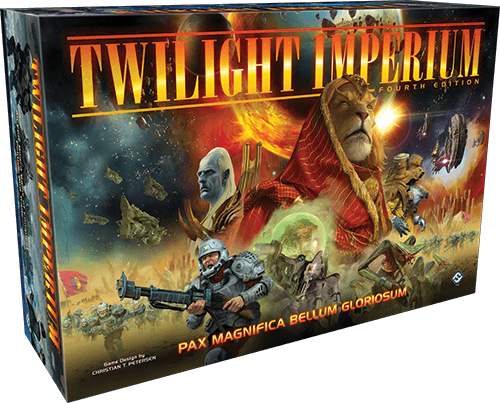
Embark on an unparalleled odyssey of galactic conquest and political intrigue with Twilight Imperium: Fourth Edition (2017), the ultimate grand strategy board game where diverse civilizations clash for ultimate dominion. Players will meticulously expand their empires, manage intricate economic engines, and forge powerful alliances through cunning diplomacy, all while researching cutting-edge technologies to outmaneuver rivals. Prepare for epic space battles, negotiate delicate treaties, and navigate a sprawling, ever-changing galaxy where every decision reverberates across the cosmos. This monumental experience challenges players to assert their strategic prowess and diplomatic acumen to seize control of Mecatol Rex and claim the Imperial Throne.
3-6 360m⚖️ 4.3
RANK #8
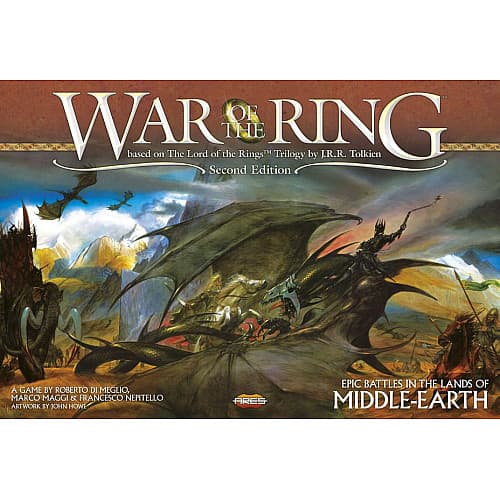
Immerse yourself in J.R.R. Tolkien's epic saga with War of the Ring: Second Edition, the definitive strategy board game experience released in 2011. This critically acclaimed title masterfully recreates the iconic struggle for Middle-earth, offering players an unparalleled asymmetric challenge. One player commands the Free Peoples, desperately trying to unite the scattered nations and guide the Fellowship of the Ring to Mount Doom, while the other orchestrates the vast armies of the Shadow, relentlessly seeking to crush resistance and corrupt the Ring-bearer. Featuring breathtaking artwork and deep thematic gameplay, War of the Ring provides countless hours of strategic decision-making, diplomatic maneuvering, and grand-scale conflict, making it a must-have for fans of The Lord of the Rings and immersive, narrative-driven wargames.
m⚖️ N/A
BoxNo Cover Art
RANK #82
Android: Netrunner is a celebrated asymmetrical card game for two players, set in a dystopian cyberpunk future. In this high-stakes conflict, one player assumes the role of a massive, monolithic corporation, while the other becomes a renegade hacker known as a 'Runner'. The primary objective for both sides is to score seven 'agenda' points. The Corporation player achieves this by installing and advancing their secret agendas within their fortified servers. The Runner, however, aims to infiltrate these servers and steal the agendas before they can be scored. The game introduces thrilling alternate victory conditions: the Corp can win by inflicting enough damage to 'flatline' the Runner, while the Runner can claim victory if the Corporation is forced to draw from an empty deck, representing a catastrophic system crash. This fundamental opposition sets the stage for a tense and strategic duel of wits.
The gameplay is a masterclass in asymmetry, with each side playing by entirely different rules and pursuing divergent strategies. The Corp player focuses on economic management and building a digital fortress. They spend their turns drawing cards, gaining credits, and, most importantly, installing cards facedown into their servers. These cards could be the valuable agendas they need to win, assets that provide ongoing benefits, or dangerous 'ice' that protects their servers and punishes intruders. This creates a landscape of hidden information and potent bluffs. In contrast, the Runner player's turn is about calculated aggression and risk. They must build their 'rig'—a suite of hardware and icebreaker programs—to bypass the Corp's defenses. They then initiate 'runs' on the Corp's servers, hoping to access and steal agendas while avoiding the consequences of walking into a well-laid trap.
What elevates Android: Netrunner to legendary status is its profound strategic depth married with intense psychological gameplay. The experience is not merely about optimizing a deck, but about outthinking and outmaneuvering a live opponent. Every facedown card is a puzzle, and every run is a gamble, creating a constant tension that few other games can match. Playing as the Corp feels like spinning a complex web, while playing the Runner is an exercise in calculated audacity. The game was released as a 'Living Card Game' (LCG), meaning players bought fixed, non-random packs of cards, which fostered a diverse and accessible metagame without the frustrating and expensive 'chase rare' model of traditional collectible card games. This combination of a rich, evocative theme, deep asymmetry, and a player-friendly distribution model secured its legacy as one of the most beloved and intellectually rewarding two-player games ever created.
2 45m⚖️ 3.8
RANK #125
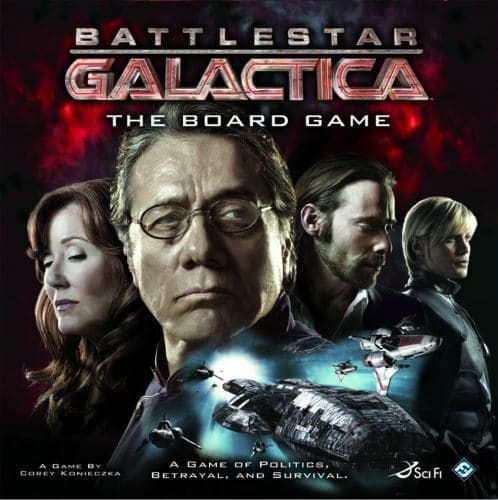
Battlestar Galactica: The Board Game plunges players into the desperate flight of the last vestiges of humanity. It is a deeply thematic, semi-cooperative experience where survival is paramount, but the greatest threat may be sitting right next to you. In this game of hidden allegiances, most players assume the roles of iconic human characters from the television series, working collectively to guide the fleet to its fabled destination, Kobol. To succeed, they must carefully manage four critical resources—fuel, food, morale, and population—and execute a series of faster-than-light jumps to outrun their pursuers. If any resource is fully depleted, or the Galactica itself is destroyed, humanity is lost forever. However, amongst the crew are Cylon traitors, secretly working to ensure this very outcome through subtle sabotage and outright betrayal.
The gameplay masterfully cultivates this atmosphere of paranoia. Each turn, a player draws skill cards representing their character's expertise, moves to a location on the fleet's ships, and performs an action. The turn culminates in drawing a Crisis card, which presents a new challenge the crew must overcome, often through a skill check. This is where the core tension lies. To pass a check, players secretly contribute skill cards to a shared pool. While human players try to contribute cards of the required type to meet a target number, Cylon players can covertly add unhelpful cards to cause a failure. The resulting blame-game and accusations are central to the experience. Further intensifying the suspense is the "Sleeper Agent" phase halfway through the game, where a second loyalty card is dealt, potentially turning a trusted ally into a new enemy.
What elevates Battlestar Galactica to legendary status is its unmatched ability to translate the show's core themes of paranoia and desperation into compelling gameplay. The mechanics are not just abstract puzzles; they are engines for storytelling and intense player interaction. The constant suspicion, the debates over who played which card during a failed skill check, and the dramatic moments when a player reveals themselves as a Cylon are what create unforgettable gaming sessions. It's more than a resource management game; it's a social deduction crucible where your ability to read people, build trust, and sow discord is just as important as your strategic card play. This blend of cooperative survival and hidden traitor mechanics makes every decision fraught with weight and every game a unique narrative of survival and betrayal.
3-6 180m⚖️ 3.3
RANK #228
Cosmic Encounter
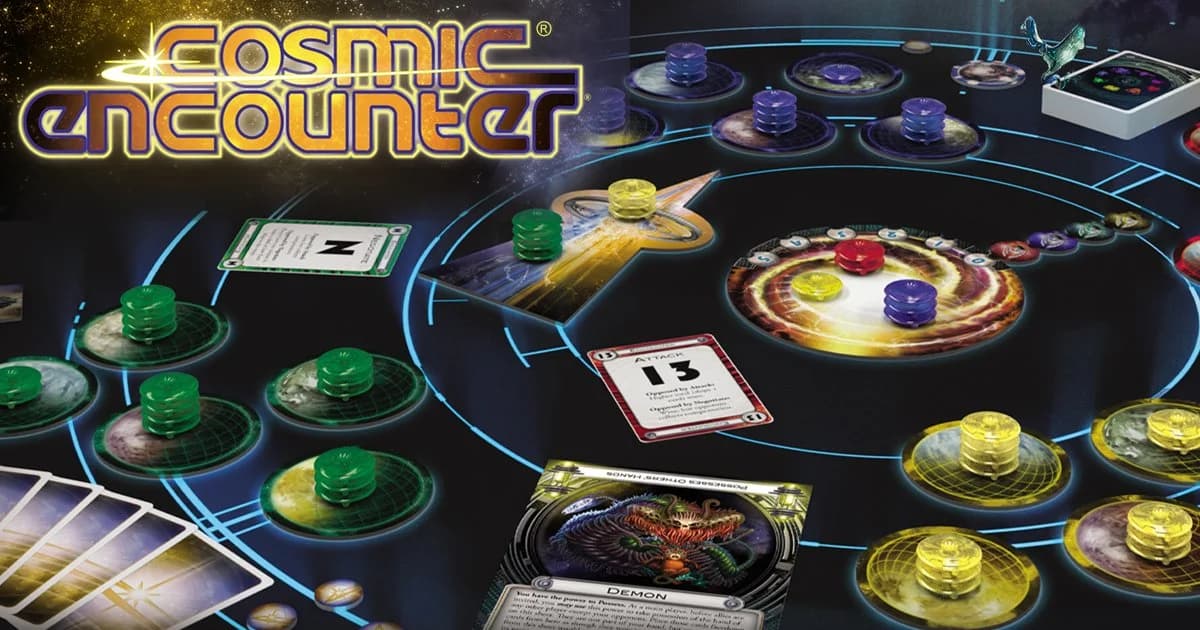
2008Cosmic Encounter is a legendary board game of galactic conquest where diplomacy is as crucial as military might. In this celebrated 2008 edition from Fantasy Flight Games, players assume the roles of bizarre and powerful alien species, each vying for control of the cosmos. The ultimate objective is simple yet challenging: establish five colonies on planets outside of your own home system. This goal is pursued through a series of 'encounters' with your rivals. The game masterfully blends straightforward rules with immense strategic depth, creating an environment where shifting alliances, cunning bluffs, and unexpected betrayals are not just possible, but are the very heart of the experience.
The gameplay revolves around a structured turn sequence where an active player, the 'offense', is directed by the Destiny Deck to engage another player, the 'defense'. The conflict begins as the offense commits ships to a target planet, but the situation quickly escalates as both sides can invite other players to join their cause as allies. The encounter's resolution hinges on the simultaneous reveal of a single card from each primary player's hand. These cards can be numbered Attack cards, which combine with ship counts to determine a victor, or a Negotiate card. Playing a Negotiate against an Attack results in an automatic loss, but the loser gets to demand compensation. If both players attempt to negotiate, they have a mere minute to strike a deal, such as trading cards or even allowing a peaceful colonization, before both suffer a penalty.
What elevates Cosmic Encounter to its classic status is the staggering variety of unique alien powers that each player wields. These abilities are designed to fundamentally break the game's core rules in some spectacular way, ensuring that no two games ever feel the same. One alien might be able to steal cards from the victor of a battle, another might always win tied conflicts, and a third might force players to play with their hands revealed. This asymmetry creates a dynamic and chaotic puzzle of interacting abilities, fostering immense replayability and forcing players to adapt their strategies on the fly. It is this brilliant combination of negotiation, tactical card play, and wildly unpredictable powers that makes Cosmic Encounter an enduring masterpiece of interactive tabletop gaming.
3-5 90m⚖️ 2.5

RANK #274
Set amidst the treacherous, sand-swept dunes of Frank Herbert's iconic universe, 'Dune: War for Arrakis' is a sprawling, deeply thematic strategy wargame that condenses a planetary conflict into an accessible, yet tactically rich experience. Serving as a spiritual successor to the acclaimed 'War of the Ring', this asymmetrical duel pits the ruthless House Harkonnen—backed by the Padishah Emperor's fierce Sardaukar—against the beleaguered House Atreides and their fierce Fremen allies. The ultimate goal depends entirely on the faction you command. The oppressive Harkonnens seek to secure an iron-fisted grip on the planet by achieving Supremacy Points, actively hunting down hidden Fremen Sietches while desperately striving to meet aggressive spice harvesting quotas. In stark contrast, the Atreides player fights a desperate guerrilla war to achieve Prescience Points, completing secret, narrative-driven objectives that echo the pivotal events of the classic novels.
At the mechanical core of this grand desert conflict lies a brilliant Action Dice system that drives every strategic decision. Each round, players roll a pool of custom, faction-specific dice that dictate the potential actions available to them, ranging from deploying legions and moving vehicles to initiating massive combat engagements and drawing powerful cards. House Harkonnen operates with overwhelming military force and aerial dominance through Carryalls and Ornithopters, but they are constantly burdened by the ticking clock of spice quotas. Failing to appease the Spacing Guild and the Imperium with adequate spice drastically reduces their future dice pool. Meanwhile, the Atreides player relies heavily on the environment, using 'Wormsign' tokens to obscure their troop movements and suddenly summoning terrifying Sandworms to swallow enemy harvesters whole. This creates a relentless cat-and-mouse dynamic where brute force meets cunning desert power.
Fans of heavy, narrative-driven strategy games have quickly fallen in love with 'Dune: War for Arrakis' because it masterfully balances thematic immersion with surprisingly streamlined mechanics. While it shares the robust DNA of its predecessors, it effectively strips away the overly burdensome rules to deliver a relentlessly paced 'dudes-on-a-map' conflict. The immense asymmetry guarantees that playing each side feels like an entirely distinct board game, offering incredibly high replay value. Whether you are leading elite legions to crush rebellions or riding the colossal makers into the heart of an Imperial stronghold, the game perfectly captures the lethal, high-stakes political warfare that defines the Dune franchise.
1-4 120m⚖️ 3.8
BoxNo Cover Art
Star Wars: Rebellion is an epic board game that captures the grand conflict of the Galactic Civil War between the Galactic Empire and the Rebel Alliance. Often described as 'Star Wars in a box,' the game tasks players with controlling one of the two factions, each with entirely different victory conditions. The Empire's goal is to scour the galaxy for the hidden Rebel base and destroy it using its massive military might, including Star Destroyers and the dreaded Death Star. Conversely, the Rebel player aims to incite a galaxy-wide uprising by completing objectives and gaining reputation, eventually forcing the Empire to lose its grip on the systems before the secret base can be uncovered. It is a high-stakes game of hide-and-seek on a galactic scale, where the tension builds as the Imperial search narrows.
The gameplay centers around a sophisticated 'Leader' system, where iconic characters like Luke Skywalker, Princess Leia, Darth Vader, and Grand Moff Tarkin are assigned to missions or used to lead military forces. Each round involves assigning these leaders to various tasks, such as diplomacy to win over neutral systems, sabotage to disrupt enemy production, or military strikes to seize key territories. The game features a unique blend of worker placement and area control; players must decide whether to send a leader on a mission or save them to oppose an opponent's action. Combat involves custom dice and tactical cards, reflecting the thematic strengths of both sides. As the game progresses, players manage resource production across dozens of planets, building everything from TIE fighters to Corellian Corvettes, all while navigating the asymmetric nature of the conflict.
Why do people love Star Wars: Rebellion? It is widely praised for its deep thematic immersion and its ability to create emergent narratives that mirror the original film trilogy. Whether it is Han Solo being captured and frozen in carbonite, or a desperate Rebel fleet launching a last-ditch effort to destroy a Death Star under construction, the game consistently delivers cinematic moments. The asymmetry is perhaps its greatest strength; the Imperial player feels the sheer power and frustration of searching for a needle in a haystack, while the Rebel player experiences the frantic tension of being outnumbered but strategically nimble. With over 150 plastic miniatures and a massive board, it offers a visual spectacle that matches its strategic depth. As noted by reviewers, it doesn't just feature the Star Wars theme—it nails the essence of the franchise, making it a definitive experience for fans and serious hobbyists alike.
2-4 240m⚖️ 3.7