Historical Games
Browse all Historical board games in the Meeple Pulse database.
Styles
Themes
AbstractAdventureAncientAnimalsArtBusinessCard GameCo-operativeComic BookCooperativeCrimeEconomicEnvironmentalismExplorationFantasyHistoricalHorrorHumorIntrigueLiteraryMagicMarvelMedievalModernMuseumMysteryMythologyNatureNauticalPoliticalPress Your LuckSatireSci-FiSocial CommentarySocial InteractionSpaceSuperheroesThematicTravelWarWesternWord-Guessing
Mechanics
3D PlacementActingAction / DexterityAction DraftingAction Point AllowanceAction Point Allowance SystemAction Point SystemAction PointsAction ProgrammingAction QueueAction RetrievalAction SelectionAction/EventAlliancesAlternate ActivationApp-AssistedApp-DrivenArea ControlArea InfluenceArea MajorityArea Majority / InfluenceArea MovementArgumentationAsymmetricAsymmetric FactionsAsymmetric GameAsymmetric PowersAsymmetrical PowersAuction & BiddingAuction/BiddingAuctioningBag BuildingBettingBetting and BluffingBetting and WageringBetting and WagersBiddingBingoBlind BiddingBluffingCampaign / Battle Card DrivenCampaign / LegacyCampaign / Legacy GameCampaign / Mission-basedCampaign / ScenariosCampaign GameCampaign PlayCard DraftingCard DrawingCard DrivenCard Driven ActionCard Driven CombatCard Driven Dice AllocationCard Driven MovementCard ManagementCard PlayCard Play / Hand ManagementCard Play Conflict ResolutionCard SheddingCard-Driven MovementCharacter CreationCharacter ProgressionChit-Pull SystemCo-op PlayCo-operative GameCo-operative PlayCode-breakingCombat ResolutionCombo ChainCommand CardsCommodity SpeculationCommunication LimitsContract FulfillmentContractsCooperative GameCooperative GameplayCooperative PlayCooperative Trick-takingDebateDeck BuildingDeck ConstructionDeck, Bag, and Pool BuildingDeck-BuildingDeductionDexterityDice DraftingDice PlacementDice RollingDiplomatic InfluenceDraftingDynamic Battle SystemEnclosureEnd Game BonusesEngine BuildingEngine-BuildingEscape RoomEvent DrivenExplorationFarmingFlip and WriteFollowFollow ActionGrid CoverageGrid MovementHand ManagementHex-and-CounterHexagon GridHidden MovementHidden RolesI Cut You ChooseIncomeInfluence / Area MajorityLadder ClimbingLegacyLegacy ElementsLegacy GameLegacy SystemLimited CommunicationLine DrawingLine of SightMancalaMap MovementMarketMarket DraftingMarket ManipulationMarket MechanicMarket SpeculationMatchingMeasurement MovementMemoryMission ObjectivesModular BoardModular Board ConstructionMovement TemplatesMulti-Use CardsMulti-use CardsMultiple ScenariosMust FollowNarrative ChoiceNarrative Choice / ParagraphNegotiationNegotiation MechanicsNetwork & Route BuildingNetwork BuildingNetwork and Route BuildingOne vs ManyOne vs. ManyOpen DraftingPaper-and-PencilPartnershipsPattern BuildingPattern RecognitionPick-up and DeliverPlayer EliminationPlayer InteractionPlayer JudgePoint SaladPoint to Point MovementPolyominoesPush Your LuckPush-Your-LuckPuzzlePuzzle-LikePuzzle-SolvingRaceReal-TimeRecipe FulfillmentResource ManagementRole PlayingRole SelectionRoll / Spin and MoveRondelRoute BuildingRoute-BuildingRoute/Network BuildingSanity SystemScenario / Campaign PlayScenario / Mission / Campaign GameScenario / Mission FunctionSecret Unit DeploymentSemi-Cooperative GameSet CollectionSheddingSimulationSimultaneous ActionSimultaneous Action SelectionSimultaneous Hidden AllocationSocial DeductionSocial InteractionSolo / Solitaire GameSpace ExplorationStat Check / Skill CheckStock HoldingStorytellingStrategic PlanningTableau BuildingTactical Decision-MakingTake ThatTargeted CluesTeam PlayTeam-Based GameTeam-Based GuessingTeamworkTech TreesTech Trees / Tech TracksTechnology & Armament TracksTechnology TreeTension & Aggression TracksTile DraftingTile LayingTile PlacementTime TrackTime TravelTower DefenseTrack MovementTradingTrick-takingTug of WarTurn Order: PassTurn Order: Stat-BasedUnit PlacementVariable Phase OrderVariable Player PowersVariable Set-upVariable SetupVictory Point TracksVotingWord AssociationWord GameWord GuessingWord-GuessingWord-guessingWordplayWorker Placement
RANK #63
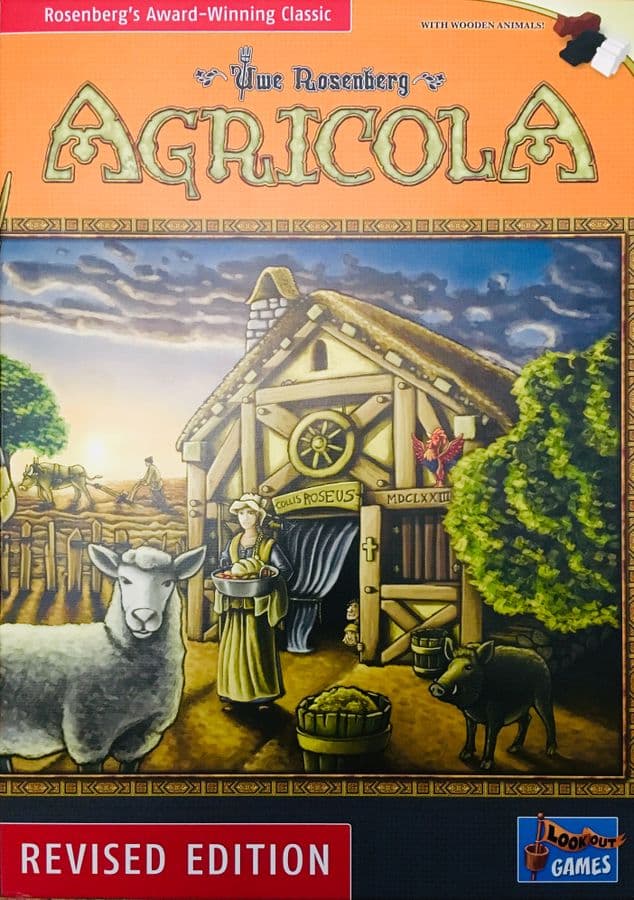
Agricola
2007In Agricola, players step into the well-worn boots of a 17th-century farming family, starting with little more than a spouse and a two-room wooden hut. The singular goal is to cultivate the most prosperous and well-rounded homestead over 14 rounds of play. This isn't just about accumulating wealth; it's about survival and balanced development. Victory points are awarded for a diverse farm that includes plowed fields, various crops, fenced pastures, different types of livestock, and an expanded family living in an upgraded home. The game masterfully punishes over-specialization, penalizing players for neglected areas of their farm, ensuring that true prosperity comes from being a jack-of-all-trades.
The game's engine is driven by a tense worker placement mechanism. Each round, players take turns placing their limited family members on action spaces to gather resources, build improvements, or grow their family. Since each action space can only be used once per round, players are in constant, indirect competition for critical actions like collecting wood or plowing a field. As the game progresses, new, more powerful actions become available, broadening strategic possibilities. This steady development is punctuated by six harvest phases, where the true pressure of Agricola is felt. During a harvest, you reap what you've sown, your animals may breed, but most importantly, you must feed your family. Failing to produce enough food forces a player to take a "Begging" card, which carries a steep point penalty, creating a persistent, challenging tension between expanding your farm and simply providing for your household.
Agricola's enduring appeal lies in this brilliant balance of long-term strategic planning and short-term tactical necessity. The struggle to feed your family is a constant, pressing puzzle that forces difficult decisions every single round. Its depth and replayability are legendary, largely due to the massive decks of Occupation and Minor Improvement cards dealt to each player. These cards provide unique abilities and scoring opportunities, ensuring no two games ever feel the same and allowing for countless strategic pathways. It is this combination of a deeply thematic, relatable struggle and a highly rewarding, complex strategic framework that has cemented Agricola's status as a masterpiece of the Eurogame genre and a benchmark for worker placement games.
1-5 90m⚖️ 3.6
RANK #283
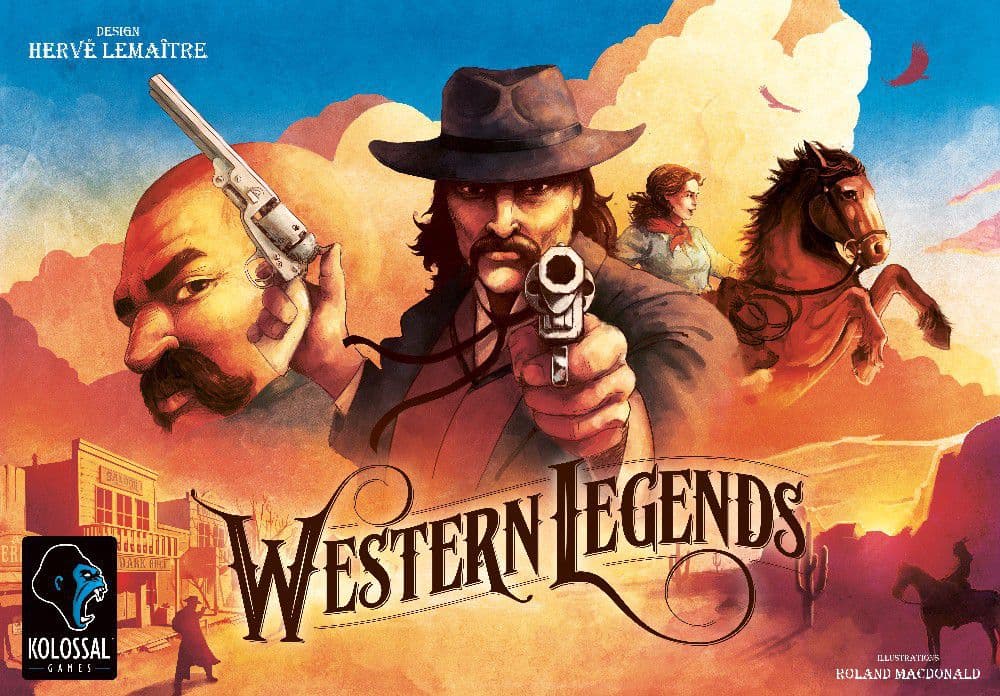
Western Legends
2018Western Legends is a sweeping sandbox experience that transports players into the rugged landscape of the American Old West. Unlike traditional board games with linear objectives, this title offers a sprawling open-world environment where players assume the roles of legendary historical figures like Wyatt Earp, Calamity Jane, or Billy the Kid. The primary goal is to accumulate Legendary Points (LP) through various frontier activities, ultimately carving out a lasting legacy. Whether you choose to walk the path of a righteous lawman or a notorious outlaw, the game adapts to your playstyle, allowing for a personalized journey through its dusty towns and gold-filled hills.
The gameplay loop revolves around a flexible action system where players manage three actions per turn, which can be spent on movement, mining for gold, or engaging in local town activities. One of the most distinctive features is the moral alignment system, tracking players on either the Marshal or Wanted tracks. Law-abiding citizens can earn prestige by arresting criminals, fighting bandits, or driving cattle to the railhead. Conversely, those seeking a life of crime can rob the bank, rustle cattle to the rival ranch, or challenge other players to high-stakes robberies. Conflict resolution eschews dice in favor of a specialized poker deck, where players play cards simultaneously to determine outcomes. This card-based system adds a layer of bluffing and strategic management, mirroring the tension of a real saloon showdown.
What truly distinguishes Western Legends is its immersive freedom and high player interaction. The sandbox nature ensures that no two sessions feel identical, as the board state evolves based on player decisions. Some may focus on the economic engine of gold mining and selling nuggets at the bank, while others might spend their time hunting down 'Wanted' friends to claim bounties. The inclusion of authentic historical figures adds a rich layer of flavor, grounding the mechanical systems in a recognizable period setting. It captures the essence of frontier life, blending strategic depth with cinematic storytelling, making it a favorite for those who enjoy narrative-rich experiences with a competitive edge.
2-6 90m⚖️ 2.7
RANK #293
Glory to Rome
2005Set in the aftermath of the Great Fire of Rome in 64 A.D., Glory to Rome is a masterpiece of card-driven design that tasks players with the monumental reconstruction of the empire's capital. As influential Roman patricians, players must compete to build structures, manage resources, and accumulate prestige points to emerge as the most powerful figure in the city. The game is celebrated for its dense, interconnected economy where every decision ripples through the state of the board. The ultimate objective is to earn the most Influence, which can be secured through building completion, stocking a private Vault with valuable materials, and strategic exploitation of special card abilities that can provide massive end-game scoring bonuses.
The engine of the game is its revolutionary multi-use card system. Each card in a player's hand can serve multiple functions: it can be played as a role to lead an action, used as a resource to fund construction, recruited as a client for permanent action bonuses, or placed as a building foundation. The core gameplay loop revolves around the 'Lead and Follow' mechanism. When the active player selects a role, such as the Architect to build or the Merchant to trade, opponents face a critical choice: they can follow the action by playing a matching card from their hand, or they can 'think' to replenish their hand or take a wildcard Jack. This ensures that every player remains engaged on every turn. Additionally, played cards flow into a central 'Pool,' creating a shared resource market that players must cleverly manipulate.
Glory to Rome is widely considered a 'grail game' within the hobby, largely due to its incredible depth and the high-octane synergy of its card effects. Fans admire how a single well-placed building can create powerful combos that fundamentally shift the game's momentum. The tension between using a card for its immediate action versus committing it as a long-term asset is constant and rewarding. Although it has faced distribution challenges and remains difficult to find in certain editions, its influence persists through successor games. It remains a definitive example of how complex strategy can be distilled into a single deck of cards, offering a medium-weight experience that rewards repeat plays and deep tactical familiarity.
2-5 60m⚖️ 2.9
RANK #2,187
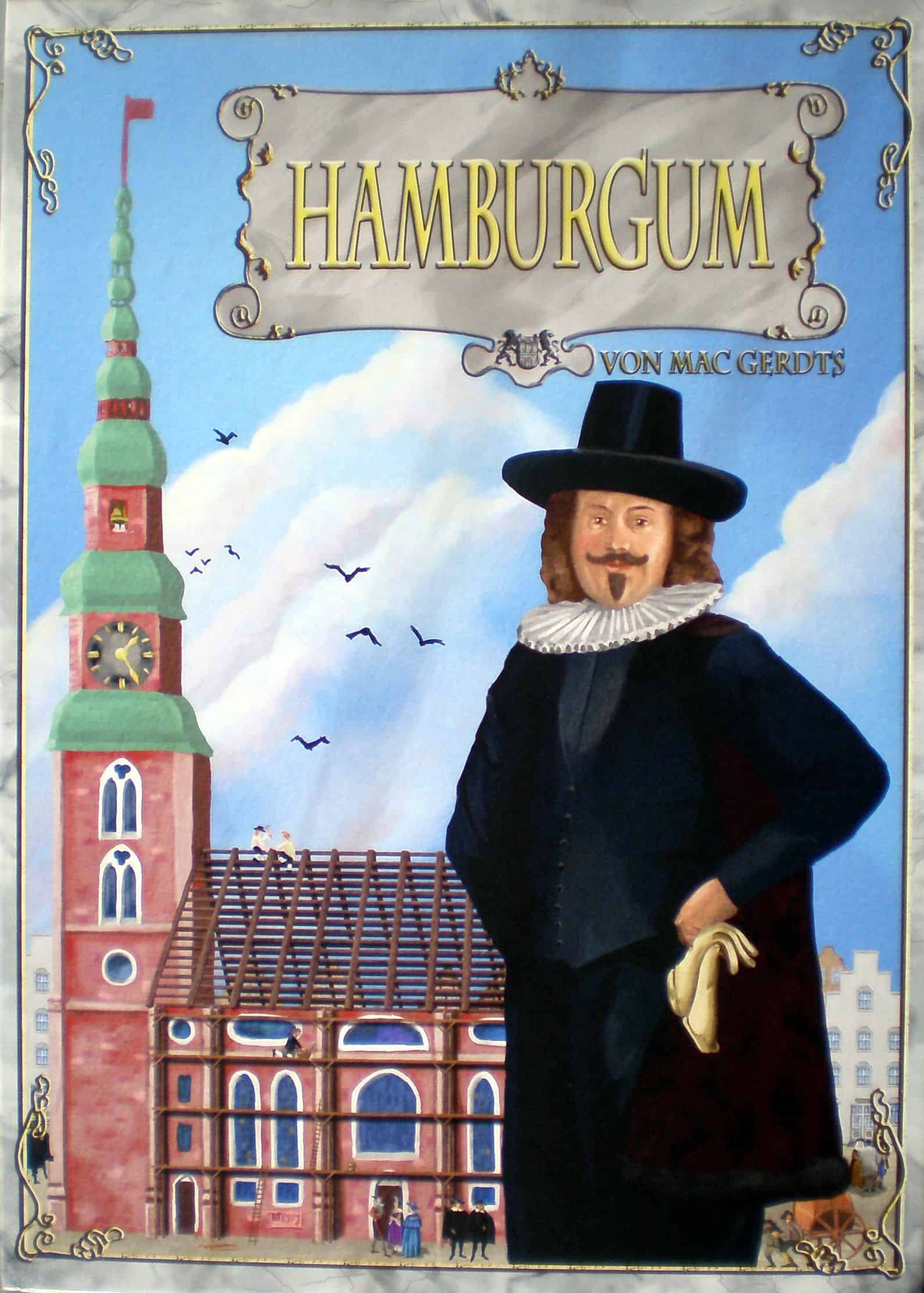
Hamburg
2022Hamburg (2022) invites players to step into the bustling shoes of influential merchants during the Hanseatic League era, aiming to build the most prosperous and prestigious city districts. As a standalone title by Mac Gerdts, it challenges you to optimize your actions and resources to construct magnificent buildings, acquire valuable goods, and expand your influence across the historic city. The ultimate goal is to accumulate the most victory points by the game's end, demonstrating your superior strategic acumen and urban planning prowess within this vibrant economic simulation.
At its core, Hamburg features an innovative rondel-based action selection system, a signature mechanic of Mac Gerdts. Players move their marker around a circular track, choosing an action at their destination and potentially paying to access actions further along. This forces tough decisions: take a nearby, cheaper action now, or pay more for a preferred action later? Complementing this is a robust market system where commodity prices fluctuate based on player actions, demanding careful timing and resource management. Players will acquire building permits, collect resources, construct various types of buildings (houses, churches, city walls), and leverage their unique player powers to gain an advantage.
Hamburg is celebrated for its deep strategic gameplay, offering a rich eurogame experience that rewards intricate decision-making without overwhelming complexity. Its tight economic engine, dynamic market, and the elegant rondel mechanic create a constant push and pull, ensuring high replayability and engaging player interaction. Fans praise its intricate decision-making, where every action has ripple effects, and the satisfaction of watching your city grow from a few humble houses to a thriving metropolis. It's a game for those who appreciate elegant design, economic puzzles, and the reward of long-term strategic planning.
2-4 120m⚖️ 3.6
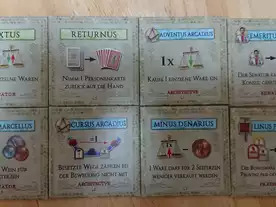
The Concordia: 8 Forum Cards mini-expansion is an essential upgrade for fans of the acclaimed strategy game Concordia, enriching the core experience with powerful, unique abilities that challenge players to adapt their economic and expansion strategies in ancient Roman times. It maintains the original goal of achieving prosperity and influence across the Roman Empire, but introduces exciting new avenues for tactical advantage and strategic planning, ensuring every game presents fresh and compelling choices.
This mini-expansion seamlessly integrates into Concordia's elegant card-driven gameplay. At the start of the game, players draft two Forum Cards, selecting one to keep. These cards provide asymmetrical player powers or special actions, such as gaining extra resources, relocating colonists more efficiently, or altering scoring conditions. They introduce a significant layer of strategic depth, forcing players to consider new synergies with their existing hand management and set collection decisions, and respond to the evolving board state with a broader array of tactical options.
Players love the Concordia: 8 Forum Cards for its ability to significantly boost replayability and introduce intriguing strategic variability without adding unnecessary rules complexity. It maintains the game's streamlined nature while offering tough new choices from the very first turn. The unique appeal lies in how these diverse Forum abilities transform familiar strategies, encouraging creative problem-solving and ensuring every game feels distinct and engaging, making it a must-have for seasoned Concordia enthusiasts looking for more depth.
2-5 90m⚖️ 3.0
BoxNo Cover Art
Sails of Glory is a tabletop wargame that simulates naval combat during the Age of Sail. Players take on the role of ship captains, commanding their vessels through intricate battles and strategic maneuvers. The game's goal is to emerge victorious by sinking or capturing enemy ships while protecting one's own fleet.
Gameplay involves a combination of tactical decision-making and luck, as players must balance the need for aggressive action with the risk of taking damage from enemy fire. Each ship has its unique characteristics, such as speed, firepower, and maneuverability, which players must utilize effectively to gain an advantage over their opponents.
One of the key mechanics in Sails of Glory is the use of 'fate' cards, which represent the unpredictable nature of naval combat. These cards can either aid or hinder a player's progress, adding an element of surprise and uncertainty to each battle. Additionally, players must manage their ship's resources, such as ammunition and crew, to ensure they have the means to engage in prolonged combat.
The game's components are highly detailed and accurate, with intricate models of historic ships and beautifully crafted miniatures. This level of realism adds to the immersive experience, allowing players to feel like true naval commanders. Overall, Sails of Glory is a challenging and engaging game that requires strategy, skill, and a bit of luck to master.
m⚖️ 4.0
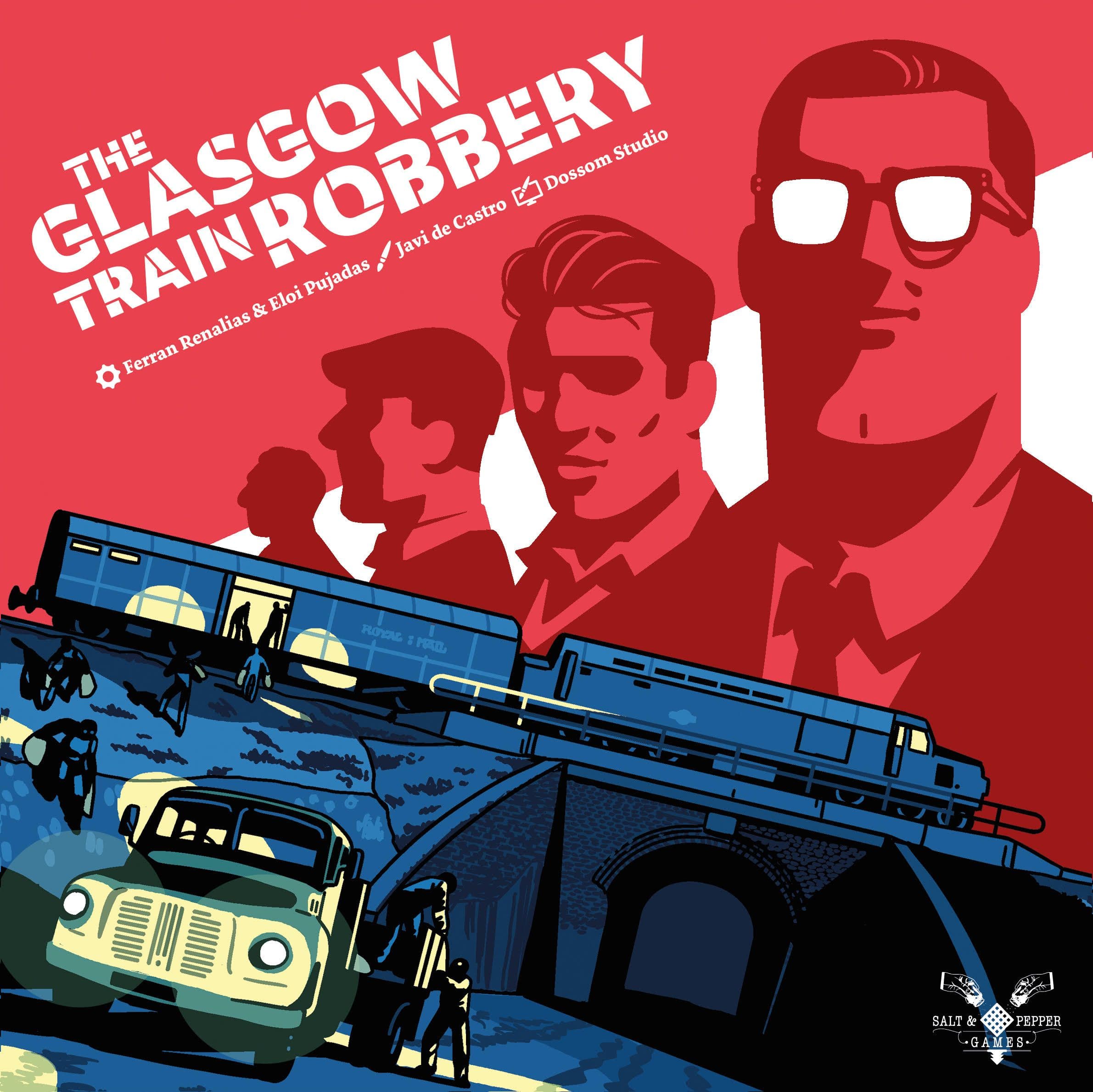
Set to arrive on tabletop shelves in 2026, 'The Glasgow Train Robbery' is a tense, cooperative board game that plunges exactly two players into one of the most infamous heists in British history. Published by Salt & Pepper Games and brought to life by designers Eloi Pujadas and Ferran Renalias, this asymmetric experience casts participants as the masterminds behind the daring raid: the Coordinator and the Operator. Your shared objective is to flawlessly execute five crucial Plan cards before the targeted locomotive reaches its final destination in London. However, pulling off the crime of the century is no simple feat. The game strictly limits communication between partners in crime, forcing you to rely on sharp intuition, unspoken synergy, and acute observation of your accomplice's moves. Only by working in perfect, silent harmony can you hope to secure the loot and evade the authorities.
At the heart of 'The Glasgow Train Robbery' lies a relentless time-track mechanism elegantly represented by a miniature train advancing along the board's perimeter. Nearly every action you take incurs a precious time cost, continuously propelling the locomotive closer to London and ratcheting up the suspense. Gameplay is deeply card-driven, presenting agonizing tactical choices. Players must decide whether to use cards for standard maneuvers—allowing them to be recycled for future use—or to burn them permanently for a much more powerful, immediate effect. Furthermore, players must navigate their hideout to collect essential item tokens, placing them into a central draw bag. This bag building element introduces a critical layer of risk management. While you might pull necessary equipment, you also risk drawing detrimental fingerprint tokens. Accumulating too many fingerprints, letting the train arrive at the station, or having a character arrested results in immediate failure.
What truly sets this title apart is its uncompromising, brain-burning challenge designed explicitly for dynamic duos. Fans of deep two-player cooperative games will appreciate the intense psychological puzzle created by the restricted communication rules, where every card played sends a subtle signal to your partner. The beautiful artwork by Javi de Castro immerses players in the gritty atmosphere of a classic British caper. Although communication is heavily restricted, certain cleverly timed actions permit brief moments of spoken coordination, making those rare words incredibly impactful. Combining tight resource management, asymmetric roles, and the thrilling push-your-luck tension of the token bag, 'The Glasgow Train Robbery' promises a highly rewarding strategic endeavor. It perfectly captures the high-stakes anxiety of a meticulously planned heist constantly teetering on the edge of disaster.
2 45m⚖️ 3.0
Concordia: Salsa
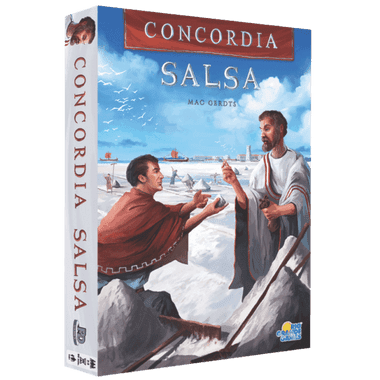
2015Concordia: Salsa (2015) is a highly anticipated expansion for the critically acclaimed strategy game Concordia, enriching the Roman Empire-era economic experience. This expansion introduces two new maps – Byzantium and Egypt – alongside two innovative modules: 'Salt' and the 'Forum'. Players continue their quest to establish the most prosperous trading empire by strategically expanding across the Mediterranean, managing their hand of personality cards, and collecting valuable resources. The ultimate goal remains to score the most victory points, primarily determined by the diverse types of colonists, goods, and provinces they've established and collected throughout the game.
Gameplay in Concordia: Salsa expands upon the elegant card-driven core of Concordia. Players use their hand of identical personality cards to perform various actions like moving colonists, producing goods, trading, or buying new cards. The 'Salt' module introduces a new, highly flexible resource that can substitute for any other good, adding a layer of strategic depth to resource management and trade. The 'Forum' module introduces a market of unique bonus tiles, granting players powerful one-time or ongoing abilities when claimed, further diversifying strategic choices and offering exciting new ways to specialize or adapt. These additions seamlessly integrate with the base game, providing more paths to victory and dynamic player interactions.
Fans adore Concordia: Salsa for its brilliant integration of new elements without sacrificing the base game's renowned elegance and strategic depth. The 'Salt' resource offers greater tactical flexibility, while the 'Forum' tiles introduce exciting variable player powers and a unique race component, enhancing replayability and creating fresh challenges in every play. It maintains Concordia's signature low-luck, high-strategy appeal, rewarding careful planning and efficient execution, making it a must-have for those seeking to deepen their mastery of this modern classic and explore new strategic horizons.
2-5 120m⚖️ 3.0
BoxNo Cover Art
Altay: Dawn of Civilization is a sophisticated blend of civilization-building, deck-building, and area control, set against the backdrop of a prehistoric, mythical Eurasia. In this game, players represent one of four distinct civilizations—the Alans, the Uigurs, the Khazars, or the Bulgars—striving to expand their influence across the rugged landscapes of the Altay mountains. The primary objective is to accumulate the most victory points by controlling territories, constructing settlements, and advancing your culture's technological and social standing. It is a game of expansion and evolution, where every decision shapes the legacy of your people as you transition from a small tribe into a dominant regional power.
The gameplay loop revolves around a highly interactive deck-building system that directly dictates your actions on the physical game board. Unlike traditional deck-builders where the board is secondary, in Altay, your cards are the literal engine for movement, combat, and resource extraction. Players must carefully manage their hand to deploy settlers, harvest essential resources like wood, stone, and metal, and use those materials to build permanent structures that provide ongoing benefits. A standout mechanic is the 'development' system, where players can acquire new, more powerful cards that represent technological breakthroughs or cultural milestones, allowing for deep customization of their deck's strategic focus. This creates a satisfying progression where your capabilities grow exponentially as the game progresses.
What truly distinguishes Altay: Dawn of Civilization is its seamless integration of different genres, crafted by the renowned design duo of Paolo Mori and Simone Luciani. Fans of strategy games will appreciate how the tactical 'dudes on a map' aspect is elegantly balanced by the long-term planning required in deck optimization. The game avoids the stagnation often found in area control titles by ensuring that the board state is constantly evolving through card-driven initiatives. The unique asymmetric starting positions and civilization-specific decks provide high replayability, challenging players to master different paths to victory. With its evocative artwork and tight, interlocking systems, Altay offers a rich, immersive experience that rewards both tactical flexibility and strategic foresight, making it a modern masterpiece for those who enjoy mid-to-heavy weight eurogames.
2-4 90m⚖️ 3.2