Historical Games
Browse all Historical board games in the Meeple Pulse database.
Styles
Themes
AbstractAdventureAncientAnimalsArtBusinessCard GameCo-operativeComic BookCooperativeCrimeEconomicEnvironmentalismExplorationFantasyHistoricalHorrorHumorIntrigueLiteraryMagicMarvelMedievalModernMuseumMysteryMythologyNatureNauticalPoliticalPress Your LuckSatireSci-FiSocial CommentarySocial InteractionSpaceSuperheroesThematicTravelWarWesternWord-Guessing
Mechanics
3D PlacementActingAction / DexterityAction DraftingAction Point AllowanceAction Point Allowance SystemAction Point SystemAction PointsAction ProgrammingAction QueueAction RetrievalAction SelectionAction/EventAlliancesAlternate ActivationApp-AssistedApp-DrivenArea ControlArea InfluenceArea MajorityArea Majority / InfluenceArea MovementArgumentationAsymmetricAsymmetric FactionsAsymmetric GameAsymmetric PowersAsymmetrical PowersAuction & BiddingAuction/BiddingAuctioningBag BuildingBettingBetting and BluffingBetting and WageringBetting and WagersBiddingBingoBlind BiddingBluffingCampaign / Battle Card DrivenCampaign / LegacyCampaign / Legacy GameCampaign / Mission-basedCampaign / ScenariosCampaign GameCampaign PlayCard DraftingCard DrawingCard DrivenCard Driven ActionCard Driven CombatCard Driven Dice AllocationCard Driven MovementCard ManagementCard PlayCard Play / Hand ManagementCard Play Conflict ResolutionCard SheddingCard-Driven MovementCharacter CreationCharacter ProgressionChit-Pull SystemCo-op PlayCo-operative GameCo-operative PlayCode-breakingCombat ResolutionCombo ChainCommand CardsCommodity SpeculationCommunication LimitsContract FulfillmentContractsCooperative GameCooperative GameplayCooperative PlayCooperative Trick-takingDebateDeck BuildingDeck ConstructionDeck, Bag, and Pool BuildingDeck-BuildingDeductionDexterityDice DraftingDice PlacementDice RollingDiplomatic InfluenceDraftingDynamic Battle SystemEnclosureEnd Game BonusesEngine BuildingEngine-BuildingEscape RoomEvent DrivenExplorationFarmingFlip and WriteFollowFollow ActionGrid CoverageGrid MovementHand ManagementHex-and-CounterHexagon GridHidden MovementHidden RolesI Cut You ChooseIncomeInfluence / Area MajorityLadder ClimbingLegacyLegacy ElementsLegacy GameLegacy SystemLimited CommunicationLine DrawingLine of SightMancalaMap MovementMarketMarket DraftingMarket ManipulationMarket MechanicMarket SpeculationMatchingMeasurement MovementMemoryMission ObjectivesModular BoardModular Board ConstructionMovement TemplatesMulti-Use CardsMulti-use CardsMultiple ScenariosMust FollowNarrative ChoiceNarrative Choice / ParagraphNegotiationNegotiation MechanicsNetwork & Route BuildingNetwork BuildingNetwork and Route BuildingOne vs ManyOne vs. ManyOpen DraftingPaper-and-PencilPartnershipsPattern BuildingPattern RecognitionPick-up and DeliverPlayer EliminationPlayer InteractionPlayer JudgePoint SaladPoint to Point MovementPolyominoesPush Your LuckPush-Your-LuckPuzzlePuzzle-LikePuzzle-SolvingRaceReal-TimeRecipe FulfillmentResource ManagementRole PlayingRole SelectionRoll / Spin and MoveRondelRoute BuildingRoute-BuildingRoute/Network BuildingSanity SystemScenario / Campaign PlayScenario / Mission / Campaign GameScenario / Mission FunctionSecret Unit DeploymentSemi-Cooperative GameSet CollectionSheddingSimulationSimultaneous ActionSimultaneous Action SelectionSimultaneous Hidden AllocationSocial DeductionSocial InteractionSolo / Solitaire GameSpace ExplorationStat Check / Skill CheckStock HoldingStorytellingStrategic PlanningTableau BuildingTactical Decision-MakingTake ThatTargeted CluesTeam PlayTeam-Based GameTeam-Based GuessingTeamworkTech TreesTech Trees / Tech TracksTechnology & Armament TracksTechnology TreeTension & Aggression TracksTile DraftingTile LayingTile PlacementTime TrackTime TravelTower DefenseTrack MovementTradingTrick-takingTug of WarTurn Order: PassTurn Order: Stat-BasedUnit PlacementVariable Phase OrderVariable Player PowersVariable Set-upVariable SetupVictory Point TracksVotingWord AssociationWord GameWord GuessingWord-GuessingWord-guessingWordplayWorker Placement

RANK #55
Puerto Rico
2002Puerto Rico is widely celebrated as a pinnacle of the 'Eurogame' genre, a strategic masterpiece that has stood the test of time since its 2002 release. In this economic simulation, players assume the roles of colonial governors on the island of Puerto Rico during the age of sail. The ultimate objective is to accumulate the most victory points by building a prosperous and efficient colony. This is primarily achieved by cultivating valuable crops like corn, indigo, sugar, tobacco, and coffee; constructing influential buildings that grant special abilities; and shipping these goods back to the Old World. Players must carefully manage their resources, including doubloons (currency) and colonists (workers), to create a thriving economic engine that outpaces their rivals and cements their legacy as the most successful governor.
The game's revolutionary core mechanic is its 'variable phase order' system, often called 'role selection'. Each round, players take turns choosing one of seven roles, which then dictates the action that *all* players at the table will perform. The player who selected the role, however, receives a special privilege or bonus, adding a layer of tactical decision-making. These roles encompass the entire colonial economy: the Settler allows for new plantations; the Mayor brings in new colonists to work them; the Builder erects new structures; the Craftsman produces goods from active plantations; the Trader sells goods for doubloons; the Captain ships goods for victory points; and the Prospector provides a simple influx of cash. This creates a compelling loop where you must not only choose the action that benefits you most but also anticipate which roles your opponents need, potentially denying them a crucial action or piggybacking on a choice that will also advance your own strategy.
The enduring appeal of Puerto Rico lies in its remarkable balance of depth and elegance. There is very little randomness or luck involved; victory is almost always earned through superior long-term planning, shrewd tactical adjustments, and the ability to read your opponents' intentions. The high degree of player interaction, stemming directly from the role selection mechanism, ensures that no two games ever feel the same. Every decision to select a role has ripple effects across the table, creating a dynamic and constantly evolving puzzle. Players are forced to balance building their own economic engine with the need to time their shipping for maximum victory points, all while keeping an eye on the dwindling game-end resources. This tight, rewarding gameplay loop and its near-perfect design have cemented Puerto Rico's status as a foundational classic in the modern board gaming hobby.
3-5 120m⚖️ 3.3
RANK #277
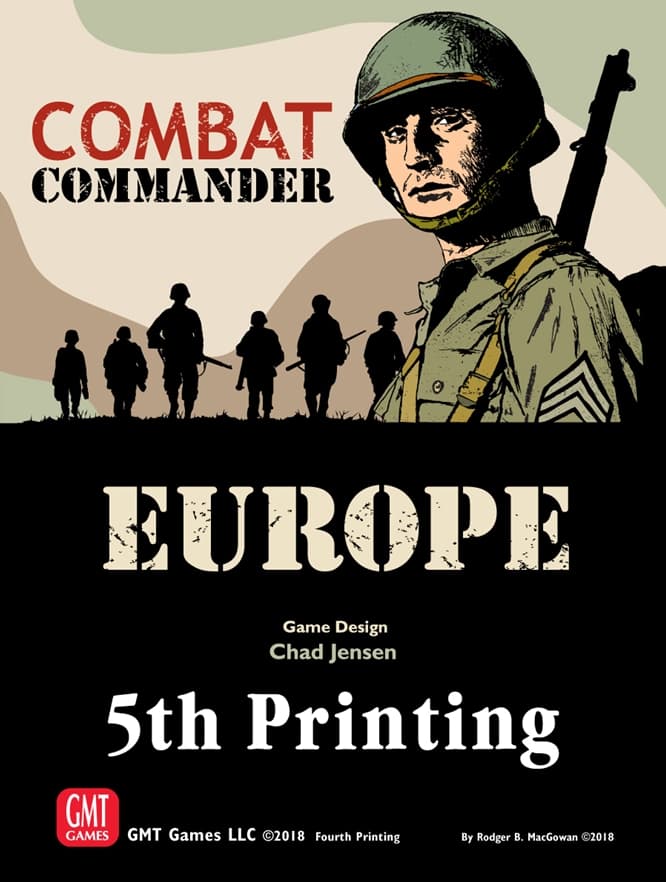
Combat Commander: Europe is an acclaimed squad-level tactical wargame that immerses players in the intense infantry clashes of the European Theater during World War II. Widely celebrated as a design triumph, the game challenges commanders to outmaneuver their opponents using a dynamic mix of traditional hex-and-counter positioning and an unpredictable card-driven engine. Over the course of the game, combatants vie for supremacy by eliminating enemy forces, securing vital battlefield objectives, and maneuvering their troops off the opponent's map edge. With various scenarios covering diverse engagements, players must navigate intricate tactical puzzles across beautifully detailed paper maps representing everything from dense hedgerows to contested towns.
Abandoning traditional dice altogether, the heart of the experience lies within the asymmetrical Fate Decks assigned to the Axis, American, or Russian factions. These multi-purpose decks dictate every aspect of the simulation. Players draw and play cards to issue vital orders such as moving rifle squads, firing light mortars, or digging into defensive positions. Furthermore, the variable phase order system ensures that turns are incredibly fluid rather than strictly rigid. Opponents can play reaction cards from their hands to disrupt a meticulously planned advance, perhaps laying down devastating opportunity fire as infantry units cross open terrain. Even the essential combat resolutions and morale checks are handled by revealing the top card of the deck to check its printed values, seamlessly blending statistical probability with hand management.
The true magic of this masterpiece is how elegantly it simulates the fog of war without resorting to overly burdensome rulesets found in older, heavier simulations. A poor draw of cards organically replicates the chaos of real battlefields—representing broken supply lines, communication failures, or troops pinned down under heavy suppression. In addition, the decks contain built-in event triggers that can suddenly unleash unexpected occurrences like sniper fire or vital reinforcements, keeping both commanders constantly on their toes. Thanks to its random scenario generator and tense sudden-death ending conditions, the replayability is virtually limitless, ensuring that no two firefights ever unfold in exactly the same way.
2 120m⚖️ 3.8