Strategy Games
Browse all Strategy board games in the Meeple Pulse database.
Styles
Themes
AbstractAdventureAncientAnimalsArtBusinessCard GameCo-operativeComic BookCooperativeCrimeEconomicEnvironmentalismExplorationFantasyHistoricalHorrorHumorIntrigueLiteraryMagicMarvelMedievalModernMuseumMysteryMythologyNatureNauticalPoliticalPress Your LuckSatireSci-FiSocial CommentarySocial InteractionSpaceSuperheroesThematicTravelWarWesternWord-Guessing
Mechanics
3D PlacementActingAction / DexterityAction DraftingAction Point AllowanceAction Point Allowance SystemAction Point SystemAction PointsAction ProgrammingAction QueueAction RetrievalAction SelectionAction/EventAlliancesAlternate ActivationApp-AssistedApp-DrivenArea ControlArea InfluenceArea MajorityArea Majority / InfluenceArea MovementArgumentationAsymmetricAsymmetric FactionsAsymmetric GameAsymmetric PowersAsymmetrical PowersAuction & BiddingAuction/BiddingAuctioningBag BuildingBettingBetting and BluffingBetting and WageringBetting and WagersBiddingBingoBlind BiddingBluffingCampaign / Battle Card DrivenCampaign / LegacyCampaign / Legacy GameCampaign / Mission-basedCampaign / ScenariosCampaign GameCampaign PlayCard DraftingCard DrawingCard DrivenCard Driven ActionCard Driven CombatCard Driven Dice AllocationCard Driven MovementCard ManagementCard PlayCard Play / Hand ManagementCard Play Conflict ResolutionCard SheddingCard-Driven MovementCharacter CreationCharacter ProgressionChit-Pull SystemCo-op PlayCo-operative GameCo-operative PlayCode-breakingCombat ResolutionCombo ChainCommand CardsCommodity SpeculationCommunication LimitsContract FulfillmentContractsCooperative GameCooperative GameplayCooperative PlayCooperative Trick-takingDebateDeck BuildingDeck ConstructionDeck, Bag, and Pool BuildingDeck-BuildingDeductionDexterityDice DraftingDice PlacementDice RollingDiplomatic InfluenceDraftingDynamic Battle SystemEnclosureEnd Game BonusesEngine BuildingEngine-BuildingEscape RoomEvent DrivenExplorationFarmingFlip and WriteFollowFollow ActionGrid CoverageGrid MovementHand ManagementHex-and-CounterHexagon GridHidden MovementHidden RolesI Cut You ChooseIncomeInfluence / Area MajorityLadder ClimbingLegacyLegacy ElementsLegacy GameLegacy SystemLimited CommunicationLine DrawingLine of SightMancalaMap MovementMarketMarket DraftingMarket ManipulationMarket MechanicMarket SpeculationMatchingMeasurement MovementMemoryMission ObjectivesModular BoardModular Board ConstructionMovement TemplatesMulti-Use CardsMulti-use CardsMultiple ScenariosMust FollowNarrative ChoiceNarrative Choice / ParagraphNegotiationNegotiation MechanicsNetwork & Route BuildingNetwork BuildingNetwork and Route BuildingOne vs ManyOne vs. ManyOpen DraftingPaper-and-PencilPartnershipsPattern BuildingPattern RecognitionPick-up and DeliverPlayer EliminationPlayer InteractionPlayer JudgePoint SaladPoint to Point MovementPolyominoesPush Your LuckPush-Your-LuckPuzzlePuzzle-LikePuzzle-SolvingRaceReal-TimeRecipe FulfillmentResource ManagementRole PlayingRole SelectionRoll / Spin and MoveRondelRoute BuildingRoute-BuildingRoute/Network BuildingSanity SystemScenario / Campaign PlayScenario / Mission / Campaign GameScenario / Mission FunctionSecret Unit DeploymentSemi-Cooperative GameSet CollectionSheddingSimulationSimultaneous ActionSimultaneous Action SelectionSimultaneous Hidden AllocationSocial DeductionSocial InteractionSolo / Solitaire GameSpace ExplorationStat Check / Skill CheckStock HoldingStorytellingStrategic PlanningTableau BuildingTactical Decision-MakingTake ThatTargeted CluesTeam PlayTeam-Based GameTeam-Based GuessingTeamworkTech TreesTech Trees / Tech TracksTechnology & Armament TracksTechnology TreeTension & Aggression TracksTile DraftingTile LayingTile PlacementTime TrackTime TravelTower DefenseTrack MovementTradingTrick-takingTug of WarTurn Order: PassTurn Order: Stat-BasedUnit PlacementVariable Phase OrderVariable Player PowersVariable Set-upVariable SetupVictory Point TracksVotingWord AssociationWord GameWord GuessingWord-GuessingWord-guessingWordplayWorker Placement
BoxNo Cover Art
RANK #154
Vinhos: Deluxe Edition is a wine-themed strategy game designed for 2-4 players, where each player takes on the role of a wine merchant aiming to accumulate wealth and prestige by collecting and trading rare wines.
The game's objective is multifaceted. On one hand, players must navigate the complexities of wine production, harvesting grapes, fermenting, aging, and bottling. This process involves resource management, as players need to allocate their resources efficiently to produce high-quality wines. The game also incorporates a trading mechanism, where players can exchange wines with each other, either directly or through auctions.
Another crucial aspect of the game is the auction mechanism, which adds an element of unpredictability and strategy. Players must carefully evaluate the value of their wines and bid strategically to acquire rare and valuable bottles. The game also features a reputation system, where players' actions affect their standing among other merchants, influencing the trading dynamics.
The game's components include high-quality wooden tokens, wine cards, and a beautifully designed board that simulates the vineyard landscape. The deluxe edition includes upgraded components, such as wooden barrels and improved card quality.
2-4 60m⚖️ 3.5
RANK #196
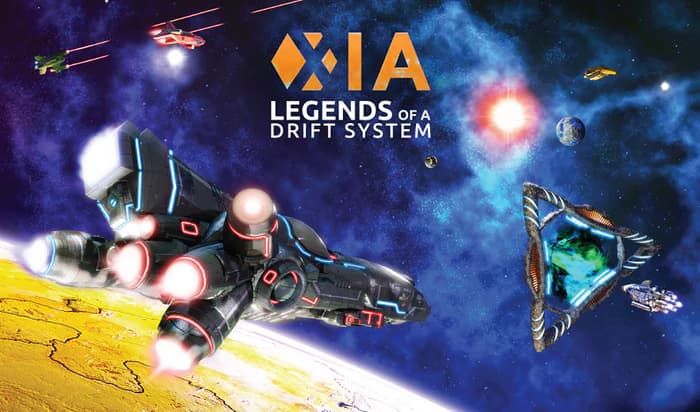
Xia: Legends of a Drift System invites you to stake your claim in a sprawling, open-world space adventure. This is a true 'sandbox' experience where you take the helm of your own starship with a singular goal: to become a legend. Fame is the ultimate currency, and players compete to be the first to reach a predetermined number of Fame Points. How you achieve this status is entirely your decision. Will you become a shrewd interstellar merchant, a daring explorer charting the unknown, a feared pirate preying on others, or a dependable contractor completing vital missions? The galaxy is a vast canvas, and your actions will paint the story of your rise to legendary status.
The gameplay is dynamic and driven by player choice, set against the backdrop of a modular galaxy that is built as you play. The game board begins with just a few sectors, and as captains venture into the unknown, they draw and place new hexagonal tiles, revealing planets, asteroid fields, nebulae, and other celestial phenomena. This ensures that no two games ever feel the same. A player's turn is an active affair, involving actions like moving via a 'roll and move' mechanic determined by your ship's engine power, exploring new tiles, buying and selling goods between planets, mining resources, and engaging in dice-driven combat with NPCs or other players. Central to the experience is the deep ship customization, allowing you to purchase new ship models and outfit them with a tangible array of upgraded engines, shields, and weapons that slot directly onto your ship mat.
What makes Xia a beloved classic is the profound sense of freedom and the powerful emergent narratives it creates. The game doesn't funnel you down a specific path; it provides the tools and the universe, then steps back to let your story unfold. One moment you might be hauling cargo for a modest profit, and the next you could be ambushed by a rival, forcing a desperate escape or a thrilling dogfight. This blend of strategic planning, resource management, and press-your-luck risk creates a highly thematic and immersive journey. Players don't just play a game; they live out a unique sci-fi adventure, making Xia a pinnacle of the sandbox board game genre.
3-5 120m⚖️ 3.2
RANK #200
Jaipur
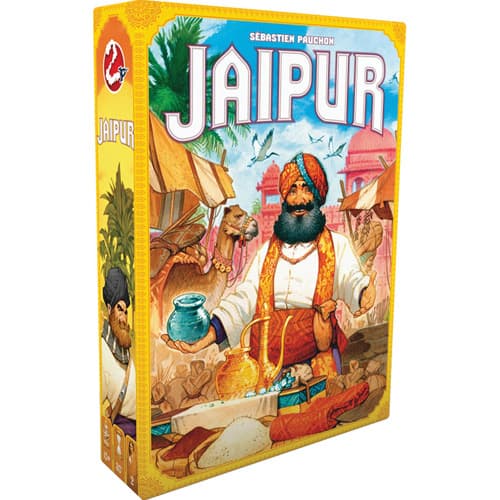
2009Jaipur is a celebrated fast-paced card game that immerses two players in the vibrant and competitive world of Rajasthani commerce. In this strategic duel, opponents take on the roles of powerful merchants, vying for an invitation to the Maharaja's court. The ultimate goal is to become the city's most prosperous trader by accumulating more wealth than your rival. Victory isn't achieved in a single transaction but over a series of rounds; the first player to demonstrate superior business acumen by winning two rounds and earning two 'Seals of Excellence' claims the prestigious title and wins the game. It is a brilliant mix of calculated risk, tactical timing, and astute market awareness.
The gameplay revolves around the core mechanics of set collection and hand management. During their turn, a player must make one crucial decision: acquire new cards or sell goods they have already collected. Acquiring cards presents several tactical paths: a player can take a single good from the central market, claim all the available camels to bolster their caravan for future large-scale exchanges, or swap multiple cards from their hand and herd to acquire a selection of goods from the market. Selling is how players earn the rupees that determine the winner. Tokens for each of the six goods are limited and decrease in value as they are claimed, creating a tense race to sell valuable wares early. However, the game cleverly rewards patience, as selling large sets of three, four, or five identical goods grants lucrative bonus tokens, forcing a constant, compelling dilemma between speed and scale.
Jaipur’s enduring charm comes from its perfect balance of elegant simplicity and engaging strategic depth. The rules are straightforward enough to be taught and understood within minutes, making it an exceptionally accessible game for newcomers and families. Yet, beneath this simplicity lies a rich decision space that keeps experienced players captivated. The tension of whether to build your hand or sell your goods, the strategic value of camels, and the race for diminishing resources create a highly interactive and dynamic experience where every choice matters. This seamless blend of accessibility, quick playtime, and rewarding tactics has established Jaipur as a modern classic and a quintessential two-player game, perfect for any pair seeking a quick but satisfying strategic challenge.
2 30m⚖️ 1.5
BoxNo Cover Art
RANK #298
Anno 1800: The Board Game, a captivating Eurogame released in 2020, beautifully translates the intricate city-building experience of its video game namesake into a tabletop format. Designed by the esteemed Martin Wallace, this strategy title immerses players in the heart of the Industrial Revolution, tasking them with developing a thriving island economy. The overarching goal is a strategic "race" to satisfy the increasingly complex needs of your population, represented by a hand of Population Cards that players aim to empty. It’s a game of careful planning, resource optimization, and dynamic player interaction, where every decision shapes your burgeoning industrial empire.
The core gameplay loop revolves around selecting one of nine distinct actions on your turn, a mechanism that provides a flexible yet constrained strategic environment. Instead of traditional resource accumulation, players "produce" goods by exhausting population cubes from various building tiles, instantly generating the necessary resources for current actions. These resources are then used to either play the crucial Population Cards from your hand, unlocking points and bonuses, or to construct new, higher-tier industries that produce more advanced goods. Population management is key: increasing your workforce grants more actions per round, but also forces you to draw more Population Cards, extending the challenge of fulfilling your citizens' demands and escalating the strategic race.
What truly sets Anno 1800 apart is its innovative and dynamic trade system. If a player lacks a specific resource, they can trade with any opponent who possesses the corresponding industry. This trade is non-refusable; the active player spends a trade token, and the recipient gains one gold, without expending their own resources or actions. This ingenious system strongly encourages players to specialize their industries rather than attempting to produce every good, fostering a high degree of player interaction and negotiation throughout the game. Fans praise its ability to replicate the video game's recursive production chains and satisfying engine-building without becoming overly bogged down in calculations, offering a rewarding, "puzzle-like" experience for strategists and optimization enthusiasts.
2-4 120m⚖️ 3.8
BoxNo Cover Art
Pakutto Puritto is a unique board game that challenges players to collect and trade resources while navigating the complexities of a dynamic market. The game's goal is to be the first player to accumulate a set amount of points by strategically managing their resources and making smart trades. Players take turns collecting resources, which are represented by colorful tokens, and then use these resources to purchase goods from the market. However, the market is constantly changing, with new goods being added and old ones being removed, forcing players to adapt their strategies on the fly.
As players collect resources and trade them in for goods, they must also keep an eye on the game's dynamic market mechanism. The market is driven by a series of cards that are drawn at the start of each round, which determine what goods are available and at what prices. Players can use their resources to purchase these goods, but they must be strategic about when to buy and sell, as the market can shift rapidly.
One of the key mechanics in Pakutto Puritto is the concept of 'packs' and 'picks.' Players can collect packs of resources, which contain a set number of tokens, or make picks from the market, which allows them to acquire specific goods at a discounted price. However, these packs and picks come with risks, as players may end up with unwanted resources or overpay for their chosen goods.
Despite its complexities, Pakutto Puritto is a game that appeals to players of all levels due to its intuitive gameplay and high replayability. The game's dynamic market mechanism ensures that no two games are ever the same, making it a great choice for players who enjoy strategic thinking and adaptability.
m⚖️ 3.0