Time Track Games
Browse all Time Track board games in the Meeple Pulse database.
Styles
Themes
AbstractAdventureAncientAnimalsArtBusinessCard GameCo-operativeComic BookCooperativeCrimeEconomicEnvironmentalismExplorationFantasyHistoricalHorrorHumorIntrigueLiteraryMagicMarvelMedievalModernMuseumMysteryMythologyNatureNauticalPoliticalPress Your LuckSatireSci-FiSocial CommentarySocial InteractionSpaceSuperheroesThematicTravelWarWesternWord-Guessing
Mechanics
3D PlacementActingAction / DexterityAction DraftingAction Point AllowanceAction Point Allowance SystemAction Point SystemAction PointsAction ProgrammingAction QueueAction RetrievalAction SelectionAction/EventAlliancesAlternate ActivationApp-AssistedApp-DrivenArea ControlArea InfluenceArea MajorityArea Majority / InfluenceArea MovementArgumentationAsymmetricAsymmetric FactionsAsymmetric GameAsymmetric PowersAsymmetrical PowersAuction & BiddingAuction/BiddingAuctioningBag BuildingBettingBetting and BluffingBetting and WageringBetting and WagersBiddingBingoBlind BiddingBluffingCampaign / Battle Card DrivenCampaign / LegacyCampaign / Legacy GameCampaign / Mission-basedCampaign / ScenariosCampaign GameCampaign PlayCard DraftingCard DrawingCard DrivenCard Driven ActionCard Driven CombatCard Driven Dice AllocationCard Driven MovementCard ManagementCard PlayCard Play / Hand ManagementCard Play Conflict ResolutionCard SheddingCard-Driven MovementCharacter CreationCharacter ProgressionChit-Pull SystemCo-op PlayCo-operative GameCo-operative PlayCode-breakingCombat ResolutionCombo ChainCommand CardsCommodity SpeculationCommunication LimitsContract FulfillmentContractsCooperative GameCooperative GameplayCooperative PlayCooperative Trick-takingDebateDeck BuildingDeck ConstructionDeck, Bag, and Pool BuildingDeck-BuildingDeductionDexterityDice DraftingDice PlacementDice RollingDiplomatic InfluenceDraftingDynamic Battle SystemEnclosureEnd Game BonusesEngine BuildingEngine-BuildingEscape RoomEvent DrivenExplorationFarmingFlip and WriteFollowFollow ActionGrid CoverageGrid MovementHand ManagementHex-and-CounterHexagon GridHidden MovementHidden RolesI Cut You ChooseIncomeInfluence / Area MajorityLadder ClimbingLegacyLegacy ElementsLegacy GameLegacy SystemLimited CommunicationLine DrawingLine of SightMancalaMap MovementMarketMarket DraftingMarket ManipulationMarket MechanicMarket SpeculationMatchingMeasurement MovementMemoryMission ObjectivesModular BoardModular Board ConstructionMovement TemplatesMulti-Use CardsMulti-use CardsMultiple ScenariosMust FollowNarrative ChoiceNarrative Choice / ParagraphNegotiationNegotiation MechanicsNetwork & Route BuildingNetwork BuildingNetwork and Route BuildingOne vs ManyOne vs. ManyOpen DraftingPaper-and-PencilPartnershipsPattern BuildingPattern RecognitionPick-up and DeliverPlayer EliminationPlayer InteractionPlayer JudgePoint SaladPoint to Point MovementPolyominoesPush Your LuckPush-Your-LuckPuzzlePuzzle-LikePuzzle-SolvingRaceReal-TimeRecipe FulfillmentResource ManagementRole PlayingRole SelectionRoll / Spin and MoveRondelRoute BuildingRoute-BuildingRoute/Network BuildingSanity SystemScenario / Campaign PlayScenario / Mission / Campaign GameScenario / Mission FunctionSecret Unit DeploymentSemi-Cooperative GameSet CollectionSheddingSimulationSimultaneous ActionSimultaneous Action SelectionSimultaneous Hidden AllocationSocial DeductionSocial InteractionSolo / Solitaire GameSpace ExplorationStat Check / Skill CheckStock HoldingStorytellingStrategic PlanningTableau BuildingTactical Decision-MakingTake ThatTargeted CluesTeam PlayTeam-Based GameTeam-Based GuessingTeamworkTech TreesTech Trees / Tech TracksTechnology & Armament TracksTechnology TreeTension & Aggression TracksTile DraftingTile LayingTile PlacementTime TrackTime TravelTower DefenseTrack MovementTradingTrick-takingTug of WarTurn Order: PassTurn Order: Stat-BasedUnit PlacementVariable Phase OrderVariable Player PowersVariable Set-upVariable SetupVictory Point TracksVotingWord AssociationWord GameWord GuessingWord-GuessingWord-guessingWordplayWorker Placement
RANK #146
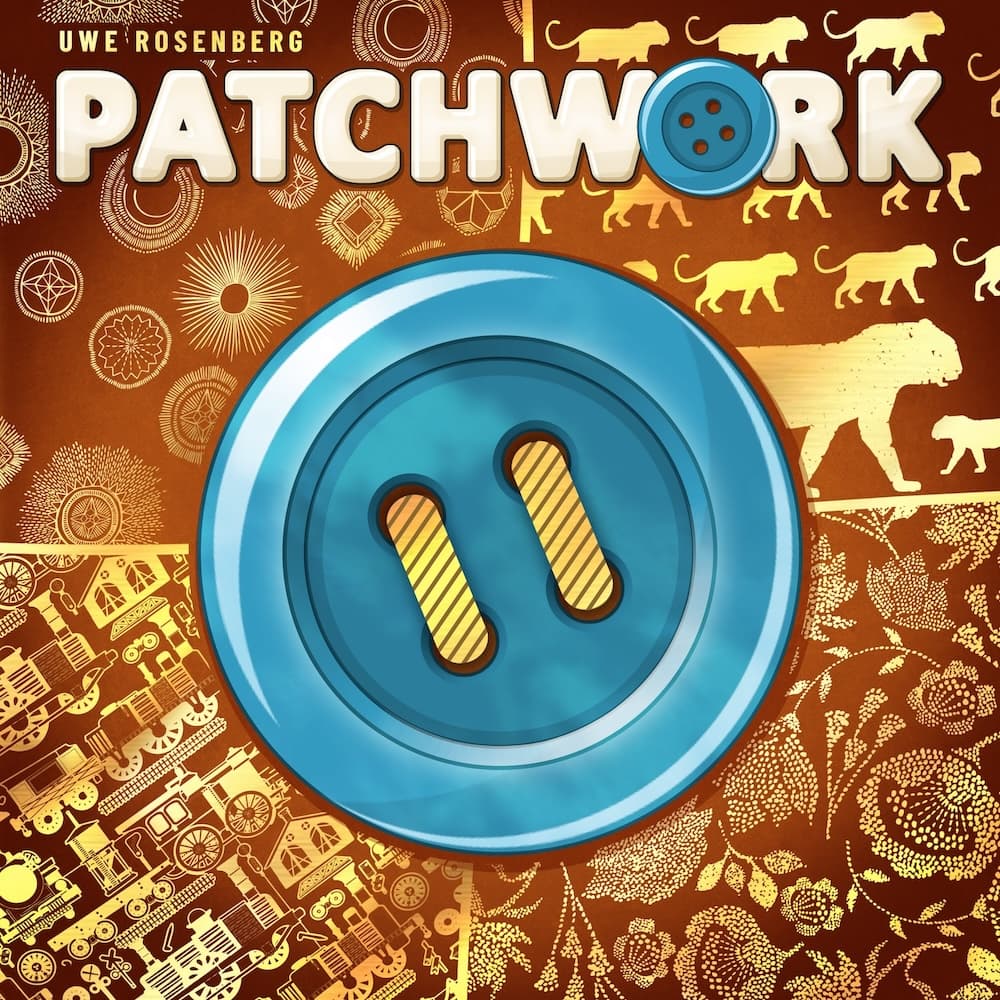
Patchwork
2014Patchwork is a celebrated two-player abstract strategy game from famed designer Uwe Rosenberg. In this charmingly themed contest, players compete to craft the most complete and valuable quilt on their personal 9x9 game boards. The game's currency and victory points are one and the same: buttons. Players must skillfully manage their button economy to purchase irregularly shaped fabric patches, each with its own cost in both buttons and 'time'. The ultimate goal is to fill your board as completely as possible, accumulating a hoard of buttons while avoiding empty spaces, as each uncovered square on your quilt results in a penalty at the end of the game. It's a delightful blend of economic management and a satisfying spatial puzzle.
The gameplay is driven by a unique time track mechanism that dictates the entire flow of the game. Rather than alternating turns, the player whose token is further behind on the central time board is the one to take the next action. When you purchase a patch, you move your token forward a number of spaces equal to its time cost, potentially allowing your opponent to take several turns in a row while you wait. Alternatively, a player can choose to pass and advance their token to the space just ahead of their rival, collecting one button for each space they moved. This creates a fascinating tactical dilemma. Furthermore, as tokens pass specific points on the time track, players receive button income based on the cumulative icons on the patches they've already placed, adding a light engine-building element to the experience.
The enduring appeal of Patchwork lies in its accessible ruleset, which hides a surprising amount of strategic depth. The game presents players with a constant stream of interesting decisions. Do you spend a lot of time to grab a large, valuable patch that fits perfectly, or do you take smaller, cheaper pieces to maximize your number of turns? The Tetris-like joy of slotting a piece perfectly into your quilt is immense, but it must always be weighed against your position on the time track and your button supply. With a special bonus for the first player to complete a 7x7 square, the game feels both tactical and rewarding, making it a beloved classic that is just as engaging for new players as it is for seasoned strategists.
2 30m⚖️ 1.6
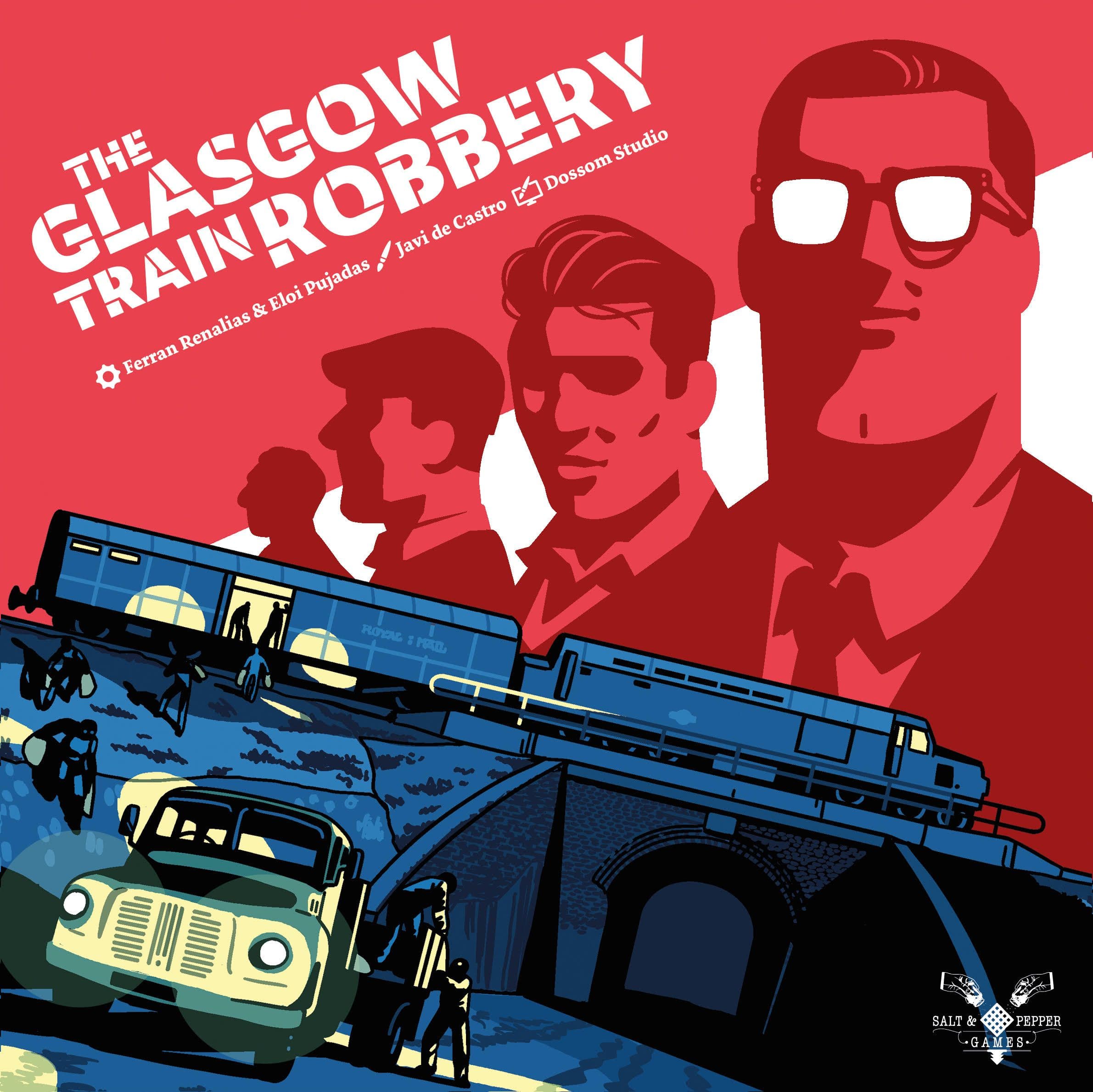
Set to arrive on tabletop shelves in 2026, 'The Glasgow Train Robbery' is a tense, cooperative board game that plunges exactly two players into one of the most infamous heists in British history. Published by Salt & Pepper Games and brought to life by designers Eloi Pujadas and Ferran Renalias, this asymmetric experience casts participants as the masterminds behind the daring raid: the Coordinator and the Operator. Your shared objective is to flawlessly execute five crucial Plan cards before the targeted locomotive reaches its final destination in London. However, pulling off the crime of the century is no simple feat. The game strictly limits communication between partners in crime, forcing you to rely on sharp intuition, unspoken synergy, and acute observation of your accomplice's moves. Only by working in perfect, silent harmony can you hope to secure the loot and evade the authorities.
At the heart of 'The Glasgow Train Robbery' lies a relentless time-track mechanism elegantly represented by a miniature train advancing along the board's perimeter. Nearly every action you take incurs a precious time cost, continuously propelling the locomotive closer to London and ratcheting up the suspense. Gameplay is deeply card-driven, presenting agonizing tactical choices. Players must decide whether to use cards for standard maneuvers—allowing them to be recycled for future use—or to burn them permanently for a much more powerful, immediate effect. Furthermore, players must navigate their hideout to collect essential item tokens, placing them into a central draw bag. This bag building element introduces a critical layer of risk management. While you might pull necessary equipment, you also risk drawing detrimental fingerprint tokens. Accumulating too many fingerprints, letting the train arrive at the station, or having a character arrested results in immediate failure.
What truly sets this title apart is its uncompromising, brain-burning challenge designed explicitly for dynamic duos. Fans of deep two-player cooperative games will appreciate the intense psychological puzzle created by the restricted communication rules, where every card played sends a subtle signal to your partner. The beautiful artwork by Javi de Castro immerses players in the gritty atmosphere of a classic British caper. Although communication is heavily restricted, certain cleverly timed actions permit brief moments of spoken coordination, making those rare words incredibly impactful. Combining tight resource management, asymmetric roles, and the thrilling push-your-luck tension of the token bag, 'The Glasgow Train Robbery' promises a highly rewarding strategic endeavor. It perfectly captures the high-stakes anxiety of a meticulously planned heist constantly teetering on the edge of disaster.
2 45m⚖️ 3.0