Nature Games
Browse all Nature board games in the Meeple Pulse database.
Styles
Themes
AbstractAdventureAncientAnimalsArtBusinessCard GameCo-operativeComic BookCooperativeCrimeEconomicEnvironmentalismExplorationFantasyHistoricalHorrorHumorIntrigueLiteraryMagicMarvelMedievalModernMuseumMysteryMythologyNatureNauticalPoliticalPress Your LuckSatireSci-FiSocial CommentarySocial InteractionSpaceSuperheroesThematicTravelWarWesternWord-Guessing
Mechanics
3D PlacementActingAction / DexterityAction DraftingAction Point AllowanceAction Point Allowance SystemAction Point SystemAction PointsAction ProgrammingAction QueueAction RetrievalAction SelectionAction/EventAlliancesAlternate ActivationApp-AssistedApp-DrivenArea ControlArea InfluenceArea MajorityArea Majority / InfluenceArea MovementArgumentationAsymmetricAsymmetric FactionsAsymmetric GameAsymmetric PowersAsymmetrical PowersAuction & BiddingAuction/BiddingAuctioningBag BuildingBettingBetting and BluffingBetting and WageringBetting and WagersBiddingBingoBlind BiddingBluffingCampaign / Battle Card DrivenCampaign / LegacyCampaign / Legacy GameCampaign / Mission-basedCampaign / ScenariosCampaign GameCampaign PlayCard DraftingCard DrawingCard DrivenCard Driven ActionCard Driven CombatCard Driven Dice AllocationCard Driven MovementCard ManagementCard PlayCard Play / Hand ManagementCard Play Conflict ResolutionCard SheddingCard-Driven MovementCharacter CreationCharacter ProgressionChit-Pull SystemCo-op PlayCo-operative GameCo-operative PlayCode-breakingCombat ResolutionCombo ChainCommand CardsCommodity SpeculationCommunication LimitsContract FulfillmentContractsCooperative GameCooperative GameplayCooperative PlayCooperative Trick-takingDebateDeck BuildingDeck ConstructionDeck, Bag, and Pool BuildingDeck-BuildingDeductionDexterityDice DraftingDice PlacementDice RollingDiplomatic InfluenceDraftingDynamic Battle SystemEnclosureEnd Game BonusesEngine BuildingEngine-BuildingEscape RoomEvent DrivenExplorationFarmingFlip and WriteFollowFollow ActionGrid CoverageGrid MovementHand ManagementHex-and-CounterHexagon GridHidden MovementHidden RolesI Cut You ChooseIncomeInfluence / Area MajorityLadder ClimbingLegacyLegacy ElementsLegacy GameLegacy SystemLimited CommunicationLine DrawingLine of SightMancalaMap MovementMarketMarket DraftingMarket ManipulationMarket MechanicMarket SpeculationMatchingMeasurement MovementMemoryMission ObjectivesModular BoardModular Board ConstructionMovement TemplatesMulti-Use CardsMulti-use CardsMultiple ScenariosMust FollowNarrative ChoiceNarrative Choice / ParagraphNegotiationNegotiation MechanicsNetwork & Route BuildingNetwork BuildingNetwork and Route BuildingOne vs ManyOne vs. ManyOpen DraftingPaper-and-PencilPartnershipsPattern BuildingPattern RecognitionPick-up and DeliverPlayer EliminationPlayer InteractionPlayer JudgePoint SaladPoint to Point MovementPolyominoesPush Your LuckPush-Your-LuckPuzzlePuzzle-LikePuzzle-SolvingRaceReal-TimeRecipe FulfillmentResource ManagementRole PlayingRole SelectionRoll / Spin and MoveRondelRoute BuildingRoute-BuildingRoute/Network BuildingSanity SystemScenario / Campaign PlayScenario / Mission / Campaign GameScenario / Mission FunctionSecret Unit DeploymentSemi-Cooperative GameSet CollectionSheddingSimulationSimultaneous ActionSimultaneous Action SelectionSimultaneous Hidden AllocationSocial DeductionSocial InteractionSolo / Solitaire GameSpace ExplorationStat Check / Skill CheckStock HoldingStorytellingStrategic PlanningTableau BuildingTactical Decision-MakingTake ThatTargeted CluesTeam PlayTeam-Based GameTeam-Based GuessingTeamworkTech TreesTech Trees / Tech TracksTechnology & Armament TracksTechnology TreeTension & Aggression TracksTile DraftingTile LayingTile PlacementTime TrackTime TravelTower DefenseTrack MovementTradingTrick-takingTug of WarTurn Order: PassTurn Order: Stat-BasedUnit PlacementVariable Phase OrderVariable Player PowersVariable Set-upVariable SetupVictory Point TracksVotingWord AssociationWord GameWord GuessingWord-GuessingWord-guessingWordplayWorker Placement

RANK #2
Ark Nova
2021Embark on a thrilling adventure with Ark Nova, a strategic board game designed for 1-4 players. This immersive experience typically lasts around 120 minutes, offering a rich and engaging gameplay session. Players take on the role of zoo administrators, tasked with building and managing their own zoos while competing to attract visitors and earn prestige points. The game features a unique blend of hand management, tile placement, variable player powers, action programming, and set collection mechanics, providing a challenging and rewarding experience for players of all skill levels. As you navigate the complexities of zoo management, you'll need to balance resource allocation, exhibit design, and animal care while also navigating the cutthroat world of zoo politics. With its engaging theme, intricate gameplay, and high replayability, Ark Nova is an excellent choice for fans of strategic board games looking for a new challenge.
1-4 120m⚖️ 3.8
RANK #57
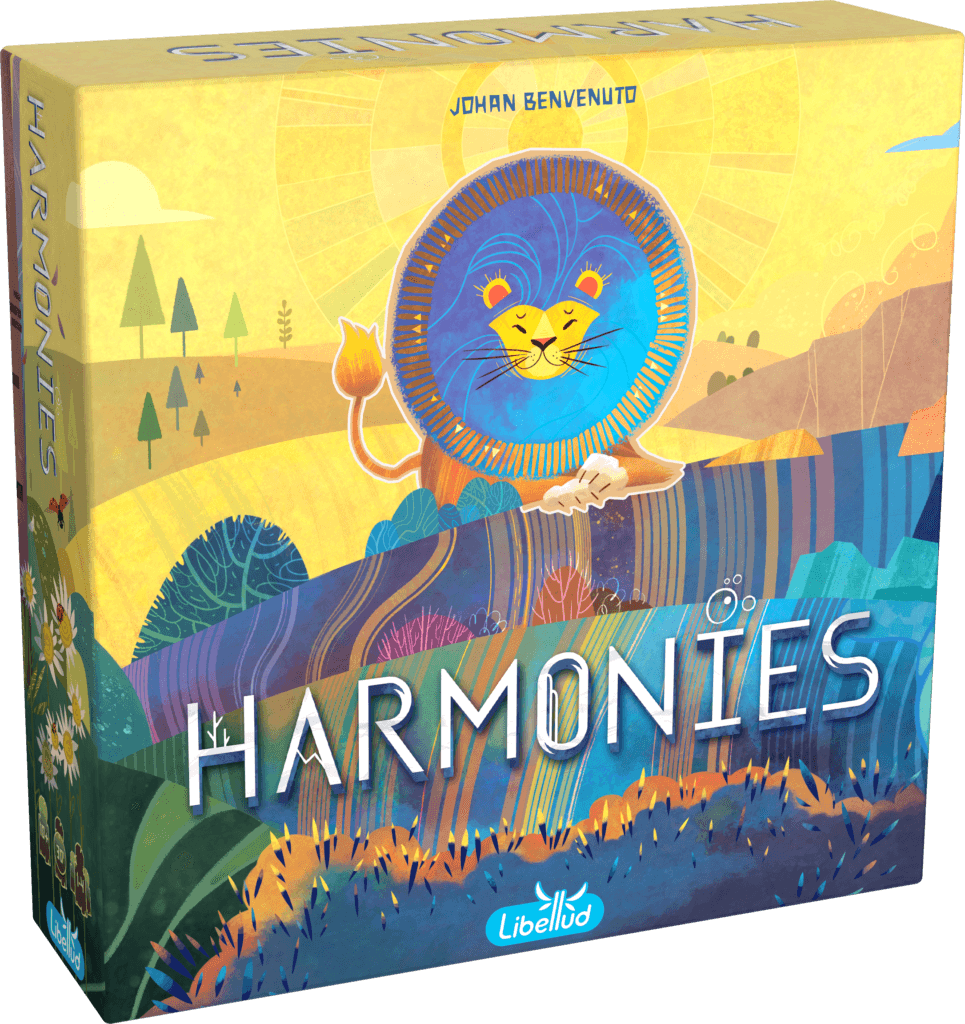
Harmonies
2024In Harmonies, players take on the role of nature spirits, tasked with creating vibrant and flourishing ecosystems. This visually stunning game invites you to craft a personal landscape, a miniature world filled with mountains, forests, rivers, and fields. The ultimate goal is to build habitats that are so inviting and well-balanced that they attract a diverse array of animal species. By carefully arranging natural elements into specific patterns, you earn victory points for the wildlife you successfully house. The player who creates the most harmonious and populous environment, demonstrating a deep connection to the natural world, will be declared the winner. It's a game of poetic construction and gentle strategy, where every piece placed contributes to a beautiful, three-dimensional diorama on your player board.
The gameplay loop is elegant and intuitive, centered around an open drafting mechanic. On your turn, you will select a group of three element tokens from a central market. These tokens represent different terrain types—water, trees, mountains, fields, and buildings. You must then place all three of these tokens onto your personal hexagonal grid. A key innovation in Harmonies is its verticality; tokens can be stacked on top of one another to create 3D features. For example, placing a green token on a brown one forms a tree, while stacking grey tokens creates towering mountain ranges. This adds a unique spatial puzzle to the tile-laying. In addition to placing tokens, you can claim animal cards from a shared display. Each card shows a specific habitat pattern required by that species. Once you successfully replicate that pattern on your board, you can place an animal cube onto your creation, scoring points and completing the card.
Harmonies has captured the hearts of players with its serene theme and engaging, puzzle-like gameplay. The act of building a tangible, 3D landscape is deeply satisfying, offering a strong sense of creation and accomplishment. While the rules are straightforward enough for families and newcomers to learn quickly, the game reveals layers of strategic depth. The decision of which tokens to draft and where to place them to optimally fulfill multiple animal cards at once presents a constant, rewarding challenge. The game also boasts significant replayability, thanks to a solo mode for individual play and an expert variant that introduces "Nature's Spirit" cards, which provide unique end-game scoring objectives. This blend of accessibility, strategic nuance, and beautiful production makes Harmonies a standout title for anyone who enjoys clever pattern-building and creating something beautiful on the tabletop.
1-4 45m⚖️ 1.9

RANK #59
Cascadia
2021Welcome to the vibrant wilderness of the Pacific Northwest! Cascadia is an award-winning puzzle game that invites players to build their own thriving ecosystems. In this beautifully illustrated game, your goal is to create the most harmonious environment by carefully selecting and placing habitat tiles and populating them with native wildlife. You'll compete to build the largest contiguous areas of different terrains—forests, prairies, wetlands, mountains, and rivers—while also strategically placing wildlife tokens to satisfy unique scoring conditions. Success requires a keen eye for patterns and a bit of foresight, as you balance the dual objectives of expanding your habitats and fulfilling the specific needs of the animals that call them home. The player who creates the most balanced and synergistic environment, scoring points for both land and fauna, will be declared the winner.
The gameplay in Cascadia is elegant and accessible, centered around a simple yet engaging turn structure. On your turn, you must choose one of the four available pairs, each consisting of a hexagonal habitat tile and a wooden wildlife token. This core choice presents a compelling dual-layered puzzle. You must decide where to place the new habitat tile to expand your personal landscape, aiming to create large, unbroken corridors of matching terrain types. Simultaneously, you must place the accompanying animal token—be it a bear, elk, salmon, hawk, or fox—onto a suitable tile in your environment. Each of the five animal species scores points based on a specific scoring card drawn at the beginning of the game, introducing significant variability. Bears might want to be in pairs, while hawks prefer to be solitary. To add a layer of tactical flexibility, players can spend 'nature tokens' to break the pairing rule, allowing them to choose any tile and any token from the display, opening up crucial strategic opportunities.
Cascadia has captured the hearts of players worldwide due to its perfect blend of simplicity and strategic depth. It serves as an excellent 'gateway' game, with rules that can be taught in minutes, making it approachable for families and new gamers. However, the shifting puzzle of the tile display and the variable scoring objectives for the wildlife provide a satisfying challenge for even seasoned strategists. The game's replayability is immense; with multiple scoring cards for each animal, no two games ever feel quite the same. This variability, combined with the tactile pleasure of placing the chunky tiles and wooden tokens, creates a deeply rewarding experience. The serene and beautiful artwork by Beth Sobel further elevates the game, immersing players in the tranquil beauty of the natural world it represents. It's a peaceful yet competitive puzzle that rewards clever planning and adaptability.
1-4 45m⚖️ 1.9
BoxNo Cover Art
RANK #85
Endeavor: Deep Sea is an acclaimed mid-weight strategy Eurogame that submerges players into the world of oceanic research. Each participant takes the helm of a burgeoning research institute, tasked with the grand ambition of exploring the planet's final frontier. The primary objective is to earn prestige by conducting groundbreaking research, discovering new underwater locations, and championing marine conservation. Success requires a delicate balance between expanding your institute's scientific capabilities and making a tangible impact on the shared seascape. Recognized with the prestigious Kennerspiel des Jahres award, the game challenges players to think strategically about sustainable development and the preservation of delicate aquatic ecosystems, making every decision impactful.
The gameplay unfolds over six rounds in a structured, yet dynamic, sequence. Each round begins with a Preparation Phase, where players bolster their operations by recruiting specialists like divers and scientists, gaining action discs that fuel their turns, and readying their existing team for the tasks ahead. This flows into the Action Phase, where players take turns spending their discs to activate specialists and perform one of five key actions. These include 'Travel' to move a submarine across the modular board, 'Sonar' to discover and place new ocean tiles, 'Dive' to collect valuable research tokens, 'Journal' to acquire cards with endgame scoring goals, and 'Conservation' to protect marine life for various rewards. Players also contribute to a communal "Impact Board," which provides immediate bonuses and influences final scoring.
What makes Endeavor: Deep Sea so compelling is its remarkable blend of accessibility and strategic depth. The game’s unique appeal stems from its significant replayability, driven by a modular board that ensures no two expeditions are the same and ten distinct missions that alter starting conditions and objectives. Its flexible design supports competitive, cooperative, and solo play, making it a versatile choice for any gaming group. The central tension between building your institute’s 'engine'—improving its range and capabilities—and using those abilities to score points on the board creates a deeply engaging puzzle. The strong thematic integration, where every action feels connected to the narrative of deep-sea exploration, elevates the experience from a simple abstract puzzle to a memorable aquatic adventure.
1-4 90m⚖️ 3.3
BoxNo Cover Art
RANK #99
Fields of Arle
2014Fields of Arle immerses you in the challenging yet rewarding life of a farming family in 18th-century East Frisia. In this masterwork by acclaimed designer Uwe Rosenberg, players are tasked with developing a modest plot of land into a thriving and prosperous homestead. Over the course of four and a half years, you will shape the very landscape, manage livestock, and craft valuable goods. The game is a deeply thematic and strategic experience where the ultimate goal is to accumulate the most victory points by building a diverse and efficient agricultural engine, demonstrating your family's success through the tangible growth of your farmstead and the wealth of goods you've produced.
The gameplay is centered around a robust worker placement system that unfolds over nine rounds, each representing a half-season of either summer or winter. Each season offers a distinct set of actions, from plowing fields and shearing sheep in the summer to breeding animals and weaving cloth in the winter. Players strategically place their family members on action spaces to manage every aspect of their farm. This includes draining moors to create new pastures, building dikes to protect land from floods, raising cattle and horses, and constructing an array of buildings that provide crucial new abilities. A clever mechanic allows a player to perform an off-season action once per round, but this flexibility comes at the cost of giving up the first-player advantage, adding another layer of tactical decision-making.
What makes Fields of Arle a beloved classic among strategy gamers is its incredible depth and the sandbox-style freedom it offers. It is a quintessential heavy Eurogame, specifically tailored for a one or two-player experience, complete with a rich and engaging solo mode. There is no single prescribed path to victory; players can focus on animal husbandry, crop cultivation, trade, or building construction, leading to immense replayability as you explore different strategies with each playthrough. The satisfaction of watching your personal player board transform from barren land into a complex, bustling farm is a core part of its appeal, offering a deeply rewarding journey for those who enjoy intricate, low-interaction engine-building puzzles.
1-2 90m⚖️ 3.9
RANK #112
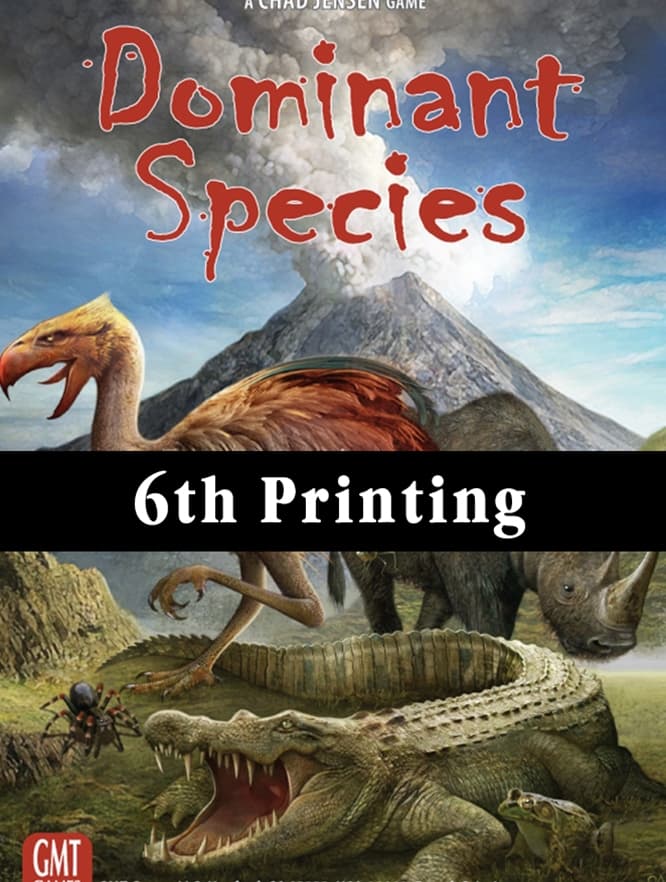
Dominant Species
2010Dominant Species transports players back in time to a world on the verge of a great ice age. In this highly strategic and competitive game, 2 to 6 players each assume control of a major animal class—such as Mammals, Reptiles, or Insects—vying for supremacy. The ultimate goal is to accumulate the most victory points by adapting, propagating, and migrating across a dynamically changing landscape. Survival is a constant struggle as the environment grows colder and resources become scarce. Players must carefully manage their species' evolution and expansion to ensure they are the ones who thrive while others face extinction, ultimately earning the title of the planet's dominant species before the final chill of the ice age sets in.
The game's core is driven by a powerful blend of worker placement and area control mechanics. Each round is divided into phases, beginning with players placing their action pawns on a central board to claim specific actions for the round. These actions are then resolved in a set order, creating a tense puzzle of timing and priority. Players can perform a wide range of actions, from adding new species cubes to the board (Speciation) and moving them across the hexagonal tiles (Migration), to expanding the world itself by adding new terrain (Wanderlust). Crucially, players can also trigger Glaciation to introduce new tundra tiles, which alters the map and can eliminate rivals. A key strategic element is the concept of 'dominance' over a tile, which is not simply about having the most cubes, but about how well-adapted your species is to the food sources present. Achieving dominance allows a player to use powerful, game-changing cards, adding another layer of strategic consideration beyond mere numbers.
What makes "Dominant Species" a revered classic among strategy gamers is its immense depth and high degree of player interaction. It is an unapologetically heavy game that rewards long-term planning and clever tactical adjustments. Every decision is meaningful, and the actions of one player can dramatically impact the fortunes of others, leading to a dynamic and often cutthroat experience. The game masterfully integrates its theme of evolutionary struggle into every mechanic; the tension between growing your population and adapting to the changing environment feels authentic and compelling. It's a long, epic journey that creates a memorable narrative of survival, conflict, and adaptation with every playthrough. For those who relish a substantial, thinky challenge with direct competition, "Dominant Species" offers an unparalleled and deeply rewarding strategic experience.
2-6 180m⚖️ 4.0

RANK #209
Earth
2023In 'Earth', players take on the rewarding challenge of cultivating a vibrant, self-sustaining ecosystem on their own personal island. This is a beautifully illustrated, nature-themed engine-building game where the ultimate goal is to create the most prosperous and synergistic environment. Victory is not merely about planting the most impressive flora, but about weaving together a complex web of terrain, plants, and natural events to score the most victory points. Players build out a four-by-four grid, carefully placing cards to maximize their scoring potential through their intrinsic values, a variety of public and private objectives, and the resources they accumulate throughout the game. It’s a race to create the most harmonious and valuable slice of nature.
The gameplay of 'Earth' is distinguished by its elegant and highly interactive action selection system that virtually eliminates downtime. On their turn, the active player chooses one of four main actions: Planting new cards, Composting cards for resources, Watering to gain growth tokens, or Growing to draw cards and gain sprouts. While the active player receives a powerful version of this action, every other player at the table gets to perform a lesser version of the same action simultaneously. This "follow" mechanic ensures constant engagement. Furthermore, all players then get to activate the abilities of every card in their tableau that matches the color of the chosen action. This creates a cascade of effects, allowing a player's meticulously crafted engine to fire off not just on their own turn, but on their opponents' as well, leading to dynamic and satisfying combos. The game concludes once a player completes their sixteen-card island, after which points are tallied to determine the planet's master gardener.
What truly makes 'Earth' a beloved title is the immense variety and strategic depth packed into its accessible ruleset. With hundreds of unique cards, no two games ever feel the same, offering boundless replayability. The satisfaction comes from building a personal engine that feels truly your own, watching as a single action taken by an opponent triggers a chain reaction across your board, flooding you with resources and points. The game finds a perfect balance between strategic planning and tactical adaptation, as players must constantly evaluate which cards best synergize with their long-term goals and their current tableau. Its positive and constructive theme, combined with the engaging simultaneous play, makes it an exceptional experience for players who enjoy creating, optimizing, and watching their creations flourish.
1-5 60m⚖️ 2.9
RANK #291
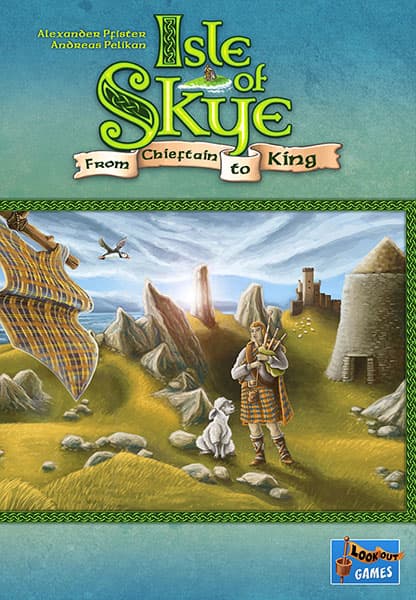
Isle of Skye: From Chieftain to King is a celebrated tile-placement and economic strategy game where players step into the shoes of ambitious clan leaders. Set against the rugged and beautiful backdrop of the Scottish Highlands, the ultimate objective is to expand your territory and accumulate the most victory points to become the rightful King of the Isle. Unlike many traditional tile-laying games, this title introduces a dynamic player-driven economy that ensures no two sessions feel the same. By strategically managing gold and territory, players must navigate a competitive landscape where every decision impacts both their own kingdom and the wealth of their opponents.
The heart of the game lies in its unique auction and pricing system. Each round, players draw three landscape tiles and secretly decide their fate behind a screen. One tile must be discarded using an 'Axe' token, while the remaining two are assigned a gold price from the player's personal reserve. This creates a fascinating risk-reward tension: pricing a tile too low makes it an easy target for rivals to purchase, while pricing it too high forces you to pay that exact amount to the bank if no one else buys it. Once prices are revealed, players take turns purchasing tiles from one another, with the remaining tiles being added to their own expanding kingdoms. Connectivity is crucial, as mountain, grass, and water edges must match perfectly. Whiskey barrels connected to the central castle via roads generate essential income, fueling future bids.
One of the most praised aspects of Isle of Skye is its variable scoring system. From a pool of sixteen different scoring tiles, only four are used in any given game, and their activation rotates through different rounds. This means players must constantly pivot their strategies—one game might reward large bodies of water, while the next focuses on the number of sheep or ships in your territory. The blend of a spatial puzzle with the cutthroat economic interaction of a price-setting auction makes it a standout 'connoisseur' level game that remains accessible to families. It offers deep strategic layers without overstaying its welcome, earning its place as a modern classic in the board gaming world.
2-5 45m⚖️ 2.3

RANK #329
Winner of the prestigious 2023 Spiel des Jahres award, *Dorfromantik: The Board Game* masterfully translates the serene, creative spirit of the beloved video game into a cooperative tabletop experience. In this game, one to six players work together to craft a beautiful, sprawling pastoral landscape from hexagonal tiles. The collective goal is not to defeat opponents, but to harmoniously build a world that fulfills the requests of its tiny inhabitants, aiming to achieve the highest possible score. Players are challenged to think creatively and collaboratively as they lay down tiles featuring forests, grain fields, villages, railways, and streams, constructing an idyllic countryside that grows with every turn.
The gameplay is elegantly simple yet deeply engaging. On each turn, a player draws a landscape tile and adds it to the growing map, ensuring that any streams or train tracks seamlessly connect with existing ones. The core of the game revolves around fulfilling collective "Tasks." These tasks appear on the board and challenge players to connect a specific number of a certain landscape type to that point. Completing these objectives earns valuable points. Beyond these immediate goals, players are also rewarded for creating the longest continuous river and the longest railway line. The game concludes once the last tile is placed, and the final score is tallied from completed tasks, the major routes, and special flag tiles that grant bonuses for enclosing specific areas.
What truly sets *Dorfromantik* apart and makes it a cherished experience is its blend of tranquil, puzzle-like gameplay with a gentle sense of discovery. It is a wonderfully non-confrontational game, perfect for families, couples, or solo players seeking a relaxing yet thoughtful challenge. Its most innovative feature is a replayable "legacy-lite" campaign. As players reach certain score thresholds across multiple games, they unlock new components and rules from sealed boxes. This system gradually introduces new types of tiles, more complex tasks, and additional scoring opportunities, ensuring the game evolves and remains fresh over many sessions. This element of unlocking hidden content provides a delightful sense of progression without permanently altering the game, making it a highly replayable and rewarding journey.
1-6 45m⚖️ 1.3

RANK #3,418
Wispwood
2025Wispwood invites players into a luminous, enchanted woodland where the primary objective is to harness the ethereal glow of magical wisps to guide a wandering cat through the shadows. In this visually striking experience, players act as tenders of the forest, strategically placing light sources to illuminate the dense foliage and create paths that appeal to the feline's natural curiosity. The game strikes a delicate balance between a peaceful, thematic journey and a calculated spatial puzzle. As the forest floor becomes a canvas of color and light, every tile placed serves the dual purpose of expanding the illuminated reaches of the woods and securing the favor of the elusive forest inhabitant. The overarching goal is not just to build a beautiful landscape, but to optimize the placement of these glowing elements to maximize influence over the game's final scoring conditions.
The core gameplay revolves around a drafting board featuring eight distinct positions, each offering a combination of face-up wisp tiles and specific polyomino shapes that range from two to four blocks in size. Over the course of three distinct rounds, players must carefully select their pieces to build out their personal forest tableau. The mechanic of tile-laying is elevated by the presence of conditional scoring elements that change based on goal cards, ensuring that no two sessions feel the same. Between rounds, the forest undergoes a phase of transformation where it fades and expands, forcing players to adapt their long-term strategies to the shifting landscape while maintaining the wisps they have already established. This evolution adds a layer of depth to the drafting process, as players must consider not just the immediate utility of a shape, but how it will interact with future expansions and the ever-changing requirements of the forest's magic.
What truly distinguishes Wispwood from other polyomino-based games is its blend of accessible drafting and surprisingly intricate scoring logic. While the act of placing colorful shapes is intuitive, the high volume of conditional bonuses requires players to maintain a sharp focus on efficiency and spatial planning. The game's appeal lies in its puzzle-like nature, where every decision carries weight, yet the theme remains light and enchanting. Enthusiasts of the genre will appreciate the solo-friendly design and the tactical flexibility required to navigate the drafting board's eight spots. Whether you are navigating solo challenges or competing in a four-player group, the game offers a satisfying progression as your forest grows from a few scattered lights into a radiant, interconnected ecosystem. With its quick playtime and high replayability, it serves as an excellent mid-weight title that rewards both casual play and more intense, analytical approaches to tile optimization.
1-4 45m⚖️ 2.2
RANK #11,619
Flowers
2024In the charming and fast-paced game Flowers, players take on the role of gardeners cultivating their own personal floral displays. This is a clever and puzzle-like tile-placement game where the goal is to score the most points by arranging cards into beautiful monochromatic fields. However, beauty isn't everything; each card also has a numerical value that imposes strict grouping rules that must be met by the end of the game. It’s a delightful challenge of balancing spatial arrangement with numerical constraints, offering a thoughtful experience that blossoms for solo players and small groups alike.
The gameplay loop is deceptively simple. On each turn, a player selects a card from one of three central piles and adds it to their personal garden tableau. This single action is fraught with strategic depth due to the game's dual scoring objectives. To score positive points, cards must belong to a 'field'—a contiguous group of at least five cards of the same color. At the same time, players must plan for the end-game accounting of the numbers printed on the cards. All '4' cards must end up in groups of exactly four, '3's in groups of three, '2's in pairs, and '1's must not be adjacent to any other '1's. Any card that fails to satisfy its numerical grouping requirement is removed from the garden and counts for negative points, creating a tense and engaging puzzle.
Flowers is celebrated for its elegance and remarkable accessibility, with rules that can be taught in just a few minutes, making it an ideal choice for families or as an introductory game. Beneath this simple exterior lies a surprisingly deep and brain-burning challenge. Every card placement is a meaningful decision, forcing players to weigh the immediate benefit of expanding a colorful field against the long-term strategic necessity of satisfying the number groupings. This core tension between two distinct goals makes for a highly replayable and engaging experience, appealing to anyone who enjoys spatial puzzles and compact, clever card games. Its quick playtime and dedicated solo mode further cement its status as a versatile and rewarding filler game.
1-4 15m⚖️ 1.4

RANK #13,724
"Tembo: Survival on the Savanna" invites players to embark on a cooperative journey of immense challenge and strategic depth. In this game, you don't compete against each other but work together as a unified team, guiding a majestic herd of elephants across the perilous African savanna. The ultimate goal is to navigate this vulnerable group through a series of key landmarks, ensuring they find adequate food and water, before reaching a final, safe destination. Success is a collective triumph, but failure is an ever-present threat. The herd's journey can be cut short if they are caught by the relentless lions that stalk the plains, if they run out of time as indicated by the dwindling draw deck, or if they succumb to starvation. This shared objective fosters a rich environment of communication and collaborative problem-solving, making every decision a critical one for the entire group.
The gameplay is driven by a clever and restrictive card-playing system that forms the core of its puzzle. On your turn, you will draw a card and face a simple but profound choice: use the card to expand the savanna, laying down a new piece of terrain for the herd to cross, or use it to add more elephants to your path, extending the line of your migrating herd. This seemingly straightforward decision is complicated by a significant constraint: cards often have a fixed orientation determined by each player's seating position around the table. You cannot simply rotate a piece to fit the perfect spot. This rule transforms the game from a simple tile-laying exercise into a complex spatial puzzle that demands constant discussion, foresight, and adaptive planning among all players to overcome the environmental challenges presented on the board.
The unique appeal of "Tembo" lies in this compelling fusion of accessible, family-friendly rules with a genuinely challenging cooperative puzzle. The restriction on card orientation is a masterstroke of design, forcing players to think from different perspectives and communicate their intentions clearly to forge a viable path forward. This core mechanic ensures that no two games feel exactly alike. Further enhancing its longevity, the game includes options for scaling difficulty to match the players' experience level, a thoughtfully designed solo mode for individual play, and an engaging campaign mode that weaves a longer narrative across multiple sessions. Combined with the evocative and beautiful artwork from celebrated artist Vincent Dutrait, "Tembo" promises a deeply thematic and highly replayable experience for gamers seeking a strategic and heartfelt cooperative adventure.
1-4 45m⚖️ 2.3
Showing 1 to 12 of 15 games