Historical Games
Browse all Historical board games in the Meeple Pulse database.
Styles
Themes
AbstractAdventureAncientAnimalsArtBusinessCard GameCo-operativeComic BookCooperativeCrimeEconomicEnvironmentalismExplorationFantasyHistoricalHorrorHumorIntrigueLiteraryMagicMarvelMedievalModernMuseumMysteryMythologyNatureNauticalPoliticalPress Your LuckSatireSci-FiSocial CommentarySocial InteractionSpaceSuperheroesThematicTravelWarWesternWord-Guessing
Mechanics
3D PlacementActingAction / DexterityAction DraftingAction Point AllowanceAction Point Allowance SystemAction Point SystemAction PointsAction ProgrammingAction QueueAction RetrievalAction SelectionAction/EventAlliancesAlternate ActivationApp-AssistedApp-DrivenArea ControlArea InfluenceArea MajorityArea Majority / InfluenceArea MovementArgumentationAsymmetricAsymmetric FactionsAsymmetric GameAsymmetric PowersAsymmetrical PowersAuction & BiddingAuction/BiddingAuctioningBag BuildingBettingBetting and BluffingBetting and WageringBetting and WagersBiddingBingoBlind BiddingBluffingCampaign / Battle Card DrivenCampaign / LegacyCampaign / Legacy GameCampaign / Mission-basedCampaign / ScenariosCampaign GameCampaign PlayCard DraftingCard DrawingCard DrivenCard Driven ActionCard Driven CombatCard Driven Dice AllocationCard Driven MovementCard ManagementCard PlayCard Play / Hand ManagementCard Play Conflict ResolutionCard SheddingCard-Driven MovementCharacter CreationCharacter ProgressionChit-Pull SystemCo-op PlayCo-operative GameCo-operative PlayCode-breakingCombat ResolutionCombo ChainCommand CardsCommodity SpeculationCommunication LimitsContract FulfillmentContractsCooperative GameCooperative GameplayCooperative PlayCooperative Trick-takingDebateDeck BuildingDeck ConstructionDeck, Bag, and Pool BuildingDeck-BuildingDeductionDexterityDice DraftingDice PlacementDice RollingDiplomatic InfluenceDraftingDynamic Battle SystemEnclosureEnd Game BonusesEngine BuildingEngine-BuildingEscape RoomEvent DrivenExplorationFarmingFlip and WriteFollowFollow ActionGrid CoverageGrid MovementHand ManagementHex-and-CounterHexagon GridHidden MovementHidden RolesI Cut You ChooseIncomeInfluence / Area MajorityLadder ClimbingLegacyLegacy ElementsLegacy GameLegacy SystemLimited CommunicationLine DrawingLine of SightMancalaMap MovementMarketMarket DraftingMarket ManipulationMarket MechanicMarket SpeculationMatchingMeasurement MovementMemoryMission ObjectivesModular BoardModular Board ConstructionMovement TemplatesMulti-Use CardsMulti-use CardsMultiple ScenariosMust FollowNarrative ChoiceNarrative Choice / ParagraphNegotiationNegotiation MechanicsNetwork & Route BuildingNetwork BuildingNetwork and Route BuildingOne vs ManyOne vs. ManyOpen DraftingPaper-and-PencilPartnershipsPattern BuildingPattern RecognitionPick-up and DeliverPlayer EliminationPlayer InteractionPlayer JudgePoint SaladPoint to Point MovementPolyominoesPush Your LuckPush-Your-LuckPuzzlePuzzle-LikePuzzle-SolvingRaceReal-TimeRecipe FulfillmentResource ManagementRole PlayingRole SelectionRoll / Spin and MoveRondelRoute BuildingRoute-BuildingRoute/Network BuildingSanity SystemScenario / Campaign PlayScenario / Mission / Campaign GameScenario / Mission FunctionSecret Unit DeploymentSemi-Cooperative GameSet CollectionSheddingSimulationSimultaneous ActionSimultaneous Action SelectionSimultaneous Hidden AllocationSocial DeductionSocial InteractionSolo / Solitaire GameSpace ExplorationStat Check / Skill CheckStock HoldingStorytellingStrategic PlanningTableau BuildingTactical Decision-MakingTake ThatTargeted CluesTeam PlayTeam-Based GameTeam-Based GuessingTeamworkTech TreesTech Trees / Tech TracksTechnology & Armament TracksTechnology TreeTension & Aggression TracksTile DraftingTile LayingTile PlacementTime TrackTime TravelTower DefenseTrack MovementTradingTrick-takingTug of WarTurn Order: PassTurn Order: Stat-BasedUnit PlacementVariable Phase OrderVariable Player PowersVariable Set-upVariable SetupVictory Point TracksVotingWord AssociationWord GameWord GuessingWord-GuessingWord-guessingWordplayWorker Placement
RANK #1
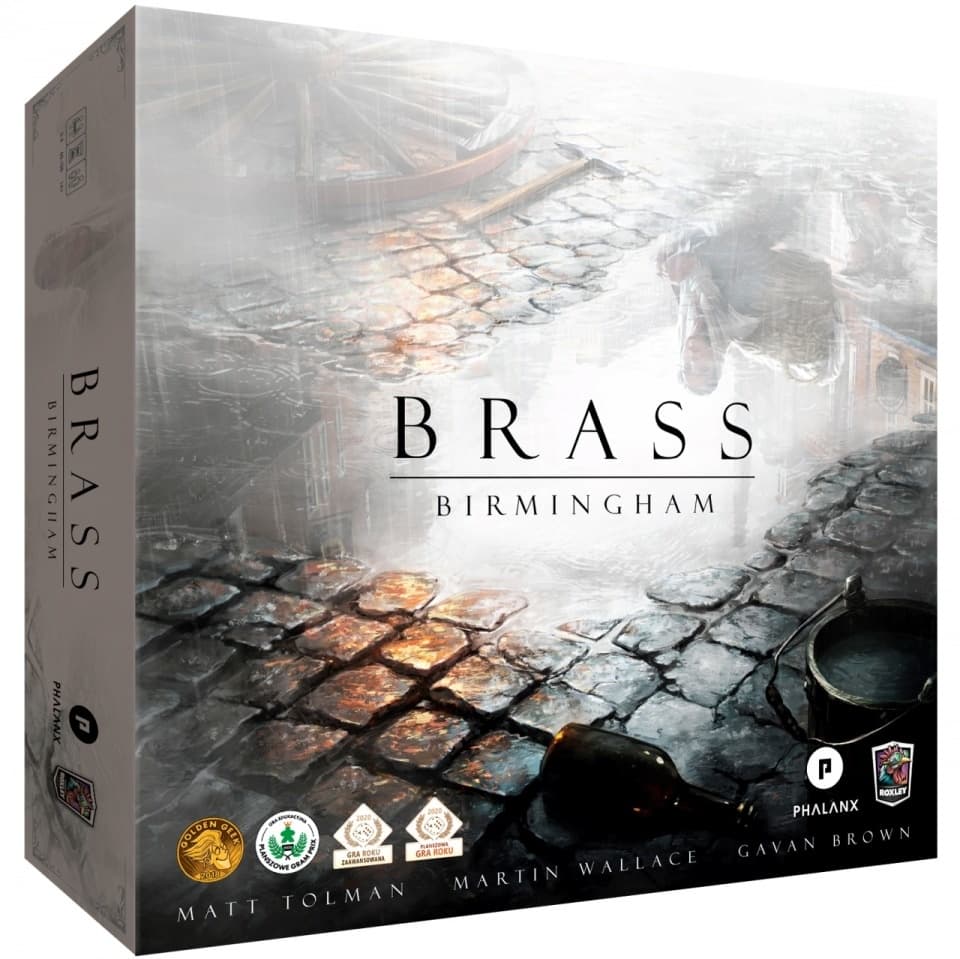
Step into the sooty, vibrant heart of England's Industrial Revolution with Brass: Birmingham, a masterful economic strategy game that casts players as ambitious entrepreneurs vying for industrial dominance. Set against the backdrop of a transformative era, you will embark on a compelling journey to forge a powerful empire, shaping the landscape and economy of Birmingham through two distinct historical periods: the Canal Era and the more advanced Rail Era. This is a game where vision, resourcefulness, and strategic foresight determine who will rise as the preeminent industrialist.
At its core, Brass: Birmingham is a meticulous ballet of economic expansion and shrewd resource management. Players will lay down the foundations of industry, establishing essential coal mines, ironworks, and lucrative cotton mills, potteries, and breweries across a sprawling map of key locations. Success hinges on not only building these enterprises but also efficiently connecting them through an intricate network of canals and railways, facilitating the crucial flow of resources and finished goods. The ingenious 'flipping' mechanism is central: once a product is sold, the underlying industry tile is flipped, revealing its true value and generating vital income or victory points, creating a compelling loop of investment and profit. Balancing the high costs of construction with the constant need for capital, often through carefully managed loans, adds a layer of intense financial pressure and strategic depth.
The strategic depth of Brass: Birmingham evolves dramatically through its two eras, demanding adaptability and long-term vision from even the most seasoned players. As the game progresses, new technologies emerge, altering construction costs and market dynamics, forcing players to continually re-evaluate their strategies and pivot their industrial focus. While individual turns might seem straightforward, the profound interplay between players creates a highly competitive, yet largely indirect, environment. Every canal built, every resource consumed, and every market accessed by one player impacts the opportunities available to others, fostering a constant strategic dance. This interwoven competition, combined with varied scoring opportunities and deeply interconnected mechanics, ensures that no two games ever feel the same, offering immense replayability and a truly satisfying intellectual challenge.
Brass: Birmingham stands as a pinnacle of modern economic strategy, celebrated for its elegant design, immersive thematic depth, and profound strategic nuance. It’s a sophisticated game for thinkers who relish complex decision-making, appreciate intricate economic systems, and thrive on outmaneuvering rivals with subtle yet impactful moves. Prepare to immerse yourself in the gritty glory of industrial progress, where every well-placed industry and every timely sale can tip the scales of fortune and cement your legacy.
2-4 90m⚖️ 3.9
RANK #15
Embark on a captivating strategic journey to cultivate your own flourishing principality in medieval Burgundy with this acclaimed 2011 board game. Players skillfully roll dice to acquire and place hex tiles, meticulously developing their estates by building settlements, raising livestock, mining silver, or engaging in trade. Every decision shapes your domain, demanding clever resource management and tactical foresight to accumulate victory points. "The Castles of Burgundy" offers a deeply engaging and satisfying tile-placement experience, rewarding careful planning and adaptability, making it a timeless classic for strategy board game enthusiasts seeking depth and replayability.
m⚖️ N/A
RANK #23
Dive into the cutthroat world of the English Industrial Revolution with Brass: Lancashire, the seminal 2007 economic strategy game where shrewd entrepreneurs vie for dominance across the historic landscape. Players will strategically expand their industrial empire by building canals, establishing crucial rail links, and developing key industries like cotton mills, coal mines, and iron works. Managing cash flow, leveraging market demands, and outmaneuvering rivals are paramount as you invest, produce, and sell resources to secure victory points, making every decision a pivotal step towards becoming the wealthiest industrialist in Lancashire.
m⚖️ N/A
BoxNo Cover Art
RANK #99
Fields of Arle
2014Fields of Arle immerses you in the challenging yet rewarding life of a farming family in 18th-century East Frisia. In this masterwork by acclaimed designer Uwe Rosenberg, players are tasked with developing a modest plot of land into a thriving and prosperous homestead. Over the course of four and a half years, you will shape the very landscape, manage livestock, and craft valuable goods. The game is a deeply thematic and strategic experience where the ultimate goal is to accumulate the most victory points by building a diverse and efficient agricultural engine, demonstrating your family's success through the tangible growth of your farmstead and the wealth of goods you've produced.
The gameplay is centered around a robust worker placement system that unfolds over nine rounds, each representing a half-season of either summer or winter. Each season offers a distinct set of actions, from plowing fields and shearing sheep in the summer to breeding animals and weaving cloth in the winter. Players strategically place their family members on action spaces to manage every aspect of their farm. This includes draining moors to create new pastures, building dikes to protect land from floods, raising cattle and horses, and constructing an array of buildings that provide crucial new abilities. A clever mechanic allows a player to perform an off-season action once per round, but this flexibility comes at the cost of giving up the first-player advantage, adding another layer of tactical decision-making.
What makes Fields of Arle a beloved classic among strategy gamers is its incredible depth and the sandbox-style freedom it offers. It is a quintessential heavy Eurogame, specifically tailored for a one or two-player experience, complete with a rich and engaging solo mode. There is no single prescribed path to victory; players can focus on animal husbandry, crop cultivation, trade, or building construction, leading to immense replayability as you explore different strategies with each playthrough. The satisfaction of watching your personal player board transform from barren land into a complex, bustling farm is a core part of its appeal, offering a deeply rewarding journey for those who enjoy intricate, low-interaction engine-building puzzles.
1-2 90m⚖️ 3.9

RANK #140
Age of Steam
2002Age of Steam is a legendary and famously unforgiving economic game that places players in the roles of pioneering railroad barons during the 19th-century American industrial boom. The objective is not merely to build a vast network, but to operate it profitably and end with the most victory points. Players must navigate a landscape of fierce competition and razor-thin budgets, where a single poor decision can lead to financial ruin. The game is celebrated for its strategic depth and high level of interaction, demanding careful planning and a willingness to interfere with your opponents' grand designs.
Gameplay unfolds over a series of rounds, each comprising ten distinct phases that create a tense and challenging rhythm. The proceedings begin with players having the difficult choice to issue shares, taking on debt for immediate capital but incurring penalties and ongoing expenses. What follows is a critical auction for turn order, as going first provides a significant advantage in selecting powerful special actions and claiming prime track locations. The heart of the game involves players laying track tiles to build out their rail networks, connecting cities and resources. This phase is intensely interactive, as track can be used to block competitors from lucrative routes. Finally, players move goods cubes along their established lines to cities of a matching color, earning income based on the length of the delivery. This core loop of financing, bidding, building, and delivering is the engine that drives the entire experience.
The true genius and appeal of Age of Steam lies in its brutal economic simulation. After earning income, players must immediately pay for their network's maintenance and the interest on all their issued shares. Failure to cover these costs results in a devastating loss of income, creating a potential death spiral of debt. This constant financial pressure forces players into a delicate balancing act between aggressive expansion and fiscal responsibility. It fosters a 'cutthroat' atmosphere where every dollar and every track placement matters immensely. This demanding, high-stakes environment is precisely why strategic gamers revere it; victory in Age of Steam is a hard-won achievement that feels deeply rewarding.
1-6 120m⚖️ 3.9

RANK #143
Nucleum
2023Welcome to an alternate 19th-century Saxony, where the invention of the 'Nucleum' has ushered in a new age of nuclear power and industrial might. In this heavy eurogame, players assume the roles of ambitious industrialists seeking to shape this revolution and build a powerful economic empire. Your primary goal is to become the most influential businessperson by amassing victory points. This is accomplished by strategically building a vast rail network, constructing a variety of urban buildings, establishing crucial infrastructure like mines and turbines, fulfilling lucrative state contracts, and, most importantly, powering your completed structures by harnessing the incredible energy of the atom. Success demands careful long-term planning, shrewd resource management, and the ability to capitalize on the rapidly changing landscape of this new era.
Nucleum features a dynamic and continuous gameplay loop without distinct rounds or phases. On your turn, you must choose one of three possible actions, creating a constant tension between personal development and expanding your influence on the shared map. You can play an action tile to your personal board to perform its powerful actions, such as constructing new buildings or acquiring contracts. Alternatively, you can use that same tile to build a section of railway on the main board, connecting two cities and expanding your network presence with a worker. This action is highly interactive, as tile colors can trigger bonus actions for both you and your opponents. Your third option is to 'recharge', which allows you to retrieve all previously played action tiles from your board while also collecting income and new workers. A central challenge of the game is energizing your buildings, a complex logistical puzzle that requires you to transport coal or uranium from a source, through a power plant, and to the target building via a completed rail network, which can be owned by any player.
Nucleum's appeal lies in its deep, strategic gameplay and clever integration of mechanics, offering a rewarding experience for fans of complex economic games. The dual-use action tiles present a persistent and fascinating dilemma, forcing players to weigh the immediate benefits of powerful board actions against the long-term strategic value of network expansion. The game fosters significant player interaction without direct conflict; players compete for limited space, use each other's networks, and can even trigger benefits for rivals, making the board state feel alive and constantly evolving. This intricate dance of route-building, action selection, and resource logistics creates a satisfying and brain-burning puzzle that has drawn favorable comparisons to heavy-hitting classics like *Brass* and *Barrage*. Its dedicated solo mode also ensures a compelling challenge for individual players.
1-4 150m⚖️ 4.3
RANK #230
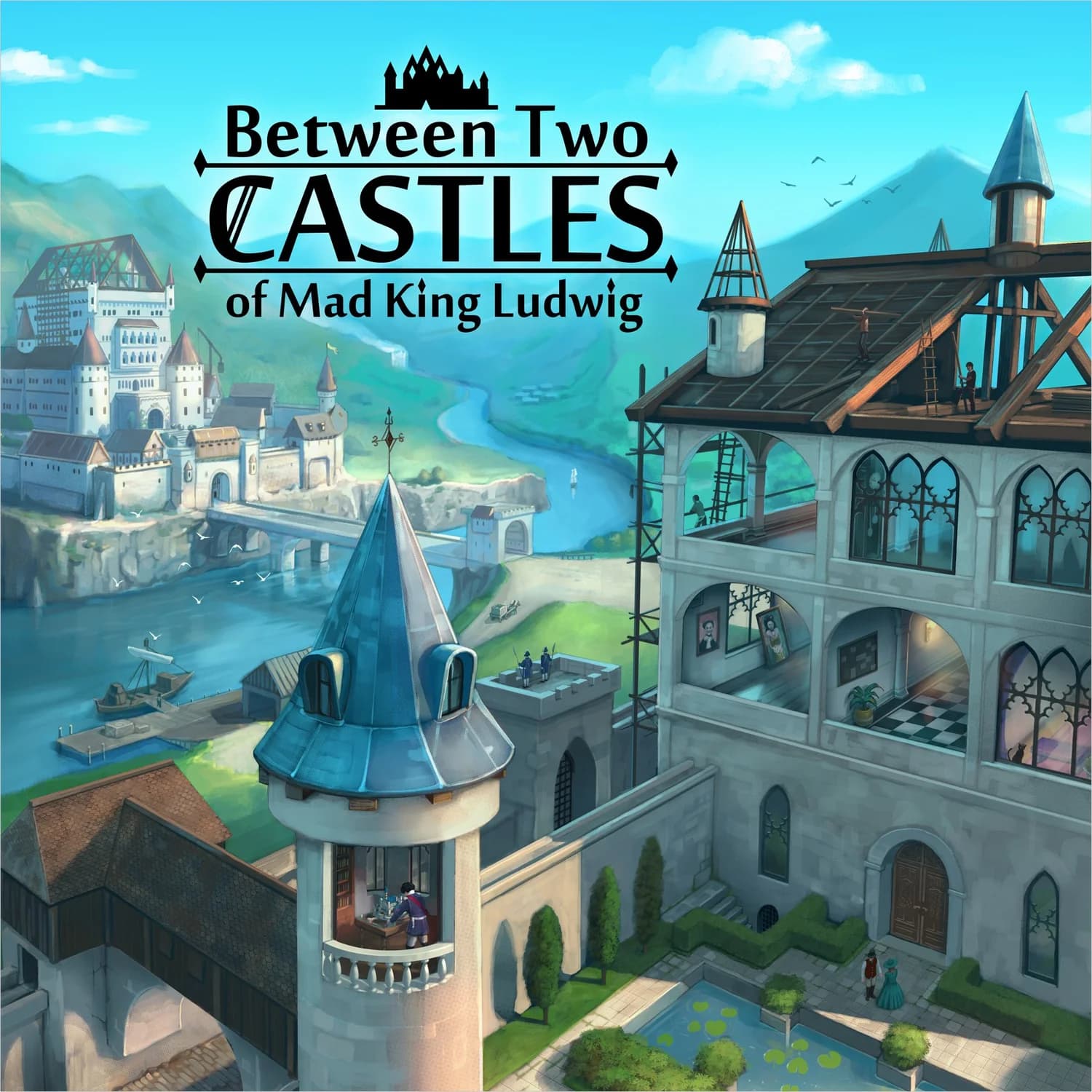
In "Castles of Mad King Ludwig," players enter the whimsical world of 19th-century Bavaria, tasked with building a magnificent castle for the eccentric King Ludwig II. As master architects, you compete to design the most impressive and valuable structure. This tile-laying game is a clever blend of spatial reasoning and economic management, where the ultimate goal is to earn the most victory points. Points are awarded for constructing specific room types, fulfilling the king's public demands, known as 'King's Favors', and achieving personal, secret objectives. Each player will finish the game with a completely unique, sprawling castle, a physical representation of their strategic decisions and architectural vision, all in the service of pleasing a very particular monarch.
The game's central pillar is its innovative 'Master Builder' mechanic. Each round, one player takes on this role, drawing a selection of room tiles and individually pricing them for the other players. In turn, opponents may purchase one room tile, paying the cost directly to the Master Builder. This creates a tense and engaging pricing dilemma: ask too much, and you'll earn nothing; ask too little, and your rivals will get a steal. The Master Builder takes the last available room but must pay their own listed price to the bank. Once a room is acquired, it's immediately added to the player's personal castle layout, connecting to other rooms via doorways. Judicious placement is key, as rooms can grant or cost points based on what they're adjacent to. Furthermore, completing a room by connecting all its entrances triggers a valuable bonus based on its type, which could be anything from extra cash to an immediate second turn.
The enduring appeal of "Castles of Mad King Ludwig" lies in this constant, engaging player interaction driven by the market and the deeply satisfying spatial puzzle of castle construction. The Master Builder system ensures every player is invested in every turn, evaluating prices and anticipating others' needs. The challenge of optimizing your layout—placing a Dining Room near a Kitchen for bonus points while avoiding placing an Activity Room near a Sleeping Room—is a delightful puzzle. With variable public goals, a huge stack of unique room tiles, and secret bonus cards, no two games are ever the same, offering immense replayability. Watching your nonsensical yet functional castle take shape is a wonderfully thematic and rewarding experience that has cemented the game's status as a modern classic in the genre.
1-4 90m⚖️ 2.7
RANK #240
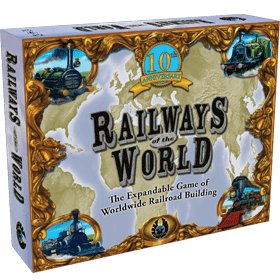
Originally released as Railroad Tycoon, Railways of the World is a quintessential 'train game' that tasks players with building the most successful and profitable railway empire. A more approachable and streamlined version of Martin Wallace's heavier game, Age of Steam, it challenges players to become titans of the 19th-century railroad industry. The goal is to accumulate the most victory points by the end of the game, which are primarily earned by making lucrative deliveries of goods between burgeoning cities. Players must balance aggressive expansion and operational efficiency, managing their finances carefully to lay track, upgrade their locomotives, and fulfill valuable contracts before their rivals can claim them.
The gameplay is structured over a series of rounds, each containing three distinct phases. First, players participate in a crucial auction to determine the turn order for the round, a phase where bidding aggressively can grant a significant strategic advantage. Next is the action phase, the heart of the game, where players take turns performing actions like building track tiles to expand their network across the hex-grid map, upgrading their engines to haul goods over longer distances, and delivering goods cubes by picking them up from one city and moving them to another along their connected routes. A key interactive element is that players can use their opponents' tracks for a delivery, but the track owner earns the points for that portion of the journey. Players can also take on debt by issuing bonds to gain an immediate influx of cash, but this will cost them income and victory points later on.
Railways of the World is beloved for its grand scale and high level of player interaction, which keeps all participants engaged throughout the game. The auction mechanism ensures tense decisions from the very start of each round, while the shared network system creates indirect competition and strategic dilemmas. Do you build a critical link that an opponent might exploit, or do you focus on a more isolated, personal network? This blend of economic management, route optimization, and tactical bidding creates a deeply satisfying and highly replayable experience. With its impressive table presence and the tangible reward of watching your rail network snake across the board, it has cemented its status as a masterpiece in the economic strategy genre.
2-6 120m⚖️ 3.2
RANK #243
Ora et Labora
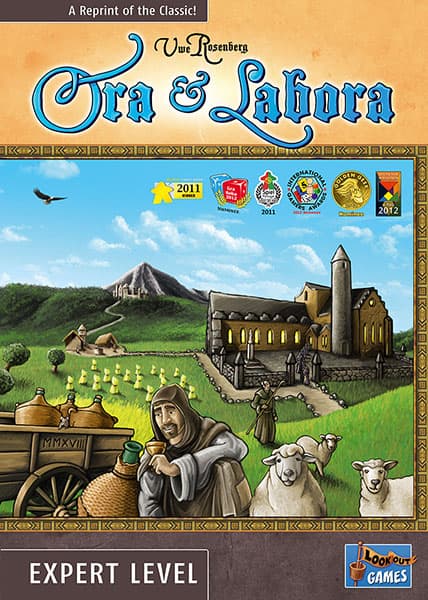
2011In *Ora et Labora*, Latin for 'Pray and Work', players step into the shoes of a monastic leader during the medieval era, tasked with expanding a small priory into a thriving and prosperous domain. Designed by the acclaimed Uwe Rosenberg, this game challenges players to skillfully manage resources, land, and labor to construct a powerful economic engine. The ultimate goal is to accumulate the most wealth and victory points by building an impressive landscape of buildings and settlements, proving your monastery to be the most industrious and prestigious. The game is a heavyweight strategic experience, demanding careful planning and foresight from its very first turn.
The gameplay revolves around a sophisticated blend of worker placement and resource management, elevated by several unique mechanical twists. Each player commands three clergymen who are placed on building cards to activate production or conversion actions. A key strategic consideration is that once a worker is placed, they cannot be used again until all three have been deployed. Players can also pay opponents to use their buildings, creating a layer of player interaction. A central feature is the innovative production wheel, which dictates the availability of basic resources each round. Instead of simply accumulating tokens, players must time their actions to gather goods when the wheel shows a high supply. These raw materials are then funneled through an intricate network of buildings to create refined goods like books, relics, and spirits, showcasing a deeply satisfying engine-building core.
*Ora et Labora* is celebrated by strategy gamers for its immense depth and high replayability. The spatial puzzle of arranging buildings on your personal landscape is a critical and engaging challenge; placement matters not only for optimizing your production chains but also for maximizing the scoring of settlements. The game further enhances its longevity by including two distinct scenarios, France and Ireland, which feature different buildings and resources, demanding new strategies with each playthrough. This combination of deep engine-building, a clever resource system, and a demanding spatial element makes *Ora et Labora* a classic and rewarding experience for those who relish complex, 'big box' eurogames.
1-4 120m⚖️ 4.3

RANK #300
Set in the vibrant heart of the Italian Renaissance, The Princes of Florence invites players to step into the shoes of ambitious aristocrats during the 15th century. Your primary objective is to transform your local estate into a beacon of cultural excellence, attracting the finest artists, scholars, and scientists of the age to create masterpieces. Through careful planning and strict economic management, players compete for prestige by facilitating the creation of magnificent works. The game is celebrated for its tight balance between building a sustainable financial engine and pursuing pure victory points, perfectly mirroring the real-world tension of historical patronage where art requires both high-minded passion and cold, hard florins.
The gameplay unfolds over seven structured rounds, each consisting of an intense auction followed by a strategic action phase. During the auction, players bid on essential resources like landscapes, jesters, and builders, though there is a critical catch: you can only win one item per round, and the availability is strictly limited. Once the bidding settles, players use two actions to develop their estates. You might choose to place polyomino building tiles on your grid, grant social freedoms, or recruit new talent via profession cards. The core challenge involves fulfilling 'Work' cards by meeting specific environmental requirements—such as having a certain building or freedom—which generates a numerical value. You must then decide whether to convert this value into money for future investments or prestige points to climb the leaderboard.
What distinguishes this title from other classic Eurogames is its remarkable mathematical elegance and high level of player interaction through the bidding process. It offers a puzzle-like experience as you attempt to fit Tetris-style buildings into a cramped estate board while timing your auctions perfectly to outmaneuver rivals. The game demands foresight, as the requirements to satisfy your artists increase in difficulty every round. Because every florin and every square inch of your estate matters, the game provides a deeply satisfying sense of accomplishment when a complex strategy finally pays off. It remains a foundational title for enthusiasts who enjoy economic efficiency and tight competition, offering a masterclass in how simple rules can create profound strategic depth.
1-5 90m⚖️ 3.2

RANK #346
Speakeasy
2025Speakeasy, designed by the legendary Vital Lacerda and illustrated by Ian O'Toole, transports players back to the roaring 1920s during the height of the Prohibition era in New York City. In this high-stakes economic strategy game, players step into the shoes of ambitious mobsters looking to capitalize on the illegal alcohol trade by establishing and managing a network of underground bars known as speakeasies. The primary objective is to accumulate the most wealth and influence by the end of the game, navigating a treacherous landscape of rival gangs, fluctuating supply lines, and the ever-present threat of federal intervention. As the city pulsates with jazz and clandestine activity, you must strategically expand your empire across various Manhattan neighborhoods, ensuring your operations remain profitable while outmaneuvering your opponents in a quest for dominance over the Big Apple's nightlife.
The gameplay of Speakeasy is characterized by Lacerda's signature mechanical depth and intricate interconnectedness. Central to the experience is a sophisticated worker placement and card-driven system that requires players to carefully manage their hand of action cards to deploy henchmen and specialists across the city. You will be tasked with acquiring permits, securing bootlegged liquor, and upgrading your modest gin joints into opulent, high-society establishments that attract more prestigious clientele. Notable mechanics include an area majority system where controlling specific districts provides unique bonuses and influence, as well as a dynamic police track that represents the rising 'heat' from the authorities. Players must balance their aggressive expansion with bribes and political maneuvering to avoid raids that could shutter their businesses. The game also features a rich economic engine where resources must be converted efficiently into victory points and cold hard cash, all while keeping a close eye on the shifting demands of the illicit market.
What sets Speakeasy apart and makes it a highly anticipated title for board game enthusiasts is its masterful blend of thematic immersion and heavy strategic challenge. The synergy between Lacerda's complex systems and Ian O'Toole's stunning, era-appropriate graphic design creates a tabletop experience that is both visually captivating and intellectually demanding. Fans of the genre love the puzzle-like nature of the game, where every decision has long-term consequences and the path to victory requires meticulous planning several turns in advance. The game offers a high degree of replayability through its various setup configurations and the tactical depth required to respond to opponents' moves. Furthermore, the way the game simulates the tension of the Prohibition era—balancing the glamour of the jazz age with the gritty reality of organized crime—provides a narrative richness that is rarely seen in such heavy Euro-style games. It is a definitive heavy strategy title that rewards deep thought and offers a rewarding experience for those who enjoy sinking their teeth into a truly substantial gaming project.
1-4 150m⚖️ 4.6
RANK #850
Arkwright
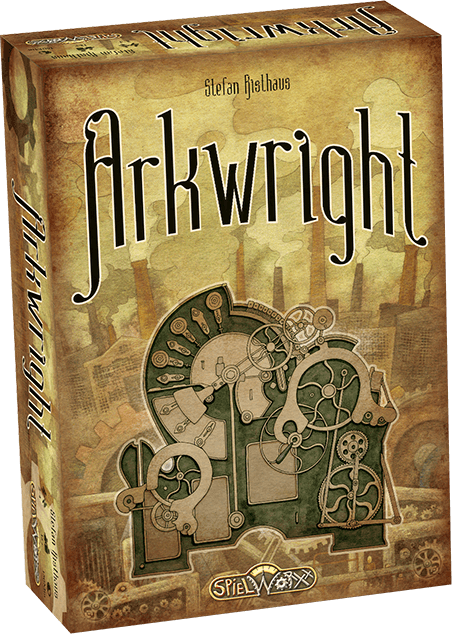
2014Arkwright thrusts players into the heart of the 18th-century Industrial Revolution, casting them as pioneering entrepreneurs in England. This is a deeply strategic and weighty economic simulation where the ultimate measure of success is not merely accumulating cash, but skillfully increasing the value of your company's shares. Players must navigate the birth of modern industry, building a commercial empire from the ground up. The goal is to become the most respected and valuable business magnate of the era, proving your acumen in a fiercely competitive environment. It’s a game about foresight, long-term planning, and understanding the intricate dance between production, labor, and the burgeoning stock market.
The gameplay unfolds over five 'decades', each representing a distinct phase of industrial growth. Each round, players select actions from an administration board, a core mechanic that blends worker placement with strategic resource allocation. These actions are the engine of your enterprise: you will build and modernize up to four factories dedicated to producing essential goods like cloth, cutlery, lamps, or bread. Managing these factories requires a delicate balance. You must hire workers, invest in new machinery to boost efficiency and quality, and, most crucially, set the price for your products. The game features a dynamic market where consumer demand fluctuates and an automated importer provides constant competition, forcing you to carefully consider your pricing strategy to outsell rivals and maximize profits.
What makes Arkwright a celebrated title among serious gamers is its uncompromised complexity and rewarding depth. It is a true 'brain-burner' that challenges players to manage multiple interconnected systems simultaneously. The genius lies in how every decision—from firing a worker to buying a single share of your own stock—has cascading effects on your entire operation and market position. Successfully selling goods directly translates into a higher share price, creating a satisfying feedback loop that rewards efficiency and shrewd market manipulation. The game also offers built-in scalability with its "Spinning Jenny" and "Waterframe" modules, allowing groups to choose between a slightly more streamlined experience or the full, intricate simulation. It’s this challenging but fair economic puzzle that gives Arkwright its immense replayability and enduring appeal.
2-4 180m⚖️ 4.7
Showing 1 to 12 of 16 games