Tile Placement Games
Browse all Tile Placement board games in the Meeple Pulse database.
Styles
Themes
AbstractAdventureAncientAnimalsArtBusinessCard GameCo-operativeComic BookCooperativeCrimeEconomicEnvironmentalismExplorationFantasyHistoricalHorrorHumorIntrigueLiteraryMagicMarvelMedievalModernMuseumMysteryMythologyNatureNauticalPoliticalPress Your LuckSatireSci-FiSocial CommentarySocial InteractionSpaceSuperheroesThematicTravelWarWesternWord-Guessing
Mechanics
3D PlacementActingAction / DexterityAction DraftingAction Point AllowanceAction Point Allowance SystemAction Point SystemAction PointsAction ProgrammingAction QueueAction RetrievalAction SelectionAction/EventAlliancesAlternate ActivationApp-AssistedApp-DrivenArea ControlArea InfluenceArea MajorityArea Majority / InfluenceArea MovementArgumentationAsymmetricAsymmetric FactionsAsymmetric GameAsymmetric PowersAsymmetrical PowersAuction & BiddingAuction/BiddingAuctioningBag BuildingBettingBetting and BluffingBetting and WageringBetting and WagersBiddingBingoBlind BiddingBluffingCampaign / Battle Card DrivenCampaign / LegacyCampaign / Legacy GameCampaign / Mission-basedCampaign / ScenariosCampaign GameCampaign PlayCard DraftingCard DrawingCard DrivenCard Driven ActionCard Driven CombatCard Driven Dice AllocationCard Driven MovementCard ManagementCard PlayCard Play / Hand ManagementCard Play Conflict ResolutionCard SheddingCard-Driven MovementCharacter CreationCharacter ProgressionChit-Pull SystemCo-op PlayCo-operative GameCo-operative PlayCode-breakingCombat ResolutionCombo ChainCommand CardsCommodity SpeculationCommunication LimitsContract FulfillmentContractsCooperative GameCooperative GameplayCooperative PlayCooperative Trick-takingDebateDeck BuildingDeck ConstructionDeck, Bag, and Pool BuildingDeck-BuildingDeductionDexterityDice DraftingDice PlacementDice RollingDiplomatic InfluenceDraftingDynamic Battle SystemEnclosureEnd Game BonusesEngine BuildingEngine-BuildingEscape RoomEvent DrivenExplorationFarmingFlip and WriteFollowFollow ActionGrid CoverageGrid MovementHand ManagementHex-and-CounterHexagon GridHidden MovementHidden RolesI Cut You ChooseIncomeInfluence / Area MajorityLadder ClimbingLegacyLegacy ElementsLegacy GameLegacy SystemLimited CommunicationLine DrawingLine of SightMancalaMap MovementMarketMarket DraftingMarket ManipulationMarket MechanicMarket SpeculationMatchingMeasurement MovementMemoryMission ObjectivesModular BoardModular Board ConstructionMovement TemplatesMulti-Use CardsMulti-use CardsMultiple ScenariosMust FollowNarrative ChoiceNarrative Choice / ParagraphNegotiationNegotiation MechanicsNetwork & Route BuildingNetwork BuildingNetwork and Route BuildingOne vs ManyOne vs. ManyOpen DraftingPaper-and-PencilPartnershipsPattern BuildingPattern RecognitionPick-up and DeliverPlayer EliminationPlayer InteractionPlayer JudgePoint SaladPoint to Point MovementPolyominoesPush Your LuckPush-Your-LuckPuzzlePuzzle-LikePuzzle-SolvingRaceReal-TimeRecipe FulfillmentResource ManagementRole PlayingRole SelectionRoll / Spin and MoveRondelRoute BuildingRoute-BuildingRoute/Network BuildingSanity SystemScenario / Campaign PlayScenario / Mission / Campaign GameScenario / Mission FunctionSecret Unit DeploymentSemi-Cooperative GameSet CollectionSheddingSimulationSimultaneous ActionSimultaneous Action SelectionSimultaneous Hidden AllocationSocial DeductionSocial InteractionSolo / Solitaire GameSpace ExplorationStat Check / Skill CheckStock HoldingStorytellingStrategic PlanningTableau BuildingTactical Decision-MakingTake ThatTargeted CluesTeam PlayTeam-Based GameTeam-Based GuessingTeamworkTech TreesTech Trees / Tech TracksTechnology & Armament TracksTechnology TreeTension & Aggression TracksTile DraftingTile LayingTile PlacementTime TrackTime TravelTower DefenseTrack MovementTradingTrick-takingTug of WarTurn Order: PassTurn Order: Stat-BasedUnit PlacementVariable Phase OrderVariable Player PowersVariable Set-upVariable SetupVictory Point TracksVotingWord AssociationWord GameWord GuessingWord-GuessingWord-guessingWordplayWorker Placement
RANK #1
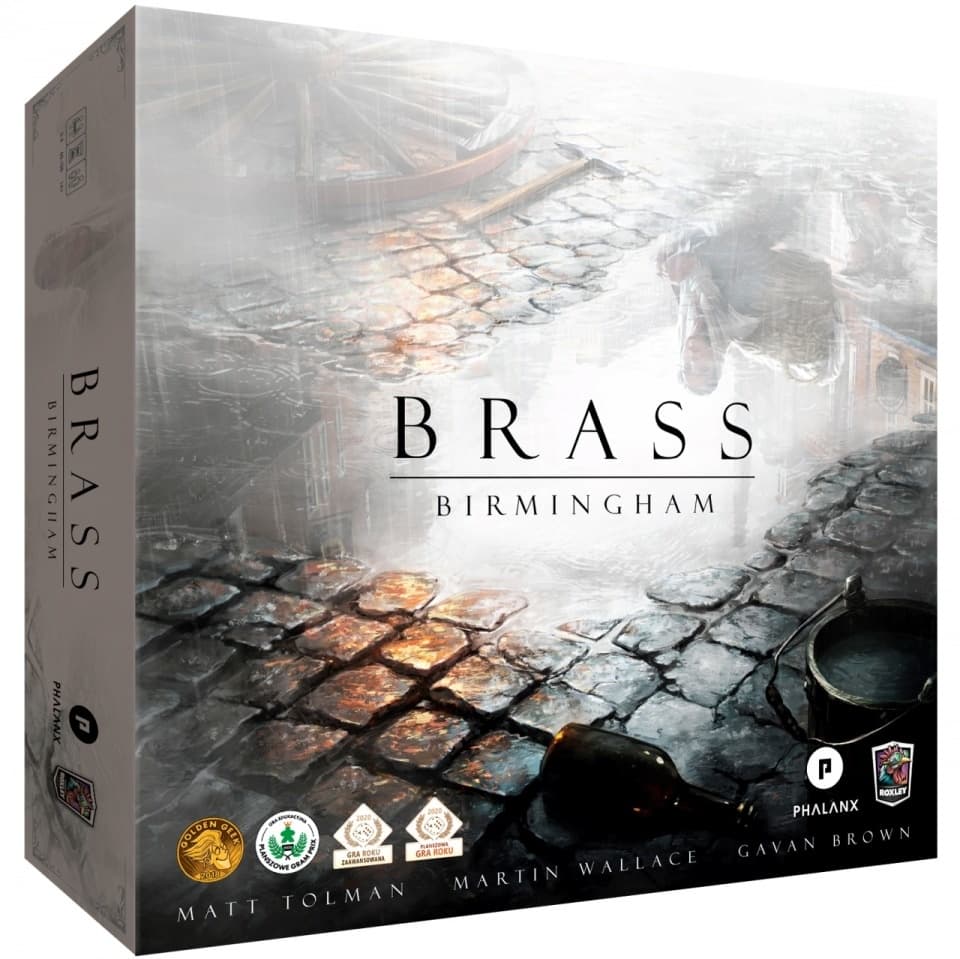
Step into the sooty, vibrant heart of England's Industrial Revolution with Brass: Birmingham, a masterful economic strategy game that casts players as ambitious entrepreneurs vying for industrial dominance. Set against the backdrop of a transformative era, you will embark on a compelling journey to forge a powerful empire, shaping the landscape and economy of Birmingham through two distinct historical periods: the Canal Era and the more advanced Rail Era. This is a game where vision, resourcefulness, and strategic foresight determine who will rise as the preeminent industrialist.
At its core, Brass: Birmingham is a meticulous ballet of economic expansion and shrewd resource management. Players will lay down the foundations of industry, establishing essential coal mines, ironworks, and lucrative cotton mills, potteries, and breweries across a sprawling map of key locations. Success hinges on not only building these enterprises but also efficiently connecting them through an intricate network of canals and railways, facilitating the crucial flow of resources and finished goods. The ingenious 'flipping' mechanism is central: once a product is sold, the underlying industry tile is flipped, revealing its true value and generating vital income or victory points, creating a compelling loop of investment and profit. Balancing the high costs of construction with the constant need for capital, often through carefully managed loans, adds a layer of intense financial pressure and strategic depth.
The strategic depth of Brass: Birmingham evolves dramatically through its two eras, demanding adaptability and long-term vision from even the most seasoned players. As the game progresses, new technologies emerge, altering construction costs and market dynamics, forcing players to continually re-evaluate their strategies and pivot their industrial focus. While individual turns might seem straightforward, the profound interplay between players creates a highly competitive, yet largely indirect, environment. Every canal built, every resource consumed, and every market accessed by one player impacts the opportunities available to others, fostering a constant strategic dance. This interwoven competition, combined with varied scoring opportunities and deeply interconnected mechanics, ensures that no two games ever feel the same, offering immense replayability and a truly satisfying intellectual challenge.
Brass: Birmingham stands as a pinnacle of modern economic strategy, celebrated for its elegant design, immersive thematic depth, and profound strategic nuance. It’s a sophisticated game for thinkers who relish complex decision-making, appreciate intricate economic systems, and thrive on outmaneuvering rivals with subtle yet impactful moves. Prepare to immerse yourself in the gritty glory of industrial progress, where every well-placed industry and every timely sale can tip the scales of fortune and cement your legacy.
2-4 90m⚖️ 3.9
RANK #2
Ark Nova
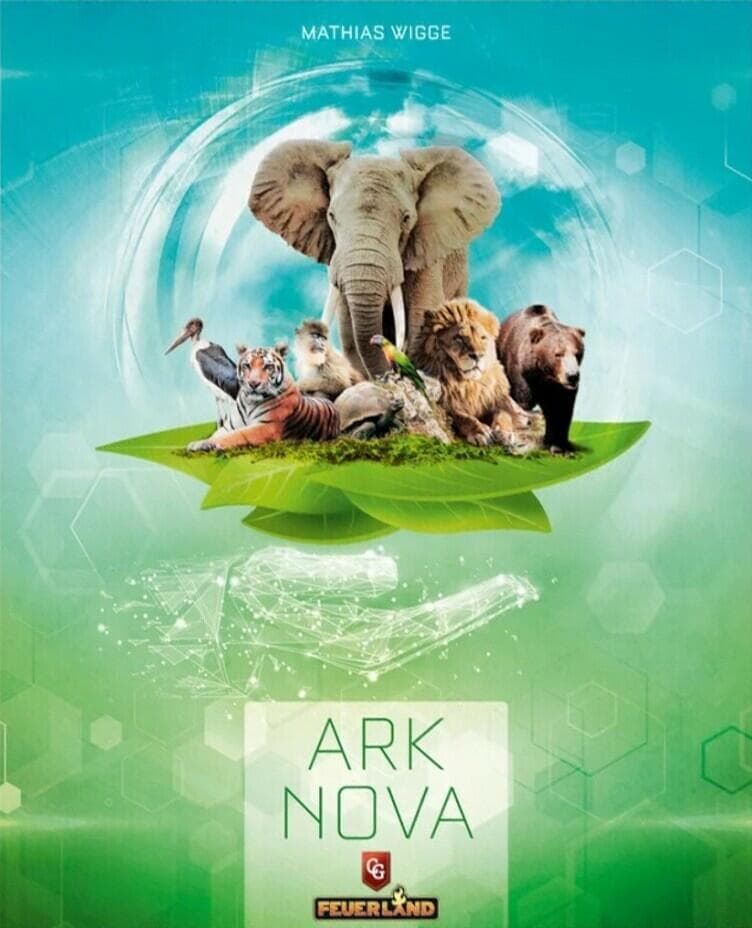
2021Embark on a thrilling adventure with Ark Nova, a strategic board game designed for 1-4 players. This immersive experience typically lasts around 120 minutes, offering a rich and engaging gameplay session. Players take on the role of zoo administrators, tasked with building and managing their own zoos while competing to attract visitors and earn prestige points. The game features a unique blend of hand management, tile placement, variable player powers, action programming, and set collection mechanics, providing a challenging and rewarding experience for players of all skill levels. As you navigate the complexities of zoo management, you'll need to balance resource allocation, exhibit design, and animal care while also navigating the cutthroat world of zoo politics. With its engaging theme, intricate gameplay, and high replayability, Ark Nova is an excellent choice for fans of strategic board games looking for a new challenge.
1-4 120m⚖️ 3.8
RANK #9
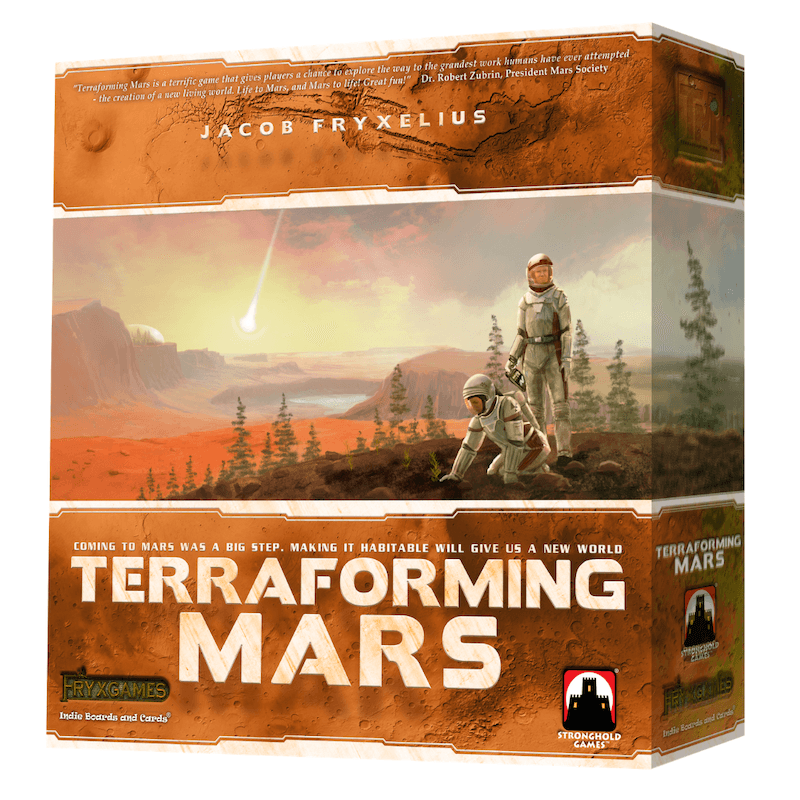
Embark on an epic interstellar journey in the highly acclaimed 2016 strategy board game, Terraforming Mars. As the leader of a powerful corporation, your mission is to transform the red planet into a verdant, oxygen-rich world capable of sustaining human life. Through innovative engine-building, strategic resource management, and the judicious use of unique project cards, players will raise global temperature, create oceans, and cultivate widespread plant life, all while competing to leave the most significant mark on humanity's greatest colonization endeavor. This deep, tactical sci-fi experience challenges players to adapt, plan ahead, and master complex synergies to achieve planetary domination and secure the future of mankind.
m⚖️ N/A
RANK #13
Gaia Project
2017Gaia Project, the acclaimed 2017 strategy board game, challenges players to lead one of fifteen unique alien factions in a grand cosmic race for galactic supremacy. Expertly terraform planets to suit your species' specific needs, leveraging powerful engine building, astute resource management, and strategic space colonization to expand your empire. Every decision is critical, from researching advanced technologies to developing specialized structures, as you navigate a dynamic star map and outmaneuver rivals. This deeply engaging sci-fi experience offers unparalleled replayability and a profound tactical challenge for enthusiasts of competitive, cerebral strategy games.
m⚖️ N/A
RANK #15
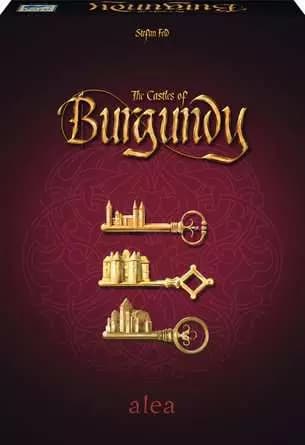
Embark on a captivating strategic journey to cultivate your own flourishing principality in medieval Burgundy with this acclaimed 2011 board game. Players skillfully roll dice to acquire and place hex tiles, meticulously developing their estates by building settlements, raising livestock, mining silver, or engaging in trade. Every decision shapes your domain, demanding clever resource management and tactical foresight to accumulate victory points. "The Castles of Burgundy" offers a deeply engaging and satisfying tile-placement experience, rewarding careful planning and adaptability, making it a timeless classic for strategy board game enthusiasts seeking depth and replayability.
m⚖️ N/A
RANK #23
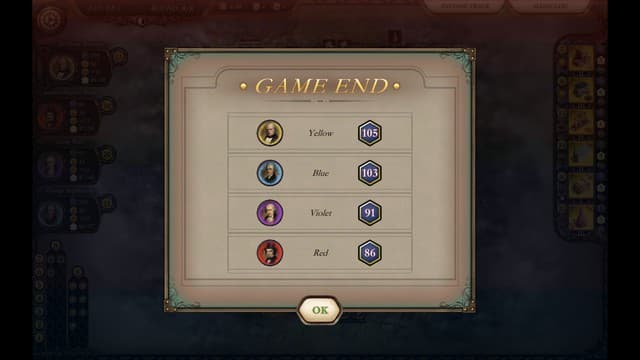
Dive into the cutthroat world of the English Industrial Revolution with Brass: Lancashire, the seminal 2007 economic strategy game where shrewd entrepreneurs vie for dominance across the historic landscape. Players will strategically expand their industrial empire by building canals, establishing crucial rail links, and developing key industries like cotton mills, coal mines, and iron works. Managing cash flow, leveraging market demands, and outmaneuvering rivals are paramount as you invest, produce, and sell resources to secure victory points, making every decision a pivotal step towards becoming the wealthiest industrialist in Lancashire.
m⚖️ N/A
RANK #57
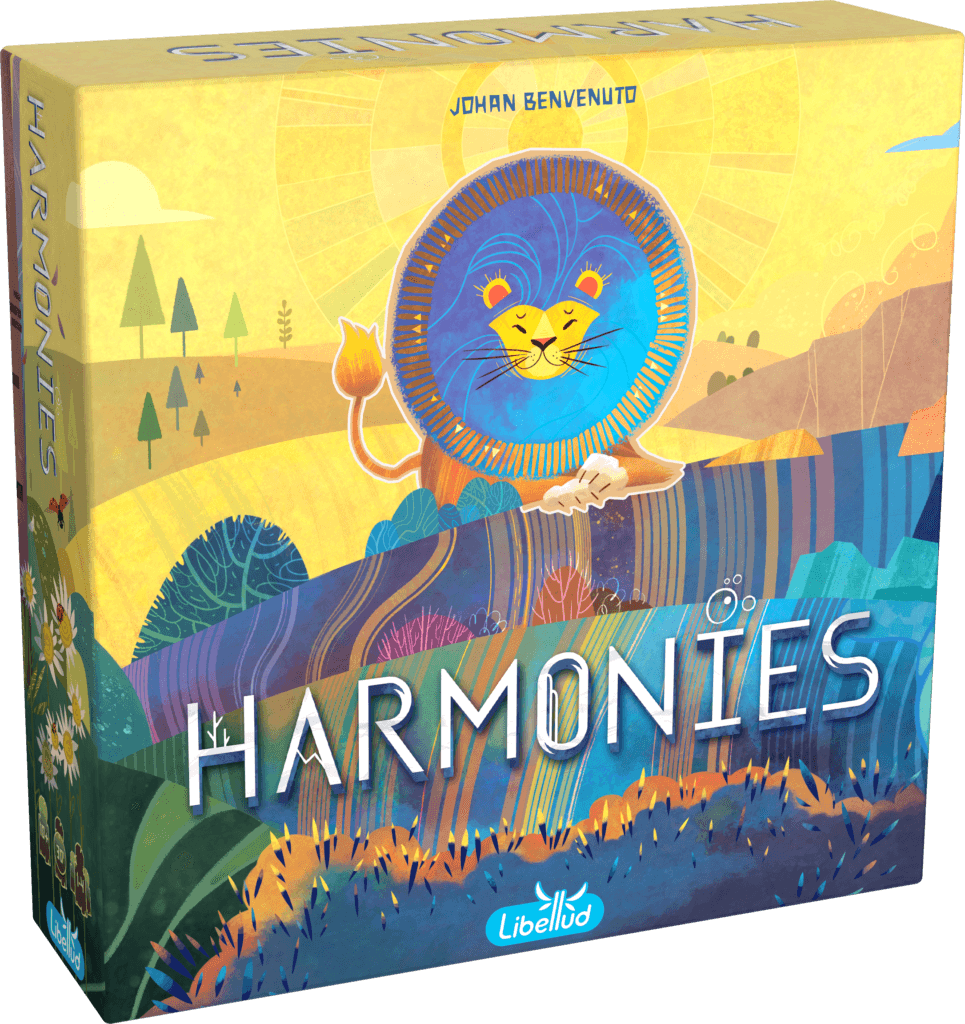
Harmonies
2024In Harmonies, players take on the role of nature spirits, tasked with creating vibrant and flourishing ecosystems. This visually stunning game invites you to craft a personal landscape, a miniature world filled with mountains, forests, rivers, and fields. The ultimate goal is to build habitats that are so inviting and well-balanced that they attract a diverse array of animal species. By carefully arranging natural elements into specific patterns, you earn victory points for the wildlife you successfully house. The player who creates the most harmonious and populous environment, demonstrating a deep connection to the natural world, will be declared the winner. It's a game of poetic construction and gentle strategy, where every piece placed contributes to a beautiful, three-dimensional diorama on your player board.
The gameplay loop is elegant and intuitive, centered around an open drafting mechanic. On your turn, you will select a group of three element tokens from a central market. These tokens represent different terrain types—water, trees, mountains, fields, and buildings. You must then place all three of these tokens onto your personal hexagonal grid. A key innovation in Harmonies is its verticality; tokens can be stacked on top of one another to create 3D features. For example, placing a green token on a brown one forms a tree, while stacking grey tokens creates towering mountain ranges. This adds a unique spatial puzzle to the tile-laying. In addition to placing tokens, you can claim animal cards from a shared display. Each card shows a specific habitat pattern required by that species. Once you successfully replicate that pattern on your board, you can place an animal cube onto your creation, scoring points and completing the card.
Harmonies has captured the hearts of players with its serene theme and engaging, puzzle-like gameplay. The act of building a tangible, 3D landscape is deeply satisfying, offering a strong sense of creation and accomplishment. While the rules are straightforward enough for families and newcomers to learn quickly, the game reveals layers of strategic depth. The decision of which tokens to draft and where to place them to optimally fulfill multiple animal cards at once presents a constant, rewarding challenge. The game also boasts significant replayability, thanks to a solo mode for individual play and an expert variant that introduces "Nature's Spirit" cards, which provide unique end-game scoring objectives. This blend of accessibility, strategic nuance, and beautiful production makes Harmonies a standout title for anyone who enjoys clever pattern-building and creating something beautiful on the tabletop.
1-4 45m⚖️ 1.9

RANK #59
Cascadia
2021Welcome to the vibrant wilderness of the Pacific Northwest! Cascadia is an award-winning puzzle game that invites players to build their own thriving ecosystems. In this beautifully illustrated game, your goal is to create the most harmonious environment by carefully selecting and placing habitat tiles and populating them with native wildlife. You'll compete to build the largest contiguous areas of different terrains—forests, prairies, wetlands, mountains, and rivers—while also strategically placing wildlife tokens to satisfy unique scoring conditions. Success requires a keen eye for patterns and a bit of foresight, as you balance the dual objectives of expanding your habitats and fulfilling the specific needs of the animals that call them home. The player who creates the most balanced and synergistic environment, scoring points for both land and fauna, will be declared the winner.
The gameplay in Cascadia is elegant and accessible, centered around a simple yet engaging turn structure. On your turn, you must choose one of the four available pairs, each consisting of a hexagonal habitat tile and a wooden wildlife token. This core choice presents a compelling dual-layered puzzle. You must decide where to place the new habitat tile to expand your personal landscape, aiming to create large, unbroken corridors of matching terrain types. Simultaneously, you must place the accompanying animal token—be it a bear, elk, salmon, hawk, or fox—onto a suitable tile in your environment. Each of the five animal species scores points based on a specific scoring card drawn at the beginning of the game, introducing significant variability. Bears might want to be in pairs, while hawks prefer to be solitary. To add a layer of tactical flexibility, players can spend 'nature tokens' to break the pairing rule, allowing them to choose any tile and any token from the display, opening up crucial strategic opportunities.
Cascadia has captured the hearts of players worldwide due to its perfect blend of simplicity and strategic depth. It serves as an excellent 'gateway' game, with rules that can be taught in minutes, making it approachable for families and new gamers. However, the shifting puzzle of the tile display and the variable scoring objectives for the wildlife provide a satisfying challenge for even seasoned strategists. The game's replayability is immense; with multiple scoring cards for each animal, no two games ever feel quite the same. This variability, combined with the tactile pleasure of placing the chunky tiles and wooden tokens, creates a deeply rewarding experience. The serene and beautiful artwork by Beth Sobel further elevates the game, immersing players in the tranquil beauty of the natural world it represents. It's a peaceful yet competitive puzzle that rewards clever planning and adaptability.
1-4 45m⚖️ 1.9
RANK #62
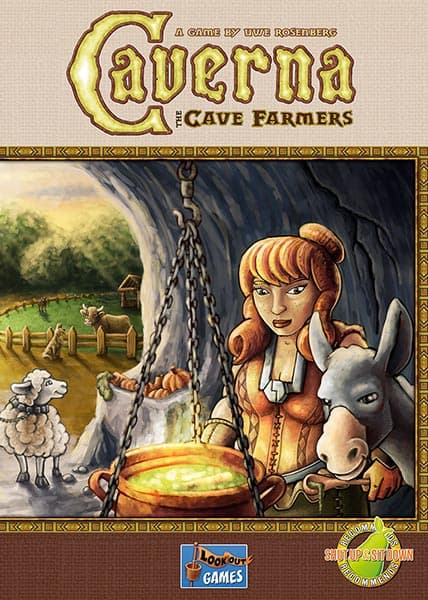
In "Caverna: The Cave Farmers," players step into the sturdy boots of a small dwarf family carving out a living within a mountain. As a spiritual successor to the designer's acclaimed game *Agricola*, Caverna expands upon the core worker-placement formula with a greater sense of freedom and discovery. Your goal is to develop the most prosperous homestead over twelve rounds of play. This is measured in victory points, awarded for the size of your family, the livestock you've raised, the crops you've harvested, precious gems you've mined, and the unique furnishings you've installed in your ever-expanding cave network. Success requires a delicate balance between cultivating the forest on one side of your player board and excavating the mountain on the other, transforming a humble hovel into a thriving underground domain.
The game's engine is driven by a classic worker-placement mechanism. Each round, players take turns placing their dwarf tokens on a central board of action spaces. These actions allow you to gather essential resources like wood and stone, dig new tunnels and caverns in your mountain, or clear forests to create fields and pastures. As the game progresses, new and more powerful action spaces become available, escalating the strategic possibilities. Notable mechanics include raising a variety of animals—sheep, donkeys, boars, and cattle—which breed during harvest phases, and forging ore into weapons. These weapons equip your dwarves for expeditions, a key feature where they venture forth to gain a diverse range of resources and even new board components, offering an alternative path to prosperity away from the competitive main action spaces. Throughout this, you must also manage your food supply to feed your growing family at the end of key rounds, a central puzzle that demands foresight and efficient planning.
"Caverna: The Cave Farmers" is beloved for its 'sandbox' nature, offering a vast and less restrictive strategic landscape compared to its predecessors. While the pressure to feed your family remains, the options for generating food and victory points are abundant, empowering players to pursue many different viable strategies. This freedom makes each game feel like a unique puzzle. Players can become master farmers, expert miners who outfit their caves with dozens of unique furnishing tiles for powerful bonuses, or intrepid adventurers who rely on expeditions for their wealth. The sheer variety of room tiles and strategic paths ensures immense replayability, inviting players back to explore new ways to build their perfect dwarven home. It is a deeply rewarding, medium-to-heavyweight experience for gamers who relish complex engine-building and optimizing their own personal tableau.
1-7 120m⚖️ 3.8
BoxNo Cover Art
RANK #85
Endeavor: Deep Sea is an acclaimed mid-weight strategy Eurogame that submerges players into the world of oceanic research. Each participant takes the helm of a burgeoning research institute, tasked with the grand ambition of exploring the planet's final frontier. The primary objective is to earn prestige by conducting groundbreaking research, discovering new underwater locations, and championing marine conservation. Success requires a delicate balance between expanding your institute's scientific capabilities and making a tangible impact on the shared seascape. Recognized with the prestigious Kennerspiel des Jahres award, the game challenges players to think strategically about sustainable development and the preservation of delicate aquatic ecosystems, making every decision impactful.
The gameplay unfolds over six rounds in a structured, yet dynamic, sequence. Each round begins with a Preparation Phase, where players bolster their operations by recruiting specialists like divers and scientists, gaining action discs that fuel their turns, and readying their existing team for the tasks ahead. This flows into the Action Phase, where players take turns spending their discs to activate specialists and perform one of five key actions. These include 'Travel' to move a submarine across the modular board, 'Sonar' to discover and place new ocean tiles, 'Dive' to collect valuable research tokens, 'Journal' to acquire cards with endgame scoring goals, and 'Conservation' to protect marine life for various rewards. Players also contribute to a communal "Impact Board," which provides immediate bonuses and influences final scoring.
What makes Endeavor: Deep Sea so compelling is its remarkable blend of accessibility and strategic depth. The game’s unique appeal stems from its significant replayability, driven by a modular board that ensures no two expeditions are the same and ten distinct missions that alter starting conditions and objectives. Its flexible design supports competitive, cooperative, and solo play, making it a versatile choice for any gaming group. The central tension between building your institute’s 'engine'—improving its range and capabilities—and using those abilities to score points on the board creates a deeply engaging puzzle. The strong thematic integration, where every action feels connected to the narrative of deep-sea exploration, elevates the experience from a simple abstract puzzle to a memorable aquatic adventure.
1-4 90m⚖️ 3.3
RANK #96
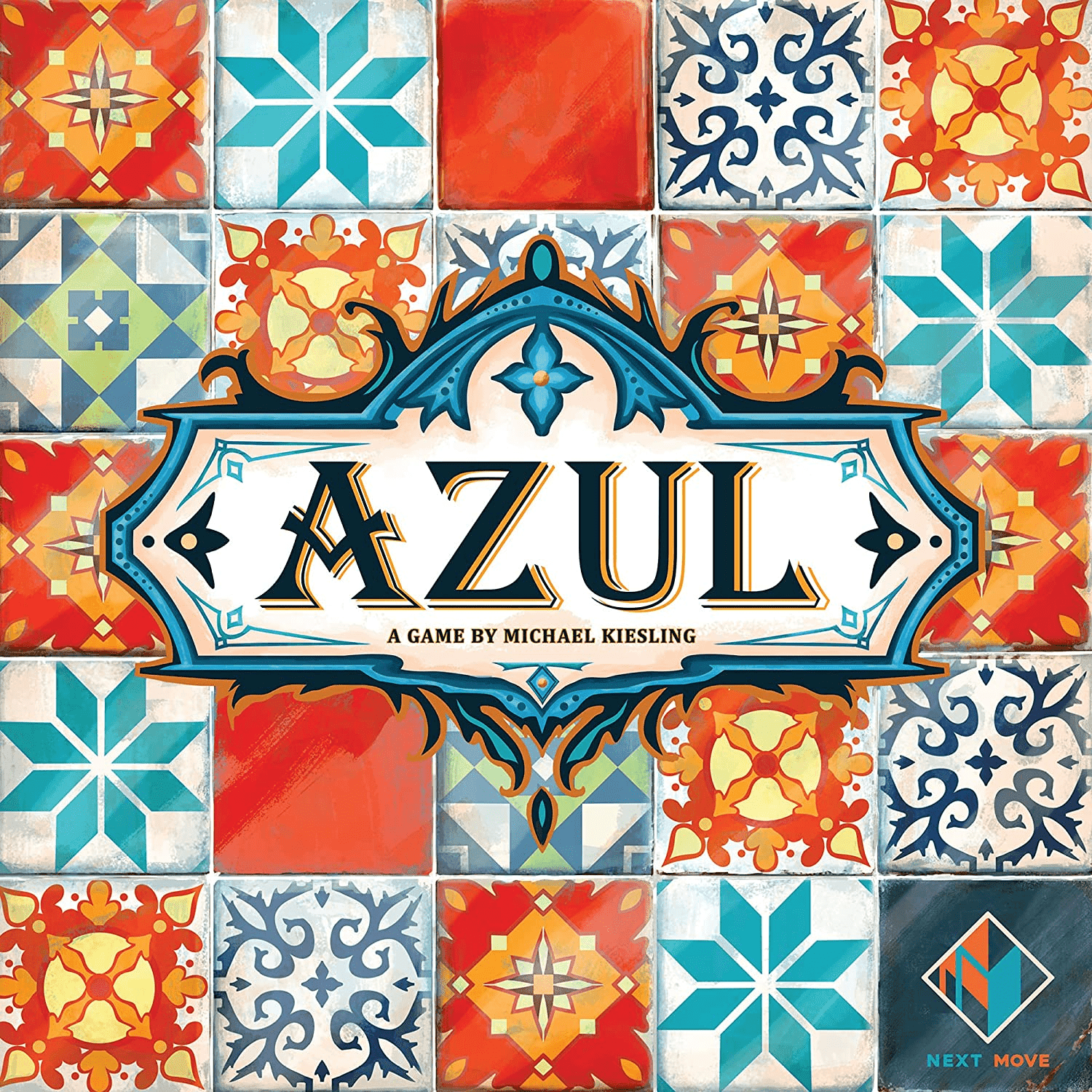
Azul
2017Azul is a strategic board game designed for 2-4 players, where the objective is to create the most beautiful mosaic by collecting and placing tiles. Players take on the role of artisans in a Portuguese factory, competing to be the first to complete their personal mosaic. The game requires careful planning and tactical decision-making as players must balance their own goals with the need to disrupt their opponents' plans.
The game is played over several rounds, each representing a day's work in the factory. On each player's turn, they draw a hand of tiles from the central pool and then take one of three actions: draw additional tiles, place a tile on their personal board, or discard excess tiles to disrupt an opponent's plans.
The game's mechanics are simple yet engaging, making it accessible to new players while still offering depth for experienced gamers. The game's components include 95 double-sided player boards, 168 wall tiles, and 16 scorepads, providing a high-quality gaming experience.
2-4 30m⚖️ 3.0
BoxNo Cover Art
RANK #99
Fields of Arle
2014Fields of Arle immerses you in the challenging yet rewarding life of a farming family in 18th-century East Frisia. In this masterwork by acclaimed designer Uwe Rosenberg, players are tasked with developing a modest plot of land into a thriving and prosperous homestead. Over the course of four and a half years, you will shape the very landscape, manage livestock, and craft valuable goods. The game is a deeply thematic and strategic experience where the ultimate goal is to accumulate the most victory points by building a diverse and efficient agricultural engine, demonstrating your family's success through the tangible growth of your farmstead and the wealth of goods you've produced.
The gameplay is centered around a robust worker placement system that unfolds over nine rounds, each representing a half-season of either summer or winter. Each season offers a distinct set of actions, from plowing fields and shearing sheep in the summer to breeding animals and weaving cloth in the winter. Players strategically place their family members on action spaces to manage every aspect of their farm. This includes draining moors to create new pastures, building dikes to protect land from floods, raising cattle and horses, and constructing an array of buildings that provide crucial new abilities. A clever mechanic allows a player to perform an off-season action once per round, but this flexibility comes at the cost of giving up the first-player advantage, adding another layer of tactical decision-making.
What makes Fields of Arle a beloved classic among strategy gamers is its incredible depth and the sandbox-style freedom it offers. It is a quintessential heavy Eurogame, specifically tailored for a one or two-player experience, complete with a rich and engaging solo mode. There is no single prescribed path to victory; players can focus on animal husbandry, crop cultivation, trade, or building construction, leading to immense replayability as you explore different strategies with each playthrough. The satisfaction of watching your personal player board transform from barren land into a complex, bustling farm is a core part of its appeal, offering a deeply rewarding journey for those who enjoy intricate, low-interaction engine-building puzzles.
1-2 90m⚖️ 3.9
Showing 1 to 12 of 47 games