Strategy Games
Browse all Strategy board games in the Meeple Pulse database.
Styles
Themes
AbstractAdventureAncientAnimalsArtBusinessCard GameCo-operativeComic BookCooperativeCrimeEconomicEnvironmentalismExplorationFantasyHistoricalHorrorHumorIntrigueLiteraryMagicMarvelMedievalModernMuseumMysteryMythologyNatureNauticalPoliticalPress Your LuckSatireSci-FiSocial CommentarySocial InteractionSpaceSuperheroesThematicTravelWarWesternWord-Guessing
Mechanics
3D PlacementActingAction / DexterityAction DraftingAction Point AllowanceAction Point Allowance SystemAction Point SystemAction PointsAction ProgrammingAction QueueAction RetrievalAction SelectionAction/EventAlliancesAlternate ActivationApp-AssistedApp-DrivenArea ControlArea InfluenceArea MajorityArea Majority / InfluenceArea MovementArgumentationAsymmetricAsymmetric FactionsAsymmetric GameAsymmetric PowersAsymmetrical PowersAuction & BiddingAuction/BiddingAuctioningBag BuildingBettingBetting and BluffingBetting and WageringBetting and WagersBiddingBingoBlind BiddingBluffingCampaign / Battle Card DrivenCampaign / LegacyCampaign / Legacy GameCampaign / Mission-basedCampaign / ScenariosCampaign GameCampaign PlayCard DraftingCard DrawingCard DrivenCard Driven ActionCard Driven CombatCard Driven Dice AllocationCard Driven MovementCard ManagementCard PlayCard Play / Hand ManagementCard Play Conflict ResolutionCard SheddingCard-Driven MovementCharacter CreationCharacter ProgressionChit-Pull SystemCo-op PlayCo-operative GameCo-operative PlayCode-breakingCombat ResolutionCombo ChainCommand CardsCommodity SpeculationCommunication LimitsContract FulfillmentContractsCooperative GameCooperative GameplayCooperative PlayCooperative Trick-takingDebateDeck BuildingDeck ConstructionDeck, Bag, and Pool BuildingDeck-BuildingDeductionDexterityDice DraftingDice PlacementDice RollingDiplomatic InfluenceDraftingDynamic Battle SystemEnclosureEnd Game BonusesEngine BuildingEngine-BuildingEscape RoomEvent DrivenExplorationFarmingFlip and WriteFollowFollow ActionGrid CoverageGrid MovementHand ManagementHex-and-CounterHexagon GridHidden MovementHidden RolesI Cut You ChooseIncomeInfluence / Area MajorityLadder ClimbingLegacyLegacy ElementsLegacy GameLegacy SystemLimited CommunicationLine DrawingLine of SightMancalaMap MovementMarketMarket DraftingMarket ManipulationMarket MechanicMarket SpeculationMatchingMeasurement MovementMemoryMission ObjectivesModular BoardModular Board ConstructionMovement TemplatesMulti-Use CardsMulti-use CardsMultiple ScenariosMust FollowNarrative ChoiceNarrative Choice / ParagraphNegotiationNegotiation MechanicsNetwork & Route BuildingNetwork BuildingNetwork and Route BuildingOne vs ManyOne vs. ManyOpen DraftingPaper-and-PencilPartnershipsPattern BuildingPattern RecognitionPick-up and DeliverPlayer EliminationPlayer InteractionPlayer JudgePoint SaladPoint to Point MovementPolyominoesPush Your LuckPush-Your-LuckPuzzlePuzzle-LikePuzzle-SolvingRaceReal-TimeRecipe FulfillmentResource ManagementRole PlayingRole SelectionRoll / Spin and MoveRondelRoute BuildingRoute-BuildingRoute/Network BuildingSanity SystemScenario / Campaign PlayScenario / Mission / Campaign GameScenario / Mission FunctionSecret Unit DeploymentSemi-Cooperative GameSet CollectionSheddingSimulationSimultaneous ActionSimultaneous Action SelectionSimultaneous Hidden AllocationSocial DeductionSocial InteractionSolo / Solitaire GameSpace ExplorationStat Check / Skill CheckStock HoldingStorytellingStrategic PlanningTableau BuildingTactical Decision-MakingTake ThatTargeted CluesTeam PlayTeam-Based GameTeam-Based GuessingTeamworkTech TreesTech Trees / Tech TracksTechnology & Armament TracksTechnology TreeTension & Aggression TracksTile DraftingTile LayingTile PlacementTime TrackTime TravelTower DefenseTrack MovementTradingTrick-takingTug of WarTurn Order: PassTurn Order: Stat-BasedUnit PlacementVariable Phase OrderVariable Player PowersVariable Set-upVariable SetupVictory Point TracksVotingWord AssociationWord GameWord GuessingWord-GuessingWord-guessingWordplayWorker Placement
RANK #63
Agricola
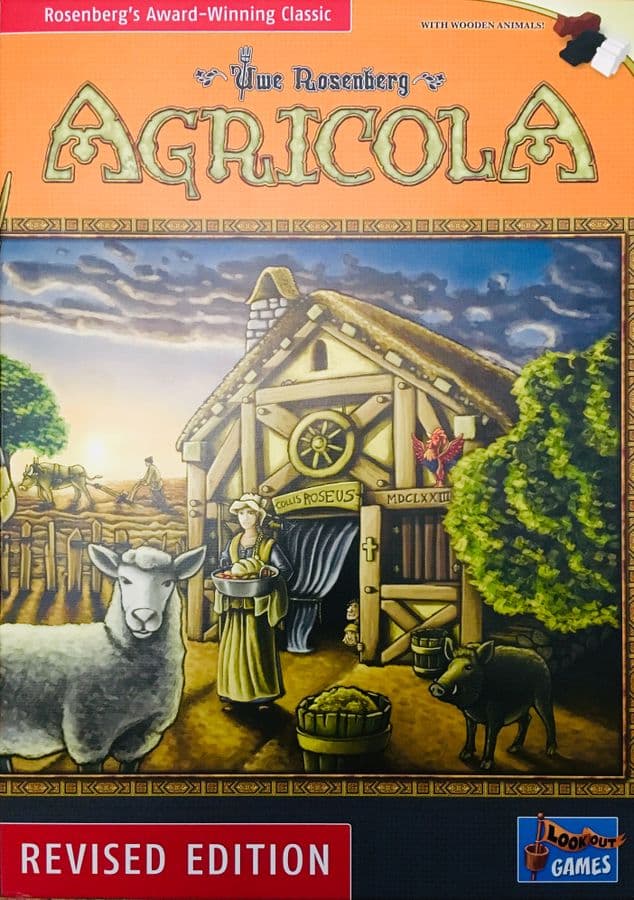
2007In Agricola, players step into the well-worn boots of a 17th-century farming family, starting with little more than a spouse and a two-room wooden hut. The singular goal is to cultivate the most prosperous and well-rounded homestead over 14 rounds of play. This isn't just about accumulating wealth; it's about survival and balanced development. Victory points are awarded for a diverse farm that includes plowed fields, various crops, fenced pastures, different types of livestock, and an expanded family living in an upgraded home. The game masterfully punishes over-specialization, penalizing players for neglected areas of their farm, ensuring that true prosperity comes from being a jack-of-all-trades.
The game's engine is driven by a tense worker placement mechanism. Each round, players take turns placing their limited family members on action spaces to gather resources, build improvements, or grow their family. Since each action space can only be used once per round, players are in constant, indirect competition for critical actions like collecting wood or plowing a field. As the game progresses, new, more powerful actions become available, broadening strategic possibilities. This steady development is punctuated by six harvest phases, where the true pressure of Agricola is felt. During a harvest, you reap what you've sown, your animals may breed, but most importantly, you must feed your family. Failing to produce enough food forces a player to take a "Begging" card, which carries a steep point penalty, creating a persistent, challenging tension between expanding your farm and simply providing for your household.
Agricola's enduring appeal lies in this brilliant balance of long-term strategic planning and short-term tactical necessity. The struggle to feed your family is a constant, pressing puzzle that forces difficult decisions every single round. Its depth and replayability are legendary, largely due to the massive decks of Occupation and Minor Improvement cards dealt to each player. These cards provide unique abilities and scoring opportunities, ensuring no two games ever feel the same and allowing for countless strategic pathways. It is this combination of a deeply thematic, relatable struggle and a highly rewarding, complex strategic framework that has cemented Agricola's status as a masterpiece of the Eurogame genre and a benchmark for worker placement games.
1-5 90m⚖️ 3.6

RANK #94
Race for the Galaxy stands as a landmark title in the world of card games, offering players the chance to construct a sprawling galactic civilization from the palm of their hand. The ultimate objective is to achieve the greatest prosperity, measured in victory points, by the time the game concludes. Players earn these points by strategically settling worlds, deploying powerful developments, and leveraging unique consumption abilities. The game is a race to build the most effective and synergistic tableau of cards, representing your empire's technological advancements and planetary holdings. It masterfully condenses the feel of a vast space-faring epic into a surprisingly swift and deeply engaging experience, where every decision can tip the scales of victory. The game ends either when one player builds their twelfth card or when the central pool of victory point tokens is exhausted, ensuring a consistently brisk pace.
The genius of Race for the Galaxy lies in its innovative simultaneous action selection mechanism. Each round, all players secretly choose one of several phase cards—such as Explore, Settle, or Produce—and reveal them at the same time. Only the selected phases are activated for that round, and every player gets to perform those actions. However, the player who originally chose a specific phase receives a significant bonus, creating a fascinating meta-game of anticipating your opponents' needs to maximize your own turn. Compounding this strategic layer is the brilliant multi-use card system. Every card in your hand is a potential world to settle, a technology to develop, or, crucially, the currency needed to pay for other cards. This forces constant, compelling trade-offs: is that high-value world better in your empire or better used as payment for two smaller, more synergistic cards right now? This core loop of managing your hand and building your tableau forms a satisfying and challenging puzzle.
What has given Race for the Galaxy its enduring appeal is the immense strategic depth packed into its short playtime. While notorious for its dense iconography, this visual language, once mastered, allows for remarkably fluid and fast-paced turns with minimal downtime. The vast deck of cards ensures that no two games are ever alike, providing near-infinite replayability as players discover new card combinations and powerful synergies. The tension of building your own engine while trying to benefit from your opponents' phase choices makes for a highly interactive, albeit indirect, experience. It’s a game that rewards clever planning, tactical flexibility, and a deep understanding of the card pool. For players who love building intricate engines and executing powerful combos, Race for the Galaxy offers a rich and rewarding journey to the stars that remains a benchmark for the genre.
2-4 45m⚖️ 3.0
RANK #115
7 Wonders
2010Step into the role of a leader of one of the seven great cities of the Ancient World in "7 Wonders," a celebrated civilization-building game. Your primary objective is to guide your city to glory by accumulating the most victory points over the course of three distinct historical Ages. Victory is not achieved through a single path, but through a masterful balance of developing your city's military might, advancing its scientific knowledge, constructing grand civic monuments, and fostering a robust commercial infrastructure. Each decision contributes to your final legacy, as you erect a wonder that will stand the test of time and create a civilization renowned throughout history.
The gameplay of "7 Wonders" is centered around an elegant and engaging card drafting mechanic. At the beginning of each of the three Ages, players receive a hand of cards representing various structures and advancements. Simultaneously, each player selects one card to play and then passes their remaining hand to an adjacent player, a direction that reverses each Age. This process continues until each player has played six cards per Age. With a chosen card, a player has three options: pay the resource cost to build the structure in their city's tableau, tuck the card under their Wonder board to build the next stage of their architectural marvel, or discard it to gain valuable coins. This simultaneous action selection brilliantly eliminates player downtime, keeping the game moving at a brisk pace regardless of the player count.
The game's enduring appeal lies in its remarkable blend of accessibility and strategic depth. New players can quickly grasp the core rules, while seasoned gamers will discover nuanced strategies and scoring synergies with every play. At the end of each Age, military conflicts are resolved with immediate neighbors, adding a layer of direct interaction. Final scoring is a satisfying culmination of your efforts, where points are tallied from military victories, scientific sets, completed wonder stages, civic buildings, commercial enterprises, powerful guilds, and your remaining treasury. This variety of scoring avenues ensures high replayability, as players can explore different strategies in every game, making "7 Wonders" a timeless classic that has earned its place as a cornerstone of modern board gaming.
3-7 30m⚖️ 2.3

RANK #152
Forest Shuffle
2023In Forest Shuffle, players take on the role of naturalists competing to cultivate the most thriving and ecologically harmonious woodland. This strategic card game challenges you to build a personal forest tableau that scores the most points by the game's end. The core objective is to strategically play cards representing a diverse array of trees, animals, plants, and fungi. Each card contributes to your ecosystem's overall value, with different species scoring in unique ways based on their placement and proximity to others. Success requires careful planning and an understanding of the intricate relationships within your burgeoning forest, as the player with the most valuable collection of flora and fauna is declared the winner.
The gameplay is driven by a simple yet elegant set of actions. On your turn, you must choose between drawing two new cards—either from a central deck or a shared face-up market called the 'clearing'—or playing a single card into your forest. Playing a card requires paying a cost by discarding other cards from your hand into the clearing, creating a constant tension of hand management. The game's foundation is built upon tree cards. All other species are played by 'tucking' them under one of the four sides of an existing tree. A key mechanical twist is that most non-tree cards are split, depicting two different species. When you tuck a card, you must choose which half becomes active in your tableau, a decision that has cascading effects on your scoring potential and future plays. This multi-use card system is the strategic heart of the game, forcing difficult choices with every placement.
Forest Shuffle's appeal lies in its masterful blend of accessibility and strategic depth. While the turn structure is remarkably easy to grasp, the "complex web of considerations" that arises from the tucking and scoring mechanics provides a deeply engaging puzzle for experienced gamers. The interactions between cards create countless scoring combinations, ensuring high replayability as you discover new synergies with each game. The beautiful and detailed artwork brings the vibrant ecosystem to life, enhancing the thematic experience. Furthermore, the game's production is environmentally conscious as part of Lookout Games' "Greenline" series. The game ends when the third 'winter' card is revealed, adding a layer of suspense as the deck thins. It’s this combination of straightforward rules, rich decision-making, and a compelling natural theme that makes Forest Shuffle a standout title for a wide range of players.
2-5 60m⚖️ 2.4
RANK #171
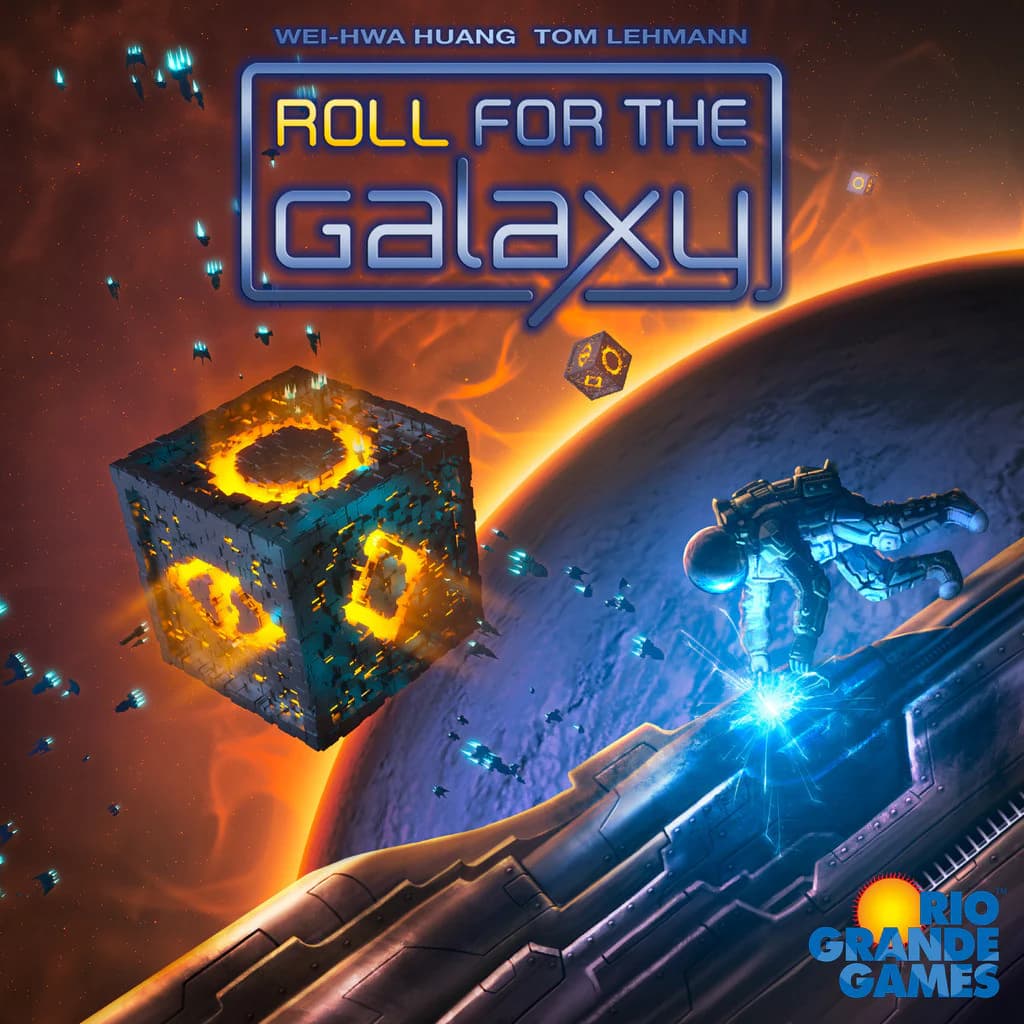
Roll for the Galaxy is a dice-based engine-building game where players compete to create the most prosperous and powerful space empire. As the leader of a fledgling galactic faction, your goal is to accumulate the most victory points by strategically developing new technologies and settling valuable worlds. The game is a spiritual successor to the acclaimed card game, Race for the Galaxy, translating its core concepts into a dynamic and tactile experience driven by custom dice. Each player manages their own domain, striving to build an efficient engine that generates credits, new tiles, and ultimately, victory points. The game concludes when one player constructs their twelfth tile or when the central pool of victory points is depleted, at which point the player with the highest score is declared the victor.
The gameplay revolves around a clever simultaneous action mechanic. Each round, all players roll their dice behind a screen. These dice, with faces representing different actions, are your workforce. Players secretly assign their dice to one of five possible phases: Explore, Develop, Settle, Produce, or Ship. Crucially, each player also selects one of their dice to lock in a specific phase for the round. Only the phases selected by at least one player will activate for everyone, creating a tense game of prediction and priority. Once revealed, players use their assigned dice as workers to perform actions in the active phases, such as drawing new world and development tiles, paying to build them into their tableau, producing goods on worlds, and shipping those goods for either credits or victory points. The tiles you build grant powerful abilities, special dice, and new scoring opportunities, creating a satisfying loop of escalating power.
What makes Roll for the Galaxy a fan favorite is its brilliant combination of tactical dice management and strategic planning, all wrapped in a package with virtually no downtime. The simultaneous play keeps every player constantly engaged, as you're always rolling, assigning, and acting. While the dice introduce an element of luck, the game provides numerous ways to mitigate it, from reassigning dice to leveraging special tile powers. This creates a compelling puzzle each round as you adapt your strategy to what you roll. It captures the strategic depth of its card game predecessor but in a more accessible and faster-playing format, offering immense replayability through its vast array of worlds, developments, and starting factions. It's a masterclass in design that feels both grand in scope and remarkably streamlined.
2-5 45m⚖️ 2.8
RANK #180
Res Arcana
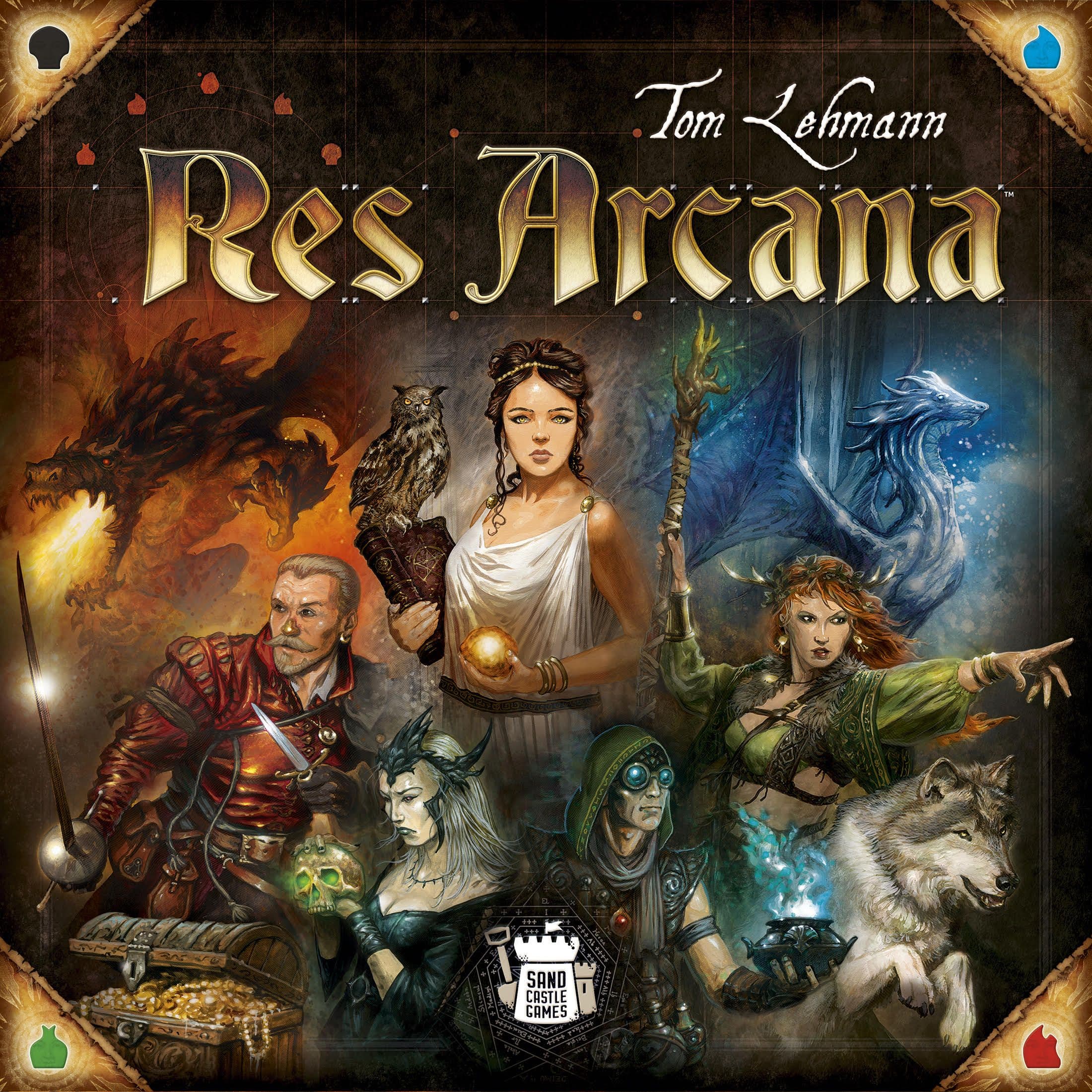
2019Res Arcana is a brilliantly tight, fast-paced engine-building board game that plunges players into an arcane fantasy world. Designed by the renowned Tom Lehmann and originally published by Sand Castle Games in 2019, the game casts each participant as a powerful, uniquely skilled Mage. Ranging from ambitious Alchemists to dark Necromancers, players must harness their specialized abilities to dominate the magical realm. The ultimate objective is a frantic sprint: players race to be the very first to accumulate ten victory points. Achieving this requires masterful resource management and an unparalleled grasp of efficiency, as every single action and gathered element brings you one step closer to ultimate victory.
At the heart of the experience is an incredibly innovative micro-deck system that completely turns traditional card mechanics on their head. Unlike standard deck-builders where your arsenal grows over time, you are locked into a fixed, highly constrained deck of exactly eight artifact cards for the entirety of the game. After an initial drafting phase—highly recommended by the community to ensure balanced strategic planning—players must figure out how to synergize these eight specific cards. During the core gameplay loop, participants gather five distinct mystical essences: Elan, Life, Calm, Death, and Gold. Turns are agonizingly tense, consisting of a single action at a time. Players will spend their hard-earned essences to play artifacts into their tableau, activate powerful abilities, or claim lucrative public monuments and places of power from the center of the table. Because you can only perform one action before your opponent gets a chance to respond, the timing of every single maneuver is absolutely critical.
What truly sets Res Arcana apart from its peers is its complete elimination of deck bloat and luck-driven card drawing. By forcing you to craft a functional, high-yielding engine out of a minuscule pool of resources, the game evolves into a fiercely competitive puzzle of optimization. Every essence gathered must be calculated, and sacrificing a card from your tiny hand for temporary resources often becomes a painful but necessary tactical decision. The inclusion of variable player powers and the swapping of magic items each round ensure a highly replayable experience. It delivers the deep, satisfying strategic arc of a heavy civilization or tableau-building game, but distills that massive complexity into a remarkably sharp, thirty to sixty-minute package that leaves players eager for just one more match.
2-4 45m⚖️ 2.6
RANK #188
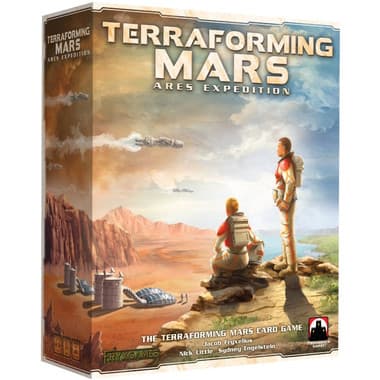
Terraforming Mars: Ares Expedition offers a compelling, self-contained experience that captures the essence of its celebrated predecessor in a more streamlined package. In this engine-building card game, players assume the leadership of powerful interplanetary corporations with the monumental task of making the Red Planet habitable for humanity. The ultimate objective is to earn the most Victory Points by contributing to the three global terraforming parameters: raising the planet's temperature, increasing the atmospheric oxygen to breathable levels, and creating vast liquid water oceans. As these goals are collectively met, players simultaneously build their corporate infrastructure, leveraging unique advantages to become the most influential force in Mars's new era. Victory is not just about helping humanity; it's about proving your corporation's superior efficiency and vision in this new frontier.
The gameplay of Ares Expedition revolves around a clever and fast-paced phase selection system that dramatically reduces downtime. Each round, all players secretly and simultaneously choose one of five possible phases to activate: Development (for playing green project cards), Construction (for blue and red cards), Action (for using card abilities), Production (for gaining resources), or Research (for drawing new cards). All players then get to perform the actions of every phase selected that round, but those who chose a specific phase receive a valuable bonus, creating a tense dynamic of predicting opponents' needs while advancing your own strategy. This core loop drives the tableau-building aspect of the game, where players manage resources like MegaCredits, heat, and plants to play a diverse array of project cards into their personal play area. These cards form the engine that will generate resources, provide powerful actions, and ultimately score the points needed to win.
Ares Expedition has earned acclaim for successfully condensing the epic scope of the original *Terraforming Mars* into a focused, 45-to-60-minute playtime without sacrificing strategic depth. The simultaneous phase selection is the star of the show, ensuring players are constantly engaged and making meaningful decisions. This design choice elegantly solves the long wait times that could occur in the original, making it far more accessible for weeknight gaming or for groups who prefer a quicker tempo. While the rules are more direct, the challenge of finding powerful card synergies and building an efficient, multi-faceted engine remains deeply rewarding. It's the perfect choice for fans of the original seeking a faster game, as well as for newcomers looking for a rich, thematic, and highly replayable journey into the challenges of planetary engineering.
1-4 60m⚖️ 3.0

RANK #209
Earth
2023In 'Earth', players take on the rewarding challenge of cultivating a vibrant, self-sustaining ecosystem on their own personal island. This is a beautifully illustrated, nature-themed engine-building game where the ultimate goal is to create the most prosperous and synergistic environment. Victory is not merely about planting the most impressive flora, but about weaving together a complex web of terrain, plants, and natural events to score the most victory points. Players build out a four-by-four grid, carefully placing cards to maximize their scoring potential through their intrinsic values, a variety of public and private objectives, and the resources they accumulate throughout the game. It’s a race to create the most harmonious and valuable slice of nature.
The gameplay of 'Earth' is distinguished by its elegant and highly interactive action selection system that virtually eliminates downtime. On their turn, the active player chooses one of four main actions: Planting new cards, Composting cards for resources, Watering to gain growth tokens, or Growing to draw cards and gain sprouts. While the active player receives a powerful version of this action, every other player at the table gets to perform a lesser version of the same action simultaneously. This "follow" mechanic ensures constant engagement. Furthermore, all players then get to activate the abilities of every card in their tableau that matches the color of the chosen action. This creates a cascade of effects, allowing a player's meticulously crafted engine to fire off not just on their own turn, but on their opponents' as well, leading to dynamic and satisfying combos. The game concludes once a player completes their sixteen-card island, after which points are tallied to determine the planet's master gardener.
What truly makes 'Earth' a beloved title is the immense variety and strategic depth packed into its accessible ruleset. With hundreds of unique cards, no two games ever feel the same, offering boundless replayability. The satisfaction comes from building a personal engine that feels truly your own, watching as a single action taken by an opponent triggers a chain reaction across your board, flooding you with resources and points. The game finds a perfect balance between strategic planning and tactical adaptation, as players must constantly evaluate which cards best synergize with their long-term goals and their current tableau. Its positive and constructive theme, combined with the engaging simultaneous play, makes it an exceptional experience for players who enjoy creating, optimizing, and watching their creations flourish.
1-5 60m⚖️ 2.9
RANK #216
Meadow
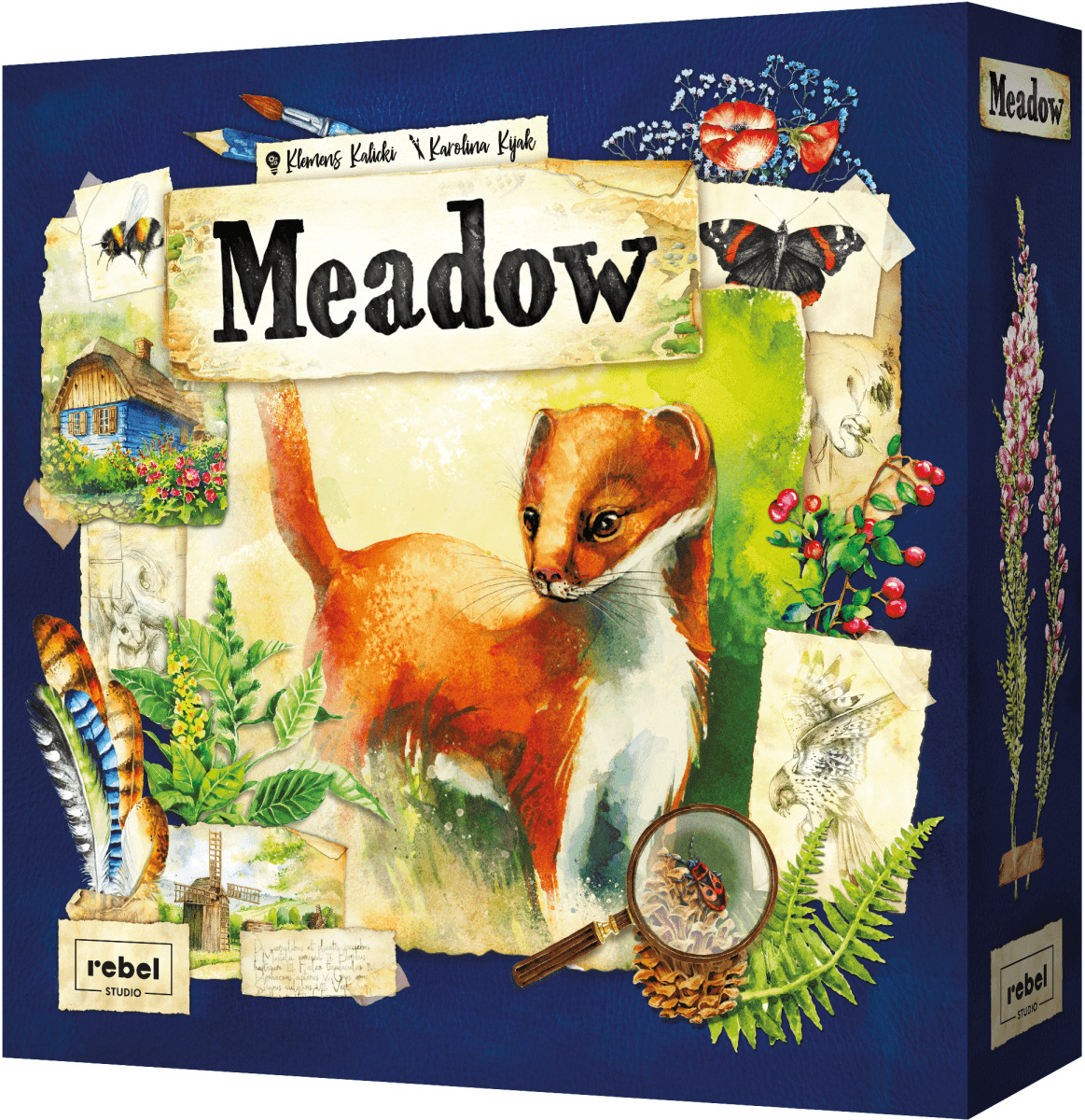
2021In Meadow, players take on the tranquil role of nature observers wandering through picturesque landscapes. The ultimate goal is to become the most astute observer by compiling the most impressive collection of discovered species and sights. This is represented by creating a personal tableau of cards, each beautifully illustrated with watercolor art depicting various flora, fauna, and natural environments. Victory is achieved by accumulating points from these played cards, creating a visual and strategic journal of your journey through the wilderness. The game is as much an appreciation of nature's beauty as it is a competitive challenge, inviting players to immerse themselves in its serene world.
The core gameplay loop is driven by a unique action-selection mechanism. Each turn, players choose one of their path tokens to place on either the main board or a shared campfire board. Placing a token on the main board allows you to draft a card from a central market, with the number on your token dictating which card you are eligible to take. Afterward, you may play a card from your hand into your personal "meadow." This is where the central puzzle lies: to play a card, you must possess the required symbols on cards already in your tableau. As your meadow grows, new cards cover symbols on older ones, demanding careful forward planning and resource management. The campfire board offers an alternative, providing powerful special actions like drawing multiple cards or fulfilling scoring objectives based on the symbols you've collected.
Meadow is celebrated for its remarkable ability to merge a peaceful, accessible theme with satisfyingly deep gameplay. Its appeal extends to both families looking for a beautiful game and seasoned hobbyists seeking a thoughtful strategic puzzle. The experience is often described as meditative, thanks to the stunning artwork and the quiet focus required to build an efficient tableau engine. The tactical decisions of which card to draft and when to play it are consistently engaging, as each choice impacts your ability to play more valuable cards later. The game cleverly scales its challenge by introducing a new deck of more complex cards midway through, ensuring a steady sense of progression and discovery that keeps the experience fresh and highly replayable.
1-4 75m⚖️ 2.2
RANK #237
Castle Combo
2024In Castle Combo, players compete to assemble the most prosperous medieval domain by strategically recruiting a cast of unique characters. This fast-paced card game challenges you to build a personal 3x3 grid that represents your growing realm. Your goal is to skillfully place character cards to create powerful scoring synergies and maximize your victory points. By the game's end, the player whose tableau demonstrates the most clever combinations and generates the highest score will be declared the ruler of the most prestigious castle in the land, earning victory through careful planning and tactical recruitment.
At its core, the gameplay revolves around tableau building and card drafting from two distinct markets: the 'Village' and the 'Castle'. A 'Messenger' pawn dictates which of these two card rows is active for you to purchase from on your turn, adding a simple yet engaging tactical layer. Players must spend 'Gold' to acquire a new character, which is then placed orthogonally adjacent to an existing card in their personal grid. Each card not only provides an immediate effect, such as granting more Gold or special 'Keys', but also contributes to end-game scoring based on its final position relative to others. Keys can be spent to manipulate the Messenger or refresh the card market, offering crucial flexibility. The game concludes swiftly once all players have completed their nine-card grid, at which point final scores are tallied.
The unique appeal of Castle Combo lies in its elegant blend of accessibility and strategic depth. Its rules are straightforward enough to teach in minutes, making it an ideal gateway game for new players or a perfect 'filler' for game night. However, the puzzle of optimizing your 3x3 grid presents a compelling challenge for even seasoned gamers. The dual-market mechanic forces players to constantly adapt their plans, while the race to find the most effective card combinations ensures high replayability. Coupled with vibrant and playful art, the game provides a satisfying and engaging experience that packs a surprising amount of decision-making into a very short playtime.
2-5 20m⚖️ 1.9
RANK #258
Faraway
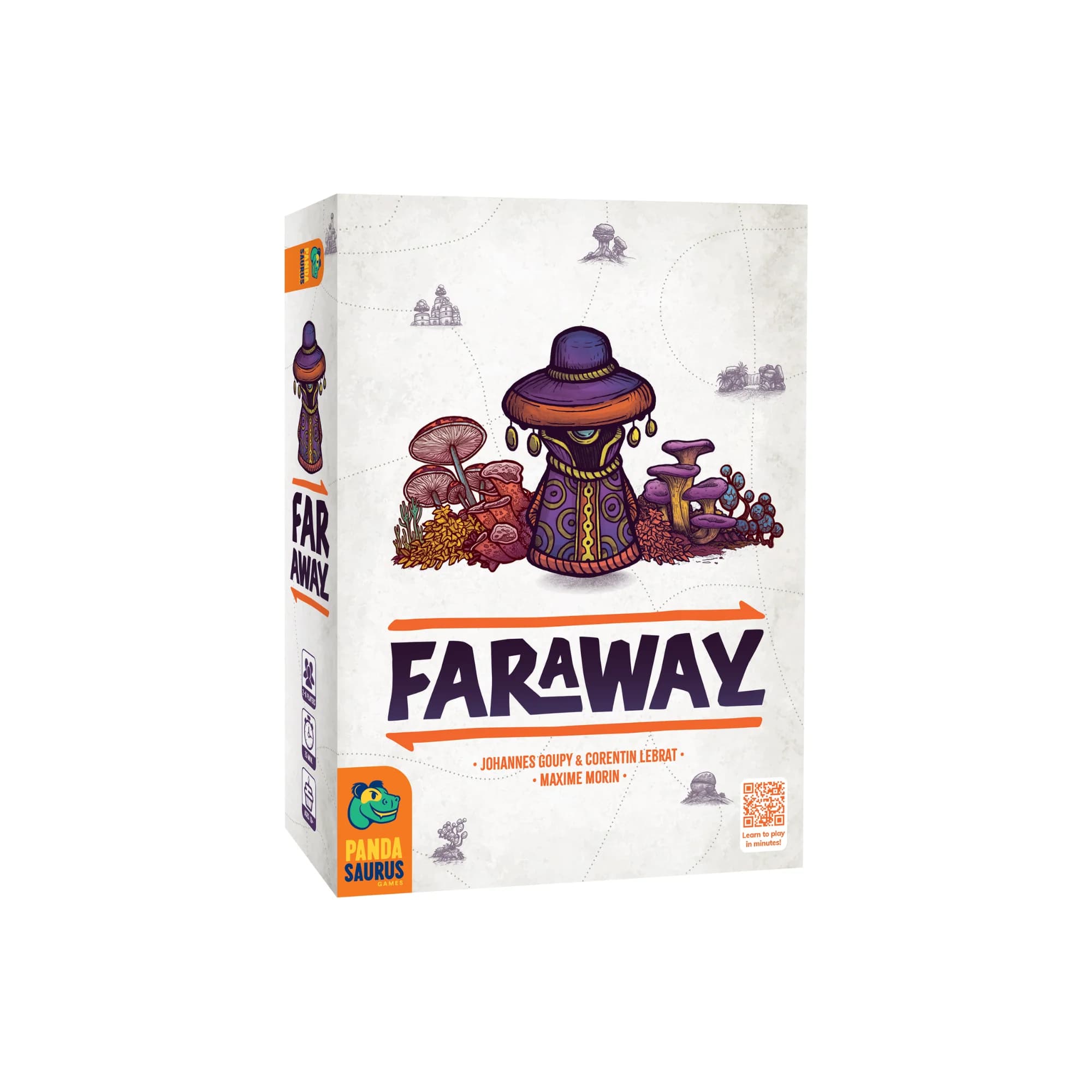
2023Embark on an expedition to the enigmatic continent of Alula in Faraway. In this clever card game, players compete to become the most renowned explorer by charting a path across eight distinct regions. The objective is to amass the most fame (victory points) by strategically laying out a row of cards that tells the story of your journey. However, the game introduces a captivating twist: your expedition is scored not by the path you forged, but by the memories you recall as you look back on it. This innovative reverse-scoring mechanism is the heart of the experience, challenging players to think ahead by planning backwards, turning a simple card-laying game into a delightful and thoughtful puzzle.
The game unfolds over eight rounds, with players simultaneously choosing and revealing a region card from their hand to add to their personal tableau, extending it from left to right. These cards are numbered and feature various colors and symbols crucial for scoring. A key tactical decision arises when you play a card with a number higher than the one preceding it, which allows you to acquire a powerful Sanctuary card that grants bonus icons or unique scoring opportunities. Following the card placement, players draft new cards for their hand. In a neat balancing act, the player who played the lowest-numbered card in the round gets the first choice from the central display, creating a constant tension between playing high for Sanctuaries and playing low for a better draft pick.
What makes Faraway truly stand out is its brilliant endgame scoring. Once all eight region cards have been played, the entire journey is flipped face-down. Players then reveal their cards one by one, starting from the last card they played and moving leftward. As each card is turned face-up, its scoring conditions are resolved based only on the icons visible on the cards revealed so far (i.e., those to its right in the original tableau). This 'journey back' forces a complete shift in perspective. A card that seems weak when played might become invaluable for scoring later cards, while a powerful early card might offer no benefit for the final scoring tally. This forward-planning, backward-scoring puzzle provides a deeply satisfying and accessible challenge, making every game a fresh and engaging strategic exercise with minimal player conflict and a brisk playtime.
2-6 25m⚖️ 1.8

RANK #279
Distilled
2023Step into the shoes of an heir who has just inherited an abandoned family distillery in 'Distilled', a highly thematic, medium-weight Eurogame. Your ultimate goal is to restore your family's legacy by crafting the world's most renowned and profitable spirits. Through careful planning and strategic investments, you will upgrade your facilities, hire specialized staff, and gather premium ingredients from a dynamic market. Over the course of seven rounds, you must balance your finances and resources to outshine your rivals, aiming to earn the most Spirit Points and claim the prestigious title of Master Distiller.
The core gameplay loop of 'Distilled' revolves around four distinct phases: Market, Distill, Sell, and Age. During the Market phase, players draft essential ingredients, specialized equipment, and key upgrades from shared premium and basic displays. The magic truly happens in the Distill phase, which introduces a brilliant thematic push-your-luck mechanic known as the washback. After combining your purchased sugars, water, and yeast, you shuffle them with alcohol cards to form a unique deck. To simulate the real-world distillation process where the harsh head and tail of the batch are discarded, players must blindly remove the top and bottom cards of their deck. This thrilling element of chance means you might accidentally discard a crucial premium grain, downgrading your highly anticipated whiskey into a basic moonshine or vodka.
Fans of thematic board games are consistently captivated by how seamlessly 'Distilled' blends its real-world subject matter with engaging mechanics. Players love the deep satisfaction of the Aging phase, where prestigious spirits are safely tucked away in barrels and placed in a warehouse. As these high-tier liquors mature round after round, they accumulate face-down flavor cards that exponentially boost their final victory point value while adding delightful thematic notes like vanilla or leather. Combined with a robust solo mode, beautiful iconography, and a rewarding set-collection system for bottling your creations, the game offers immense replayability. The tension of the distillation deck draw and the satisfying progression of building a world-class production engine make it an unforgettable experience for modern strategy enthusiasts.
1-5 120m⚖️ 3.0
Showing 1 to 12 of 21 games