Modern Games
Browse all Modern board games in the Meeple Pulse database.
Styles
Themes
AbstractAdventureAncientAnimalsArtBusinessCard GameCo-operativeComic BookCooperativeCrimeEconomicEnvironmentalismExplorationFantasyHistoricalHorrorHumorIntrigueLiteraryMagicMarvelMedievalModernMuseumMysteryMythologyNatureNauticalPoliticalPress Your LuckSatireSci-FiSocial CommentarySocial InteractionSpaceSuperheroesThematicTravelWarWesternWord-Guessing
Mechanics
3D PlacementActingAction / DexterityAction DraftingAction Point AllowanceAction Point Allowance SystemAction Point SystemAction PointsAction ProgrammingAction QueueAction RetrievalAction SelectionAction/EventAlliancesAlternate ActivationApp-AssistedApp-DrivenArea ControlArea InfluenceArea MajorityArea Majority / InfluenceArea MovementArgumentationAsymmetricAsymmetric FactionsAsymmetric GameAsymmetric PowersAsymmetrical PowersAuction & BiddingAuction/BiddingAuctioningBag BuildingBettingBetting and BluffingBetting and WageringBetting and WagersBiddingBingoBlind BiddingBluffingCampaign / Battle Card DrivenCampaign / LegacyCampaign / Legacy GameCampaign / Mission-basedCampaign / ScenariosCampaign GameCampaign PlayCard DraftingCard DrawingCard DrivenCard Driven ActionCard Driven CombatCard Driven Dice AllocationCard Driven MovementCard ManagementCard PlayCard Play / Hand ManagementCard Play Conflict ResolutionCard SheddingCard-Driven MovementCharacter CreationCharacter ProgressionChit-Pull SystemCo-op PlayCo-operative GameCo-operative PlayCode-breakingCombat ResolutionCombo ChainCommand CardsCommodity SpeculationCommunication LimitsContract FulfillmentContractsCooperative GameCooperative GameplayCooperative PlayCooperative Trick-takingDebateDeck BuildingDeck ConstructionDeck, Bag, and Pool BuildingDeck-BuildingDeductionDexterityDice DraftingDice PlacementDice RollingDiplomatic InfluenceDraftingDynamic Battle SystemEnclosureEnd Game BonusesEngine BuildingEngine-BuildingEscape RoomEvent DrivenExplorationFarmingFlip and WriteFollowFollow ActionGrid CoverageGrid MovementHand ManagementHex-and-CounterHexagon GridHidden MovementHidden RolesI Cut You ChooseIncomeInfluence / Area MajorityLadder ClimbingLegacyLegacy ElementsLegacy GameLegacy SystemLimited CommunicationLine DrawingLine of SightMancalaMap MovementMarketMarket DraftingMarket ManipulationMarket MechanicMarket SpeculationMatchingMeasurement MovementMemoryMission ObjectivesModular BoardModular Board ConstructionMovement TemplatesMulti-Use CardsMulti-use CardsMultiple ScenariosMust FollowNarrative ChoiceNarrative Choice / ParagraphNegotiationNegotiation MechanicsNetwork & Route BuildingNetwork BuildingNetwork and Route BuildingOne vs ManyOne vs. ManyOpen DraftingPaper-and-PencilPartnershipsPattern BuildingPattern RecognitionPick-up and DeliverPlayer EliminationPlayer InteractionPlayer JudgePoint SaladPoint to Point MovementPolyominoesPush Your LuckPush-Your-LuckPuzzlePuzzle-LikePuzzle-SolvingRaceReal-TimeRecipe FulfillmentResource ManagementRole PlayingRole SelectionRoll / Spin and MoveRondelRoute BuildingRoute-BuildingRoute/Network BuildingSanity SystemScenario / Campaign PlayScenario / Mission / Campaign GameScenario / Mission FunctionSecret Unit DeploymentSemi-Cooperative GameSet CollectionSheddingSimulationSimultaneous ActionSimultaneous Action SelectionSimultaneous Hidden AllocationSocial DeductionSocial InteractionSolo / Solitaire GameSpace ExplorationStat Check / Skill CheckStock HoldingStorytellingStrategic PlanningTableau BuildingTactical Decision-MakingTake ThatTargeted CluesTeam PlayTeam-Based GameTeam-Based GuessingTeamworkTech TreesTech Trees / Tech TracksTechnology & Armament TracksTechnology TreeTension & Aggression TracksTile DraftingTile LayingTile PlacementTime TrackTime TravelTower DefenseTrack MovementTradingTrick-takingTug of WarTurn Order: PassTurn Order: Stat-BasedUnit PlacementVariable Phase OrderVariable Player PowersVariable Set-upVariable SetupVictory Point TracksVotingWord AssociationWord GameWord GuessingWord-GuessingWord-guessingWordplayWorker Placement
RANK #251
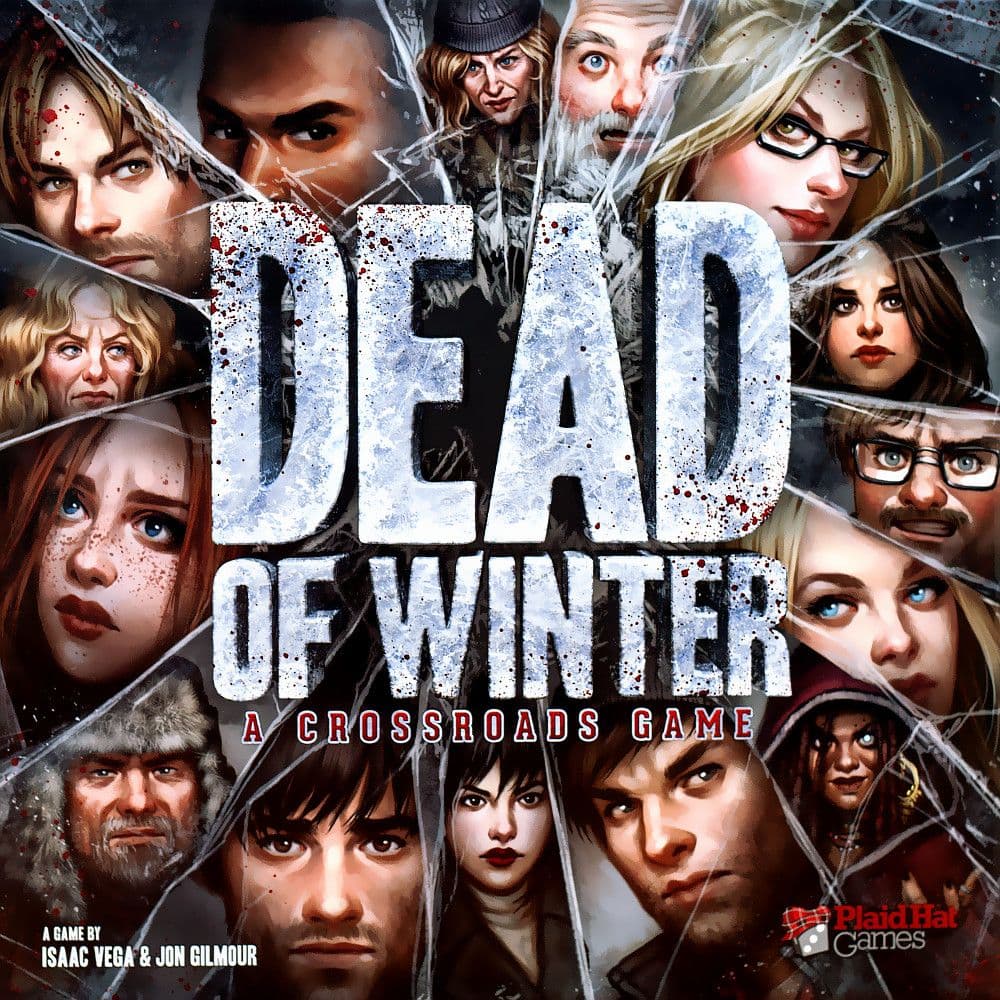
Dead of Winter: A Crossroads Game is a deeply thematic and psychological survival experience set in the harsh, unforgiving world of a zombie apocalypse. Players take on the roles of survivors in a struggling colony, forced to work together to fend off the undead, gather resources, and achieve a common objective to win the game. However, this is a 'meta-cooperative' game, meaning the group's success is only half the battle. Each player also harbors a secret personal objective they must fulfill to claim an individual victory. This dynamic masterfully creates an atmosphere of paranoia and suspense, as you can never be entirely sure of your fellow survivors' true intentions. The core conflict is a constant, tense negotiation between advancing the colony's welfare and pursuing your own self-interest, all while morale threatens to collapse.
The gameplay is structured into rounds, each containing a player turn phase followed by a colony phase. On your turn, you'll roll a set of action dice that dictate the tasks you can perform, such as scavenging for vital supplies like food and medicine, attacking zombies at various locations, constructing barricades for defense, or contributing to the ever-present crisis that threatens the colony each round. One of the game's most celebrated innovations is the Crossroads card system. At the start of each turn, another player draws a card that presents a narrative fork in the road, often forcing the active player to make a difficult, thematic choice with branching consequences. After all players have acted, the colony phase commences, during which survivors consume food, zombies press their attack, and the main objective's status is updated.
What makes Dead of Winter a modern classic is the powerful blend of strategic gameplay and emergent storytelling. The ever-present threat of a hidden traitor, a player whose secret objective is to sabotage the colony, fuels intense player interaction, accusation, and bluffing. Every decision is fraught with weight, not just for its mechanical impact but for how it is perceived by the other players. The Crossroads cards ensure no two games are ever alike, generating memorable, player-driven narratives of desperation, sacrifice, and betrayal. It is this focus on the human element and moral dilemmas, rather than just the zombies themselves, that provides a uniquely compelling and highly replayable experience, making it a perfect 'bridge' for players seeking deeper, more thematic board games.
2-5 90m⚖️ 3.4
RANK #287
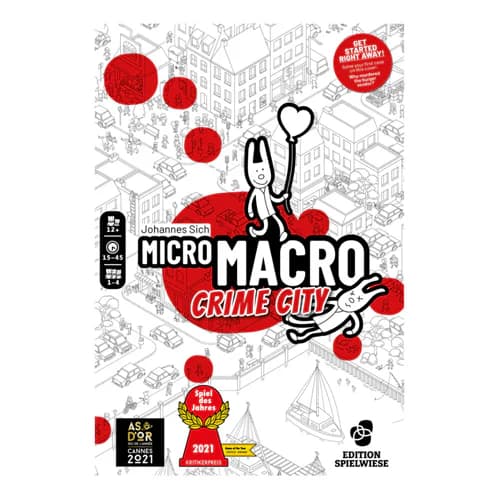
MicroMacro: Crime City is a groundbreaking cooperative experience that transforms the traditional 'hidden object' concept into a sophisticated investigative challenge. Set within a massive, intricately detailed 75 x 110 cm map of a monochrome metropolis, players take on the role of detectives tasked with solving 16 distinct criminal cases. The game's defining feature is its 'living' map, which functions as a temporal landscape where time and space are intertwined. Characters are not just static drawings; they appear multiple times across the city, allowing players to trace their movements from the moments leading up to a crime through to the aftermath.
The gameplay loop is elegantly simple yet intellectually stimulating. Each case begins with an introductory card that presents a victim or a suspicious event. Working together, players must scour the dense urban environment to find the starting point and then follow the trail of suspects and witnesses. This requires a sharp eye for detail and the ability to connect events chronologically as you 'rewind' or 'fast-forward' through the character's day. While the game provides a step-by-step investigation via scenario cards, an advanced 'Expert Mode' allows seasoned players to solve the entire mystery using only the initial prompt, relying solely on their own observation and logic to piece together the narrative.
The appeal of MicroMacro lies in its unique blend of visual storytelling and deductive gameplay. It successfully bridges the gap between casual puzzle-solving and deep narrative engagement, making it accessible to non-gamers while remaining deeply satisfying for hobbyists. The minimalist, whimsical art style often masks mature themes of crime and intrigue, creating a compelling contrast that keeps players immersed in the hunt. As a winner of the prestigious Spiel des Jahres award, it has been celebrated for its innovation and its ability to turn a simple piece of paper into a vibrant, interactive mystery world that is best enjoyed with a close group of friends or even as a solo challenge.
1-4 30m⚖️ 1.1
RANK #1,884
Box One
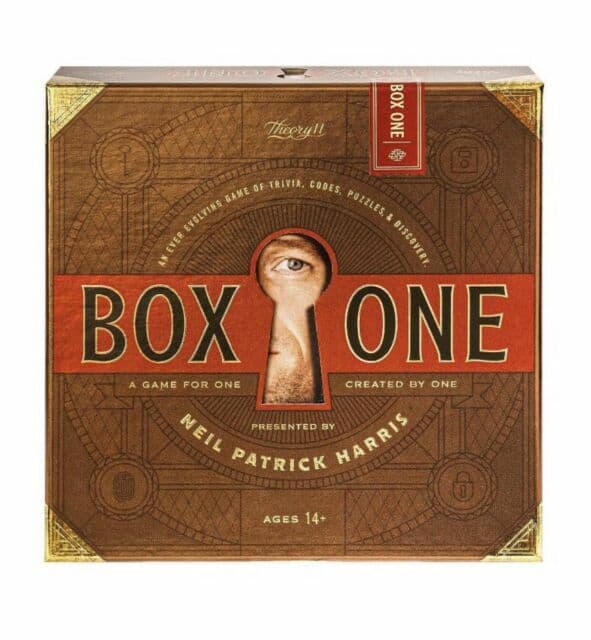
2020Box One is a singularly unique gaming experience, conceived by the versatile entertainer Neil Patrick Harris as an unfolding enigma designed for a solo player. At its core, this is an escape-room-in-a-box, a carefully constructed journey that begins under the guise of a simple trivia game. However, this initial challenge is merely the first layer of a much deeper mystery. The ultimate goal is not to win in a traditional sense, but to unravel the secrets held within the box itself, solving a cascading series of challenges that test your intellect and perception. Each solved puzzle reveals new components and deeper secrets, pulling you further into its cleverly constructed world of codes, ciphers, and unexpected discoveries.
The gameplay loop is one of continuous revelation. Players start with a set of trivia cards, but quickly realize that every single component of the game, including the very box it came in, is a potential piece of a larger puzzle. This highly tactile and interactive experience demands that players think unconventionally, pushing them to explore every nook and cranny of the physical objects before them. One of Box One's most distinctive features is its integration with the real world, occasionally requiring an internet-connected device to progress. This blending of physical and digital elements creates a dynamic and immersive investigation, where the line between the game and reality begins to blur, making each solution feel like a genuine breakthrough.
What truly sets Box One apart and contributes to its acclaim is its masterful sense of surprise and narrative guidance. The game is celebrated for constantly subverting player expectations, transforming what seems ordinary into something extraordinary. This is not just a collection of disconnected puzzles; it's a curated, story-driven adventure that makes the player the central protagonist in their own mystery. The challenges are designed to be difficult but fair, with an integrated hint system to ensure the experience remains engaging rather than frustrating. Although built as a solitary journey, the sheer cleverness of the puzzles makes it a fantastic shared experience, allowing a group to cooperatively unravel its secrets one 'aha!' moment at a time.
1 90m⚖️ 2.4

RANK #15,861
"The Ghost in the Attic" offers an award-winning, immersive experience that masterfully blends the thrill of an escape room with the tactile satisfaction of a high-quality board game. Presented as a mysterious, haunted board game from the 1950s, this intricate puzzle box invites players to step into the role of investigators. The primary objective is not simply to win a game, but to unravel a compelling central mystery. To even begin this journey, players are confronted with a physically chained and padlocked box, the first of many challenges. Success is measured by the ability to piece together clues, solve a series of interconnected puzzles, and ultimately unlock the secrets that have been sealed away for decades, bringing the haunting narrative to its conclusion.
Gameplay is a dynamic fusion of physical object manipulation and digital sleuthing. The experience begins before the box is even open, as players must first deduce the combination to the padlock shackling it shut. Once inside, they discover over two dozen beautifully crafted pieces of evidence that demand careful examination. These components are not mere props; they are integral to the puzzles themselves, and include a fully playable 'haunted' board game that forms a core part of the investigation. The journey requires more than just what's in the box, however. Players must use their wits to discover hidden websites and online resources, which hold crucial information needed to progress. For those who find themselves stumped by a particularly devious puzzle, a tiered online hint system is available to provide a gentle nudge or a clear solution, ensuring the story always moves forward.
What sets "The Ghost in the Attic" apart is its exceptional production quality and the strength of its narrative, crafted by Olivier award-winner Henry Lewis. The tangible, high-quality components create a profound sense of immersion, making players feel like genuine detectives handling real evidence. The puzzles are designed to be genuinely challenging, with one reviewer describing the initial lock as 'frustratingly fiendish,' which provides a deep sense of accomplishment upon solving. This game is perfect for dedicated puzzle enthusiasts and those who appreciate a well-told story. One of its most celebrated features is its reset-and-replay design; once the mystery is solved, the entire experience can be perfectly repacked, allowing it to be shared with friends and family, extending its life and value far beyond a single playthrough.
1-6 90m⚖️ 2.6