Historical Games
Browse all Historical board games in the Meeple Pulse database.
Styles
Themes
AbstractAdventureAncientAnimalsArtBusinessCard GameCo-operativeComic BookCooperativeCrimeEconomicEnvironmentalismExplorationFantasyHistoricalHorrorHumorIntrigueLiteraryMagicMarvelMedievalModernMuseumMysteryMythologyNatureNauticalPoliticalPress Your LuckSatireSci-FiSocial CommentarySocial InteractionSpaceSuperheroesThematicTravelWarWesternWord-Guessing
Mechanics
3D PlacementActingAction / DexterityAction DraftingAction Point AllowanceAction Point Allowance SystemAction Point SystemAction PointsAction ProgrammingAction QueueAction RetrievalAction SelectionAction/EventAlliancesAlternate ActivationApp-AssistedApp-DrivenArea ControlArea InfluenceArea MajorityArea Majority / InfluenceArea MovementArgumentationAsymmetricAsymmetric FactionsAsymmetric GameAsymmetric PowersAsymmetrical PowersAuction & BiddingAuction/BiddingAuctioningBag BuildingBettingBetting and BluffingBetting and WageringBetting and WagersBiddingBingoBlind BiddingBluffingCampaign / Battle Card DrivenCampaign / LegacyCampaign / Legacy GameCampaign / Mission-basedCampaign / ScenariosCampaign GameCampaign PlayCard DraftingCard DrawingCard DrivenCard Driven ActionCard Driven CombatCard Driven Dice AllocationCard Driven MovementCard ManagementCard PlayCard Play / Hand ManagementCard Play Conflict ResolutionCard SheddingCard-Driven MovementCharacter CreationCharacter ProgressionChit-Pull SystemCo-op PlayCo-operative GameCo-operative PlayCode-breakingCombat ResolutionCombo ChainCommand CardsCommodity SpeculationCommunication LimitsContract FulfillmentContractsCooperative GameCooperative GameplayCooperative PlayCooperative Trick-takingDebateDeck BuildingDeck ConstructionDeck, Bag, and Pool BuildingDeck-BuildingDeductionDexterityDice DraftingDice PlacementDice RollingDiplomatic InfluenceDraftingDynamic Battle SystemEnclosureEnd Game BonusesEngine BuildingEngine-BuildingEscape RoomEvent DrivenExplorationFarmingFlip and WriteFollowFollow ActionGrid CoverageGrid MovementHand ManagementHex-and-CounterHexagon GridHidden MovementHidden RolesI Cut You ChooseIncomeInfluence / Area MajorityLadder ClimbingLegacyLegacy ElementsLegacy GameLegacy SystemLimited CommunicationLine DrawingLine of SightMancalaMap MovementMarketMarket DraftingMarket ManipulationMarket MechanicMarket SpeculationMatchingMeasurement MovementMemoryMission ObjectivesModular BoardModular Board ConstructionMovement TemplatesMulti-Use CardsMulti-use CardsMultiple ScenariosMust FollowNarrative ChoiceNarrative Choice / ParagraphNegotiationNegotiation MechanicsNetwork & Route BuildingNetwork BuildingNetwork and Route BuildingOne vs ManyOne vs. ManyOpen DraftingPaper-and-PencilPartnershipsPattern BuildingPattern RecognitionPick-up and DeliverPlayer EliminationPlayer InteractionPlayer JudgePoint SaladPoint to Point MovementPolyominoesPush Your LuckPush-Your-LuckPuzzlePuzzle-LikePuzzle-SolvingRaceReal-TimeRecipe FulfillmentResource ManagementRole PlayingRole SelectionRoll / Spin and MoveRondelRoute BuildingRoute-BuildingRoute/Network BuildingSanity SystemScenario / Campaign PlayScenario / Mission / Campaign GameScenario / Mission FunctionSecret Unit DeploymentSemi-Cooperative GameSet CollectionSheddingSimulationSimultaneous ActionSimultaneous Action SelectionSimultaneous Hidden AllocationSocial DeductionSocial InteractionSolo / Solitaire GameSpace ExplorationStat Check / Skill CheckStock HoldingStorytellingStrategic PlanningTableau BuildingTactical Decision-MakingTake ThatTargeted CluesTeam PlayTeam-Based GameTeam-Based GuessingTeamworkTech TreesTech Trees / Tech TracksTechnology & Armament TracksTechnology TreeTension & Aggression TracksTile DraftingTile LayingTile PlacementTime TrackTime TravelTower DefenseTrack MovementTradingTrick-takingTug of WarTurn Order: PassTurn Order: Stat-BasedUnit PlacementVariable Phase OrderVariable Player PowersVariable Set-upVariable SetupVictory Point TracksVotingWord AssociationWord GameWord GuessingWord-GuessingWord-guessingWordplayWorker Placement

RANK #140
Age of Steam
2002Age of Steam is a legendary and famously unforgiving economic game that places players in the roles of pioneering railroad barons during the 19th-century American industrial boom. The objective is not merely to build a vast network, but to operate it profitably and end with the most victory points. Players must navigate a landscape of fierce competition and razor-thin budgets, where a single poor decision can lead to financial ruin. The game is celebrated for its strategic depth and high level of interaction, demanding careful planning and a willingness to interfere with your opponents' grand designs.
Gameplay unfolds over a series of rounds, each comprising ten distinct phases that create a tense and challenging rhythm. The proceedings begin with players having the difficult choice to issue shares, taking on debt for immediate capital but incurring penalties and ongoing expenses. What follows is a critical auction for turn order, as going first provides a significant advantage in selecting powerful special actions and claiming prime track locations. The heart of the game involves players laying track tiles to build out their rail networks, connecting cities and resources. This phase is intensely interactive, as track can be used to block competitors from lucrative routes. Finally, players move goods cubes along their established lines to cities of a matching color, earning income based on the length of the delivery. This core loop of financing, bidding, building, and delivering is the engine that drives the entire experience.
The true genius and appeal of Age of Steam lies in its brutal economic simulation. After earning income, players must immediately pay for their network's maintenance and the interest on all their issued shares. Failure to cover these costs results in a devastating loss of income, creating a potential death spiral of debt. This constant financial pressure forces players into a delicate balancing act between aggressive expansion and fiscal responsibility. It fosters a 'cutthroat' atmosphere where every dollar and every track placement matters immensely. This demanding, high-stakes environment is precisely why strategic gamers revere it; victory in Age of Steam is a hard-won achievement that feels deeply rewarding.
1-6 120m⚖️ 3.9
RANK #850
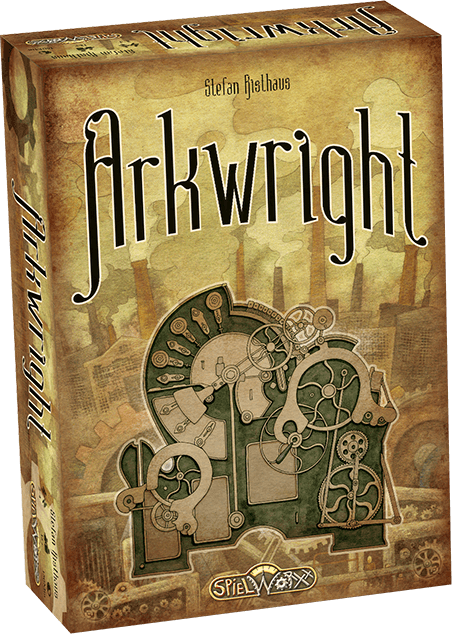
Arkwright
2014Arkwright thrusts players into the heart of the 18th-century Industrial Revolution, casting them as pioneering entrepreneurs in England. This is a deeply strategic and weighty economic simulation where the ultimate measure of success is not merely accumulating cash, but skillfully increasing the value of your company's shares. Players must navigate the birth of modern industry, building a commercial empire from the ground up. The goal is to become the most respected and valuable business magnate of the era, proving your acumen in a fiercely competitive environment. It’s a game about foresight, long-term planning, and understanding the intricate dance between production, labor, and the burgeoning stock market.
The gameplay unfolds over five 'decades', each representing a distinct phase of industrial growth. Each round, players select actions from an administration board, a core mechanic that blends worker placement with strategic resource allocation. These actions are the engine of your enterprise: you will build and modernize up to four factories dedicated to producing essential goods like cloth, cutlery, lamps, or bread. Managing these factories requires a delicate balance. You must hire workers, invest in new machinery to boost efficiency and quality, and, most crucially, set the price for your products. The game features a dynamic market where consumer demand fluctuates and an automated importer provides constant competition, forcing you to carefully consider your pricing strategy to outsell rivals and maximize profits.
What makes Arkwright a celebrated title among serious gamers is its uncompromised complexity and rewarding depth. It is a true 'brain-burner' that challenges players to manage multiple interconnected systems simultaneously. The genius lies in how every decision—from firing a worker to buying a single share of your own stock—has cascading effects on your entire operation and market position. Successfully selling goods directly translates into a higher share price, creating a satisfying feedback loop that rewards efficiency and shrewd market manipulation. The game also offers built-in scalability with its "Spinning Jenny" and "Waterframe" modules, allowing groups to choose between a slightly more streamlined experience or the full, intricate simulation. It’s this challenging but fair economic puzzle that gives Arkwright its immense replayability and enduring appeal.
2-4 180m⚖️ 4.7