Thematic Games
Browse all Thematic board games in the Meeple Pulse database.
Styles
Themes
AbstractAdventureAncientAnimalsArtBusinessCard GameCo-operativeComic BookCooperativeCrimeEconomicEnvironmentalismExplorationFantasyHistoricalHorrorHumorIntrigueLiteraryMagicMarvelMedievalModernMuseumMysteryMythologyNatureNauticalPoliticalPress Your LuckSatireSci-FiSocial CommentarySocial InteractionSpaceSuperheroesThematicTravelWarWesternWord-Guessing
Mechanics
3D PlacementActingAction / DexterityAction DraftingAction Point AllowanceAction Point Allowance SystemAction Point SystemAction PointsAction ProgrammingAction QueueAction RetrievalAction SelectionAction/EventAlliancesAlternate ActivationApp-AssistedApp-DrivenArea ControlArea InfluenceArea MajorityArea Majority / InfluenceArea MovementArgumentationAsymmetricAsymmetric FactionsAsymmetric GameAsymmetric PowersAsymmetrical PowersAuction & BiddingAuction/BiddingAuctioningBag BuildingBettingBetting and BluffingBetting and WageringBetting and WagersBiddingBingoBlind BiddingBluffingCampaign / Battle Card DrivenCampaign / LegacyCampaign / Legacy GameCampaign / Mission-basedCampaign / ScenariosCampaign GameCampaign PlayCard DraftingCard DrawingCard DrivenCard Driven ActionCard Driven CombatCard Driven Dice AllocationCard Driven MovementCard ManagementCard PlayCard Play / Hand ManagementCard Play Conflict ResolutionCard SheddingCard-Driven MovementCharacter CreationCharacter ProgressionChit-Pull SystemCo-op PlayCo-operative GameCo-operative PlayCode-breakingCombat ResolutionCombo ChainCommand CardsCommodity SpeculationCommunication LimitsContract FulfillmentContractsCooperative GameCooperative GameplayCooperative PlayCooperative Trick-takingDebateDeck BuildingDeck ConstructionDeck, Bag, and Pool BuildingDeck-BuildingDeductionDexterityDice DraftingDice PlacementDice RollingDiplomatic InfluenceDraftingDynamic Battle SystemEnclosureEnd Game BonusesEngine BuildingEngine-BuildingEscape RoomEvent DrivenExplorationFarmingFlip and WriteFollowFollow ActionGrid CoverageGrid MovementHand ManagementHex-and-CounterHexagon GridHidden MovementHidden RolesI Cut You ChooseIncomeInfluence / Area MajorityLadder ClimbingLegacyLegacy ElementsLegacy GameLegacy SystemLimited CommunicationLine DrawingLine of SightMancalaMap MovementMarketMarket DraftingMarket ManipulationMarket MechanicMarket SpeculationMatchingMeasurement MovementMemoryMission ObjectivesModular BoardModular Board ConstructionMovement TemplatesMulti-Use CardsMulti-use CardsMultiple ScenariosMust FollowNarrative ChoiceNarrative Choice / ParagraphNegotiationNegotiation MechanicsNetwork & Route BuildingNetwork BuildingNetwork and Route BuildingOne vs ManyOne vs. ManyOpen DraftingPaper-and-PencilPartnershipsPattern BuildingPattern RecognitionPick-up and DeliverPlayer EliminationPlayer InteractionPlayer JudgePoint SaladPoint to Point MovementPolyominoesPush Your LuckPush-Your-LuckPuzzlePuzzle-LikePuzzle-SolvingRaceReal-TimeRecipe FulfillmentResource ManagementRole PlayingRole SelectionRoll / Spin and MoveRondelRoute BuildingRoute-BuildingRoute/Network BuildingSanity SystemScenario / Campaign PlayScenario / Mission / Campaign GameScenario / Mission FunctionSecret Unit DeploymentSemi-Cooperative GameSet CollectionSheddingSimulationSimultaneous ActionSimultaneous Action SelectionSimultaneous Hidden AllocationSocial DeductionSocial InteractionSolo / Solitaire GameSpace ExplorationStat Check / Skill CheckStock HoldingStorytellingStrategic PlanningTableau BuildingTactical Decision-MakingTake ThatTargeted CluesTeam PlayTeam-Based GameTeam-Based GuessingTeamworkTech TreesTech Trees / Tech TracksTechnology & Armament TracksTechnology TreeTension & Aggression TracksTile DraftingTile LayingTile PlacementTime TrackTime TravelTower DefenseTrack MovementTradingTrick-takingTug of WarTurn Order: PassTurn Order: Stat-BasedUnit PlacementVariable Phase OrderVariable Player PowersVariable Set-upVariable SetupVictory Point TracksVotingWord AssociationWord GameWord GuessingWord-GuessingWord-guessingWordplayWorker Placement
RANK #4
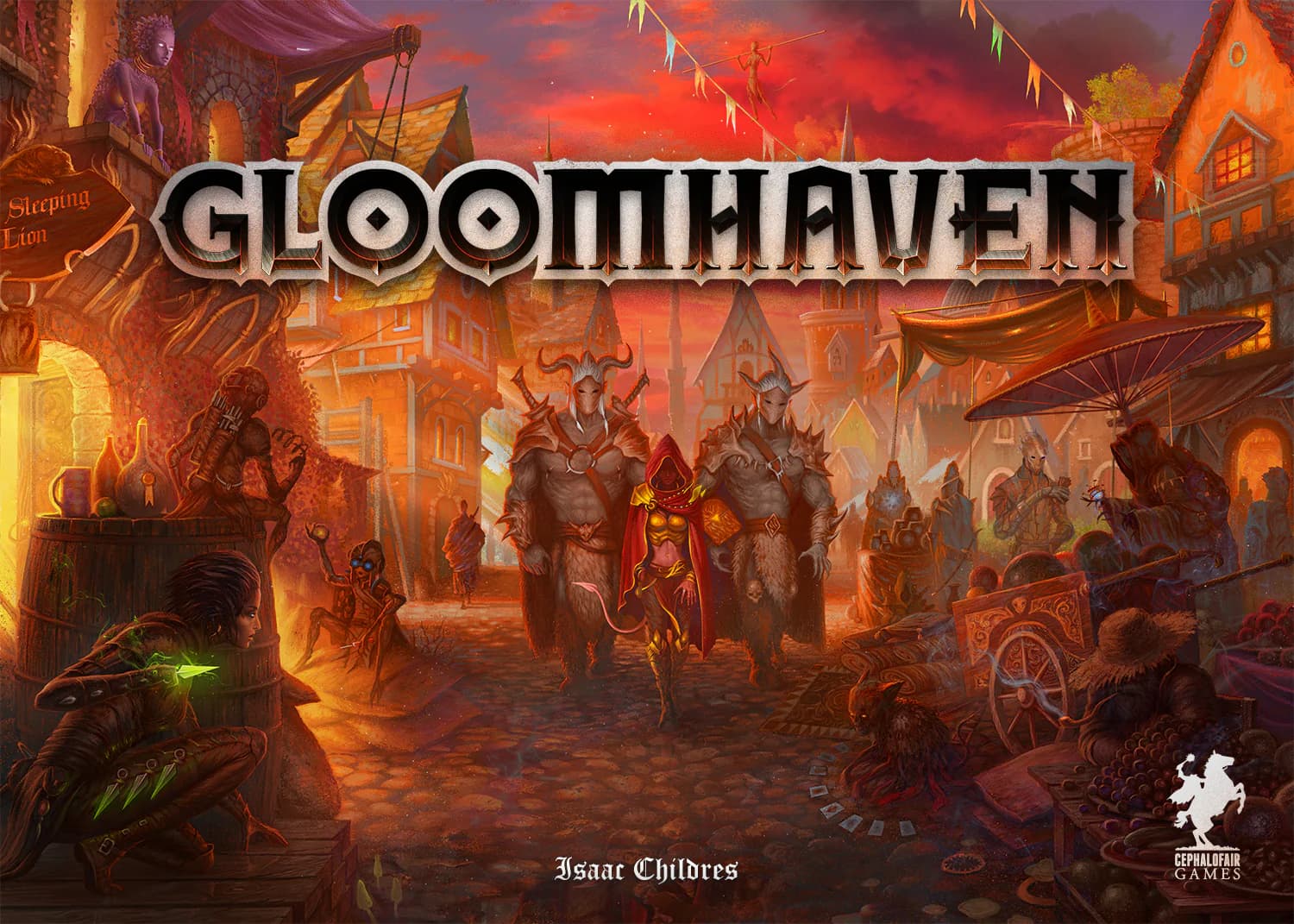
Gloomhaven
2017Gloomhaven is a sprawling, cooperative tactical combat game set in a persistent, evolving fantasy world. Players take on the roles of wandering mercenaries, each with their own unique motivations and hidden personal goals. The primary objective is to work together to navigate a series of branching scenarios that form a massive narrative campaign. As the party explores dark dungeons, forgotten ruins, and dangerous wilderness areas, they will uncover the secrets of the titular city and make choices that permanently alter the world map and the game's overall trajectory. Unlike traditional dungeon crawlers, success in Gloomhaven is less about luck and more about careful planning and resource management, as players strive to survive encounters while advancing their characters' legacy toward an eventual retirement.
The core of the gameplay revolves around a sophisticated, card-driven combat system that eliminates the need for dice. Each round, players select two cards from their hand to perform actions, choosing one top half and one bottom half from the pairing. This creates a deep tactical puzzle where players must manage their limited hand of cards; once a card is 'burned' or discarded, it becomes harder to maintain stamina, effectively serving as a timer for the scenario. The game utilizes a legacy system where players open sealed envelopes, add stickers to the board, and unlock new character classes as they progress through the ninety-five unique scenarios. Character progression is robust, allowing players to customize their ability decks and modifier decks, ensuring that no two heroes feel exactly the same even within the same class.
What truly sets Gloomhaven apart is its sheer scale and the intellectual depth of its design. Often cited as one of the greatest board games ever produced, it offers a level of immersion and long-term commitment rarely seen in the hobby. The absence of dice in combat provides a sense of agency, making every victory feel earned through strategy rather than chance. The world is reactive; your decisions determine which scenarios become available and which are locked away forever, creating a personalized experience for every gaming group. Its 'euro-style' approach to thematic dungeon crawling rewards clever synergy between players and careful hand management, making it a masterpiece of modern game design that caters to those seeking a heavy, rewarding, and narrative-rich campaign that can span hundreds of hours of play.
1-4 90m⚖️ 4.4
RANK #188
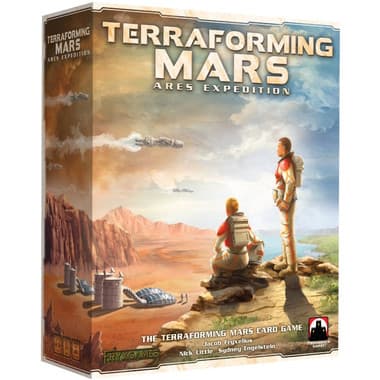
Terraforming Mars: Ares Expedition offers a compelling, self-contained experience that captures the essence of its celebrated predecessor in a more streamlined package. In this engine-building card game, players assume the leadership of powerful interplanetary corporations with the monumental task of making the Red Planet habitable for humanity. The ultimate objective is to earn the most Victory Points by contributing to the three global terraforming parameters: raising the planet's temperature, increasing the atmospheric oxygen to breathable levels, and creating vast liquid water oceans. As these goals are collectively met, players simultaneously build their corporate infrastructure, leveraging unique advantages to become the most influential force in Mars's new era. Victory is not just about helping humanity; it's about proving your corporation's superior efficiency and vision in this new frontier.
The gameplay of Ares Expedition revolves around a clever and fast-paced phase selection system that dramatically reduces downtime. Each round, all players secretly and simultaneously choose one of five possible phases to activate: Development (for playing green project cards), Construction (for blue and red cards), Action (for using card abilities), Production (for gaining resources), or Research (for drawing new cards). All players then get to perform the actions of every phase selected that round, but those who chose a specific phase receive a valuable bonus, creating a tense dynamic of predicting opponents' needs while advancing your own strategy. This core loop drives the tableau-building aspect of the game, where players manage resources like MegaCredits, heat, and plants to play a diverse array of project cards into their personal play area. These cards form the engine that will generate resources, provide powerful actions, and ultimately score the points needed to win.
Ares Expedition has earned acclaim for successfully condensing the epic scope of the original *Terraforming Mars* into a focused, 45-to-60-minute playtime without sacrificing strategic depth. The simultaneous phase selection is the star of the show, ensuring players are constantly engaged and making meaningful decisions. This design choice elegantly solves the long wait times that could occur in the original, making it far more accessible for weeknight gaming or for groups who prefer a quicker tempo. While the rules are more direct, the challenge of finding powerful card synergies and building an efficient, multi-faceted engine remains deeply rewarding. It's the perfect choice for fans of the original seeking a faster game, as well as for newcomers looking for a rich, thematic, and highly replayable journey into the challenges of planetary engineering.
1-4 60m⚖️ 3.0

RANK #212
Embark on an epic science-fiction journey in "Welcome to the Moon," a narrative-driven campaign game that builds upon the celebrated 'flip-and-write' system. In this ambitious sequel, players are tasked with a monumental mission: saving humanity by establishing a thriving colony on the moon. The game is ingeniously structured as a series of eight distinct 'adventures,' each representing a critical phase of the colonization project. These adventures are linked by a branching, overarching story where your successes and failures in one chapter directly influence the challenges and opportunities you'll face in the next. The goal isn't just to score points on a single map, but to navigate a multi-stage campaign, making shrewd decisions that will guide your faction's progress and ultimately determine the fate of your lunar settlement across a generation-spanning saga.
The core gameplay loop is elegantly simple yet rich with strategic depth. Each round, three sets of cards are revealed, with each set containing a number card and an action card. All players simultaneously choose one pair to use on their personal, dry-erase adventure sheet for that mission. The number must be written into a space, adhering to the fundamental rule of placing values in ascending order within defined zones. The chosen action grants a powerful bonus, such as activating special abilities, collecting resources, or advancing mission objectives. What truly sets the experience apart is that each of the eight adventures features a completely unique player sheet with its own rules, spatial puzzles, and thematic scoring conditions, transforming the gameplay from launching your ship in Adventure 1 to developing a lunar city in a later mission.
"Welcome to the Moon" captivates players with its unique blend of accessible mechanics and deep, long-term strategy. Its most celebrated feature is the campaign system, which elevates the game far beyond a standard flip-and-write by creating a persistent, evolving world. The sense of discovery as you unlock new adventures and see the consequences of your choices unfold is a powerful hook that encourages repeated play. This versatility is a major strength; you can easily pull out any of the eight adventures for a quick, satisfying standalone game, or immerse yourself in the full campaign for a richer, more narrative experience. This flexibility, combined with its capacity for solo play, makes it a remarkable and highly replayable package for anyone who enjoys clever puzzles and grand, thematic stories.
1-6 30m⚖️ 2.4
RANK #235
A Game of Thrones: The Board Game (Second Edition) transports players to the war-torn continent of Westeros, drawing directly from the narrative depths of George R.R. Martin's 'A Song of Ice and Fire' series. In this grand strategy experience, three to six players assume the mantles of the Great Houses—such as Stark, Lannister, or Baratheon—competing for dominion over the Iron Throne. The ultimate objective is to secure the most castles and strongholds across the map through a blend of military conquest, political maneuvering, and calculated diplomacy. Set against a backdrop of impending winter and the looming threat of the Wildlings beyond the Wall, the game captures the high-stakes tension of the source material, where every move could lead to total victory or sudden betrayal.
The core gameplay revolves around a unique simultaneous planning phase where players place secret order tokens on territories they control. These tokens represent specific actions like marching armies, defending borders, consolidating power for resources, or raiding adjacent enemy positions. Once revealed, players resolve these actions in a specific sequence, requiring them to anticipate their opponents' intentions and bluff their way through contested borders. Combat is notably deterministic, relying on unit strength and support from neighboring regions rather than dice rolls. However, players can swing the tide of battle by playing 'House Cards' featuring iconic characters that grant special abilities. Beyond the battlefield, players must manage their influence on three critical tracks—the Iron Throne, the Fiefdoms, and the King's Court—which determine turn order and special perks.
What makes this game a modern classic is its emphasis on the 'human element' and high-level interaction. Unlike many wargames that rely on luck, this title thrives on negotiation and the constant threat of a 'backstab.' Players are frequently forced to forge temporary pacts to stop a leading player or to share the burden of repelling Wildling invasions, only to find those same allies marching into their undefended rear territories a turn later. The production quality of the second edition is exceptional, featuring a stunning map of Westeros, marbleized plastic units, and linen-finish cards that enhance the immersive, epic feel. It is a dense, rewarding experience that demands strategic foresight and a keen understanding of political psychology.
3-6 180m⚖️ 3.8
BoxNo Cover Art
RANK #289
Flamme Rouge
2016Flamme Rouge is a fast-paced, tactical bicycle racing game that transports players to the heart of a high-stakes 'one-day' classic race. Each player takes on the role of a team director managing two cyclists: the Rouleur, known for steady endurance, and the Sprinteur, capable of explosive bursts of speed. The objective is deceptively straightforward—cross the finish line first—but achieving this requires mastering the delicate balance of stamina, positioning, and timing. Set against the backdrop of the golden age of cycling, the game uses a modular track system to create unique courses every time you play, ranging from flat sprints to grueling mountain climbs that test even the most seasoned riders.
The gameplay loop revolves around a clever card-driven movement system that emphasizes hand management and deck depletion. Every round, players simultaneously draw cards for both their riders, choosing one to play and burying the others. The catch is that once a movement card is played, it is permanently removed from the game. This forces players to make difficult decisions: do you burn a high-value card now to break away from the pack, or save it for the final sprint? Positioning is critical, as the game rewards those who ride in groups through a 'slipstreaming' mechanic. If a rider ends exactly one space behind another, they are pulled forward for free, conserving their energy. Conversely, leading the pack or riding solo into the wind results in 'Exhaustion' cards being added to your deck, which act as dead weight and dilute your future drawing options.
What makes Flamme Rouge a modern classic is its ability to deliver a deep, thematic experience through incredibly accessible rules. It is easy enough for families to enjoy together but offers the tactical depth required to keep veteran strategy gamers engaged. The tension of the 'reveal' phase, where all players show their cards at once, captures the unpredictable nature of a real peloton. With its elegant design and high replayability thanks to the diverse track tiles, it offers a satisfying blend of luck and strategy. Whether you are carefully drafting to stay fresh or making a desperate dash for the flamme rouge—the red flag marking the final kilometer—every race is a cinematic experience.
2-4 45m⚖️ 1.7
RANK #292
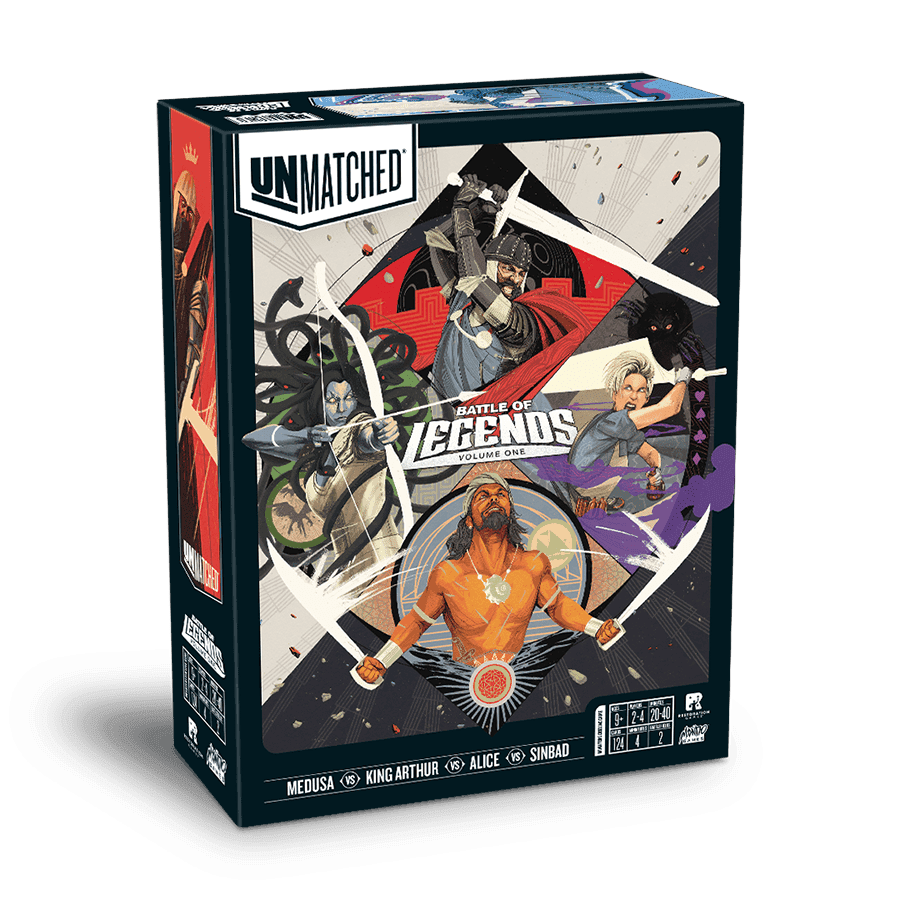
Unmatched: Battle of Legends, Volume One serves as the cornerstone of a widely acclaimed skirmish series, reinventing the tactical combat mechanics originally popularized by the Star Wars: Epic Duels system. This asymmetrical miniature game invites players to pit legendary figures from across folklore, literature, and history against one another in fast-paced duels. Whether it is the mythical Medusa staring down the Victorian Alice or King Arthur clashing with the seafaring Sinbad, the game thrives on the 'what if' scenarios of impossible combat. Each hero is accompanied by unique sidekicks and a specialized deck of cards, ensuring that no two fighters approach the battlefield with the same strategy or strengths.
The gameplay is defined by a 'no-luck' tactical system that replaces traditional dice rolling with strategic card management and precise positioning. On a turn, players must execute exactly two actions, choosing between maneuvering for better positioning, playing powerful utility schemes, or launching aggressive attacks. Movement is governed by a vibrant 'colored zone' system on the board, which simplifies line-of-sight calculations and encourages dynamic kiting or flanking maneuvers. Combat itself is a tense mind game where both the attacker and defender reveal cards simultaneously. Success depends on anticipating an opponent's defense and mastering the complex timing of effects that trigger 'Immediately', 'During Combat', or 'After Combat'. This layered timing system adds significant depth to the seemingly straightforward mechanics.
Part of the game's enduring appeal lies in its accessibility paired with high replayability. While the rules are simple enough to teach in minutes, the nuances of each character's 30-card deck provide a rich competitive environment. Players must learn to manage their hand carefully, as running out of cards leads to exhaustion and inevitable defeat. The visual presentation is equally striking, featuring the bold, graphic art style of Oliver Barrett, which gives the game a modern and sophisticated aesthetic. With its quick play sessions and the ability to mix and match heroes from other sets in the Unmatched line, this volume offers a perfect entry point for those seeking a 'bridge' title that balances light strategy with intense, thematic confrontation.
2-4 30m⚖️ 1.9
RANK #463
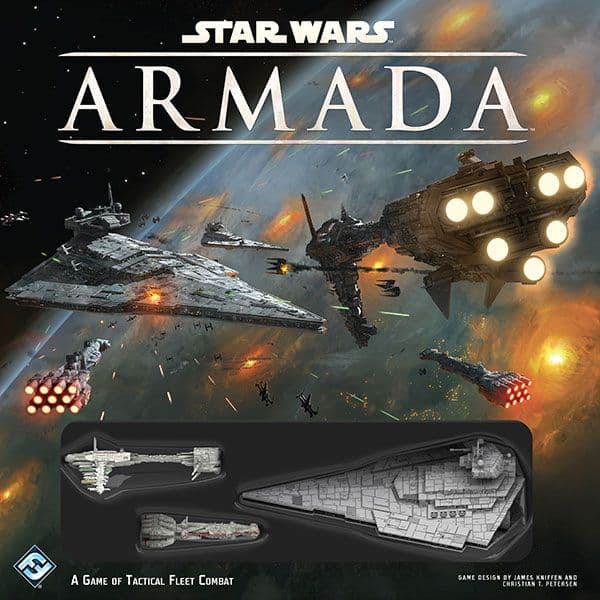
Star Wars: Armada is an epic-scale miniatures game where two players assume the roles of fleet admirals for either the Rebel Alliance or the Galactic Empire. The game simulates large-scale tactical space battles during the Galactic Civil War. The primary objective is straightforward yet challenging: either completely annihilate the opposing fleet or accumulate more victory points than your opponent by the end of the game's six-round limit. Players build their fleets beforehand, carefully selecting ships, commanders, and upgrades to create a synergistic force capable of outmaneuvering and outgunning their rival on a 3x6 foot play area.
The gameplay of *Armada* is defined by its deliberate, strategic pace, which captures the immense scale and inertia of its capital ships. A standout feature is the command dial system, which forces players to think several turns ahead. For each capital ship, players secretly select commands like navigation, repair, or concentrated fire, placing the chosen dial on a stack. Only the top dial is revealed and resolved each round, meaning a decision made now might not take effect for two or three turns. Movement is another critical element, handled with an articulated maneuver tool that dictates a ship's turn and speed, simulating momentum. Crucially, ships perform their attacks *before* moving, creating a tense game of prediction where you must anticipate your opponent’s final position to land a successful broadside.
What makes *Star Wars: Armada* a beloved classic among miniatures wargamers is its profound strategic depth and highly thematic experience. The game is often praised for feeling less like a fast-paced dogfight and more like a high-stakes game of chess in space. The pre-planning required by the command system and the unique movement rules reward foresight and tactical acumen. The stunning, pre-painted miniatures of iconic ships like Star Destroyers and Mon Calamari Cruisers bring the Star Wars universe to life on the tabletop, creating a spectacular visual presence. This focus on deliberate, large-scale naval-style combat provides a uniquely satisfying and immersive strategic challenge that keeps players returning to the battlefield.
2 120m⚖️ 3.2
RANK #493
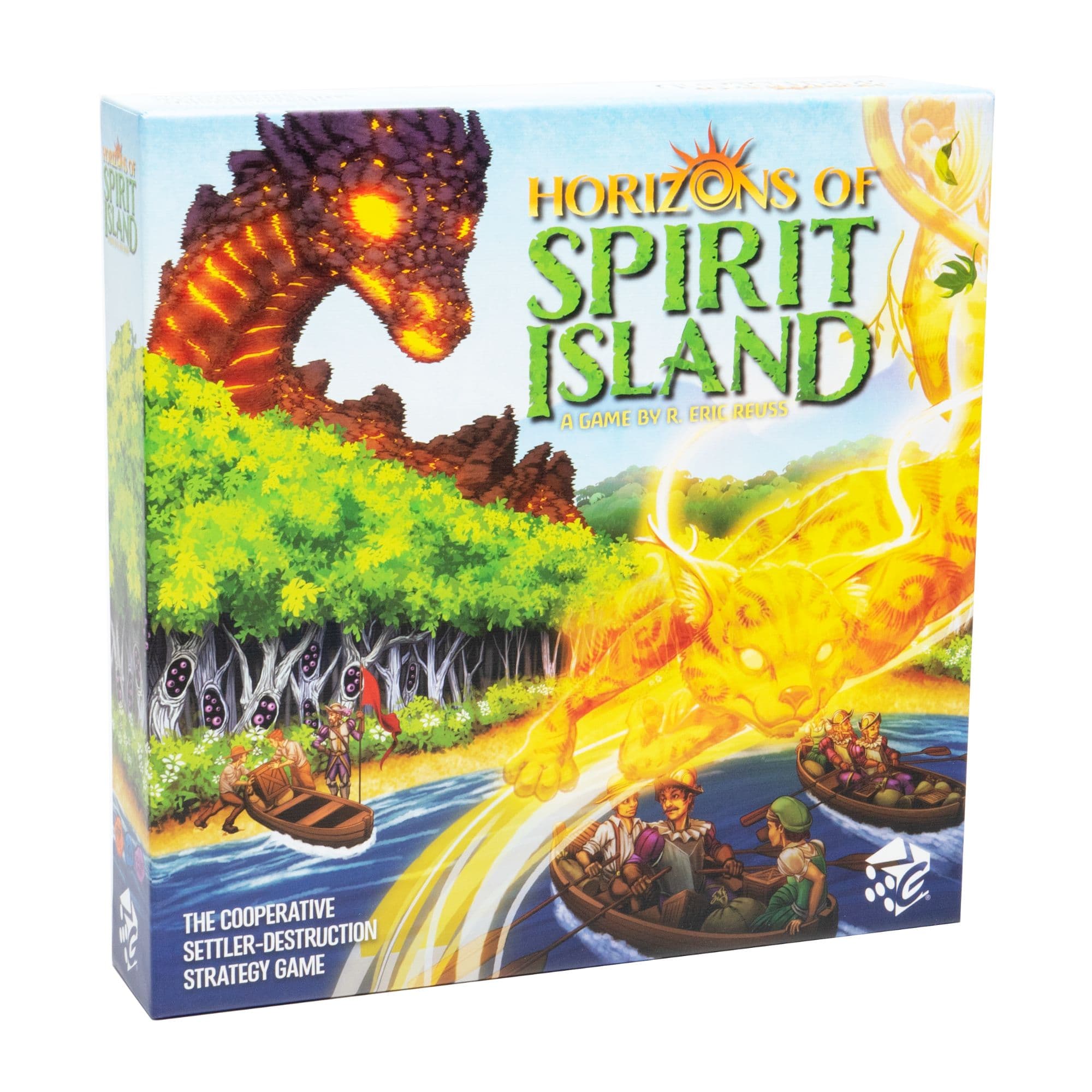
Unleash primal forces and protect your sacred home in *Horizons of Spirit Island*, the captivating cooperative board game from 2022. This accessible entry point to the acclaimed Spirit Island universe invites new players to embody unique island spirits, each with distinct powers, to strategically defend the land and its Dahan inhabitants from encroaching invaders. Master elemental abilities, grow your presence, and cooperatively outmaneuver colonial forces in a thrilling, high-strategy experience perfect for those seeking an engaging and deeply thematic challenge.
m⚖️ N/A