Simulation Games
Browse all Simulation board games in the Meeple Pulse database.
Styles
Themes
AbstractAdventureAncientAnimalsArtBusinessCard GameCo-operativeComic BookCooperativeCrimeEconomicEnvironmentalismExplorationFantasyHistoricalHorrorHumorIntrigueLiteraryMagicMarvelMedievalModernMuseumMysteryMythologyNatureNauticalPoliticalPress Your LuckSatireSci-FiSocial CommentarySocial InteractionSpaceSuperheroesThematicTravelWarWesternWord-Guessing
Mechanics
3D PlacementActingAction / DexterityAction DraftingAction Point AllowanceAction Point Allowance SystemAction Point SystemAction PointsAction ProgrammingAction QueueAction RetrievalAction SelectionAction/EventAlliancesAlternate ActivationApp-AssistedApp-DrivenArea ControlArea InfluenceArea MajorityArea Majority / InfluenceArea MovementArgumentationAsymmetricAsymmetric FactionsAsymmetric GameAsymmetric PowersAsymmetrical PowersAuction & BiddingAuction/BiddingAuctioningBag BuildingBettingBetting and BluffingBetting and WageringBetting and WagersBiddingBingoBlind BiddingBluffingCampaign / Battle Card DrivenCampaign / LegacyCampaign / Legacy GameCampaign / Mission-basedCampaign / ScenariosCampaign GameCampaign PlayCard DraftingCard DrawingCard DrivenCard Driven ActionCard Driven CombatCard Driven Dice AllocationCard Driven MovementCard ManagementCard PlayCard Play / Hand ManagementCard Play Conflict ResolutionCard SheddingCard-Driven MovementCharacter CreationCharacter ProgressionChit-Pull SystemCo-op PlayCo-operative GameCo-operative PlayCode-breakingCombat ResolutionCombo ChainCommand CardsCommodity SpeculationCommunication LimitsContract FulfillmentContractsCooperative GameCooperative GameplayCooperative PlayCooperative Trick-takingDebateDeck BuildingDeck ConstructionDeck, Bag, and Pool BuildingDeck-BuildingDeductionDexterityDice DraftingDice PlacementDice RollingDiplomatic InfluenceDraftingDynamic Battle SystemEnclosureEnd Game BonusesEngine BuildingEngine-BuildingEscape RoomEvent DrivenExplorationFarmingFlip and WriteFollowFollow ActionGrid CoverageGrid MovementHand ManagementHex-and-CounterHexagon GridHidden MovementHidden RolesI Cut You ChooseIncomeInfluence / Area MajorityLadder ClimbingLegacyLegacy ElementsLegacy GameLegacy SystemLimited CommunicationLine DrawingLine of SightMancalaMap MovementMarketMarket DraftingMarket ManipulationMarket MechanicMarket SpeculationMatchingMeasurement MovementMemoryMission ObjectivesModular BoardModular Board ConstructionMovement TemplatesMulti-Use CardsMulti-use CardsMultiple ScenariosMust FollowNarrative ChoiceNarrative Choice / ParagraphNegotiationNegotiation MechanicsNetwork & Route BuildingNetwork BuildingNetwork and Route BuildingOne vs ManyOne vs. ManyOpen DraftingPaper-and-PencilPartnershipsPattern BuildingPattern RecognitionPick-up and DeliverPlayer EliminationPlayer InteractionPlayer JudgePoint SaladPoint to Point MovementPolyominoesPush Your LuckPush-Your-LuckPuzzlePuzzle-LikePuzzle-SolvingRaceReal-TimeRecipe FulfillmentResource ManagementRole PlayingRole SelectionRoll / Spin and MoveRondelRoute BuildingRoute-BuildingRoute/Network BuildingSanity SystemScenario / Campaign PlayScenario / Mission / Campaign GameScenario / Mission FunctionSecret Unit DeploymentSemi-Cooperative GameSet CollectionSheddingSimulationSimultaneous ActionSimultaneous Action SelectionSimultaneous Hidden AllocationSocial DeductionSocial InteractionSolo / Solitaire GameSpace ExplorationStat Check / Skill CheckStock HoldingStorytellingStrategic PlanningTableau BuildingTactical Decision-MakingTake ThatTargeted CluesTeam PlayTeam-Based GameTeam-Based GuessingTeamworkTech TreesTech Trees / Tech TracksTechnology & Armament TracksTechnology TreeTension & Aggression TracksTile DraftingTile LayingTile PlacementTime TrackTime TravelTower DefenseTrack MovementTradingTrick-takingTug of WarTurn Order: PassTurn Order: Stat-BasedUnit PlacementVariable Phase OrderVariable Player PowersVariable Set-upVariable SetupVictory Point TracksVotingWord AssociationWord GameWord GuessingWord-GuessingWord-guessingWordplayWorker Placement

RANK #47
Set in the roaring 1960s, Heat: Pedal to the Metal places players behind the wheel of high-powered vintage race cars. The primary objective is simple: be the first to cross the finish line after a grueling series of laps around iconic circuits. However, achieving victory requires more than just flooring the accelerator; it demands a delicate balance of aggression and technical precision. As you navigate these tracks, you must manage your car's internal temperature, represented by a specific deck of cards. One wrong move or an overly ambitious turn can lead to your engine overheating, forcing a spin-out that could cost you the entire race.
The core gameplay revolves around a sophisticated card-driven movement system seamlessly integrated with deck management. Each round, drivers decide which gear to engage, which dictates the number of speed cards they must play from their hand. Notable mechanics include the handling of 'Heat' cards, which are added to your discard pile whenever you push the car beyond its natural limits—such as boosting for extra movement, taking a corner too fast, or downshifting rapidly. These cards eventually cycle into your hand, where they act as dead weight, limiting your options until you find a way to cool the engine. This push-your-luck element is complemented by drafting mechanics and slipstreaming, allowing trailing cars to catch up by utilizing the aerodynamic wake of those in front.
What truly sets this title apart and fuels its critical acclaim is the genuine sense of breakneck speed it creates on the tabletop. The game avoids the dryness often found in technical simulations by focusing on the emotional highs and lows of competitive racing. It offers immense replayability through various modular expansions included in the base box, such as variable weather conditions that change track grip and a deep 'Legends' system for solo play or filling out the grid with automated opponents. With vibrant, era-appropriate artwork by Vincent Dutrait, the game captures the romanticized danger and glamor of mid-century motorsport. It is a masterclass in modern board game design, offering a perfect blend of high-speed thrills and calculated strategy that keeps players returning to the starting grid lap after lap.
3-4 30m⚖️ 2.5
RANK #277
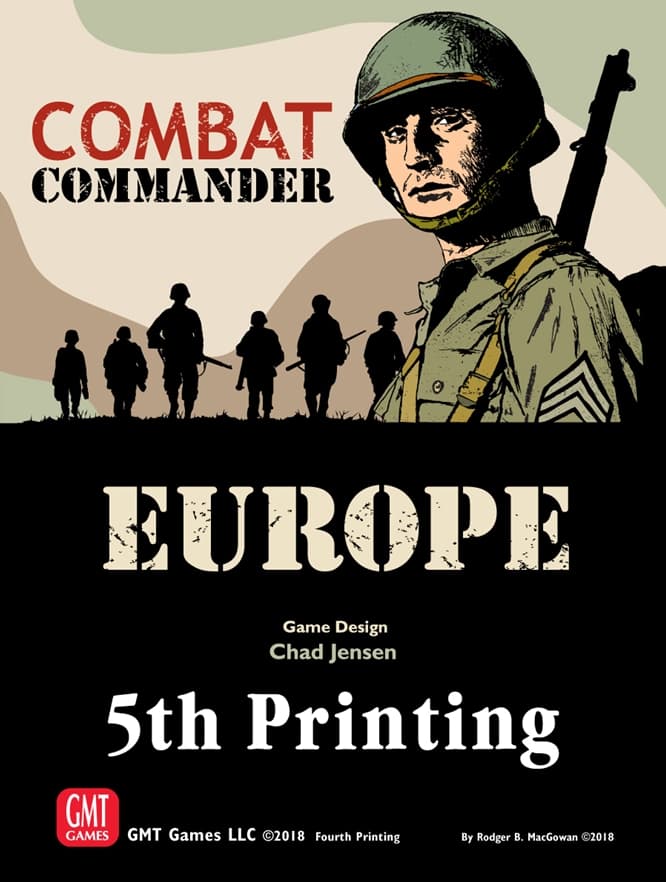
Combat Commander: Europe is an acclaimed squad-level tactical wargame that immerses players in the intense infantry clashes of the European Theater during World War II. Widely celebrated as a design triumph, the game challenges commanders to outmaneuver their opponents using a dynamic mix of traditional hex-and-counter positioning and an unpredictable card-driven engine. Over the course of the game, combatants vie for supremacy by eliminating enemy forces, securing vital battlefield objectives, and maneuvering their troops off the opponent's map edge. With various scenarios covering diverse engagements, players must navigate intricate tactical puzzles across beautifully detailed paper maps representing everything from dense hedgerows to contested towns.
Abandoning traditional dice altogether, the heart of the experience lies within the asymmetrical Fate Decks assigned to the Axis, American, or Russian factions. These multi-purpose decks dictate every aspect of the simulation. Players draw and play cards to issue vital orders such as moving rifle squads, firing light mortars, or digging into defensive positions. Furthermore, the variable phase order system ensures that turns are incredibly fluid rather than strictly rigid. Opponents can play reaction cards from their hands to disrupt a meticulously planned advance, perhaps laying down devastating opportunity fire as infantry units cross open terrain. Even the essential combat resolutions and morale checks are handled by revealing the top card of the deck to check its printed values, seamlessly blending statistical probability with hand management.
The true magic of this masterpiece is how elegantly it simulates the fog of war without resorting to overly burdensome rulesets found in older, heavier simulations. A poor draw of cards organically replicates the chaos of real battlefields—representing broken supply lines, communication failures, or troops pinned down under heavy suppression. In addition, the decks contain built-in event triggers that can suddenly unleash unexpected occurrences like sniper fire or vital reinforcements, keeping both commanders constantly on their toes. Thanks to its random scenario generator and tense sudden-death ending conditions, the replayability is virtually limitless, ensuring that no two firefights ever unfold in exactly the same way.
2 120m⚖️ 3.8
RANK #1,031
Up Front
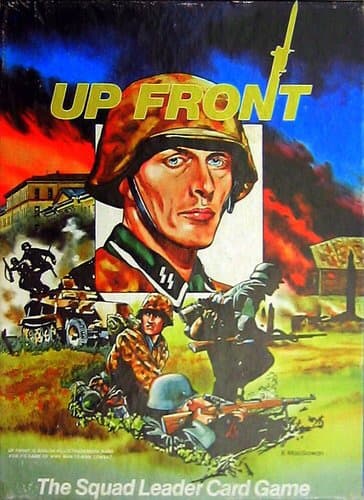
1983Up Front, released in 1983 by Avalon Hill, is a revolutionary tactical card game that simulates small-unit infantry combat during World War II. Widely regarded as the card-game equivalent of the legendary 'Squad Leader' series, it abandons the traditional hex-and-counter map board in favor of a dynamic system of terrain and action cards. The game's primary goal is to lead your squad to victory by completing specific scenario objectives, which range from seizing strategic terrain to forcing an enemy retreat by breaking their morale. By focusing on the 'friction of war' and the immediate tactical decisions of a squad leader, the game provides a visceral experience where the chaos of the battlefield is constantly felt through the cards in your hand.
The gameplay is defined by its unique 'Relative Range' system and card-driven mechanics. Players manage several squads of soldiers, each represented by individual personality cards that track their weapons and status. Instead of moving miniatures across a map, players play terrain cards to represent their troops' current cover and distance from the enemy. The Action Deck is the heart of the game; it dictates everything from firing and movement to morale checks and smoke screens. This system creates a fog of war where players must adapt to the hand they are dealt, simulating the limited communications and unpredictable nature of actual combat. Because players cannot always find the 'perfect' terrain or have the right 'Fire' card at the right moment, the game rewards those who can manage risk and react quickly to a shifting tactical landscape.
Fans of the game praise Up Front for its depth, speed, and incredible replayability. Unlike heavy board wargames that can take hours to set up and play, a session of Up Front can often be completed in under an hour, making it an ideal choice for competitive tournament play or casual skirmishes. Its legacy in the hobby is significant, as it is often cited as a pioneer of the Card Driven Game (CDG) genre. The lack of a board is not a drawback but a feature that allows for infinite tactical permutations, as the 'battlefield' is constantly being built and destroyed by the players themselves. It remains a beloved classic for its ability to generate high-stakes narrative tension and realistic military challenges without the need for complex geometric calculations or massive tabletop footprints.
1-2 60m⚖️ 3.4
RANK #4,414
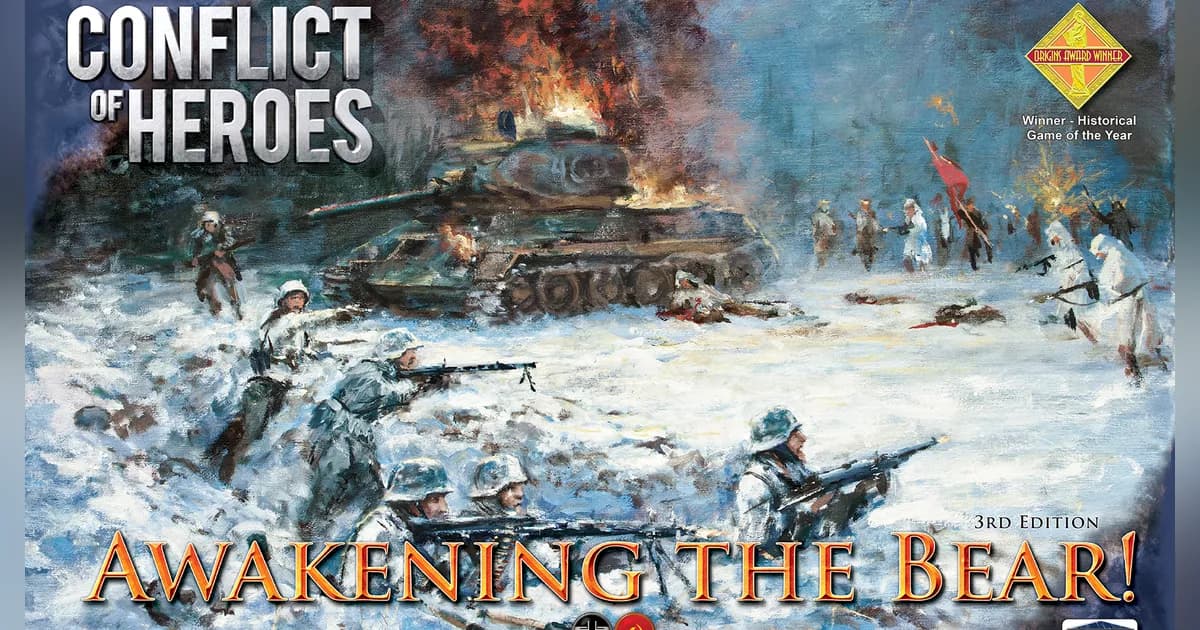
The third edition of 'Conflict of Heroes: Awakening the Bear – Operation Barbarossa 1941', released in 2019, is a highly acclaimed squad-level tactical wargame that transports players to the brutal and historic Eastern Front of World War II. Specifically focusing on the 1941 German invasion of the Soviet Union, the game pits opposing forces against each other in various scenario-based engagements. The primary objective typically revolves around outmaneuvering the enemy to capture and control vital geographic locations or methodically eliminating opposing units. Whether commanding German or Soviet troops, commanders must strategically utilize their infantry squads and armored tanks to dominate the battlefield and secure victory in these pivotal historical clashes.
At its core, the game utilizes a classic hex-and-counter framework but modernizes the experience with a highly dynamic and tense activation system. The third edition completely revamps the traditional action point allocation system in favor of an innovative 'spent check' mechanic. Whenever a player activates a unit to perform an action, they must roll a die to determine if that unit becomes exhausted or remains ready for subsequent orders. Simple movements yield a high probability of acting again, whereas aggressive actions like attacking drastically increase the chance of the unit becoming spent. To mitigate bad luck and execute critical maneuvers, players draw upon a limited pool of Command Action Points (CAPs) to modify rolls or force extra activations. Commanders take alternating turns until both sides eventually pass, forcing a continuous stream of risky, tactical decisions regarding cover, line of sight, and flanking maneuvers.
Enthusiasts and newcomers alike praise this iteration for achieving an elusive balance between deep tactical simulation and remarkable accessibility. The intuitive ruleset can be taught in mere minutes, making it an ideal entry-level title for gamers looking to explore the wargaming genre without feeling overwhelmed by convoluted rulebooks. Furthermore, the tense push-your-luck nature of the new activation system generates incredible cinematic moments and high-stakes drama on the tabletop. For those who prefer independent play, an optional expansion introduces a sophisticated, card-driven AI opponent that smartly utilizes cover and flanking strategies, delivering a robust and highly replayable challenge for solo commanders.
1-4 120m⚖️ 2.8
BoxNo Cover Art
Combat Commander
2006Combat Commander: Europe is a tactical-level board game that recreating infantry combat during the European Theater of World War II. Players take command of different factions—primarily the United States, Germany, and the Soviet Union—controlling squads, leaders, and specialized teams. The primary goal is to achieve victory by accumulating points through the control of strategic objectives on the map, the destruction of enemy units, or by successfully moving units off the opponent's map edge. Unlike many traditional wargames that focus on rigid movement phases, this game captures the chaotic and unpredictable nature of the battlefield, where survival often depends as much on luck and timing as it does on positioning.
At the heart of the game is the Fate Deck, a unique card-driven system that handles every aspect of the simulation. Each card in the deck serves multiple roles: it provides 'Orders' that allow players to move, fire, or recover; it contains 'Actions' that can be played out of turn to react to enemy movements; and it features pre-printed 'Dice Rolls' used for all combat and morale checks. This means that players do not use physical dice; instead, they flip cards to determine outcomes. This system introduces significant 'fog of war' and friction; if a player does not have a 'Fire' card in their hand, their troops simply cannot shoot that turn, simulating a breakdown in communication, jammed weapons, or hesitant soldiers. This mechanic forces players to manage their hand carefully, discarding less useful cards to cycle through the deck in search of the specific commands they need to execute their strategy.
What makes Combat Commander a beloved staple in the wargaming community is its incredible narrative flair and high replayability. Every scenario feels like a unique story unfolding, where a sudden 'Event' triggered by a card flip can change the weather, call in a sniper, or turn a regular soldier into a hero. The game is famous for its 'bursty' nature, where moments of relative calm can suddenly explode into desperate firefights or bayonet charges. Because the terrain is modular and the Fate Deck ensures no two matches play out the same way, the tactical puzzles remain fresh even after dozens of sessions. It moves away from the 'math-heavy' nature of some hex-and-counter games, offering instead a cinematic and emotionally engaging experience that rewards adaptability and risk management over pure calculation.
1-2 120m⚖️ 3.3